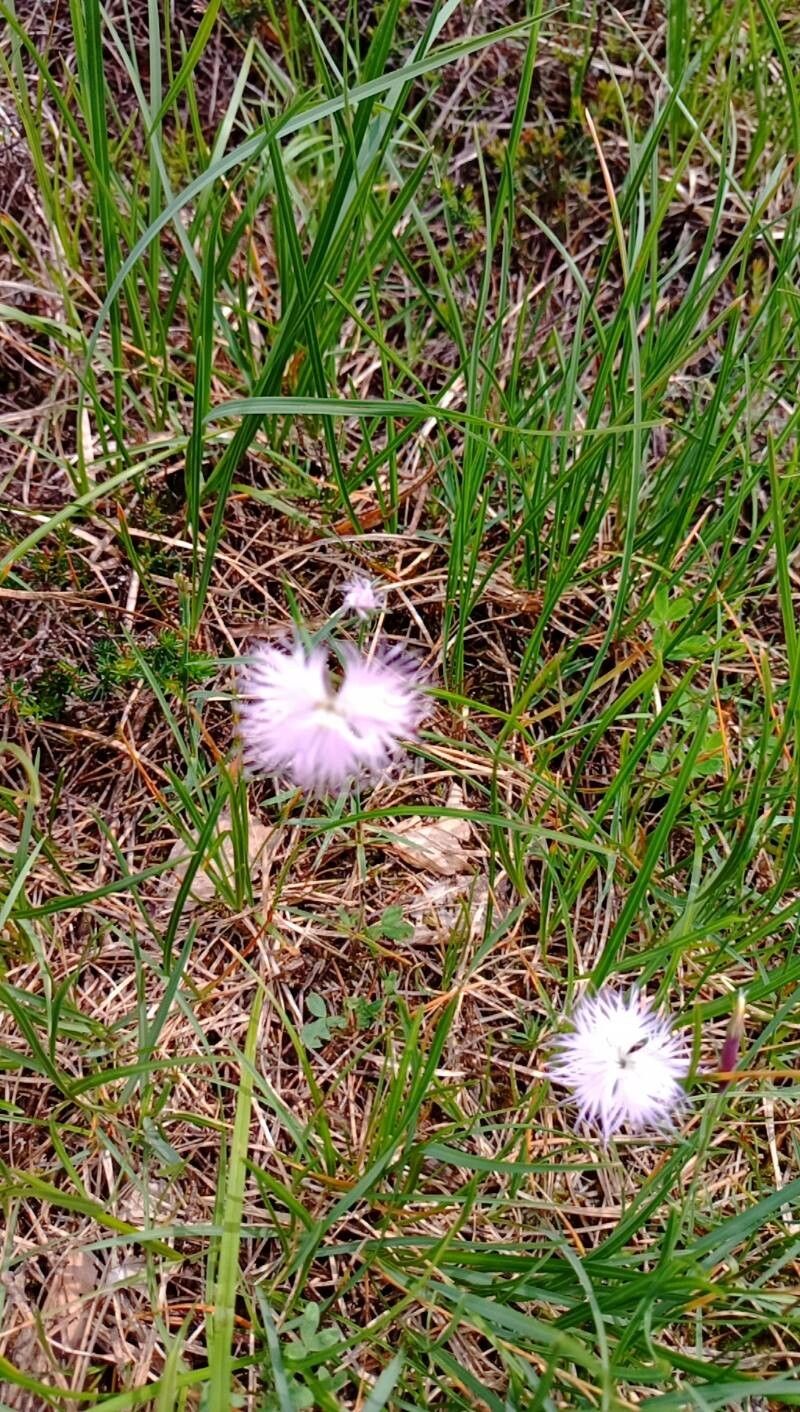
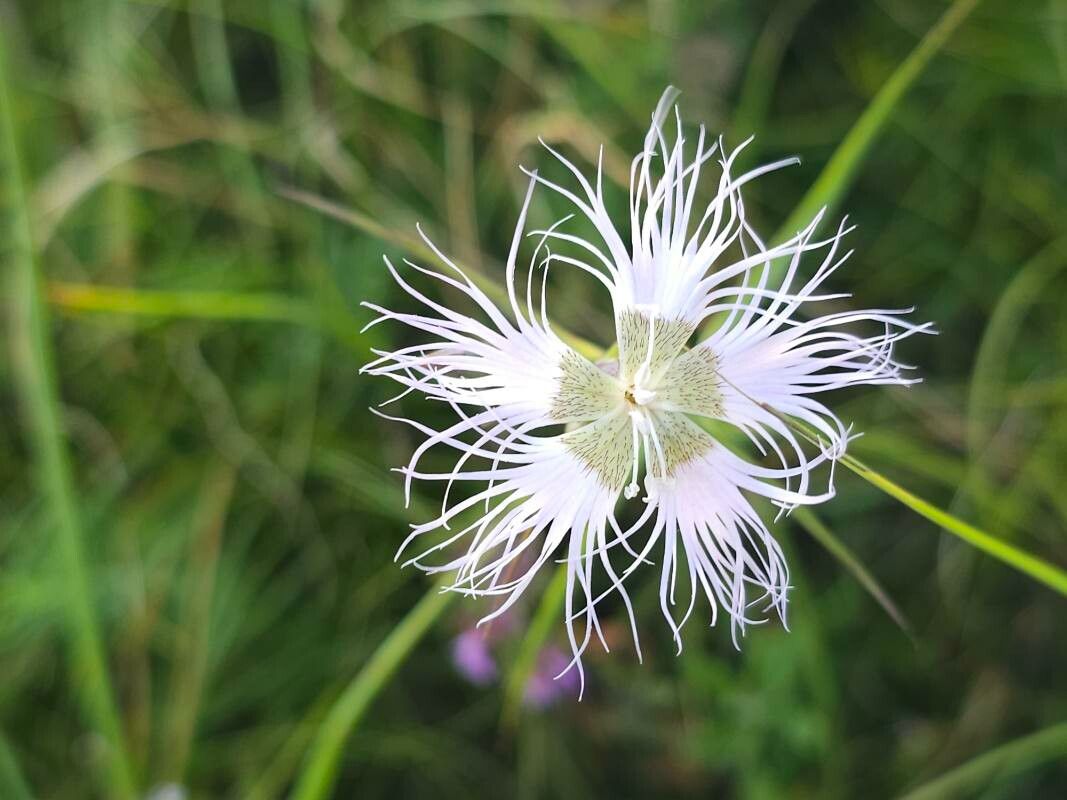
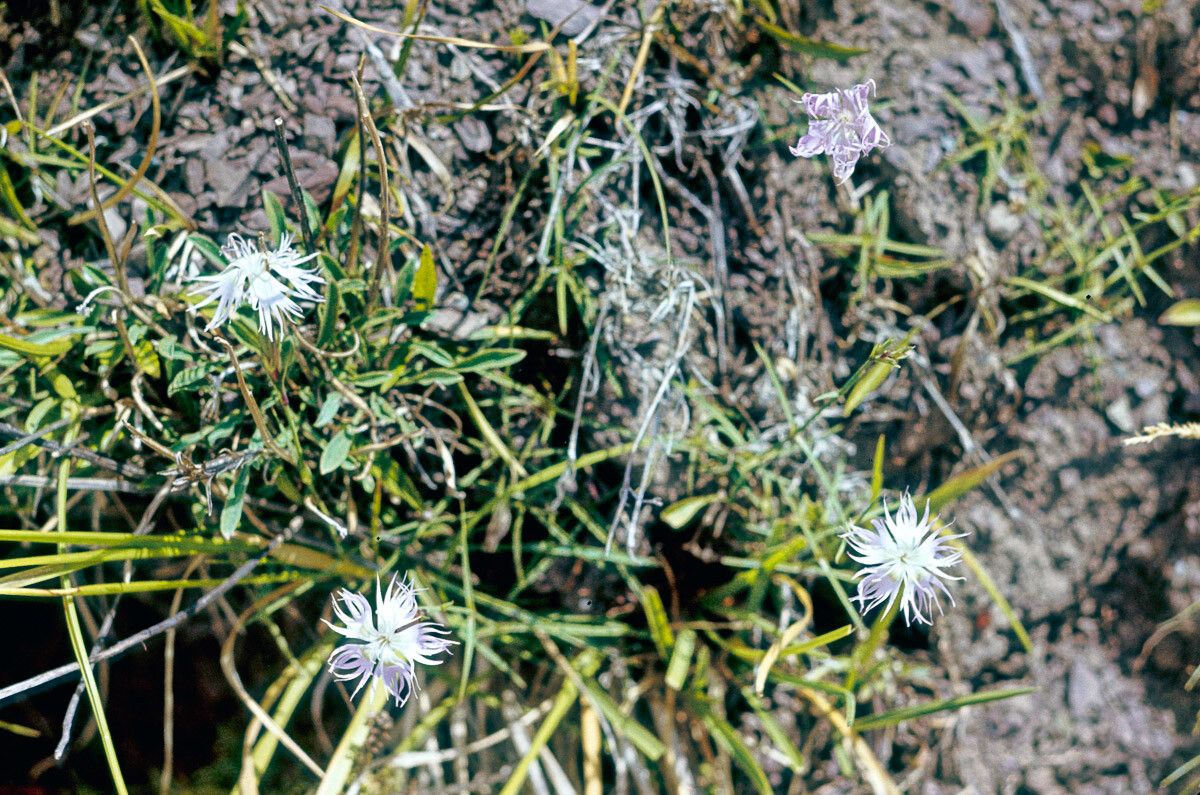
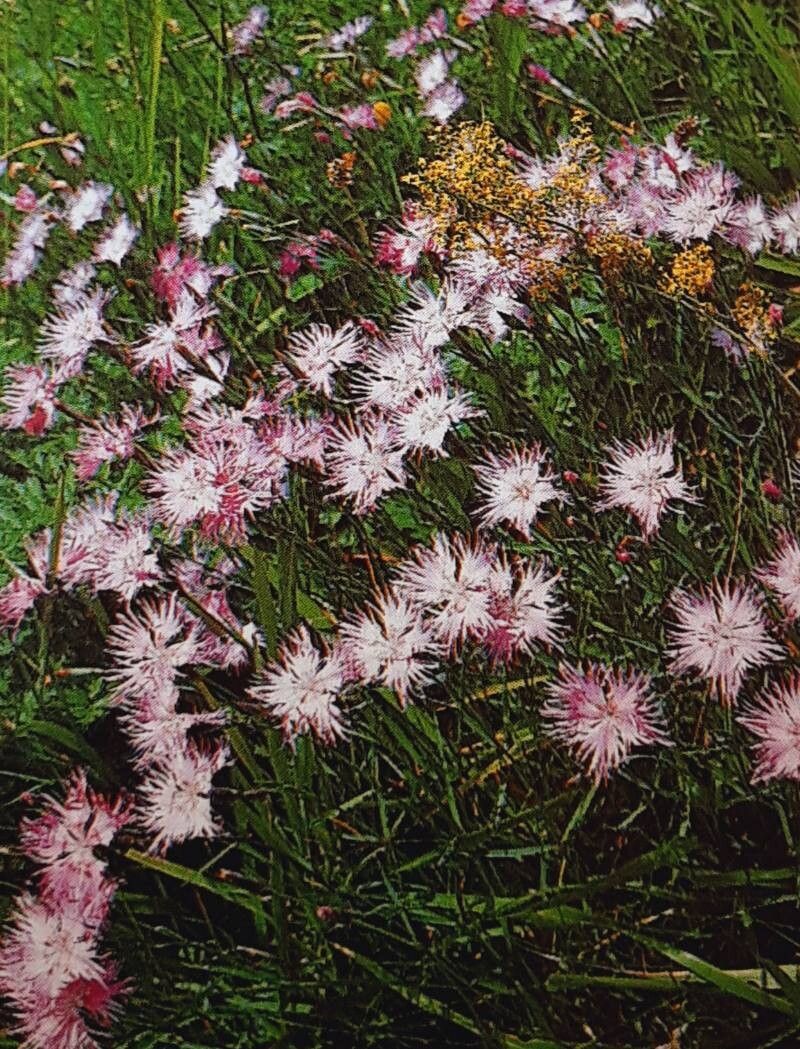
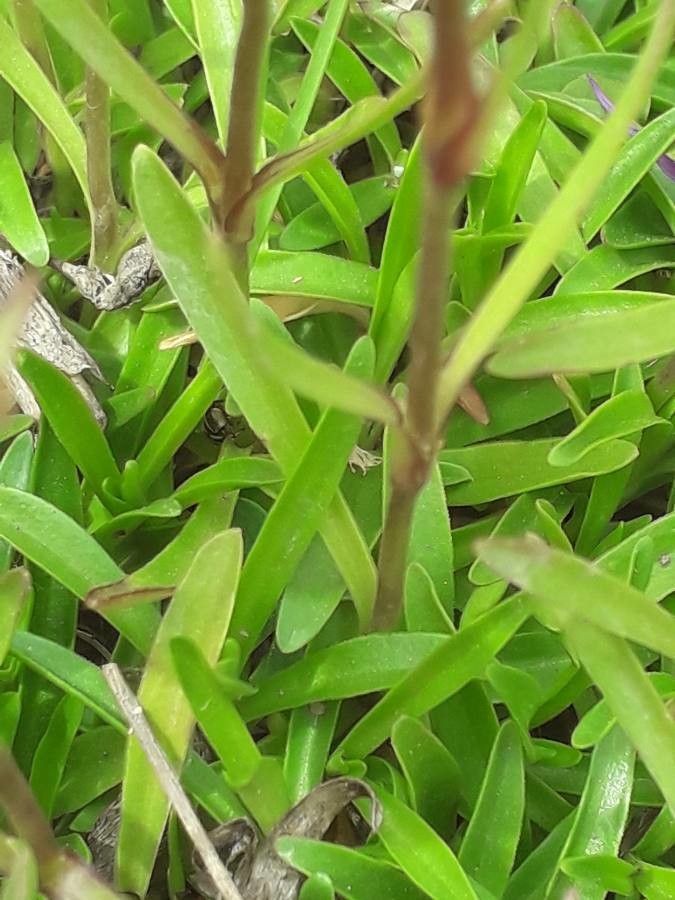
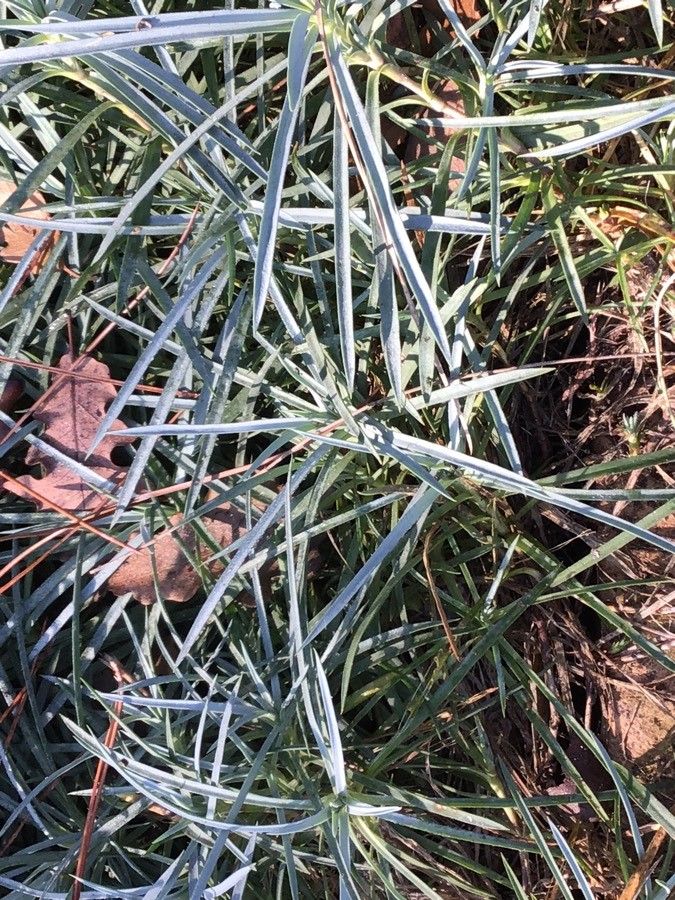
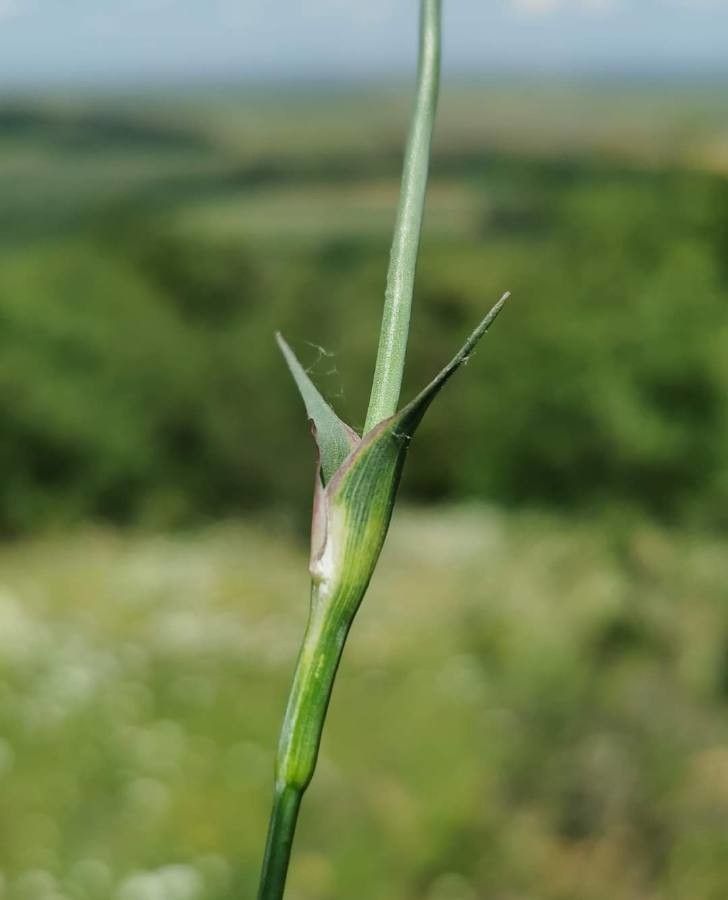
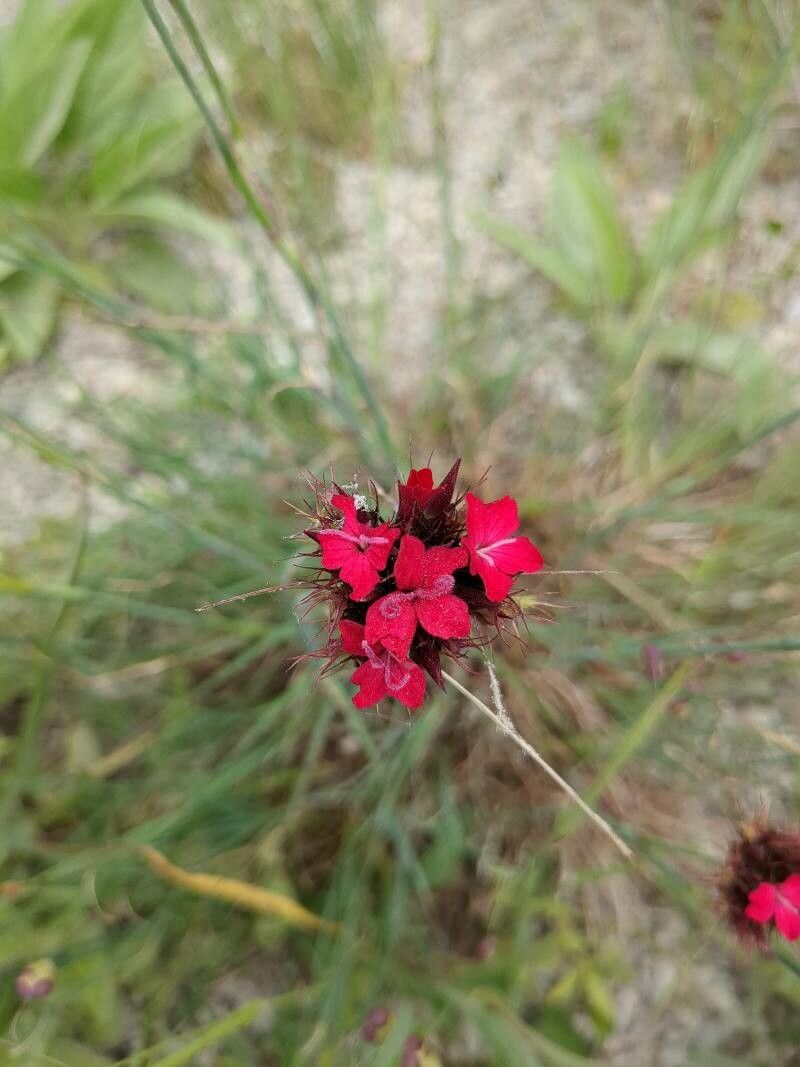
Dianthus monspessulanus, the fringed pink, is a herbaceous perennial plant of the genus Dianthus of the family Caryophyllaceae. The genus name Dianthus derives from the Greek words for divine ("dios") and flower ("anthos"), while the species name monspessulanus means "from Montpellier".
Fringed pink is fairly resistant to disease and generally not prone to illness. However, it can be vulnerable to pests and diseases present in its surroundings. These infections are typically not serious. With regard to care, this plant requires moderate maintenance. It should be pruned regularly to preserve a tidy appearance and healthy growth. Fertilizing can also help encourage flowering. Fringed pink is suitable for anyone with an outdoor area, such as a garden or patio, and does not demand extensive gardening experience. It may need more attention when grown indoors.
How to keep Dianthus Monspessulanus.
Light
Fringed pink needs sun for most of the day to grow vigorously. It tolerates partial shade, although inadequate sunlight can slow its growth. Its vigor in native habitats is due to abundant sunlight. Too much light can cause stress, while too little can weaken its health.
Water
Fringed pink, which comes from rocky environments, is drought-tolerant and only needs minimal moisture. It thrives with occasional watering, ideally about once a week, to support optimal growth. This plant is well-suited for outdoor cultivation, with its water requirements aligning with its active growing season and decreasing during dormancy.
Temperature
Fringed pink is native to temperate regions; its ideal temperature range is 41 to 95 °F (5 to 35 ℃). It prefers a warm environment but can tolerate cooler temperatures when necessary. Seasonal adaptations may be required.
Fertilizer
The best time to fertilize a Fringed pink is in early spring, when it is coming out of dormancy and starting active growth. Fertilizing supplies essential nutrients for healthy development. Although Fringed pink has relatively low fertilizer requirements, an annual application can improve survival and encourage better, longer-lasting blooms.
Pruning
The fringed pink is known for its fringed blooms and compact growth. To keep the plant healthy and promote new growth, prune it in early spring or late winter to remove any damaged areas. During the blooming season, trim off the spent flowers to encourage continuous blooming. Be sure to use clean, sharp tools to maintain the plant's health and appearance, as recommended by reliable sources.
Pot & Repot
To thrive, fringed pink needs pots with excellent drainage to manage water properly and maintain optimal health.
Botanical profile.
- Plant Type
- Herb
- Life Cycle
- Perennial
- Genus
- Dianthus
- Family
- Caryophyllaceae
- Hardiness Zone
- 5-9
- Mature Height
- 30 cm to 61 cm
- Mature Spread
- 91 cm
- Leaf Color
- Green
- Leaf Type
- Evergreen
- Flower Color
- Pink
- Flower Size
- 2.54 cm
- Bloom Time
- Summer
- Planting Time
- Spring
- Harvest Time
- Early fall, Mid fall
Other names.