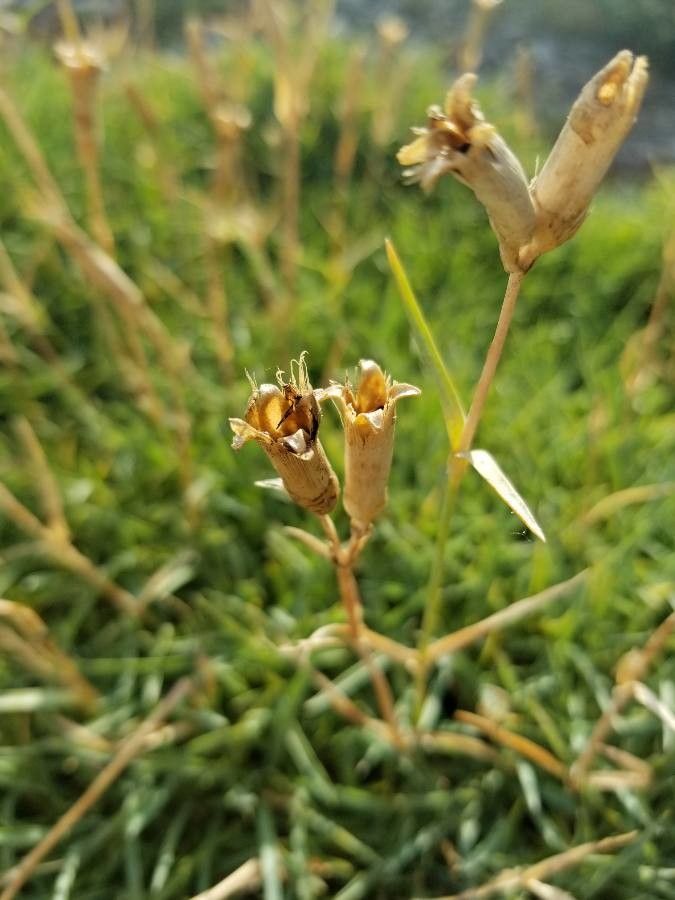
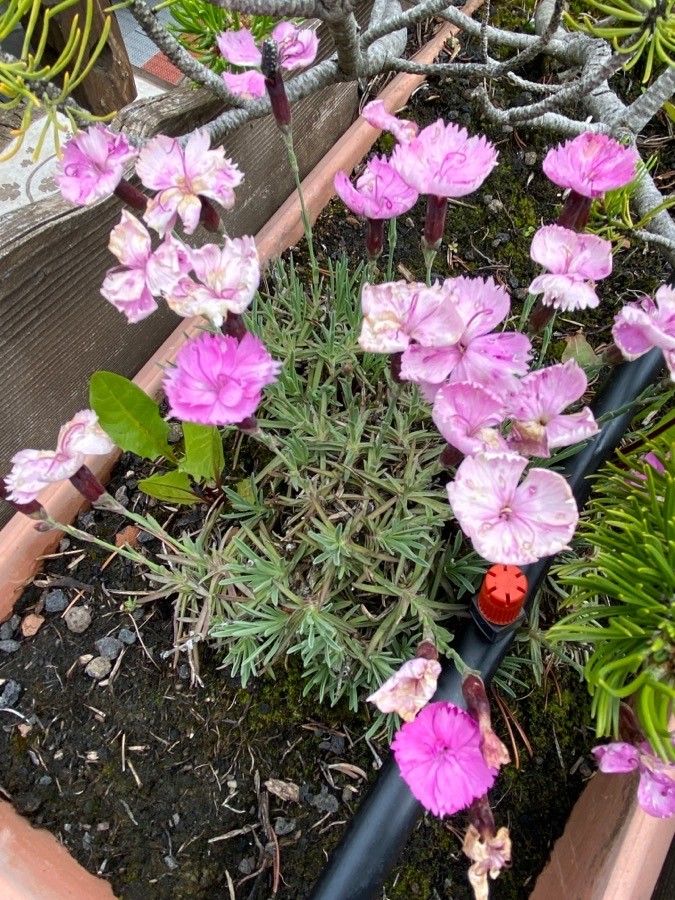
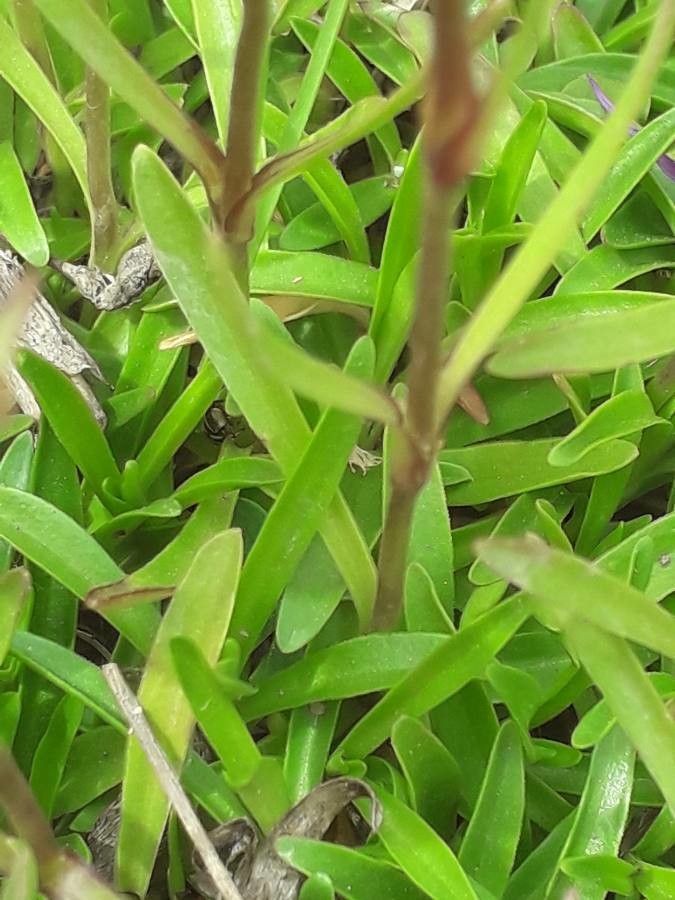
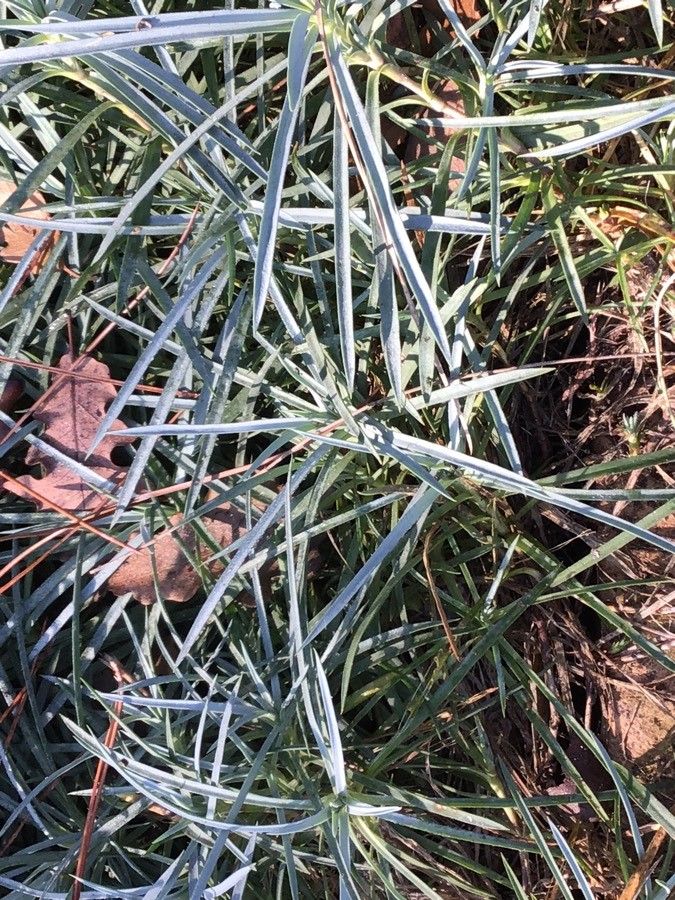
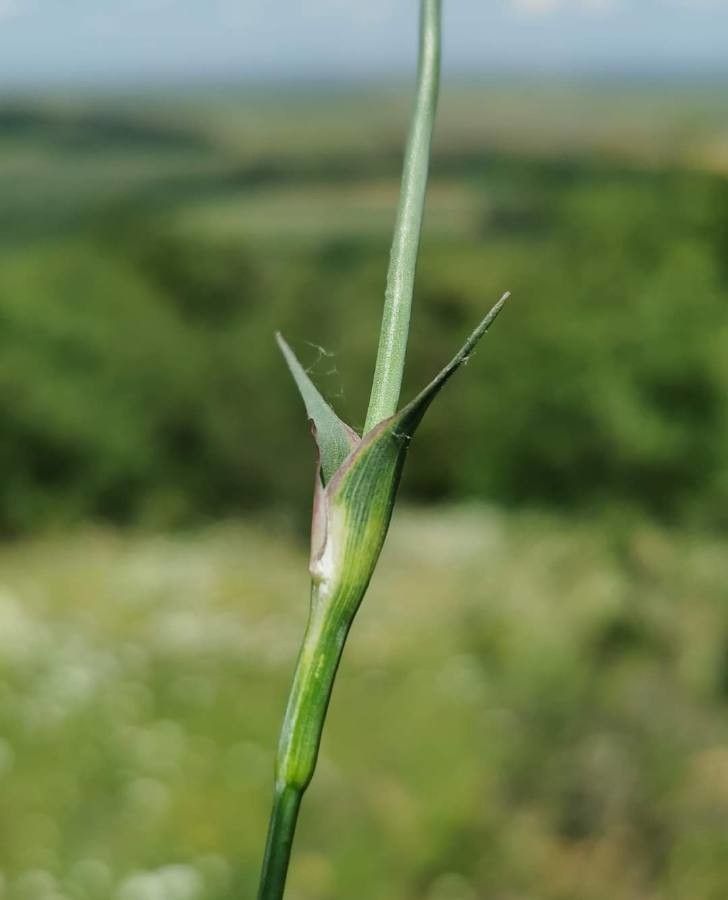
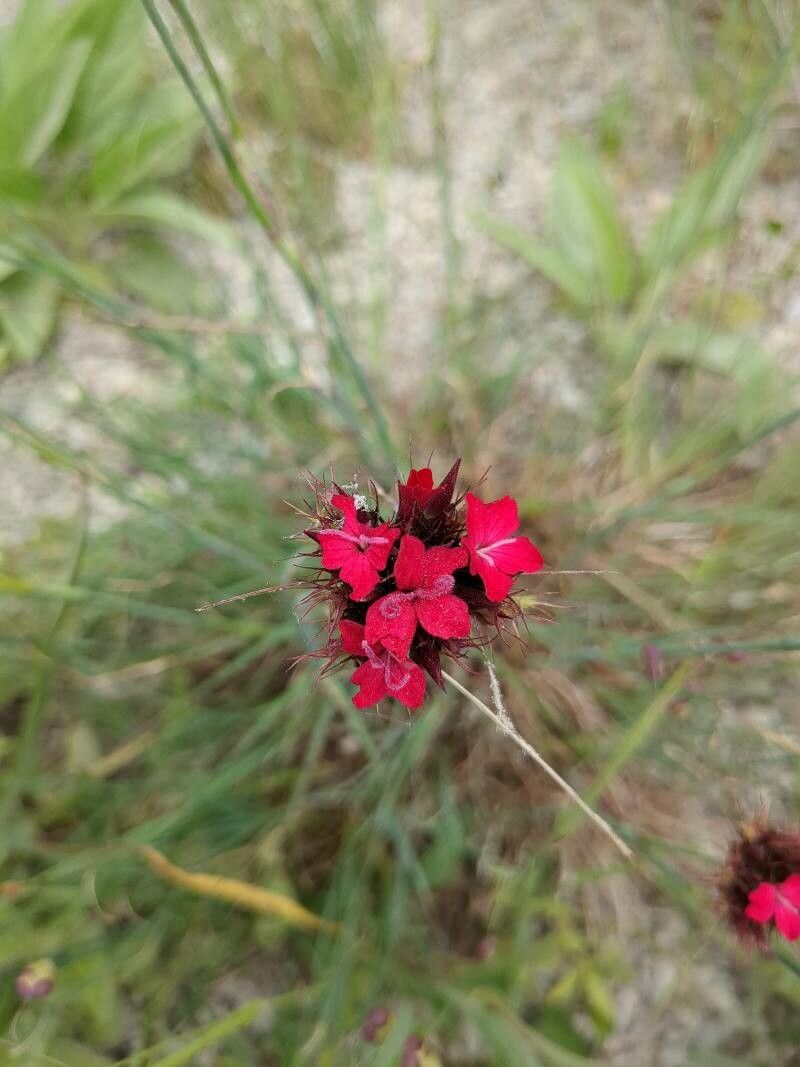
Dianthus gratianopolitanus, commonly known as Cheddar Pink, is a perennial flowering plant from the Caryophyllaceae family. Native to Europe and Asia, it has been widely cultivated as an ornamental plant in gardens and landscapes around the world.
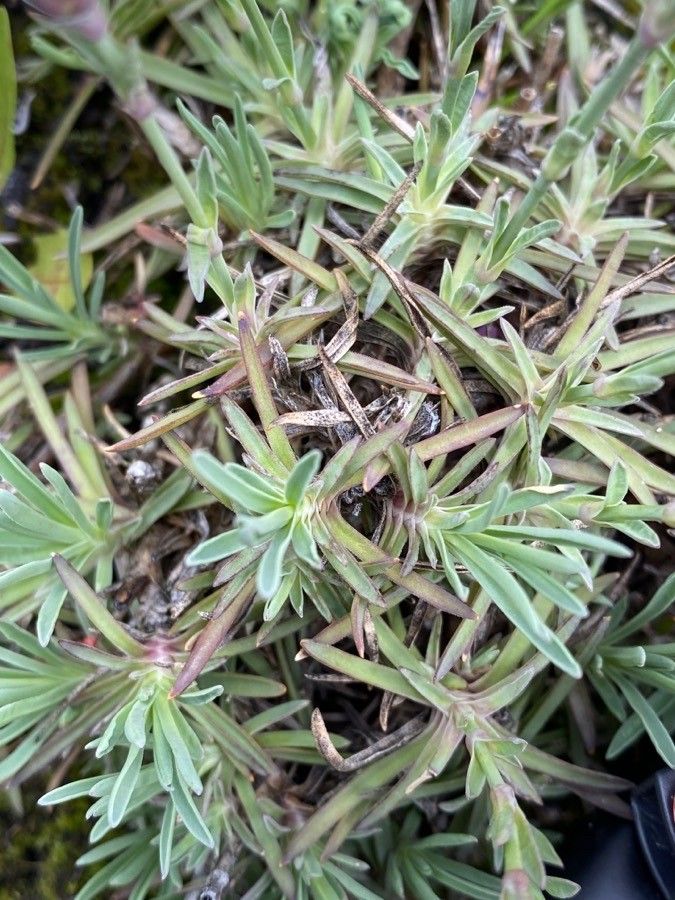
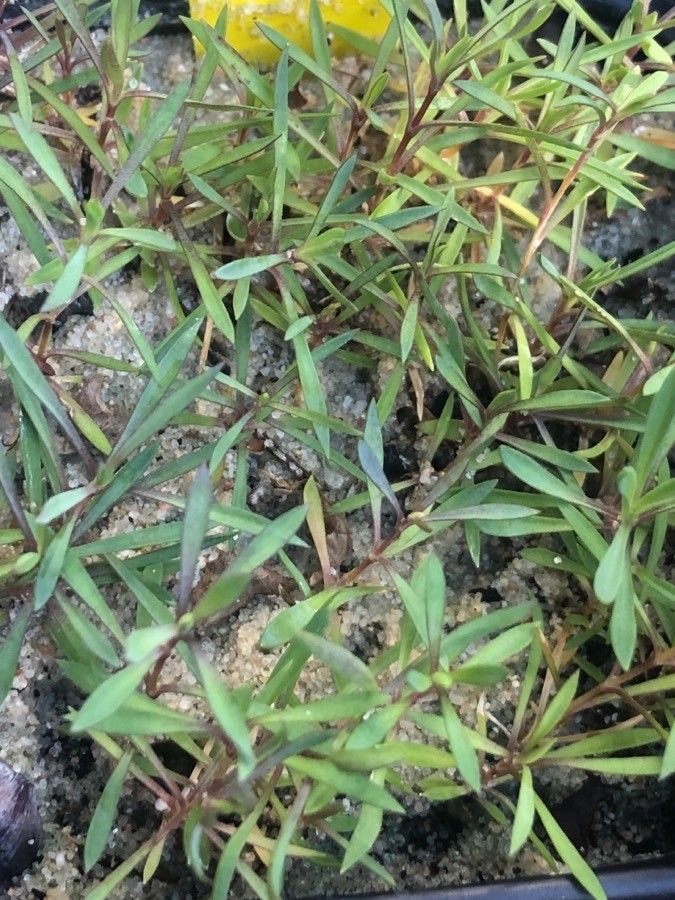
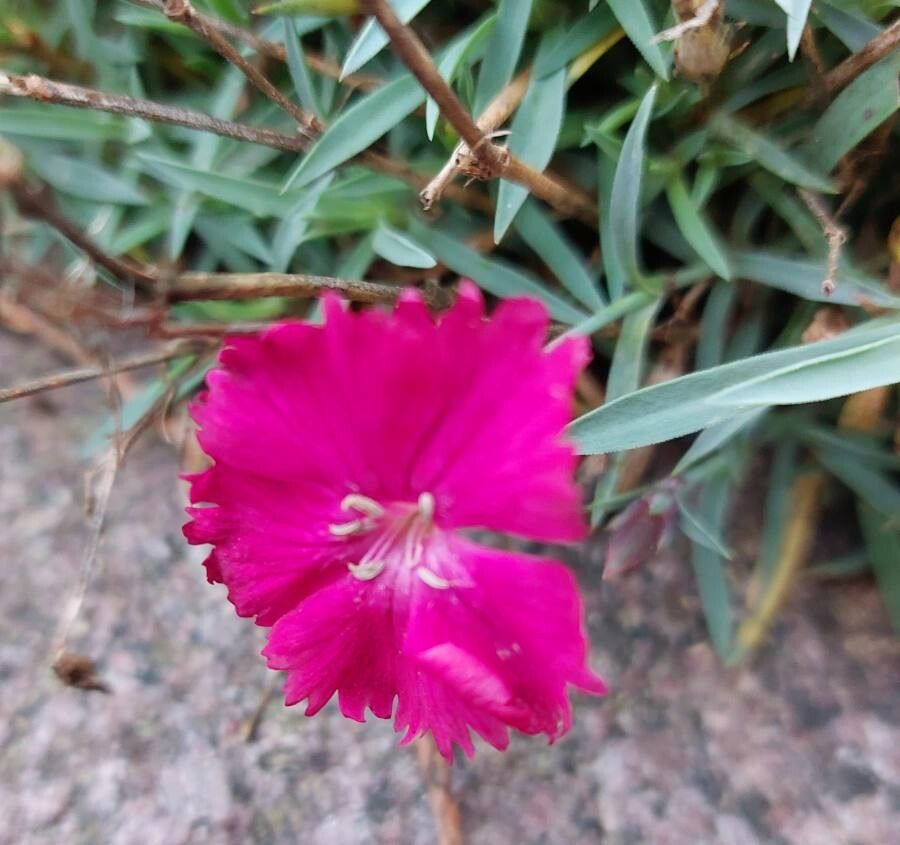
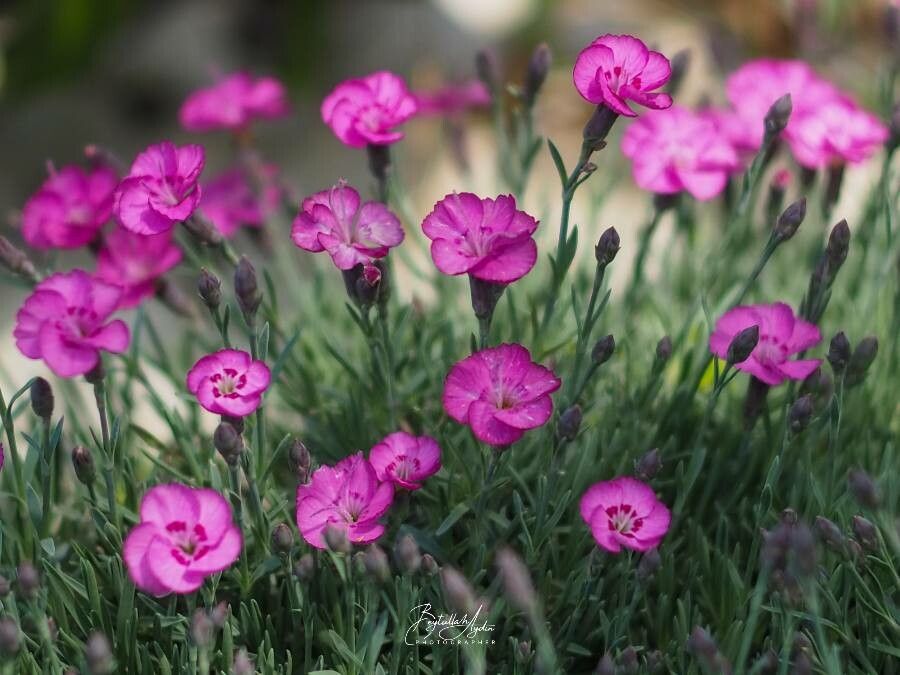
The plant grows up to 30 centimeters in height and features narrow, grass-like leaves with a blue-green hue. Its flowers, which bloom from late spring through summer, are pink or white and emit a distinctive spicy fragrance.
Cheddar Pink thrives in well-drained soil with full sun exposure but can also tolerate partial shade. While it is drought-tolerant once established, regular watering is required during the growing season to maintain its health.
There are several cultivars of Cheddar Pink available, which vary in flower color, size, and growth habit. Its low-growing nature makes it an excellent choice for use as a ground cover or border plant.
Overall, Dianthus gratianopolitanus is a visually appealing and fragrant perennial plant that enhances the beauty of any garden or landscape setting.
Cheddar pink is largely resistant to disease and generally not prone to illness. Still, it can be affected by pests and diseases present in its environment. These issues are typically not serious. For care, this plant requires moderate maintenance. It should be pruned regularly to keep a neat appearance and support healthy growth. Fertilizing can also encourage flowering. Cheddar pink is well suited for anyone with outdoor space, like a garden or patio, and doesn’t demand extensive gardening experience. It may need more attention when grown indoors.
How to keep Dianthus Gratianopolitanus.
Light
Cheddar pink does best when given uninterrupted sunlight each day, though it can also tolerate moderate sun exposure. Coming from sunny habitats, it grows most healthily with plenty of light. Too little sun weakens it, while too much can cause scorching.
Water
Cheddar pink is well-suited to rocky alpine environments, where it thrives with good drainage and occasional moisture. It is drought-tolerant, so water it sparingly—about once a week. This plant is best grown outdoors, where it can benefit from natural rainfall, especially in temperate climates. Its evergreen foliage helps it retain moisture efficiently.
Temperature
The cheddar pink plant does best in temperatures of 50 to 90℉ (10 to 32℃). It is a hardy perennial able to tolerate both cool and warm conditions. In colder months, protect the plant from frost, and in hotter months, make sure it gets enough water to prevent the soil from drying out.
Fertilizer
The best time to fertilize a Cheddar pink is in early spring, when it is coming out of dormancy and starting active growth. Fertilization supplies essential nutrients needed for healthy development. Although Cheddar pink has relatively modest fertilizer requirements, feeding it once a year can boost its survival and encourage better, longer-lasting blooms.
Pruning
Cheddar pink showcases beautifully fragrant pink flowers and mat-forming foliage. To promote new growth and prevent legginess, regular pruning is recommended from late winter to early spring. After the flowers have bloomed, cutting the plant back by one-third encourages a second bloom, improves air circulation, and helps reduce the risk of mold and mildew.
Pot & Repot
When repotting Cheddar pink, choose a pot 1-2 inches (2.5–5.1 cm) larger with ample drainage. Use a well-draining potting mix. Repot in spring or fall, ensuring the root ball is slightly lower than the rim of the flower pot. Water thoroughly after repotting and place in a warm spot with indirect sunlight.
Botanical profile.
- Plant Type
- Herb
- Life Cycle
- Perennial
- Genus
- Dianthus
- Family
- Caryophyllaceae
- Hardiness Zone
- 6-8
- Mature Height
- 15 cm to 30 cm
- Mature Spread
- 30 cm
- Leaf Color
- Green, Blue, Gray, Silver
- Leaf Type
- Evergreen
- Flower Color
- Pink
- Flower Size
- 2.54 cm
- Bloom Time
- Late spring, Early summer
- Planting Time
- Spring
- Harvest Time
- Mid summer
- Native Area
- Germany, Austria, Italy, Switzerland, Czech Republic, Slovakia, Poland, United Kingdom, Belgium, Ukraine, France
Other names.
Reader questions.
How should I water my Cheddar pink plant?
To ensure the health of the Cheddar pink when watering it, follow these guidelines. First, use filtered water that is at room temperature. This is important because tap water may contain harmful particles. Additionally, the Cheddar pink is accustomed to a warm environment, so using cold water can be a shock to its system. Therefore, avoid overhead watering and simply apply filtered room temperature water to the soil until it is fully soaked. This method helps moisten the roots and allows them to spread through the soil to gather the necessary nutrients.
Why is it necessary to fertilize my Cheddar pink?
Fertilization is important for the Cheddar pink plant because it provides essential nutrients needed for its growth. While the overall fertilization needs of the Cheddar pink are relatively low, it can still benefit from annual fertilization. This helps the plant survive and improves the quality and longevity of its flowers. Therefore, those wanting their Cheddar pink to look its best should make sure to fertilize it annually.
What are the sunlight requirements for Cheddar Pink?
Cheddar Pink (Dianthus gratianopolitanus) thrives best under full sun conditions, requiring above 6 hours of sunlight daily to maintain its health and vigor. It can also tolerate partial sun, which involves about 3-6 hours of sunlight. However, it's essential to observe how sunlight moves through your garden to find spots that offer a balance of light and shade, ensuring the plant's happiness and proper growth.
What is the ideal temperature range for growing Cheddar Pink plants?
Cheddar pink plants thrive best in a temperature range of 50 to 90°F (10 to 32°C). This hardy perennial is adaptable to both cool and warmer climates, making it versatile for various garden settings. During the colder months, it's crucial to shield the plant from frost, while in warmer seasons, ensuring the soil remains hydrated is key to preventing it from drying out. Despite its strong cold resistance, special precautions such as covering the plant with soil or straw should be taken if winter temperatures are expected to drop below the plant's tolerance level.
What should I do if I give too much or too little water to my Cheddar plant?
Overwatering is a more common problem for Cheddar pink plants, and it can cause wilting and yellowing of the stems and leaves. It can also lead to serious diseases like root rot, mold, and mildew. Underwatering is less common, but it can make the leaves brittle and brown. It's important to watch for signs of overwatering as it can be difficult to correct if left too long. If you notice these signs, reduce your watering schedule and consider improving the soil drainage. If you see signs of underwatering, simply water more regularly until the signs go away.
When should I fertilize my Cheddar pink plant?
The best time to fertilize a Cheddar pink is in late winter to early spring when it is coming out of dormancy and starting to grow. Fertilizing at this time promotes healthy growth and sets the plant up for a successful season. It is also possible to fertilize in the fall, but it is not recommended to fertilize during the summer or winter.
How does insufficient sunlight affect Cheddar Pink's growth?
Insufficient sunlight can significantly impact Cheddar Pink's growth, leading to symptoms such as smaller leaves, leggy or sparse growth, faster leaf drop, slower or no new growth, lighter-colored new leaves, and potential conditions like chlorosis, sunscald, leaf curling, wilting, and leaf scorching. These symptoms indicate either a lack of adequate sunlight or exposure to excessively intense light, which affects the plant's ability to photosynthesize and maintain healthy growth.
How does low temperature affect the Cheddar Pink plant, and what are the solutions?
Cheddar pink plants are quite tolerant of cold temperatures, thriving best when the temperature is kept above its minimum growth threshold. In winter, temperatures should remain above a certain critical point to ensure healthy growth. If temperatures drop below this limit, you might not notice immediate changes, but the plant could show decreased sprouting or even fail to sprout in spring. To mitigate this, it is recommended to remove any parts of the plant that have failed to sprout in the spring.
How frequently do I need to water my Cheddar pink plant?
If your Cheddar pink plant is in a pot, the best way to determine if it needs water is to stick your finger into the soil. If the top two to three inches of soil feel dry, then it's time to water it. If you are growing your Cheddar pink outdoors in the ground, you can use a similar method to check the soil. Again, if the top few inches of soil have dried out, it's time to water. Typically, during the spring and early fall, you'll need to water this plant about once a week using this method. However, during extremely hot weather, you may need to increase the frequency to about twice a week or even more. That being said, mature and well-established Cheddar pink plants have the ability to tolerate drought quite well.
When is the best time not to fertilize my Cheddar pink?
To avoid overfertilizing your Cheddar pink, it is recommended to only fertilize during late winter and early spring. This plant has low fertilization needs, so a single annual feeding is sufficient. Fertilizing during spring, summer, and fall can lead to complications from overfertilization, unless you skipped fertilizing in spring. In that case, it is acceptable to feed the plant in the fall. Additionally, there is no need to fertilize during the winter, as the Cheddar pink is in a dormant growth phase and does not produce new growth.
What solutions are recommended for Cheddar Pink experiencing insufficient sunlight?
For Cheddar Pink plants experiencing insufficient sunlight, several solutions can help. Indoors, gradually moving the plant to sunnier locations or using artificial light can improve light exposure. For outdoor plants, choosing sunnier spots and being mindful of sudden changes in light is crucial. Additionally, managing obstructions like branches that shade the plant and considering transplanting smaller plants to sunnier locations can be beneficial. It's important to note that while affected parts may not recover, new growth after adjusting light exposure should be healthy.
How does high temperature affect the Cheddar Pink plant and what solutions can be applied?
During the summer, Cheddar pink plants need protection from excessive heat, with an ideal maximum temperature for growth. When temperatures exceed this upper limit, the plant's leaves may lighten, curl, and become sunburned. In severe cases, the plant may wilt and dry out completely. To protect your Cheddar pink from high temperatures, trim away any sunburned or dried parts, provide shade during the hottest parts of the day, and water the plant thoroughly in the morning and evening to maintain soil moisture.