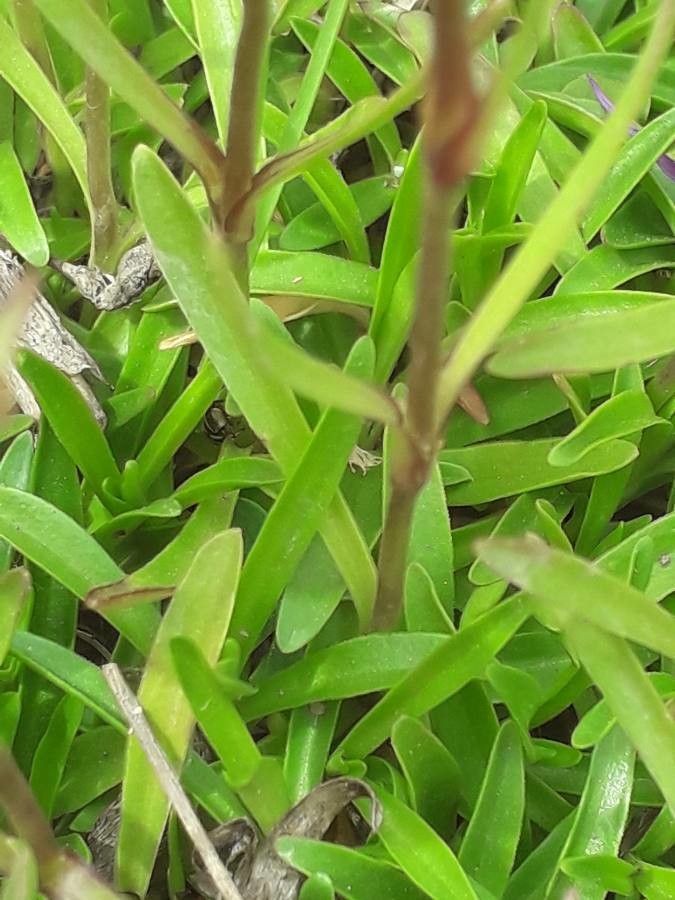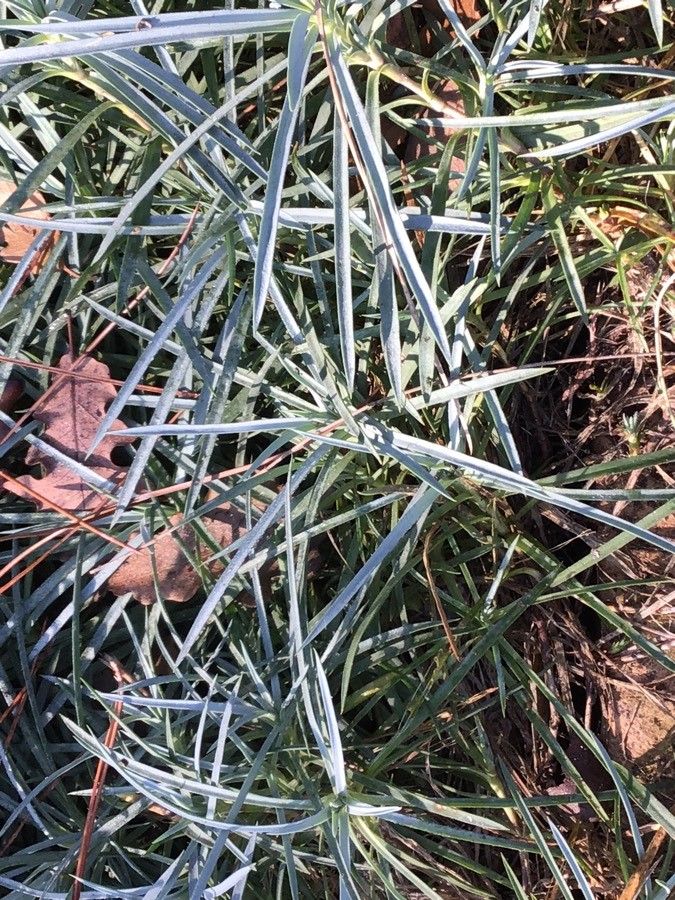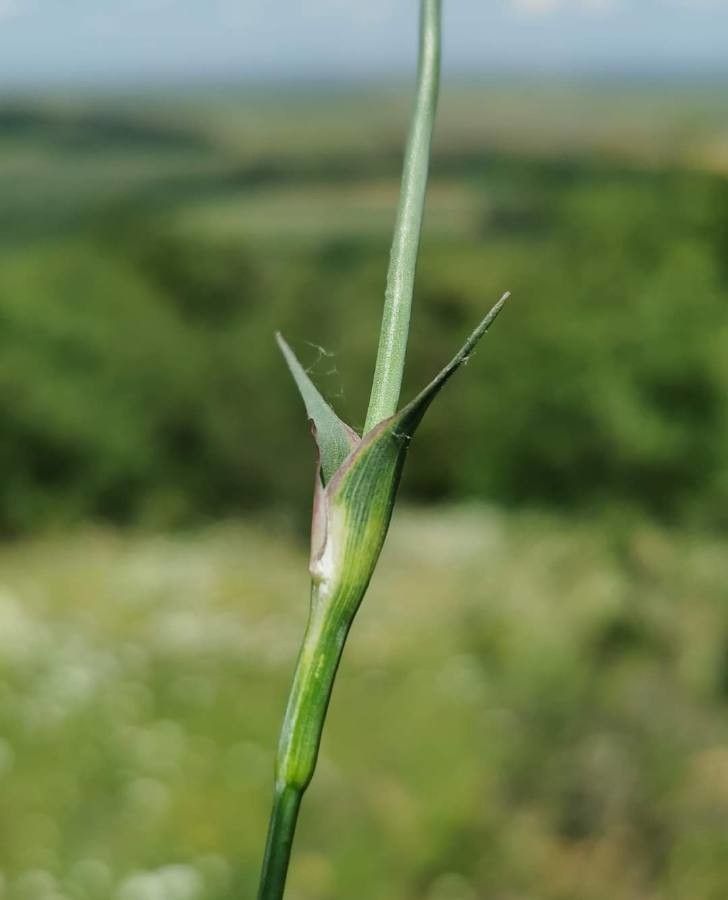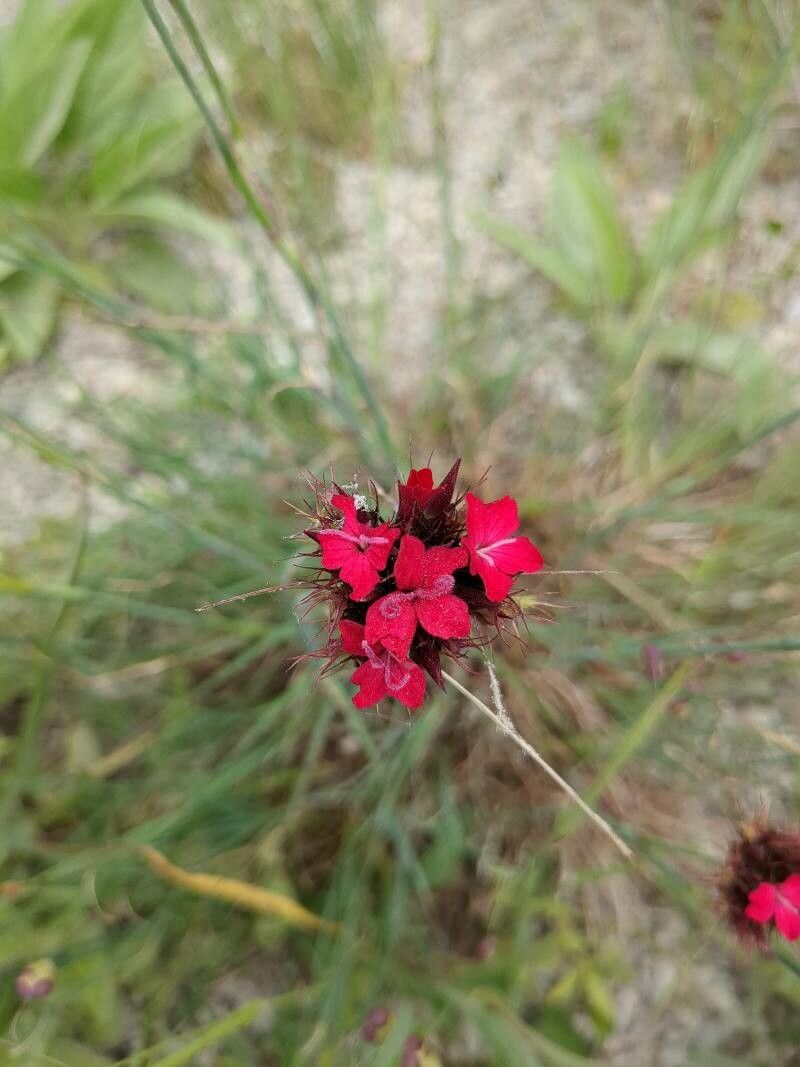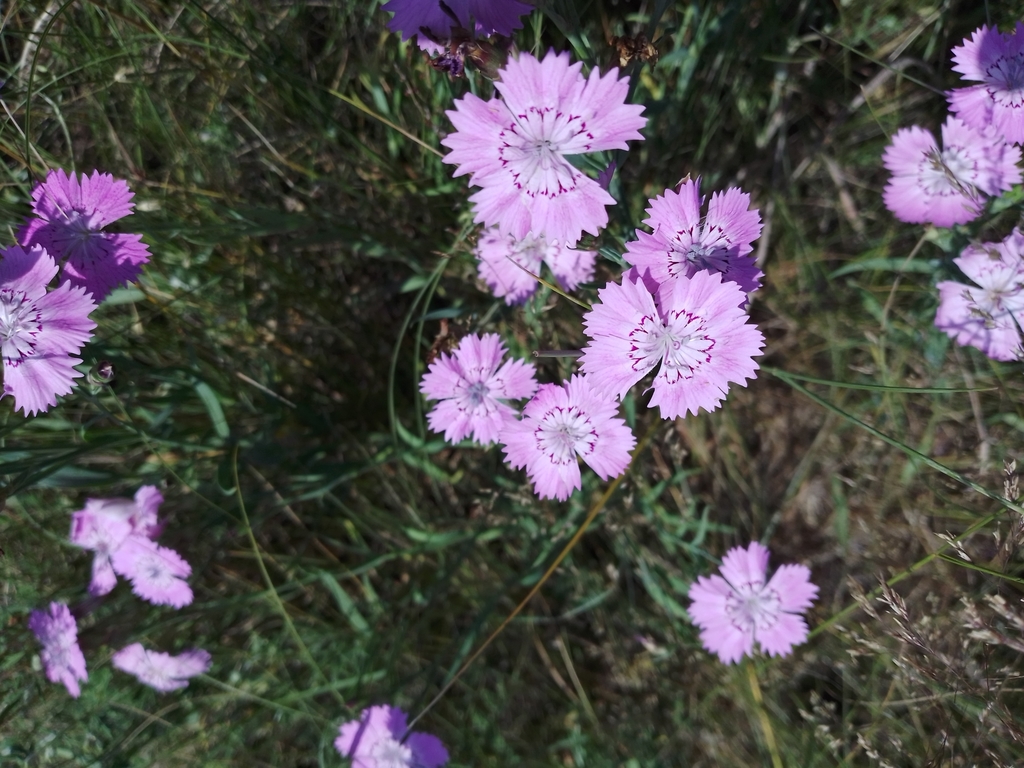
Dianthus chinensis, commonly known as Chinese pink or rainbow pink, is a species of flowering plant in the Caryophyllaceae family. Native to China, it has been cultivated for centuries for its attractive and fragrant flowers. Typically, the plant grows to a height of 15-30 cm and produces clusters of small, five-petaled flowers in shades of pink, red, white, or purple. Its leaves are narrow and resemble grass blades.
Dianthus chinensis is a popular garden plant due to its long blooming period from late spring through summer. It thrives in well-drained soil with full sun exposure but can also tolerate some shade. Regular watering is necessary, but overwatering should be avoided as it can lead to root rot.
Beyond its ornamental value, Dianthus chinensis has been used in traditional Chinese medicine to treat various ailments, including inflammation and pain relief.
Overall, Dianthus chinensis is an attractive flowering plant that adds color and fragrance to any garden setting, while also offering potential medicinal benefits.
Chinese pink is generally resistant to disease and typically not prone to illnesses. However, it can be vulnerable to leaf spots if light and ventilation are poor and if it is overwatered. Its care requirements are considered easy, since it only needs regular watering and little else. It is well suited to people who do not have the time or energy to provide frequent maintenance.
How to keep Dianthus Chinensis.
Light
Chinese pink prefers ample sunlight to thrive. While it comes from sunny habitats, it can also tolerate spots with less light. However, prolonged lack of light or exposure to too much brightness can harm its growth, resulting in weakness or faded color.
Water
Chinese pink thrives in rich, well-drained soil and needs consistent moisture, with weekly watering for optimal growth. While it can handle short dry spells, mulching helps retain moisture and regulate root temperature, improving its drought resilience as an ornamental outdoor plant.
Humidity
This plant will thrive in moderate humidity, which is probably the level in your home. However, misting it a few times a week can be very beneficial. Make sure the room has good ventilation.
Temperature
Chinese pink originates from temperate regions, so it is adapted to temperatures of 68 to 95 °F (20 to 35 ℃). Seasonal adjustments may be needed to reproduce its native growing conditions for optimal performance.
Fertilizer
The best time to fertilize a Chinese pink is in early spring, as it comes out of dormancy and begins active growth. Fertilizing supplies essential nutrients for healthy development. While Chinese pinks have relatively low fertilizer requirements, applying fertilizer once a year can improve their survival and encourage better, longer-lasting blooms.
Pruning
Chinese pink features vibrant colors and fringed petals. To encourage bushy growth and more blooms, prune the plant from early to late spring. Be sure to remove dead flowers to prevent seed formation, and trim the plant for shape. Avoid heavy pruning to minimize stress, which promotes healthier growth and better flowering.
Pot & Repot
When repotting Chinese pink, select a pot 1–2 inches (2.5–5 cm) larger with good drainage. Use a well-draining potting mix. Repot in spring or fall, making sure the root ball sits slightly below the rim of the flower pot. Water thoroughly after repotting and place it in a warm spot with indirect sunlight.
Botanical profile.
- Plant Type
- Herb
- Life Cycle
- Perennial, Annual, Biennial
- Genus
- Dianthus
- Family
- Caryophyllaceae
- Hardiness Zone
- 6-9
- Mature Height
- 30 cm to 49 cm
- Mature Spread
- 15 cm to 30 cm
- Leaf Color
- Green, Blue, Silver
- Leaf Type
- Deciduous
- Flower Color
- Pink, White, Red
- Flower Size
- 3.05 cm to 4.06 cm
- Bloom Time
- Late spring, Summer
- Planting Time
- Spring
- Harvest Time
- Summer, Early fall
- Native Area
- Nepal, India, Vietnam, Koppen, Bhutan, South Korea, China
Other names.
Reader questions.
How should I water my Chinese pink plant?
To properly water the Chinese pink plant, it is important to use filtered water at room temperature. Tap water may contain harmful particles, so using filtered water is preferable. Since the Chinese pink originates from a warm environment, it is best to avoid using cold water as it can be a shock to the plant. It is also recommended to avoid overhead watering, as it can lead to difficulties with the foliage. Instead, simply apply the filtered room temperature water directly to the soil until it is completely soaked. This method benefits the plant by providing moisture to the roots, helping them spread and gather necessary nutrients.
Why should I put plant food on my Chinese pink plant?
Chinese pink and other plants benefit from fertilization because it supplies essential nutrients for growth. While Chinese pinks have relatively low fertilization needs and can survive without it, annual fertilization is highly advantageous. It helps maintain the plant's health, promotes better and longer-lasting flowers. Therefore, regular fertilization is recommended for those wanting their Chinese pink to thrive.
What are the sunlight requirements for Chinese pink (Dianthus chinensis)?
Chinese pink (Dianthus chinensis) thrives best under conditions of ample sunlight, showing a preference for abundant solar exposure to flourish properly. It requires full sun, which is defined as above 6 hours of sunlight daily, but it can also adapt to partial sun, meaning about 3-6 hours of sunlight. This adaptation comes from its origin in environments replete with sunlight, although areas with less sun are still acceptable. Excessive or persistently insufficient sunlight may, however, adversely affect the plant's health, potentially leading to frailty or loss of color.
What are the ideal temperature conditions for Chinese pink?
Chinese pink, or Dianthus chinensis, thrives in temperate regions and is best suited for temperatures between 68 to 95°F (20 to 35°C). Due to its strong cold resistance, it generally does not require special frost protection measures. However, in environments where winter temperatures are expected to drop below -25°C, providing cold protection by covering the plant with soil or straw is advisable. To prepare for winter, it is recommended to water the plant abundantly before the first freeze, ensuring the soil is moist as it enters a frozen state. This preparation helps prevent drought and water scarcity during the colder months.
What should I do if I give too much or too little water to my Chinese pink plant?
Overwatering is a common issue and can harm your Chinese pink plant. It can cause wilting and yellowing of stems and leaves. Over time, it can also lead to diseases like root rot, mold, and mildew, which can be fatal for your plant. Underwatering is less common but still possible. In this case, the leaves may become brittle and brown. It's important to recognize the signs of overwatering early to prevent irreversible damage. If you notice these signs, reduce watering immediately and check the soil's drainage. Replace it with a well-draining potting mix if it drains poorly. If you see signs of underwatering, simply water more regularly until the signs improve.
What is the right time to add fertilizer to my Chinese pink plant?
The best time to fertilize a Chinese pink is in late winter to early spring when it is coming out of its dormant phase and starting to grow. Fertilizing during this time promotes healthy growth and gives the plant a good start for the season. Fertilizing in the early spring is most beneficial, but it is also possible to fertilize in the fall. However, it is not recommended to fertilize in the summer or winter.
What are the warning signs of improper lighting for Chinese pink?
When Chinese pink does not receive adequate sunlight, several symptoms can manifest. These include smaller new leaves compared to older ones, leggy or sparse growth making the plant appear thin and weak, faster leaf drop, slower or ceased growth, and leaves that may show lighter colors or chlorosis. Excessive sunlight exposure can cause sunscald, characterized by damaged leaves and stems, leaf curling as a defense mechanism against water loss, wilting from increased water loss through transpiration, and leaf scorching indicated by brown, dry edges on leaves.
How does Chinese pink respond to low temperatures and what measures should be taken?
Chinese pink is notably cold-tolerant, ideally kept above 0°C during winter to ensure health and vitality. Despite its resilience, when temperatures fall below -25°C, the plant may not show immediate signs of distress but could exhibit decreased sprouting or fail to sprout come spring. If this occurs, it's recommended to remove any parts of the plant that have not sprouted as a means to encourage new growth and maintain the health of the plant.
How frequently should I water my Chinese pink plant?
To determine if your Chinese pink plant needs water, you can use a simple method. If your plant is in a pot, stick your finger into the soil. If the top two to three inches of soil are dry, it's time to water it. The same applies if you have your Chinese pink plant in the ground outdoors. Check the first few inches of soil, and if it's dry, water the plant. In spring and early fall, you'll typically need to water the plant about once a week using this method. However, in very hot weather, you may need to water the plant twice a week or even more. It's worth noting that mature Chinese pink plants can withstand drought quite well.
When is it not a good idea to fertilize my Chinese pink?
To properly care for your Chinese pink plant, it is best to fertilize it only in late winter or early spring. This plant does not require much fertilizer, so a single annual feeding is sufficient. If you continue to fertilize throughout the spring, summer, and fall, you risk overfertilization and the problems it can cause. However, if you forgot to fertilize in the spring, it is acceptable to feed the plant in the fall. It is important to note that the Chinese pink plant does not need fertilizer during the winter when it is in a dormant phase and not producing new growth. Therefore, it is not recommended to fertilize the plant during most of the winter.
How can I address lighting issues for indoor Chinese pink plants?
If your Chinese pink plant is suffering from poor lighting indoors, consider gradually moving it to a sunnier location, such as a south-facing window, to ensure it receives at least 6 hours of direct sunlight daily. For plants that are large or difficult to move, supplementing with artificial light could be beneficial. Keeping a desk or ceiling lamp on for a minimum of 8 hours daily or investing in professional grow lights can help provide the necessary light. It's key to make these changes gradually to prevent shock or sunburn.
What should be done if Chinese pink experiences high temperatures?
During the summer months, Chinese pink should ideally be maintained in temperatures below 35°C to prevent heat stress. Exposure to temperatures above 38°C can cause the plant's leaves to lighten, curl, become prone to sunburn, or in severe cases, cause the plant to wilt and dry out completely. To mitigate these effects, it's advisable to trim any sunburned or dried parts of the plant. Moving the plant to a shaded area or using a shade cloth can protect it from the harsh midday and afternoon sun. Additionally, watering the plant in the morning and evening will help keep the soil appropriately moist, further reducing stress on the plant.