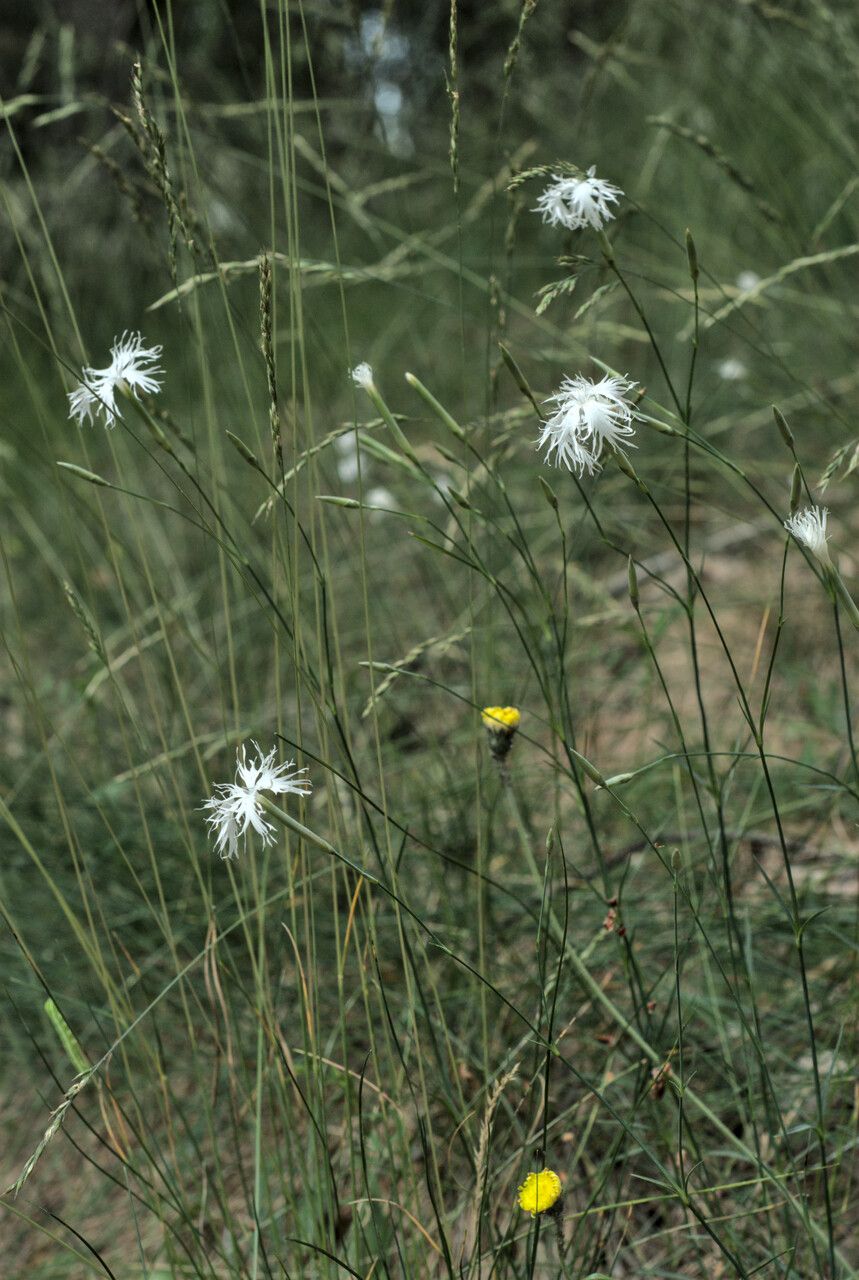
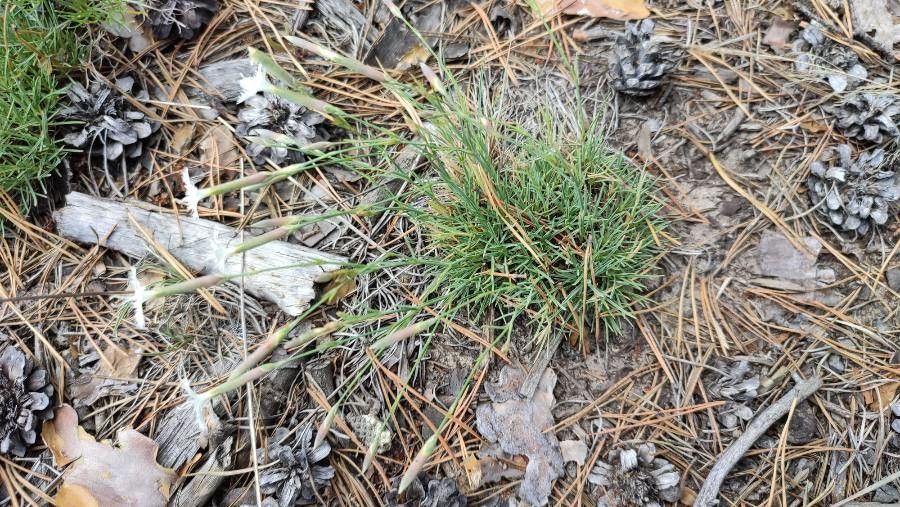
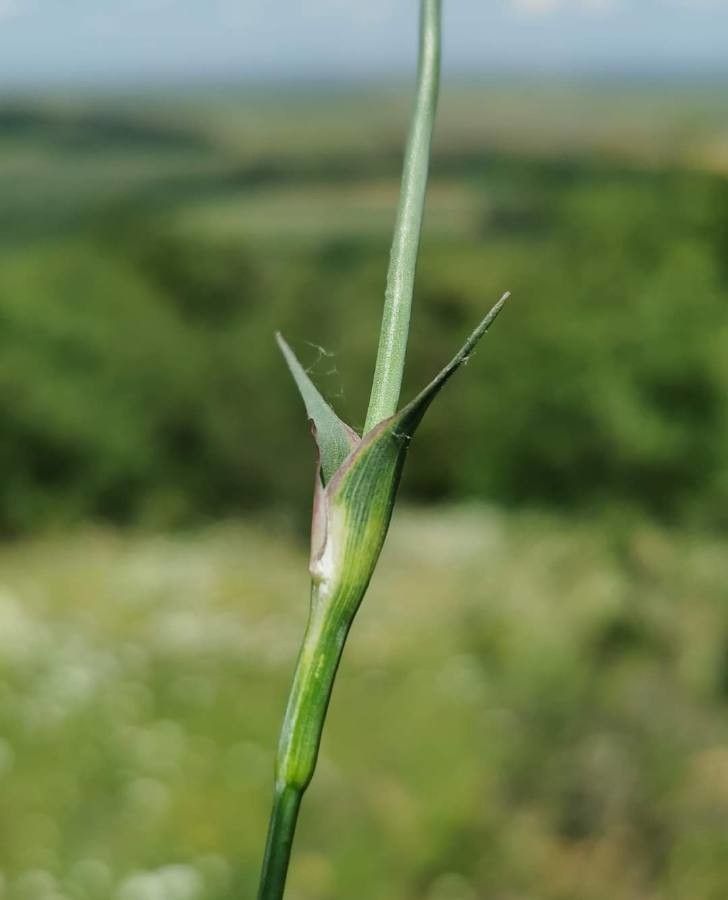
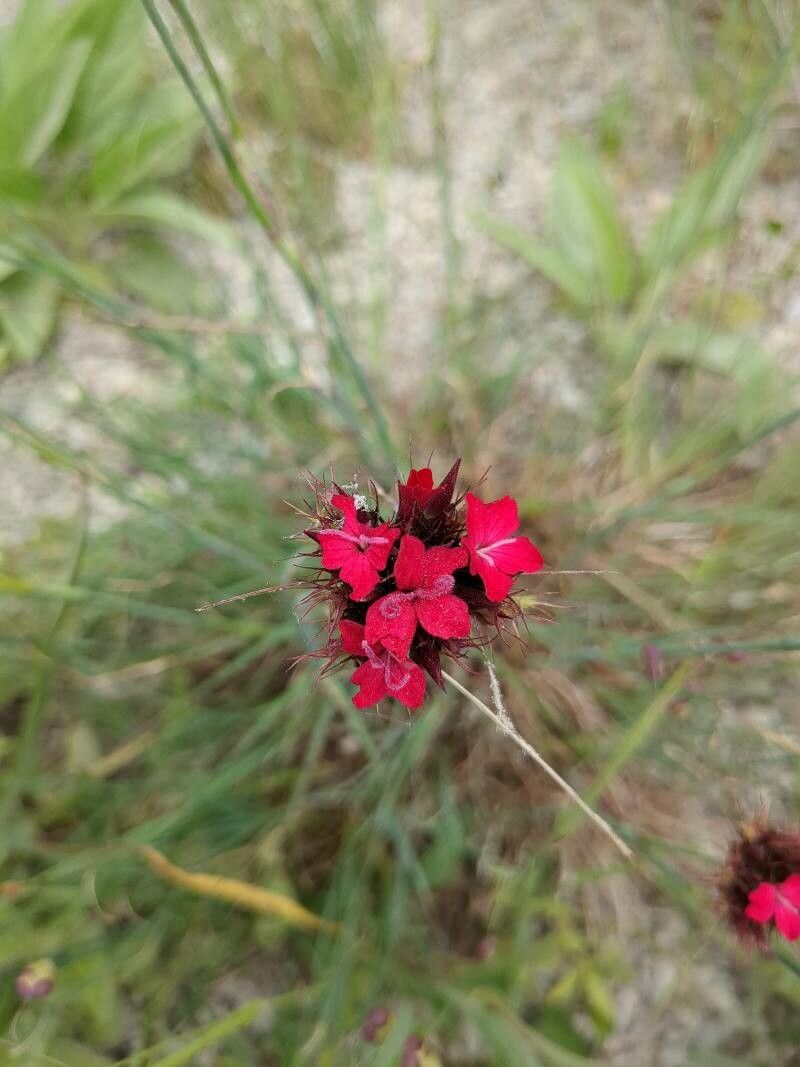
Dianthus arenarius, commonly known as Sand Pink, is a perennial flowering plant that belongs to the family Caryophyllaceae. It is native to Europe and Asia, where it thrives in sandy or rocky areas, explaining its common name.
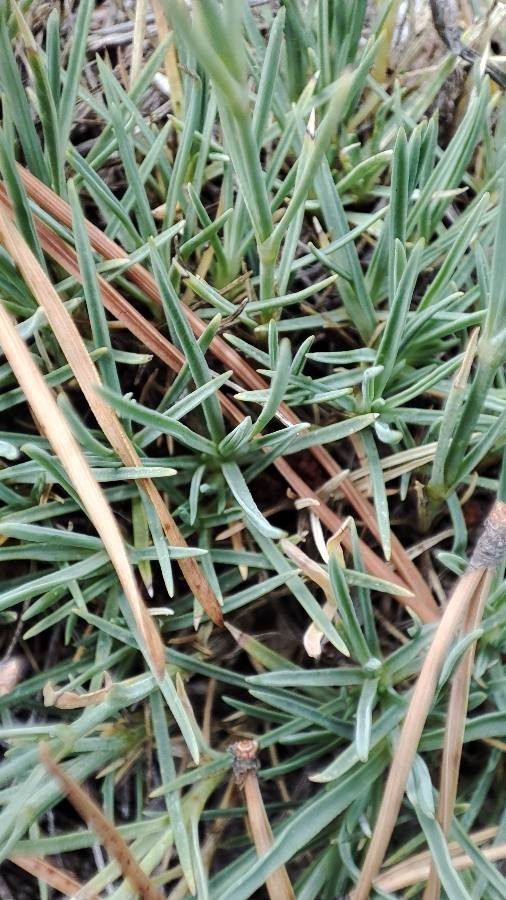
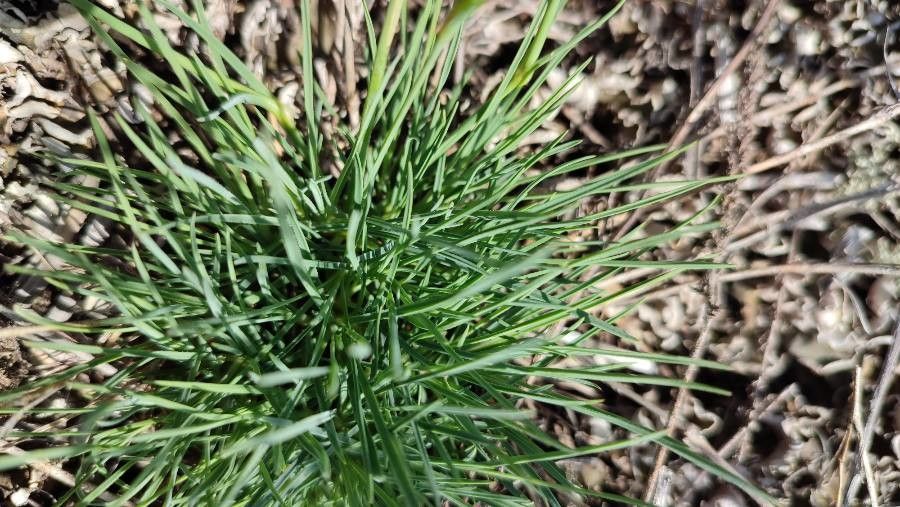
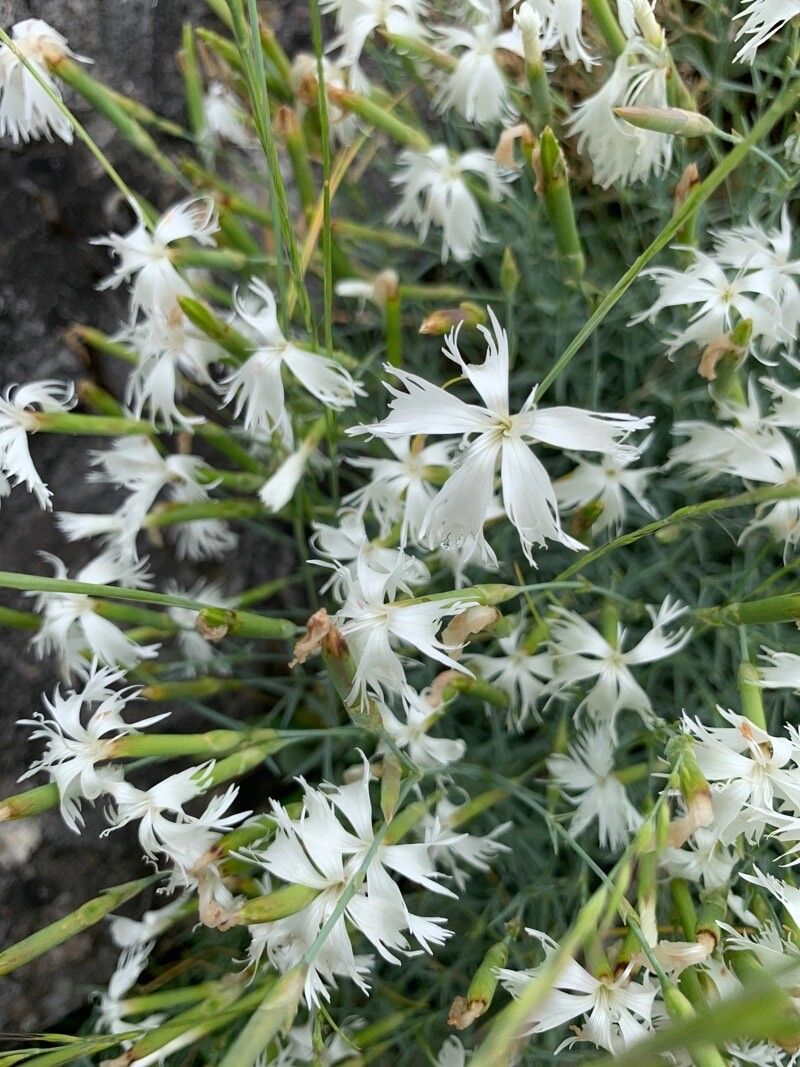
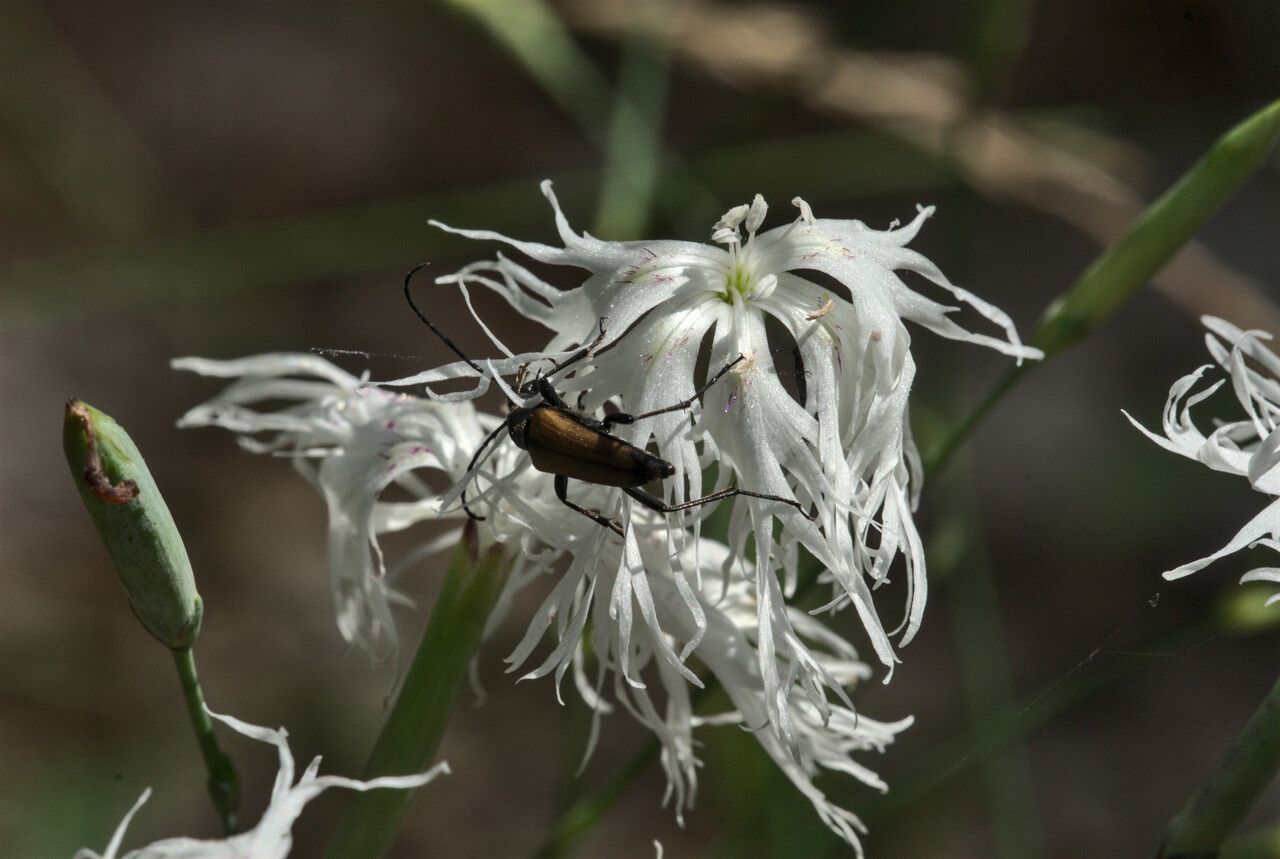
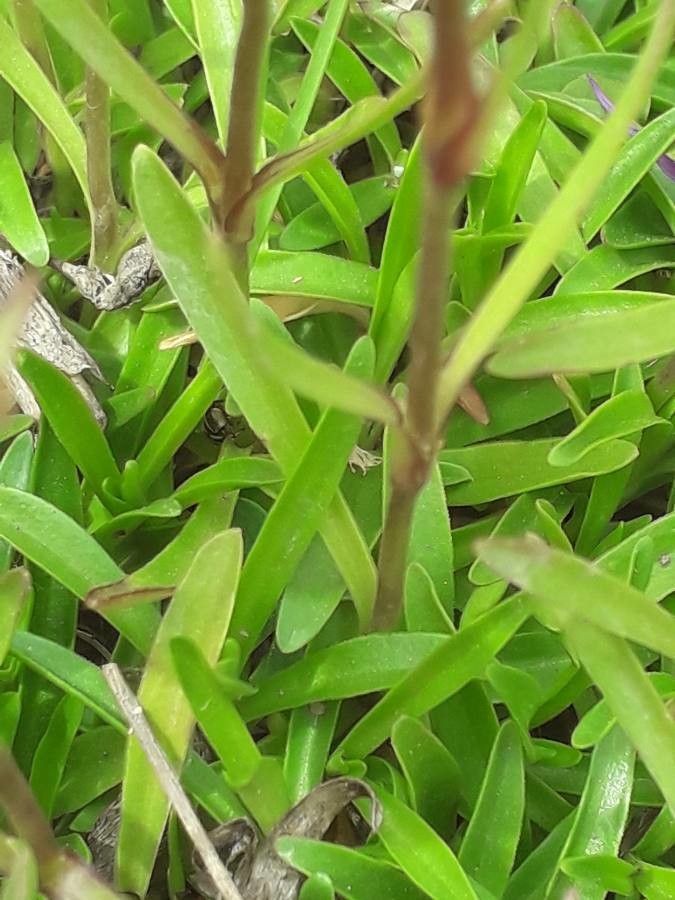
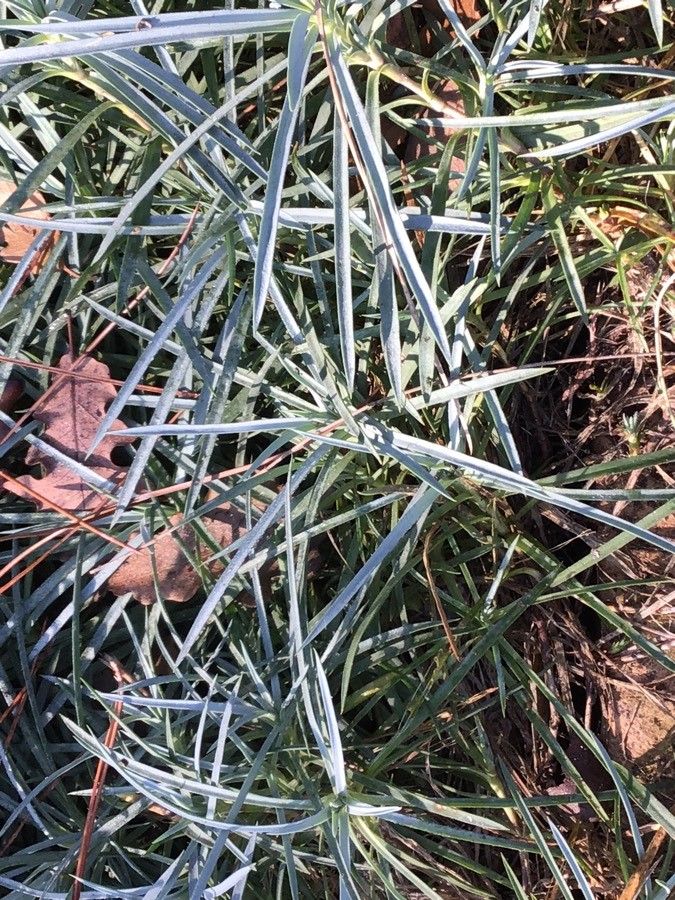
Typically growing up to 30 cm in height, the plant features narrow, grey-green leaves. The flowers, which come in shades of pink or white with a distinctive fringed edge, bloom from late spring through summer.
Dianthus arenarius is a hardy plant that requires minimal care once established. It prefers well-drained soil with full sun exposure but can also tolerate some shade. While drought-tolerant, the plant benefits from occasional watering during prolonged dry spells.
Sand Pink has several uses, especially in ornamental garden settings such as rock gardens, borders, or ground covers. Its low-growing habit and attractive flowers make it a favorite among gardeners.
Furthermore, Sand Pink has been used for medicinal purposes for centuries due to its anti-inflammatory properties, which make it useful for treating skin conditions like eczema or psoriasis.
Overall, Dianthus arenarius is an attractive perennial flowering plant that demands minimal care while offering aesthetic appeal both indoors, as cut flowers, and outdoors as an ornamental addition.
Carnation is generally resistant to disease and is usually not prone to illness. It may, however, be vulnerable to leaf spots when light and ventilation are poor and watering is excessive. Its care level is considered easy, as it mainly requires regular watering and not much else. Carnation is suitable for people who don't have the time and energy to devote to regular care.
How to keep Dianthus Arenarius.
Light
Carnation thrives in regions where it gets a lot of sunlight daily, even though it can adjust to environments with lower light levels. Adequate sunlight is beneficial to its growth at all stages. It originates from open environments and can struggle with either insufficient or excessive light.
Water
Sand pink plants are drought-tolerant but not flood-tolerant, so it's important to avoid overwatering them to prevent root rot. Water the plant only when the soil feels dry, making sure the soil is evenly moist. During the winter, reduce watering to once every 3-4 weeks until growth resumes in the spring.
Temperature
The carnation is a plant native to temperate areas and flourishes best in temperatures between 68 and 95 °F (20 to 35 ℃). When the seasons get colder, measures should be taken to adapt its surroundings so as to simulate the moderate climate that it originates from.
Fertilizer
The optimal period to feed a Carnation is during the onset of spring, as it transitions from dormancy to a phase of active growth. Fertilization makes vital nutrients available for robust growth. Despite the Carnation's modest requirements for fertilization, providing it annually can boost its longevity and stimulate superior, more enduring blossoms.
Pruning
Sand pink is a low-growing perennial with delicate, fringed flowers. To care for it, prune any dead stems in early spring and trim back spent blooms after they have flowered. This will encourage more blooms and help prevent self-seeding. Additionally, thinning out crowded growth improves air circulation, enhances plant vigor, and reduces the risk of disease.
Pot & Repot
When it's time to change the pot for a Carnation, select a container that's 1-2 inches bigger and has plenty of drainage. Opt for a potting mix that drains well. The ideal time to do this is either in the spring or fall, making sure the root ball is slightly below the top edge of the pot. Once repotted, water it generously and position it in a warm location where it will receive indirect light.
Botanical profile.
- Plant Type
- Herb
- Life Cycle
- Perennial, Annual
- Genus
- Dianthus
- Family
- Caryophyllaceae
- Hardiness Zone
- 6-9
- Mature Height
- 40 cm to 91 cm
- Mature Spread
- 15 cm to 30 cm
- Leaf Color
- Green, Blue, Gray
- Leaf Type
- Deciduous
- Flower Color
- Pink, White, Purple, Yellow, Red
- Flower Size
- 3.05 cm to 6.35 cm
- Bloom Time
- Late spring, Early summer, Mid summer
- Planting Time
- Spring
- Harvest Time
- Summer
- Native Area
- China
Other names.