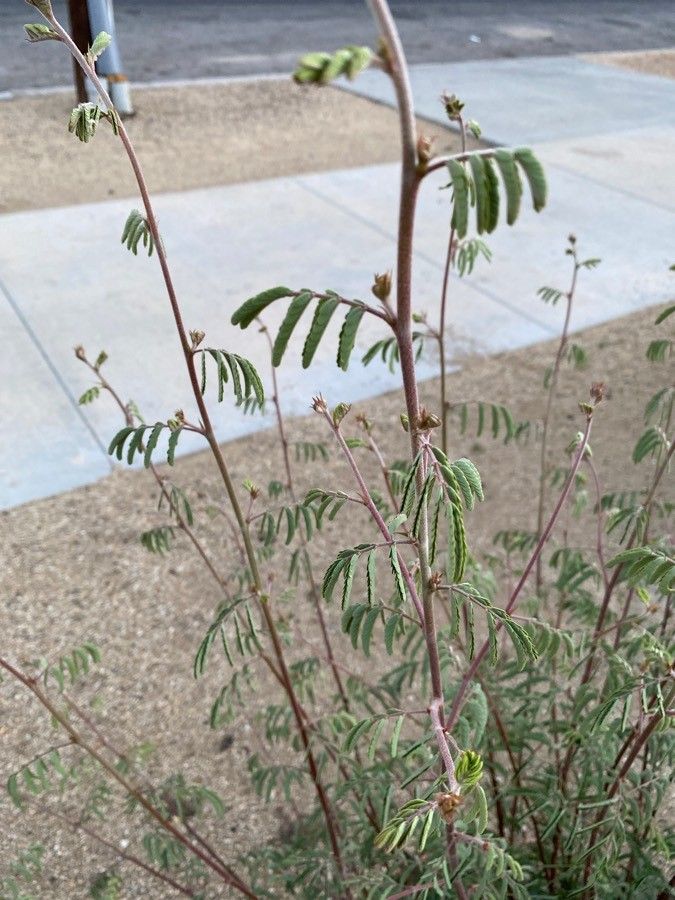
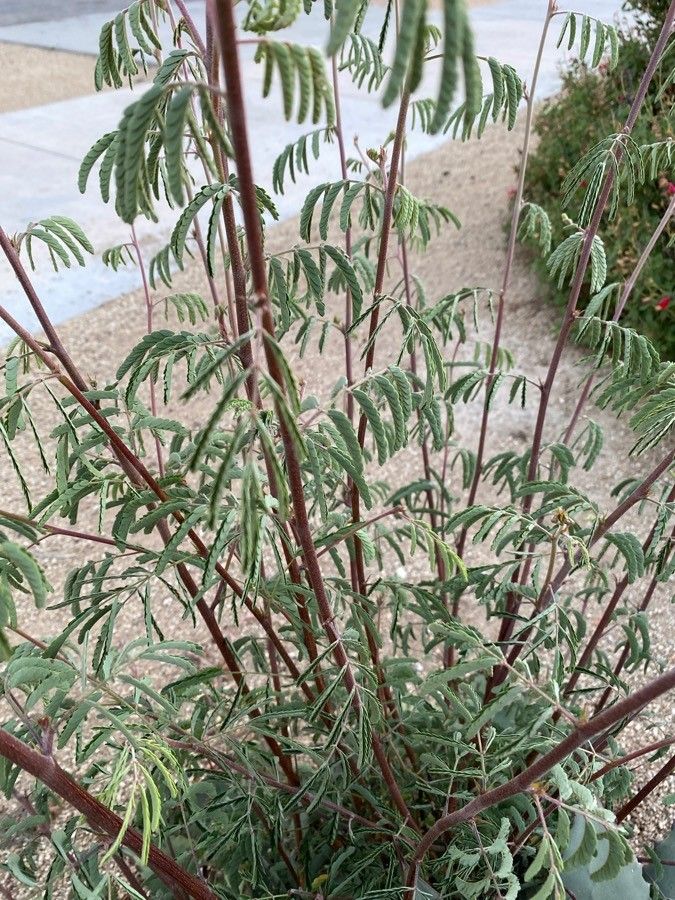
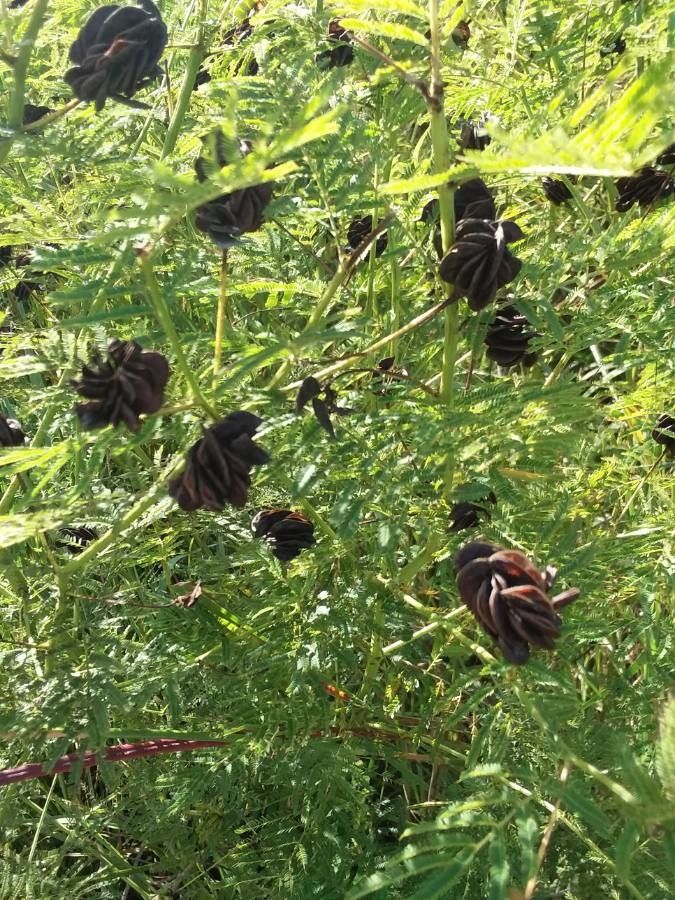
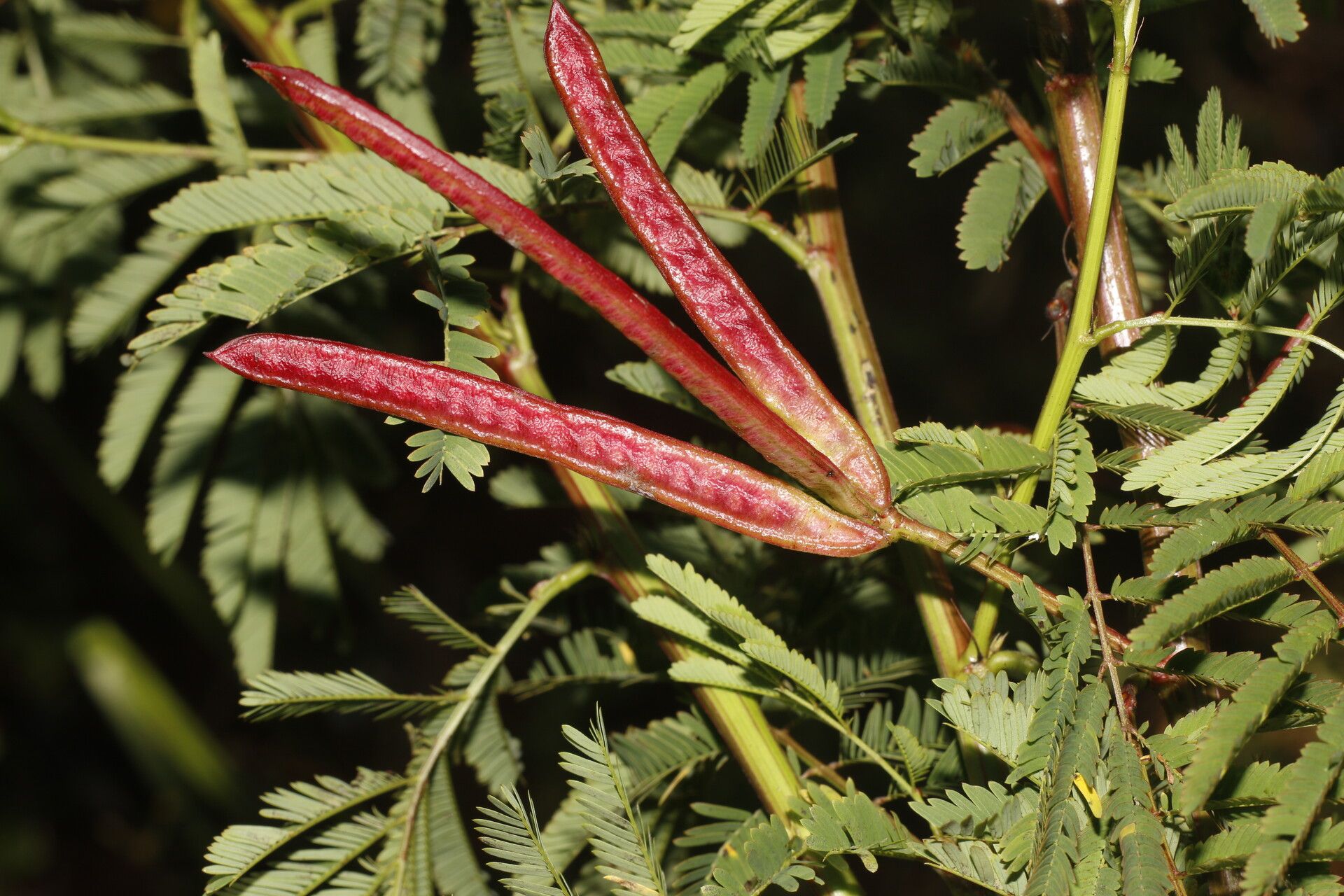
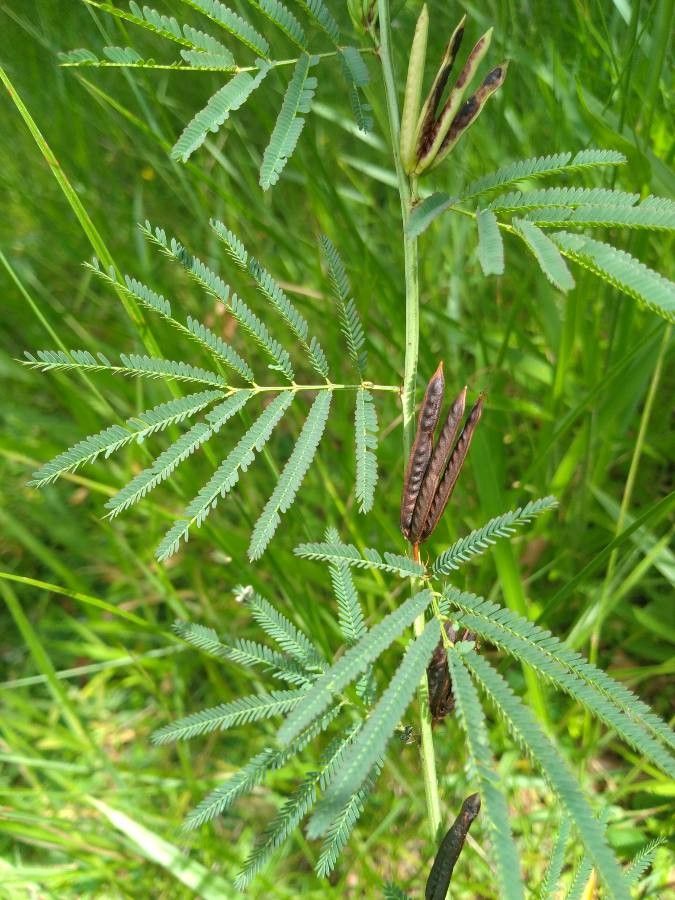
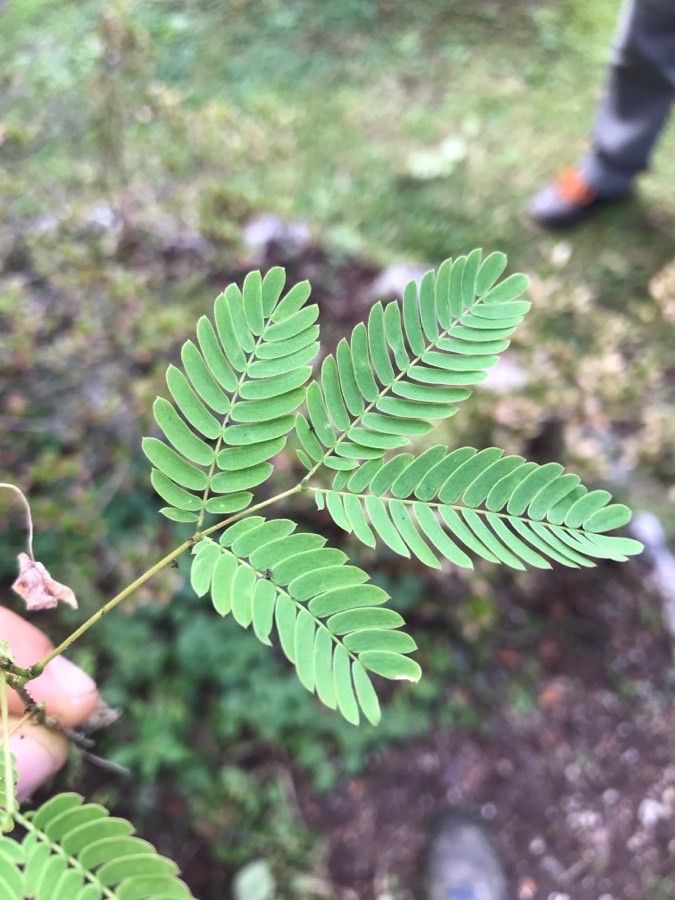
Desmanthus velutinus is a species of flowering plant in the legume family known by the common name velvet bundleflower. It is native to New Mexico and Texas in the United States and Coahuila in Mexico. It may also occur in Oklahoma.This species is a perennial herb with spreading stems up to two feet long. The blue-green leaves are 3 to 4 inches long and are made up of several pairs of leaflets. The flower is white. The fruit is a straight pod up to three inches long.This plant grows on calcareous soils, such as limestone. It does not grow in wet areas.This species is used as forage for livestock such as sheep and goats. Wildlife such as deer graze it, and birds such as quail eat the seeds. This species can be planted to reduce erosion. It is often an ingredient in seed mixes which are used for range improvement.
Velvet bundle-flower shows strong resistance to disease and is generally not prone to illnesses. Still, it can be affected by pests and diseases present in its surroundings. These infections tend to be mild. Care for this plant is of moderate intensity. It should be pruned on a regular basis to preserve a neat appearance and healthy growth. Applying fertilizer can also encourage flowering. Velvet bundle-flower is well suited to anyone with outdoor space, like a garden or patio, and does not demand extensive plant-care experience. It may need more attention when cultivated indoors.
How to keep Desmanthus Velutinus.
Light
Velvet bundle-flower is a perennial herbaceous plant that prefers sunny conditions and originates from open habitats, commonly growing in meadows and grasslands. It favors full sun but can also tolerate partial sun.
Water
The velvet bundle-flower, which comes from arid regions, is well-suited for dry conditions due to its ability to conserve water. It requires weekly watering to maintain optimal health, and its deep root system allows it to efficiently utilize infrequent rainfalls. This makes it an excellent choice for water-wise gardens.
Temperature
Velvet bundle-flower adapts well to temperature, tolerating higher heat and wide temperature swings. In hot conditions, one should watch watering and offer adequate shade to avoid sunburn. Conversely, Velvet bundle-flower is not very tolerant of low temperatures. It can handle some cold, but overly cold conditions may cause frost damage.
Fertilizer
Typically one fertilizer application in spring is enough for Velvet bundle-flower, though multiple feedings can boost growth. Feed every month to month and a half. Fertilization improves the leaves' appearance and function, helping maintain consistent color and a healthy texture. It also promotes root development and nutrient uptake for the plant's long-term health.
Pruning
The Velvet Bundle-Flower is characterized by its soft, velvety leaves and clusters of blooms. To ensure healthy growth and maintain its shape, annual pruning is crucial. This process involves removing dead stems and thinning out the plant to improve air circulation. Prune from early to late spring to enhance flowering and reduce the risk of disease, and always use sterilized tools for this task.
Botanical profile.
- Plant Type
- Herb
- Life Cycle
- Perennial
- Genus
- Desmanthus
- Family
- Fabaceae
- Hardiness Zone
- 9-11
- Mature Height
- 0.49 m to 2.13 m
- Mature Spread
- 49 cm to 91 cm
- Leaf Color
- Green, Dark Green
- Leaf Type
- Deciduous
- Flower Color
- White
- Flower Size
- 0.51 cm to 0.76 cm
- Bloom Time
- Summer, Early fall
- Planting Time
- Spring
- Harvest Time
- Late summer, Fall
- Native Area
- Mexico
Other names.