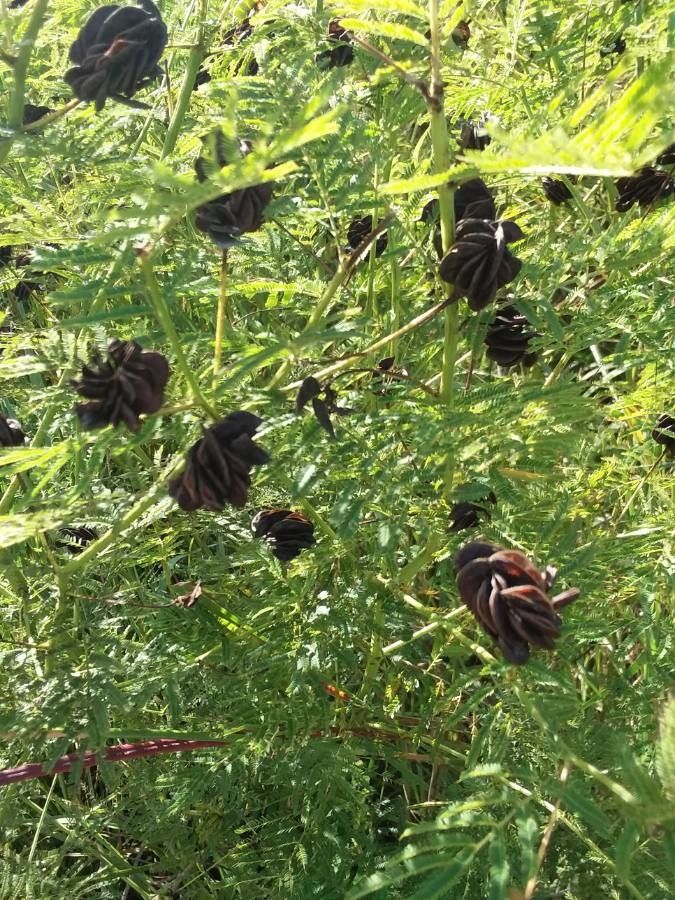
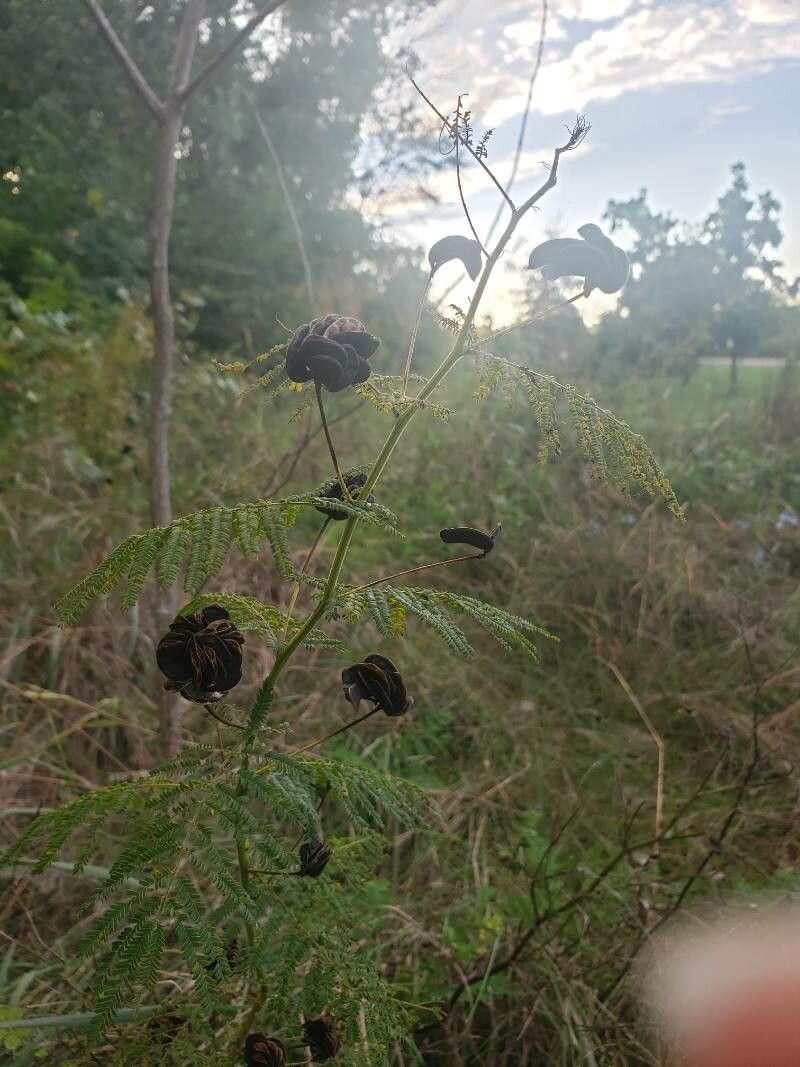
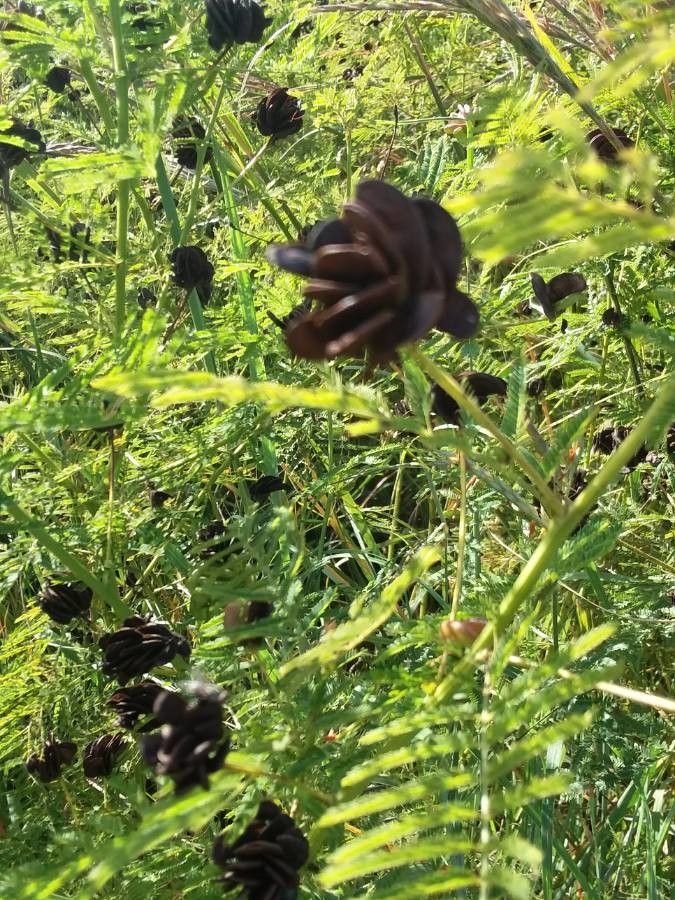
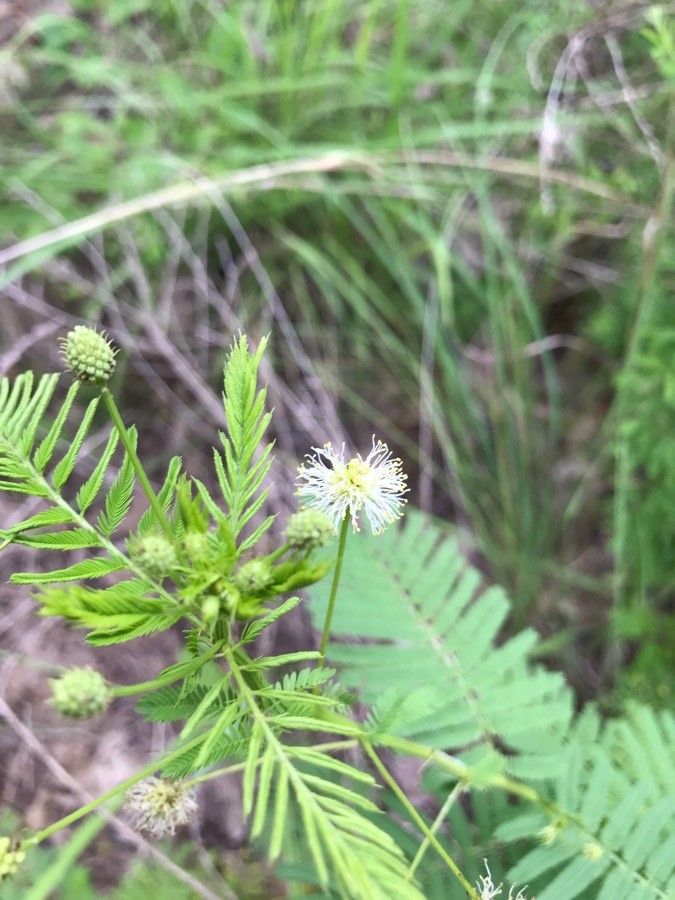
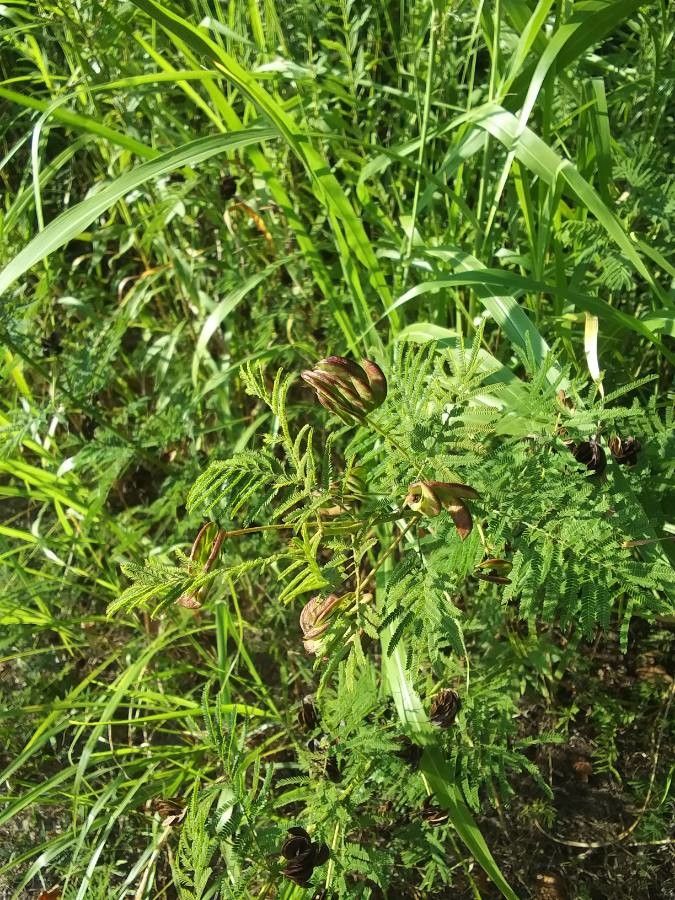
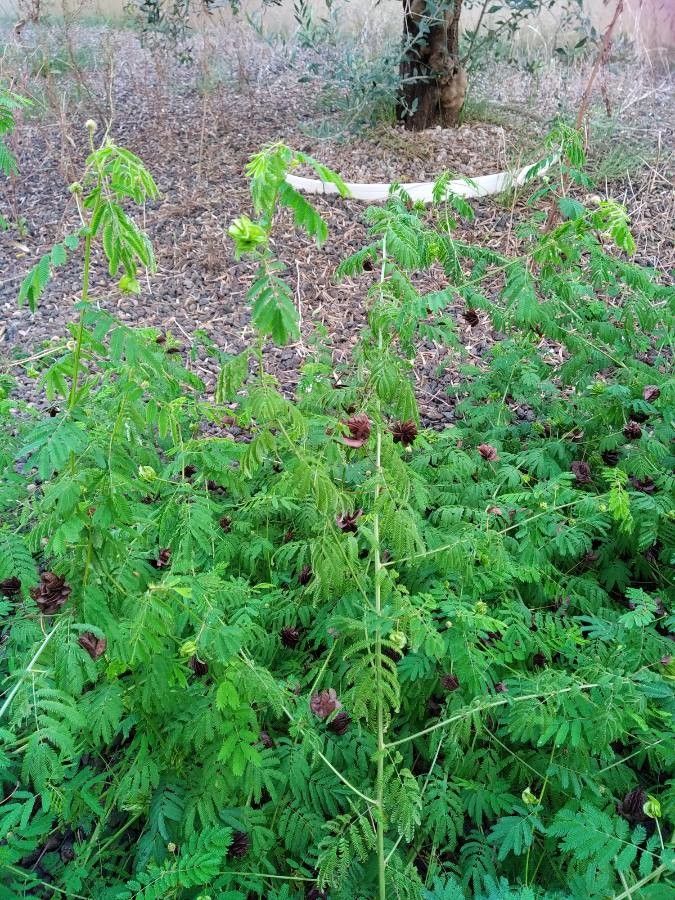
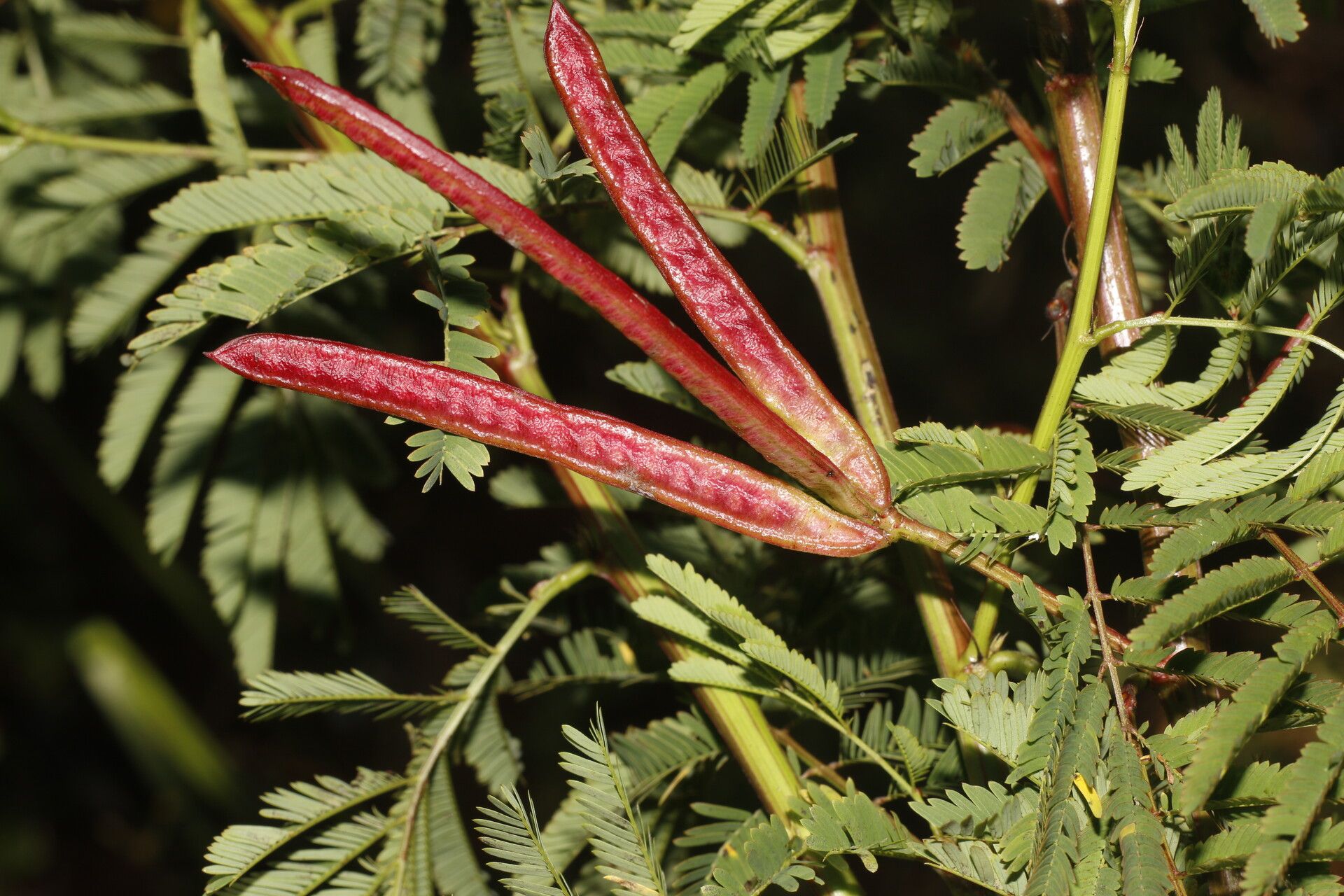
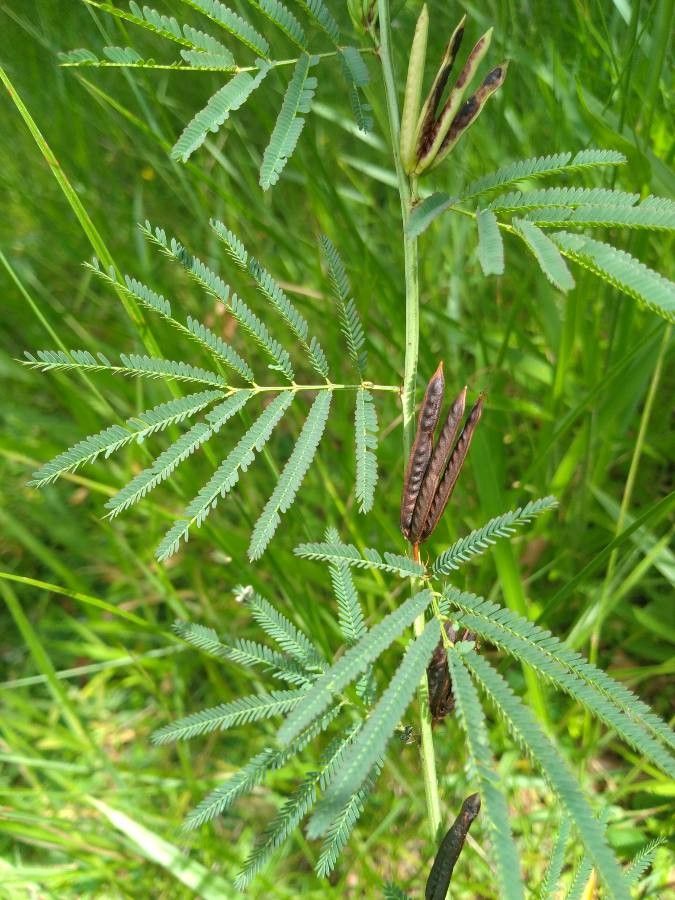
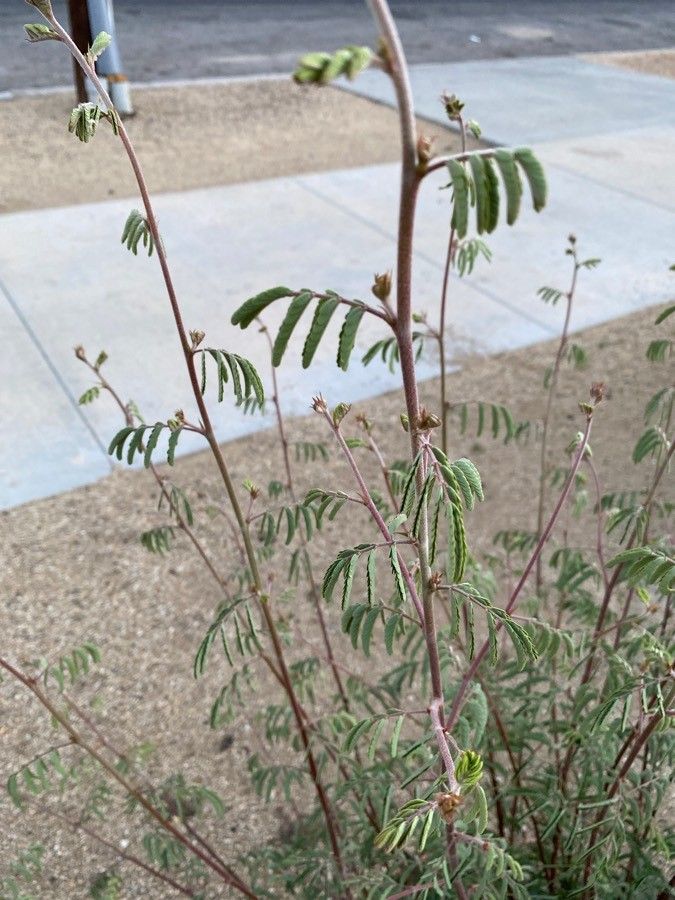
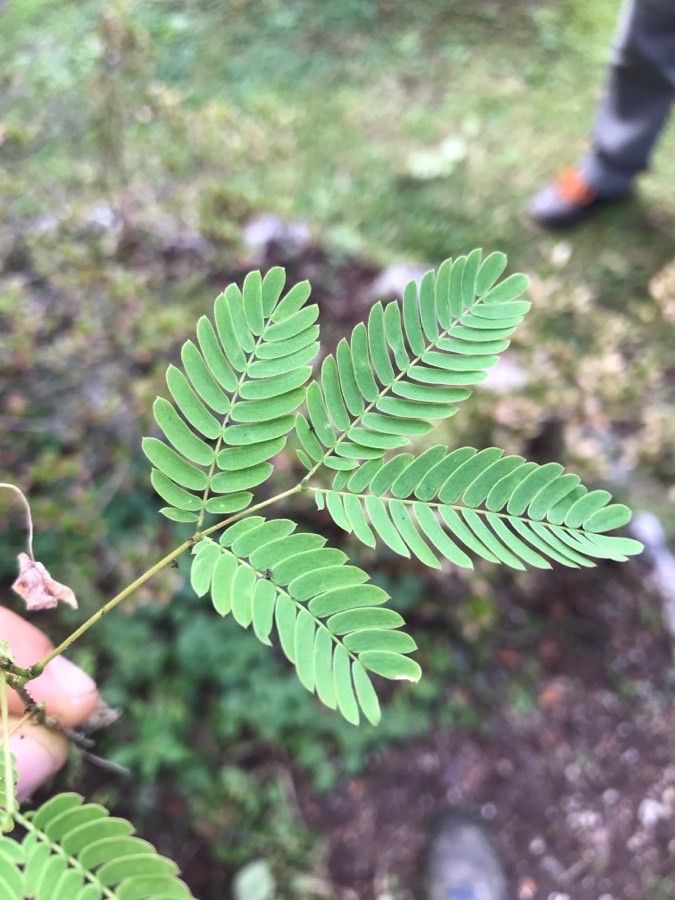
Desmanthus illinoensis, commonly known as Illinois bundleflower, is a perennial legume native to North America. This plant grows to a height of 1-2 meters and has a spreading habit. It features compound leaves composed of small leaflets and produces small white or pink flowers during the summer. Illinois bundleflower is a valuable forage crop for livestock, offering high-quality protein and nutrients. Additionally, its roots have been used in traditional medicine to treat ailments such as fever, coughs, and diarrhea. The plant thrives in well-drained soils and can tolerate drought conditions once established. It can be propagated from seeds or cuttings. Illinois bundleflower is significant in ecological restoration projects due to its ability to fix nitrogen into the soil, thereby enhancing soil fertility. Moreover, it provides habitat for various wildlife species, including birds and insects. Overall, Desmanthus illinoensis is a versatile plant offering numerous benefits. Its applications range from agricultural use to ecological restoration, along with its medicinal properties, making it a crucial component of North America's floral biodiversity.
Illinois Bundleflower is fairly disease-resistant and generally not prone to illnesses. Still, it can be affected by pests and diseases present in its environment, though such infections are typically mild. Care-wise, the plant needs moderate maintenance. It should be pruned regularly to keep a tidy appearance and encourage healthy growth. Fertilizing can also help boost flowering. This plant is appropriate for anyone with outdoor space, like a garden or patio, and does not demand extensive plant-care experience. It may need more attention if grown indoors.
How to keep Desmanthus Illinoensis.
Light
Illinois Bundleflower performs very well in abundant sunlight, reflecting its native habitat of plentiful light. Insufficient sunlight can negatively affect its growth and vigor. Excessive light is not harmful, but it does not appreciably improve growth.
Water
The Illinois Bundleflower flourishes in prairies and open woodlands, favoring environments with moderate moisture while being drought-tolerant. For optimal health, water it weekly. During the growing season, rainwater helps strengthen its root system and resilience. This plant adapts well to temperate regions.
Temperature
Illinois Bundleflower can tolerate a wide range of temperatures, though its range may still be restricted by different combinations of moisture and heat. It does best in warm summer climates with sufficient rainfall or watering. Extended periods of cloudy, rainy weather, as well as prolonged high temperatures, can raise the likelihood of Illinois Bundleflower dying. In winter, proper protection from cold can improve the plant's chances of survival.
Fertilizer
The ideal time to fertilize an Illinois Bundleflower is in early spring, as it comes out of dormancy and begins active growth. Fertilization supplies essential nutrients for healthy development. Although an Illinois Bundleflower has relatively low fertilizer needs, annual fertilization can improve its survival and encourage better, longer-lasting flowers.
Pruning
Illinois Bundleflower is a hardy perennial with fern-like foliage and clusters of white flowers. To keep the plant healthy, prune it in early spring to remove dead stems and improve air circulation, which will promote more abundant flowering. Light pruning can also help maintain the plant's shape, prevent it from becoming too leggy, and enhance its overall health and appearance.
Botanical profile.
- Plant Type
- Herb
- Life Cycle
- Perennial
- Genus
- Desmanthus
- Family
- Fabaceae
- Hardiness Zone
- 5
- Mature Height
- 30 cm to 91 cm
- Mature Spread
- 30 cm to 61 cm
- Leaf Color
- Green
- Leaf Type
- Deciduous
- Flower Color
- White
- Flower Size
- 2.54 cm
- Bloom Time
- Late spring, Early summer, Mid summer
- Planting Time
- Spring
- Harvest Time
- Mid summer
Other names.
Reader questions.
How should I water my Illinois Bundleflower?
To properly care for the Illinois Bundleflower, it is recommended to use filtered water that is at room temperature. Tap water may contain harmful particles, so filtering the water is preferable. Additionally, the plant is originally from a warm climate, so it is best to avoid using cold water, as it may cause a shock to the plant. Instead of watering from above, it is advised to apply the filtered room temperature water directly to the soil until it is completely soaked. This method benefits the plant by keeping the roots moist and helping them spread through the soil to gather necessary nutrients.
What are the sunlight requirements for Illinois Bundleflower?
Illinois Bundleflower, or Desmanthus illinoensis, thrives under full sun conditions, necessitating more than 6 hours of sunlight daily to maintain optimal growth and vitality. Its native habitat is rich in sunlight, underscoring the importance of ample solar exposure. However, excessive light, beyond what is naturally beneficial, will not significantly enhance its growth. It's vital to observe how sunlight moves through your garden throughout the day to ensure you choose a location that provides a harmonious balance of light and shade.
What should I do if I give too much or too little water to my Illinois Bundleflower?
Overwatering is a more common issue that can harm your Illinois Bundleflower. It can cause wilting, yellowing of stems and leaves, and can lead to diseases like root rot, mold, and mildew, which can be fatal to your plant. On the other hand, underwatering is less common as the Illinois Bundleflower has good drought tolerance. However, when underwatering occurs, you may notice brittle and brown leaves. It's important to spot the signs of overwatering early to prevent irreversible damage. Reduce watering immediately if you see these signs and check the soil drainage. If the soil doesn't drain well, replace it with a loose, well-draining potting mix. If your Illinois Bundleflower is not getting enough water, increase your watering frequency until the signs improve.
How does artificial lighting support Illinois Bundleflower's growth?
When natural sunlight is insufficient, especially during winter or in less sunny indoor locations, artificial lighting serves as an essential substitute to promote healthy growth. Indoor plants, including the Illinois Bundleflower, require adequate artificial lighting to flourish. LED lights are particularly recommended due to their ability to be adjusted to specific wavelengths needed by the plants. The general guideline for artificial light provisioning is 30-50W per square foot for full sun plants, 20-30W per square foot for partial sun plants, and 10-20W per square foot for full shade plants. Placement should be 12-36 inches above the plant, simulating natural sunlight as closely as possible, for 8-12 hours daily.
How often should I give water to my Illinois Bundleflower plant?
If your Illinois Bundleflower is in a pot, the most precise way to determine if it needs water is by sticking your finger into the soil. If the top two to three inches of soil feel dry, it's time to water it. If you're growing your Illinois Bundleflower outdoors in the ground, you can use a similar method to test the soil. Once again, if the top few inches of soil are dry, it needs water. Typically, during spring and early fall, watering your plant once a week using this method should be sufficient. However, during extremely hot weather, you may need to water it twice a week or even more frequently. It's worth noting that mature, well-established Illinois Bundleflowers have an impressive ability to withstand drought.
What are the symptoms of inadequate light in Illinois Bundleflower?
Symptoms of light deficiency in Illinois Bundleflower can include the emergence of smaller leaves, leggy or sparse growth, increased leaf drop, and a general halt in the development of new foliage, indicating the plant is struggling to perform photosynthesis efficiently. Chlorosis, or the yellowing of leaves due to a lack of chlorophyll, can occur, alongside sunscald, which presents as damaged areas on leaves or stems from excessive light. Additionally, leaf curling, wilting, and leaf scorching are symptomatic of either overexposure or underexposure to light, impacting the plant’s overall health adversely.
How much water does my Illinois Bundleflower plant need?
When it's time to water your Illinois Bundleflower, don't be afraid to give it a good amount of water. Make sure the first two to three inches of soil are dry before watering. Give enough water to completely soak the soil, so that it flows through the drainage holes at the bottom of the pot. If you don't see any excess water draining, it means you haven't given enough water. Be careful not to let water accumulate in the soil, as it can harm the plant. On the other hand, if water is not draining properly, it could mean the soil is not draining well, which is bad for the plant's health. If the plant is outside, 1 inch of rain per week should be enough.
What solutions can mitigate light-related issues for Illinois Bundleflower?
To ensure optimal growth, a gradual increase in sunlight exposure is recommended until the plant receives at least 6 hours of direct sunlight daily. Utilizing south-facing windows and keeping curtains open helps maximize sunlight for indoor plants. Artificial lighting, such as desk or ceiling lamps, should be used for at least 8 hours a day if the plant is large or immobile. For outdoor cultivation, moving plants to sunnier spots gradually helps them adapt without experiencing sunburn. Minimizing sunlight blockages, like pruning trees that cast shade, and transplanting smaller plants during their dormant periods to sunnier locations are effective strategies for ground-planted Illinois Bundleflowers.
How do I water my Illinois Bundleflower at different stages of growth?
The water needs of the Illinois Bundleflower vary based on its growth stages. In the early years and after transplanting, it requires more water due to the sprouting of new roots that support future growth. These roots perform better with additional moisture. However, after a few seasons, the water requirement decreases. Another growth stage that requires more water is the bloom period, as flower development utilizes a significant amount of moisture.
How do I water my Illinois Bundleflower throughout the year?
The water needs of the Illinois Bundleflower vary throughout the year. During the hottest months of summer, the plant requires more frequent watering, possibly even more than once a week, depending on how quickly the soil dries out. On the other hand, during winter, the plant goes into a dormant phase and needs significantly less water. In fact, you may not need to water it at all during winter. If you choose to water it during this time, do so sparingly, about once a month. Overwatering in winter increases the likelihood of the plant getting a disease.
How does watering my Illinois Bundleflower inside or outside affect it differently?
When growing the Illinois Bundleflower indoors, it is important to note that the soil in a container can dry out faster than ground soil. This is especially true for gardeners residing outside of temperate and tropical regions. Additionally, if there are drying elements like air conditioning units present, the Illinois Bundleflower may require more frequent watering compared to if it were planted outside. In the latter case, the plant may not need to be watered often, as regular rainfall can provide sufficient moisture. However, for those growing the plant indoors, watering will be necessary as rainwater cannot reach the soil.