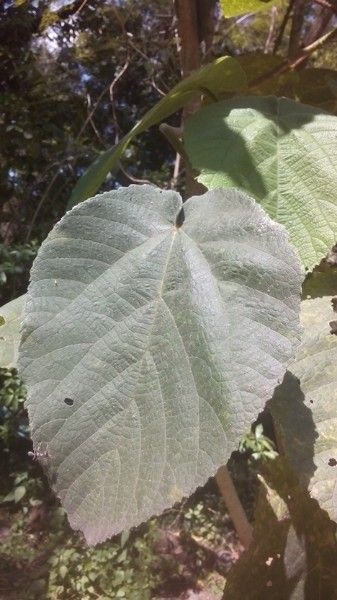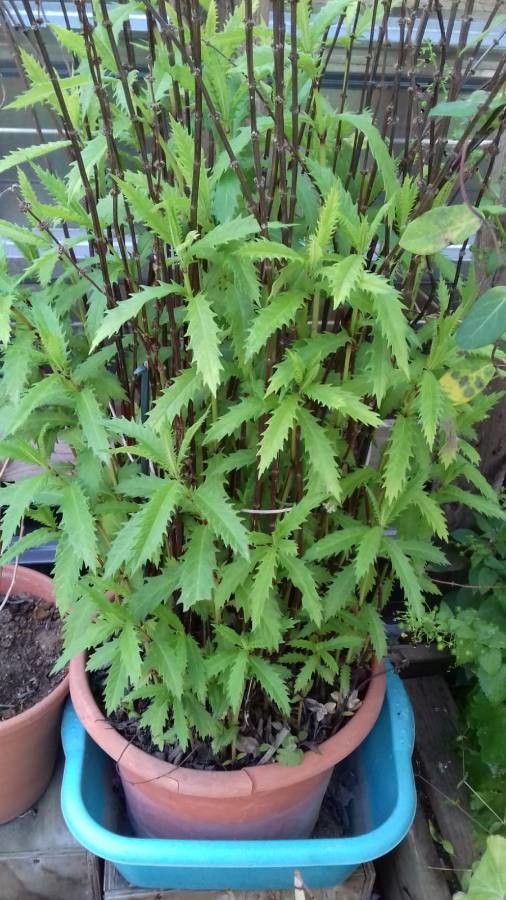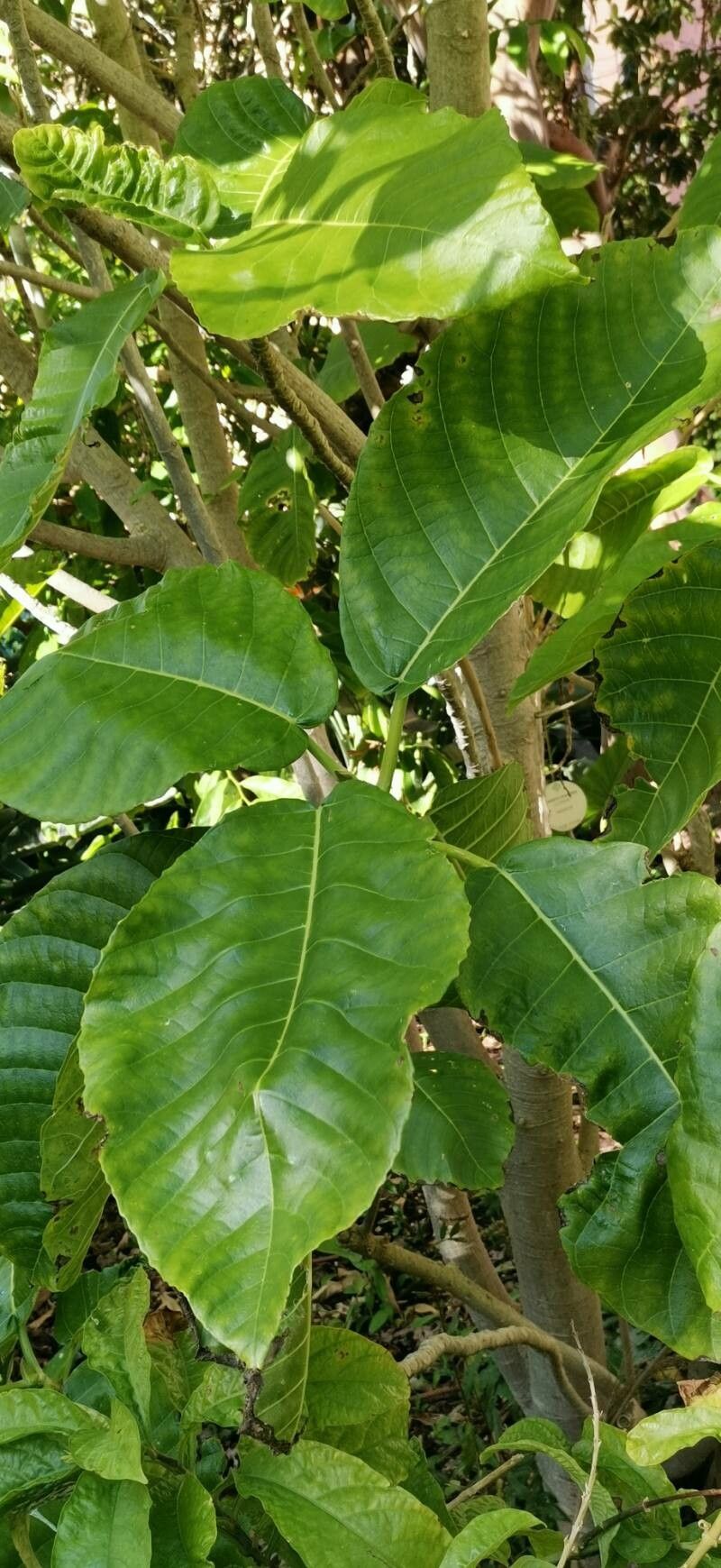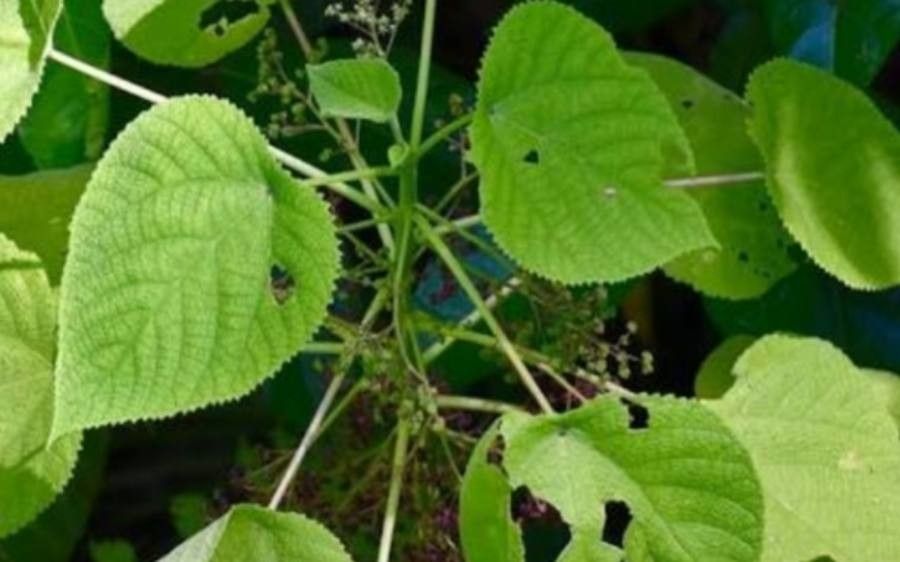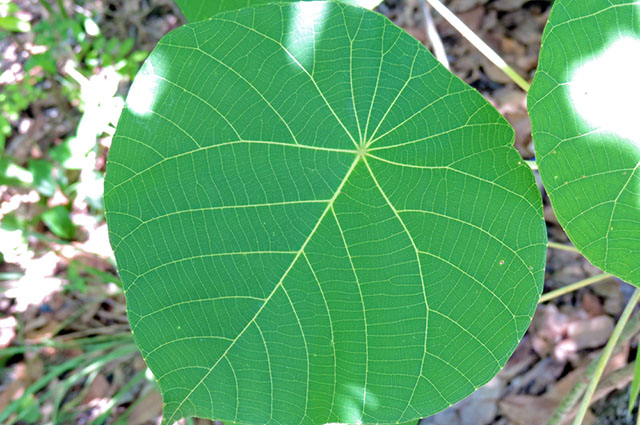
The gympie-gympie (Dendrocnide moroides) belongs to the nettle family Urticaceae, which contains the common stinging nettle (Urtica dioica). Most experts consider the stinging bush, gympie stinger, or mulberry-leaved stringer to be the world's most unpleasant plant to come into touch with. Fortunately, this species is largely restricted to the tropical rainforests of northeastern Australia, so you won't find it in your neighborhood. Knowing how to recognize the plant, on the other hand, could prevent you from a terrible surprise if you're exploring the area.
The Gympie stinging tree is disease-resistant and typically not susceptible to illnesses. Regarding care, this species is fairly low maintenance. Planted outdoors, it needs only light watering, and mature specimens usually do not require pruning. Smaller plants, however, should be pruned after they finish blooming. The Gympie stinging tree is appropriate for anyone with an outdoor area, like a garden or a deck, and does not demand extensive gardening experience.
How to keep Dendrocnide Moroides.
Light
The Gympie stinging tree occurs naturally in habitats like forest understories or rocky areas, where it receives natural shade. It prefers partial sun but can tolerate full sun or full shade, reflecting its versatile, hardy nature.
Water
Its found in rainforests, and on river courses where there is a good amount of water supply.
Temperature
Gympie stinging tree comes from tropical areas where the climate is usually warm and humid. Consequently, it is well suited to high temperatures and humidity. It does not tolerate sudden temperature changes and prefers a steady temperature, so avoiding temperature fluctuations indoors is important. It generally cannot withstand cold and needs higher temperatures to grow. If the surrounding temperature drops too low, the plant may stop growing or even die.
Fertilizer
Fertilizing is essential for the care of the Gympie stinging tree. Regular feeding during the growing season maintains the energy needed for its showy leaves and supports overall growth. Neglecting fertilization can cause unhealthy leaves, reduced ornamental appeal, and stunted or weak growth that is prone to breaking.
Pruning
It's hard to find them grown in backyards, but in case you find them it's advisable you call horticulturist to prune or uproot them with protective gear.
Botanical profile.
- Plant Type
- Shrub
- Life Cycle
- Perennial
- Genus
- Dendrocnide
- Family
- Urticaceae
- Hardiness Zone
- 10-12
- Mature Height
- 0.91 m to 3.05 m
- Mature Spread
- 0.91 m to 2.13 m
- Leaf Color
- Green, Dark Green
- Leaf Type
- Evergreen
- Flower Color
- White
- Flower Size
- 0.25 cm to 0.51 cm
- Bloom Time
- Late spring, Summer, Early fall
- Planting Time
- Spring, Summer
- Harvest Time
- Mid summer, Late summer, Fall
- Native Area
- Australia, Indonesia