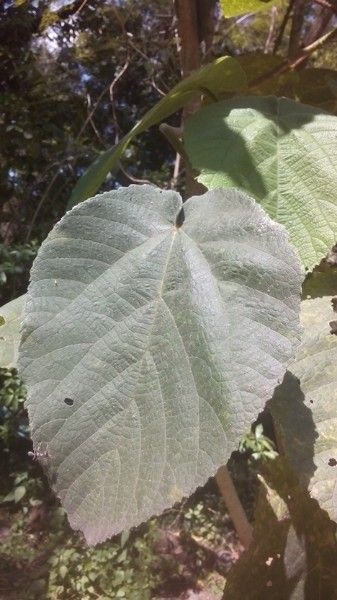
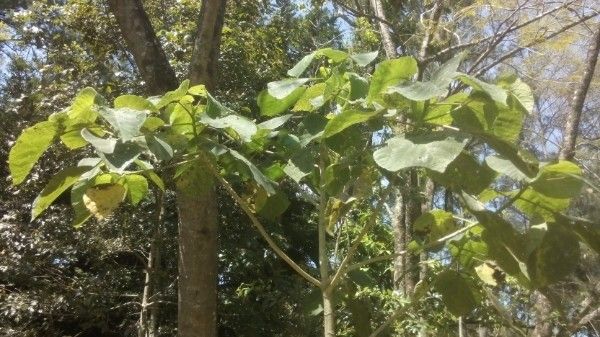
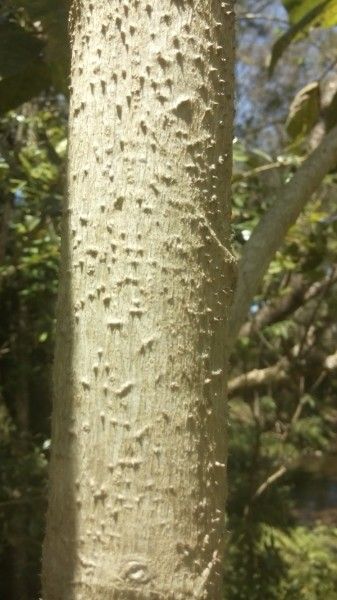
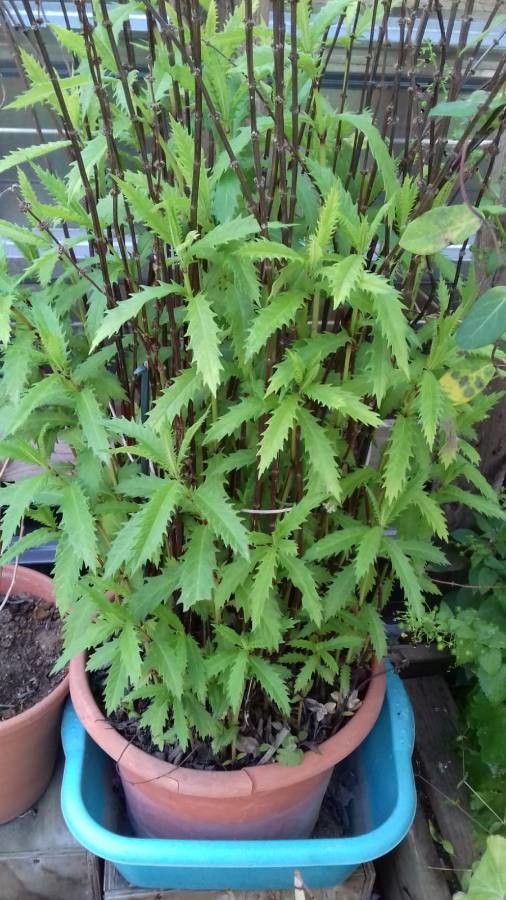
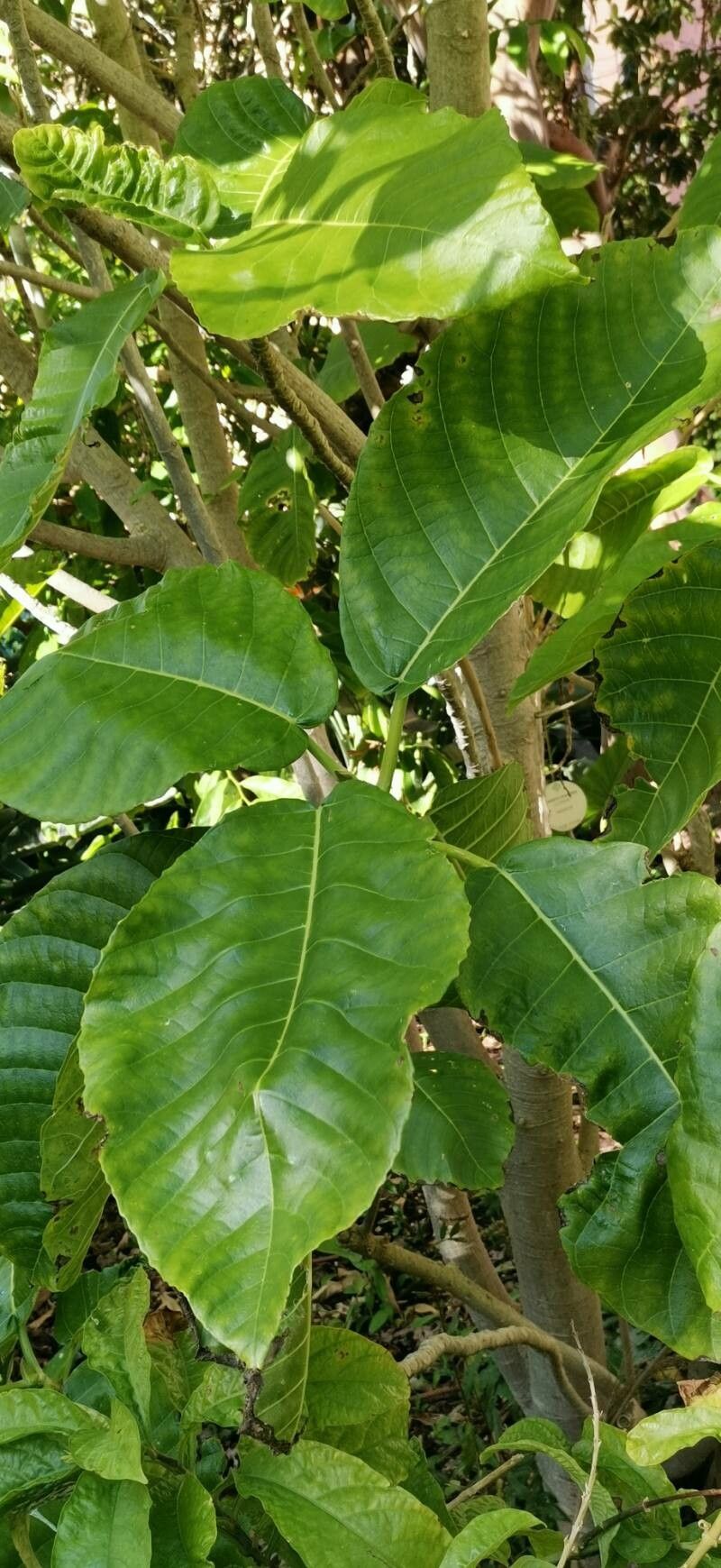
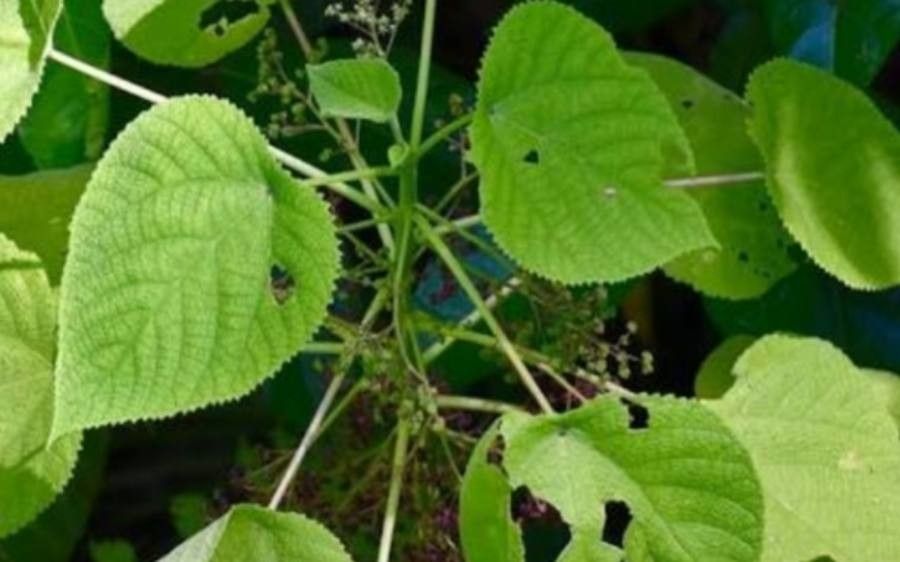
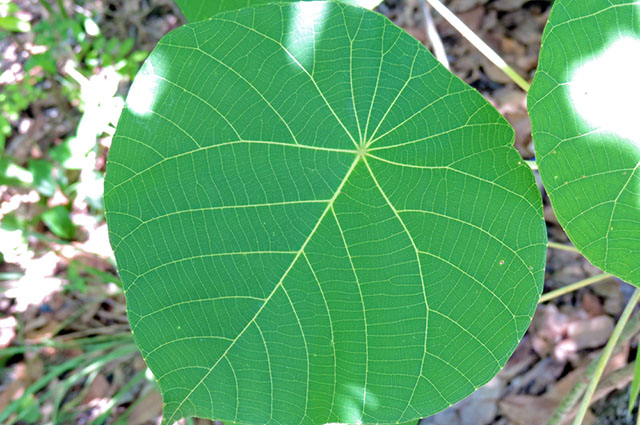
Dendrocnide excelsa, commonly known as the giant stinging tree or fibrewood, is a rainforest tree in the family Urticaceae which is endemic to eastern Australia. It occurs from Tathra, New South Wales to Imbil in southeastern Queensland, and is very common at Dorrigo National Park and other rainforest walks in eastern Australia. The habitat of the giant stinging tree is subtropical, warm temperate or littoral rainforest, particularly in disturbed areas, previously flattened by storms or cyclones.
Giant stinging tree has strong disease resistance and is generally not susceptible to illnesses. Regarding care, this plant is fairly low-maintenance. Planted outdoors it needs minimal watering, and larger plants usually do not require pruning. Smaller plants, however, should be pruned after they have bloomed. Giant stinging treet is suitable for anyone with an outdoor space, such as a garden or deck, and does not require much care experience.
How to keep Dendrocnide Excelsa.
Light
Giant stinging tree occurs naturally in habitats like forest understories and rocky sites, where it grows under natural shade. It prefers partial sun but can tolerate both full sun and full shade, showing its versatile and hardy nature.
Temperature
The Giant stinging tree shows good tolerance to heat, able to endure high temperatures and wide temperature fluctuations. In hot weather, it is important to ensure adequate watering and provide suitable shade to prevent sunburn. Conversely, the Giant stinging tree is relatively sensitive to low temperatures. While it can handle some cold, excessively low temperatures can cause frost damage.
Fertilizer
Fertilize your Giant stinging tree in early spring to encourage healthy growth. Regular feeding improves overall vigor, producing robust growth, increased tolerance of harsh conditions, and enhanced resistance to pests and diseases. Keep a consistent fertilization schedule for your Giant stinging tree to maintain foliage that is vibrant, deeply colored, and lush.
Pruning
The Giant Stinging Tree is a large tree characterized by its stinging hairs and sizable leaves. For optimal growth and appearance, it should be pruned in early spring. During this time, remove any dead branches and thin out crowded areas to improve air circulation. Be sure to wear protective clothing while pruning to avoid contact with the stinging hairs. This practice encourages healthy growth and enhances the tree’s overall appearance.
Botanical profile.
- Plant Type
- Tree
- Life Cycle
- Perennial
- Genus
- Dendrocnide
- Family
- Urticaceae
- Hardiness Zone
- 10-12
- Mature Height
- 24.99 m to 39.93 m
- Mature Spread
- 10.06 m to 14.94 m
- Leaf Color
- Green, Dark Green
- Leaf Type
- Deciduous
- Flower Size
- 0.20 cm to 0.25 cm
- Bloom Time
- Winter
- Planting Time
- Spring, Summer, Autumn
- Harvest Time
- Spring
Other names.