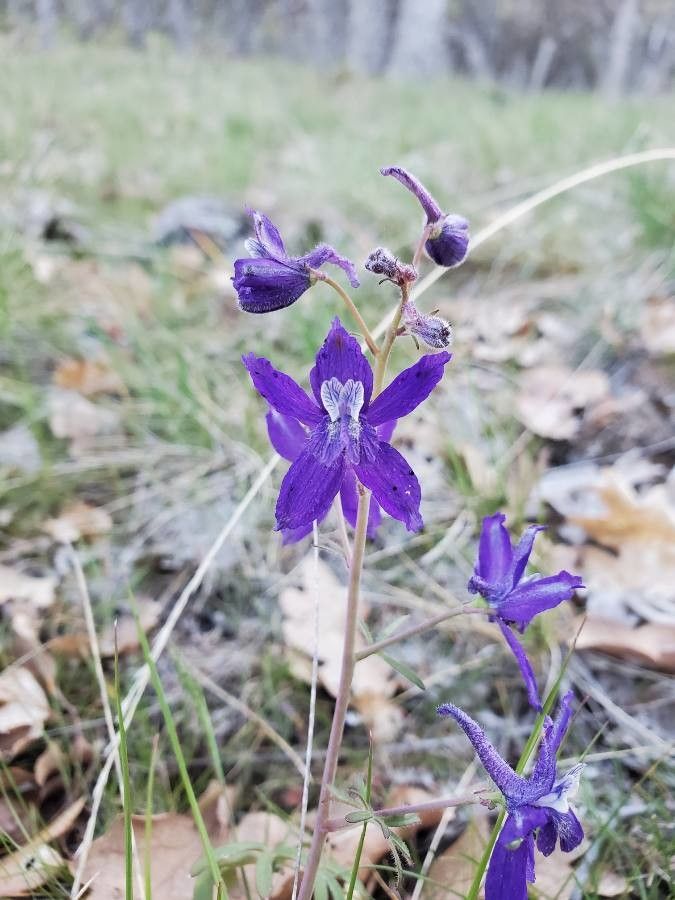
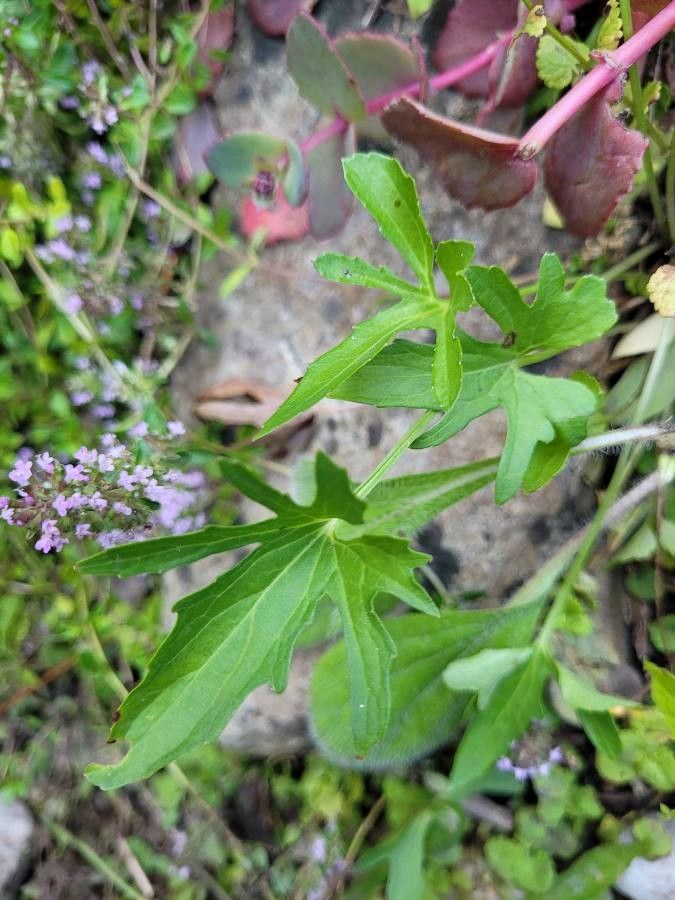
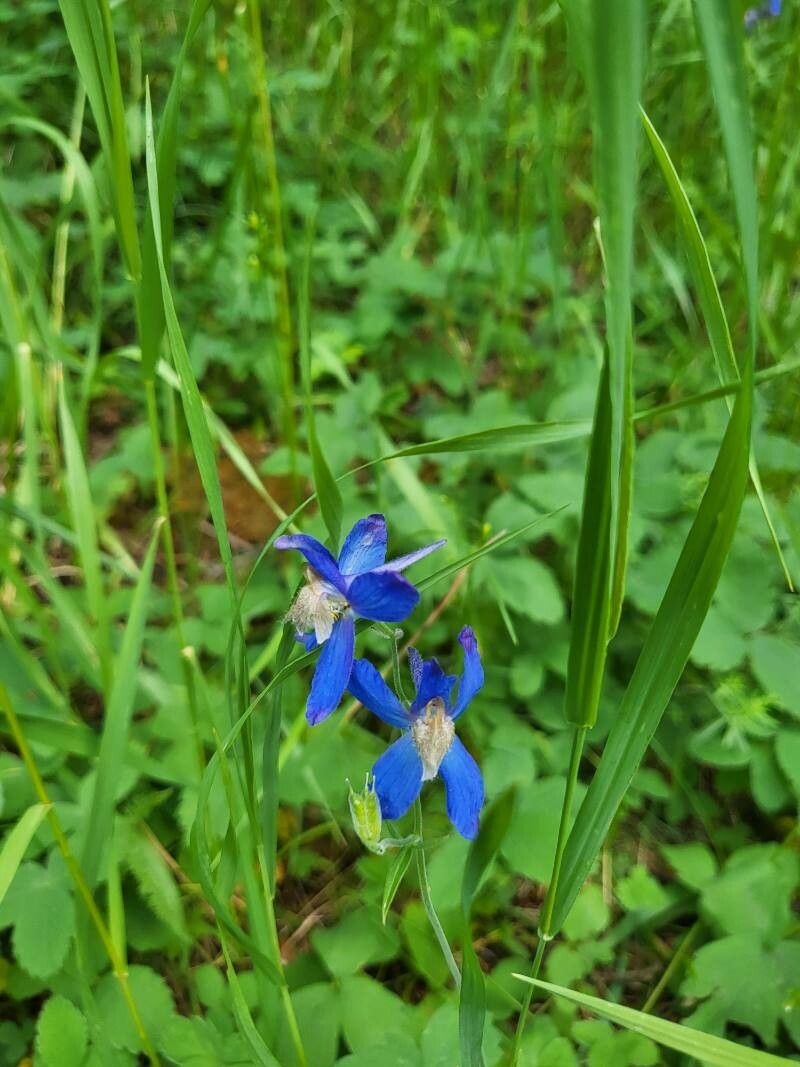
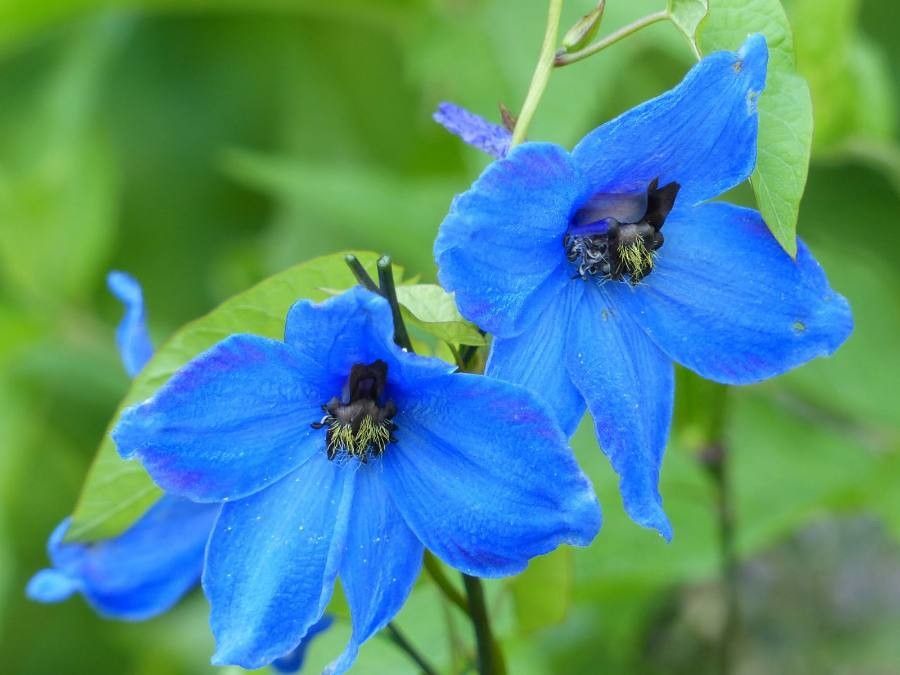
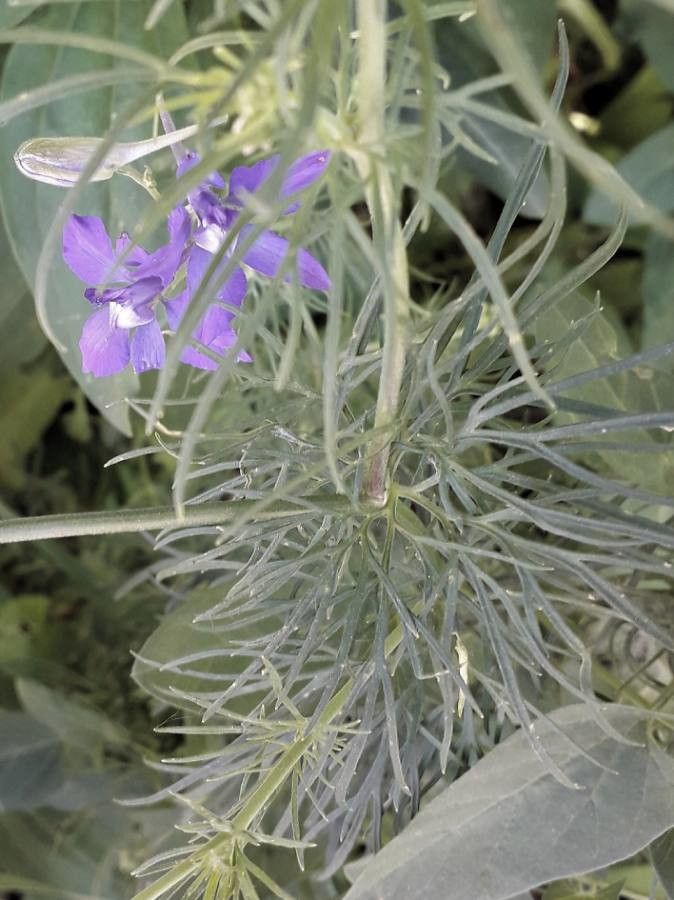
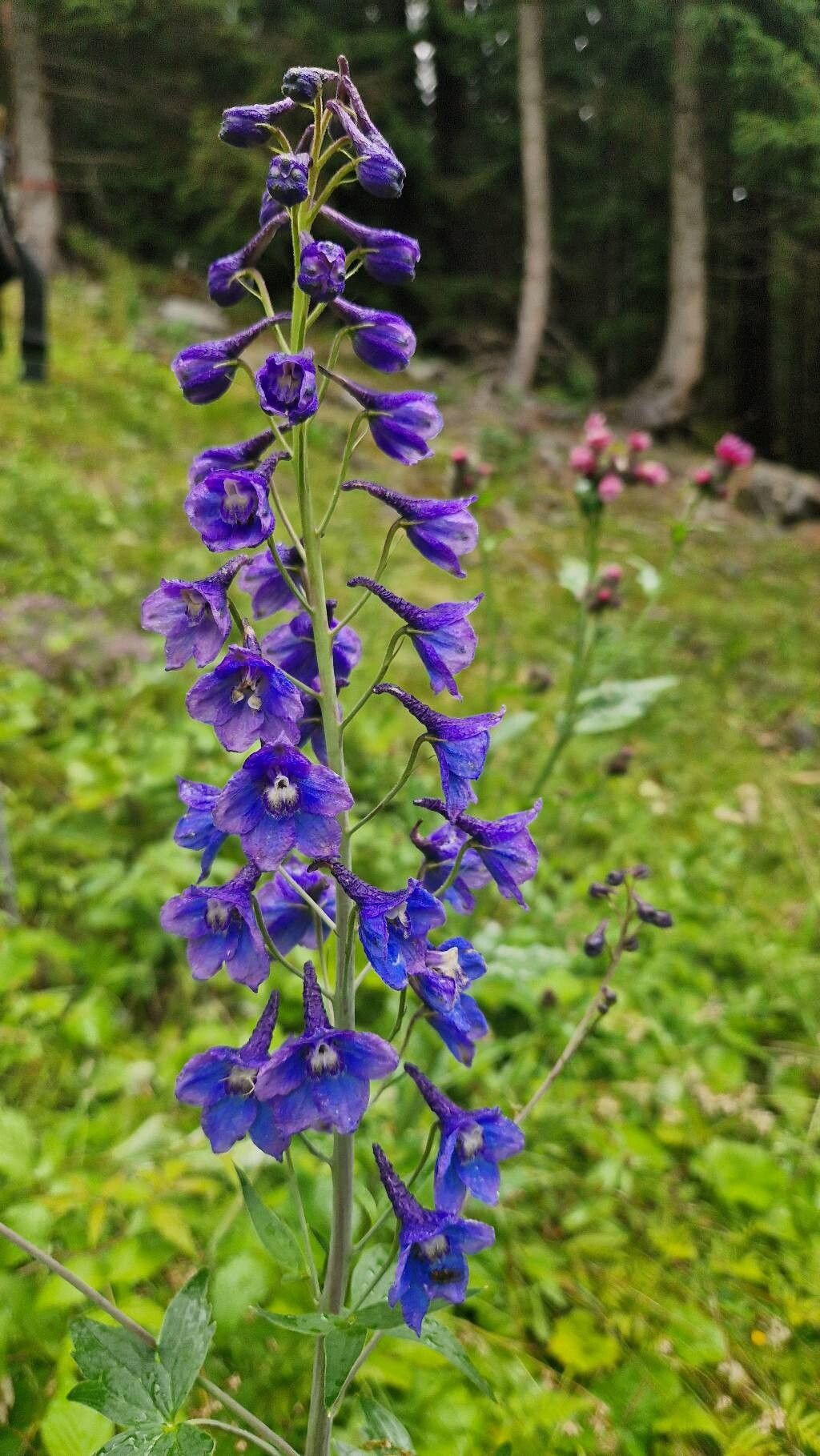
Delphinium menziesii, commonly known as Menzies' larkspur, is a species of flowering plant in the buttercup family, Ranunculaceae. This plant is native to the western United States, specifically California and Oregon. It typically grows to a height of 1 to 3 feet and produces tall spikes of blue-purple flowers during the summer months. The leaves are deeply lobed, palmate, and exhibit a bluish-green coloration. Delphinium menziesii thrives in well-drained soils and can grow in full sun or partial shade. You can find it in meadows, open woodlands, or along stream banks at elevations up to 6,000 feet. This species is an important food source for pollinators like bees and butterflies. However, it can be toxic if ingested by humans or livestock due to its high alkaloid content. Indigenous peoples have used Delphinium menziesii medicinally for its analgesic properties. Nonetheless, it should only be used under the guidance of a trained herbalist or healthcare professional because of its potential toxicity if not prepared correctly.
Menzies's larkspur is fairly resistant to disease and typically does not suffer from them. Nevertheless, it can be vulnerable to pests and illnesses present in its surroundings. Such infections are generally mild. Regarding care, the plant needs moderate maintenance. Regular pruning is necessary to keep it looking good and to support healthy growth. Applying fertilizer can also encourage flowering. Menzies's larkspur is suitable for someone with an outdoor area, like a garden or patio, and does not require much care experience. It may need more attention when grown indoors.
How to keep Delphinium Menziesii.
Light
Menzies's larkspur is a perennial herbaceous plant that favors sunny locations and originates in open habitats, commonly growing in meadows and grasslands. It thrives in full sun but will also tolerate partly sunny conditions.
Water
Menzies's larkspur thrives in moist meadows and requires regular watering to stay healthy. To keep it vigorous, it should be watered weekly. As an herbaceous perennial, Menzies's larkspur is typically grown outdoors, where it can take advantage of natural rainfall during the active growing season.
Fertilizer
The best time to fertilize a Menzies's larkspur is in early spring, as it comes out of dormancy and begins active growth. Fertilization supplies essential nutrients needed for healthy development. Although Menzies's larkspur has relatively modest fertilizer requirements, applying fertilizer annually can improve its survival and encourage better, longer-lasting blooms.
Pruning
Menzies's larkspur is known for its vibrant blue-violet flowers and benefits from pruning in early spring. To promote vigorous growth and prevent overcrowding, which can lead to pests and diseases, remove dead stems and trim back the previous year's growth. After the flowering period, light trimming helps prepare Menzies's larkspur for winter dormancy.
Botanical profile.
- Plant Type
- Herb
- Life Cycle
- Perennial
- Genus
- Delphinium
- Family
- Ranunculaceae
- Hardiness Zone
- 3-7
- Mature Height
- 20 cm to 52 cm
- Mature Spread
- 20 cm to 30 cm
- Leaf Color
- Dark Green
- Leaf Type
- Deciduous
- Flower Size
- 2.03 cm to 3.05 cm
- Bloom Time
- Early spring, Mid spring
- Planting Time
- Spring, Autumn
- Harvest Time
- Late spring, Early summer
Other names.
Reader questions.
What are the sunlight requirements for Menzies's larkspur (Delphinium menziesii)?
Menzies's larkspur (Delphinium menziesii) thrives in conditions where it can receive varying amounts of sunlight throughout the day. Specifically, the plant requires 'full sun' conditions, which translates to receiving more than 6 hours of sunlight daily, to flourish. For those aiming to cultivate it in slightly shadier conditions, 'partial sun' exposure, defined as about 3-6 hours of sunlight daily, can also suffice. It's important to observe the movement of sunlight through your garden carefully, selecting locations that offer an optimal mix of light and shade. This ensures that the plants receive the right amount of sunlight they need for healthy growth, keeping them happy and vibrant.