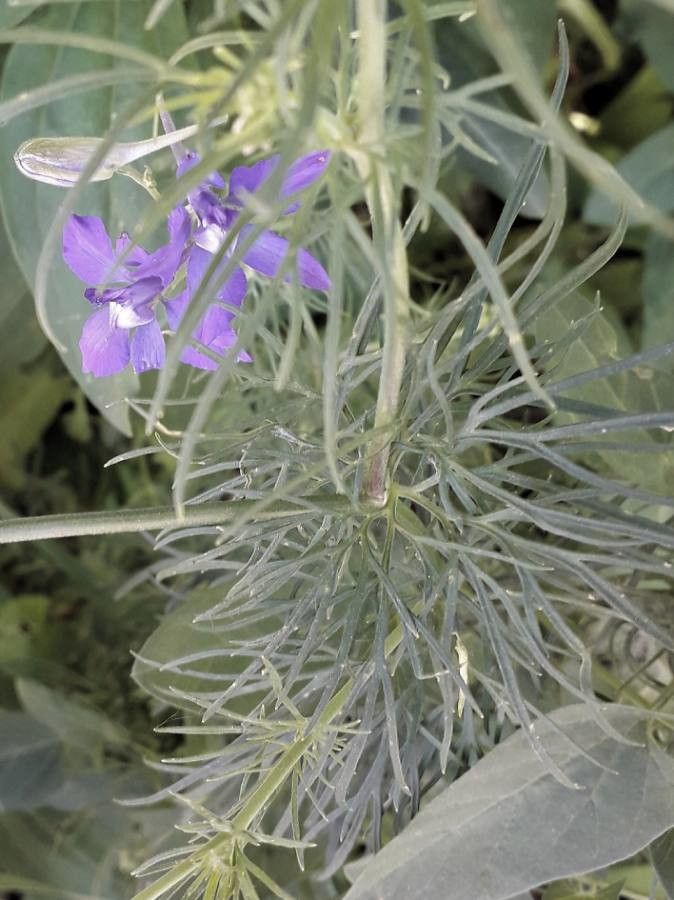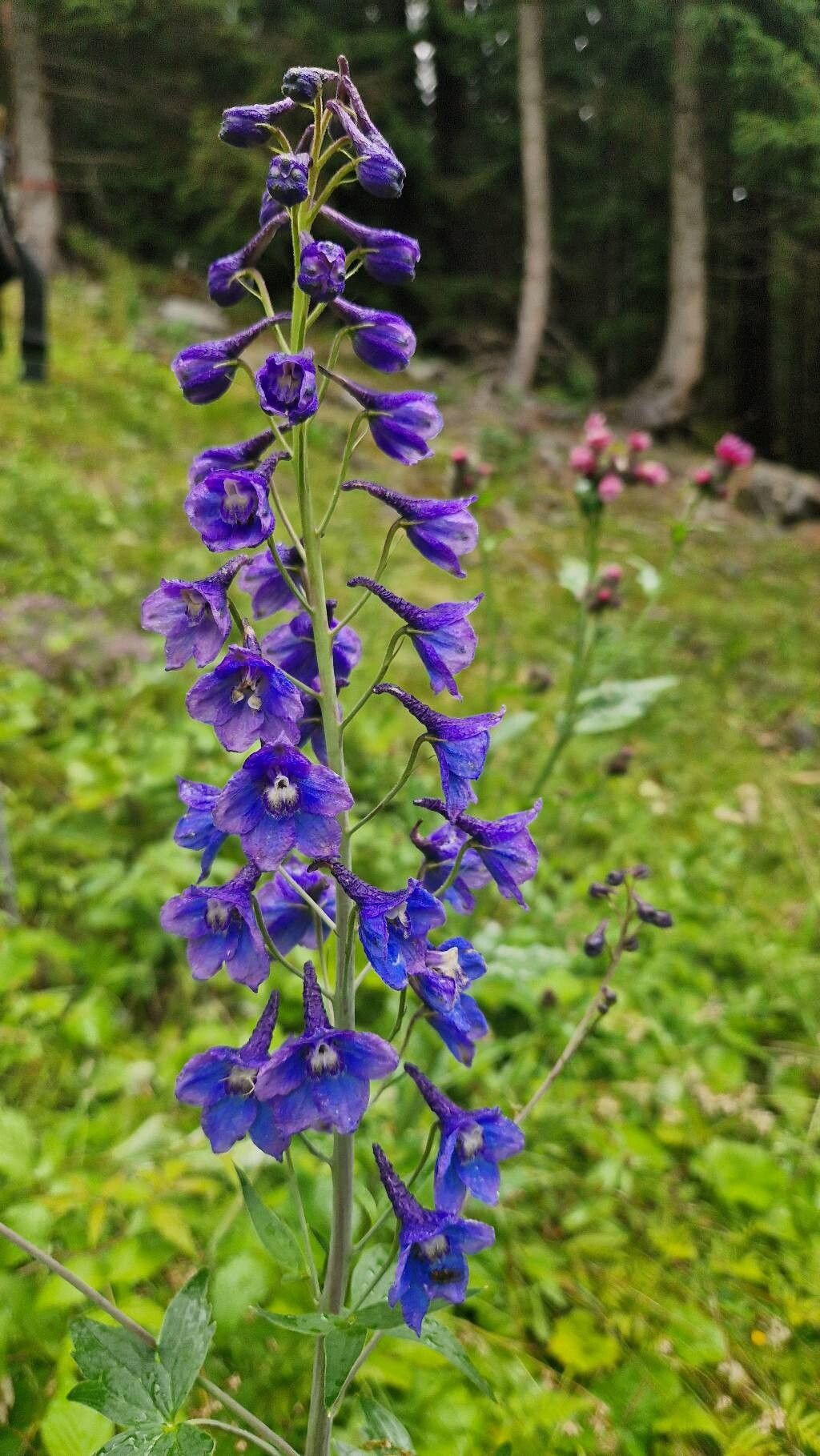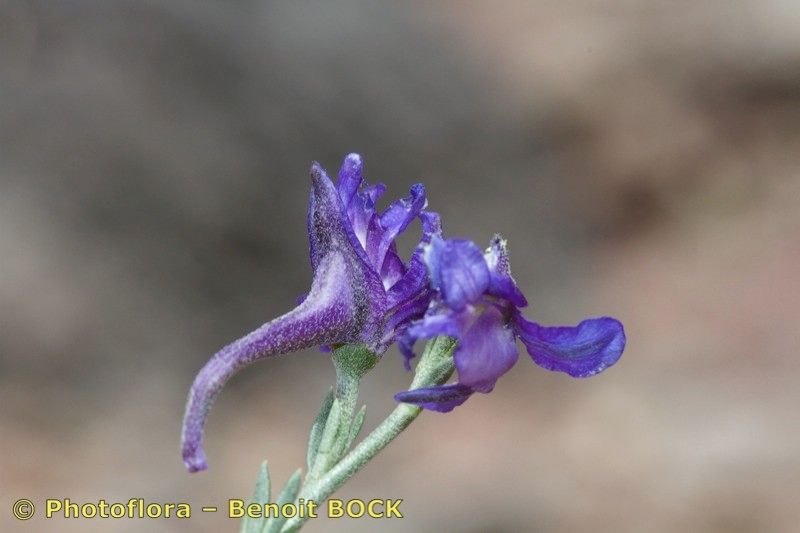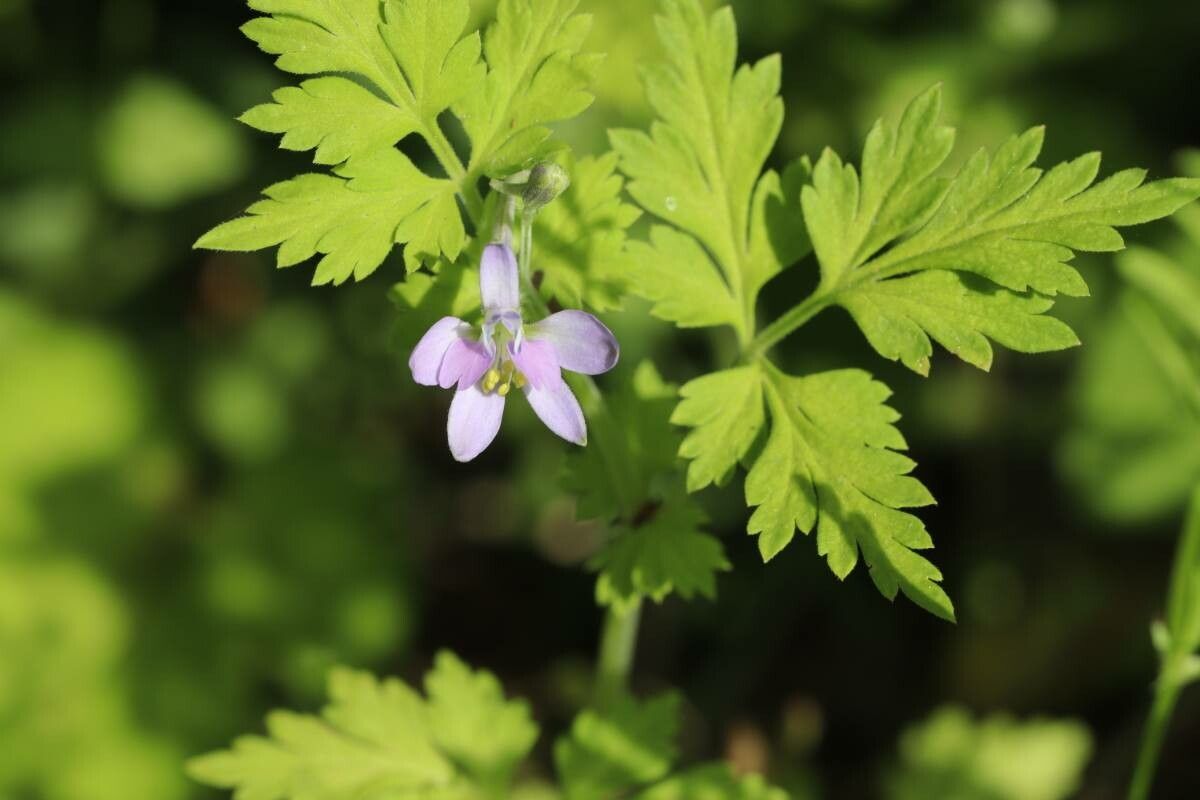
Chervil larkspur is fairly disease-resistant and generally not prone to illness. However, it can be vulnerable to pests and diseases present in its environment. These problems are usually mild. Regarding care, this plant needs moderate maintenance. It should be pruned regularly to preserve a neat appearance and encourage healthy growth. Fertilizing can also help boost flowering. Chervil larkspur is well suited for anyone with outdoor space, such as a garden or patio, and does not demand extensive gardening experience. It may need more attention if grown indoors.
How to keep Delphinium Anthriscifolium.
Light
The chervil larkspur needs abundant sunlight, though it can still do well with some shade. Sunlight is vital to its health and growth. In the wild it’s found in places that get plenty of sun each day. It can suffer if light levels are too low or if sun exposure is overly intense.
Water
Chervil larkspur thrives in moist environments and does best with consistent humidity. To care for it, water once a week, making adjustments based on the climate. When grown outdoors, this plant benefits from natural rainfall. Its growth is closely tied to water availability, so regular watering is especially important during its active growth periods.
Temperature
Chervil larkspur originates from temperate areas and does best in a temperature range of 68 to 95 °F (20 to 35 ℃). Across seasons, small adjustments may be necessary to keep the temperature within its favored range.
Fertilizer
Once Chervil larkspur has opened most of its blooms to full size, resume fertilizing. At the peak of bloom, apply fertilizer every three to four weeks, weather permitting. Then, when Chervil larkspur begins to produce fewer new blooms, stop fertilizing; there's no need to fertilize when the plant can no longer produce additional flowers.
Pruning
Chervil larkspur showcases fern-like leaves and vibrant flowers. For optimal growth, prune the plant from early to late spring. Start by removing any dead stems, then shape the plant to encourage more blooms. Regular pruning not only promotes plant health but also extends the blooming period. Ensure you use sharp, clean tools to minimize stress on the plant and prevent disease.
Botanical profile.
- Plant Type
- Herb
- Life Cycle
- Annual
- Genus
- Delphinium
- Family
- Ranunculaceae
- Hardiness Zone
- 3-10
- Mature Height
- 11 cm to 76 cm
- Mature Spread
- 20 cm to 30 cm
- Leaf Color
- Green, Dark Green
- Leaf Type
- Semi-evergreen
- Flower Color
- Blue, Violet
- Flower Size
- 2.03 cm to 11.43 cm
- Bloom Time
- Mid spring, Late spring, Early summer
- Planting Time
- Spring, Summer, Autumn
- Harvest Time
- Summer
- Native Area
- Vietnam, China