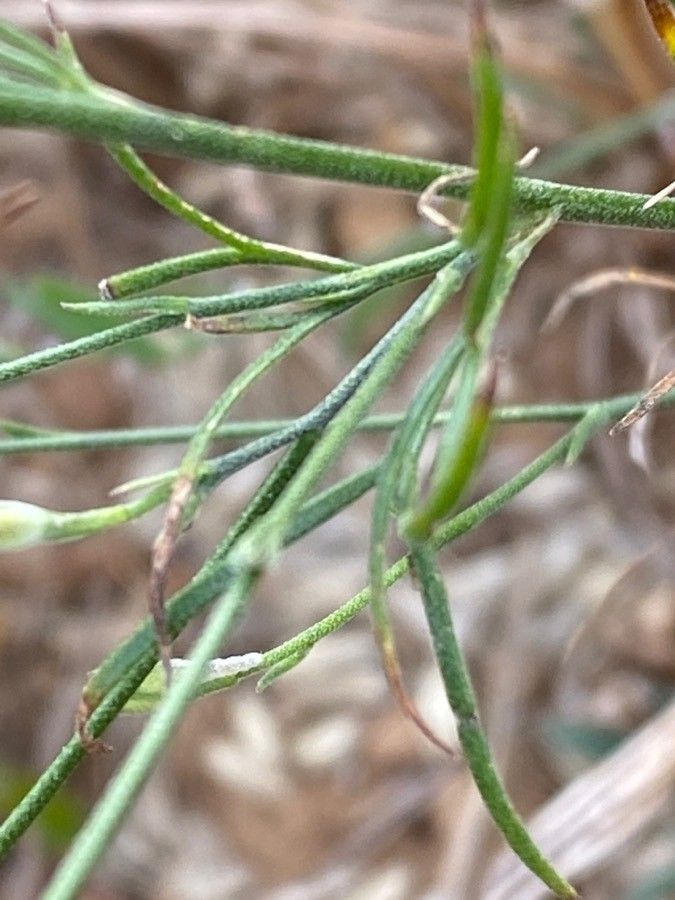
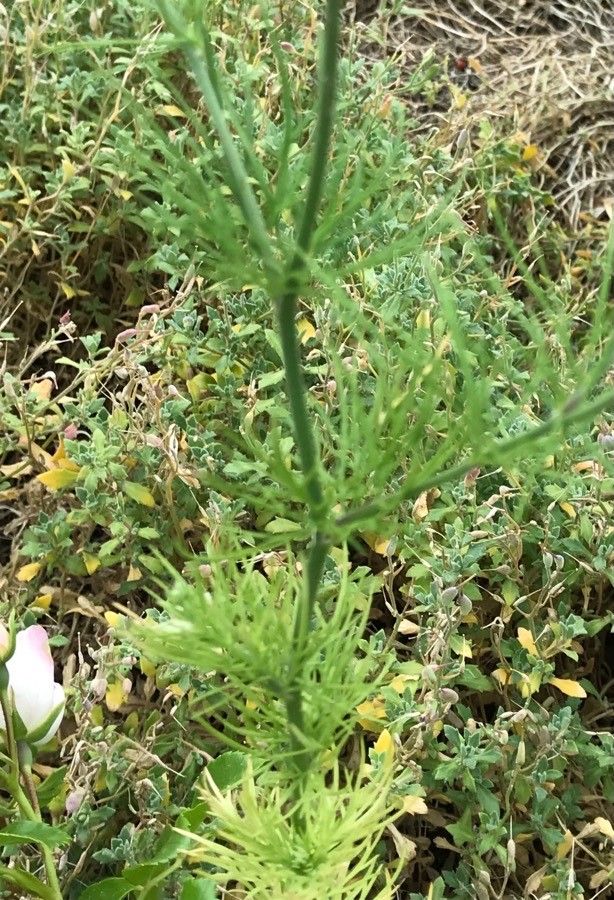
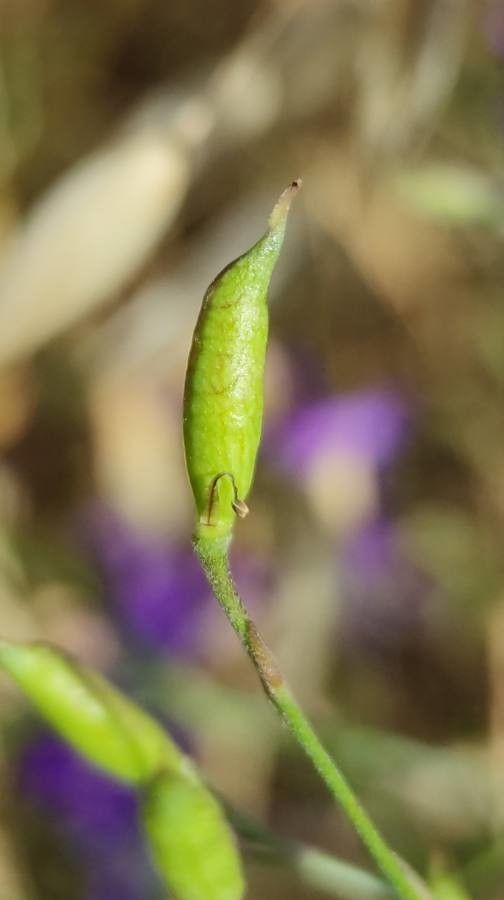
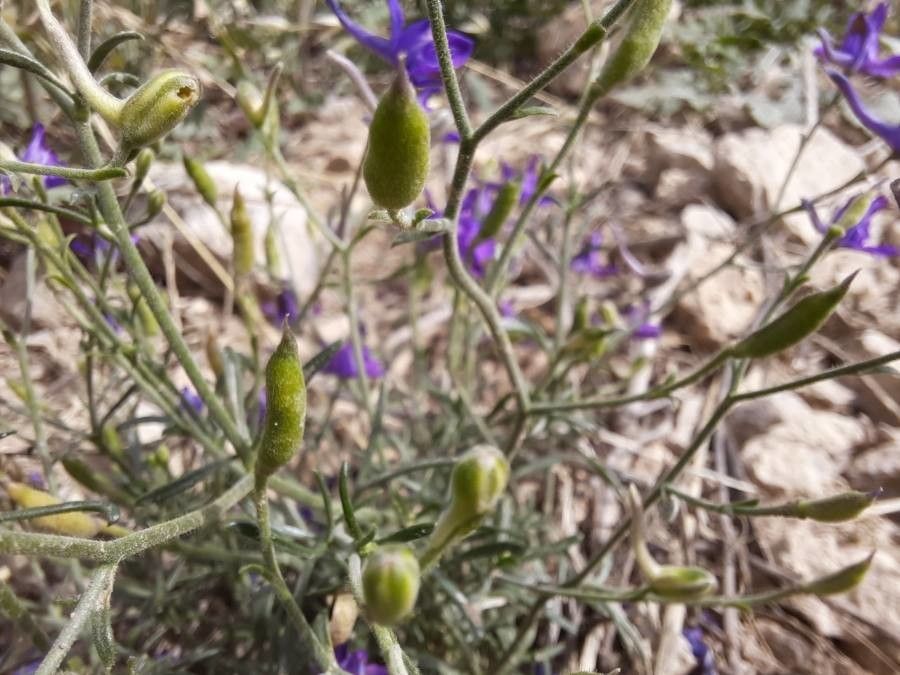
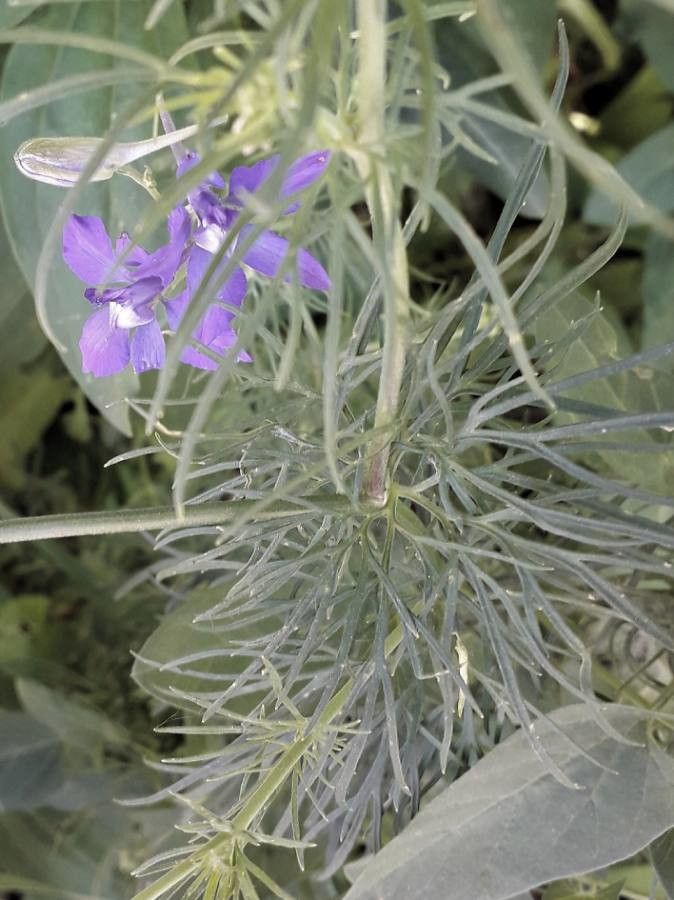
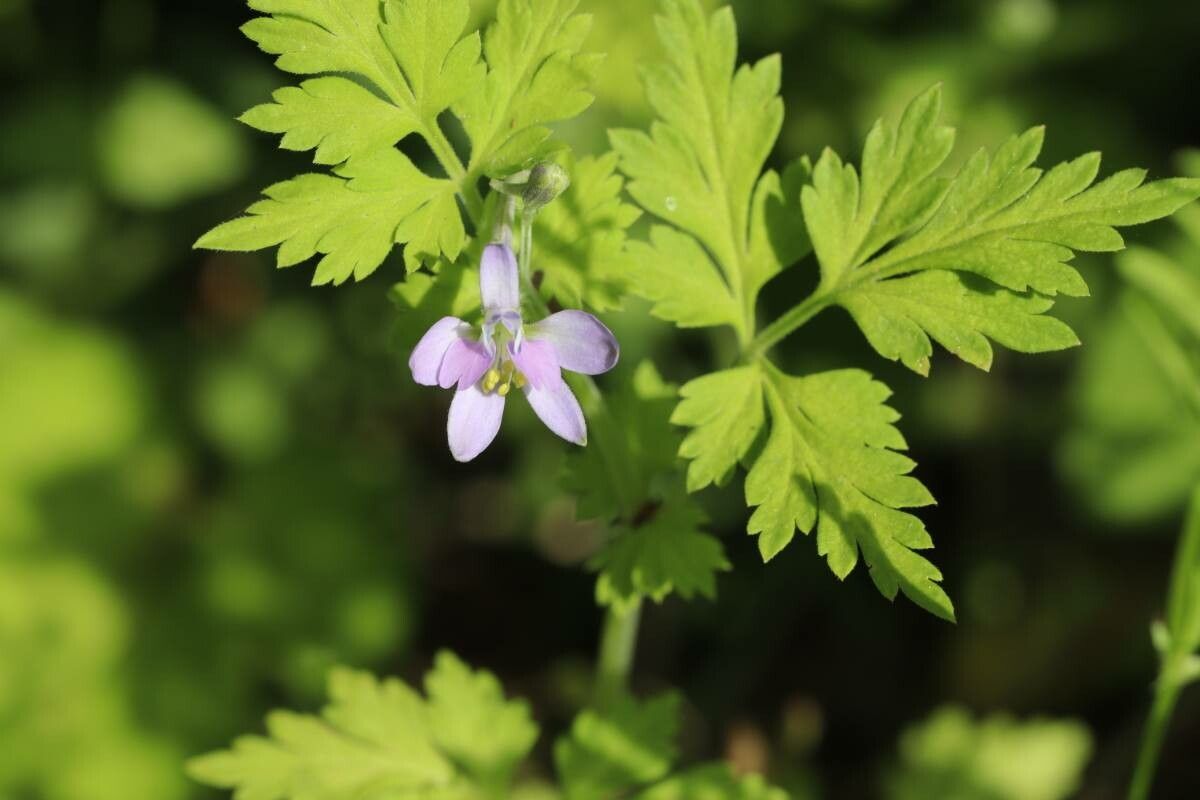
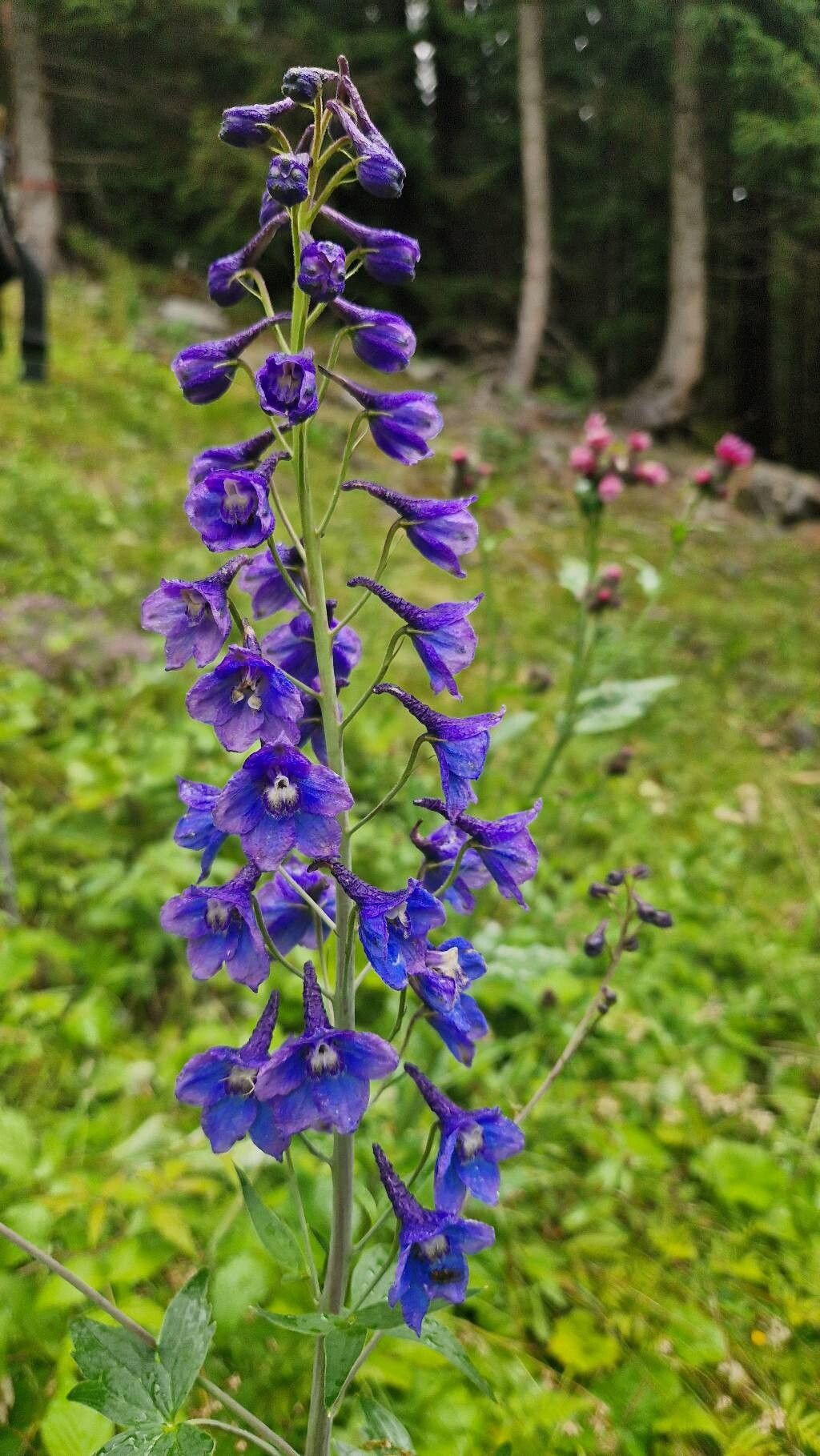
Delphinium consolida, commonly known as larkspur, is a flowering plant belonging to the buttercup family, Ranunculaceae. Native to Europe and Asia, it has been introduced and naturalized in various parts of the world. This plant can grow up to 1 meter tall and features deeply lobed leaves arranged alternately along the stem.
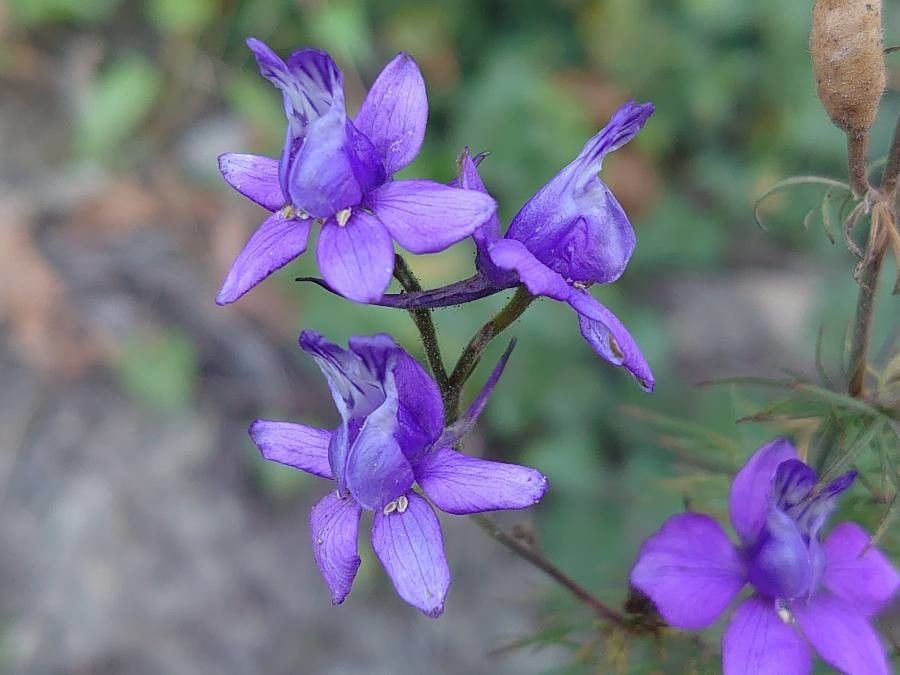
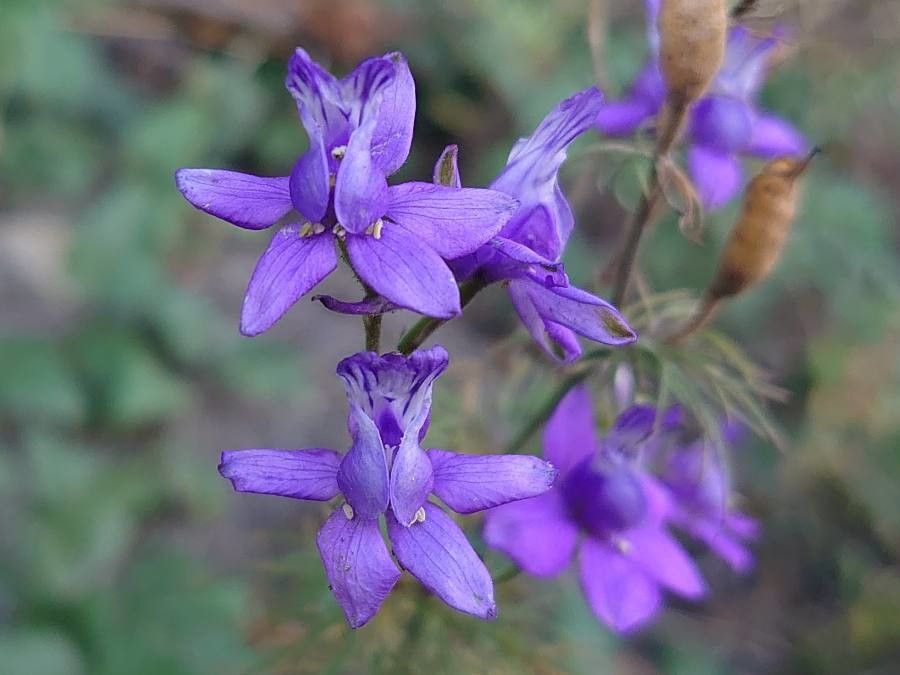
The flowers of Delphinium consolida form a spike-like inflorescence at the top of the stem. Each flower has five petals fused at their bases, creating a spur-like structure that gives the plant its common name, "larkspur." The petals come in shades of blue, purple, pink, or white.
Delphinium consolida thrives in well-drained soils and full sun but can tolerate partial shade. It blooms from late spring to early summer, attracting bees and butterflies with its nectar-rich flowers.
Historically, Delphinium consolida has been used for medicinal purposes due to its analgesic properties, which can help alleviate pain caused by rheumatism or gout. However, it should be used cautiously, as it contains toxic alkaloids that can cause poisoning if ingested in large quantities.
In summary, Delphinium consolida is an attractive garden plant with beautiful blue-purple blooms that add color and interest to any landscape design. When used appropriately under professional guidance, it can also offer medicinal benefits.
Rocket larkspur has good resistance to disease and is generally not prone to illnesses. However, it can be vulnerable to pests and diseases present in its surroundings. These outbreaks are usually mild. Care-wise, this plant requires moderate maintenance. It should be pruned regularly to maintain an attractive appearance and healthy growth. Fertilizing can also help encourage flowering. Rocket larkspur is appropriate for anyone with outdoor space, such as a garden or patio, and does not need much gardening experience. It may demand more attention when grown indoors.
How to keep Delphinium Consolida.
Light
Rocket larkspur flourishes in locations that have unobstructed access to sunlight throughout the day and can endure areas where the sunlight is somewhat moderated. Insufficient sun exposure can potentially inhibit its development, whereas excessive amounts don't notably cause any harm.
Temperature
The Rocket larkspur is native to environments where the typical temperatures vary between 68 and 95 °F (20 to 35 ℃). It thrives in warm weather, but can withstand some degree of change. Adjustments to seasonal temperatures may be required for its best possible growth.
Fertilizer
When the Rocket larkspur has most of its flowers fully bloomed, it indicates the appropriate moment to recommence fertilization. Start the fertilizing procedure once every three to four weeks, provided the weather conditions are suitable, when the flowers are flourishing the most. However, when the Rocket larkspur begins to generate fewer new flowers, cease fertilizing as there's no requirement for additional nutrients when the plant is not capable of producing more flowers.
Pot & Repot
During the repotting process of Rocket larkspur, choose a container that's 1-2 inches (2.5-5 cm) wider in diameter, with a focus on excellent drainage. Opt for a potting blend that provides good drainage and think about adding perlite for additional drainage capacity. Perform the repotting in spring or at the start of summer, drench completely with water, and then place it in a location with less sunlight initially.
Botanical profile.
- Plant Type
- Herb
- Life Cycle
- Annual, Perennial, Biennial
- Genus
- Delphinium
- Family
- Ranunculaceae
- Hardiness Zone
- 6-9
- Mature Height
- 0.61 m to 1.22 m
- Mature Spread
- 30 cm to 61 cm
- Leaf Color
- Green
- Leaf Type
- Deciduous
- Flower Color
- Blue, Purple, Pink, White
- Flower Size
- 5.08 cm
- Bloom Time
- Late spring, Early summer, Mid summer
- Planting Time
- Spring
- Harvest Time
- Mid summer
Other names.