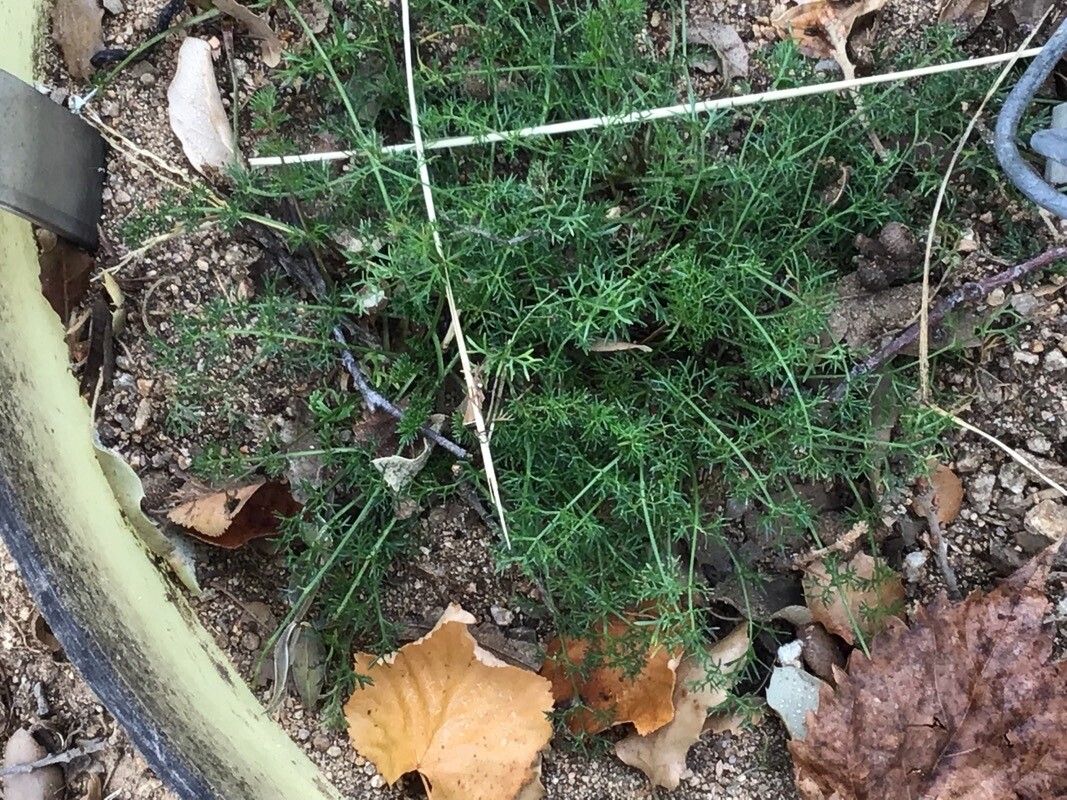
Daucus pusillus, commonly known as the American wild carrot or small-fruited carrot, is a biennial herbaceous plant that belongs to the Apiaceae family. Native to North America, this plant can be found in various habitats such as meadows, fields, and roadsides.
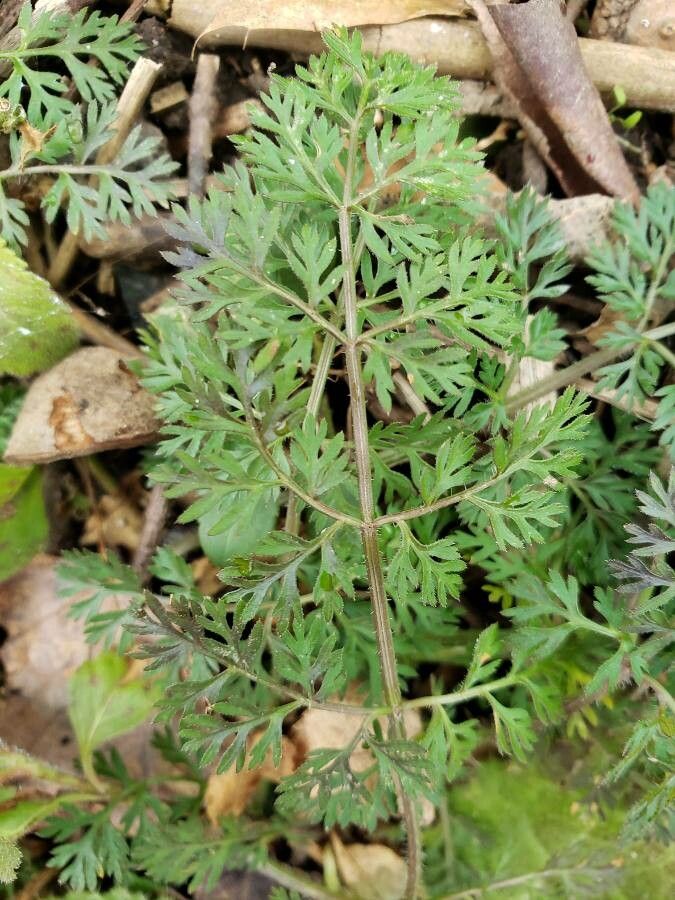
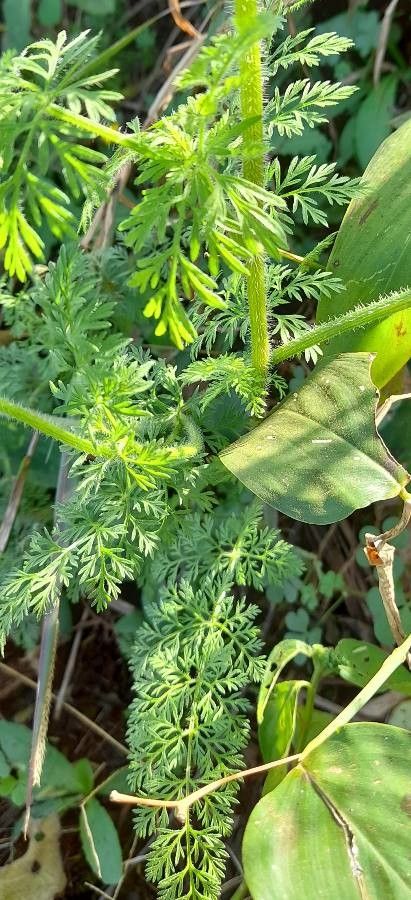
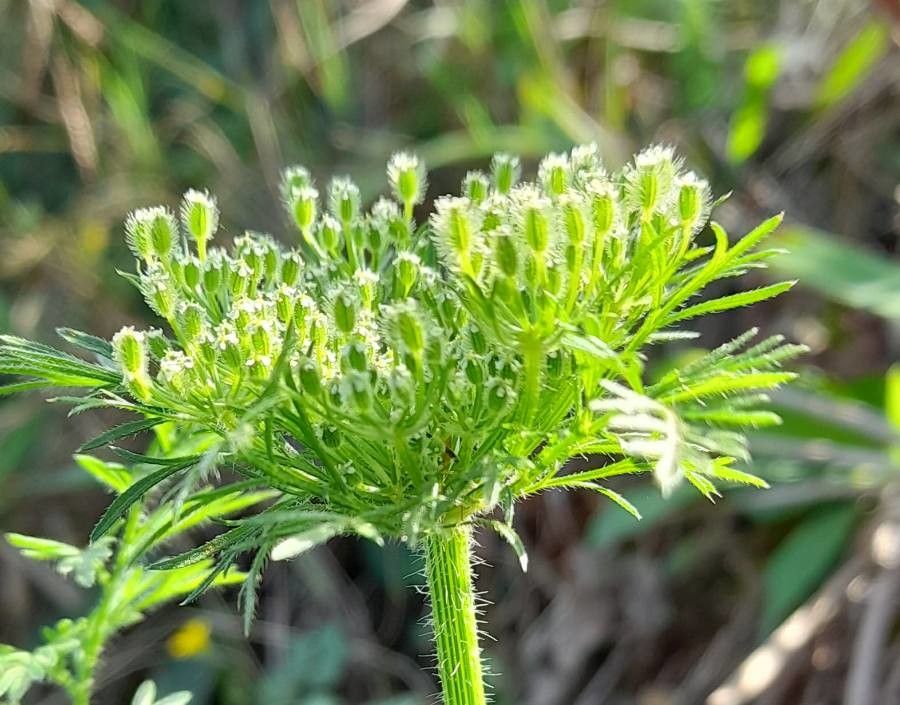
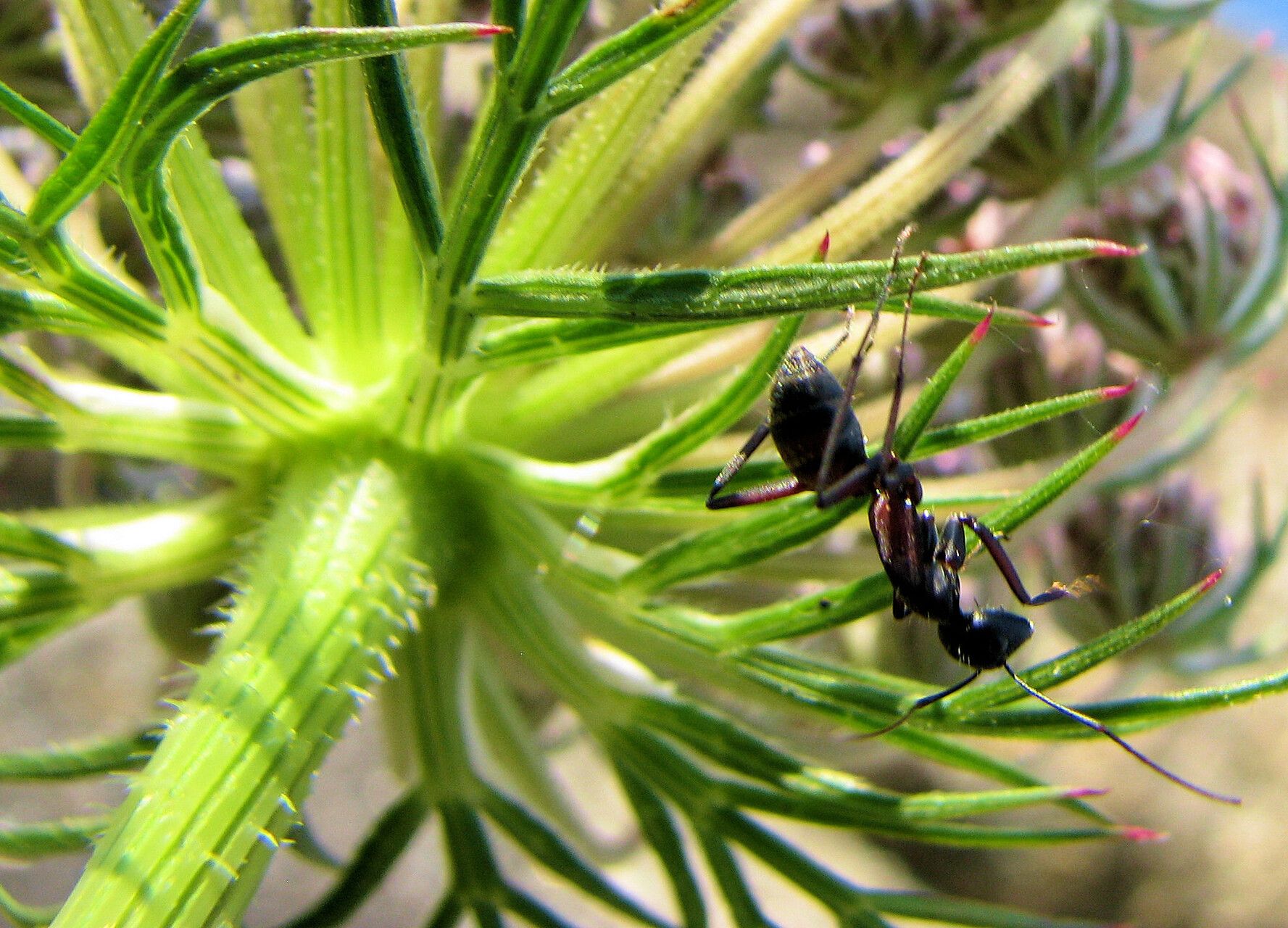
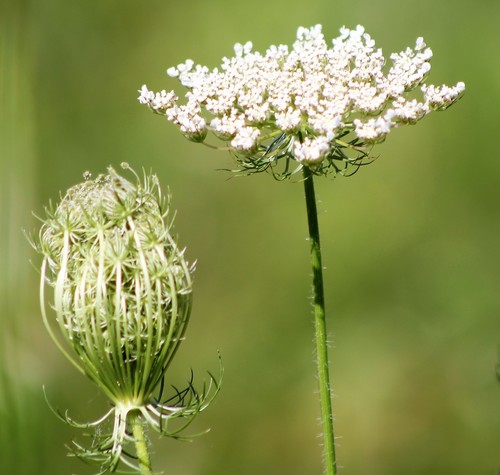
The plant can grow up to 60 cm tall and features finely divided leaves arranged in a basal rosette. It has a slender, branched stem with small white flowers that bloom from June to August. These flowers are organized in umbels with 5-10 rays.
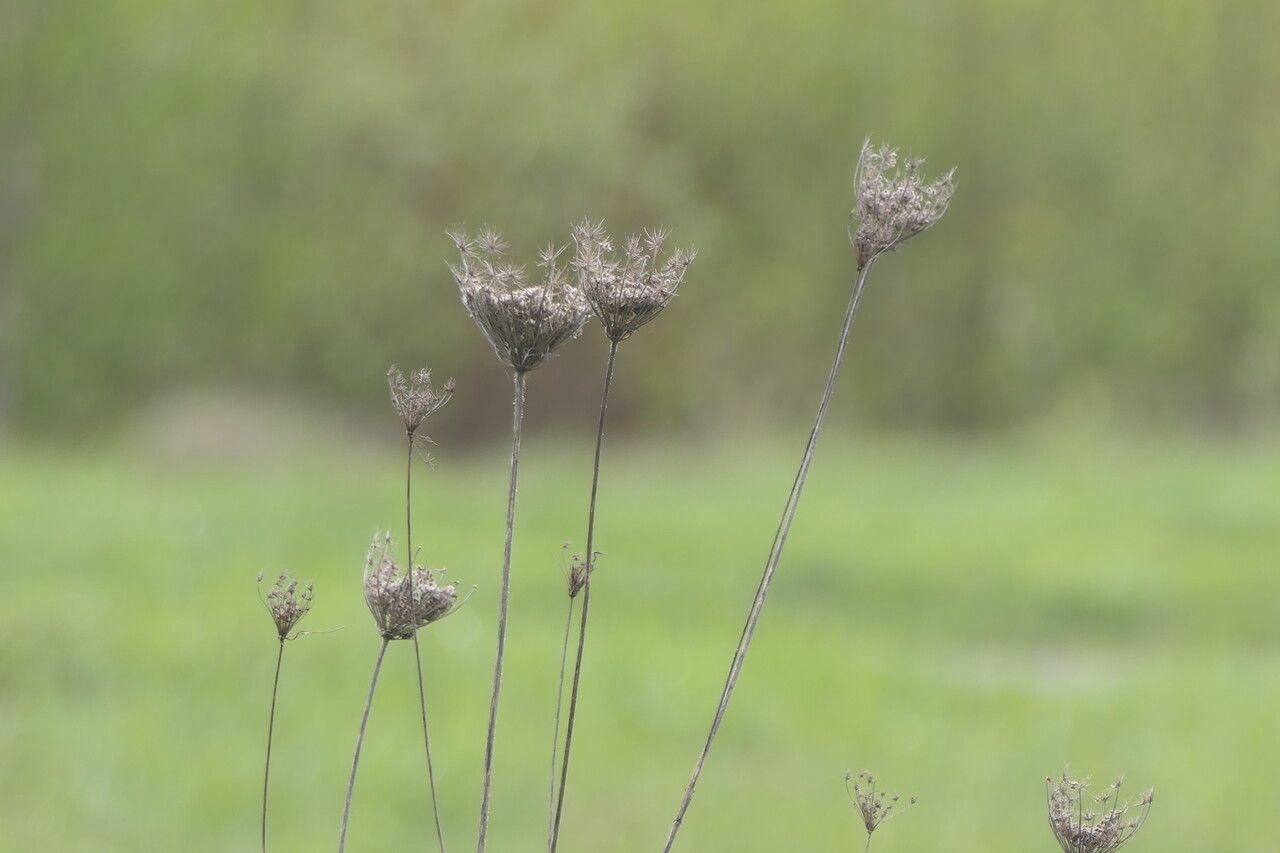
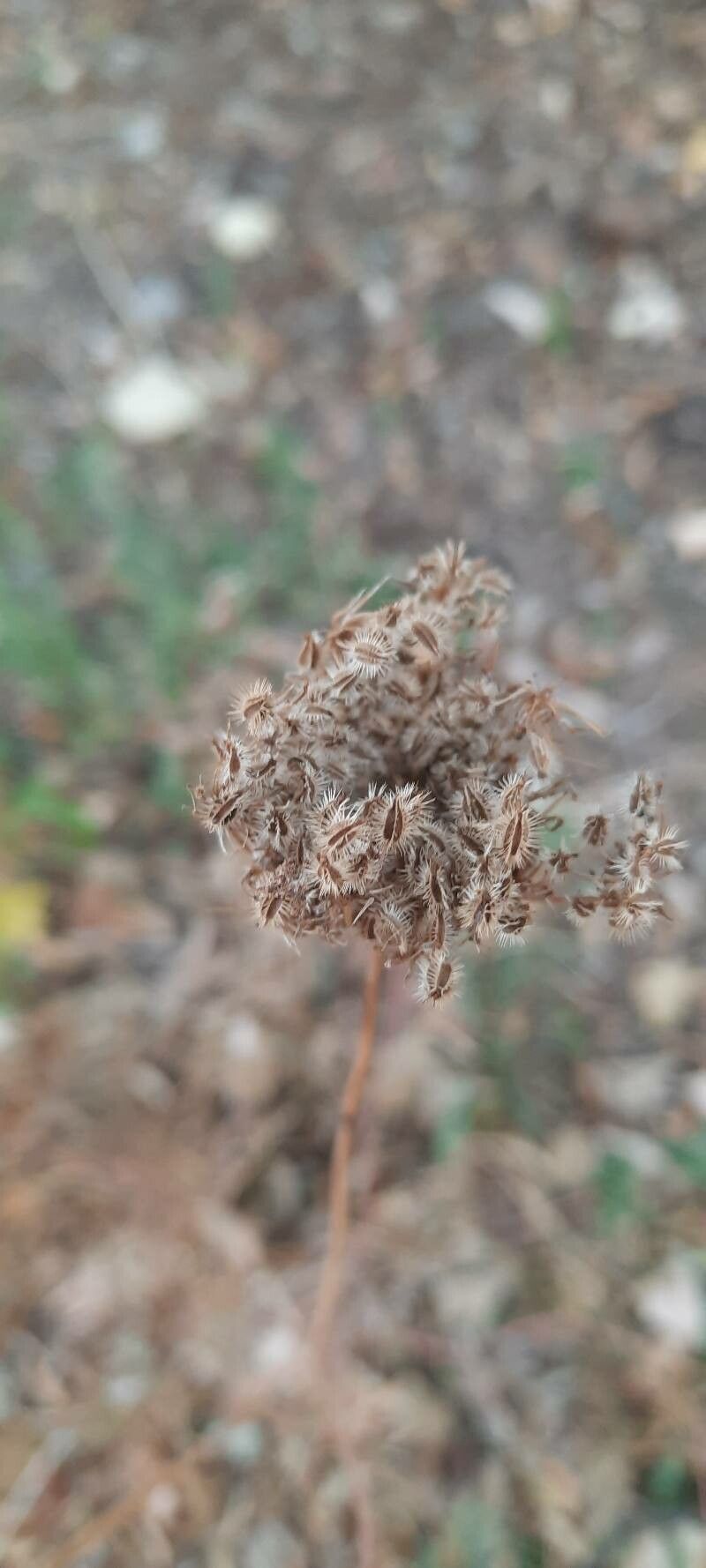
The fruit of Daucus pusillus is a small, oval-shaped achene covered with bristles. Native Americans have historically used this plant for medicinal purposes, including treating digestive problems, coughs, colds, and fevers.
In addition to its medicinal uses, Daucus pusillus can also be used in cooking. Its leaves can be eaten raw or cooked like spinach, while the roots have been used as a substitute for carrots in soups or stews.
Overall, Daucus pusillus is a fascinating plant due to its medicinal properties and edibility, making it an important component of North American flora.
Rattlesnake weed is fairly disease-resistant and usually not prone to illnesses. However, it can be vulnerable to pests and diseases present in its environment. These problems are typically not serious. For care, the plant requires moderate maintenance. It should be pruned regularly to maintain a tidy appearance and support healthy growth. Fertilizing can also help encourage flowering. Rattlesnake weed is suitable for anyone with an outdoor area, such as a garden or patio, and does not demand extensive care experience. It may need more attention when grown indoors.
How to keep Daucus Pusillus.
Light
Rattlesnake weed performs best in conditions with abundant sunlight throughout the day for optimal growth. It can tolerate reduced light, but its growth may be stunted. Excessive light exposure can harm the plant, while inadequate light can prevent it from developing fully.
Water
Rattlesnake weed, a plant native to arid regions, thrives on minimal moisture and demonstrates excellent drought tolerance. To keep it healthy, water it weekly to mimic its natural dry habitat. Allow the soil to dry out slightly between waterings to encourage strong root development, which boosts its resilience during growth cycles affected by water availability.
Temperature
Rattlesnake weed typically grows in temperatures ranging from 68 to 95 °F (20 to 35 ℃). This temperature requirement from its native habitat ensures optimal growth. As seasons change, moderate adjustments to maintain these temperatures are suggested.
Fertilizer
Rattlesnake weed responds well to regular, light applications of fertilizer to encourage healthy leaf development. You should fertilize Rattlesnake weed about once a month during the summer. Nitrogen is vital for foliage, and adding nitrogen-rich sources helps Rattlesnake weed thrive.
Pruning
Rattlesnake weed thrives with its delicate foliage and small flowers, especially when it is pruned in the spring. By removing dead or damaged stems, you can encourage healthy growth, help the plant maintain its shape, and improve air circulation, which reduces the risk of fungal infections. Proper pruning, timed with the plant's growth cycles, supports strong regrowth and leads to more blooms.
Botanical profile.
- Plant Type
- Herb
- Life Cycle
- Annual, Biennial
- Genus
- Daucus
- Family
- Apiaceae
- Hardiness Zone
- 4-8
- Mature Height
- 46 cm to 91 cm
- Mature Spread
- 30 cm to 61 cm
- Leaf Color
- Green
- Leaf Type
- Deciduous
- Flower Color
- White
- Flower Size
- 2.54 cm
- Bloom Time
- Mid spring, Late spring, Early summer
- Planting Time
- Spring, Summer, Autumn
- Harvest Time
- Summer
- Native Area
- Mexico
Other names.
Reader questions.
How should I water my Rattlesnake weed?
Watering Rattlesnake weed is a flexible process that can be done using a variety of tools. Garden hoses with spray nozzles, watering cans, or other common watering tools work well. This plant doesn't have strict preferences for water sources and can thrive with rainwater, tap water, or filtered water. However, it's generally best to avoid watering from above as it can damage leaves, flowers, and potentially cause disease. Setting up a drip irrigation system can be an effective way to evenly and directly water Rattlesnake weed. When dealing with container-grown plants, similar watering methods can be used, but with tools like cups, watering cans, or taps to apply water directly to the soil.
How many hours should Rattlesnake weed be in the sun each day to grow well?
To ensure the well-being of your plants, it is important to provide them with 6 to 8 hours of sunlight each day. It is recommended to expose them to more morning light, particularly during the summer season. The Rattlesnake weed, in particular, thrives in full sun and benefits from as much sunlight as possible. Providing ample light enables these plants to produce food, display lovely blooms, and thrive in their environment.
What is the ideal temperature for growing Rattlesnake weed?
Rattlesnake weed thrives in a temperature range from 68 to 95 °F (20 to 35 °C) for optimal growth. It is accustomed to these temperatures in its native environment, and moderate adjustments are recommended as seasons change to maintain these optimal conditions.
What should I do if I give my Rattlesnake weed too much or too little water?
If you notice that your Rattlesnake weed is not getting enough water, the solution is simple - water it more regularly. However, overwatering can be a bigger problem. If you don't catch it early, your Rattlesnake weed can develop diseases that can cause it to decline and die. To avoid this, it's important to choose a suitable location for your plant. Look for a spot that gets plenty of sunlight to dry out the soil and has good drainage to prevent water from pooling and causing waterlogged soil. If you have overwatered a potted Rattlesnake weed, consider transferring it to a new pot. The previous container may not have had proper drainage, so make sure to use a pot with good drainage holes and loose soil when repotting.
What kind of sunlight does Rattlesnake weed need?
The Rattlesnake weed thrives in full sunlight, so it's important not to crowd them together. This allows them to receive sunlight evenly and prevents the leaves from being starved of sunlight. If you are planting them in pots, make sure to place them in windows that receive direct sun and provide full sunlight throughout the year. It's important to note that they don't do well in partial or filtered light, as this can result in weak stems and unhealthy flowers. To ensure their health, it is best to always expose the Rattlesnake weed to the sun.
Does Rattlesnake weed require frost protection measures during winter?
Rattlesnake weed is known for its strong cold resistance and usually does not require special frost protection measures during the winter. However, if temperatures are expected to drop below -30°C, it is important to provide cold protection. This can be done by covering the plant with materials like soil or straw. Additionally, watering the plant abundantly before the first freeze in autumn to ensure the soil stays moist can help prevent drought and water scarcity during winter and early spring.
How frequently should I water my Rattlesnake weed?
Rattlesnake weed requires regular watering throughout the growing season. In the spring, you should water it once a week. As the season progresses and becomes warmer, you may need to increase watering to two or three times a week. However, watering excessively can harm the plant. It is important to keep the soil relatively moist but not wet, regardless of how often you water. Watering Rattlesnake weed in a pot is slightly different. The soil in a pot tends to heat up and dry out faster than ground soil. Therefore, you should water a potted Rattlesnake weed a few times per week, compared to just once per week for a plant in the ground.
Does sunlight harm plants? How can I prevent Rattlesnake weed from getting damaged by the sun and heat?
When the temperature rises above 90℉(32℃), extreme heat can damage the Rattlesnake weed, especially if it is exposed to hours of direct sunlight. It's best to provide some shade in the afternoon during the summer months. Keep in mind that the sunlight is stronger and lasts 50% longer in the summer compared to winter. If the Rattlesnake weed is stressed from too much sunlight, make sure to keep it well-hydrated. Water the plants when the top 2 inches of soil are dry and consider moving them indoors if it's too hot outside, especially if they are planted in containers. It's normal for the plant leaves to wilt during the day and recover at night, but if they remain droopy, it means the plant is losing water quickly and needs to be watered.
How does Rattlesnake weed react to low temperatures?
Rattlesnake weed is cold-tolerant and performs best when temperatures are above 20°C. During winter, it's advised to keep temperatures above 0°C. Exposure to temperatures below -30°C might not show immediate changes during the winter, but there could be a decrease in sprouting or no sprouting at all come springtime. Removal of parts that failed to sprout in the spring is suggested as a solution.
How much water does my Rattlesnake weed require?
Determining how much water to give your Rattlesnake weed can be done in a few different ways. Some gardeners prefer to check the soil's moisture by feel and water until the top six inches are moist. Another option is to use a set measurement, such as around two gallons per week, considering factors like temperature and soil dryness. However, following strict guidelines may result in overwatering if your plant needs less. When growing Rattlesnake weed in a container, a different approach is necessary. In this case, water the plant enough to moisten all dry soil layers. You can test this by sticking your finger in the soil or noting a slight trickle of excess water from the pot's drainage holes.
Should I keep Rattlesnake weed away from the sun?
The Rattlesnake weed thrives in sunlight and is even attracted to it. Some species are heliotropic, meaning they follow the sun's movements. To ensure optimal growth, it is recommended to plant them in south-facing gardens, allowing them to bask in the sun from morning to afternoon. However, excessive sun exposure can lead to sunburn, so it is advised to provide some shade in the afternoon and midday, such as under a tree or against a wall. Growing the Rattlesnake weed in shady areas is not feasible as the larger flowers require ample energy to develop and bloom. For best results, always provide full sun and appropriate lighting conditions when planting the Rattlesnake weed.
What are the effects of high temperatures on Rattlesnake weed and how can they be mitigated?
During the summer, it is advisable to keep the Rattlesnake weed below 35°C. If temperatures exceed 38°C, you might notice the leaves becoming lighter in color, curling, becoming prone to sunburn, and in severe cases, the entire plant may wilt and dry out. To mitigate these effects, trim away sunburned and dried-up parts, move the plant to a location with shade during the midday and afternoon sun, or use a shade cloth. Additionally, water the plant in the morning and evening to keep the soil moist.