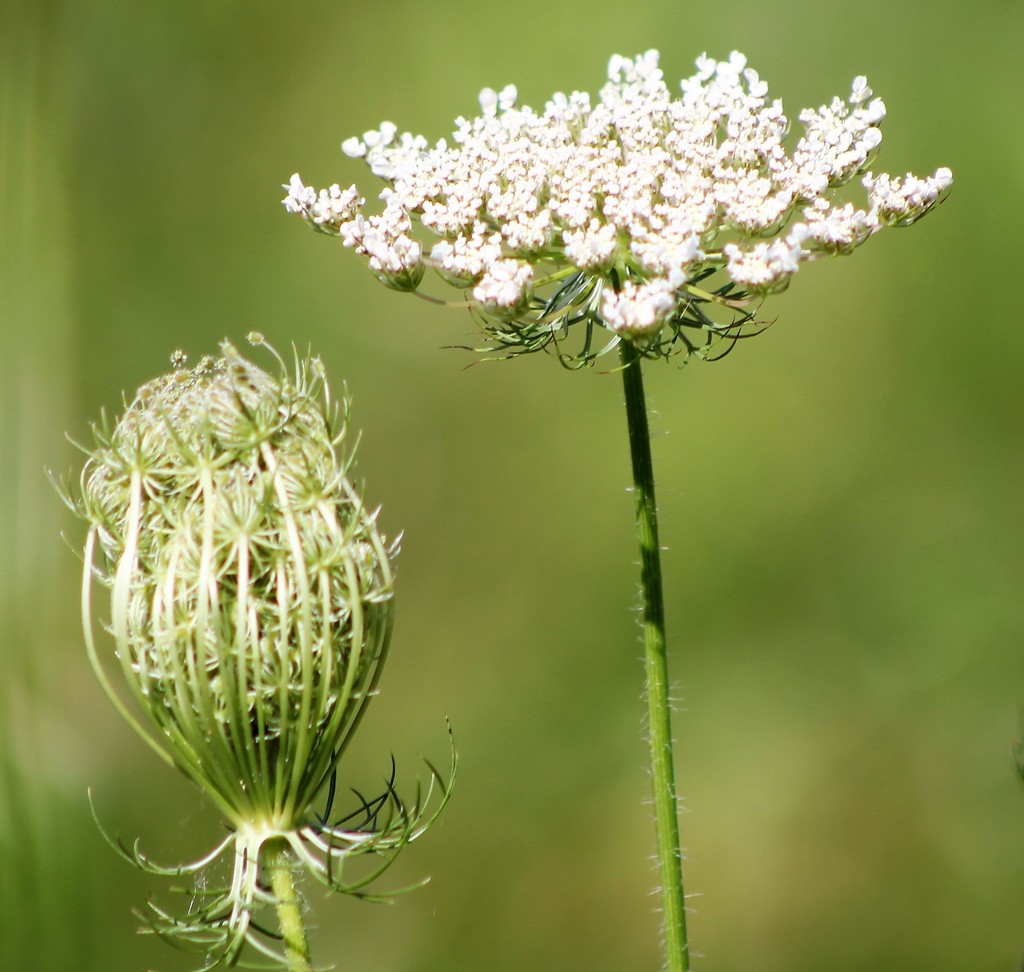
Daucus carota, commonly known as wild carrot or Queen Anne's lace, is a biennial plant belonging to the Apiaceae family. Native to Europe and Asia, it has been naturalized across many parts of the world. The plant can grow up to 1 meter tall and features a taproot that can extend up to 30 cm in length.
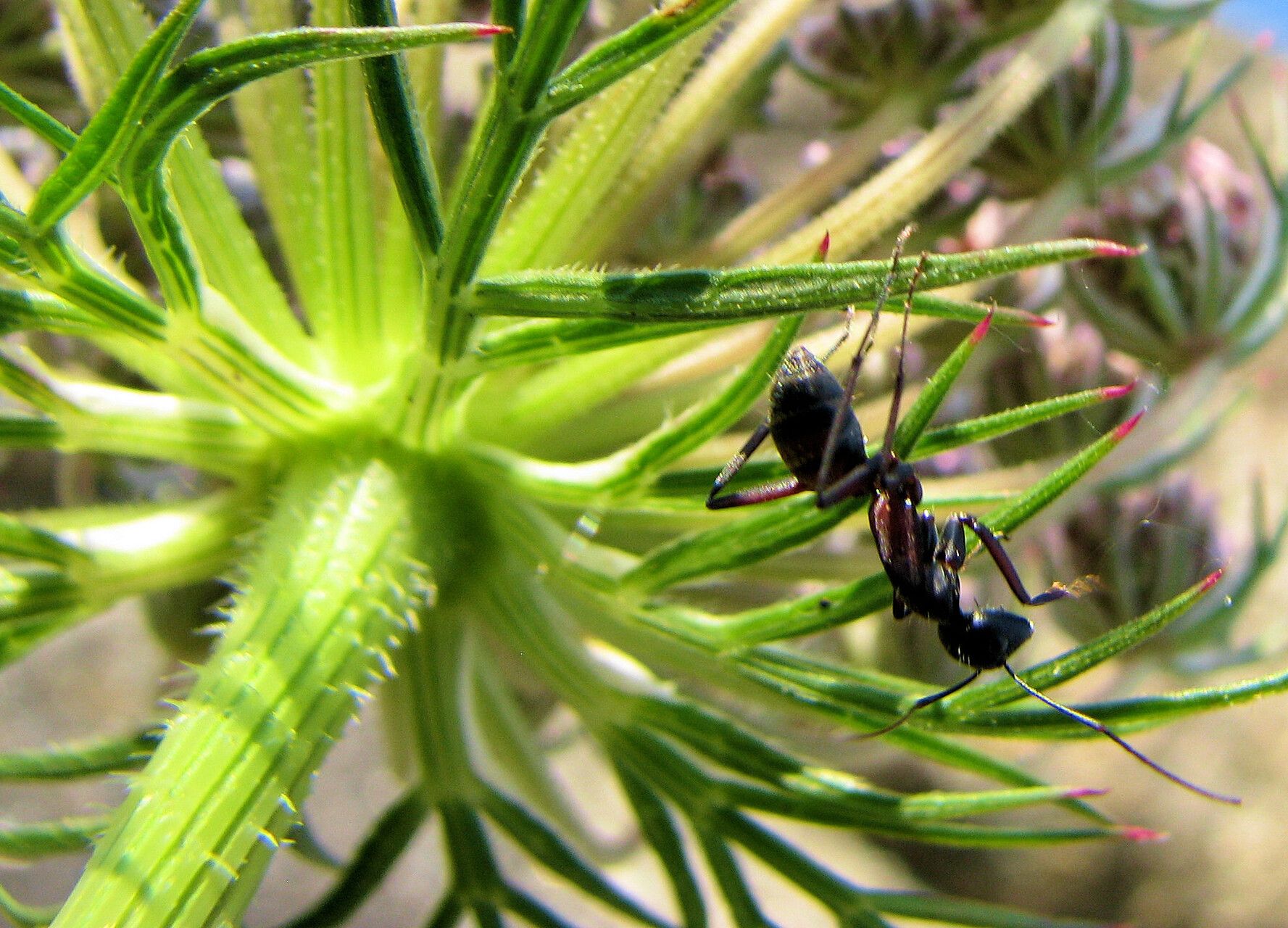
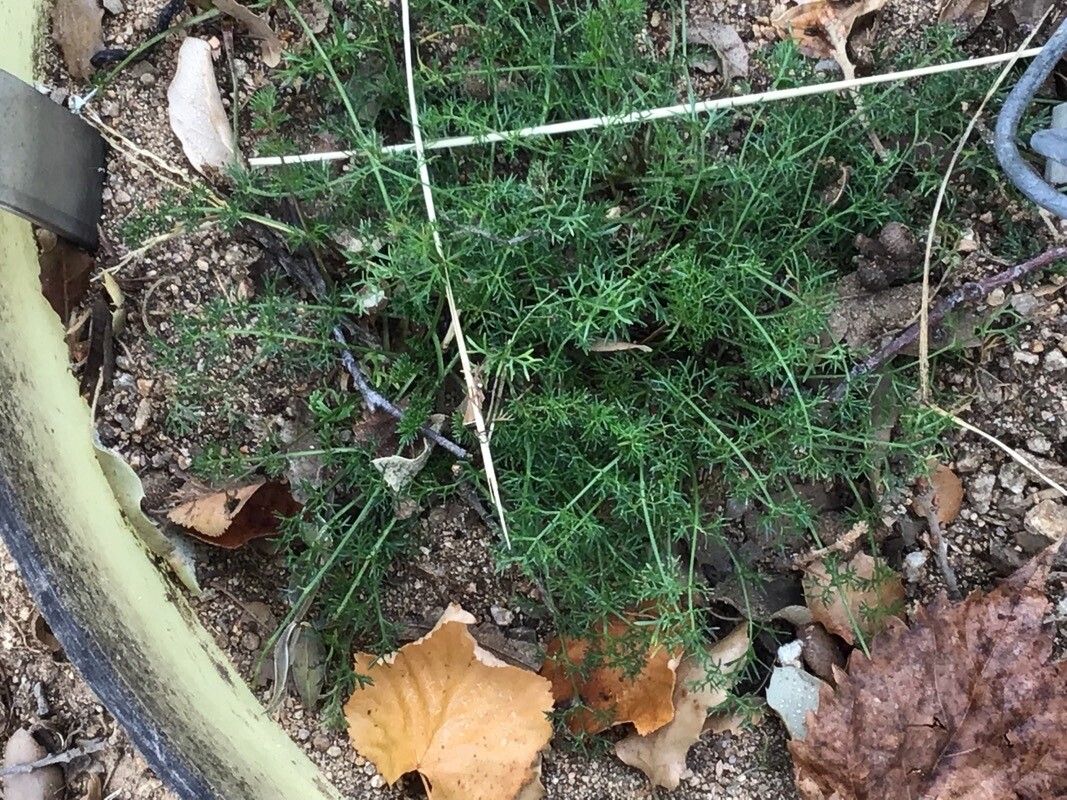
The leaves of Daucus carota are finely divided and resemble ferns, while its flowers are small and white, each cluster highlighting a central purple or red flower. The plant blooms from June to August.
Wild carrot is commonly used as an herbal remedy for various ailments, including digestive problems, menstrual cramps, and urinary tract infections. It is also rich in antioxidants such as beta-carotene, which help protect against cancer.
Beyond its medicinal properties, Daucus carota is an important food crop for both humans and livestock. Its taproot is rich in vitamins A and C, and its leaves are often used as animal feed.
Despite being widely cultivated today for food—especially carrots—Daucus carota remains a significant element in traditional herbal medicine practices globally, valued for its numerous health benefits.
Carrot has moderate resistance to disease but can be prone to problems like leaf spot. Its vulnerability to insect pests varies with the variety, though most types are relatively less resistant to pests. In terms of care, Carrot requires consistent watering and fertilizing and frequent removal of yellow leaves. It is important to manage pests and diseases when they appear and to harvest the plant promptly. Carrot is suited to those who can spare some time and energy for regular upkeep.
How to keep Daucus Carota.
Light
Carrots flourish when they receive a significant amount of sunlight throughout the day, but they can also survive with moderate light exposure. Derived from habitats that are bountifully exposed to the sun, the growth of this plant is profoundly impacted by such light. Too much or too little sunlight can impact its general health and growth.
Water
Native to temperate regions, wild carrot thrives in areas with moderate moisture. It prefers soil that remains consistently moist, requiring watering twice a week. Though it shows moderate drought tolerance, outdoor cultivation demands careful watering during its active growing season to ensure healthy flowering.
Temperature
Carrot naturally originates from regions with a temperate climate, flourish best in temperature ranges from 68 to 95 °F (20 to 35 °C). With the seasonal changes, it might be required to adjust the temperature slightly upwards or downwards to simulate its native environment.
Fertilizer
Carrot varieties flourish with one or two treatments of organic fertilizers rich in potassium and phosphorus. Implement the use of fertilizer prior to sowing, making sure it is well mixed in and adequately moistened. In general, only one treatment is necessary, though another one can be applied once the young plants have taken root. Abstain from using too much fertilizer to circumvent harm to the plants.
Pruning
The wild carrot plant is characterized by its delicate, lacy leaves and its umbrella-shaped flowers. To promote new growth, prune the spent stems in early spring. Thin the plant in late spring to help it maintain its shape. Regular pruning is important because it prevents overcrowding, encourages blooming, and reduces the risk of disease. For the best results, always use sterilized tools when pruning.
Pot & Repot
The suggestion for repotting a Carrot is to do it in the early part of spring. Choose a pot that is more broad than it is deep, and ensure it has sufficient drainage. Utilize a potting mixture that is loamy and drains well, complemented with compost. Carefully rid the bulb of previous soil and bury it to a depth equal to its height. After the repotting process, water it extensively and situate it in an area with plenty of sunlight. Shun giving it excess water to avert bulb decay.
Toxicity
All parts of this plant are poisonous, especially the roots. The next three harmful carrots cause photo-dermatitis. Cow parsnip, wild parsnip, and giant hogweed contain allergens that are triggered by sunlight to cause rashes, blisters, or other skin irritations in affected individuals.
Further reading →
The toxicity and danger assessments provided are for reference only. We do not assure their accuracy, so it's crucial not to depend on them. Seek professional advice when necessary for accurate guidance.
Botanical profile.
- Plant Type
- Herb
- Life Cycle
- Biennial, Annual, Perennial
- Genus
- Daucus
- Family
- Apiaceae
- Hardiness Zone
- 3-9
- Mature Height
- 0.15 m to 1.22 m
- Mature Spread
- 30 cm
- Leaf Color
- Green
- Leaf Type
- Deciduous
- Flower Color
- White
- Flower Size
- 3.05 cm to 6.35 cm
- Bloom Time
- Early summer, Mid summer
- Planting Time
- Spring, Summer
- Harvest Time
- Mid summer
- Native Area
- Europe, Southwestern Asia
Other names.
Reader questions.
When Should I Water My Wild Carrot?
Watering your Wild carrot should be guided by a few key indicators. Check the soil dryness by feeling the top 1 to 2 inches; if it's dry, the plant likely needs water. Observe the leaves for any wilting or color loss, which are signs of needing water. The pre-flowering stage is critical for watering to ensure proper flower development. High temperatures and sunlight exposure increase the plant's water needs, so water appropriately during these conditions. Avoid watering when the soil is still moist to prevent root diseases and only water when necessary to prevent dehydration or death from prolonged dryness. Understanding these signs and managing water accordingly is essential for the growth, flowering, and health of the Wild carrot.
Why should I put fertilizer on my Wild carrot?
Wild carrot is a fast-growing plant that expends a lot of energy to produce the root vegetables we like. To grow and produce roots, Wild carrot species need sunlight, oxygen, water, and nutrients. Garden soil usually has these nutrients due to organic matter decomposition, but sometimes they might not be enough to support healthy Wild carrot growth. In such cases, fertilizer comes in handy by providing the necessary boost for Wild carrot.
What are the sunlight requirements for wild carrots?
Wild carrots require a substantial amount of sunlight throughout the day to thrive, ideally thriving under full sun conditions of more than 6 hours of sunlight daily. They can also manage in partial sun, with about 3-6 hours of sunlight. This preference roots from their natural habitat, which is accustomed to generous solar exposure. Ensuring they receive the right balance of light is crucial for their health and development. It's important to observe how sunlight moves through your garden to select spots that provide the right balance of light and shade, optimizing plant happiness and growth.
What is the native climate for wild carrot (Daucus carota)?
Wild carrot, or Daucus carota, thrives in moderate climates, with ideal temperature conditions ranging between 68 to 95 °F (20 to 35 °C). To ensure the plant's health, it's necessary to adjust the growing conditions slightly as the seasons change to simulate its natural habitat more closely. Keeping the environment above 20°C, especially during the winter, is crucial to prevent the plant from damage due to freezing, as it prefers relatively warm temperatures. In areas where winter temperatures can drop below -5°C (25°F), it is advisable to either bring the plant indoors or provide additional protection, such as setting up a temporary greenhouse or using protective materials like plastic film or fabric.
How Should I Water My Wild Carrot?
Watering your Wild carrot should be done with care to meet its specific needs. Water the plant at its base directly into the soil, avoiding the foliage to reduce the risk of fungal diseases. Using a moisture meter can help determine when to water by checking the soil's moisture level. A watering can with a narrow spout is recommended for directing the water straight to the soil around the base, minimizing foliage wetting. Regular monitoring of soil moisture is crucial, and it's important to let the soil dry out slightly between waterings. This approach helps maintain the right moisture level for the wild carrot without causing waterlogged conditions.
What is the ideal time to put fertilizer on my Wild carrot plant?
To prepare your soil for planting, apply natural fertilizer. Take your time to incorporate the fertilizer into the soil and ensure thorough watering before placing seeds or seedlings in the ground. Typically, one fertilizer application is sufficient for the entire growing season of Wild carrot. However, if desired, you can do an extra application once the seedlings have established themselves to enhance their yield. Just remember not to overuse fertilizer, as it may harm the plants.
How does artificial lighting support wild carrot indoor growth?
For indoor wild carrots, when natural sunlight is lacking, especially during winter or in less sunny areas, artificial lighting becomes essential for optimal growth. LED lights are a popular choice for indoor plant lighting as they can be tailored to provide specific wavelengths needed by the plants. Full sun plants require 30-50W/sq ft of artificial light, partial sun plants need 20-30W/sq ft, and full shade plants should get 10-20W/sq ft. The light source should be positioned 12-36 inches above the plant to imitate natural sunlight, with most plants benefiting from 8-12 hours of light per day to mimic natural daylight hours.
How does low temperature affect wild carrot and what are the solutions?
Wild carrot has a moderate tolerance to low temperatures, ideally growing between 20°C and 35°C. During winter, it's important to ensure the temperature stays above 0°C to prevent damage. Exposure to temperatures below -35°C can cause the leaves to darken, and in severe cases, lead to water-soaked necrosis, wilting, and eventual browning of the leaves. To combat these effects, the frost-damaged parts should be trimmed away, and the plant should be moved to a warm indoor environment or a makeshift greenhouse should be set up for protection. If necessary, supplemental lighting can be used indoors to provide sufficient light, ideally near a south-facing window.
How Much Water Does Wild Carrot Really Need?
The Wild carrot requires watering that ensures its taproot, which can grow deep, receives sufficient hydration. For mature plants in medium-sized pots, 1 to 2 liters per watering session may be adequate. Proper hydration is evident by vibrant and firm leaves, along with steady growth and flower production. The soil should remain moist but not waterlogged. To prevent issues like root rot, adjust your watering to avoid over-saturation and ensure good drainage. Underwatering, on the other hand, can lead to wilting and slow growth. Regular soil moisture monitoring and adjusting watering accordingly help meet the plant's needs effectively.
When is it best to not fertilize my Wild carrot?
To ensure effective fertilization, remember to avoid applying fertilizer when the soil is dry. After fertilizing, make sure to water your plants thoroughly as this helps deliver the nutrients properly. If you prioritize the growth of foliage over the root crops, then high-nitrogen fertilizers might be suitable for you. However, take care not to let fertilizer come into contact with the base of the plant, leaves, or stems as it can potentially damage them.
What are the symptoms of inadequate light in wild carrots?
Wild carrots show several symptoms when grown indoors under insufficient light, including small and new leaves growing smaller than older ones, leggy or sparse growth, faster leaf dropping, slower or ceased new growth, lighter-colored new leaves, and symptoms of excessive sunlight exposure like chlorosis, sunscald, leaf curling, wilting, and leaf scorching. These symptoms indicate either a deficiency or excess of light, affecting the plant's overall health, growth, and ability to photosynthesize effectively.
What is the impact of high temperature on wild carrot and how can it be mitigated?
Wild carrot should be kept in conditions below 35°C during the summer to avoid negative effects. Exceeding 38°C can slow down the plant's growth, lighten the color of its leaves, and make it more prone to sunburn. To mitigate high temperature impacts, it's recommended to trim away the sunburned and dried-up parts of the plant, reposition it to a shaded area during the afternoon sun, and water it in the morning and evening to maintain soil moisture. This helps in both cooling the plant and ensuring its continued growth and health.