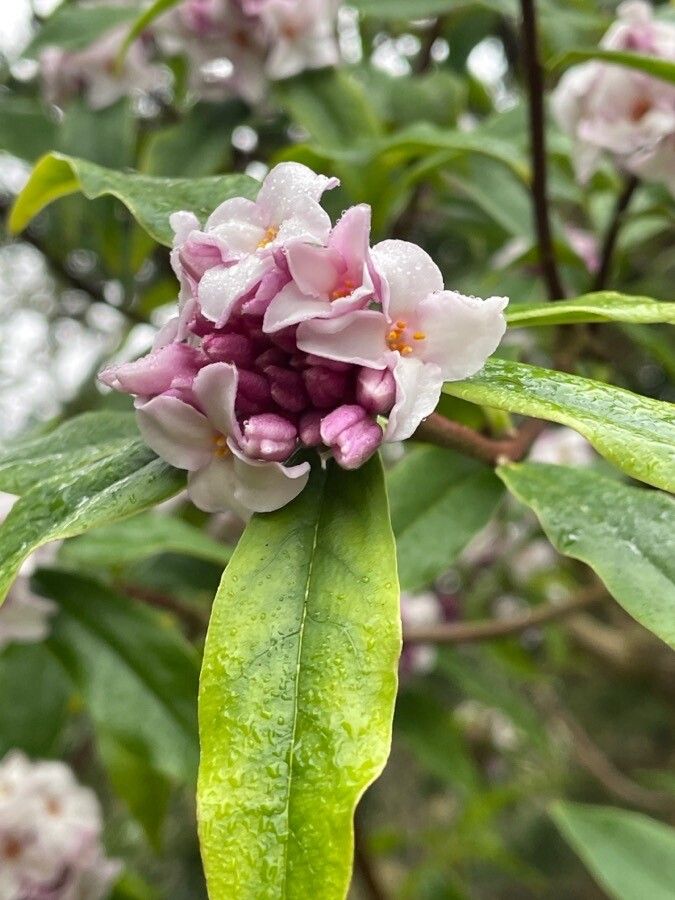
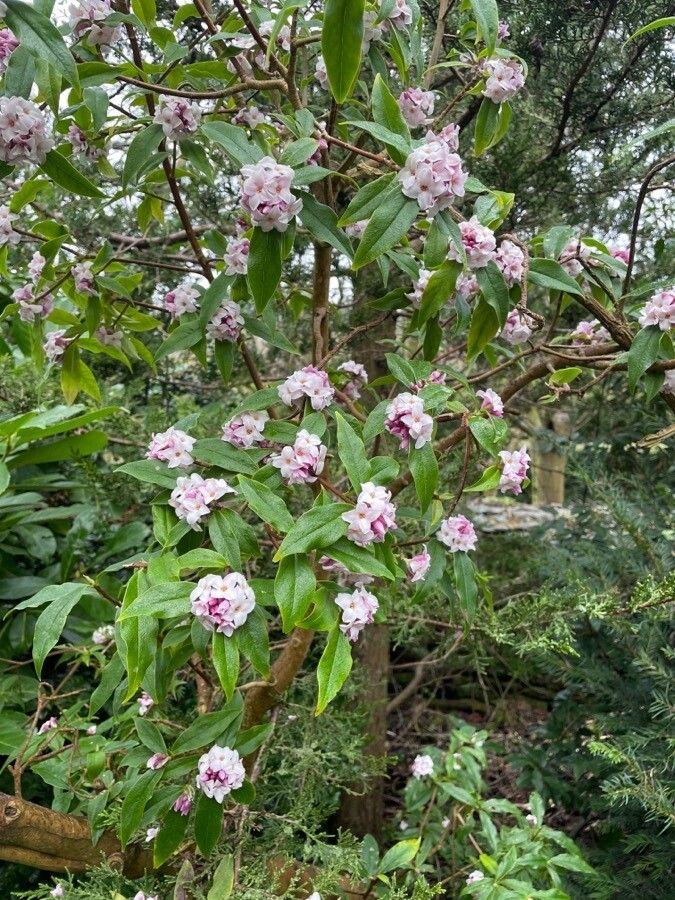
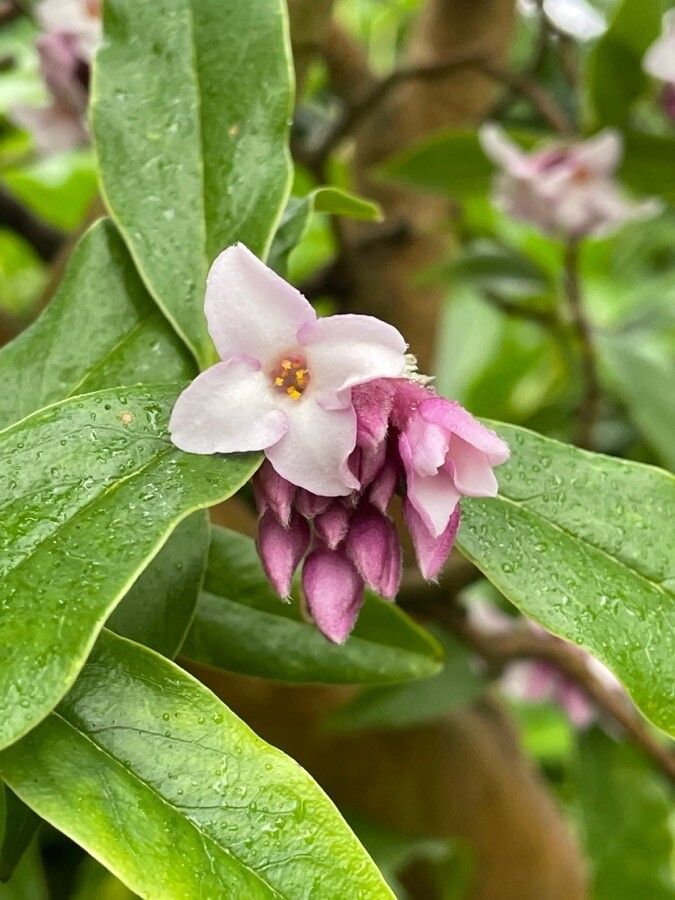
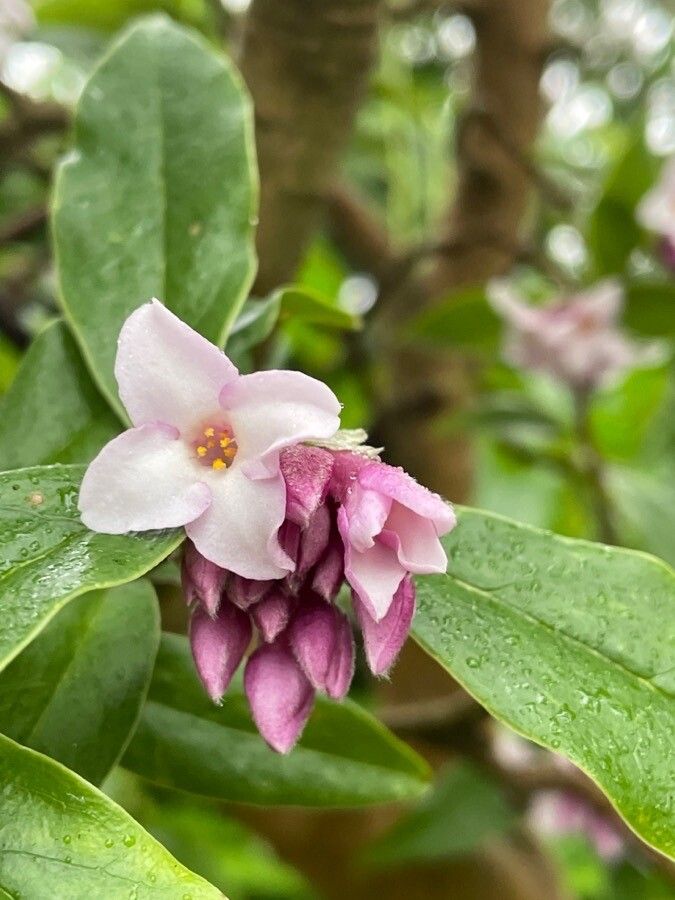
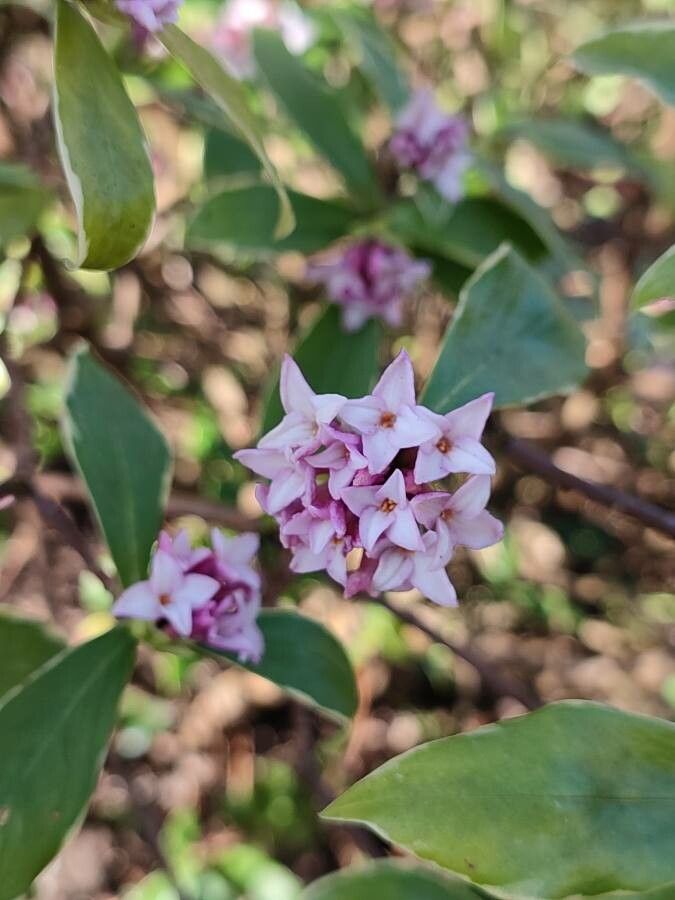
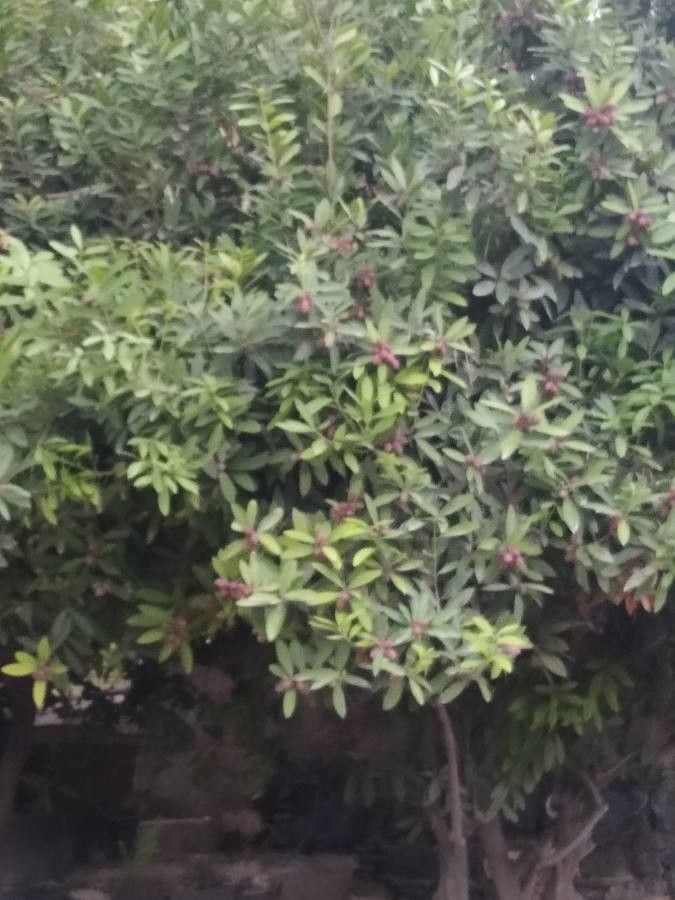
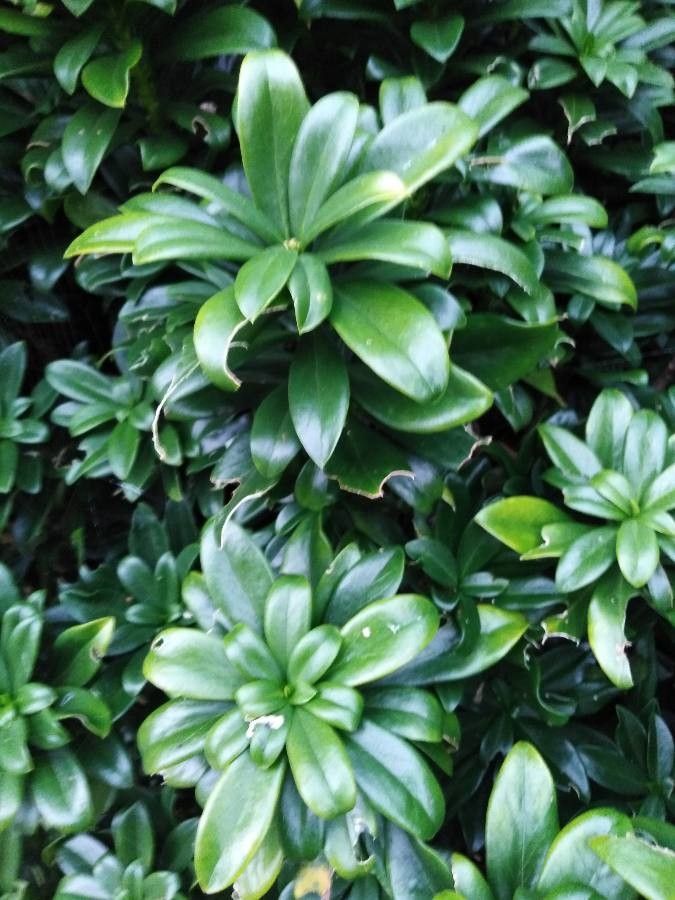
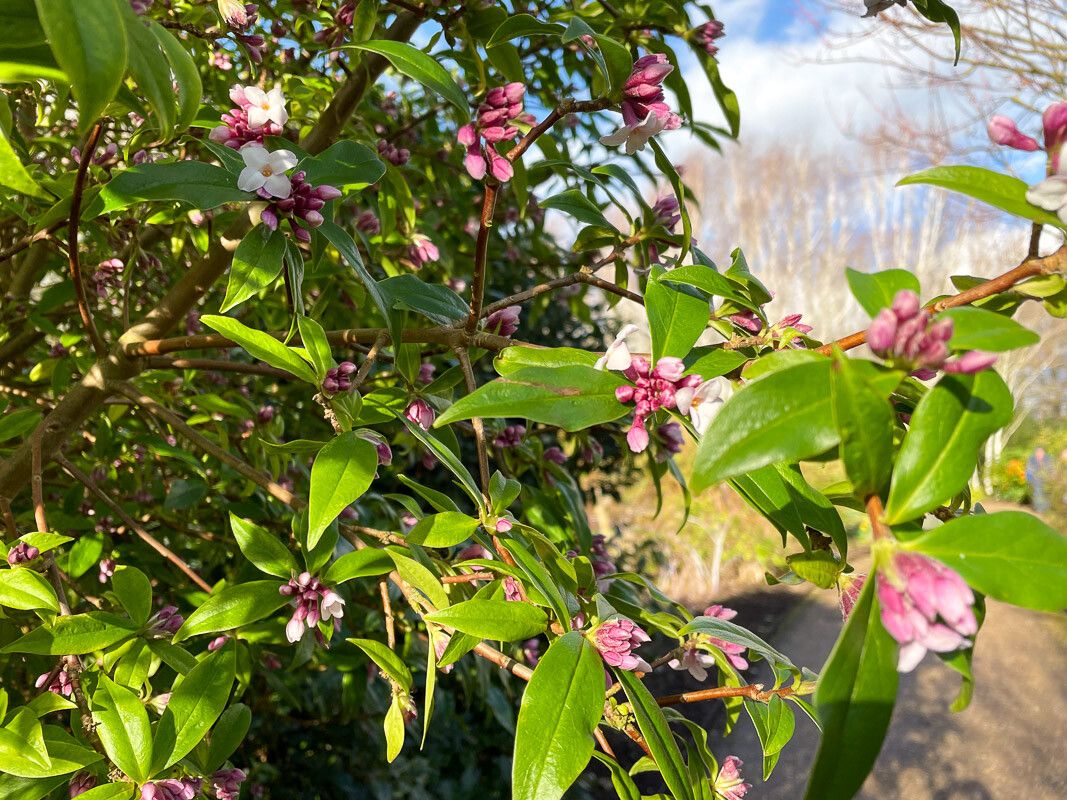
Daphne odora is a slow-growing evergreen shrub native to China, Japan, and Korea. Typically reaching a height of 3 to 4 feet, it features glossy, dark green leaves with a leathery texture. In late winter or early spring, the plant produces clusters of highly fragrant pink or white flowers, followed by bright red berries in the summer.
This shrub prefers well-drained soil and partial shade, making it an ideal choice for woodland gardens or shady borders. It is also commonly grown as a container plant for patios and decks.
While Daphne odora is valued for its beautiful flowers and fragrance, it’s important to note that all parts of the plant are toxic if ingested. Additionally, the sap can cause skin irritation in some individuals.
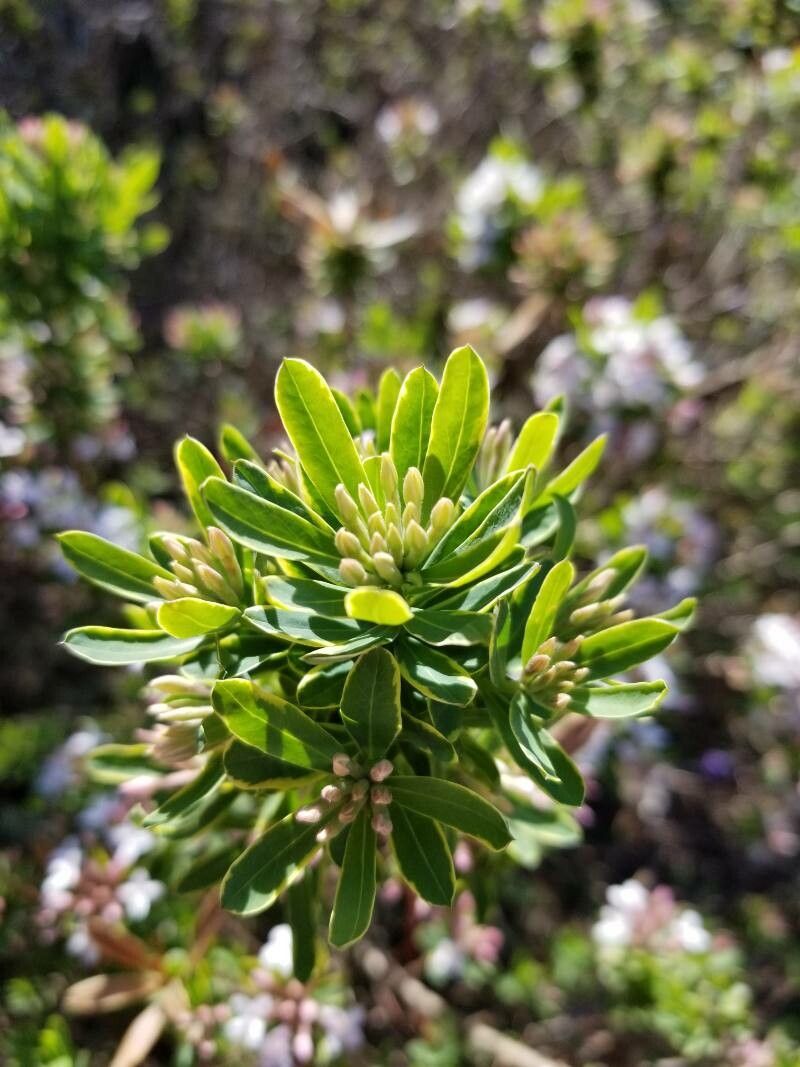
Daphne shrubs can be challenging to cultivate, yet they remain a favorite among gardeners for their ornamental appeal. One highly prized variety is the winter daphne 'Aureo-Marginata', known for its stunning variegated foliage. Its dark green, glossy leaves are elegantly edged with creamy margins. FUN FACT · FROM THE LIBRARY
Overall, Daphne odora is an attractive shrub with year-round interest, capable of adding beauty to any garden setting with proper care.
Winter Daphne: During the winter months, when most plants are dormant, a few surprise us with their beautiful blooms. Winter daphne is one of these winter gems, flowering in late winter or early spring, which is how it gets its name. Additionally, its flowers are incredibly fragrant, earning it the nickname "fragrant daphne."
Winter daphne is fairly disease-resistant and generally does not tend to suffer from illnesses. However, if grown in a poor environment it can become more vulnerable to disease. It also has few insect pests. Regarding care, the plant has moderate requirements. It is important to give it plenty of sunlight, because insufficient light can make it more prone to disease and cause thin, spindly growth. It is often kept indoors, so it may need to be moved regularly to a well-lit spot. The plant does not require frequent watering. Overall, Winter daphne is suitable for most people, but it is best for those who can provide good light conditions.
How to keep Daphne Odora.
Light
Winter daphne does well in a combination of sun and shade, but it can also prosper in mostly shaded locations. Sunlight supports its healthy growth, although too much light may be damaging. It originates from areas that provide a balance of sun and shade.
Water
Winter daphne thrives in the forests of East Asia, where the soil is well-drained and moderately moist. This ornamental evergreen shrub prefers consistent humidity, but cannot tolerate waterlogged conditions. However, it can endure moderate drought. For optimal growth, water your winter daphne every 1 to 2 weeks, allowing the soil to partially dry out between waterings. During the growing season, careful watering is essential to ensure lush foliage and beautiful blooms.
Humidity
This plant will thrive in moderate humidity, which is probably the level in your home. However, misting it a few times a week can be very beneficial. Make sure the room has good ventilation.
Temperature
Native to China, the winter daphne requires a temperate climate and favors temperatures between 59 and 95℉ (15 to 35℃). During winter it prefers cooler conditions to encourage dormancy, about 41 to 50℉ (5 to 10℃). In summer it can tolerate temperatures as high as 95℉ (35℃).
Fertilizer
To encourage healthy growth, fertilize your Winter daphne in early spring. Regular feeding improves overall health, producing vigorous growth, increased tolerance of harsh conditions, and enhanced resistance to pests and diseases. Keep to a consistent fertilization schedule for your Winter daphne to maintain foliage that is vibrant, richly colored, and lush in appearance.
Pruning
To maintain the health and beauty of your winter daphne, perform light pruning after it finishes flowering in late spring. Start by removing any dead or damaged branches. Then, trim any overgrown shoots to help keep the plant's shape and promote good airflow. Be careful to avoid heavy pruning, as this can reduce future blooms. Regular, light pruning will enhance the plant's vigor and encourage better flowering.
Pot & Repot
When repotting Winter daphne, pick a pot 1–2 inches (2.5–5.1 cm) larger that has good drainage. Use a well-draining potting mix. Repot in spring or fall, making sure the root ball sits just below the rim of the flower pot. Water thoroughly after repotting and place it in a warm spot with indirect sunlight.
Botanical profile.
- Plant Type
- Shrub
- Life Cycle
- Perennial
- Genus
- Daphne
- Family
- Thymelaeaceae
- Hardiness Zone
- 7-9
- Mature Height
- 0.91 m to 1.22 m
- Mature Spread
- 0.61 m to 1.22 m
- Leaf Color
- Green
- Leaf Type
- Evergreen
- Flower Color
- Pink, White
- Flower Size
- 2.54 cm
- Bloom Time
- Early spring, Winter
- Planting Time
- Spring, Autumn
- Harvest Time
- Mid spring, Late spring, Early summer
- Native Area
- Japan
Other names.
Reader questions.
How should I water my Winter daphne plant?
When watering your Winter daphne, you have a lot of flexibility in terms of what tools you can use. Watering cans, hoses, and even cups will all work just fine. Regardless of the tool you choose, it is important to water the plant directly on the soil. Make sure to distribute the water evenly throughout all areas of the soil so that all parts of the root system receive the necessary moisture. Using filtered water is a good idea as tap water may contain harmful particles. Additionally, it is best to use water that is at or slightly above room temperature as extremely cold or hot water can be somewhat shocking to the Winter daphne. However, this plant usually responds well to any type of water you give it.
Why should I put fertilizer on my Winter daphne plant?
No matter which type of Winter daphne you have, regular fertilization is key for maintaining its overall health. By supplying the proper nutrients, your Winter daphne will experience stronger growth and increased resilience to difficult growing conditions. It will also have a better ability to fight off diseases and pests. The foliage of your Winter daphne is particularly attractive, so it's important to preserve it. To achieve this, establish and stick to a fertilization schedule that is tailored specifically for your Winter daphne. This will encourage the development of vibrant, deep-colored leaves and an overall lush appearance.
What are the sun requirements for winter daphne?
Winter daphne requires both sun and shade to thrive well, though it can also grow in predominantly shaded conditions. The plant benefits from about 3-6 hours of sunlight (partial sun) but can survive in full shade, which is described as receiving less than 3 hours of sunlight. It's essential to watch how sunlight moves through your garden to choose spots that provide the perfect balance of light and shade for the plant, ensuring its happiness.
What is the native habitat and preferred climate for winter daphne?
Winter daphne, botanically known as Daphne odora, is native to China. It thrives in a temperate climate, favoring temperatures between 59 to 95°F (15 to 35°C). During the winter months, it prefers cooler temperatures ranging from 41 to 50°F (5 to 10°C) to encourage dormancy. The plant has a strong cold resistance, allowing it to tolerate winter conditions without special frost protection measures in most cases. However, if temperatures are expected to drop below its cold tolerance threshold, protective measures like wrapping the trunk and branches with non-woven fabric or cloth are recommended. Additionally, watering the plant abundantly before the first freeze of autumn ensures the soil remains moist, helping the plant withstand winter and early spring conditions.
What should I do if I give my Winter daphne plant too much water or too little water?
When it comes to outdoor plants, especially newly planted ones or seedlings, they are prone to not getting enough water. Remember that you need to water them consistently for a few months when the plant is small or has just been planted. Once the roots are established, Winter daphne can rely on rain most of the time. If you have Winter daphne planted in pots, overwatering is more likely to happen. If you accidentally overwater your Winter daphne, take immediate action to fix it. Stop watering the plant right away to minimize the effects of overwatering. Then, remove the plant from its pot to check its roots. If you find no signs of root rot, you can put your plant back in the container. But if there is root rot, trim away the affected roots and consider applying a fungicide to prevent further damage. Lastly, repot your Winter daphne in well-draining soil. On the other hand, underwatering a Winter daphne is easier to fix. If you notice drooping, drying, or falling leaves, it means the plant is not getting enough water. Simply increase the frequency of watering, and the leaves will quickly regain their fullness. Make sure to correct your watering schedule as soon as you notice underwatering.
When should I fertilize my Winter daphne plant?
To keep your Winter daphne healthy and promote growth, it's best to fertilize it in late winter or early spring. This provides essential nutrients for the plant to thrive once the weather warms up. If you live in a warm climate region, an extra fertilizer feeding in early fall can be beneficial. This not only adds nutrients to the soil for the next growing season but also improves the plant's ability to withstand the winter cold without foliage damage. Fertilizing earlier will give the new branches enough time to grow and withstand the cold winter.
How does sun exposure affect winter daphne's growth?
Sun exposure is crucial for the healthy growth of winter daphne, originating from environments that offer a mix of sun and shade. While the plant flourishes under these conditions, excessive sunlight can be harmful. It's important to ensure that winter daphne receives adequate light without overexposure to prevent potential damage.
How does winter daphne respond to low temperatures?
Winter daphne demonstrates remarkable cold tolerance and generally thrives when the temperature is kept within its survivable range. Despite this resilience, when temperatures fall below its growth limit, the consequences might not be immediately noticeable during the winter. However, as spring arrives, the impact becomes apparent with symptoms like brittle and dry branches, and possibly a lack of new shoots emerging. To address these issues, it is advised to prune away any dead branches that have failed to produce new leaves in spring.
How frequently should I water my Winter daphne?
Most outdoor plants can grow with just rainfall. If your area doesn't get much rainfall, water your plants every 2 weeks in the spring and fall, and more often in the summer. In the winter, water less since plants grow slower and need less water. Sometimes, you may not need to water at all in the winter. If your Winter daphne plant is young or newly planted, water it more often to help it establish and grow. For potted plants, there are two ways to determine how often to water. You can set a regular watering schedule, like once a week or every other week. However, this may not be suitable for your Winter daphne's unique growing conditions. Another option is to water based on the soil moisture. Wait until the top two to four inches of soil have completely dried out before watering again. This is usually about ⅓ to ½ of the depth of the pot.
When is the best time to not put fertilizer on my Winter daphne?
There are a few times during the year when you should avoid fertilizing your Winter daphne. Firstly, during the early and mid-winter months, this plant is dormant and doesn't require feeding. Secondly, it is not recommended to fertilize during late spring and summer as the weather is hotter and drier which can have a negative impact on the plant's response to fertilization. To prevent any issues, it is best to stick to a fertilization schedule that involves feeding only in early spring and early fall.
How can artificial lighting benefit indoor winter daphne plants?
Artificial lighting can significantly benefit indoor winter daphne plants, especially when natural sunlight is insufficient. It promotes faster, healthier growth by providing the necessary wavelengths of light. LED lights are recommended for their customizability and efficiency. Depending on the plant's sunlight needs, the wattage per square foot varies: full sun plants require 30-50W/sq ft, partial sun plants 20-30W/sq ft, and full shade plants 10-20W/sq ft. The light should be placed 12-36 inches above the plant for 8-12 hours per day to mimic natural sunlight conditions.
What should be done when winter daphne is exposed to high temperatures?
During the summer months, it is crucial to monitor the temperature and ensure that winter daphne is not subjected to extremes beyond its tolerance. Exceeding the maximum recommended temperature can lead to symptoms such as leaves becoming lighter in color, tips drying and becoming withered, and increased susceptibility to sunburn. To manage these issues, affected areas should be trimmed away, and the plant may need to be relocated to an area with shade during the midday and afternoon sun, or shaded using a cloth. Moreover, watering the plant in the morning and evening can help to maintain soil moisture, thereby reducing stress on the plant.