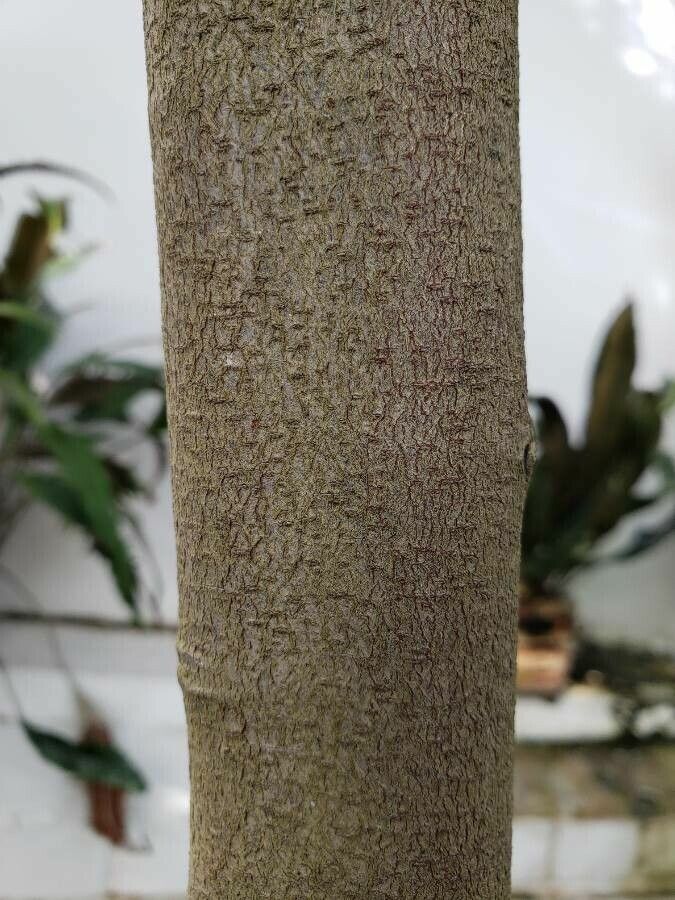
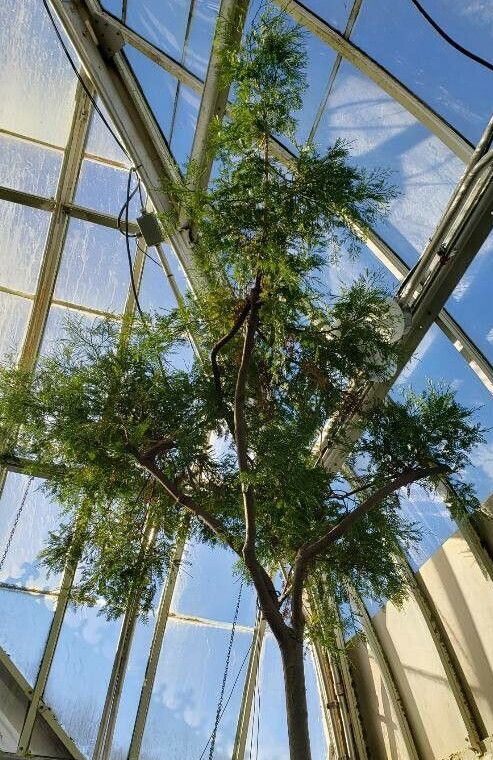
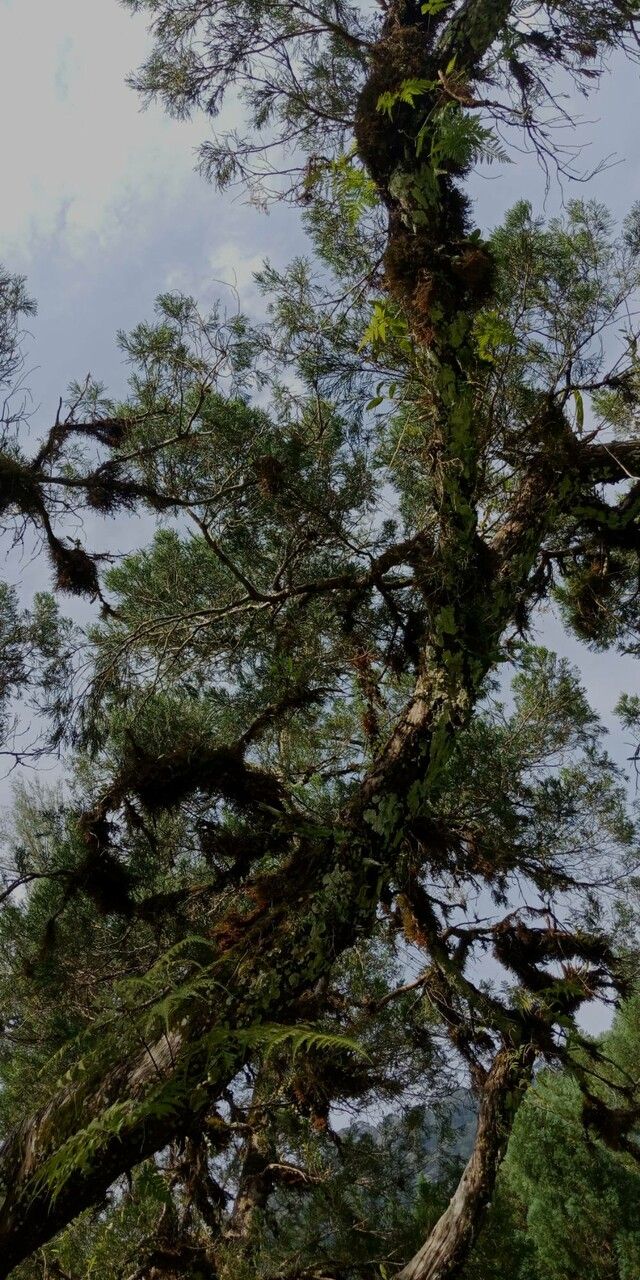
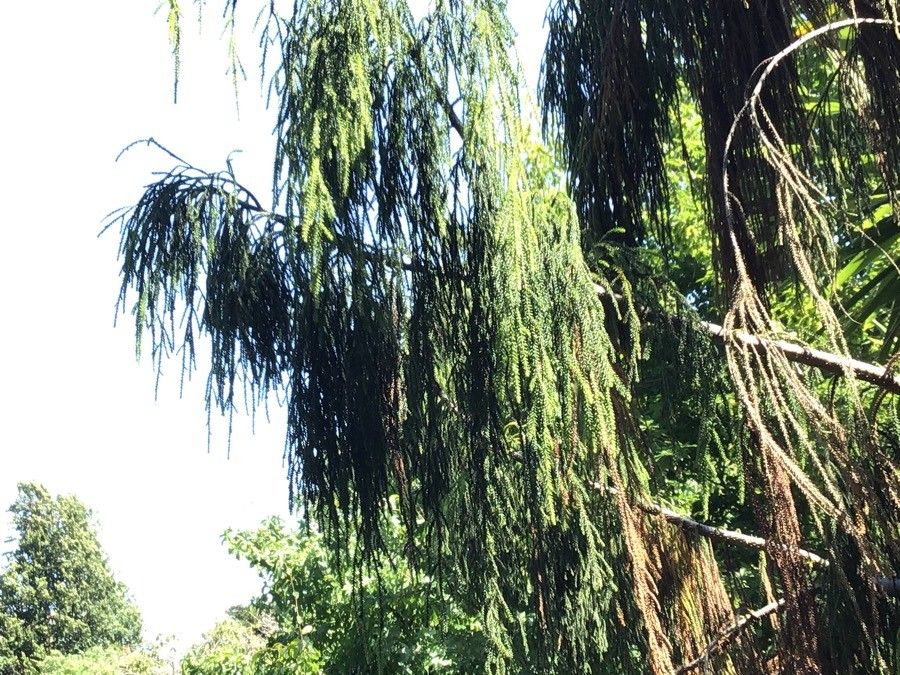
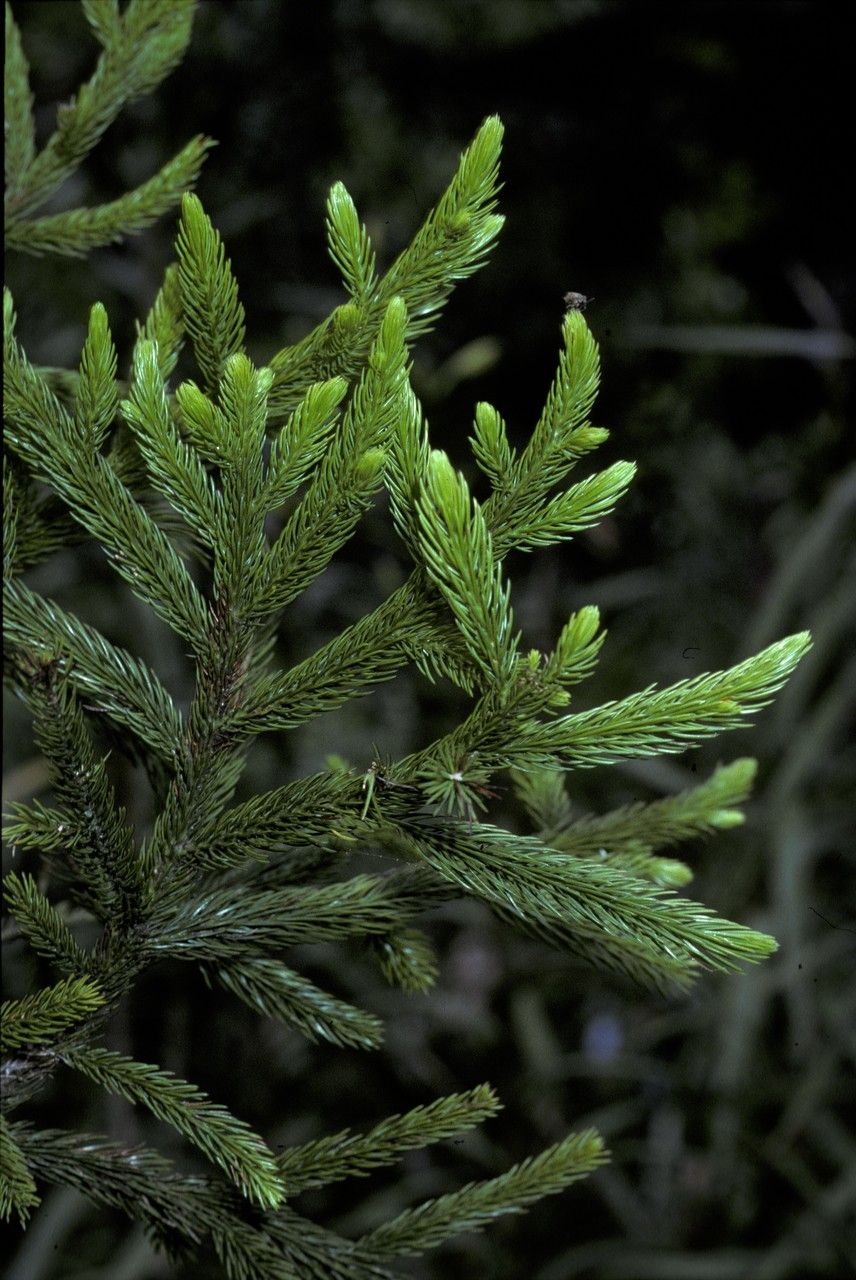
Dacrydium elatum, commonly known as the Kahikatea or White Pine, is a tall coniferous tree species native to New Zealand. This slow-growing tree can reach heights of up to 60 meters and a diameter of 2 meters. When young, the bark of the Kahikatea is smooth and greyish-brown but becomes rough and deeply furrowed with age.
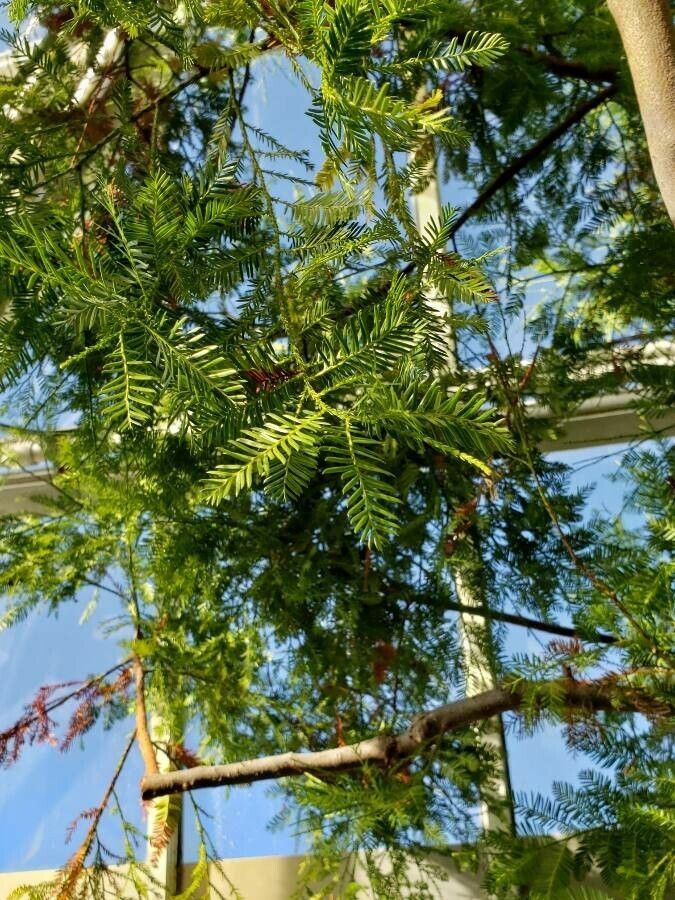
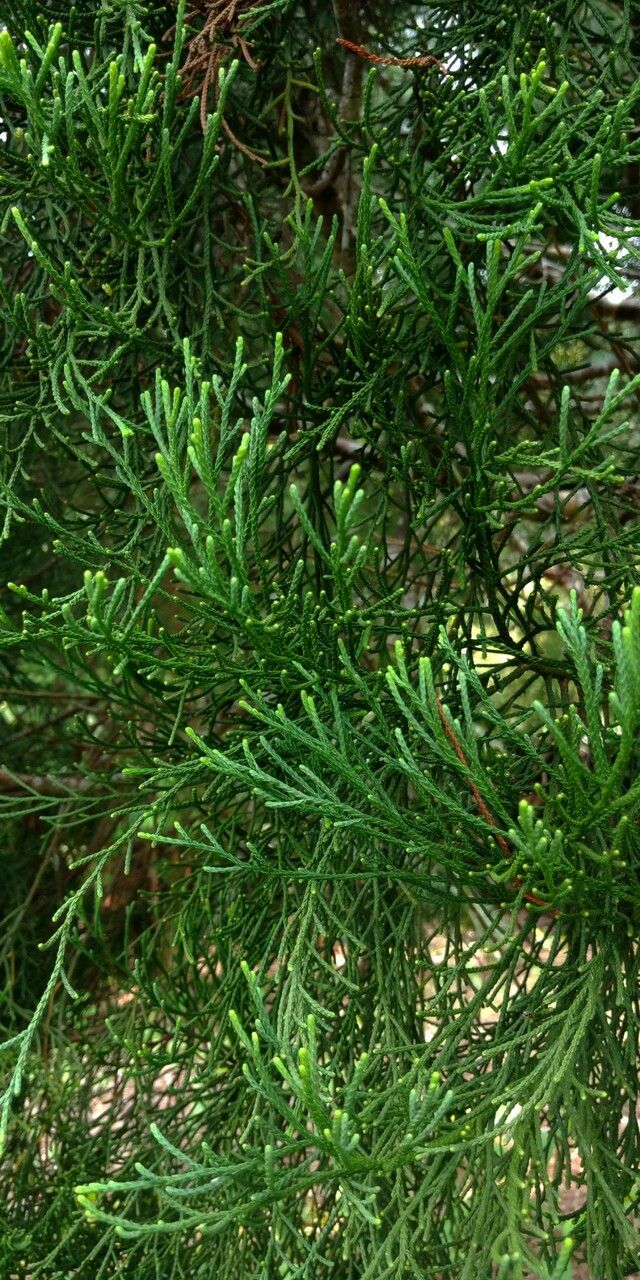
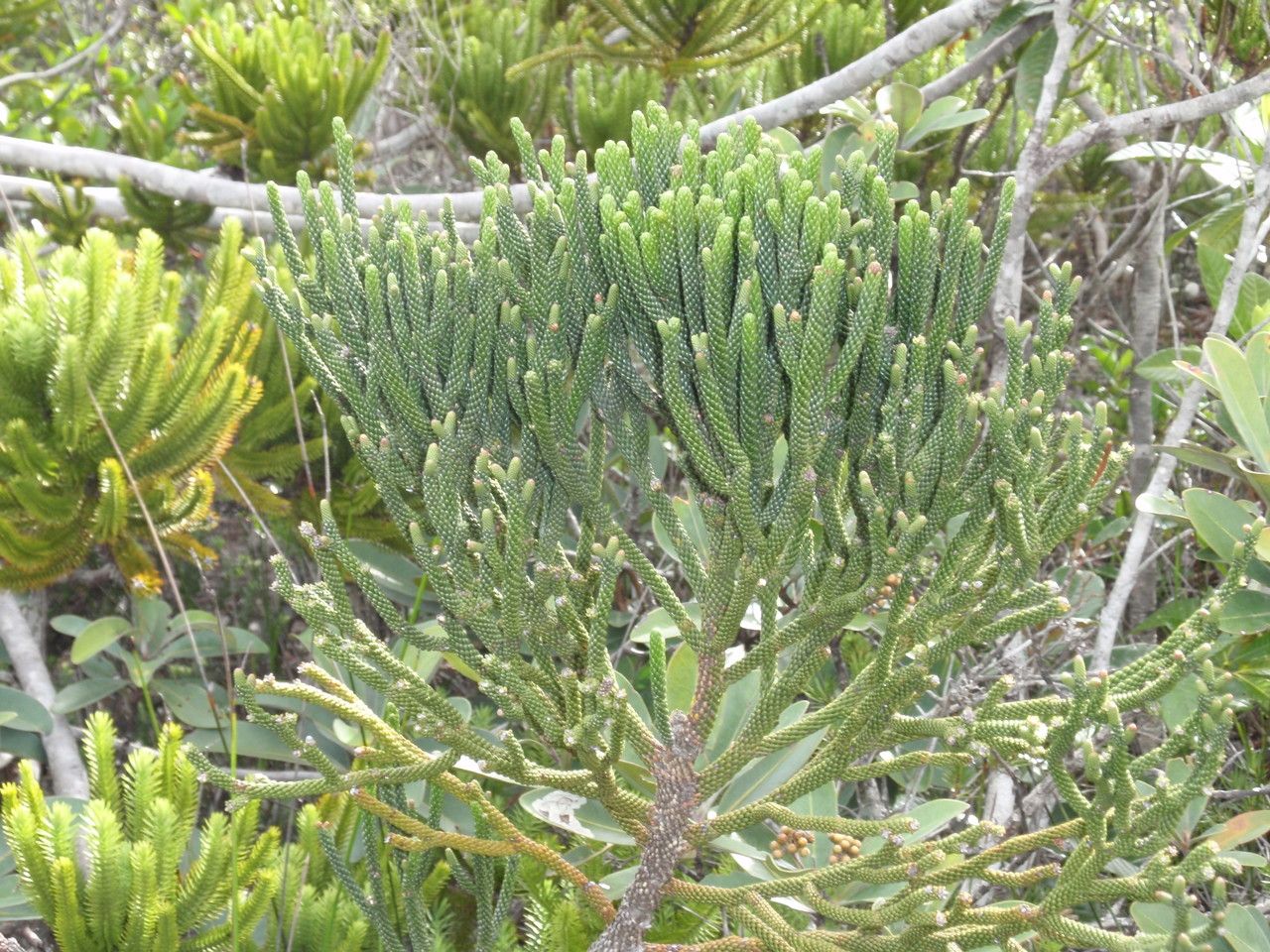
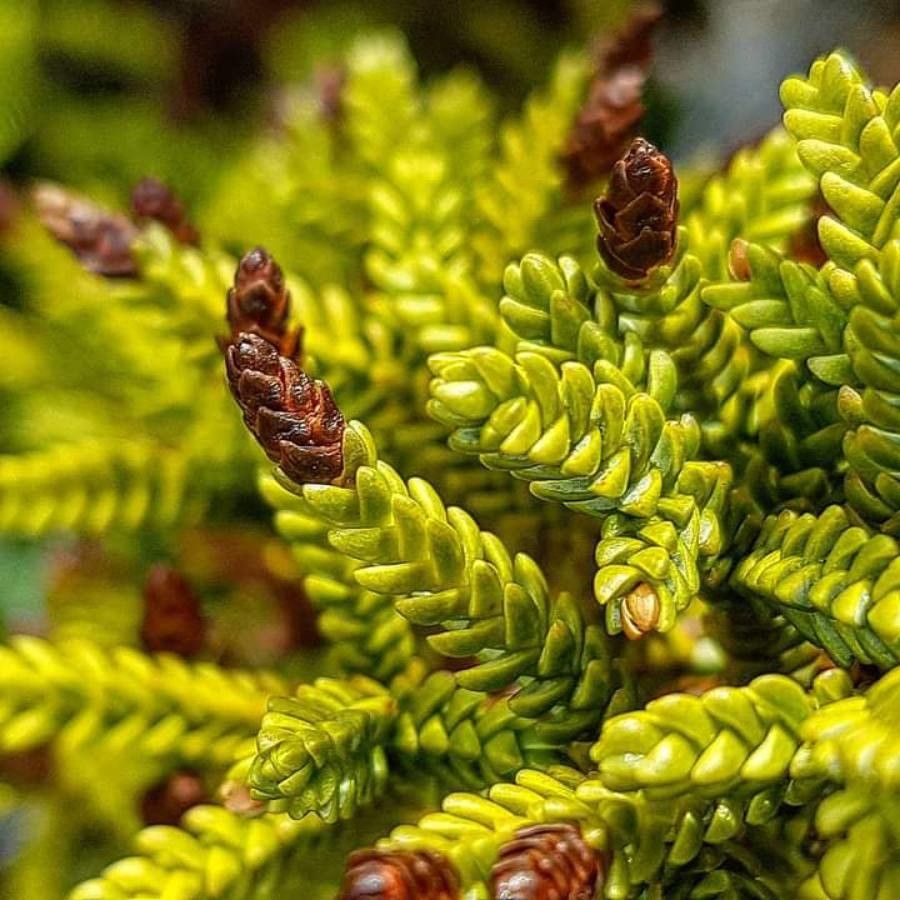
The leaves of Dacrydium elatum are needle-like and spirally arranged on the branches. They are about 1 cm long, with a glossy dark green upper surface and two white stripes on the underside. The species produces small cones, approximately 1 cm in length, with woody scales that open when mature to release winged seeds.
Kahikatea trees thrive best in moist soils near rivers or swamps but can also tolerate drier conditions once established. They play a crucial ecological role by providing habitat for numerous native bird species, such as tui, bellbird, kereru (wood pigeon), and kaka (parrot).
The timber of Dacrydium elatum was highly valued by early European settlers for its strength and durability, making it ideal for construction purposes such as house framing and boat building. Today, it is still used in furniture making due to its attractive grain pattern.
Despite being one of New Zealand's tallest trees, Dacrydium elatum has suffered significantly from deforestation due to logging activities, which have greatly reduced its population across much of its natural range. It is now considered an endangered species, requiring conservation efforts from authorities throughout New Zealand.
Botanical profile.
- Genus
- Dacrydium
- Family
- Podocarpaceae