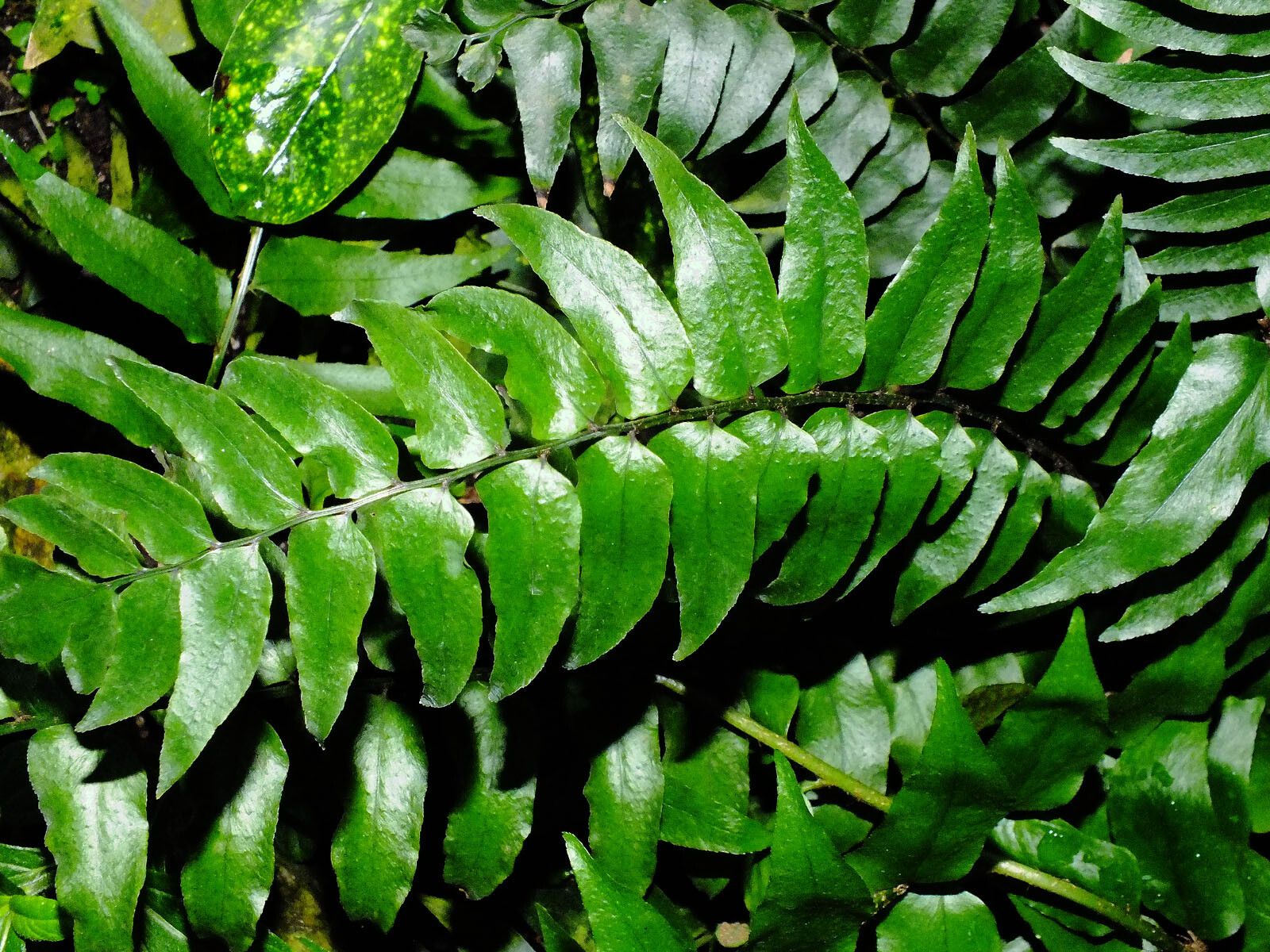
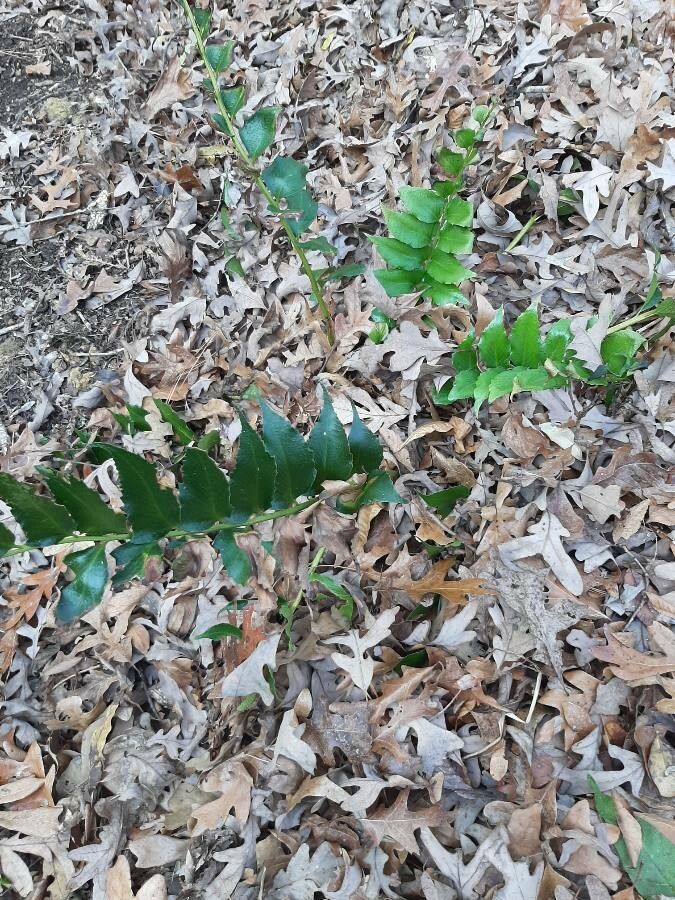
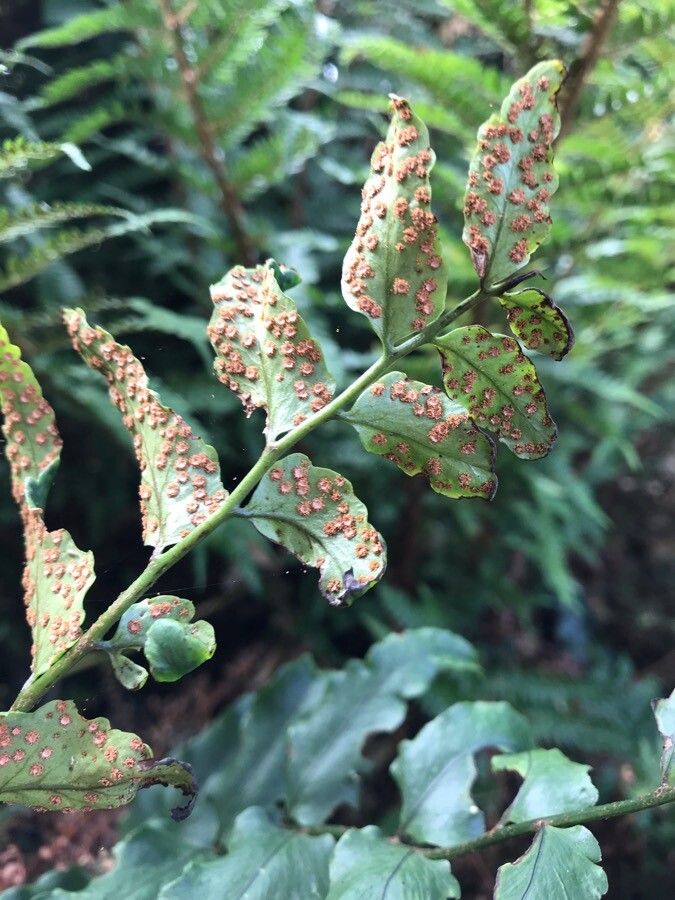
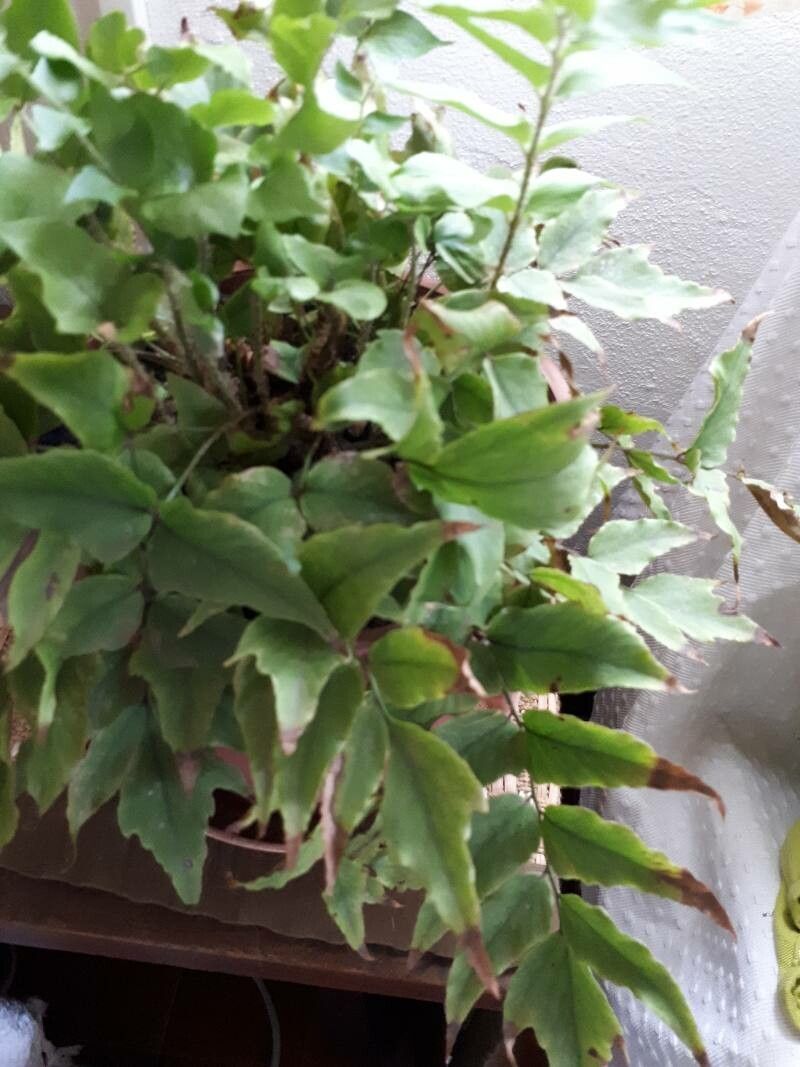
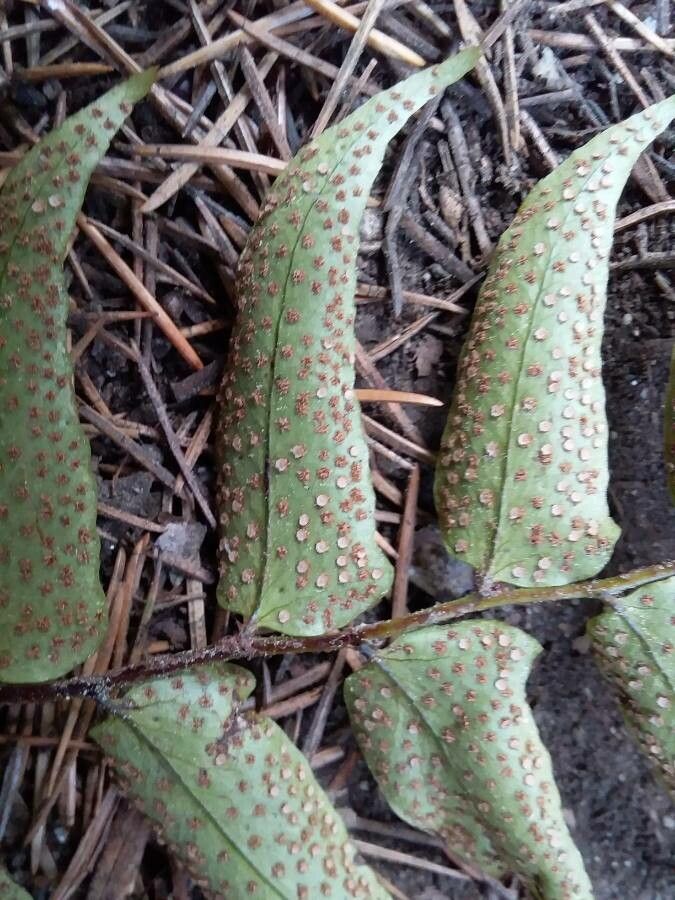
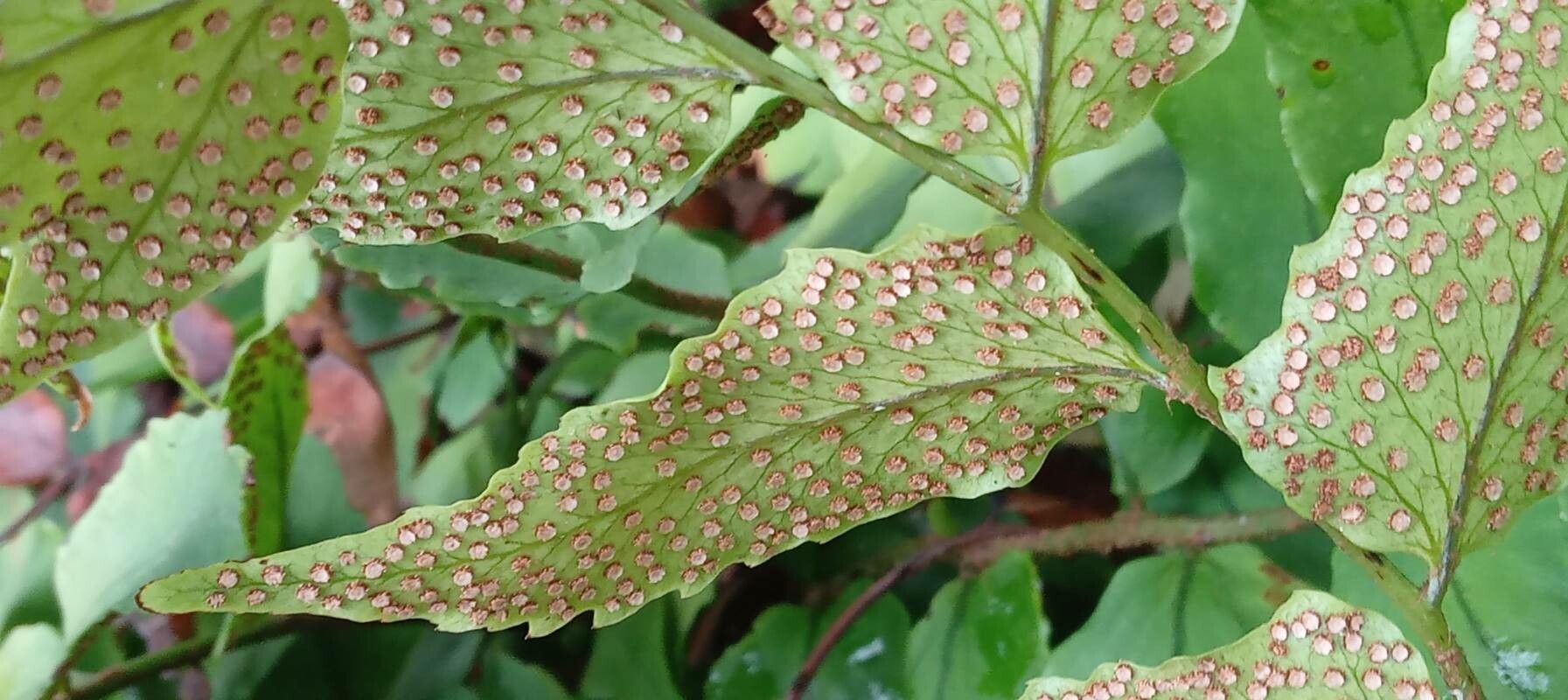
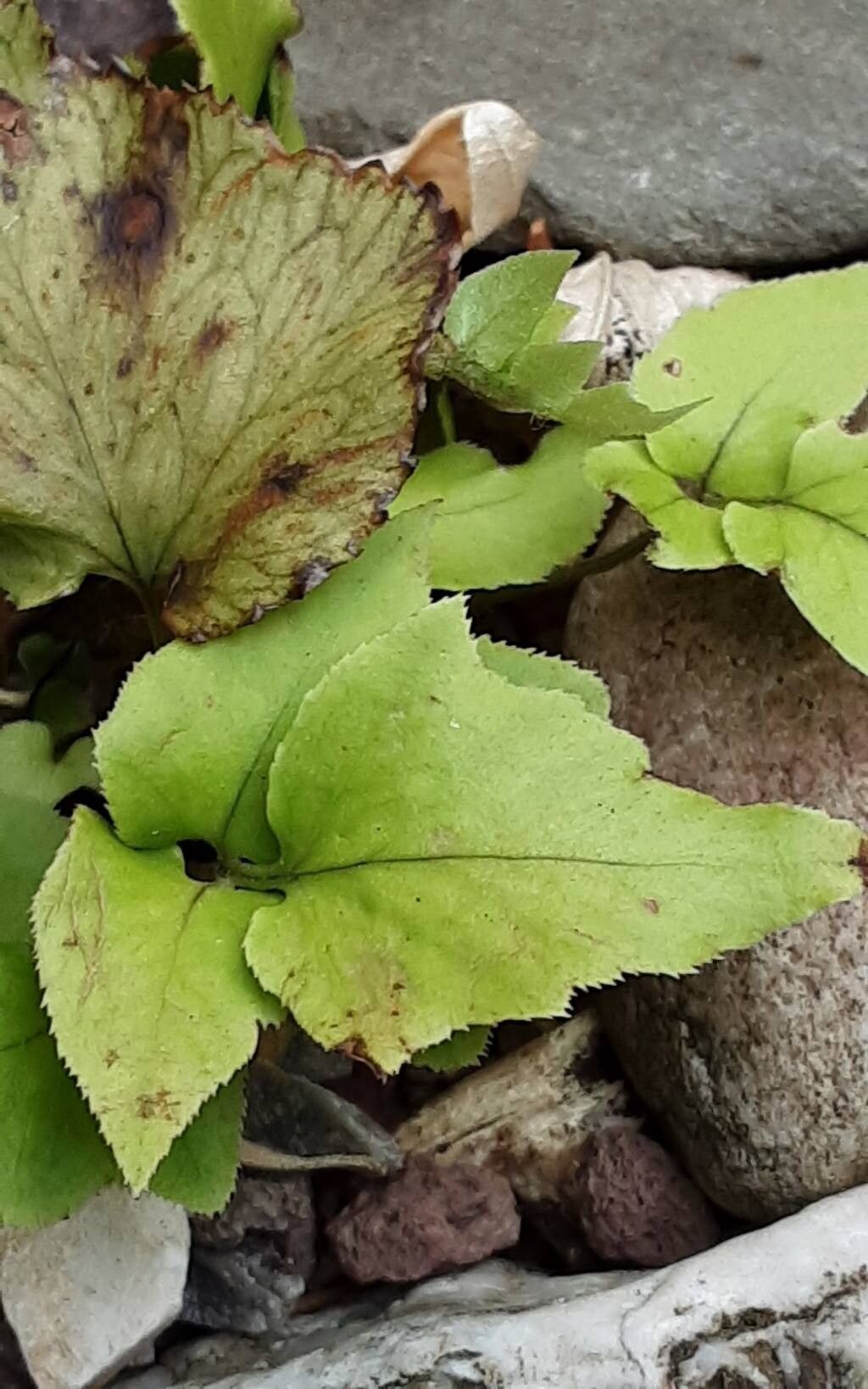
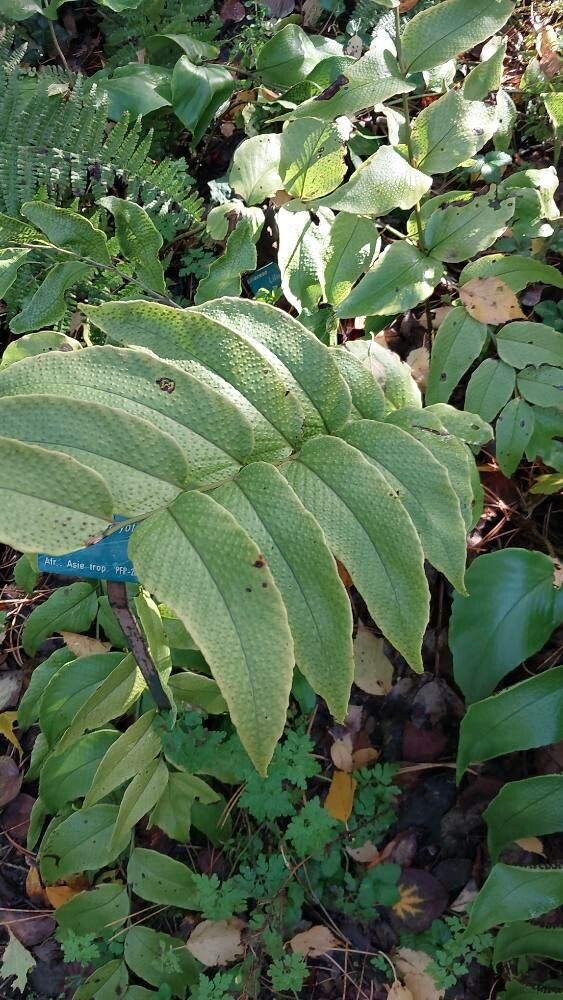
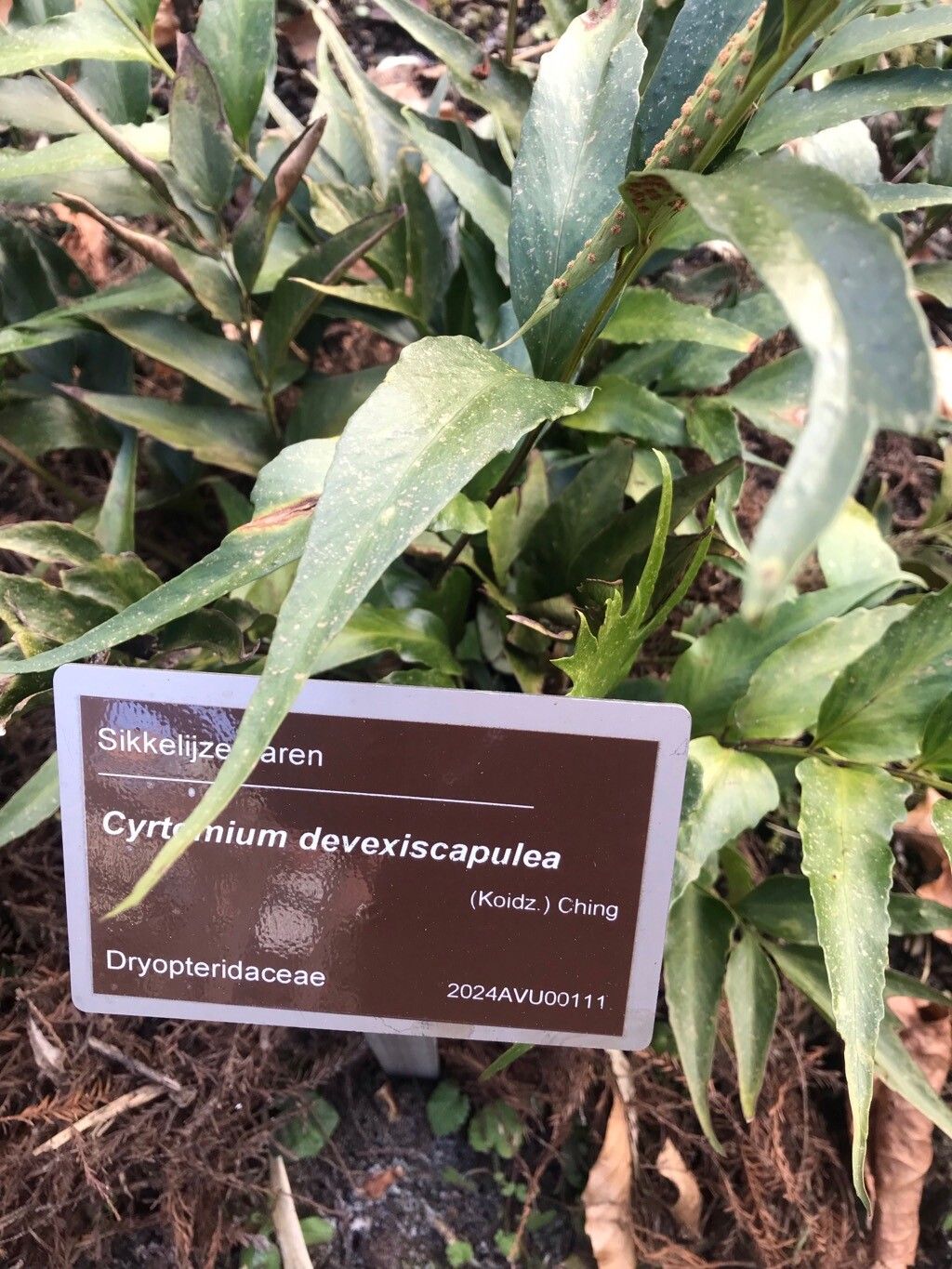
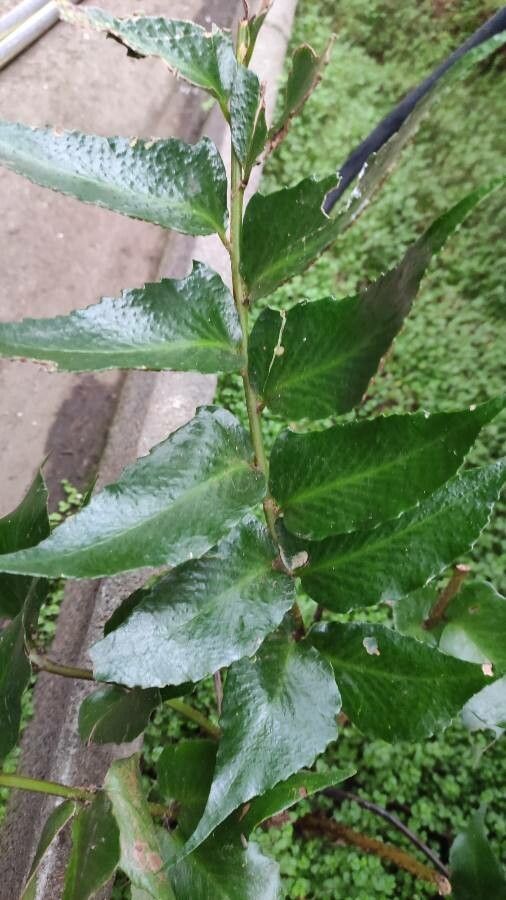
Cyrtomium fortunei, commonly known as the Japanese holly fern, is a species of fern native to East Asia. It is popular as an ornamental plant due to its glossy green fronds that resemble holly leaves. These fronds grow in a rosette pattern and can reach up to 60 cm in length and 30 cm in width. This fern thrives in partial shade and prefers moist, well-drained soil. Although it can tolerate some drought, it does not fare well in overly wet conditions. Cyrtomium fortunei is also cold-tolerant and can survive mild frosts. You can propagate this plant through spores or by dividing the rhizomes. It is relatively low-maintenance but may require occasional pruning to remove dead or damaged fronds. In traditional Chinese medicine, Cyrtomium fortunei has been used for its anti-inflammatory properties and as a treatment for respiratory ailments such as coughs and asthma. Overall, Cyrtomium fortunei is an attractive ornamental plant that adds texture and interest to shaded areas of gardens or indoor spaces. Additionally, it offers potential medicinal benefits.
The Asian netvein hollyfern is fairly disease-resistant and generally not prone to illness. Still, it can be affected by pests and diseases present in its environment. Such infections are typically mild. Regarding care, this plant needs moderate maintenance. It should be pruned regularly to maintain an attractive appearance and encourage healthy growth. Applying fertilizer can also help stimulate flowering. The Asian netvein hollyfern is appropriate for anyone with outdoor space, like a garden or patio, and does not demand extensive care experience. When grown indoors it may need additional attention.
How to keep Cyrtomium Fortunei.
Light
The Asian netvein hollyfern prefers moderate sunlight, which supports healthy growth. Although it does best with filtered light, it can tolerate areas with lower light as well. Excessive sunlight, however, can damage it. It evolved in habitats where light was partly blocked.
Water
The Asian netvein hollyfern, native to the understories of East Asian forests, thrives best in moist soil and benefits from being watered twice a week. While it can tolerate short periods of dryness, it prefers a humid environment. To maintain its lush fronds and ensure optimal growth throughout the year, misting the plant indoors can be very helpful.
Temperature
Asian netvein hollyfern is best suited to sites with temperatures similar to its native habitat, which range from 41 to 95 °F (5 to 35 ℃). It flourishes within this range, but if seasonal adjustments are necessary, a moderate indoor temperature will be sufficient.
Fertilizer
One fertilizer application in spring is typically enough for Asian netvein hollyfern, although repeated feedings can boost growth. Feed every month to every month and a half. Fertilizing improves the leaves' appearance and function, encouraging even color and a healthy texture. It also promotes root development and nutrient uptake, supporting the plant's long-term health.
Pruning
The Asian netvein hollyfern features fronds with a distinct net-veined pattern and grows best in shaded, moist environments. To encourage growth and improve air circulation—thereby reducing the risk of disease—prune the plant between early and late spring. Be sure to use clean, sharp tools to trim any affected fronds back to their base for optimal plant health.
Pot & Repot
Repot the Asian netvein hollyfern every 2 to 3 years during the spring. Use a larger container with good drainage. After repotting, keep the soil evenly moist and provide indirect light to help the plant recover. To ensure healthy growth, maintain consistent moisture and temperature levels, as the Asian netvein hollyfern is a low-maintenance plant.
Botanical profile.
- Plant Type
- Herb
- Life Cycle
- Perennial
- Genus
- Cyrtomium
- Family
- Polypodiaceae
- Hardiness Zone
- 5-9
- Mature Height
- 30 cm to 61 cm
- Mature Spread
- 30 cm to 46 cm
- Leaf Color
- Green
- Leaf Type
- Evergreen
- Planting Time
- Spring, Summer, Autumn
- Native Area
- India, Vietnam, Japan, Koppen, Bhutan, South Korea, Thailand, China
Other names.
Reader questions.
How should I water my Asian netvein hollyfern in the best way?
To properly water the Asian netvein hollyfern, use filtered water at room temperature. Tap water can contain harmful particles, so filtered water is preferable. The plant thrives in a warm environment, so it's important to avoid using cold water, which can be a shock to its system. Additionally, overhead watering should be avoided to prevent foliage complications. Instead, apply the filtered room temperature water directly to the soil, ensuring it is thoroughly soaked. This helps to keep the roots moist and allows them to spread and gather essential nutrients from the soil.
Why should I put fertilizer on my Asian netvein hollyfern?
The Asian netvein hollyfern relies on its leaves for structure, so fertilization is important for maintaining their appearance and function. Proper fertilization will ensure consistent color and a healthy texture of the leaves. It also benefits the plant's root system by promoting the growth of new roots and maintaining existing ones. This not only keeps the plant healthy in the present, but also improves its ability to absorb nutrients from the soil in the long run.
What are the sunlight requirements for Asian netvein hollyfern?
The Asian netvein hollyfern requires moderate exposure to sunlight, flourishing best under filtered sunlight but also capable of growing in areas with less light. Although it can adapt to different lighting conditions, it's important to note that excessive sunlight may cause harm. The plant benefits from about 3-6 hours of sunlight (partial sun) but can also survive in full shade, which is defined as receiving less than 3 hours of sunlight per day. Observing how sunlight moves through your garden to find spots that offer a balance of light and shade will greatly benefit the plant's growth and health.
What is the ideal temperature range for Asian netvein hollyfern?
The Asian netvein hollyfern (Cyrtomium fortunei) is ideally suited to temperatures that range between 41 to 95 °F (5 to 35 ℃). It thrives within these temperature bounds, making it adaptable to a variety of climates that mirror its native habitat's conditions. For areas experiencing seasonal changes, maintaining a moderate indoor temperature can help in meeting the plant's climate needs. Additionally, the Asian netvein hollyfern boasts strong cold resistance, thereby not necessitating specialized frost protection in winter, except in extremely cold conditions where temperatures are expected to drop below -25°C.
What do I need to do if I give too much or too little water to my Asian netvein hollyfern plant?
Both overwatering and underwatering can harm your Asian netvein hollyfern, but overwatering is more commonly observed. When this plant gets too much water, the stems and leaves may droop and change color from green to yellow. Overwatering for a long time can also cause diseases like root rot, mold, and mildew, which can be fatal to your plant. Underwatering is less common for this type of fern because it tolerates dry conditions fairly well. However, underwatering can still happen, and when it does, you'll notice that the leaves become brittle and brown. It's important to recognize the signs of overwatering early when caring for your Asian netvein hollyfern. Some diseases caused by overwatering, like root rot, may not be reversible if you wait too long. If you see signs of overwatering, reduce your watering schedule immediately and check the soil quality. If the soil doesn't drain well, replace it with a loose, well-draining potting mix. On the other hand, if you see signs that your fern isn't getting enough water, simply water it more frequently until the signs disappear.
When should I fertilize my Asian netvein hollyfern?
When you grow your Asian netvein hollyfern outdoors, it will start growing new leaves in early spring. This is a signal for you to start fertilizing the plant for the year. One application of fertilizer in spring is usually sufficient, but if you want to promote maximum growth, you can fertilize multiple times during spring and early summer. In this case, you can feed the plant every month to a month and a half.
How can artificial lighting benefit indoor Asian netvein hollyfern, and what are the best practices?
Indoor Asian netvein hollyfern plants require adequate lighting for optimal growth, especially in conditions where natural sunlight is insufficient, such as during winter or in less sunny spaces. Artificial lighting, such as LED lights, which can provide specific wavelengths needed for plant growth, is an excellent solution. For full sun plants, 30-50 watts per square foot is recommended, partial sun plants need 20-30 watts per square foot, and full shade plants should have 10-20 watts per square foot. The artificial light source should be placed 12-36 inches above the plant to mimic natural sunlight conditions, and most plants will benefit from 8-12 hours of light per day to mimic the natural length of daylight.
How can you protect Asian netvein hollyfern during extremely cold temperatures?
To protect Asian netvein hollyfern during extremely cold temperatures, especially if the winter forecasts suggest a drop below -25°C, it's crucial to employ cold protection strategies. This can involve covering the plant with insulating materials such as soil or straw to shield it from the cold. Furthermore, it's beneficial to water the plant abundantly before the first freeze in autumn. Ensuring the soil remains moist and enters a frozen state can help prevent drought and water scarcity for the plant during the winter and early spring seasons.
How frequently should I give water to my Asian netvein hollyfern?
If you have an Asian netvein hollyfern in a pot, you can check if it needs water by sticking your finger in the soil. If the top two to three inches of soil are dry, it's time to water it. If you have the plant planted outside, you can use the same method to test the soil. If the top few inches of soil are dry, it's time to water it. During the spring and early fall, you'll usually need to water the plant once a week. In extremely hot weather, you may need to water it twice a week or more. However, mature and well-established Asian netvein hollyferns can handle drought well.
When is the best time to not fertilize my Asian netvein hollyfern?
During late fall and winter, your Asian netvein hollyfern will enter a dormant phase where it won't grow. During this time, it's best to avoid fertilizing it. If you choose to fertilize it during spring and summer, start reducing the amount as summer approaches because the fern's growth rate will slow down. Generally, it's not a good idea to fertilize the hollyfern when the weather is very hot or the soil is very dry. Fertilizing in those conditions could stress the fern and cause it to die prematurely.
What symptoms indicate insufficient or excessive sunlight in Asian netvein hollyfern?
Symptoms of insufficient sunlight in Asian netvein hollyfern include smaller new leaves, leggy or sparse growth, faster leaf drop, slower or no new growth, and lighter-colored or yellow (chlorotic) new leaves, indicating a lack of chlorophyll and essential nutrients. Excessive sunlight exposure can lead to chlorosis, sunscald, leaf curling, wilting, and leaf scorching. These symptoms showcase the plant's struggle with adapting to the available light, either by conserving resources due to insufficient light or suffering damage due to excessive sunlight.
What symptoms indicate that Asian netvein hollyfern is experiencing temperature stress?
Asian netvein hollyfern displays specific symptoms when under temperature stress, signaling it's outside its comfortable range. For low temperature stress, evident when the temperature drops below -25°C, the plant shows a decrease in sprouting or might not sprout at all during spring, despite its cold tolerance. It's best to remove any unsprouted parts in spring as a solution. For high temperature stress, exceeding 35°C and especially above 38°C, symptoms include leaves becoming lighter, prone to curling, susceptible to sunburn, and, in severe cases, the entire plant might wilt and dry. To mitigate this, trim the sunburned and dried parts, move the plant to a shaded location or employ a shade cloth, and ensure to keep the soil moist by watering in the morning and evening.