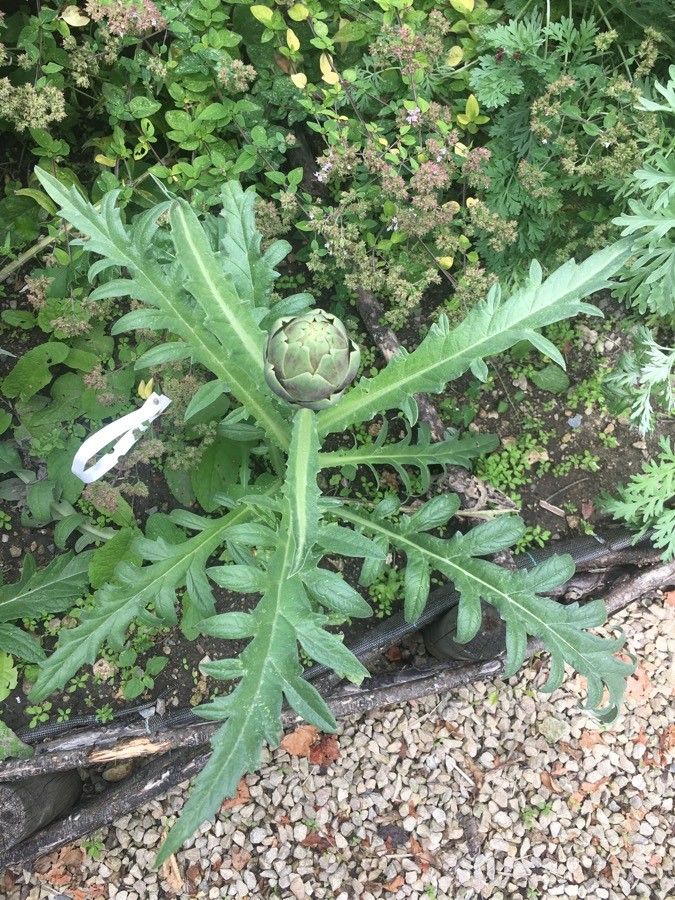
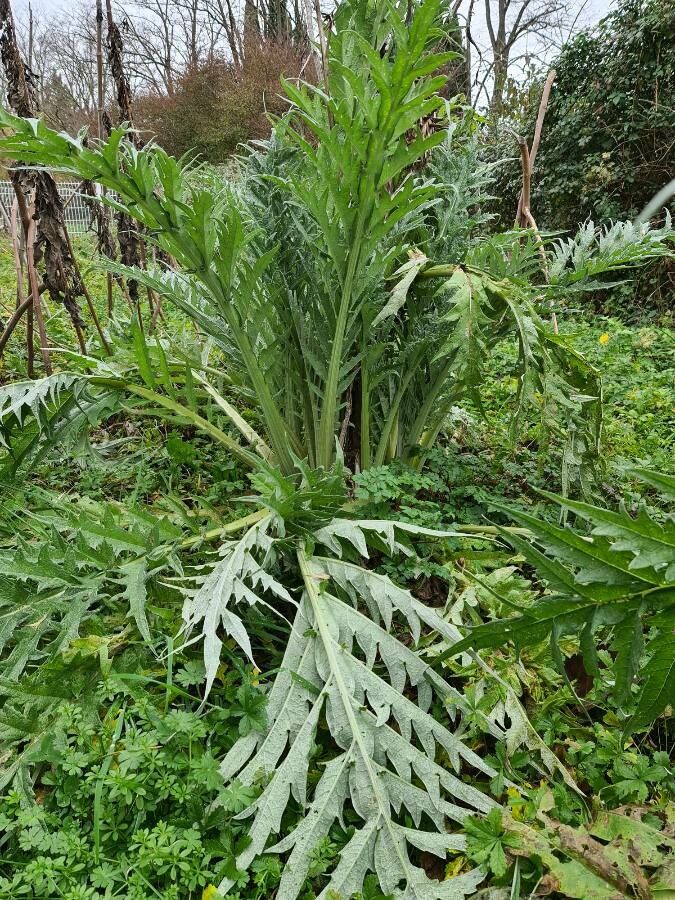
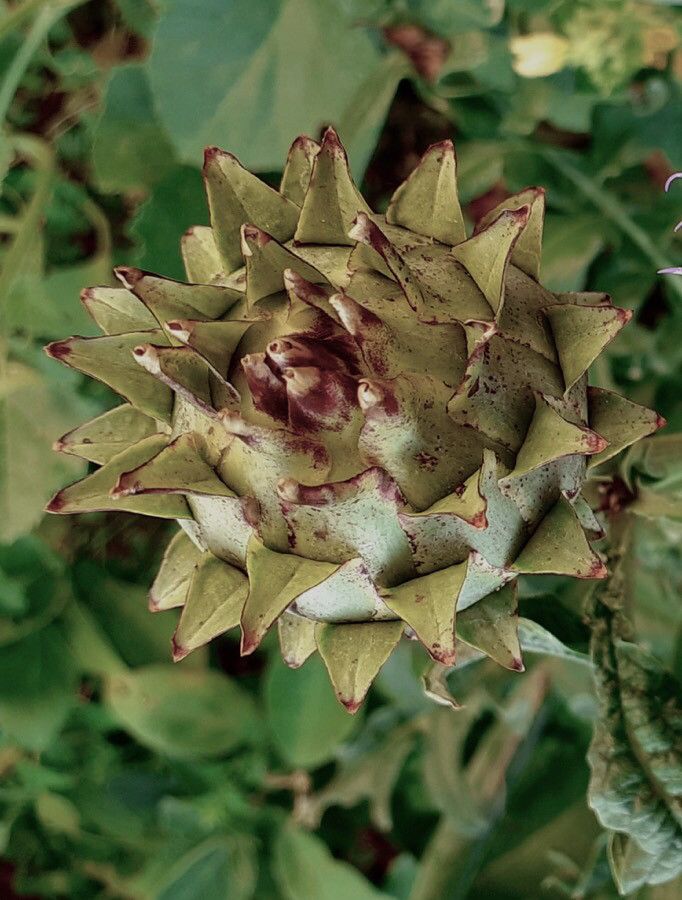
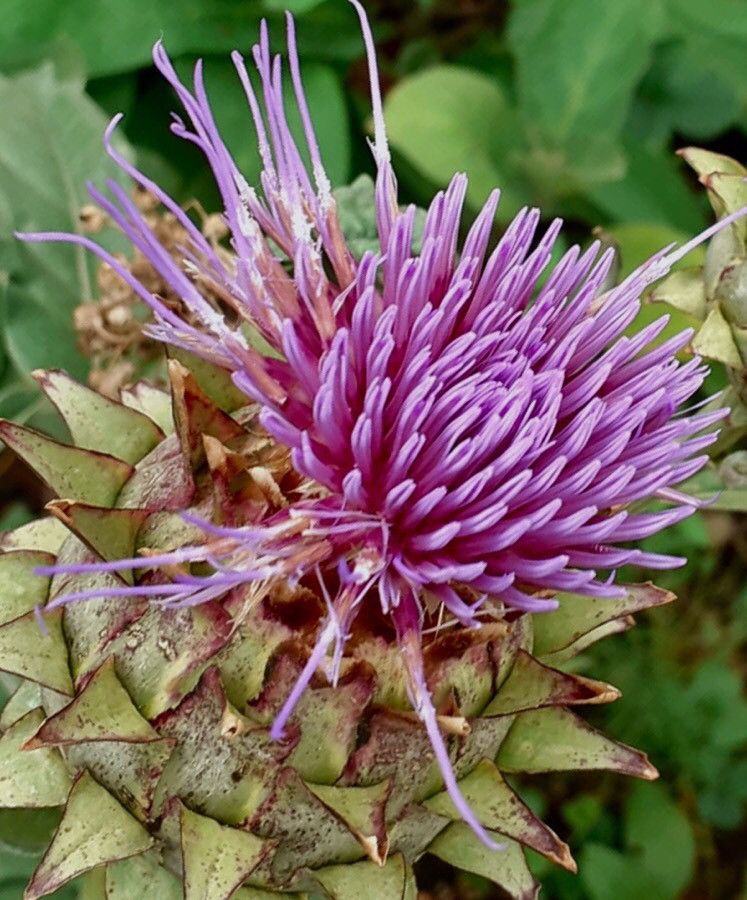
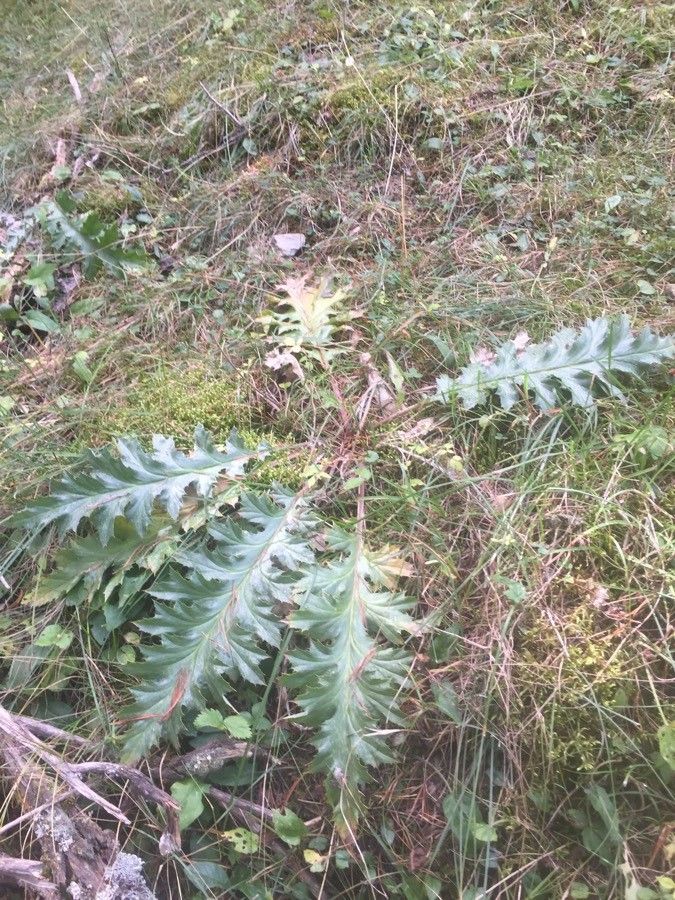
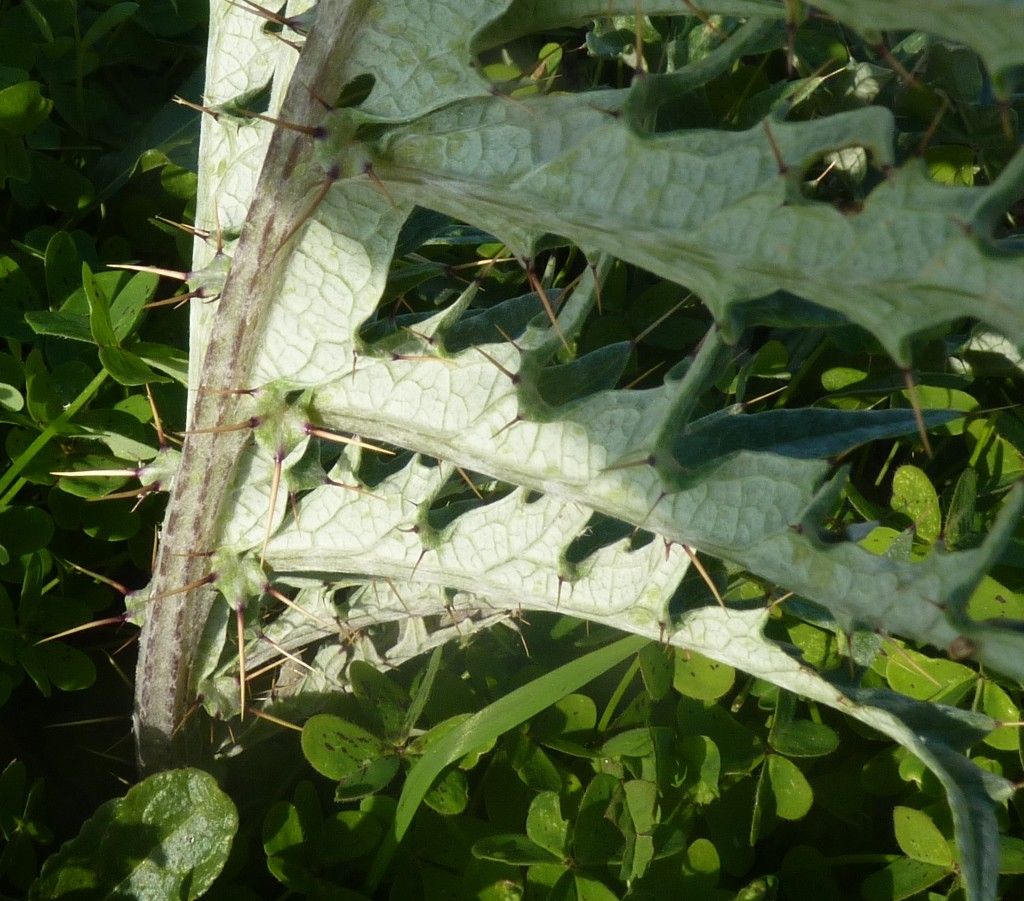
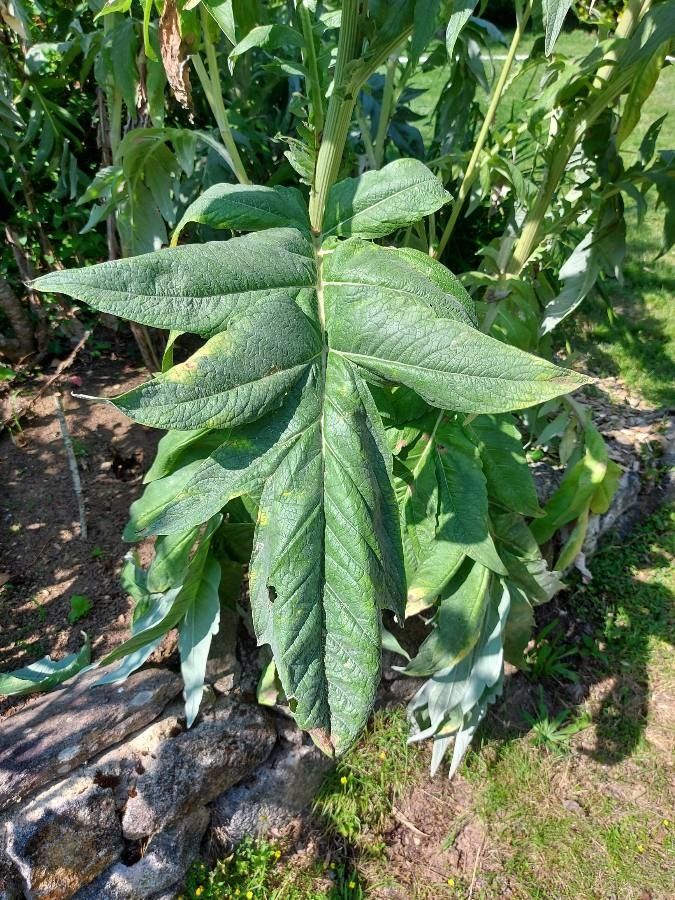
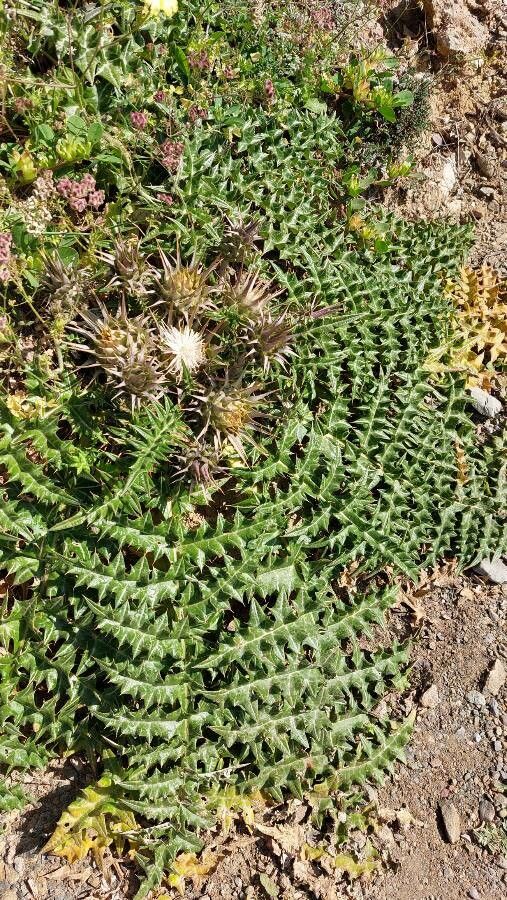
Cynara scolymus, commonly known as the artichoke, is a perennial plant belonging to the Asteraceae family. Native to the Mediterranean region, it has been cultivated for centuries for its edible flower buds. The plant can grow up to 1.5 meters in height and features large, spiny leaves that can extend up to 60 centimeters in length.
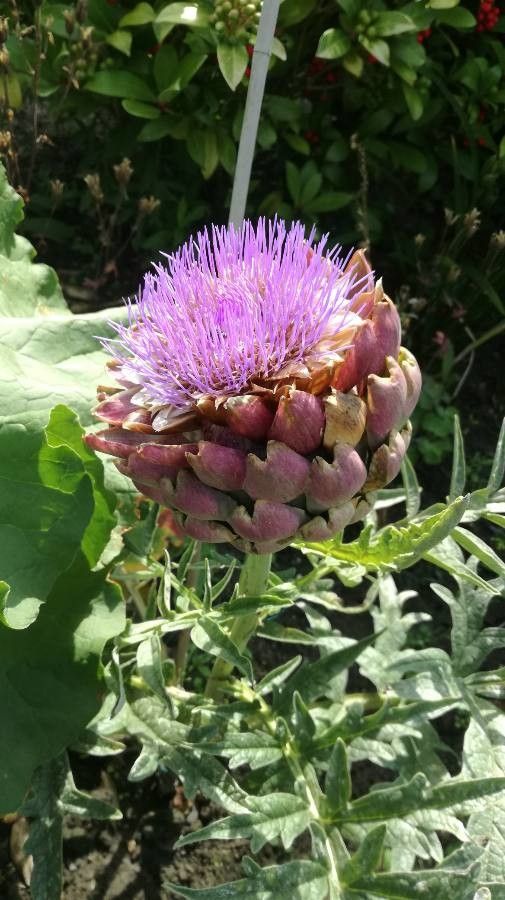
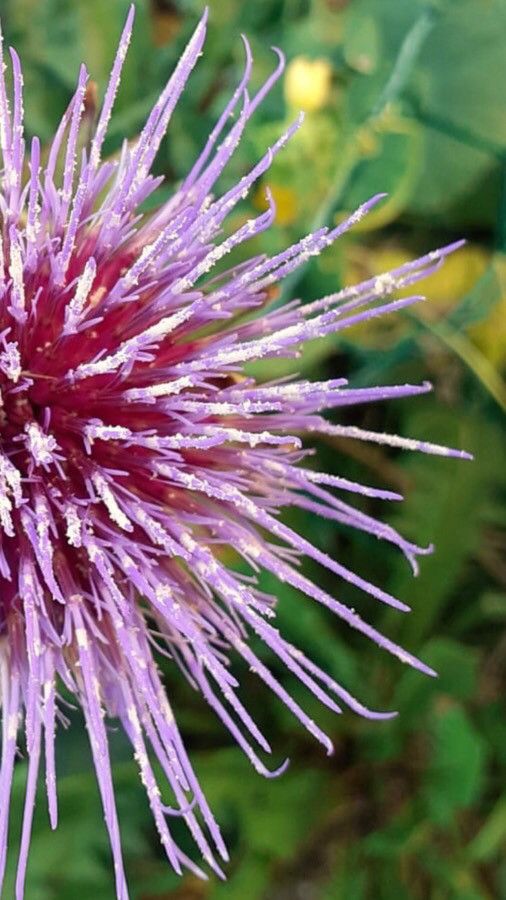
The artichoke produces a large flower head composed of numerous small flowers surrounded by bracts, or modified leaves. The part of the artichoke that we eat is actually the immature flower bud, harvested before it blooms into a purple-blue, thistle-like flower.
Artichokes are renowned for their unique flavor and are staple ingredients in Mediterranean cuisine, often served as appetizers or side dishes. They are also commonly used in salads, dips, soups, and stews.
In addition to their culinary applications, Cynara scolymus offers medicinal benefits. Its high antioxidant content helps protect against oxidative stress and inflammation.
In summary, Cynara scolymus is a fascinating plant with both culinary and medicinal uses, maintaining its popularity around the world to this day.
Globe artichoke has moderate resistance to disease and can be prone to problems such as leaf spot. Its vulnerability to insect pests varies by variety, though most varieties are relatively less resistant to pests. For care, globe artichoke requires regular watering and fertilizing, along with frequent removal of yellowing leaves. It’s important to manage pests and diseases when they occur and to harvest the plant promptly. Globe artichoke is suitable for people who have some time and energy to dedicate to regular care.
How to keep Cynara Scolymus.
Light
The globe artichoke prospers in strong sunlight and cannot tolerate shade. Native to a sunny habitat, its healthy development is helped by steady exposure to abundant light. Its tolerance to light does not change across different growth stages. Receiving less than the necessary light can adversely affect the plant's growth and productivity.
Water
The globe artichoke grows best in Mediterranean-like environments with plenty of sunshine and occasional moisture. While it can tolerate moderate drought, it flourishes when watered weekly. If you're cultivating it outdoors, adjust additional watering based on the natural rainfall to ensure healthy growth.
Temperature
The globe artichoke is native to mild climates, preferring temperatures from 50 to 95 °F (10 to 35 °C). It can tolerate seasonal fluctuations but yields less during the colder months. Cultivation practices should strive to maintain those temperatures.
Fertilizer
To fertilize Globe artichoke, use organic or commercial fertilizer high in nitrogen for foliage growth, phosphorus for root development and flowering, and potassium to support photosynthesis and maximize fruit yield. Plant in spring, amend the soil with compost or manure, and fertilize seedlings when they reach 2-4 inches in height. A shortage of macronutrients results in slowed growth, wilting, and diminished fruit quality.
Pruning
For optimal growth, prune globe artichokes carefully from early to late spring. Start by cutting away old leaves and dead stems to improve airflow and prevent disease. After harvesting, remove the spent flower stalks to encourage new growth. This practice will increase the plant's vigor and resistance to pests. Be sure to use clean, sharp tools for the best results.
Toxicity
Artichokes are non-toxic to humans and animals.
Further reading →
The toxicity and danger assessments provided are for reference only. We do not assure their accuracy, so it's crucial not to depend on them. Seek professional advice when necessary for accurate guidance.
Botanical profile.
- Plant Type
- Herb
- Life Cycle
- Perennial
- Genus
- Cynara
- Family
- Compositae
- Hardiness Zone
- 6-9
- Mature Height
- 1.37 m to 2.13 m
- Mature Spread
- 91 cm
- Leaf Color
- Green, Gray, Silver
- Leaf Type
- Deciduous
- Flower Color
- Purple
- Flower Size
- 15.24 cm
- Bloom Time
- Late spring, Early summer, Mid summer
- Planting Time
- Spring
- Harvest Time
- Mid summer
- Native Area
- Yemen, Turkey
Other names.
Reader questions.
How should I water my Globe artichoke plant?
The Globe artichoke is particular about the amount and method of watering. If you don't water it correctly, your tomatoes could be negatively affected. To water a Globe artichoke, it is best to slowly and gently apply the water directly to the soil. Avoid pouring all the water at once or using overhead watering. While watering slowly, make sure the soil is thoroughly moisturized for optimal growth.
Why do I have to add fertilizer to my Globe artichoke plant?
To know if you need to fertilize your Globe artichoke, check the soil conditions in your garden. If you're already getting a good harvest, then you might not have to use fertilizer. However, it's best to get your soil tested to be sure. You can do this yourself with a kit or send a sample to a lab for analysis. Once you know the nutrient levels in your soil, you can decide if you need to add more fertilizer.
How much sunlight does Globe artichoke need to grow? How much sun does Globe artichoke need to grow?
To ensure that Globe artichoke can thrive and bear fruit, it is generally recommended to provide it with a minimum of 6 to 8 hours of daily sunlight.
What temperature is best for Globe artichoke?
Globe artichokes thrive within a certain temperature range, which prevents them from experiencing damage due to extreme cold or hot conditions. However, if you notice changes in leaf colors, it could indicate that the artichoke plant is not thriving. To keep your artichoke happy, aim to maintain a temperature between 70-85℉(21-30℃). If the temperature occasionally exceeds 85℉(30℃) during the day or drops to 70℉(21℃) at night, there is no need to panic.
What should I do if I give my Globe artichoke too much water or too little water?
If you have overwatered your Globe artichoke and are worried about disease, act quickly. The best way to deal with an overwatered artichoke is to uproot it and let the roots dry before replanting in well-drained soil. If you grow in pots, consider transferring to a pot with better drainage. If you are underwatering, simply increase the watering frequency.
When should I fertilize my Globe artichoke plant?
To prepare the soil, mix organic fertilizer into it at least one week before planting. Additionally, apply another layer of fertilizer over the soil in the spring to give young plants an extra boost. Generally, one to two applications of fertilizer during the growing season should be enough to ensure a successful harvest of Globe artichokes.
What kind of sunlight does Globe artichoke require?
The globe artichoke needs to be grown in a sunny location without any obstructions such as trees, fences, or buildings. It requires direct sunlight for optimal growth. The more the plant grows, the more hours of sunlight it needs. Morning sun is specifically beneficial for photosynthesis.
How can I keep Globe artichoke safe from very hot or very cold weather outside?
If you have a Globe artichoke planted outside, there isn't much you can do to move it indoors. However, you can still help it survive extreme temperatures by providing cover. One option is to set up a shade tent using stakes and cloth to block out the sun's heat. This will protect the plant from direct sunlight. Similarly, you can protect the artichoke from cold weather and strong winds by building a small greenhouse around it. This can be done with garden stakes and clear or translucent plastic, such as polycarbonate if you have it. Just make sure to remove the greenhouse once temperatures rise above 40℉(10℃) at night.
How frequently should I give water to my Globe artichoke?
Globe artichoke needs a lot of water during the growing season. To meet this need, you should water it frequently and consistently in the spring and summer. At the beginning of the season, water the plant once or twice a week. As the season progresses, increase watering frequency, potentially even watering twice a day or more in the summer if necessary based on weather conditions. Once the artichoke has gone through its main growth phases, you can reduce watering to once a week until the end of the growing season.
When is it best to not put fertilizer on my Globe artichoke plant?
If you have already harvested most of the Globe artichokes, there is no need to waste your fertilizer and energy by fertilizing them, as this crop needs to be replanted annually. Additionally, if you are gardening in soil that is already nutrient-rich, it is best to avoid fertilizing Globe artichokes. These plants do not require excessive fertilizer to grow well and produce flavorful, sizeable vegetables in most cases. Only consider fertilizing if a soil test reveals a deficiency in one or more nutrients in your garden soil.
Should I make sure that the Globe artichoke is not in direct sunlight?
In most climates, globe artichokes usually don't require protection from the sun. However, individuals residing in desert areas or near the equator may experience harsh sunlight that might not be suitable for the specific plants they wish to cultivate. It is important to note that this scenario is exceptional.
Does the globe artichoke require varying temperatures for different seasons?
Globe artichoke generally prefers to be in a certain temperature range throughout the year. However, its care requirements may vary depending on the season. In the warmer months, it benefits from some shade and a gentle breeze to handle the hot days. Conversely, in colder climates where temperatures drop below 40℉(10℃) at any time during the year, it should be kept away from drafty windows and doors.