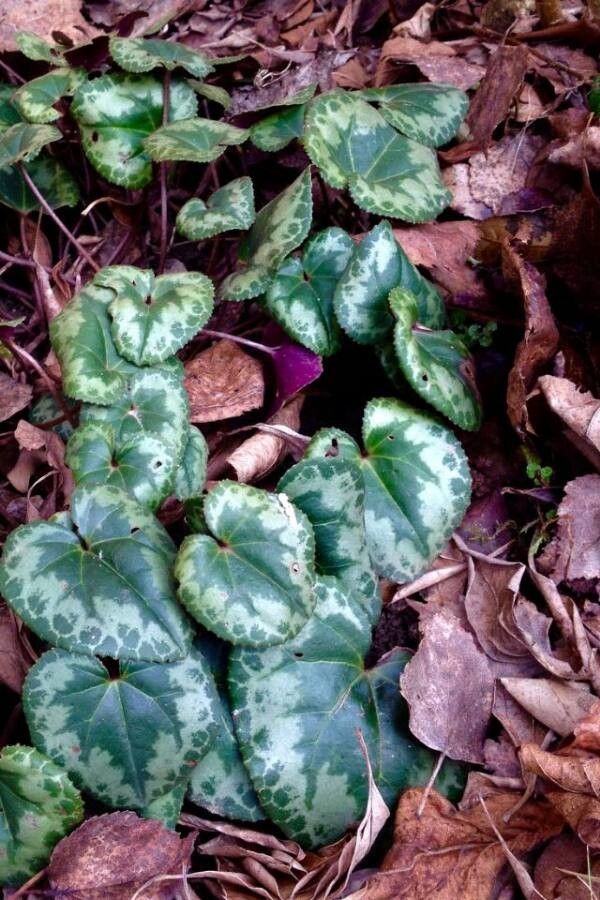
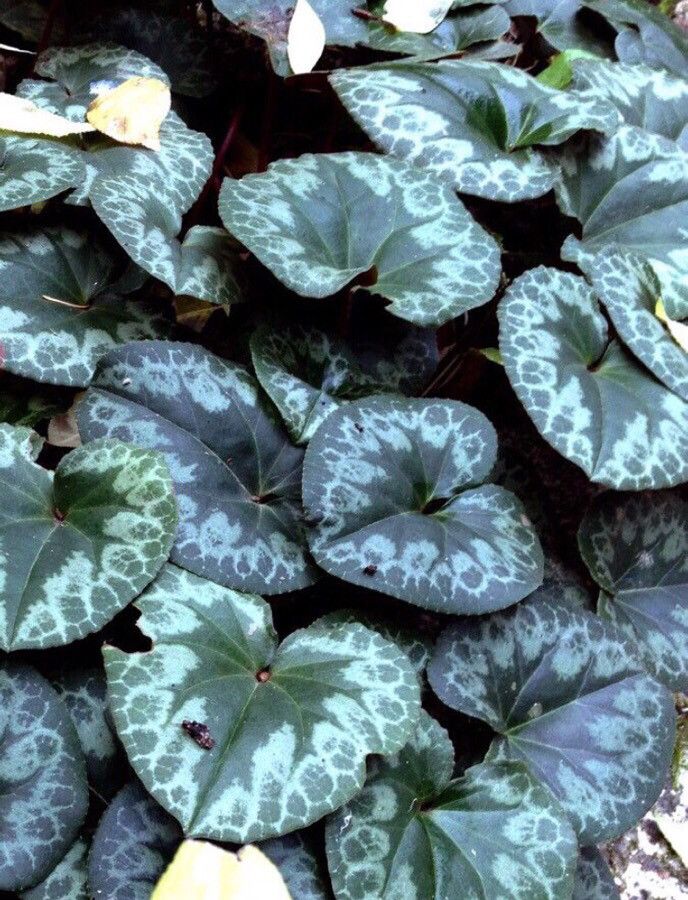
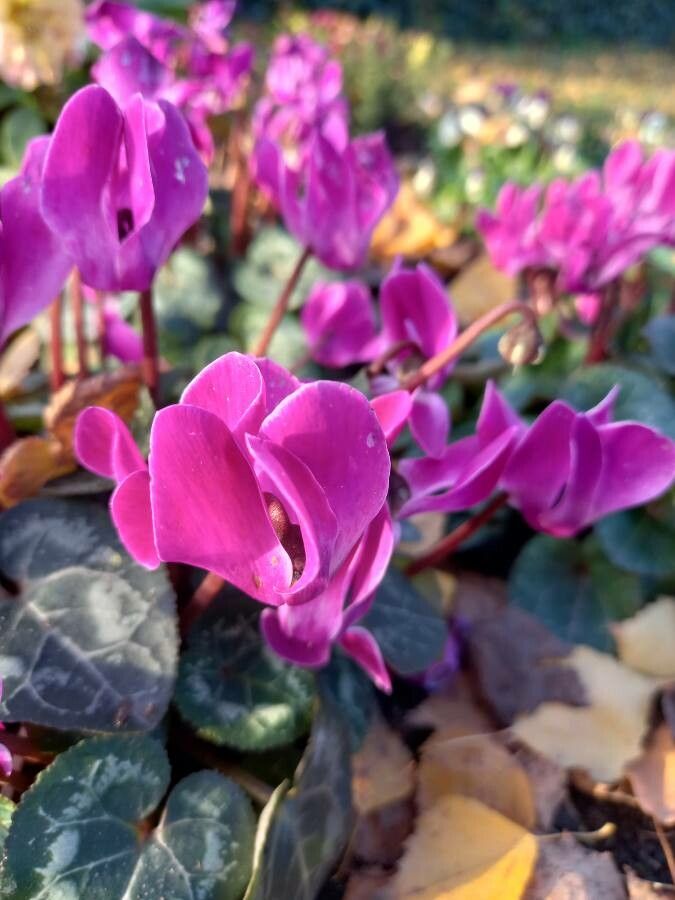
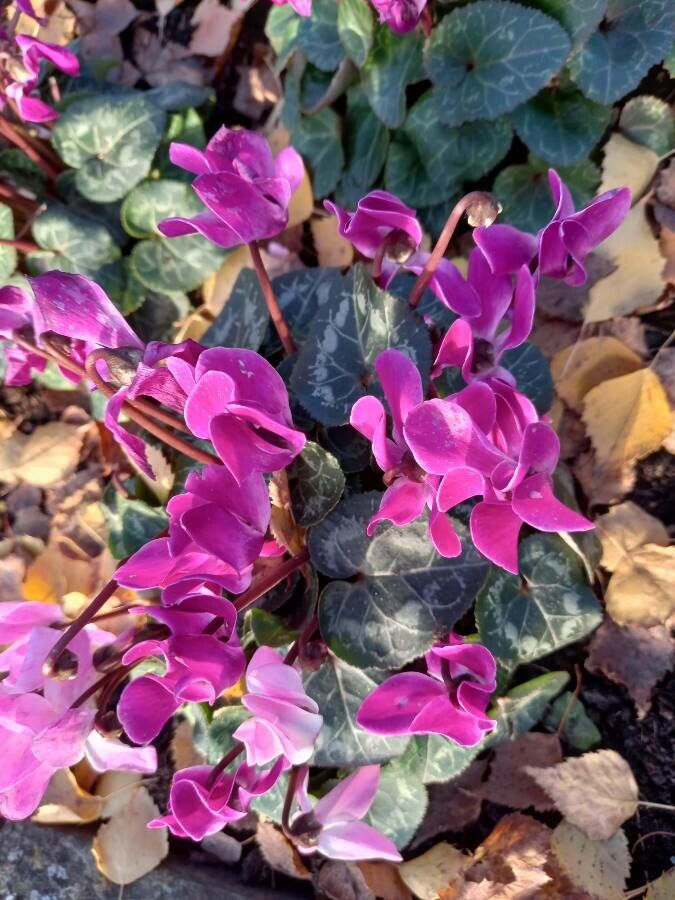
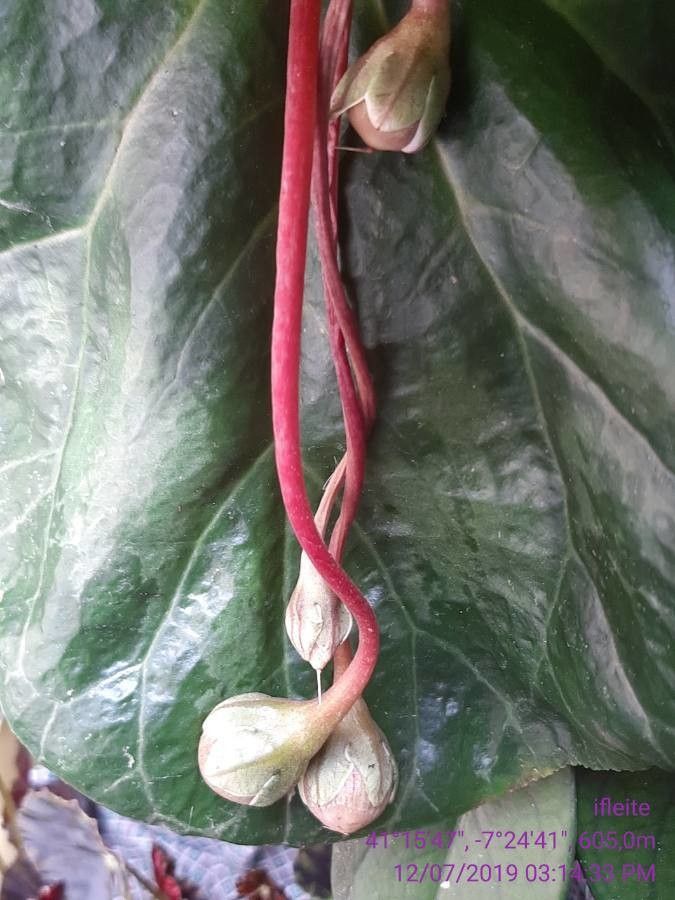
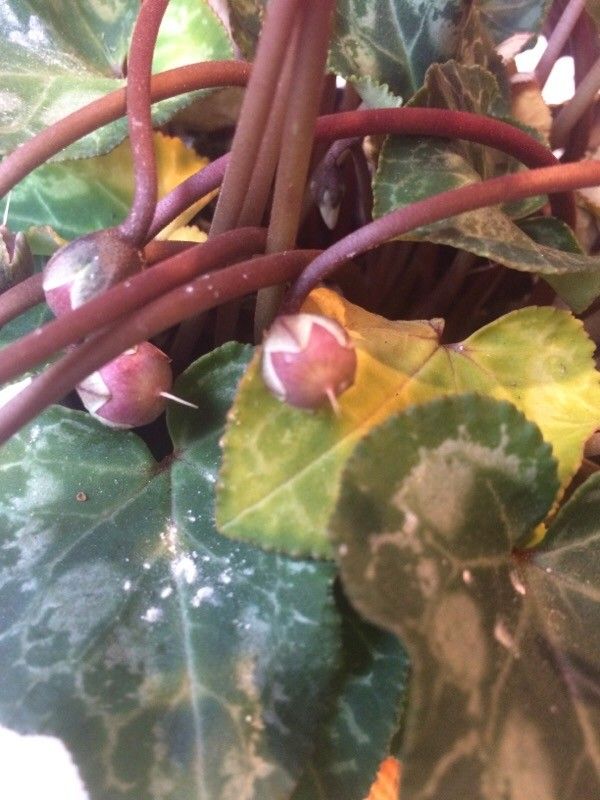
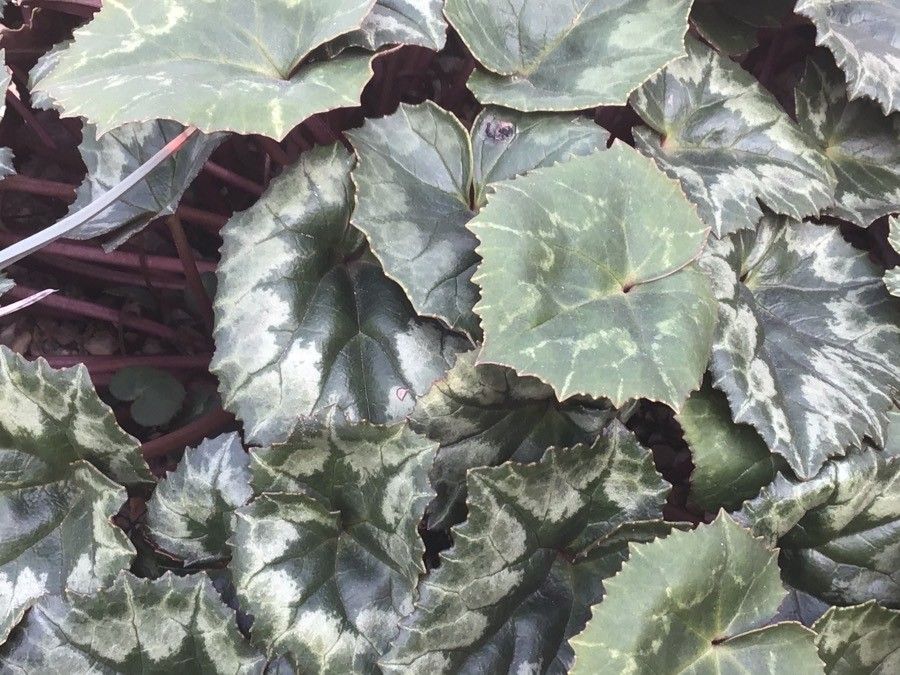
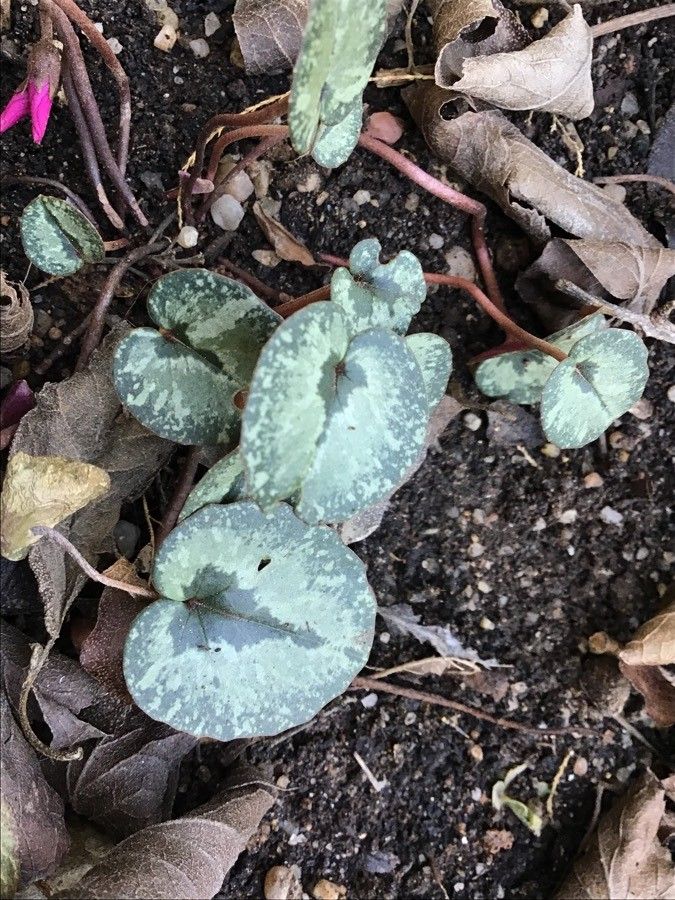
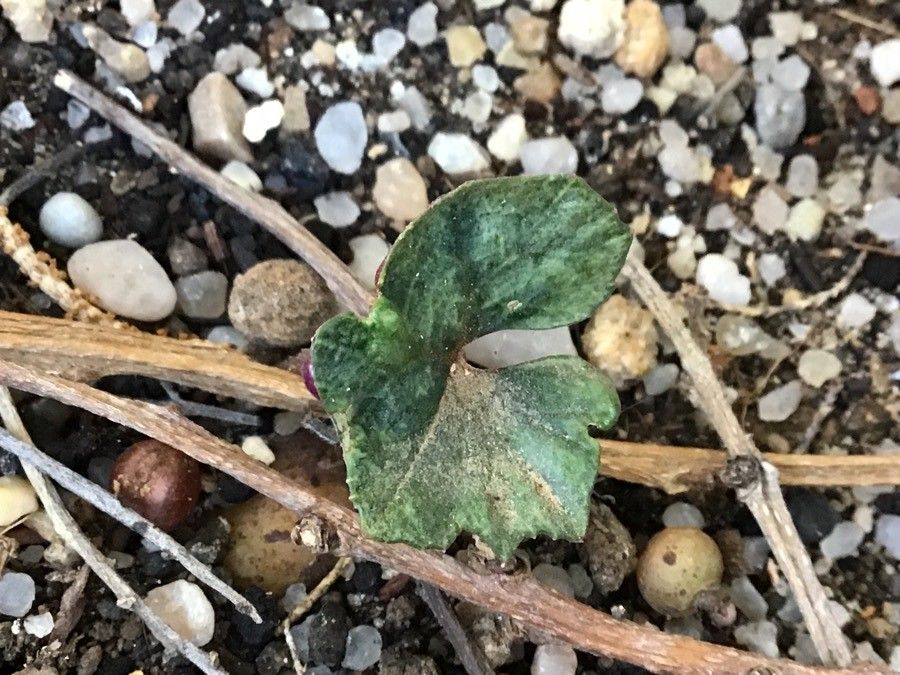
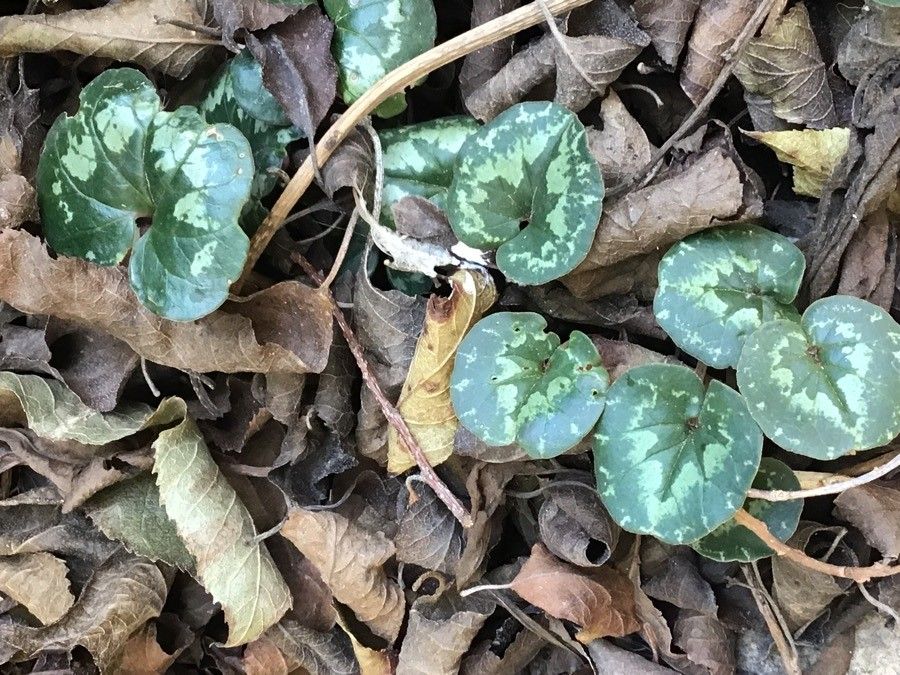
Cyclamen purpurascens, the Alpine, European or purple cyclamen, is a species of flowering plant in the genus Cyclamen of the family Primulaceae, native to central Europe, northern Italy, and Slovenia. It is an evergreen tuberous perennial with (usually) variegated leaves, and deep pink flowers in summer.
Purple cyclamen is fairly resistant to diseases and typically does not suffer from them. Still, it can be affected by pests and illnesses found in its environment, though these problems are generally mild. Carewise, the plant needs moderate attention. It should be pruned regularly to preserve a neat appearance and healthy development, and feeding it can encourage more blooms. Purple cyclamen is appropriate for anyone who has outdoor space, like a garden or patio, and does not demand extensive gardening experience. It may need extra care if cultivated indoors.
How to keep Cyclamen Purpurascens.
Light
Purple cyclamen grows best with moderate sunlight, similar to the dappled light beneath a tree canopy. It can also tolerate more shaded spots without difficulty. However, constant shade may restrict its healthy growth. The plant does benefit from protection against harsh, unfiltered sunlight.
Water
The purple cyclamen thrives best in well-drained soil with moderate moisture and should be watered once a week. This plant prefers cooler temperatures and indirect light, making it primarily an indoor ornamental. During the growing season, it showcases distinctive flowers. The purple cyclamen adapts well to its native Mediterranean habitat.
Humidity
This plant needs special care because it loves high humidity levels of 60-80% or more. The best way to achieve this is by placing a humidifier near the plant. Daily misting is also essential! Make sure the room has good ventilation.
Temperature
Purple cyclamen is naturally suited to cooler climates, with temperatures from 41 to 95 °F (5 to 35 ℃) in its native habitat. It can, however, tolerate and adapt to different seasonal temperatures if needed.
Fertilizer
For Purple cyclamen, the primary time to fertilize is in early spring when the flowers are forming. The appropriate fertilizer promotes better blooms and helps Purple cyclamen produce attractive flowers. Fertilizing in early spring ensures strong flowering during the season and supplies energy for dormant growth phases.
Pruning
Purple cyclamen are known for their heart-shaped leaves and vibrant pink flowers, which add beauty to any garden. To ensure healthy growth, prune them from late winter to early spring. During this time, remove dead foliage and cut back old stems after the plant has finished flowering. Be sure to use clean, sharp tools for maintenance, as this helps promote a fuller and more flourishing plant.
Pot & Repot
When repotting Purple cyclamen, choose a pot 1-2 inches (2.5–5.1 cm) larger that has good drainage. Use a well-draining potting mix. Repot in spring or fall, making sure the root ball sits slightly lower than the rim of the flower pot. Water thoroughly after repotting and place it in a warm spot with indirect sunlight.
Botanical profile.
- Plant Type
- Herb
- Life Cycle
- Perennial
- Genus
- Cyclamen
- Family
- Primulaceae
- Hardiness Zone
- 5-9
- Mature Height
- 8 cm to 15 cm
- Mature Spread
- 30 cm
- Leaf Color
- Green, Silver, Gray, Variegated
- Leaf Type
- Evergreen
- Flower Color
- Pink, Purple
- Flower Size
- 2.54 cm to 5.08 cm
- Bloom Time
- Mid summer, Late summer, Early fall, Mid fall
- Planting Time
- Spring, Autumn
- Harvest Time
- Late fall, Winter
- Native Area
- Germany, Austria, Italy, Switzerland, Czech Republic, Serbia, Slovakia, Poland, Hungary, Croatia, Slovenia, France
Other names.
Reader questions.
How should I water my Purple cyclamen plant to keep it healthy?
To ensure the health of your Purple cyclamen plant, it is recommended to use filtered water at room temperature or slightly warmer. Tap water may contain harmful particles, so filtered water is preferred. This plant prefers warmer environments, so using cold water can be a shock to its system. Additionally, overhead watering should be avoided as it can cause foliage issues. Instead, gently water the soil with your filtered room temperature water until it is completely soaked. This helps moisten the roots and promotes their growth and nutrient absorption.
Why should I add fertilizer to my Purple cyclamen?
Fertilizing your Purple cyclamen is crucial for multiple reasons. Firstly, it will enhance the production of beautiful blooms. To maximize flower quality, it is best to fertilize in early spring. Additionally, fertilizer provides the plant with ample energy that can be stored for future use during its dormant growth phases. By supplying extra nutrients during fall planting or late spring, your Purple cyclamen will store more energy to utilize when it enters active growth again.
What are the sunlight requirements for Purple Cyclamen?
Purple Cyclamen thrives in conditions that mimic the moderate levels of sunlight found under a canopy of trees, showing resilience in shadier areas as well. Despite this adaptability, being in continuous shade can hinder its growth, and the plant doesn't favor the harsh effects of direct, unfiltered sunlight. Specifically, the term 'partial sun' refers to about 3-6 hours of sunlight, while 'full shade' is described as receiving less than 3 hours of sunlight. Observing the movement of sunlight through your garden is crucial for selecting optimal locations that meet the light demands of your plants.
What is the native temperature range for Purple cyclamen?
Purple cyclamen is naturally adapted to cooler climates, thriving in temperatures ranging from 41 to 95 °F (5 to 35 °C). Despite its preference for cooler environments, it can adjust to different seasonal temperatures, showcasing a strong resistance to cold. In its native habitat, Purple cyclamen does not typically require special frost protection measures during winter. However, in conditions where temperatures are anticipated to fall below -25°C, protective measures such as covering the plant with soil or straw are advisable. It is also recommended to water the plant abundantly before the first freeze in autumn to ensure the soil remains moist and enters a frozen state, preventing drought and water scarcity during winter and early spring.
What should I do if I give too much or too little water to my Purple cyclamen?
Overwatering and underwatering can harm your Purple cyclamen, but overwatering is more common. When the plant gets too much water, its stems and leaves may wilt and turn yellow. Prolonged overwatering can cause diseases like root rot, mold, and mildew, which can be fatal. Underwatering is rare for Purple cyclamens since they can tolerate drought, but it's still possible. In such cases, the leaves become brittle and brown. It's important to identify signs of overwatering early. Some diseases, like root rot, can't be reversed if not addressed promptly. Reduce watering immediately and check the soil. Replace poorly draining soil with a loose, well-draining potting mix. If you notice signs of underwatering, simply increase watering until the signs disappear.
When should I fertilize my Purple cyclamen?
There are a few key times to fertilize a Purple cyclamen for optimal results. The first is during early spring when the flowers are forming. By using the right fertilizer at this time, you can encourage the plant to produce better blooms. Additionally, you can also fertilize the Purple cyclamen later in the spring after the flowers have faded. This will provide the plant with ample energy that it can store for use in the following year. If you are planting a Purple cyclamen for the first time in the fall, it is recommended to provide some fertilizer during the planting process. This will give the plant the best opportunity to produce a healthy set of flowers in its first growing season.
How does artificial lighting support indoor plants like Purple Cyclamen?
Artificial lighting serves as a critical alternative for indoor plants when natural sunlight falls short, especially during the winter or in less sunny areas. Proper lighting facilitates optimal growth and health of indoor plants, where LED lights are a favored choice due to their capacity to provide specific light wavelengths needed by plants. Full sun plants require 30-50W/sq ft of artificial light, partial sun plants need 20-30W/sq ft, and full shade plants benefit from 10-20W/sq ft. Positioning the light source 12-36 inches above the plant can simulate natural sunlight conditions, and it's suggested that most plants receive 8-12 hours of light per day to thrive.
How does Purple cyclamen respond to low temperatures?
Purple cyclamen exhibits a high tolerance for cold, preferring temperatures above 5°C and able to withstand winter climates above -20°C. Despite its cold tolerance, exposure to temperatures below -25°C may not show immediate changes during winter but can lead to decreased sprouting or a complete lack of sprouting in spring. To mitigate these effects, it is recommended to remove any parts of the plant that have failed to sprout in spring, aiding in the plant's recovery and continued growth.
How frequently should I water my Purple cyclamen?
If your Purple cyclamen is in a pot, the most accurate way to determine if it needs water is by sticking your finger into the soil. If the top two to three inches of soil are dry, it's time to water it. If your Purple cyclamen is planted outdoors in the ground, you can use the same method to check the soil. When the top few inches of soil are dry, it's time to water. Usually, during spring and early fall, watering once a week is sufficient. However, in extremely hot weather, watering may be needed twice or more per week. It's worth noting that mature and well-established Purple cyclamen plants have a great ability to tolerate dry conditions.
When is it not a good idea to add fertilizer to my Purple cyclamen?
To properly fertilize a Purple cyclamen, follow these guidelines: during fall planting, early spring bloom, and late spring post-bloom. Avoid fertilizing at other times as it could harm the plant. When caring for a Purple cyclamen, note its dormant phases when fertilizer and water requirements decrease. Rest periods occur during winter and summer. After the flowers fade, the leaves briefly persist before dying back. Once the leaves are gone, the plant is in a dormant phase and does not need fertilizer.
What are the symptoms of insufficient light in Purple Cyclamen?
Insufficient light can trigger several symptoms in Purple Cyclamen, such as smaller new leaves, leggy or sparse growth, faster leaf drop, slower or no new growth, lighter-colored new leaves, and specific conditions like chlorosis, sunscald, leaf curling, wilting, and leaf scorching. These symptoms arise as the plant struggles with low-light conditions, showcasing a range of issues from the inability to produce chlorophyll and essential nutrients to physical damage caused by excessive sunlight exposure.
How should Purple cyclamen be cared for in high temperatures?
During summer, it is crucial to keep Purple cyclamen's environment below 35°C to prevent stress on the plant. Exceeding 38°C can result in visible stress signs, including lighter-colored leaves, curling, susceptibility to sunburn, and, in severe cases, wilting and drying of the entire plant. To care for Purple cyclamen in high temperatures, trim away sunburned and dried-up parts and relocate the plant to an area shielded from midday and afternoon sun or use a shade cloth. Watering the plant in the morning and evening will help maintain soil moisture and protect the plant from extreme heat.