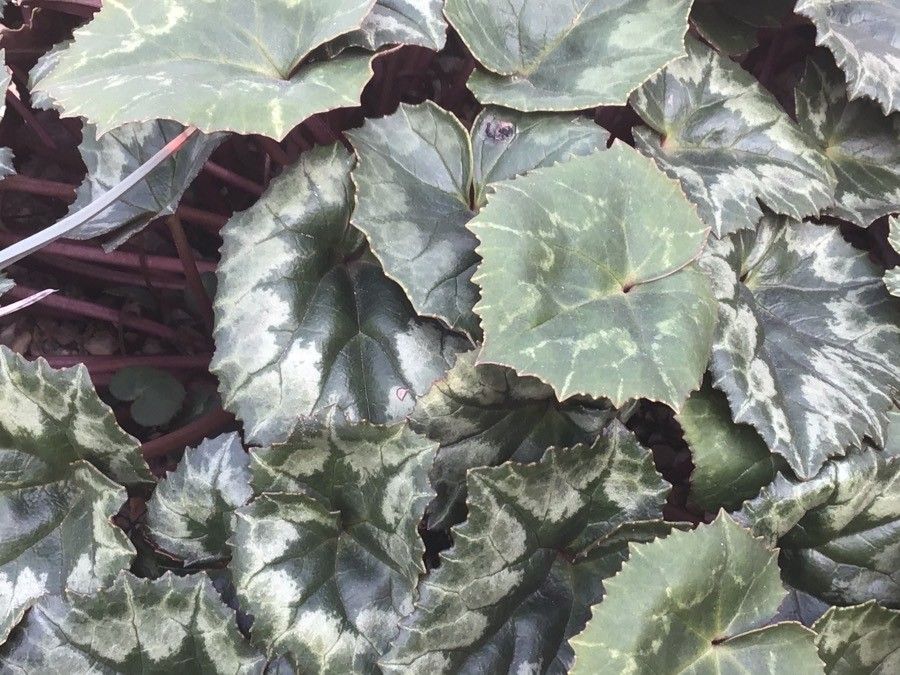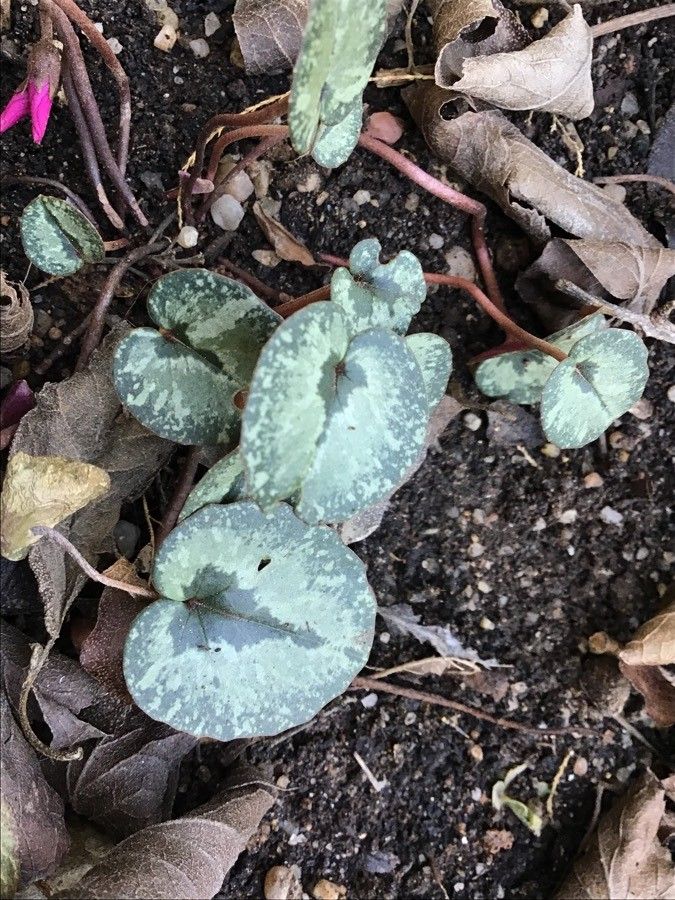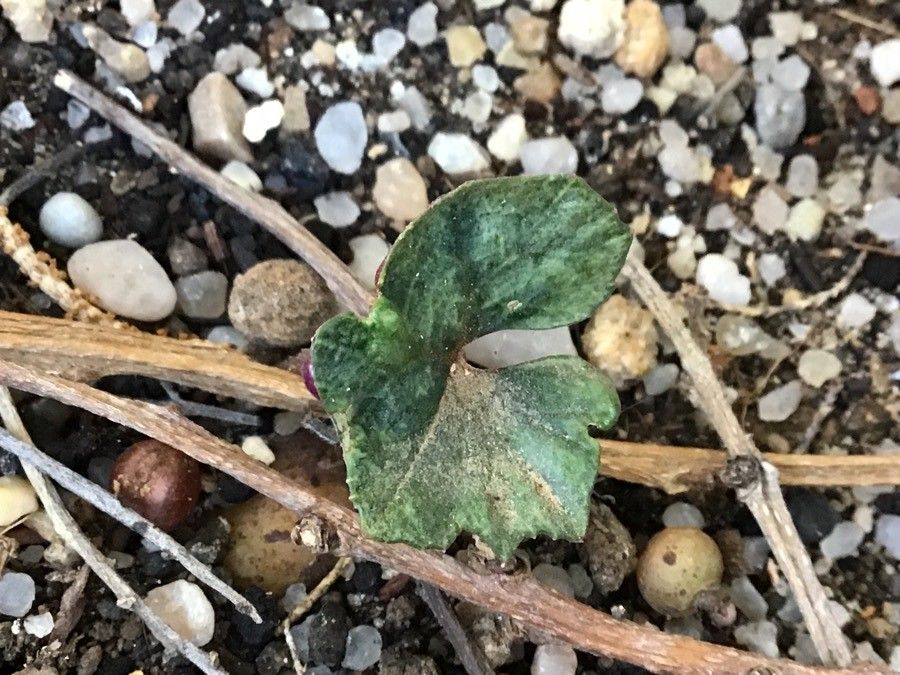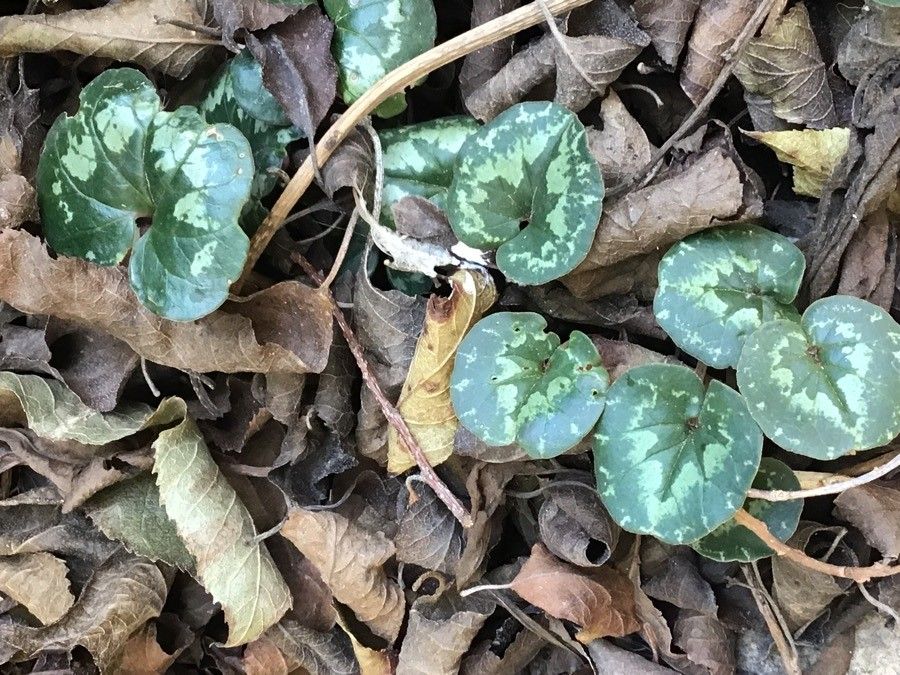
Cyclamen persicum, commonly known as Persian cyclamen, is a perennial flowering plant native to the Mediterranean region. It is a popular ornamental plant, prized for its attractive foliage and delicate flowers. The heart-shaped leaves feature distinct silver markings, while the flowers bloom on long stems in shades of pink, red, white, or purple, often with darker markings at the base of each petal.
This plant prefers cool temperatures and well-drained, organically rich soil. It can be cultivated both indoors as a houseplant and outdoors in shaded areas, such as under trees or shrubs.
Historically, Cyclamen persicum has been used for its anti-inflammatory properties, but it is important to note that all parts of the plant are toxic if ingested by humans or pets.
Cyclamen persicum blooms from late winter through early spring, making it an ideal choice for adding color during the colder months. With proper care and maintenance, this beautiful plant can provide years of enjoyment, whether grown indoors or outdoors.
Cyclamen is generally resistant to disease and is not commonly affected by illnesses. Still, it can develop leaf spots when light and ventilation are poor and watering is excessive. Its care level is considered easy, since it mainly needs regular watering and little else. Cyclamen is well suited for people who do not have the time and energy to devote to regular care.
How to keep Cyclamen Persicum.
Light
The cyclamen prefers sunlight that does not shine on it directly. It performs best in the dappled light of its native habitat, though it can tolerate full sun. Very intense light can stress the plant, while too little light may impede its growth and flowering.
Water
The Persian cyclamen, a plant native to the Mediterranean, thrives best in environments with moderate humidity and consistent weekly watering. It prefers well-draining soil to prevent root rot and benefits from being cared for indoors. This controlled environment reduces the risk of overwatering during its active growing season.
Humidity
This plant needs special care because it loves high humidity levels of 60-80% or more. The best way to achieve this is by placing a humidifier near the plant. Daily misting is also essential! Make sure the room has good ventilation.
Temperature
Cyclamen naturally grows in habitats where temperatures range from 68 to 95 °F (20 to 35 ℃). It does well in these moderate temperatures but can adjust when necessary as the seasons change. Always watch the temperature to ensure the plant's comfort.
Fertilizer
For Cyclamen, the primary time to apply fertilizer is in early spring when the flowers are beginning to form. The appropriate fertilizer promotes improved blooms and helps Cyclamen develop attractive flowers. Fertilizing in early spring ensures strong flowering during the season and supplies energy for dormant growth phases.
Pruning
Persian cyclamen is known for its colorful blooms and variegated leaves. To keep the plant healthy and attractive, it's important to prune yellowing leaves and spent flowers in early spring or late winter using clean scissors. This process helps improve airflow, reduces the risk of disease, and promotes growth, leading to more vibrant blooms and a tidier appearance.
Pot & Repot
When repotting Cyclamen, select a pot 1-2 inches (2.5–5.1 cm) larger that has good drainage. Use a well-draining potting mix. Repot in spring or fall, making sure the root ball is slightly lower than the rim of the flower pot. Water thoroughly after repotting and place in a warm spot with indirect sunlight.
Botanical profile.
- Plant Type
- Herb
- Life Cycle
- Perennial, Annual
- Genus
- Cyclamen
- Family
- Primulaceae
- Hardiness Zone
- 8-10
- Mature Height
- 15 cm to 32 cm
- Mature Spread
- 15 cm to 23 cm
- Leaf Color
- Green, Silver, Variegated, Gray
- Leaf Type
- Evergreen, Deciduous
- Flower Color
- Pink, White, Red
- Flower Size
- 5.08 cm
- Bloom Time
- Early spring, Mid spring, Mid summer, Late summer, Fall, Winter
- Planting Time
- Spring, Autumn, Winter
- Harvest Time
- Spring, Late summer, Fall, Winter
- Native Area
- Turkey, Tunisia, Cyprus, Algeria, Greece, Lebanon
Other names.
Reader questions.
When Should I Water My Persian Cyclamen?
Proper watering is essential for the health and vitality of Persian cyclamen (Cyclamen persicum). The plant requires attention to several signs to determine when it needs water. Wilting or curling leaves suggest the need for water, as does soil dryness—check the top inch of the soil with your finger. The firmness of the plant's tuber, which should feel firm if adequately hydrated, and the weight of the pot, which will be lighter when the plant needs water, are also indicators. Watering too early or too late poses risks such as root rot or dehydration. Observing these signs closely helps ensure the plant receives the correct amount of water.
Why should I add fertilizer to my Persian cyclamen?
Fertilizing a Persian cyclamen is crucial for several reasons. Firstly, it helps the plant produce beautiful blooms. Fertilizing in early spring is particularly effective in ensuring excellent flowers during that season. Additionally, fertilizer provides the cyclamen with ample energy to store in the ground during dormant growth phases. By giving it extra nutrients in the fall or late spring, the cyclamen can store more energy to use when active growth resumes.
What are the sunlight requirements for Persian cyclamen?
Persian cyclamen requires specific amounts of sunlight to thrive. It appreciates partial sun, which is about 3-6 hours of sunlight daily, and can also withstand full sun, which is above 6 hours of sunlight daily. It's essential to watch how sunlight moves through your garden and choose spots that provide a perfect balance of light and shade, ensuring the plant's health and happiness.
What is the native environment of Persian cyclamen?
Persian cyclamen, or Cyclamen persicum, is native to environments where the temperatures range between 68 to 95 °F (20 to 35 °C). It thrives in these moderate conditions but is adaptable across different seasons. It's crucial to keep an eye on the temperature to ensure the plant remains comfortable.
How Should I Water My Persian Cyclamen?
Persian cyclamen has specific watering needs, with bottom-watering being an effective method to ensure adequate root moisture without over-saturating the soil. This technique involves placing the pot in a tray filled with water, allowing the plant to absorb moisture from the bottom. When using a watering can, opt for one with a narrow spout to direct water to the base and avoid excessive foliage moisture, which reduces the risk of fungal diseases.
When should I fertilize my Persian cyclamen?
To ensure the best blooms, it is recommended to fertilize a Persian cyclamen at specific times. One such time is in early spring when the flowers are forming. By using the right fertilizer at this stage, you can encourage better blooms. Additionally, fertilizing the Persian cyclamen later in the spring, after the flowers have faded, will provide the plant with plenty of energy that it can store and use for the following year. If you are planting a Persian cyclamen for the first time in the fall, it is also beneficial to provide some fertilizer during this process. This will increase the likelihood of producing a healthy set of flowers during the plant's initial growing season.
How does the Persian cyclamen respond to sunlight?
The Persian cyclamen prefers exposure to sun without being directly under its rays, thriving best under the dappled light of its original habitat. While it can tolerate full sun exposure, excessive intense light might stress the plant, and insufficient light could hinder its growth and flowering. It's crucial to provide the right light conditions for optimal growth and health.
How does Persian cyclamen tolerate cold?
Persian cyclamen possesses a degree of cold tolerance and generally doesn't require extra protection when temperatures are above its tolerable growing temperature minimum. However, if temperatures are expected to drop below this minimum threshold, it's essential to take temporary protective measures such as wrapping the plant with plastic film, fabric, or other suitable materials. Once the temperatures rise again, these protections should be removed promptly to avoid any potential damage to the plant.
How Much Water Does Persian Cyclamen Really Need?
The optimal watering quantity for Persian cyclamen varies based on factors like pot size and plant age. A moderate level of watering is preferred, with the top inch of soil allowed to dry out before watering again. For small pots, 200-250 ml per session may suffice, while larger pots and mature plants might need 500-600 ml. Proper hydration leads to firm, glossy leaves, compact growth, and vibrant flowers. Both overwatering and underwatering carry risks such as root rot or stress, making balanced watering crucial.
When is it not a good idea to fertilize my Persian cyclamen?
To properly fertilize your Persian cyclamen, you should only do so during specific times of the year. These include the fall planting process, the early spring bloom period, and the late spring after the bloom period. Fertilizing at any other time is not necessary and may actually harm your plant. It's important to note that Persian cyclamens have a significant dormant phase where they require less fertilizer and water. This dormancy occurs during the winter as expected, but it also happens during the summer. Once the flowers fade, the leaves will remain briefly before eventually dying back to the ground. When this happens, your plant has reentered its dormant phase and will no longer need fertilizer.
What solutions are available for providing adequate light to Persian cyclamen?
For indoor Persian cyclamen, you can optimize growth by gradually shifting them to sunnier spots each week until they receive the desired 3-6 hours of direct sunlight daily. Consider using artificial light if the plant is large or not easily movable, keeping a lamp on for at least 8 hours daily, or invest in professional grow lights. Outdoors, gradually moving your plants to sunnier locations each week helps them adapt without the risk of sunburn. Additionally, reducing obstructions like pruning tree branches can allow more sunlight to reach your plants. If necessary, transplanting smaller plants during their dormant period to a location with better sunlight and drainage can also be beneficial.
What should I do if my Persian cyclamen is exposed to low temperatures?
If your Persian cyclamen is exposed to temperatures below its suitable growth minimum during winter, and especially if it drops below its limit growth temperature, the leaves may begin to droop. In mild cases, recovery is possible, but severe exposure can lead to the wilting and eventual dropping of leaves. It's advisable to trim off any frost-damaged parts of the plant. To prevent future cold damage, wrap the plant with non-woven fabric or cloth, and set up a wind barrier to protect against cold winds.