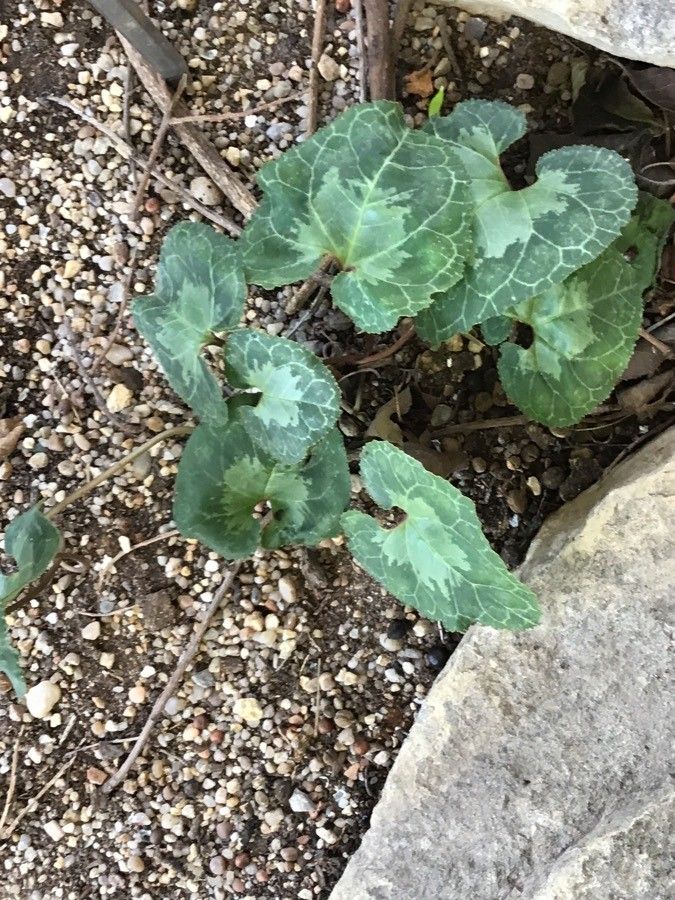
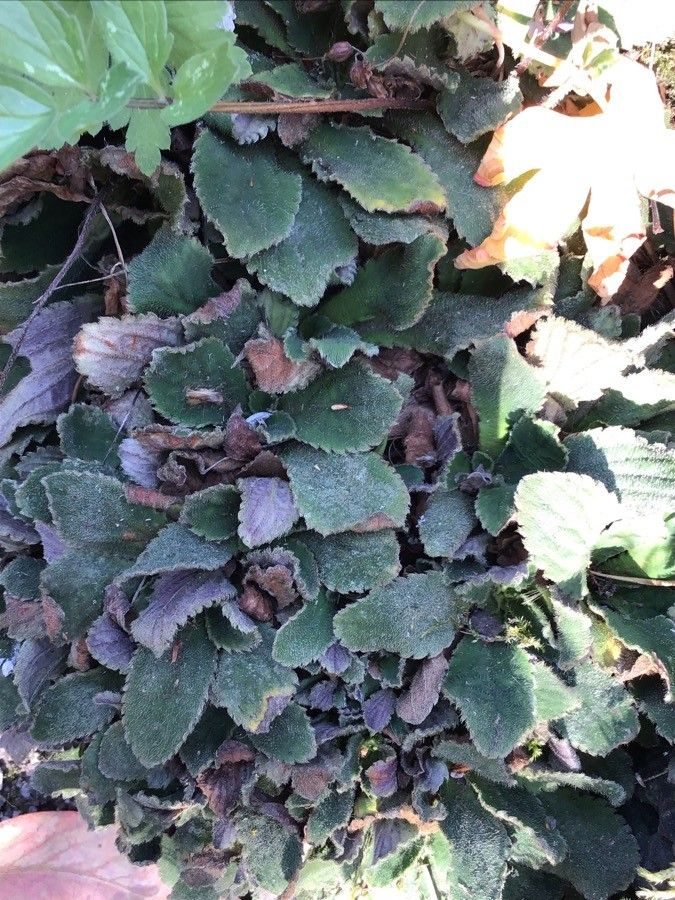
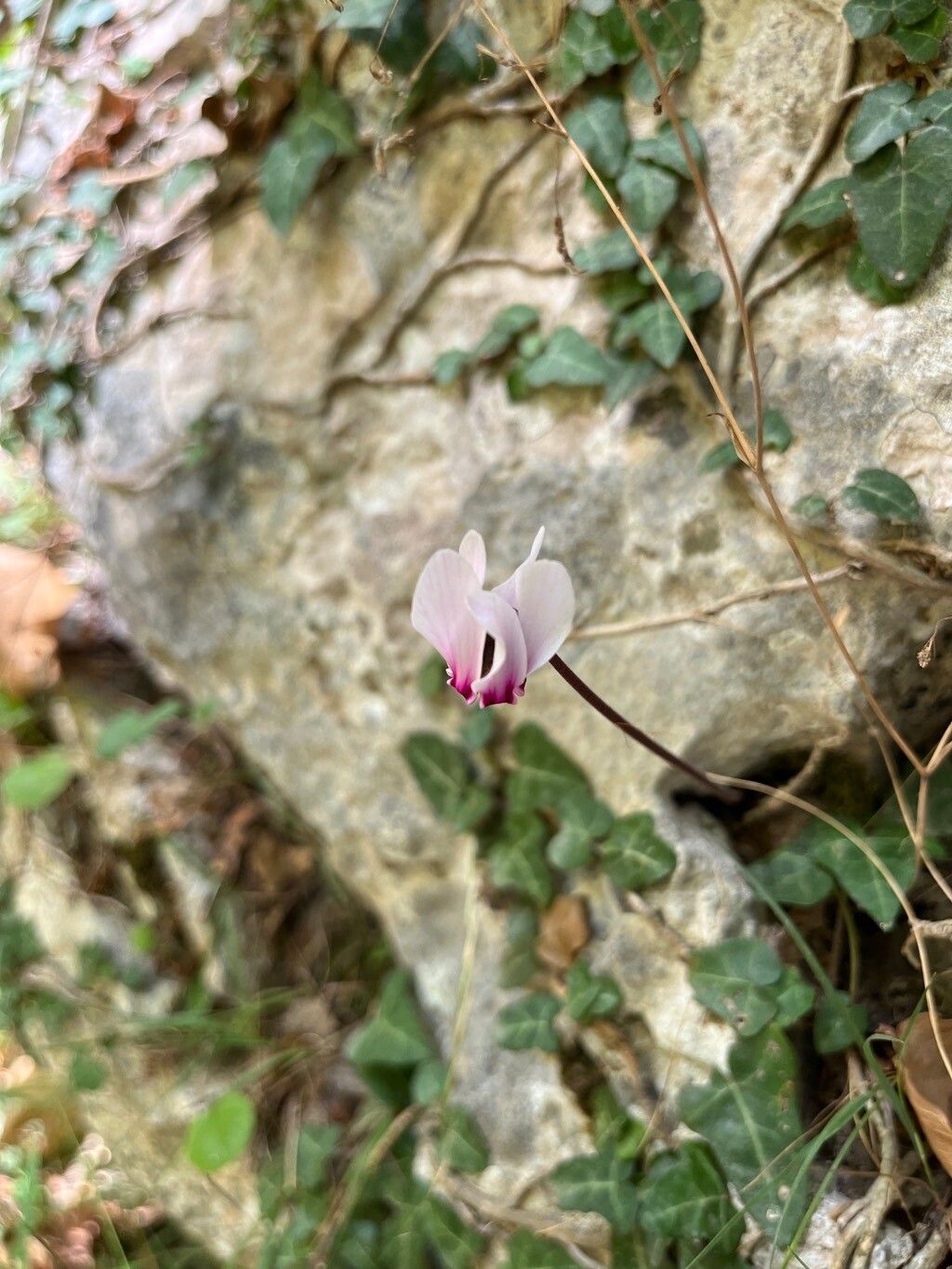
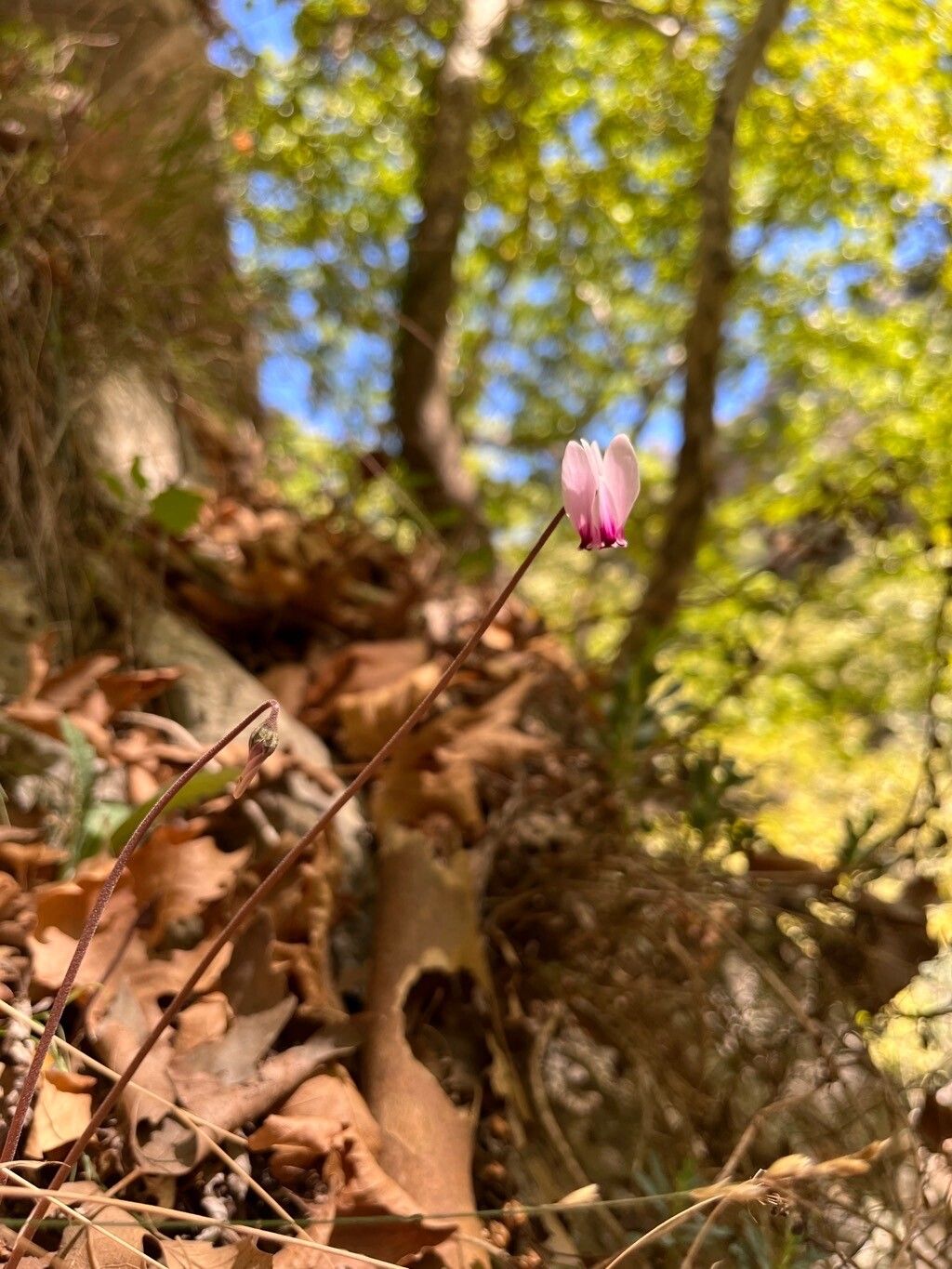
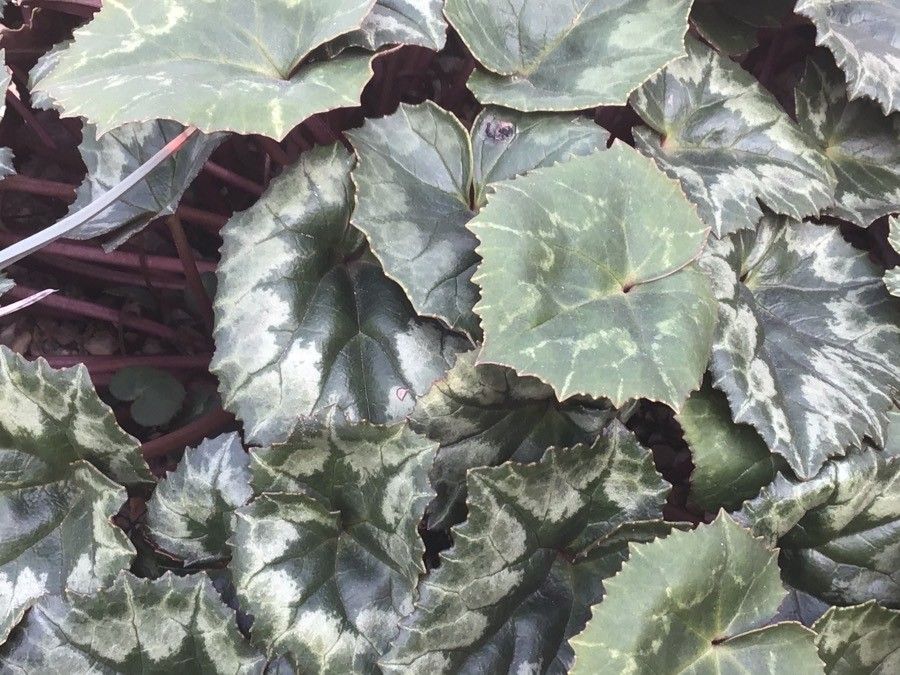
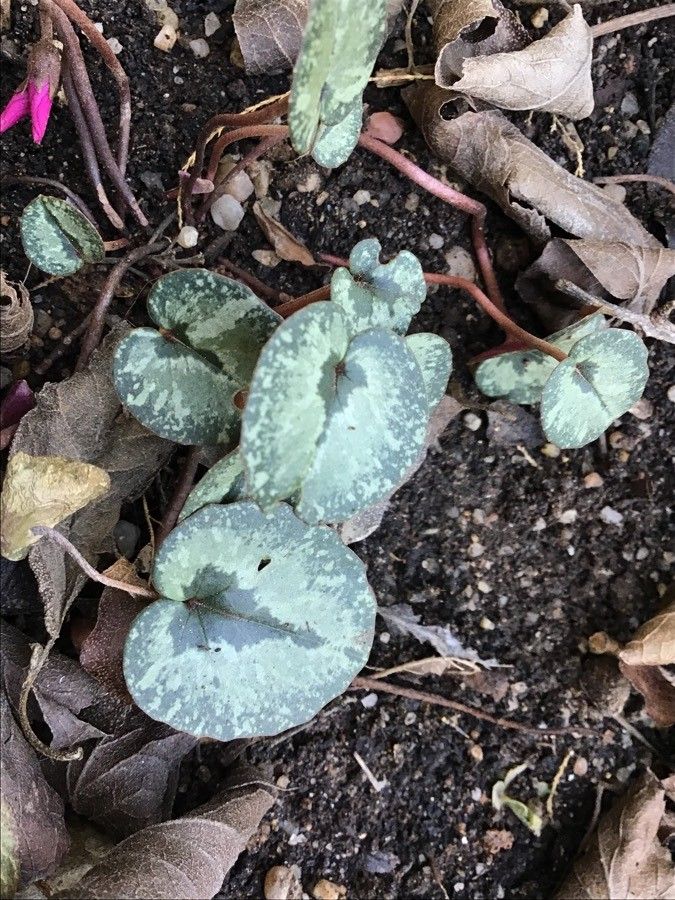
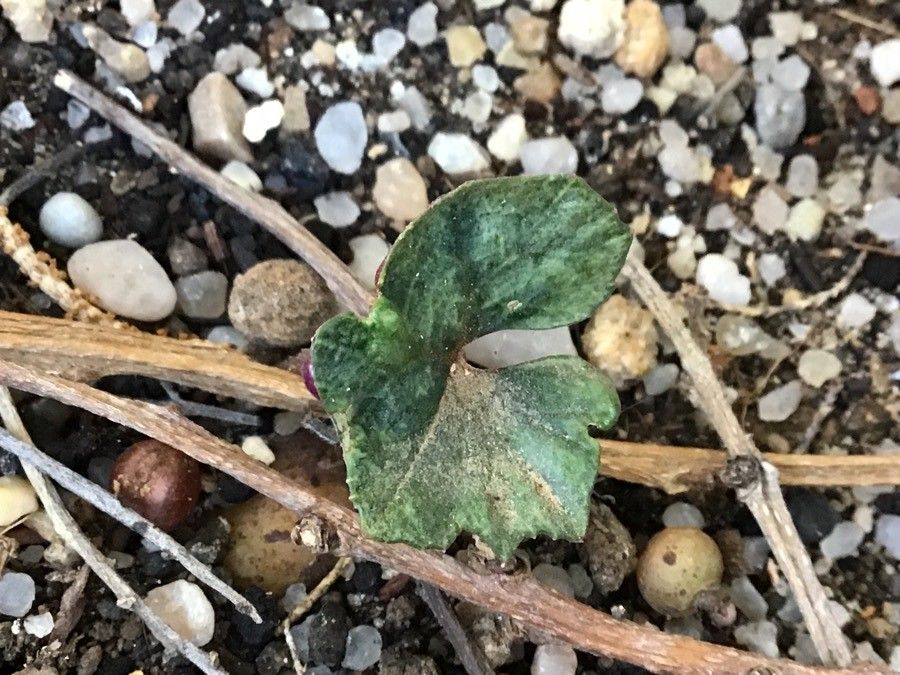
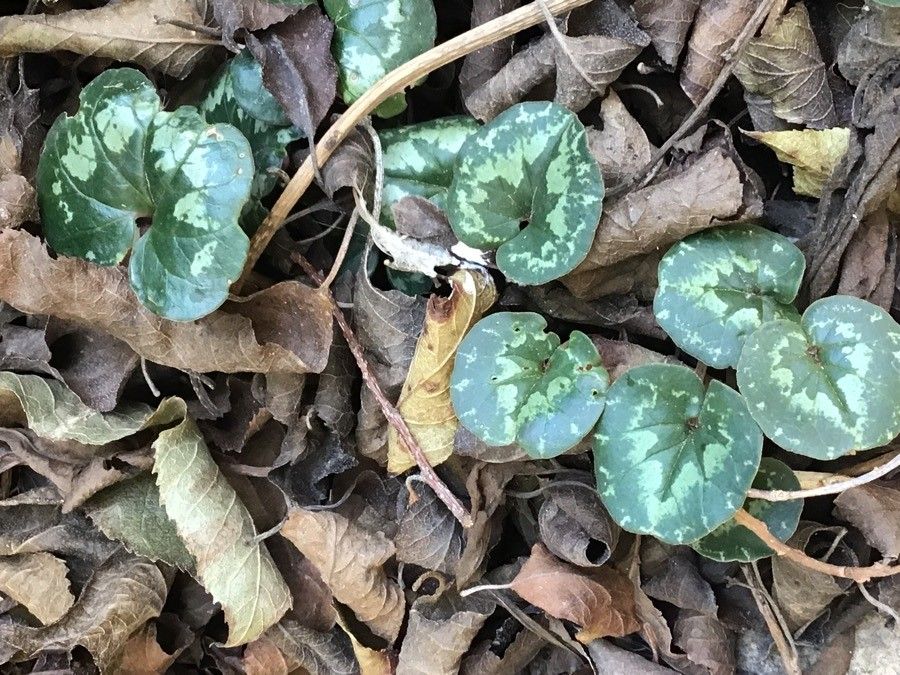
Cyclamen graecum, the Greek cyclamen, is a perennial plant in the flowering plant family Primulaceae that grows from a tuber. It is native to southern Greece, southern Turkey and neighboring islands and is prized for its variable leaf forms, which include some of the most striking of any cyclamen.
Greek cyclamen is largely disease-resistant and typically not susceptible to illnesses. Still, it can be affected by pests and diseases present in its surroundings. These outbreaks are generally mild. This plant requires medium maintenance. It should be pruned regularly to preserve a good appearance and encourage healthy growth. Applying fertilizer can also help stimulate flowering. Greek cyclamen is well suited for anyone with outdoor space, such as a garden or patio, and does not demand extensive care experience. It may need more attention when kept indoors.
How to keep Cyclamen Graecum.
Light
Greek cyclamen naturally occurs in habitats like forest understories or rocky sites, where it receives natural shade. It prefers partial sun but is able to tolerate full sun or full shade, showing its hardiness and adaptability.
Water
Greek cyclamen thrives in conditions similar to its native Mediterranean habitat, which involves a balanced water supply and moderate drought tolerance. For optimal growth, it should be watered weekly to ensure consistent moisture, especially when grown outdoors. As an evergreen plant, Greek cyclamen retains its leaves throughout the year.
Temperature
Greek cyclamen can adjust to a broad spectrum of temperatures, but its range may still be restricted by various combinations of moisture and heat. It performs best in warm summer conditions with sufficient rainfall or watering. Extended periods of cloudy, rainy weather or prolonged high temperatures raise the risk of the plant dying. In winter, guarding it against cold can increase its chances of survival.
Fertilizer
For Greek cyclamen, the primary time to fertilize is early spring when flowers begin to form. The correct fertilizer promotes improved blooms and helps Greek cyclamen produce attractive flowers. Fertilizing in early spring ensures strong flowering during the season and supplies energy for dormant growth phases.
Pruning
Pruning Greek cyclamen from early to late spring helps enhance its vibrant flowers and heart-shaped leaves. By removing spent blooms and yellowing leaves, you encourage new growth, prevent fungal infections, and improve air circulation. Regular maintenance ensures that Greek cyclamen remains vigorous and visually appealing throughout the growing season.
Pot & Repot
When repotting Greek cyclamen, choose a pot 1-2 inches (2.5–5.1 cm) larger with ample drainage. Use a well-draining potting mix. Repot in spring or fall, making sure the root ball sits slightly below the rim of the pot. Water thoroughly after repotting and place in a warm spot with indirect sunlight.
Botanical profile.
- Plant Type
- Herb
- Life Cycle
- Perennial
- Genus
- Cyclamen
- Family
- Primulaceae
- Hardiness Zone
- 7-9
- Mature Height
- 10 cm
- Mature Spread
- 15 cm
- Leaf Color
- Green, Gray, Silver
- Leaf Type
- Semi-evergreen
- Flower Color
- Pink, White
- Flower Size
- 3.05 cm to 5.08 cm
- Bloom Time
- Mid fall, Late fall, Early winter
- Planting Time
- Autumn
- Harvest Time
- Mid winter, Late winter, Early spring
Other names.
Reader questions.
How much sunlight does Greek cyclamen require?
Greek cyclamen, or Cyclamen graecum, thrives in varying sunlight conditions. For partial sun, it requires about 3-6 hours of sunlight, making it suitable for spots that have a mix of light and shade throughout the day. In cases where it is placed in full shade, it should receive less than 3 hours of sunlight. Observing how sunlight moves through your garden will help you choose the optimal location, ensuring your Greek cyclamen's health and happiness by providing the right balance of light and shade.
What is the common and botanic name of Greek cyclamen?
The common name for Cyclamen graecum is Greek cyclamen. It is known by its botanical name as Cyclamen graecum.