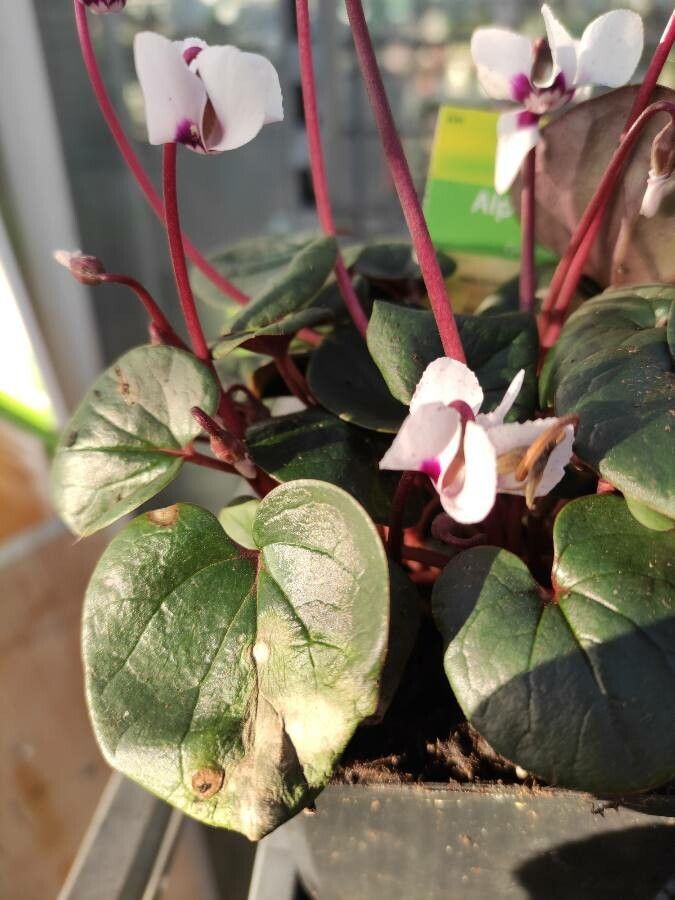
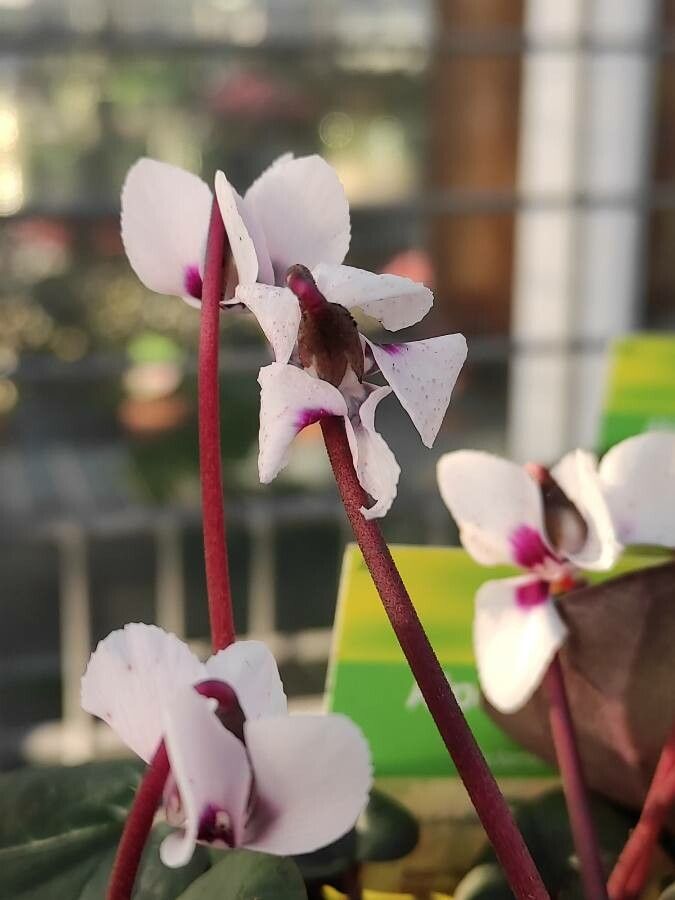
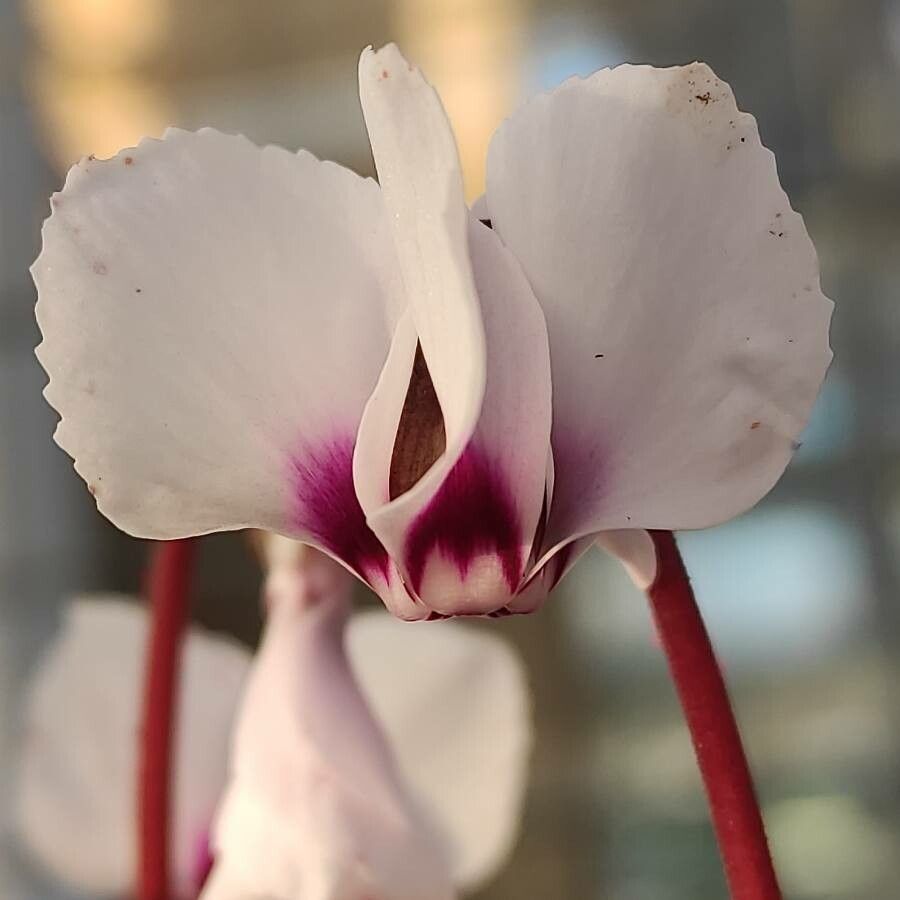
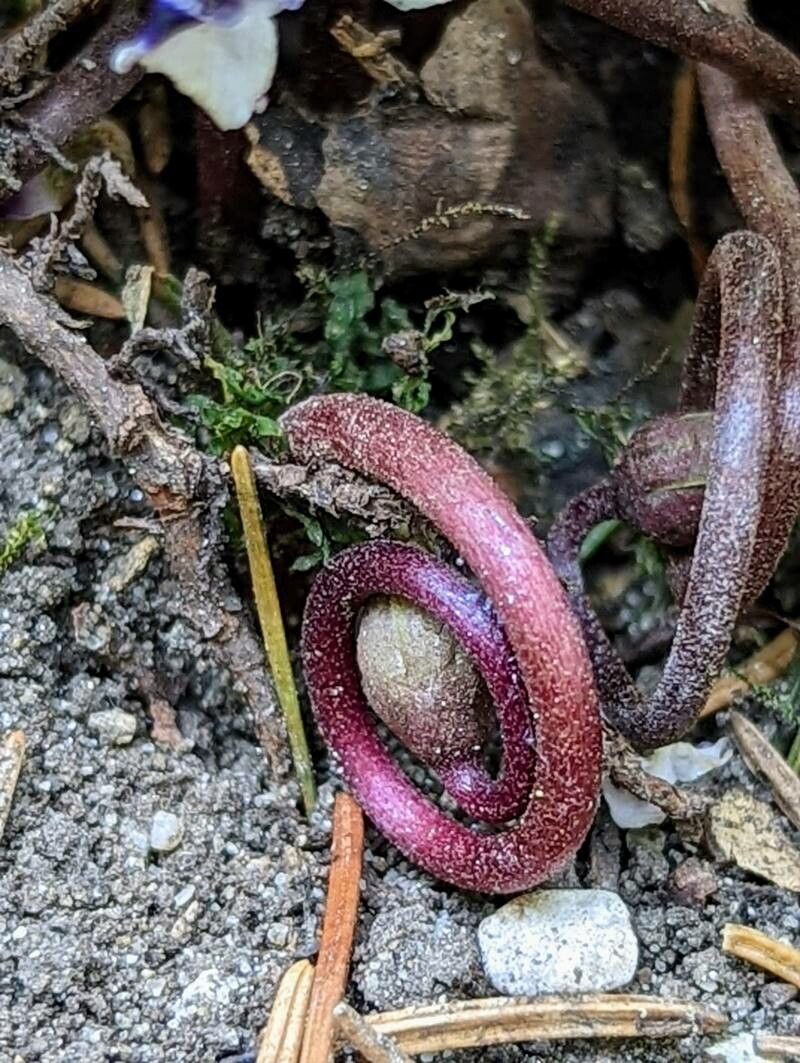
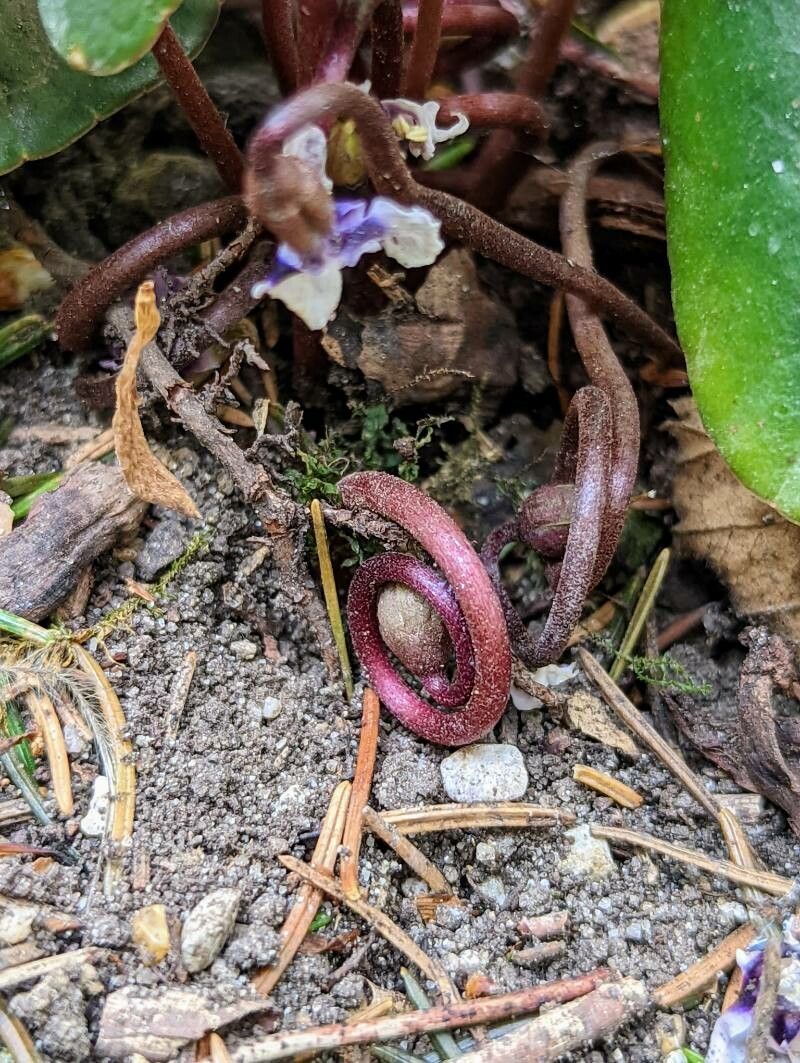
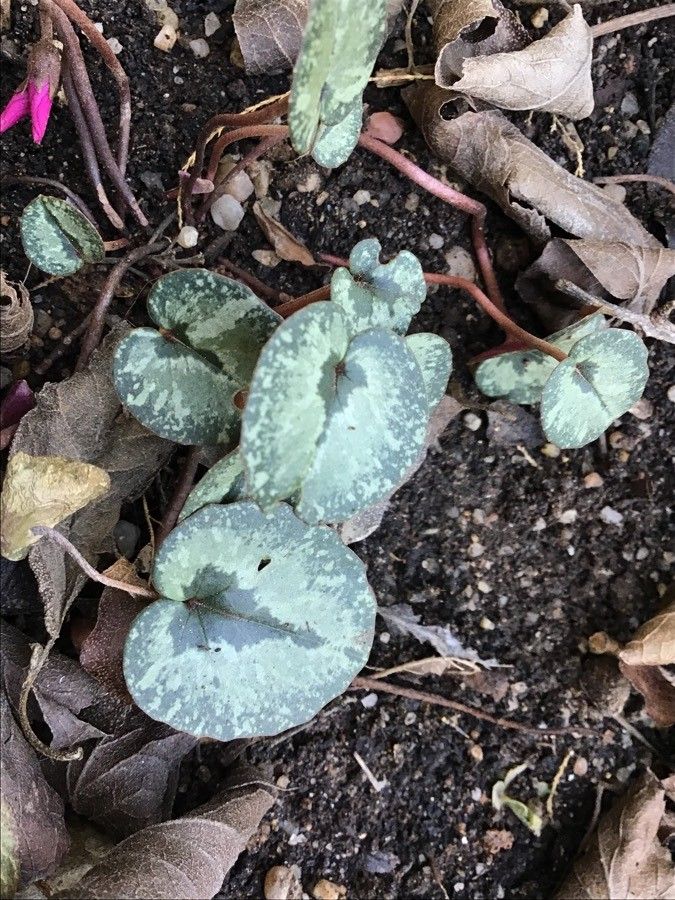
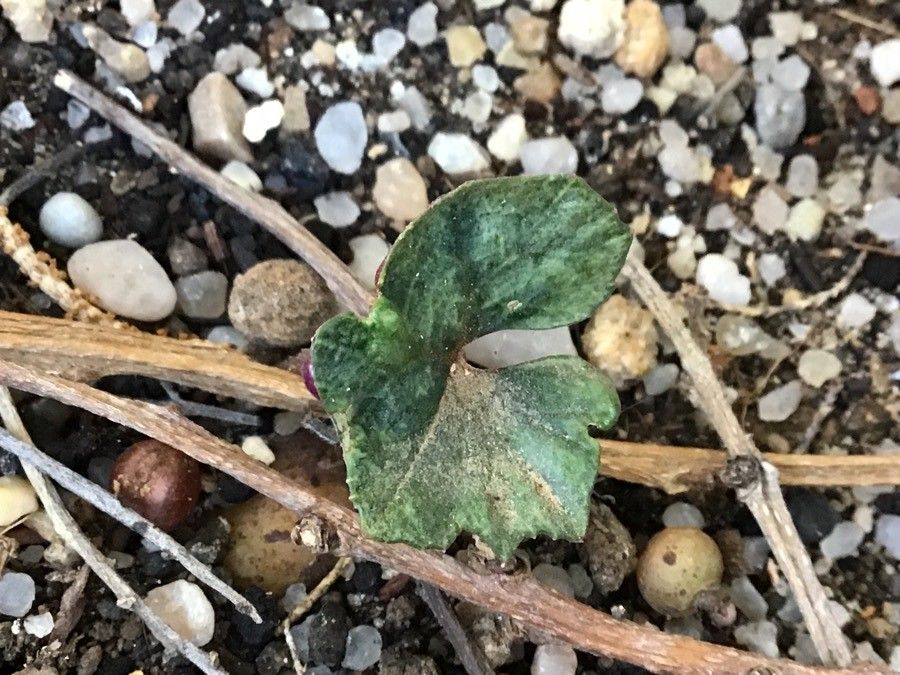
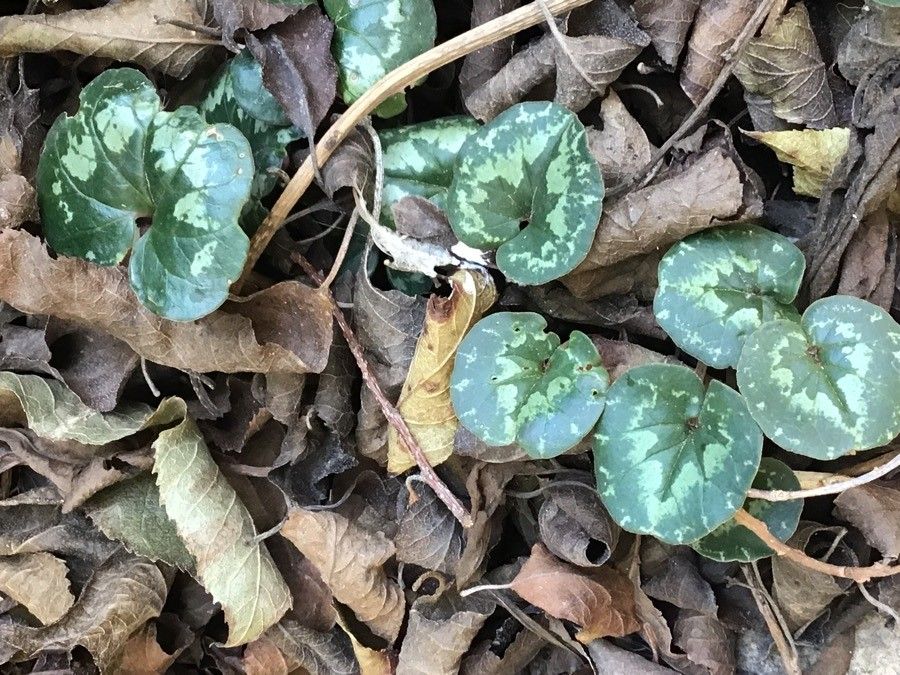
Cyclamen coum, the eastern sowbread, is a species of flowering plant in the family Primulaceae. It is a tuberous herbaceous perennial, growing to 5–8 cm (2–3 in), with rounded heart-shaped leaves and pink shell-shaped flowers with darker coloration at the base. It is valued in horticulture as groundcover, and for the flowers which bloom in winter and early spring.
Purple cyclamen is fairly resistant to diseases and typically does not suffer from them. Still, it can be affected by pests and illnesses found in its environment, though these problems are generally mild. Carewise, the plant needs moderate attention. It should be pruned regularly to preserve a neat appearance and healthy development, and feeding it can encourage more blooms. Purple cyclamen is appropriate for anyone who has outdoor space, like a garden or patio, and does not demand extensive gardening experience. It may need extra care if cultivated indoors.
How to keep Cyclamen Coum.
Light
Purple cyclamen grows best with moderate sunlight, similar to the dappled light beneath a tree canopy. It can also tolerate more shaded spots without difficulty. However, constant shade may restrict its healthy growth. The plant does benefit from protection against harsh, unfiltered sunlight.
Water
Eastern sowbread, native to the Mediterranean region, thrives with moderate humidity and consistent moisture, avoiding waterlogging. Watering once a week is ideal. It prefers indirect light, making it well-suited for indoor container gardening. Its bulbous structure helps retain water, especially during its active growing season.
Temperature
Purple cyclamen is naturally suited to cooler climates, with temperatures from 41 to 95 °F (5 to 35 ℃) in its native habitat. It can, however, tolerate and adapt to different seasonal temperatures if needed.
Fertilizer
For Purple cyclamen, the primary time to fertilize is in early spring when the flowers are forming. The appropriate fertilizer promotes better blooms and helps Purple cyclamen produce attractive flowers. Fertilizing in early spring ensures strong flowering during the season and supplies energy for dormant growth phases.
Pruning
Eastern sowbread has heart-shaped leaves and delicate blooms. To keep the plant healthy and prevent disease, prune it between early and late spring. This helps remove spent flowers and yellow leaves, encouraging new growth. Regular pruning maintains the plant's vigor and tidiness. Be sure to use clean, sharp tools to reduce stress on the plant.
Pot & Repot
When repotting Purple cyclamen, choose a pot 1-2 inches (2.5–5.1 cm) larger that has good drainage. Use a well-draining potting mix. Repot in spring or fall, making sure the root ball sits slightly lower than the rim of the flower pot. Water thoroughly after repotting and place it in a warm spot with indirect sunlight.
Botanical profile.
- Plant Type
- Herb
- Life Cycle
- Perennial
- Genus
- Cyclamen
- Family
- Primulaceae
- Hardiness Zone
- 5-9
- Mature Height
- 8 cm to 15 cm
- Mature Spread
- 30 cm
- Leaf Color
- Green, Silver, Gray, Variegated
- Leaf Type
- Evergreen
- Flower Color
- Pink, Purple
- Flower Size
- 2.54 cm to 5.08 cm
- Bloom Time
- Mid summer, Late summer, Early fall, Mid fall
- Planting Time
- Spring, Autumn
- Harvest Time
- Late fall, Winter
- Native Area
- Germany, Austria, Italy, Switzerland, Czech Republic, Serbia, Slovakia, Poland, Hungary, Croatia, Slovenia, France
Other names.
Reader questions.
How should I water my Eastern sowbread?
To properly water the Eastern sowbread, it is important to follow these guidelines. Firstly, use filtered water at room temperature or slightly warmer. Tap water may contain harmful particles that could negatively affect the plant's health. The plant prefers the warmth of its natural environment, so avoid using cold water, as it could be a shock to its system. Secondly, it is best to avoid overhead watering, as it can cause issues with the foliage. Instead, saturate the soil with your filtered room temperature water until it is completely soaked. This method benefits the plant by moistening the roots and aiding their spread through the soil, allowing them to absorb necessary nutrients.
Why should I add fertilizer to my Eastern sowbread plant?
The Eastern sowbread has leaves that are essential to its structure. Fertilizing it is crucial for maintaining the quality of these leaves. With proper fertilization, the Eastern sowbread will have consistent color and a healthy texture. Fertilization also benefits the plant below the surface by promoting the growth of new roots and maintaining existing ones. This ensures the plant's ongoing health and ability to absorb nutrients from the soil in the future.
What are the sunlight requirements for Eastern sowbread?
Eastern sowbread requires partial sun, meaning it thrives in about 3-6 hours of sunlight daily, but it can also grow in full shade, which is less than 3 hours of sunlight. It's important to observe how sunlight moves through your garden to find the best spots that offer a balance of light and shade, ensuring the plant's health. This plant, being versatile, can naturally adapt to environments like forest understories or rocky areas where it experiences natural shade. Whether in partial sun or full shade, Eastern sowbread remains a resilient perennial herbaceous plant.
What should I do if I give too much or too little water to my Eastern sowbread?
Overwatering is a more common issue than underwatering for Eastern sowbread. When overwatered, the stems and leaves wilt and turn yellow. Over time, overwatering can lead to diseases like root rot, mold, and mildew, which can be fatal for the plant. Underwatering is less common, but can still happen. Signs of underwatering include brittle and brown leaves. It is important to catch signs of overwatering early as some diseases may not be fixable if left too long. Reduce watering immediately if signs of overwatering are present. Check the soil drainage and replace it with a well-draining potting mix if necessary. If signs of underwatering are present, water more regularly until the signs go away.
When should I fertilize my Eastern sowbread to get the best results?
If you cultivate Eastern sowbread outdoors annually, this perennial plant will produce new growth in early spring. These emerging leaves indicate that it's time to start fertilizing for the year. While a single application of fertilizer in the spring is usually sufficient, you can enhance the growth of your Eastern sowbread by fertilizing multiple times throughout the spring and early summer. If you decide to do this, you can feed your Eastern sowbread approximately once every month to a month and a half.
How can artificial lighting benefit indoor Eastern sowbread plants?
When natural sunlight is insufficient for indoor Eastern sowbread plants, especially during winter or in less sunny spaces, artificial lighting becomes crucial for their growth. Adequate lighting can be provided by LEDs, which are customizable to emit specific wavelengths needed by the plant. Different plants require varying intensities of artificial light: Full sun plants need 30-50W/sq ft, partial sun plants need 20-30W/sq ft, and full shade plants need 10-20W/sq ft of artificial light. The light source should be placed 12-36 inches above the plant, and it's recommended to mimic natural daylight hours, usually providing 8-12 hours of light per day.
How much water does my Eastern sowbread need?
If your Eastern sowbread plant is in a pot, you can determine if it needs water by sticking your finger into the soil. If the top two to three inches of soil are dry, it's time to water it. The same method can be used if you are growing the plant outdoors in the ground. In the spring and early fall, watering once a week is usually sufficient. However, during very hot weather, you may need to water it twice or more per week. It's worth noting that mature and well-established Eastern sowbread plants can tolerate drought well.
When is the best time to not use fertilizer on my Eastern sowbread?
During the late fall and winter, the Eastern sowbread enters a dormant phase where it stops producing new growth. Therefore, it is important to avoid fertilizing it during this time. In the spring and summer, if you decide to fertilize multiple times, it is recommended to gradually reduce the amount of fertilizer as summer approaches. This is because the growth rate of the Eastern sowbread also slows down during this period. It is generally not a good idea to fertilize the Eastern sowbread when the weather is unusually hot or the soil is extremely dry. Fertilizing in such conditions can cause stress to the plant and potentially lead to its premature death.
What are the symptoms of light deficiency in Eastern sowbread when grown indoors?
Eastern sowbread can exhibit several symptoms when experiencing insufficient light indoors, including smaller new leaves compared to older ones, leggy or sparse growth, faster leaf drop, slower or halted growth, lighter-colored new leaves, chlorosis (yellowing due to reduced chlorophyll), sunscald, leaf curling, wilting, and leaf scorching. Each symptom indicates various degrees of light deficiency, affecting the plant's ability to photosynthesize effectively and maintain its health. Properly identifying and addressing these issues is key to nurturing a healthy Eastern sowbread.
How much water does my Eastern sowbread plant need?
When watering your Eastern sowbread, don't be afraid to use a generous amount of water. Wait until the top two to three inches of soil are dry, then give the plant a thorough watering. Make sure to soak the soil completely, allowing excess water to drain out through the pot's drainage holes. If you don't see any water draining out, it means you haven't watered enough. However, be cautious not to let water accumulate in the soil, as this can harm the plant. On the other hand, if water is not draining properly, it may indicate poorly draining soil, which is not good for the plant's health. If the plant is outdoors, one inch of rain per week should be sufficient.
What kind of fertilizer does my Eastern sowbread plant need?
Choosing the best fertilizer for an Eastern sowbread plant is actually quite simple. These plants do well with a general-purpose garden fertilizer that contains equal amounts of nitrogen, phosphorus, and potassium. A fertilizer with a 10-10-10 ratio or something similar will work effectively. Avoid fertilizers with high nitrogen levels if you're uncertain. Most of the suitable fertilizers for an Eastern sowbread come in granular form. These should be slow-release and easy to apply to the soil. You can also consider feeding your Eastern sowbread with organic soil amendments like compost, which can be beneficial.
What are the recommended solutions for addressing light deficiency in Eastern sowbread?
For indoor Eastern sowbread plants, gradually moving them to sunnier spots to provide 3-6 hours of direct sunlight daily or using artificial lights (like desk or ceiling lamps for at least 8 hours daily or professional plant grow lights) can optimize growth. For outdoor plants, gradually moving them to sunnier locations each week is advisable to avoid sunburn. Reducing sunlight obstructions and transplanting smaller plants during their dormant period to areas with ample sunlight and good drainage can also help. It's important to note that while damaged parts may not recover, new growth after increasing light exposure will be healthy.