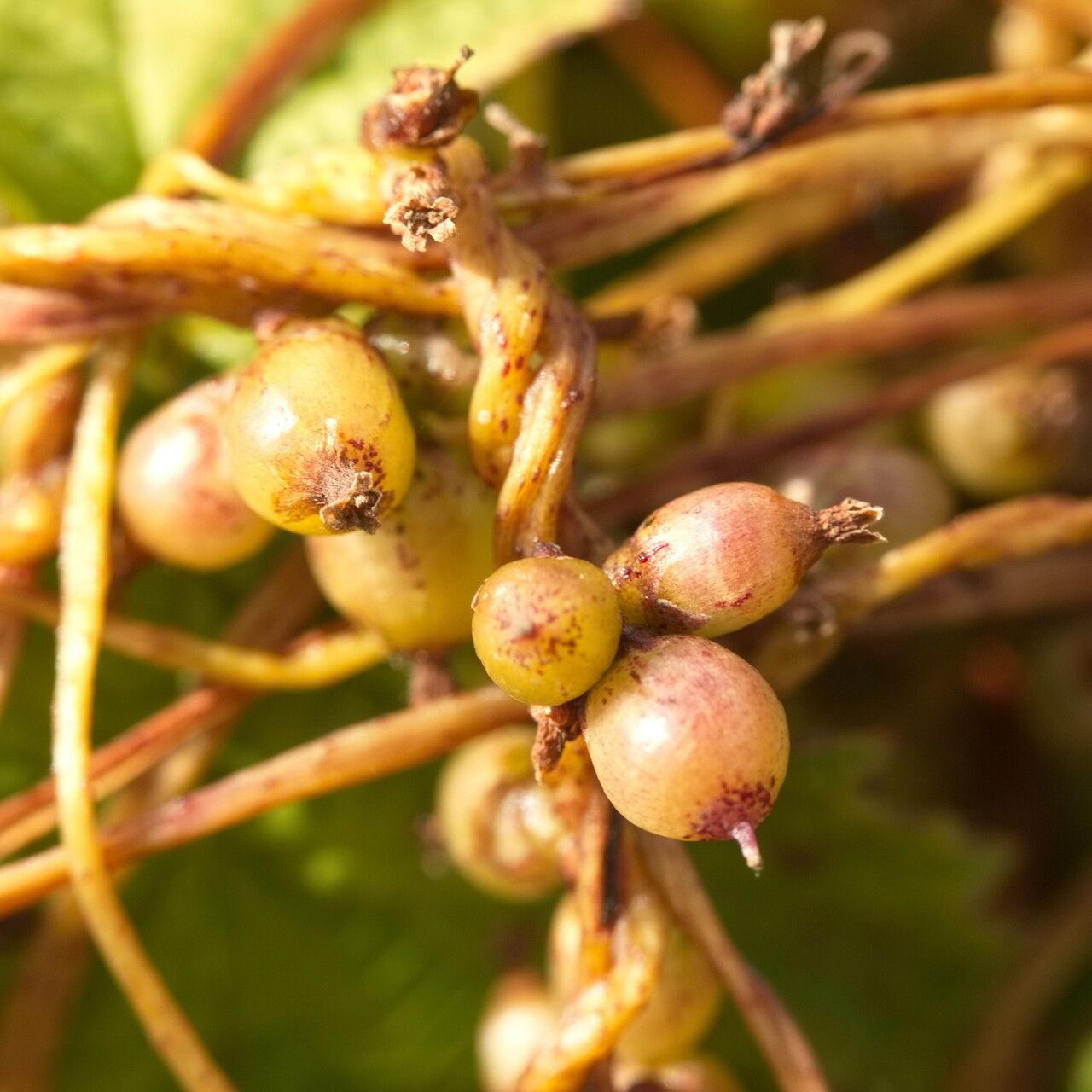
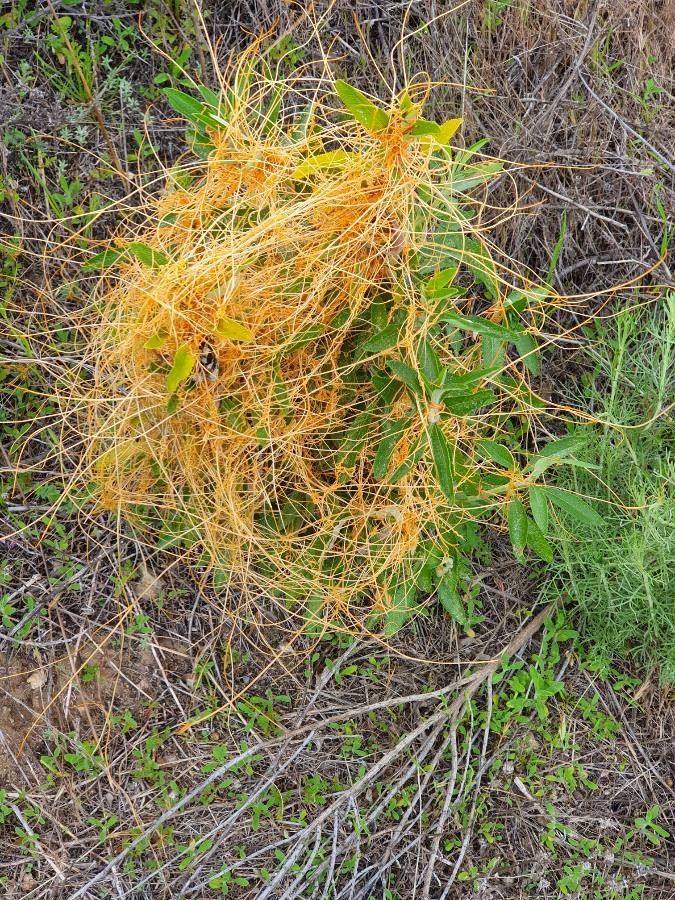
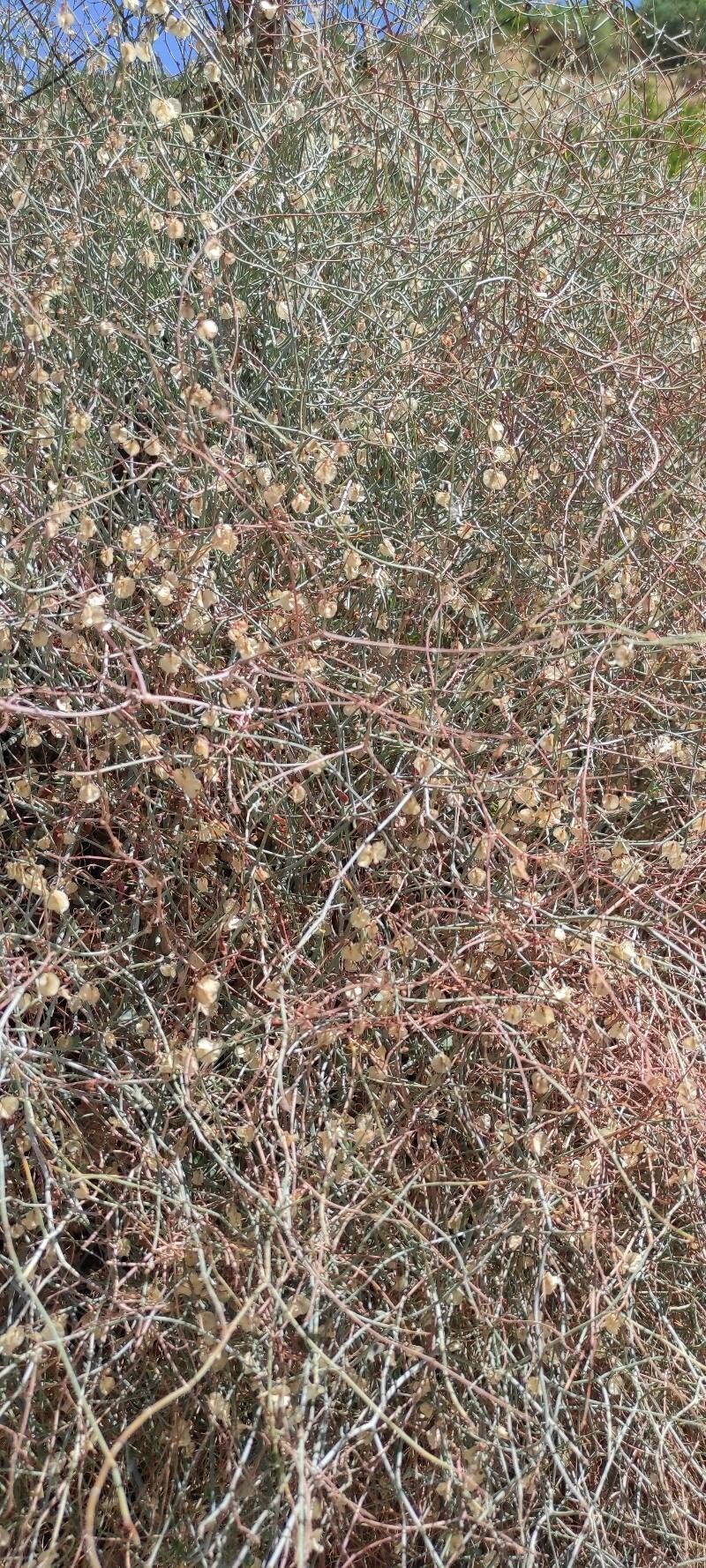
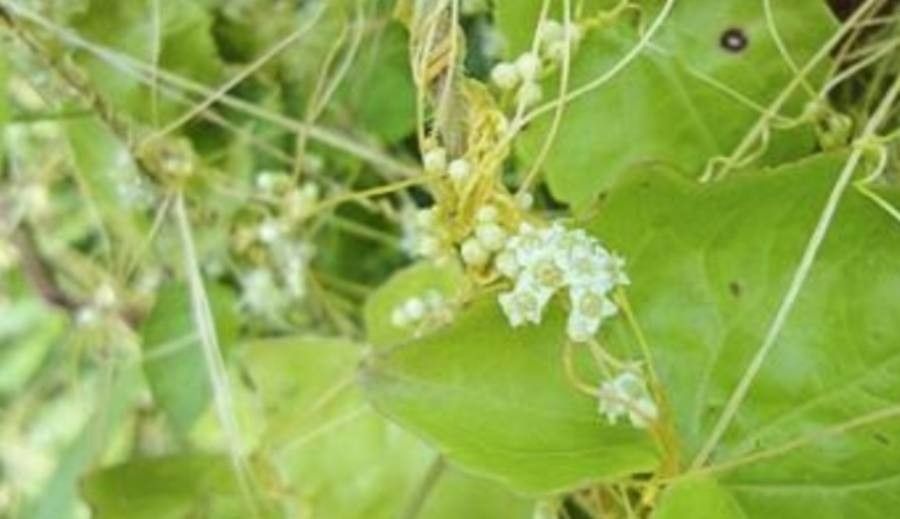
Willow dodder has strong resistance to disease and is generally not highly susceptible to illnesses. Still, it can be affected by pests and diseases found in its environment. When infections do occur, they are typically mild. Regarding care, this plant needs a moderate amount of attention. Regular pruning is necessary to preserve an attractive appearance and encourage healthy growth. Applying fertilizer can also aid in boosting flowering. Willow dodder is appropriate for anyone with outdoor space, such as a garden or patio, and does not demand extensive gardening experience. It may need extra care if cultivated indoors.
How to keep Cuscuta Lupuliformis.
Light
Willow dodder originates in bright, open habitats where it flourishes in full sun. It can tolerate partial sun but prefers direct sunlight for optimal growth. This plant, which may be annual or biennial, is known for its sun-loving nature.
Water
Willow dodder thrives in consistently moist environments and requires watering twice a week for optimal health. Although it has a moderate tolerance to drought, it performs best with regular moisture. To prevent waterlogging, especially during heavy rain, ensure that the soil has adequate drainage, as this plant is primarily grown outdoors.
Temperature
Willow dodder can tolerate a wide range of temperatures, but its distribution may still be restricted by various combinations of moisture and heat. It does best in warm summer climates with sufficient rainfall or watering. Extended stretches of cloudy, rainy weather, as well as prolonged excessive heat, can increase the likelihood of Willow dodder dying. In winter, shielding it from cold can improve its chances of survival.
Fertilizer
Willow dodder responds well to regular, dilute fertilizer applications to encourage healthy leaf growth. You should feed Willow dodder about once a month during the summer. Nitrogen is important for foliage, and providing nitrogen-rich sources helps Willow dodder thrive.
Pruning
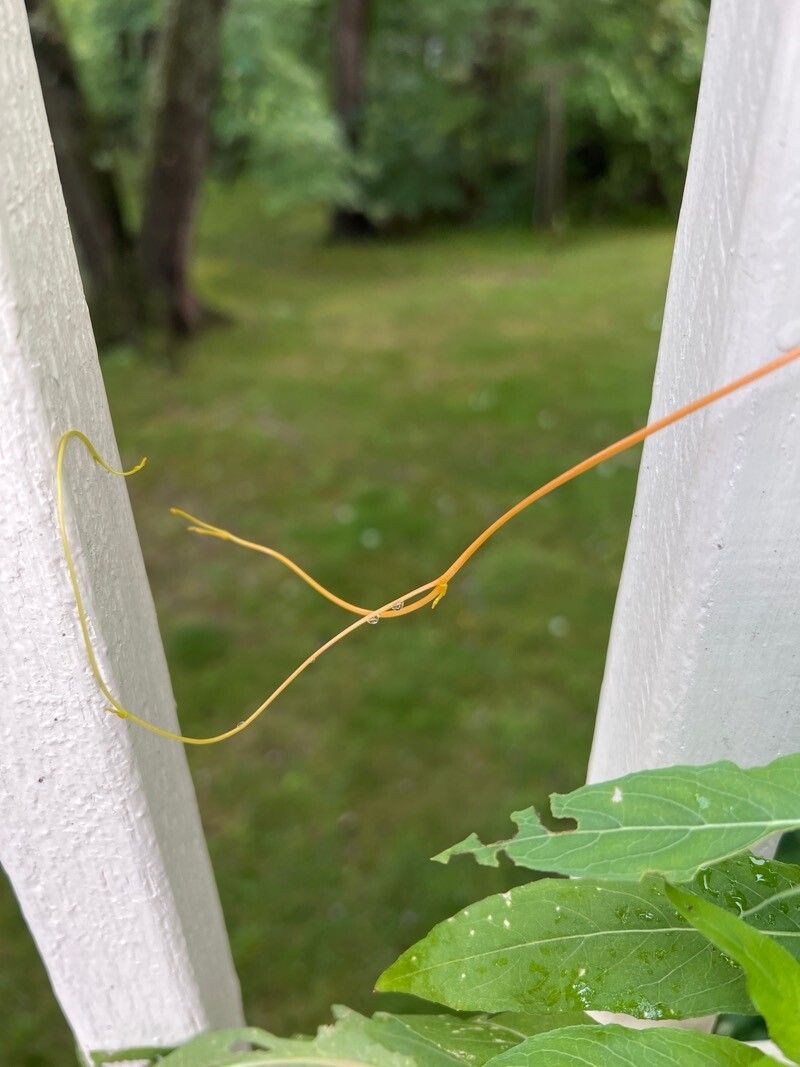
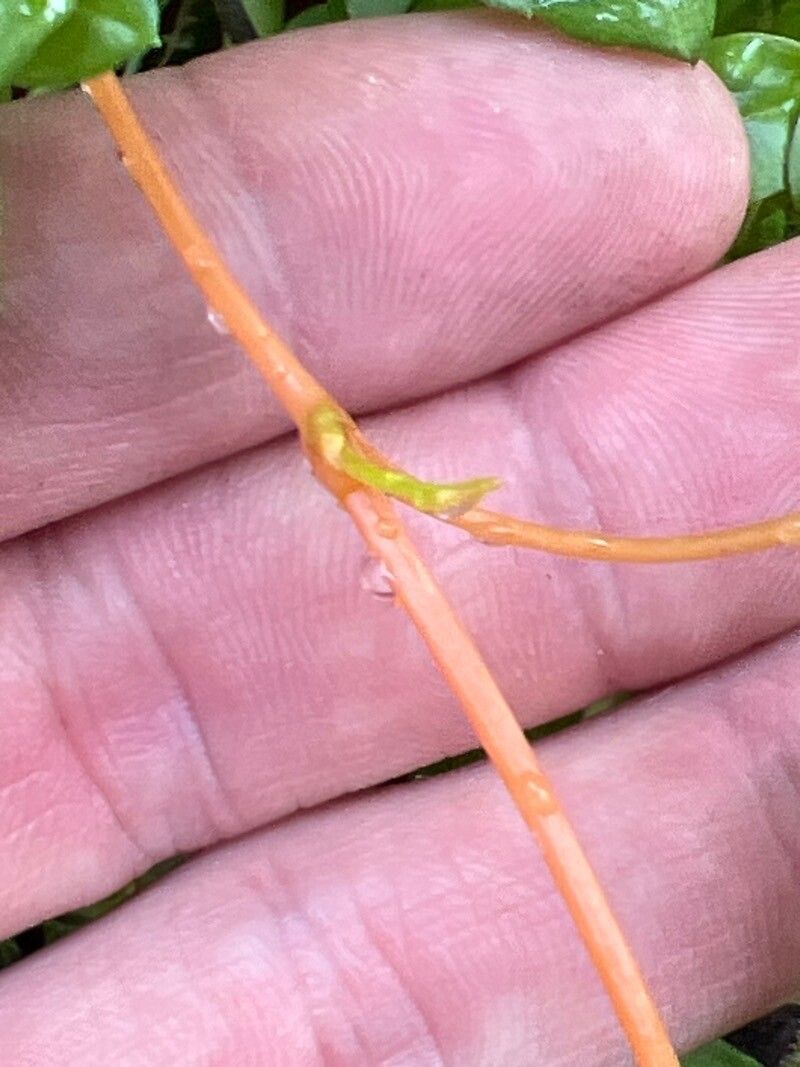
To control the willow dodder, a parasitic plant with yellowish, thread-like stems, it is important to prune it in early and late spring. Start by removing any infested strands from the host plants and make sure the host plants are healthy enough to recover. This approach helps manage the aggressive growth of willow dodder and promotes the overall health of your garden. For more detailed guidance, consult horticultural resources.
Botanical profile.
- Plant Type
- Herb
- Life Cycle
- Annual
- Genus
- Cuscuta
- Family
- Convolvulaceae
- Hardiness Zone
- 5-9
- Mature Height
- 0.91 m to 3.05 m
- Leaf Color
- Yellow, Yellow Green
- Leaf Type
- Semi-evergreen
- Flower Color
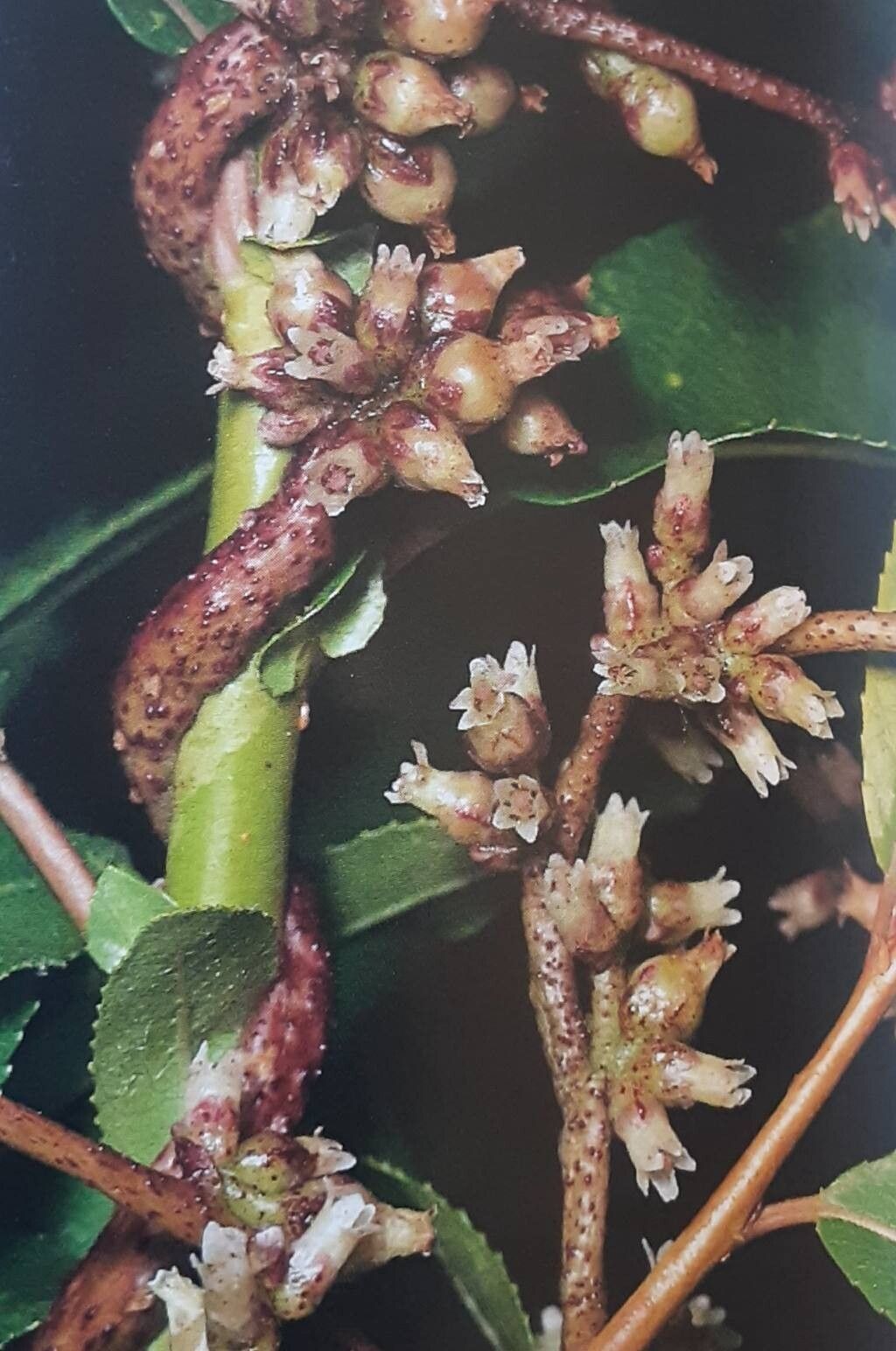
- White, Cream
- Flower Size
- 0.25 cm to 0.51 cm
- Bloom Time
- Summer
- Planting Time
- Spring, Summer
- Harvest Time
- Late summer, Early fall, Mid fall
- Native Area
- Tajikistan, Turkey, Austria, Czech Republic, Slovakia, Bulgaria, Armenia, Pakistan, Poland, Croatia, Belarus, Ukraine, Serbia, Uzbekistan, Russia, Lithuania, Afghanistan, Germany, Hungary, Kyrgyzstan, Kazakhstan, Mongolia, Romania, Netherlands
Other names.
Reader questions.
What are the sunlight requirements for Willow Dodder (Cuscuta lupuliformis)?
Willow Dodder, known botanically as Cuscuta lupuliformis, thrives best under specific sunlight conditions to ensure its health and growth. It requires 'full sun,' which is defined as receiving above 6 hours of direct sunlight daily, to flourish. Alternatively, it can also grow under 'partial sun' conditions, receiving about 3 to 6 hours of sunlight each day. It's important to observe the movement of sunlight through your garden attentively, selecting locations that offer an optimal mix of light and shade. This careful positioning helps in meeting the plant's needs, promoting its wellbeing.