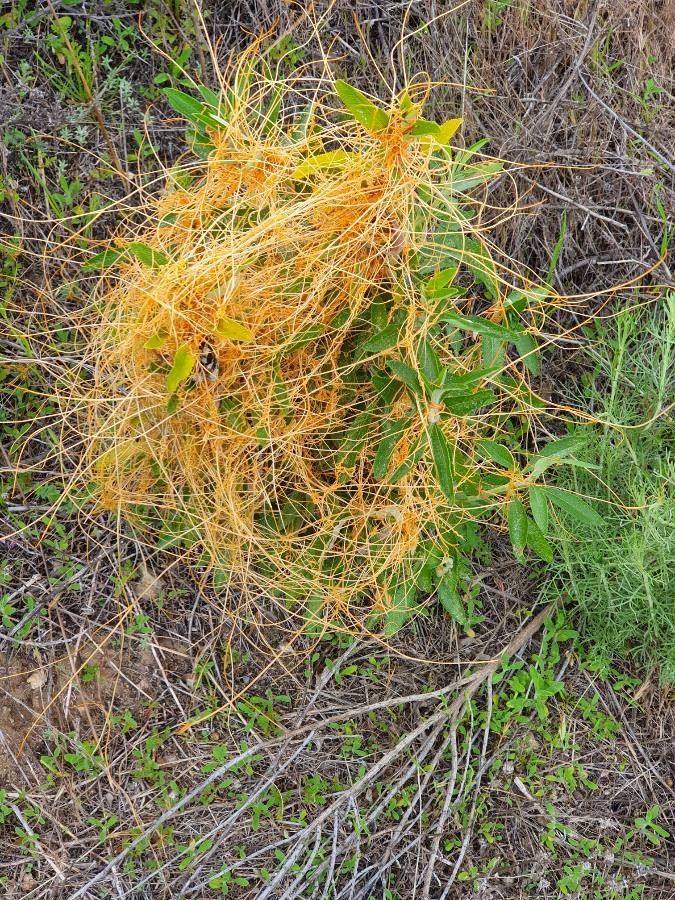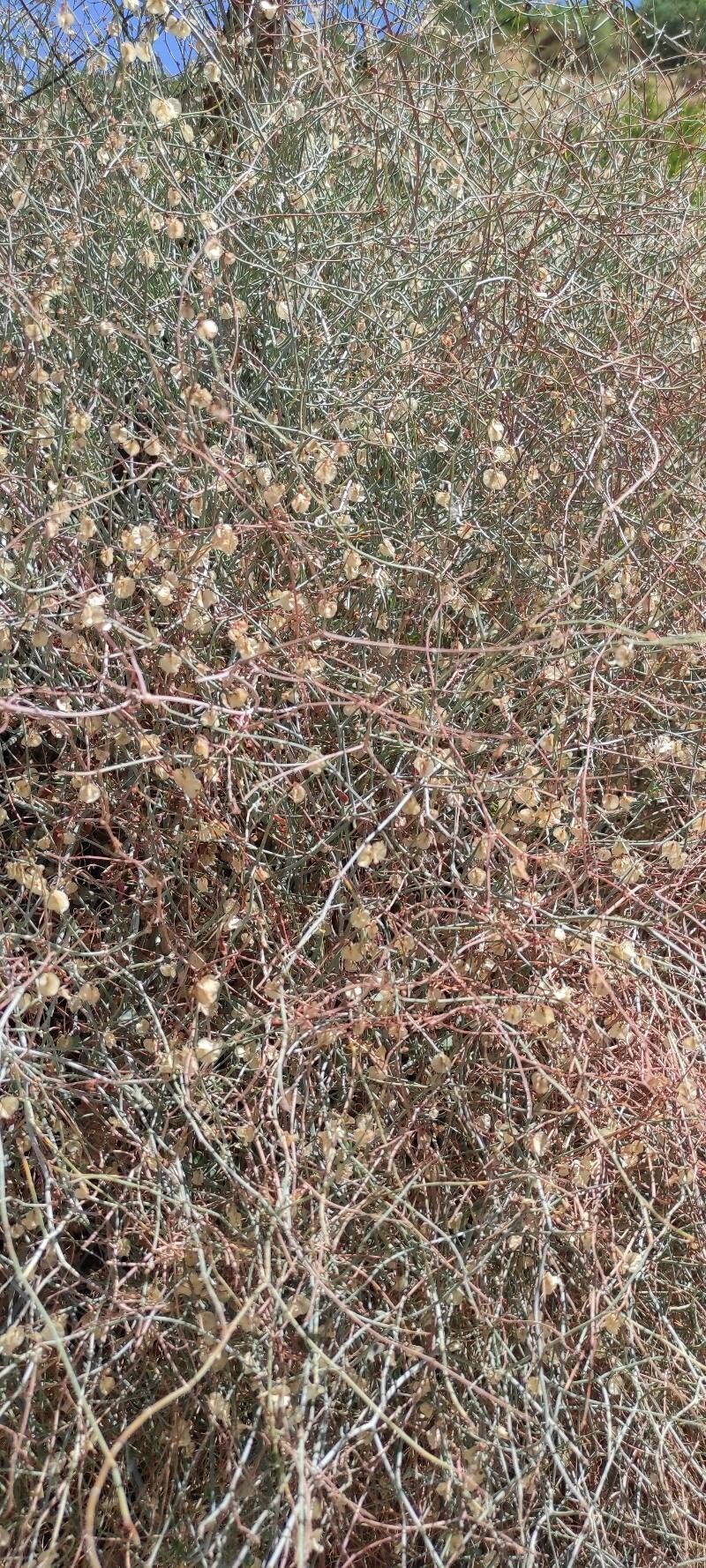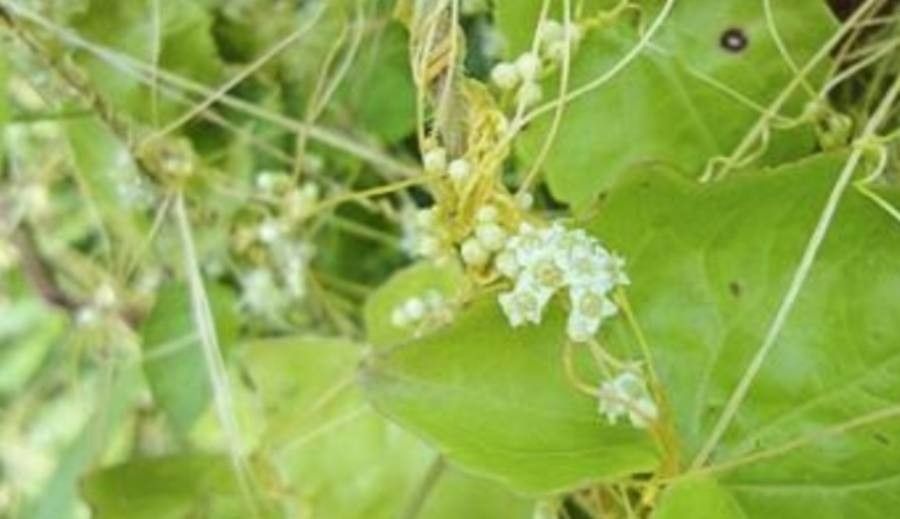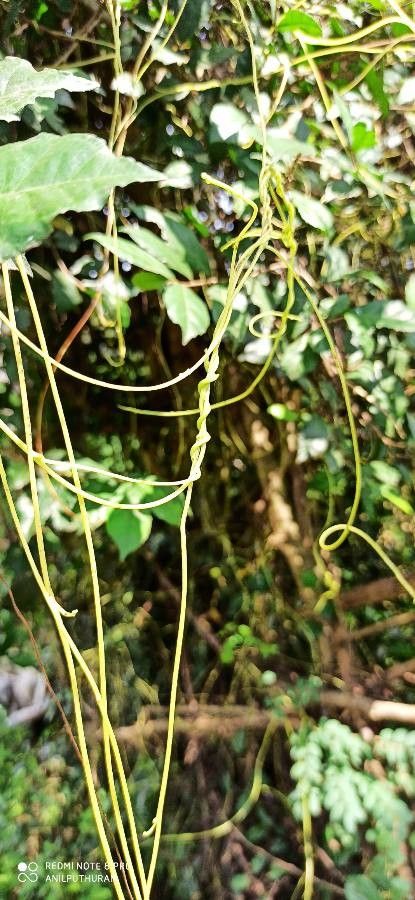
Cuscuta japonica, commonly known as Japanese dodder, is a parasitic vine. It has been listed by the State of California as a noxious weed. It has a range of effects on its host and has repeatedly been introduced to the United States of America. C. japonica looks very similar to other vines, making it difficult to distinguish.
Japanese dodder is fairly resistant to disease and generally not easily affected by illnesses. However, it can be vulnerable to pests and diseases present in its environment. Such infections are typically not serious. In terms of care, the plant requires moderate maintenance. Regular pruning is needed to preserve a neat appearance and encourage healthy growth. Fertilizing can also help stimulate flowering. Japanese dodder is suitable for people with outdoor spaces like a garden or patio and does not demand much gardening experience. It may need extra care when grown indoors.
How to keep Cuscuta Japonica.
Light
Japanese dodder performs best in locations with abundant sunlight throughout the day. It prospers when given plenty of sun and is less tolerant of places where light is limited. Sunlight is essential for its growth and development, and both too little and too much can stress and impair its health.
Water
Japanese dodder, which originates from moisture-rich environments, thrives when watered regularly once a week. It prefers moderate moisture levels without becoming waterlogged. Typically grown outdoors, Japanese dodder intertwines with host plants, demonstrating its evolutionary reliance on consistent water availability.
Temperature
Japanese dodder originates from habitats where temperatures range between 68 and 95 °F (20 to 35 ℃). It prospers under those conditions and prefers warm climates. If temperatures fall below its favored range, seasonal adjustments might be needed.
Fertilizer
Japanese dodder benefits from regular, light applications of fertilizer to encourage healthy leaf growth. You should fertilize Japanese dodder about once a month during the summer. Nitrogen is essential for foliage, and supplementing with nitrogen-rich sources helps Japanese dodder thrive.
Pruning
Japanese dodder is a parasitic vine that needs careful and timely pruning to manage its spread. Effective techniques involve removing the infested areas and trimming the base vines, ideally between early and late spring. Pruning at this time stimulates growth, enhances the health of the host plant, and helps limit the vine's invasiveness, as supported by authoritative horticultural resources.
Botanical profile.
- Plant Type
- Herb, Vine
- Life Cycle
- Annual
- Genus
- Cuscuta
- Family
- Convolvulaceae
- Hardiness Zone
- 5-9
- Mature Height
- 91 cm
- Mature Spread
- 0.91 m to 2.13 m
- Leaf Color
- Yellow, Orange
- Leaf Type
- Semi-evergreen
- Flower Color
- White
- Flower Size
- 2.54 cm
- Bloom Time
- Summer, Early fall
- Planting Time
- Spring, Summer, Autumn
- Harvest Time
- Late summer, Fall
- Native Area
- Russia, Malaysia, Vietnam, Japan, Mongolia, Koppen, South Korea, Thailand, China
Other names.
Reader questions.
How should I water my Japanese dodder plant in the best way?
Watering Japanese dodder is easy and flexible. You can use various common watering tools like a garden hose with a spray nozzle or a watering can. Japanese dodder is not too picky about the type of water it receives - rainwater, tap water, or filtered water will suffice. However, it's not recommended to water this plant from overhead as it can harm the leaves, flowers, and potentially lead to disease. A drip irrigation system works best for watering Japanese dodder, as it provides even and direct water to the soil. When watering a container-grown Japanese dodder, you can use a cup, watering can, or tap water to directly apply water to the soil.
How many hours of sunlight does Japanese dodder need daily to grow well?
To ensure the well-being of the plants, it is recommended to provide them with 6 to 8 hours of sunlight every day. In particular, they thrive when exposed to more morning light, particularly during the summer season. Japanese dodder, in particular, requires abundant sunlight to flourish. The availability of sunlight directly impacts their ability to create food, blossom beautifully, and thrive in their environment.
What is the best temperature for Japanese dodder plant?
The best temperature for Japanese dodder depends on the time of year. There are two primary seasons to consider: the growing season and the dormancy season. During the growing season, when the plant has started to sprout, the ideal temperature range is between 65~80℉ (18~27℃). If the temperature drops below 15℉ (-10℃), the plant will suffer, with browning and wilting of the leaves. However, if it's a short cold snap, Japanese dodder may survive with some assistance. In the warmer months, it's important to protect the plant from excessively high temperatures. The top temperature range for Japanese dodder is 95-105℉ (35-40℃), as anything above that can damage the foliage and blooms. Hotter temperatures may result in wilting, drooping, and even sunburn on the leaves, making recovery difficult. Fortunately, there are several quick and easy ways to address this issue.
What should I do if I give my Japanese dodder too much or too little water?
Underwatering Japanese dodder can be resolved by watering the plant more regularly. However, overwatering can lead to serious issues, such as diseases and death. To prevent overwatering, choose a well-lit location with good drainage. If you overwater a potted Japanese dodder, consider transferring it to a new pot with proper drainage and loose soil.
What kind of sunlight does Japanese dodder require?
The Japanese dodder thrives in full sunlight, so it's important to give each plant enough space to receive even sun exposure. Avoid depriving the leaves of sunlight. If planting in pots, place the herbaceous flowers in windows with direct sun all year round to ensure they receive the necessary full sunlight. Partial or filtered light is not ideal for the plant, as it can result in weak stems and unhealthy flowers. It is advisable to always keep the Japanese dodder exposed to sunlight.
What temperatures do first-year or seedling Japanese dodder need?
If you have a new Japanese dodder plant that is in its first year, it will need extra care during the coldest months. Frost can be very damaging to a first-year Japanese dodder and may prevent it from growing back in the spring. To protect it, keep the plant at a temperature of 40℉(5℃) or above. This can be done by bringing it indoors or using mulch or fabric barriers to shield it from frost. During the first year or two, it is best to plant Japanese dodder in a shadier spot. Smaller and weaker plants may struggle to regulate their own temperature in the heat, so they should receive no more than five hours of direct sunlight per day, especially if the temperature exceeds 80℉(27℃). To control summer heat, use shadecloth and water or mist the plant regularly.
How often should I give water to my Japanese dodder plant?
To ensure the health of your Japanese dodder, it requires regular watering throughout the growing season. In spring, water once a week. As the season progresses and it gets warmer, increase the watering to two to three times a week. However, be cautious not to exceed this rate as it can harm the plant. It's important to keep the soil moist but not wet, regardless of how often you water. When the Japanese dodder is in a pot, it needs more frequent watering since the soil in pots can dry out faster than ground soil. Generally, water container-grown Japanese dodder a few times a week, compared to once a week for an in-ground plant.
Can the sun harm plants? How can Japanese dodder be shielded from the negative effects of sunlight and heat?
During the summer, when temperatures surpass 90℉(32℃), excessive sunlight can harm the Japanese dodder. Therefore, it is recommended to provide some shade in the afternoon to protect them. It's crucial to remember that summer sunlight is stronger and lasts 50% longer than winter sunlight. If the Japanese dodder is under significant stress from sunlight, ensure they are adequately hydrated. Water them when the top 2 inches of soil are dry, and if it's excessively hot outside, consider moving them indoors if they are in containers. It is common for the plant leaves to wilt during the day, but they typically recover at night. However, if the Japanese dodder continues to droop, it indicates rapid water loss, and you should water them.
How can I keep Japanese dodder safe from very hot or very cold weather?
If cold temperatures below 15℉(-10℃) occur during the growing season for Japanese dodder, there are ways to protect the plant. If it's grown in a container, you can bring it indoors until the temperatures rise. For ground-planted Japanese dodder, you can use mulch or horticultural fabric to create a protective barrier around the plant. Similarly, if temperatures are hotter than 80℉(27℃) in the shade during the day, you should limit the plant's exposure to sunlight. Using shade cloth or fine plastic mesh can help reduce direct sunlight. Another option is to install a misting system that releases cooling mist around the plant's base to lower ground temperatures.
How much water does my Japanese dodder plant require?
Determining how much water to give your Japanese dodder can be done in a few different ways. Some gardeners rely on feeling the soil to determine when to water, aiming to moisten the top six inches of soil. Another approach is using a set measurement, like around two gallons of water per week, considering factors like heat and soil dryness. However, it's important to avoid overwatering if your plant needs less water. When growing Japanese dodder in a container, a different method is needed. You should moisten all layers of dry soil, which can be determined by checking the soil's moisture level with your finger or allowing a slight trickle of excess water to exit the pot's drainage holes.
Should I keep Japanese dodder away from the sun?
The Japanese dodder thrives in the sun and is even heliotropic, meaning it is attracted to the sun. To ensure optimal growth, plant them in south-facing gardens where they can receive sun exposure from morning to afternoon. However, be cautious as excessive sun exposure may cause sunburn. You can protect them from the harsh afternoon and midday sun by placing them under a tree or against a wall for shade. It is not possible to grow the Japanese dodder in shady areas as the larger flowers require a significant amount of energy to grow and produce. For the best results, always provide full sun conditions when setting up the Japanese dodder.
Temperature recommendations for Japanese dodder during the dormant season.
Japanese dodder needs a certain amount of cold during winter to remain dormant until it's ready to sprout. If it sprouts too early, before the last frost has passed, it can be fatal, especially if it already started growing before the frost hit. Ideally, winter temperatures should be below 32℉(0℃), but if they reach 40℉(5℃), it's still okay. In more temperate climates like woodland rainforests, a warm period during winter can cause Japanese dodder to sprout prematurely. If there's still a risk of frost, you can try covering it with clear plastic on stakes to protect the new sprout from cold damage. This cover can be removed once the risk of frost has passed. While Japanese dodder might naturally resprout at the right time, using this method increases the chances of a successful second sprouting.