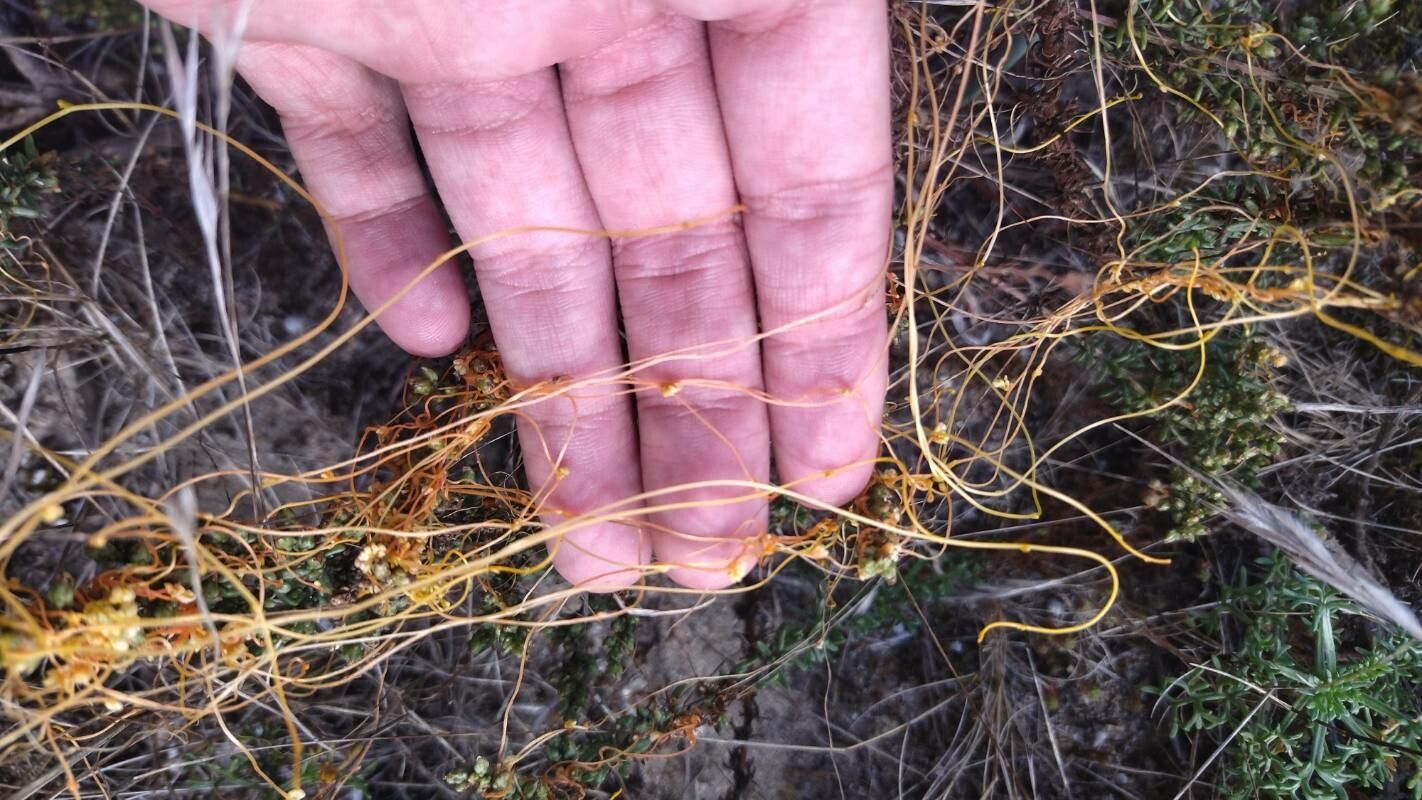
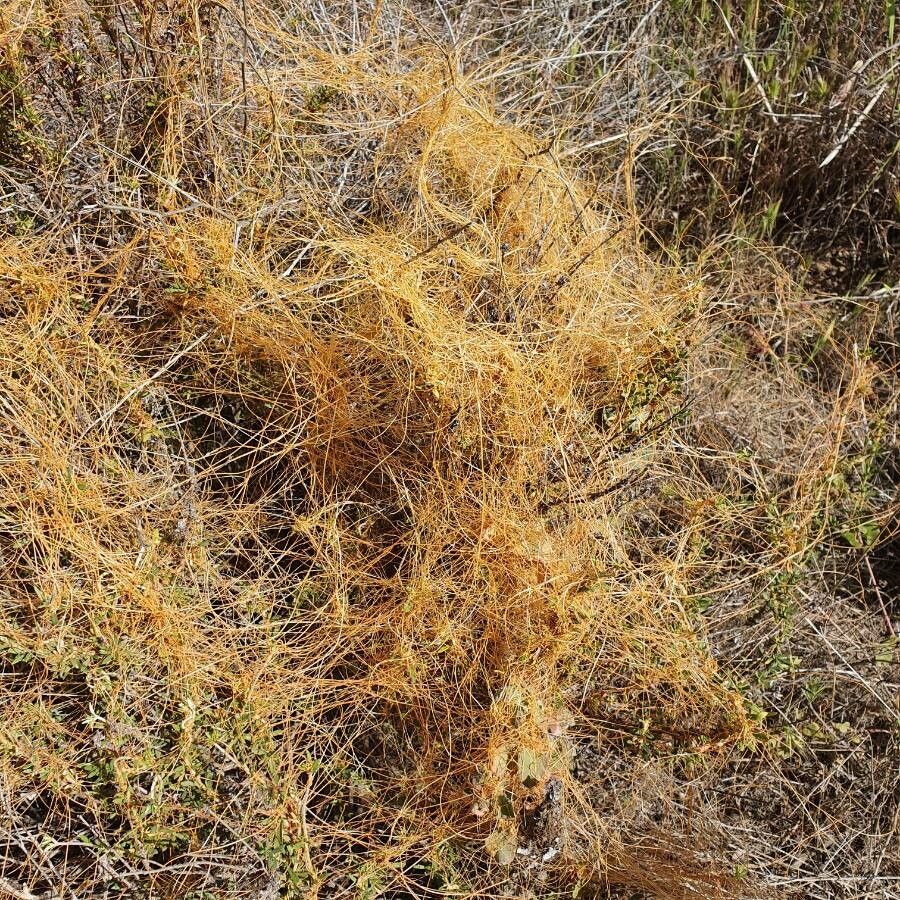
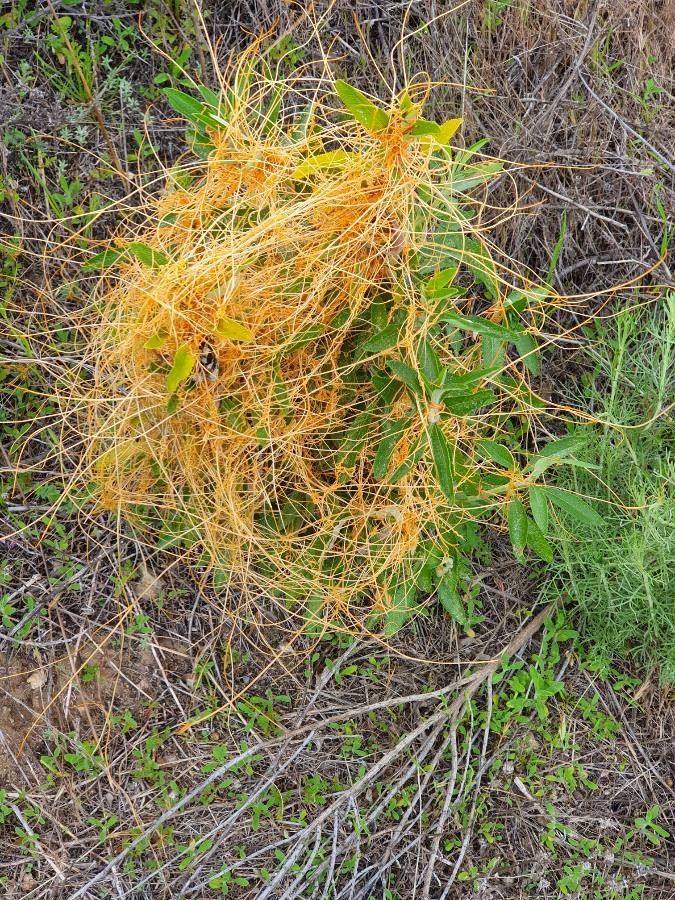
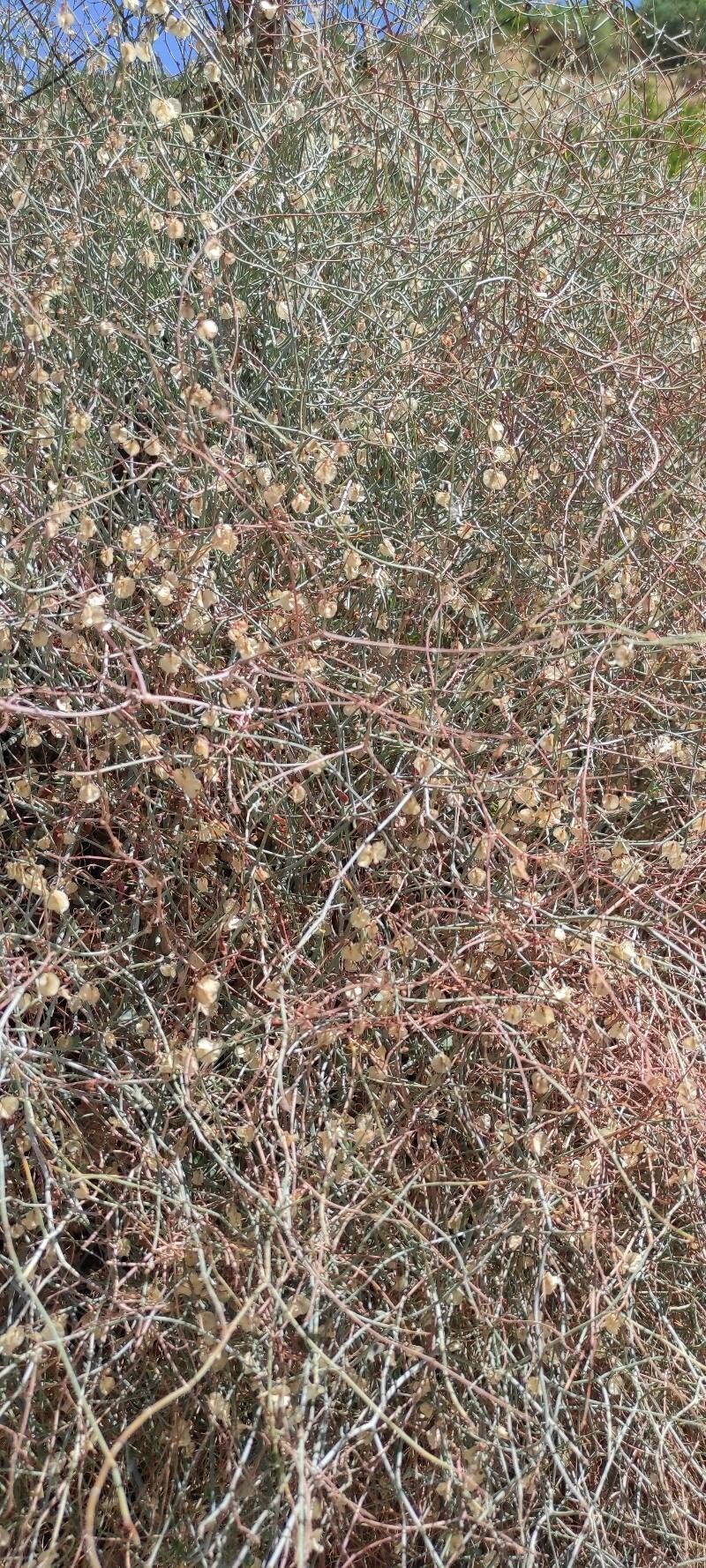
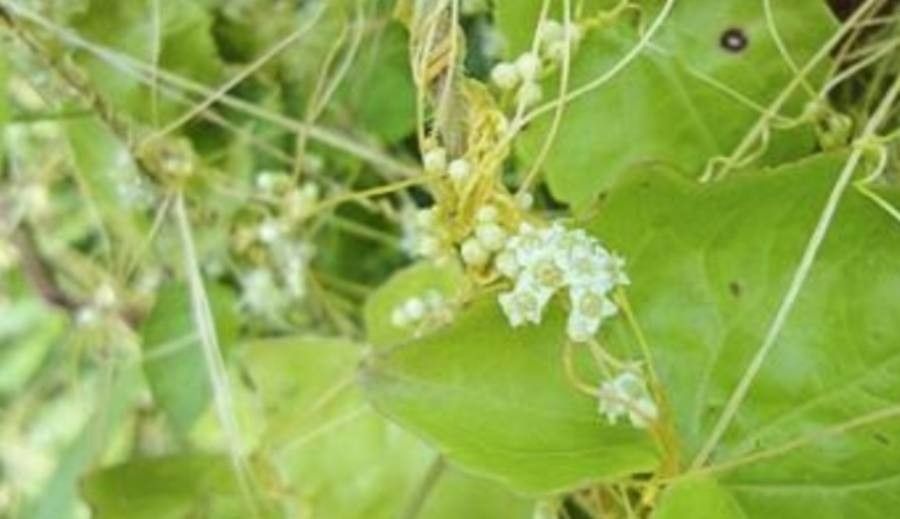
Cuscuta denticulata, commonly known as the toothed dodder, is a parasitic plant belonging to the Convolvulaceae family. Native to North America, it thrives in various habitats, including fields, meadows, and forests. This plant features thin yellow or orange stems that wrap around other plants to extract nutrients.
The leaves of Cuscuta denticulata are reduced to small, non-photosynthetic scales. Its flowers are small, white or pink, and have five petals arranged in a bell shape, blooming from June to September.
Historically, Native Americans have used toothed dodder for medicinal purposes to treat ailments such as headaches, fever, and stomach problems. However, it's important to note that the plant is toxic if ingested.
Beyond its parasitic nature, Cuscuta denticulata plays a vital role in ecosystems by providing food for insects such as bees and butterflies, and serving as a host plant for certain species of moths.
In summary, Cuscuta denticulata is a fascinating parasitic plant with unique adaptations that allow it to survive without photosynthesizing or producing its own nutrients.
Desert dodder has good disease resistance and is generally unlikely to develop illnesses. However, it can be affected by pests and diseases present in its surroundings. These infections are generally mild. In terms of care, this plant needs moderate upkeep. It should be pruned regularly to keep a neat appearance and encourage healthy growth. Fertilizing can also help stimulate flowering. Desert dodder is appropriate for anyone with outdoor space, such as a garden or patio, and does not demand extensive care experience. It may need more attention if grown indoors.
How to keep Cuscuta Denticulata.
Light
Desert dodder comes from sunny, open habitats and does best in full sun. It can handle some partial shade but favors direct sunlight for optimal growth. This plant, which can be annual or biennial, is noted for its sun-loving habit.
Temperature
Desert dodder comes from tropical areas, where conditions are usually warm and humid. Therefore, it is well suited to high heat and moisture. It does not tolerate abrupt temperature changes and prefers a steady temperature, so avoiding indoor temperature swings is important. It generally cannot endure cold and needs relatively high temperatures to grow. If the ambient temperature becomes too low, the plant may stop growing or even die.
Fertilizer
Desert dodder responds well to regular, dilute fertilizer applications to encourage healthy leaf development. Fertilize Desert dodder roughly once a month during the summer. Nitrogen is essential for foliage, and adding nitrogen-rich sources helps Desert dodder thrive.
Pruning
Prune desert dodder in the early to late spring to control its spread and protect host plants. Remove all visible parts to prevent regrowth, and dispose of the pruned material properly to avoid further infestations. Regular pruning helps maintain the health of host plants and reduces the invasiveness of desert dodder.
Botanical profile.
- Plant Type
- Herb, Vine
- Life Cycle
- Annual
- Genus
- Cuscuta
- Family
- Convolvulaceae
- Hardiness Zone
- 8-11
- Mature Height
- 30 cm to 91 cm
- Mature Spread
- 0.49 m to 1.52 m
- Leaf Color
- Yellow, Orange
- Leaf Type
- Deciduous
- Flower Size
- 0.20 cm to 0.25 cm
- Bloom Time
- Summer
- Planting Time
- Spring, Summer, Autumn
- Harvest Time
- Late summer, Early fall, Mid fall
- Native Area
- Mexico
Other names.