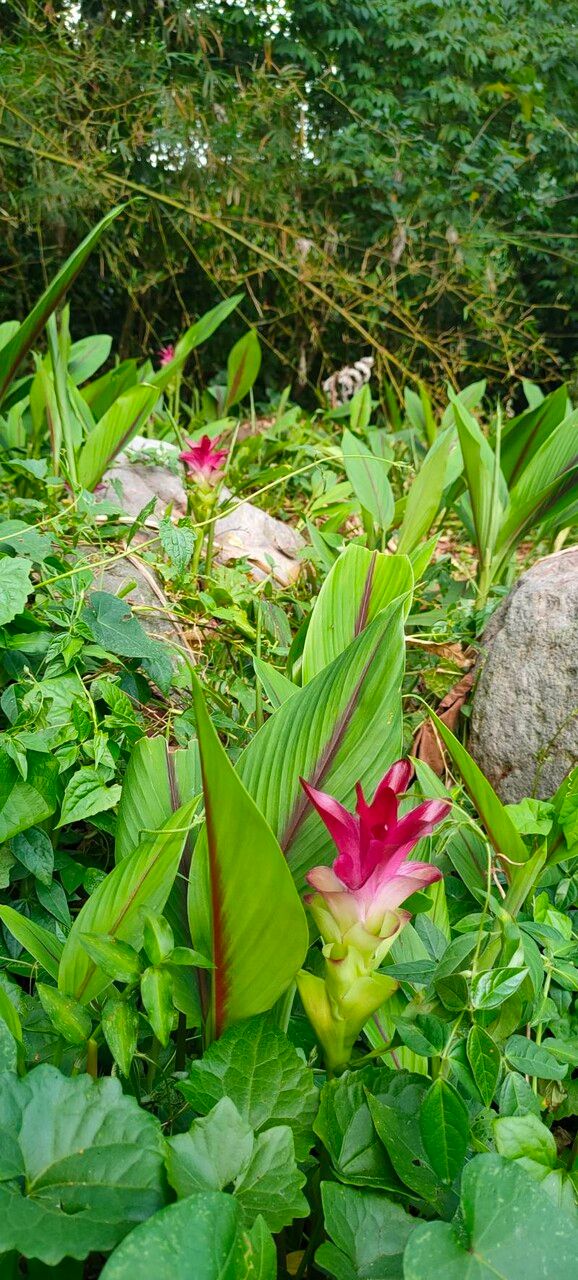
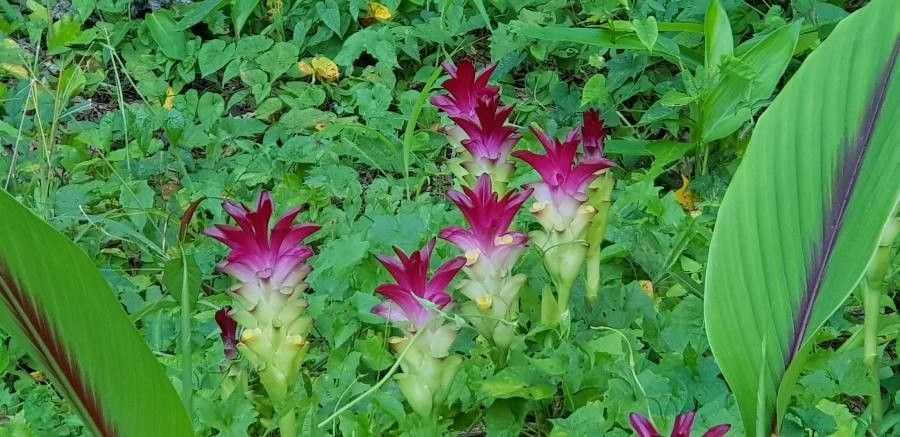
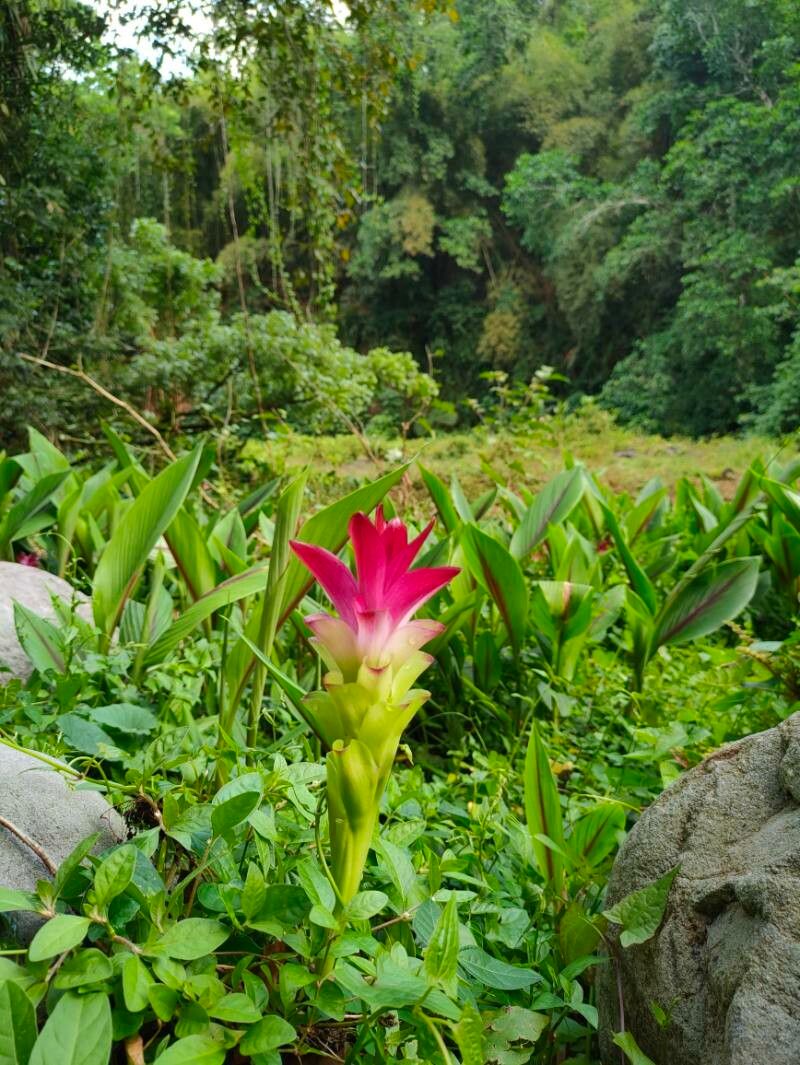
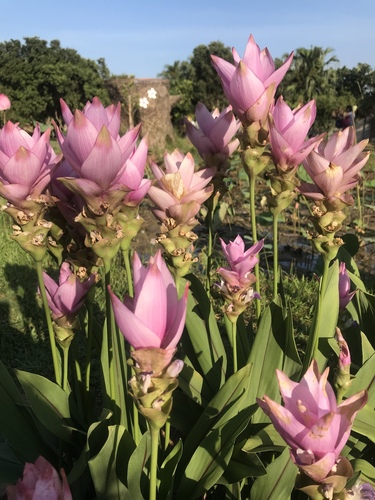
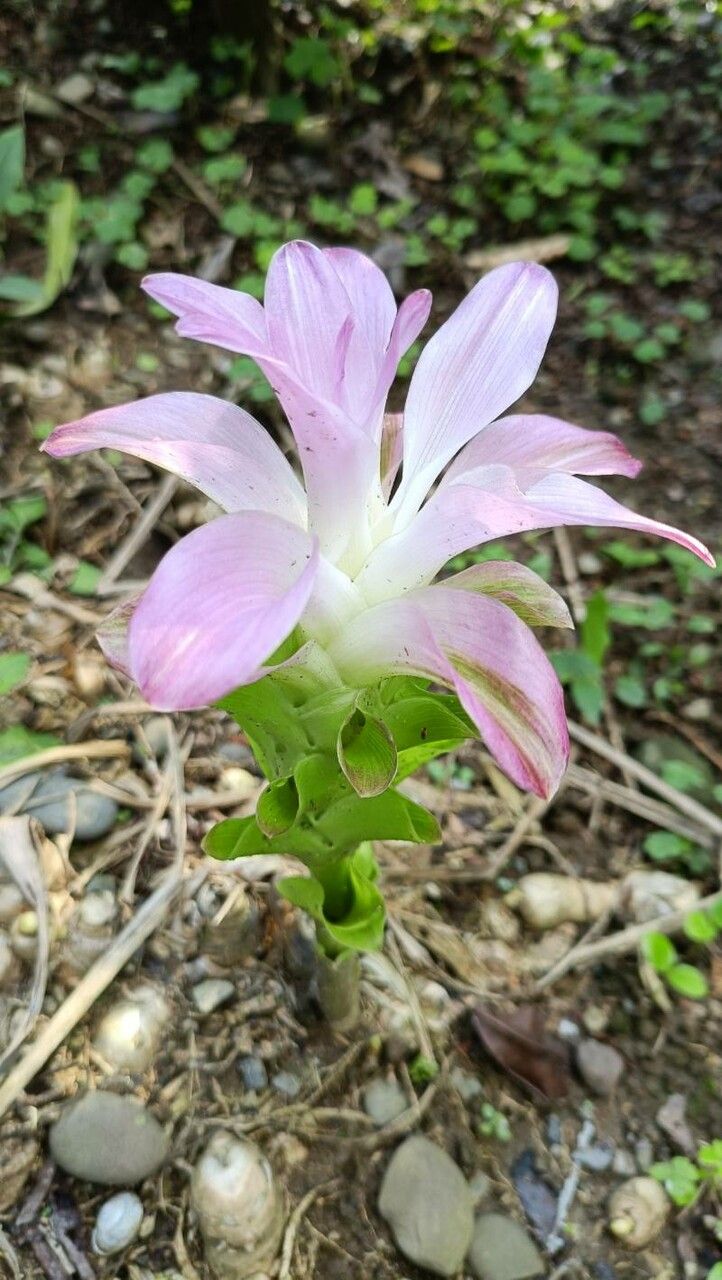
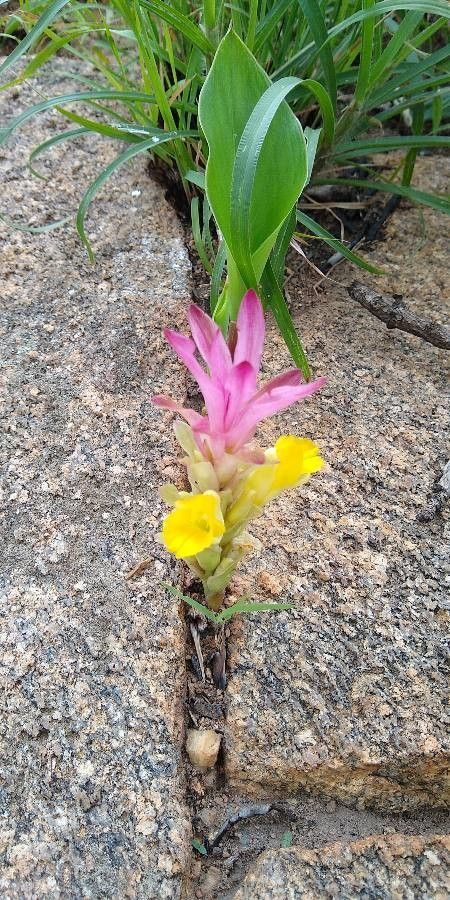
Curcuma zedoaria, commonly known as white turmeric or zedoary, is a perennial herbaceous plant belonging to the ginger family. Native to Southeast Asia, this plant has been used for centuries in traditional medicine and culinary practices.
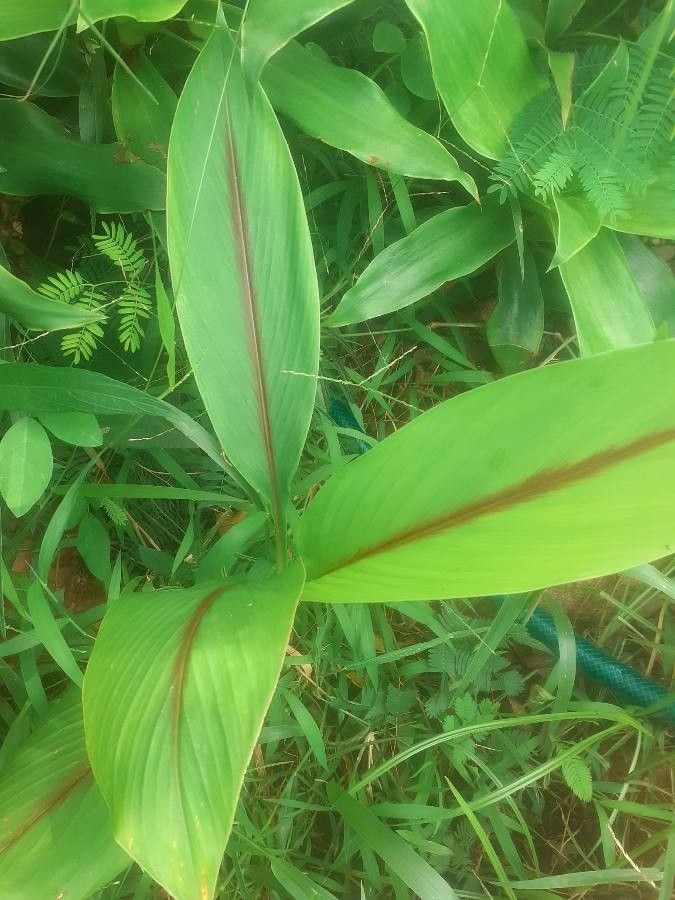
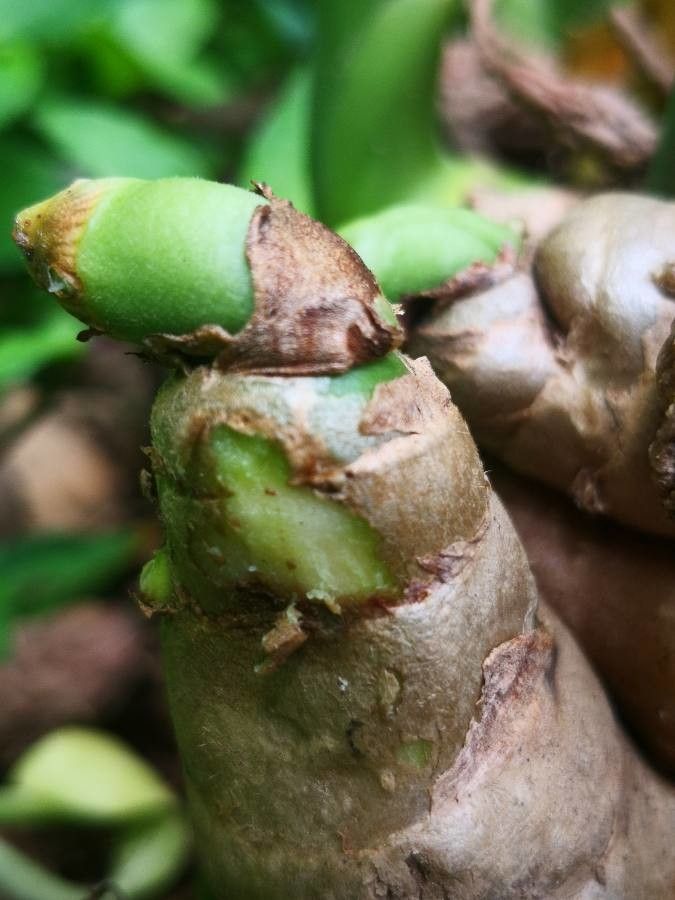
The plant can grow up to 1 meter in height and features large leaves that are green on top and purple underneath. The rhizomes, which are the most commonly used part of the plant, have a distinct aroma and flavor similar to ginger.
Curcuma zedoaria contains several bioactive compounds such as curcuminoids, essential oils, flavonoids, and terpenes, which have been found to possess anti-inflammatory properties. It is also believed to help alleviate digestive issues like bloating and indigestion.
In traditional practices such as Ayurveda and Chinese medicine, Curcuma zedoaria has been used to treat various ailments including respiratory problems like asthma and bronchitis, skin conditions such as eczema, menstrual cramps, and arthritis pain relief, among others.
Overall, Curcuma zedoaria is a versatile herb with numerous potential health benefits, making it an important ingredient in both culinary dishes and natural remedies.
White turmeric, known scientifically as Curcuma zedoaria, is a spice closely related to the well-known yellow turmeric. The genus name "Curcuma" has its origins in the Sanskrit word "kuṅkuma," which refers to turmeric. This classification was first assigned by Linnaeus in 1753. While white turmeric shares similarities with yellow turmeric, it is distinct in its mango-like fragrance and slightly bitter aftertaste.
White turmeric has moderate disease resistance but can be vulnerable to problems such as leaf spot. Its sensitivity to insect pests varies by variety, though most types are not highly resistant to pests. For care, white turmeric requires regular watering and fertilizing, and yellow leaves need to be trimmed frequently. It is important to address pests and diseases as they arise and to harvest the plant promptly. White turmeric is appropriate for people who can dedicate some time and effort to routine care.
How to keep Curcuma Zedoaria.
Light
White turmeric prefers abundant sunlight for vigorous growth, though it can persist in places with somewhat less light. This sun-loving characteristic is an adaptation from its ancestral background. Both too much and too little light can potentially cause health problems, disrupting its normal thriving.
Water
White turmeric is native to the monsoon forests of South and Southeast Asia, where it flourishes in high humidity and consistently moist soil. To promote growth, water it weekly and mist its leaves regularly. This care makes the plant a popular choice for indoor ornamentation, as it recreates its natural tropical habitat.
Humidity
This plant will thrive in moderate humidity, which is probably the level in your home. However, misting it a few times a week can be very beneficial. Make sure the room has good ventilation.
Temperature
White turmeric originates from areas with temperatures between 68 and 100.4 °F (20 to 38 °C). It grows best within that thermal range. To maintain healthy growth across seasons, keep temperatures within this preferred range.
Fertilizer
For white turmeric, use organic materials such as compost, grass clippings, or manure. A slow-release granular fertilizer or a commercial fertilizer can be applied sparingly. Incorporate the organic fertilizer into the soil before planting. Typically, one to two fertilizer applications per growing season are sufficient for a bountiful harvest.
Pruning
White turmeric benefits from pruning in early to late spring, which involves removing dead stalks to encourage healthy growth. Cutting back old stems after the plant has flowered helps rejuvenate it, enhancing its vigor and allowing for better air circulation. This practice minimizes the risk of fungal issues and improves the plant's appearance and overall health.
Pot & Repot
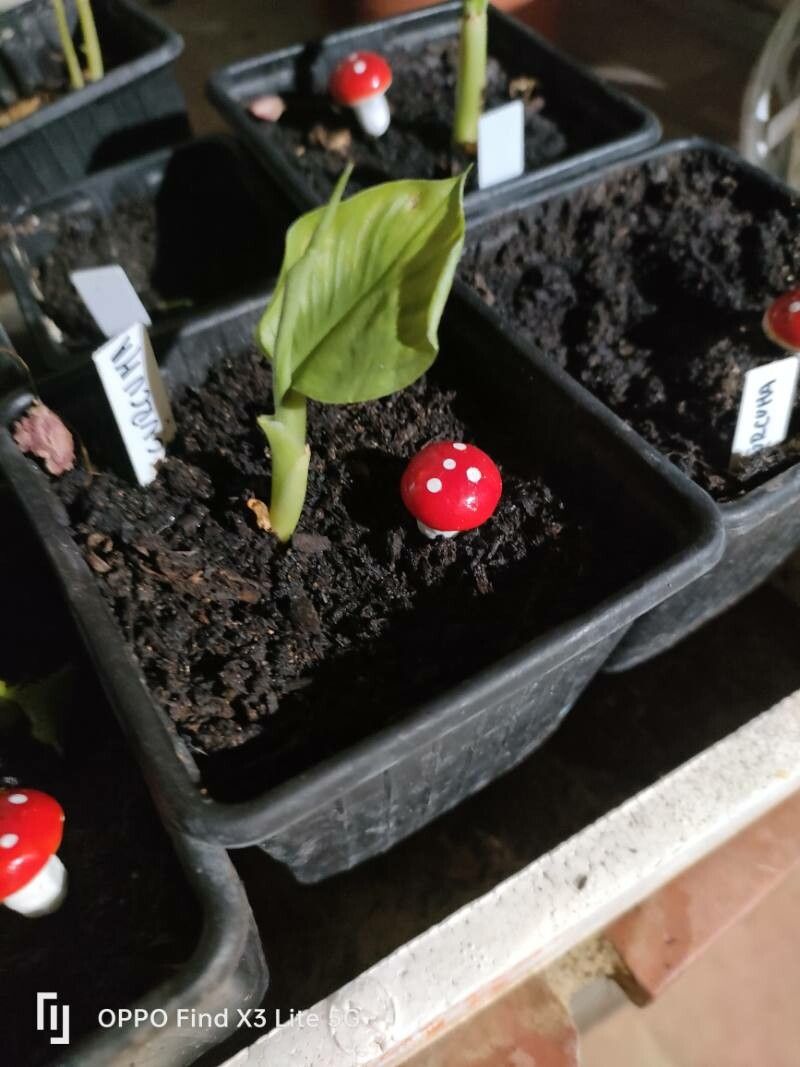
For healthy growth, white turmeric needs pots with excellent drainage.
Botanical profile.
- Plant Type
- Herb
- Life Cycle
- Perennial, Annual
- Genus
- Curcuma
- Family
- Zingiberaceae
- Hardiness Zone
- 10-11
- Mature Height
- 91 cm
- Mature Spread
- 49 cm
- Leaf Color
- Dark Green, Forest Green
- Leaf Type
- Deciduous
- Flower Color
- White, Yellow
- Flower Size
- 5.08 cm to 7.62 cm
- Bloom Time
- Late spring, Early summer, Mid summer
- Planting Time
- Spring
- Harvest Time
- Mid summer
Other names.
Reader questions.
How should I water my White turmeric?
White turmeric has specific requirements for watering. It is not only important to provide the right amount of water, but also to use the proper technique. Failing to do so can harm your tomatoes. The best way to water White turmeric is to apply the water directly to the soil, slowly and gently. Avoid pouring all the water into the soil at once or using overhead watering. While watering slowly, make sure to water deeply to ensure the entire soil is adequately moist for your White turmeric to thrive.
Why should I put fertilizer on my White turmeric?
If the soil conditions in your garden are favorable, you may not need to fertilize your White turmeric. A good harvest can be a sign that fertilizer is unnecessary. To be sure, it is recommended to have your soil tested. You can either use a soil testing kit or send samples to a lab for analysis. Knowing the nutrient levels in your soil will help you decide if additional fertilizer is needed.
How much sunlight does White turmeric require for optimal growth?
White turmeric flourishes with extensive sun exposure, thriving in conditions that offer more than 6 hours of sunlight, categorized as full sun. It can also adapt to environments where sunlight is slightly less abundant, about 3-6 hours, known as partial sun. This requirement is rooted in its ancestral origins, making the plant highly photophilic. Both overexposure and underexposure to sunlight could lead to health issues, thereby affecting its natural ability to thrive.
What is the preferred temperature range for growing White turmeric?
White turmeric, scientifically known as Curcuma zedoaria, thrives in environments where temperatures are between 20°C to 38°C (68°F to 100.4°F). This temperature range is crucial for its optimal growth. During winter, it is advisable to maintain temperatures above 20°C to prevent damage to the plant, ensuring it is protected against freezing by keeping the minimum temperature above the freezing point. When temperatures drop to around -5°C (25°F), protective measures such as bringing the plant indoors or using a temporary greenhouse, plastic film, or fabric for wrapping should be considered to shield the plant from cold damage.
What do I need to do if I give too much or too little water to my White turmeric plant?
If you have overwatered your White turmeric and are worried about the risk of disease, it's important to act quickly. The best approach for an overwatered White turmeric is to remove it from its current location and let the roots dry out before replanting it somewhere with good drainage. If you are growing it in a pot, consider transferring it to a pot with better drainage. On the other hand, if you have underwatered your plant, simply increase the frequency of watering.
When should I fertilize my White turmeric for the best results?
To ensure a successful harvest of White turmeric, follow these fertilizer guidelines: Firstly, mix organic fertilizer into the soil a week before planting. Secondly, apply a top dressing of fertilizer during the spring to give young plants an extra boost. Typically, one to two applications of fertilizer throughout the growing season should be enough.
What are the warning signs of incorrect sunlight exposure for White turmeric?
When White turmeric is grown indoors or under inadequate light conditions, it might show signs of light deficiency. These include the development of smaller new leaves, leggy or sparse growth, premature leaf drop, halted or no new growth, and the appearance of paler or lighter-colored new leaves. Additionally, excessive sunlight exposure can result in chlorosis, sunscald, leaf curling, wilting, and leaf scorching. These symptoms indicate the plant's struggle with the current light conditions, affecting its growth and health.
How does White turmeric react to low temperatures, and what solutions can mitigate damage?
White turmeric has a moderate tolerance to low temperatures and performs best within a 20°C to 38°C range. In winter, the temperature should remain above 5°C to avoid stress on the plant. Exposure to temperatures below 1°C can lead to darkened leaves, water-soaked necrosis, wilting, and ultimately a change in leaf color to brown. To mitigate damage from frost, trim away the frost-damaged parts and move the plant to a warmer indoor environment or a makeshift greenhouse. Ensure the plant is placed near a south-facing window to get ample sunlight or use supplemental lighting if the natural light is insufficient.
How frequently should I water my White turmeric plant?
White turmeric needs a lot of water during the growing season. In spring and summer, you should water it frequently, about once or twice a week. As the season goes on, increase your watering. In the summer, you might need to water it twice a day or more, depending on the weather. After the main growth phases, you can water it once a week until the end of the season.
When is the best time to not fertilize my White turmeric?
If you have already harvested most of your vegetables and are growing White turmeric, it's not necessary to fertilize it. This crop needs to be replanted annually, so fertilizing it at this stage would be wasteful. Additionally, if you are already gardening in soil that is rich in nutrients, there is no need to fertilize the White turmeric. It typically doesn't require much fertilizer to produce a good yield of flavorful vegetables with decent size. Only fertilize your White turmeric if a soil test reveals a deficiency in one or more nutrients.
Can artificial lighting be used for White turmeric, and what are the recommendations?
Yes, artificial lighting can be a viable solution for White turmeric, especially in conditions where natural light is scarce, such as in winter or less sunny spaces. LED lights are recommended due to their ability to be customized to provide specific wavelengths needed by the plant. For artificial light, full sun plants require 30-50W/sq ft, partial sun plants need 20-30W/sq ft, and full shade plants need 10-20W/sq ft. The light source should be placed 12-36 inches above the plant to mimic natural sunlight, and the duration should replicate the plant's natural daylight hours, usually between 8-12 hours per day.
What are the effects of high temperatures on White turmeric and how can they be addressed?
During the summer, it's important to keep White turmeric's surrounding temperature below 38°C. Exceeding 43°C can slow down the plant's growth, leading to lighter leaf colors and increased susceptibility to sunburn. Addressing high temperature stresses involves trimming away sunburned or dried-out parts, relocating the plant to a shaded area away from intense afternoon sun, and watering the plant in the mornings and evenings to maintain soil moisture.