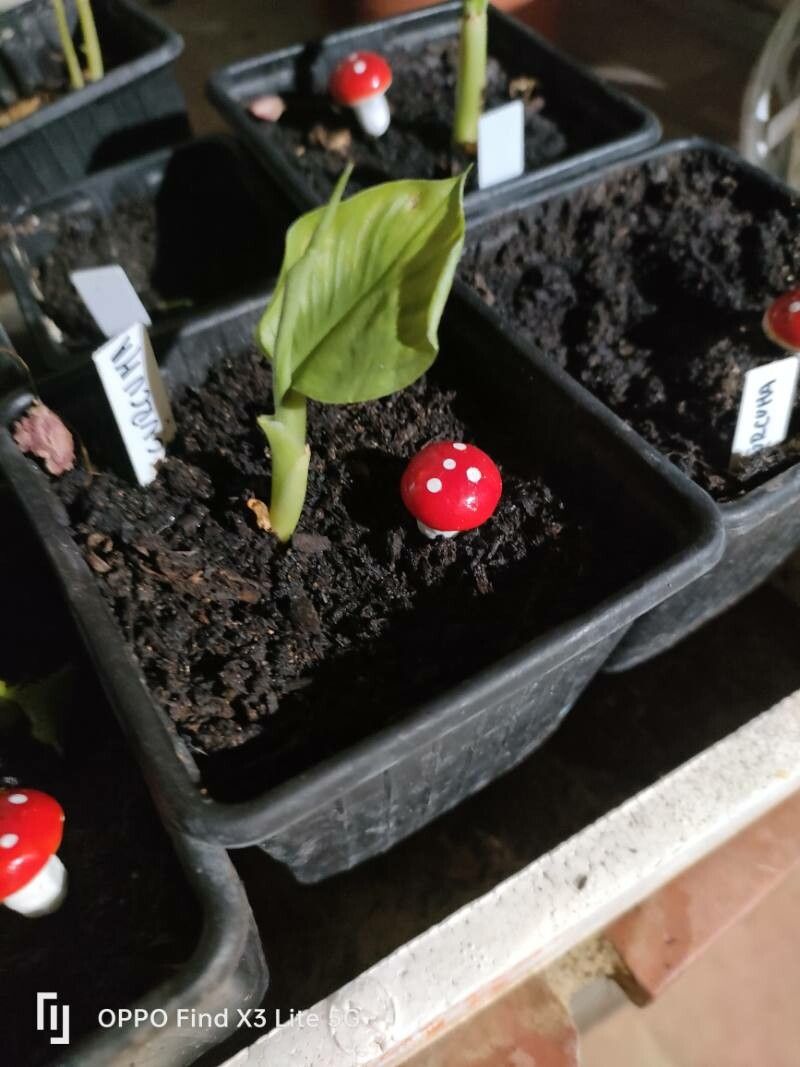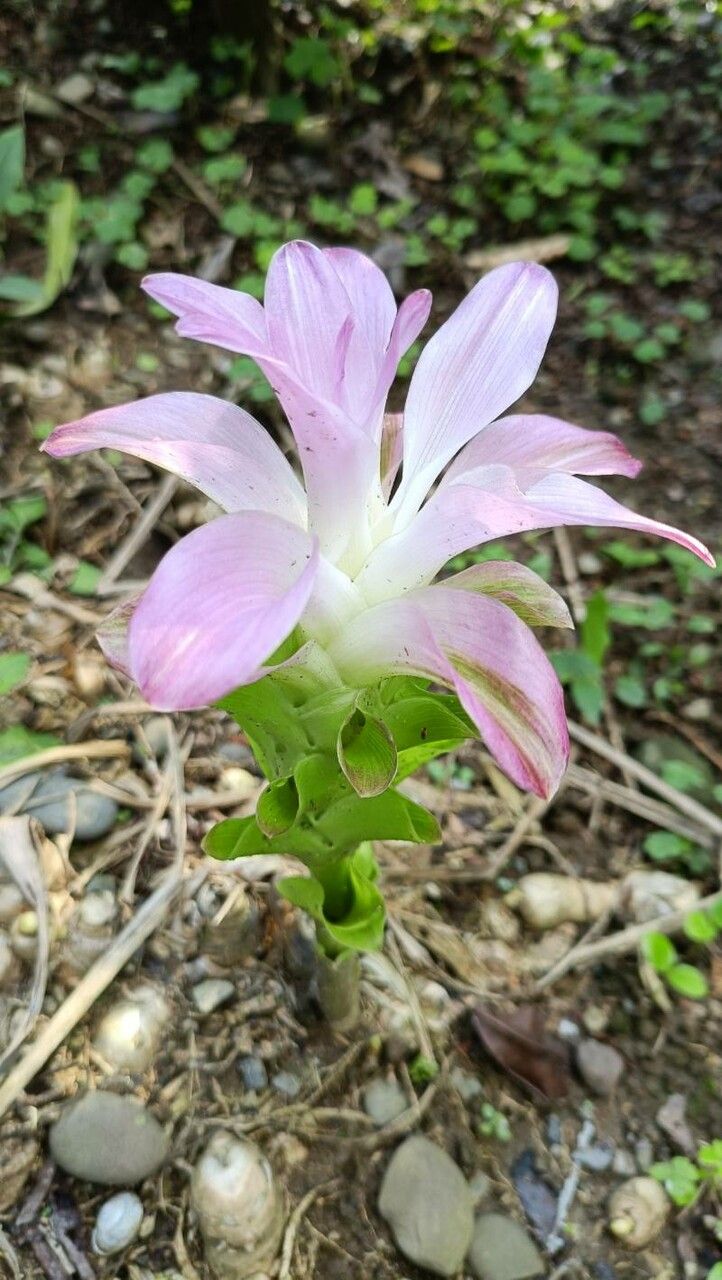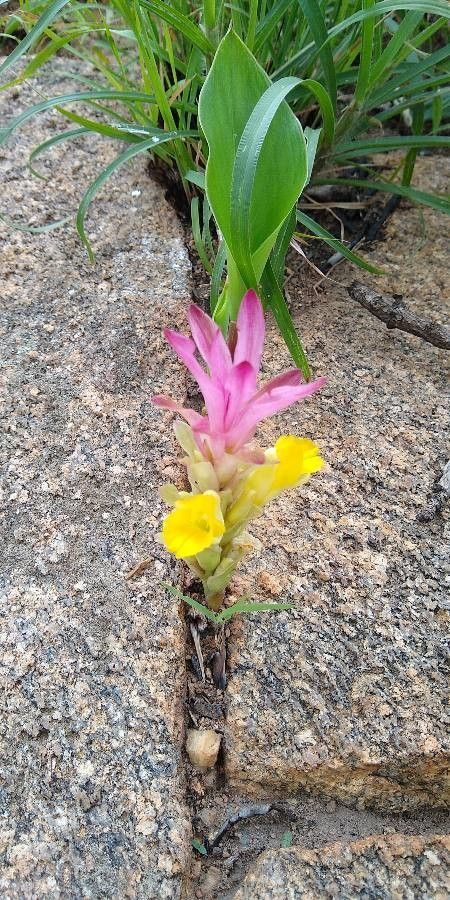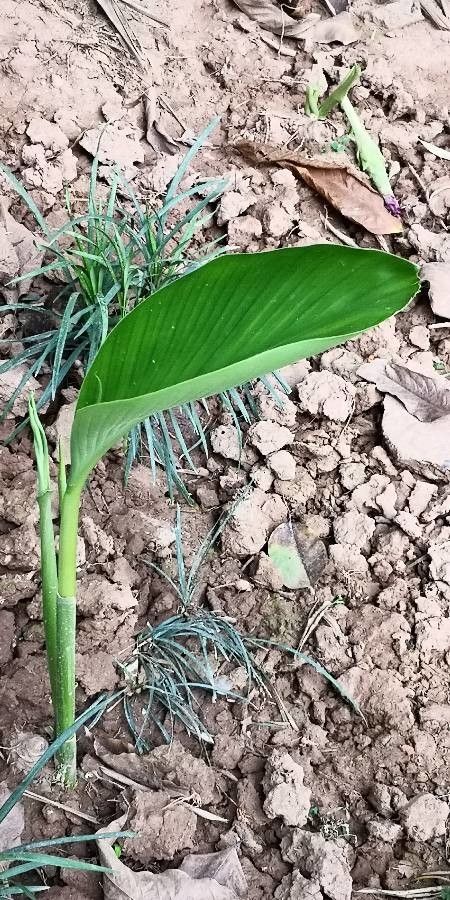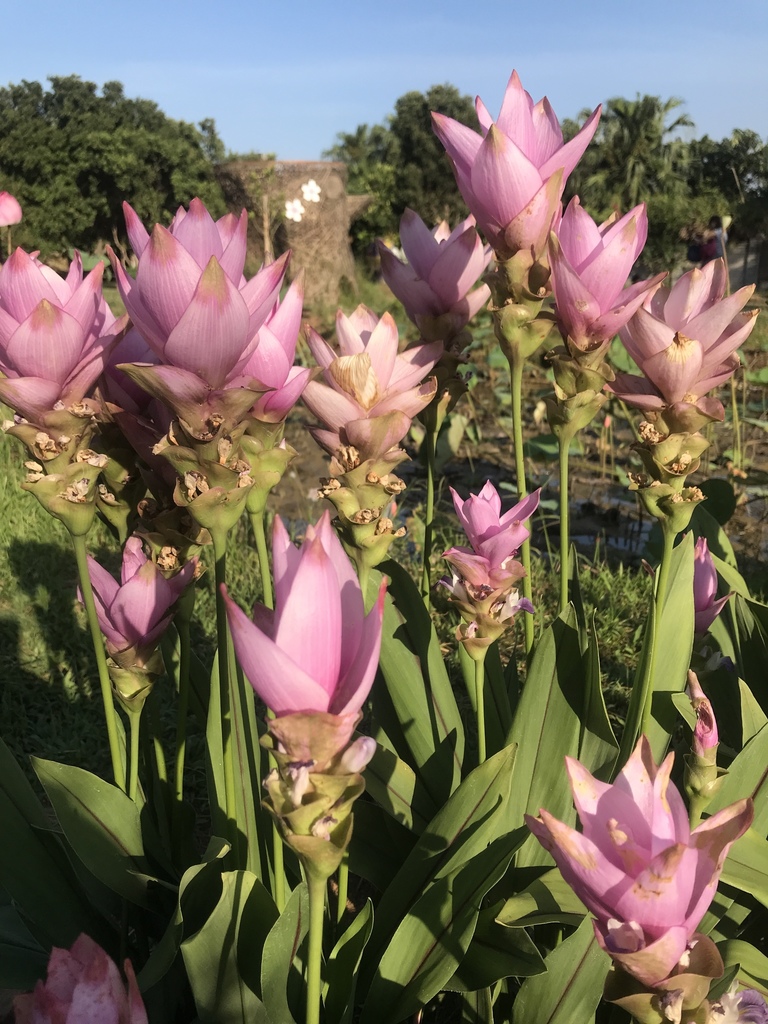
Curcuma alismatifolia, commonly known as the Siam tulip or summer tulip, is a tropical perennial plant native to Southeast Asia. It belongs to the ginger family and is celebrated for its strikingly beautiful flowers that resemble tulips. The plant can grow up to 1 meter tall and features long, green leaves arranged in a spiral pattern around the stem. The flowers of Curcuma alismatifolia are cone-shaped and come in various shades of pink, purple, white, or red. They bloom during the summer months and can last for several weeks. The plant thrives in well-drained soil enriched with organic matter and prefers partial shade. Curcuma alismatifolia has been used in traditional medicine for its anti-inflammatory properties and its ability to treat skin conditions such as eczema and acne. Additionally, it is used in culinary dishes like curries for its distinct flavor. Overall, Curcuma alismatifolia is a beautiful ornamental plant that adds color and vibrancy to any garden or landscape while also offering medicinal benefits.
The Siam tulip is named for its tulip-like blooms, but it is not actually related to the tulip. It is one of the most ornamental flowers among the different ginger species. This flower is often sold as a cut flower because it can last for more than 10 days.
Siam tulip is fairly resistant to disease and typically not prone to illness. However, it can be prone to leaf spots if light and ventilation are inadequate or if it is watered excessively. The plant's care level is considered easy, as it mainly needs regular watering and little else. Siam tulip is appropriate for people who do not have the time or energy to devote to routine care.
How to keep Curcuma Alismatifolia.
Light
Siam tulip thrives most in a combination of shade and sunlight. It can tolerate full sun, but that is not ideal. The alternating sun-and-shade pattern of its native habitat contributes importantly to its vigorous growth. Both excessive and insufficient sunlight can be harmful to its health.
Water
The Siam tulip is native to the tropical woodlands of Southeast Asia, where it thrives in high humidity and moist soil. It prefers consistent moisture, so weekly watering is recommended. When grown indoors, regular misting can boost its growth and flowering during its active season.
Humidity
This plant will thrive in moderate humidity, which is probably the level in your home. However, misting it a few times a week can be very beneficial. Make sure the room has good ventilation.
Temperature
The siam tulip originates from tropical areas where the average temperature falls between 20 and 38 ℃ (68 to 100 ℉). In its natural growing setting, it needs warm daytime temperatures and slightly cooler nights. Overall, it favors warm, humid conditions. In winter, it may need some temperature adjustments to keep it within its optimal temperature range for growth.
Fertilizer
Proper fertilization is essential for the Siam tulip's health and appearance. Fertilize the Siam tulip during summer, repeating the application monthly throughout the season. Nutrients drive growth and help sustain the plant's parts. Regular fertilization improves the Siam tulip's flower display, ensuring the best blooms.
Pruning
To ensure the Siam tulip thrives, it's important to prune it in early spring or late winter. This process involves removing dead leaves to improve air circulation and trimming faded flowers to encourage new blooms. By cutting back old foliage after flowering, you enhance the plant's vitality, aesthetic appeal, and resistance to disease, resulting in a vibrant garden display.
Pot & Repot
When repotting a Siam tulip, select a pot 1-2 inches (2.5–5.1 cm) larger that provides good drainage. Use a well-draining potting mix. Repot in spring or fall, making sure the root ball is positioned slightly below the rim of the pot. Water thoroughly after repotting and place the plant in a warm spot with indirect sunlight.
Botanical profile.
- Plant Type
- Herb
- Life Cycle
- Perennial
- Genus
- Curcuma
- Family
- Zingiberaceae
- Hardiness Zone
- 9-11
- Mature Height
- 30 cm to 76 cm
- Mature Spread
- 30 cm to 46 cm
- Leaf Color
- Green, Blue
- Leaf Type
- Evergreen
- Flower Color
- Pink, White
- Flower Size
- 5.08 cm to 7.62 cm
- Bloom Time
- Late spring, Early summer, Mid summer
- Planting Time
- Spring
- Harvest Time
- Mid summer
- Native Area
- Cambodia, Vietnam, Laos, Thailand
Other names.
Reader questions.
How should I water my Siam tulip?
When watering the Siam tulip, it's best to use filtered water at room temperature. Tap water may contain harmful particles, so it's better to avoid it. The Siam tulip is accustomed to warm environments, so it's important to use water that is not cold. It's also recommended to avoid overhead watering to prevent foliage complications. Instead, simply water the soil with your filtered room temperature water until it's fully soaked. This will benefit the plant by keeping the roots moist and helping them spread in the soil to collect necessary nutrients.
Why is it necessary for me to add fertilizer to my Siam tulip?
Fertilizer and soil nutrients are like fuel for your Siam tulip, helping it grow and stay healthy. Plants in general use nutrients in the soil to grow new plant material and maintain their existing parts. In the case of the Siam tulip, fertilization is important for creating beautiful flowers, which are the main attraction of this plant. Most gardeners want the flowers to look their best, so using fertilizer is a reliable way to help the Siam tulip produce its most stunning blooms.
What are the sunlight requirements for Siam tulip?
Siam tulip thrives in a mix of shade and sun, flourishing best with partial sun exposure, about 3-6 hours of sunlight daily, but can also manage full sun conditions which is above 6 hours of sunlight. The plant's native environment, which alternates between sun and shade, significantly influences its robust growth. However, both excessive and insufficient sunlight exposure can negatively impact the plant's health. It's essential to observe the sunlight movement in your garden and choose locations that offer a perfect balance of light and shade to ensure the plants thrive.
What is the native environment of the Siam tulip?
The Siam tulip, or Curcuma alismatifolia, thrives in tropical regions where the average temperature range is between 20 to 38°C (68 to 100°F). Its ideal growth environment consists of warm days with slightly cooler nights and prefers warm and humid conditions overall. It is extremely sensitive to cold temperatures, and precautions should be taken during the winter to maintain its optimal growth conditions.
What should I do if I give my Siam tulip too much water or too little water?
Overwatering is a common issue for Siam tulips and can cause wilting, yellowing, and potentially deadly diseases like root rot. Underwatering is less common but can result in brittle, brown leaves. It's important to recognize the signs of overwatering early and reduce watering immediately. Replace poorly draining soil with a loose, well-draining potting mix. If underwatering is the issue, simply water more regularly until the signs improve.
When should I fertilize my Siam tulip?
The Siam tulip goes through two main phases each year. The first phase is the dormant phase, which happens during winter and involves minimal new growth. The second phase is the active growth phase, occurring in spring and fall, when the Siam tulip requires the most fertilization. It is recommended to start fertilizing your Siam tulip in spring, repeating the feeding once a month until most of the summer. As fall approaches, you can gradually reduce the fertilization rate.
How can artificial lighting be used for Siam tulip?
Indoor Siam tulips require sufficient lighting for optimal growth, especially in conditions where natural sunlight is inadequate. Using artificial lights, such as LED lights that offer specific wavelengths needed by plants, is an effective solution. For indoor plants, the requirements are 30-50W per square foot for full sun plants, 20-30W per square foot for partial sun plants, and 10-20W per square foot for full shade plants. The light source should be placed 12-36 inches above the plant to mimic natural sunlight, and the duration should mimic natural daylight hours, typically 8-12 hours of light per day.
How should I care for my Siam tulip in the winter?
In the winter, it is important to protect your Siam tulip from cold temperatures by bringing outdoor plants indoors and placing them near a bright window, away from direct heat sources. The goal is to keep the environment above 20°C, as temperatures approaching 0°C can significantly harm the plant. This helps in maintaining the ideal growth conditions even during colder months.
How many times should I water my Siam tulip?
If your Siam tulip is in a pot, the best way to check if it needs water is by putting your finger in the soil. If the top two to three inches are dry, it's time to water it. The same method applies if you're growing the Siam tulip outdoors in the ground. If the first few inches of soil are dry, it needs water. Usually, during spring and early fall, watering once a week is enough. However, during extremely hot weather, you may need to water it twice or more per week. Keep in mind that mature and well-established Siam tulips can handle drought well.
When is it not a good time to fertilize my Siam tulip?
If you want to promote Siam tulip growth, be careful to avoid root burn. In the spring and summer, when the plant is actively growing, it requires extra nutrients. However, in the fall and winter, when the plant goes into dormancy, you should stop fertilizing.
What are some symptoms of incorrect lighting conditions for Siam tulip?
Symptoms of incorrect lighting for Siam tulip include lighter-colored new leaves, indicating insufficient sunlight; impact on flowering and fruiting due to inadequate sunlight; slower or no new growth in poor light conditions; chlorosis, or the yellowing of leaves, from excessive sunlight; sunscald, which is damage from intense sunlight exposure; leaf curling as a defense mechanism against extreme sunlight; wilting due to overexposure to sunlight and increased water loss; and leaf scorching, characterized by brown, dry, and crispy leaf edges from excessive sunlight. These symptoms highlight the importance of providing the right amount of light to Siam tulip.
What should I do if my Siam tulip is exposed to low temperatures?
If your Siam tulip is exposed to temperatures below its preferred range (above 20°C), and especially if it experiences temperatures below -5°C, the leaves may change color to a lighter shade and can gradually turn brown or black after frost damage, showing signs of wilting and drooping. You should immediately trim off the frost-damaged parts and move the plant indoors to a warm environment, preferably near a south-facing window for ample sunlight, while avoiding placing it near heaters or air conditioning vents to prevent air dryness.