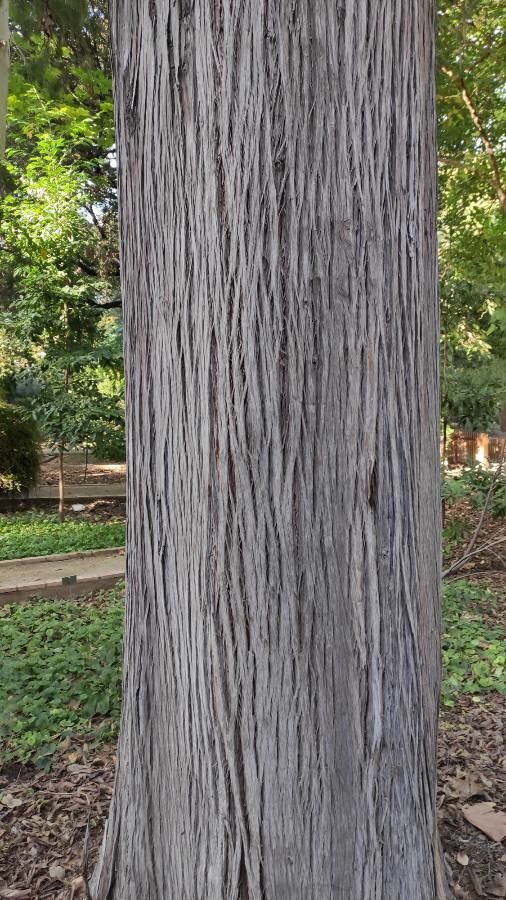
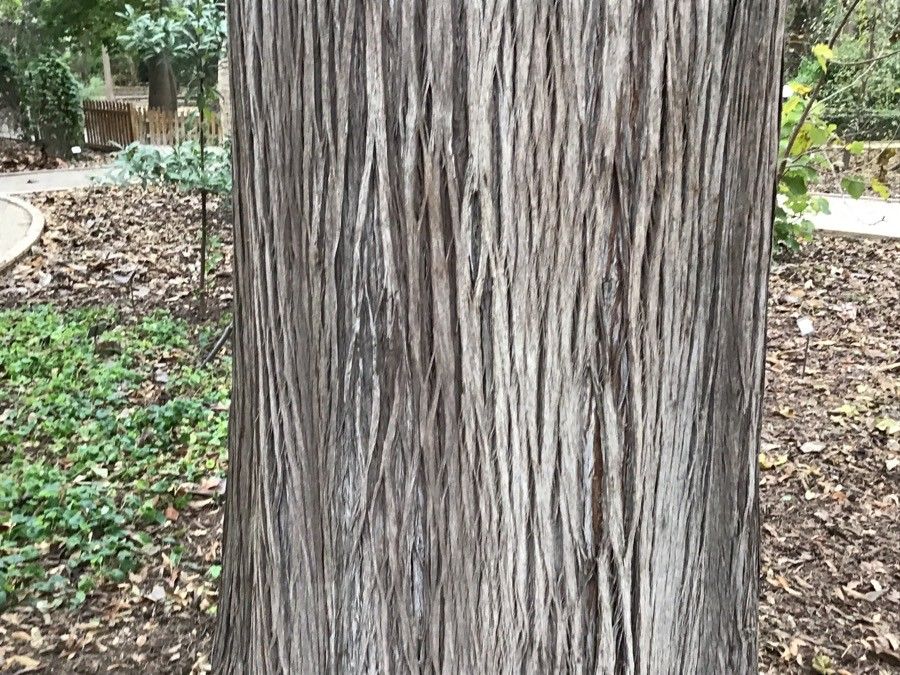
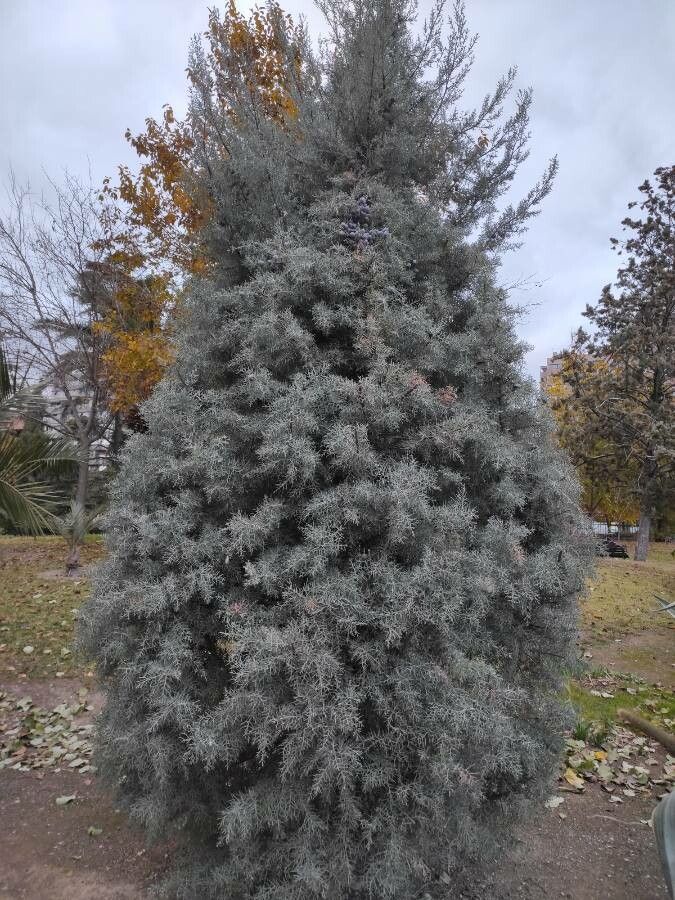
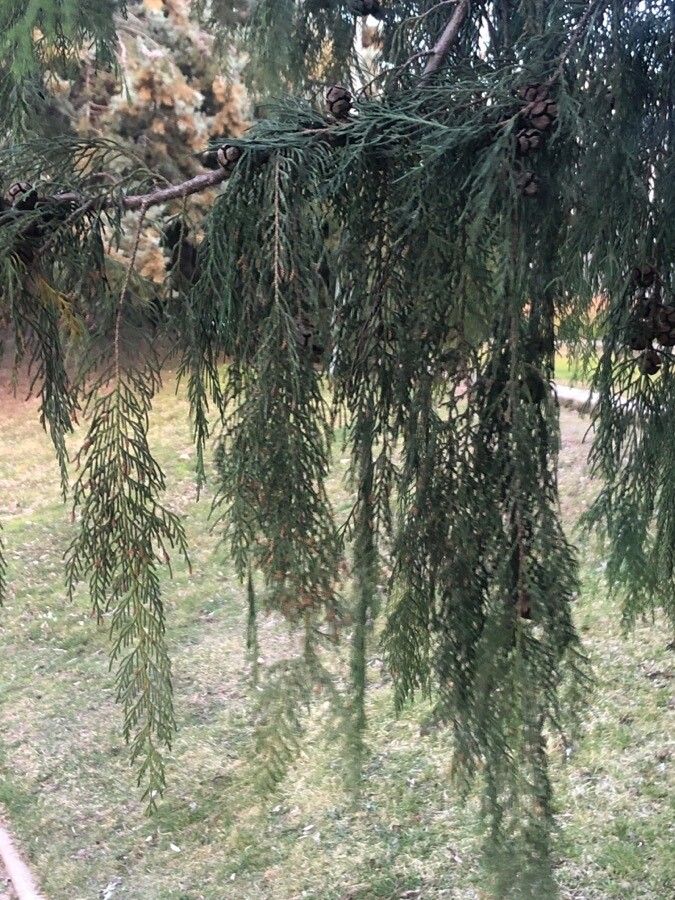
Cupressus torulosa, commonly known as the Himalayan cypress or Bhutan cypress, is a coniferous tree species native to the Himalayan regions of Bhutan, India, Nepal, and Tibet. This slow-growing evergreen tree can reach up to 30 meters in height and typically features a conical or columnar shape. The tree's bark is grayish-brown and has a fibrous texture.
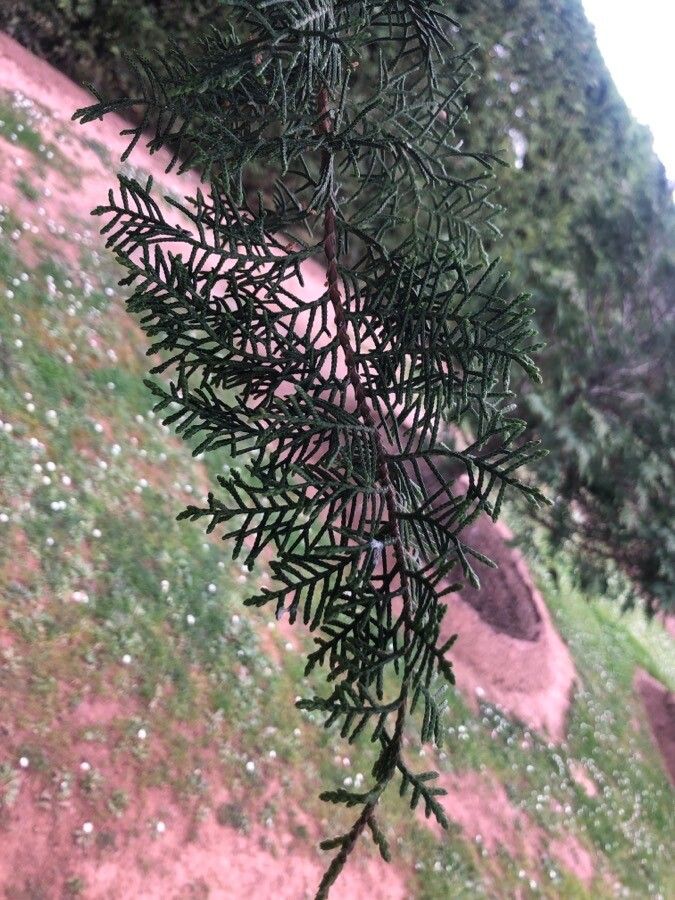
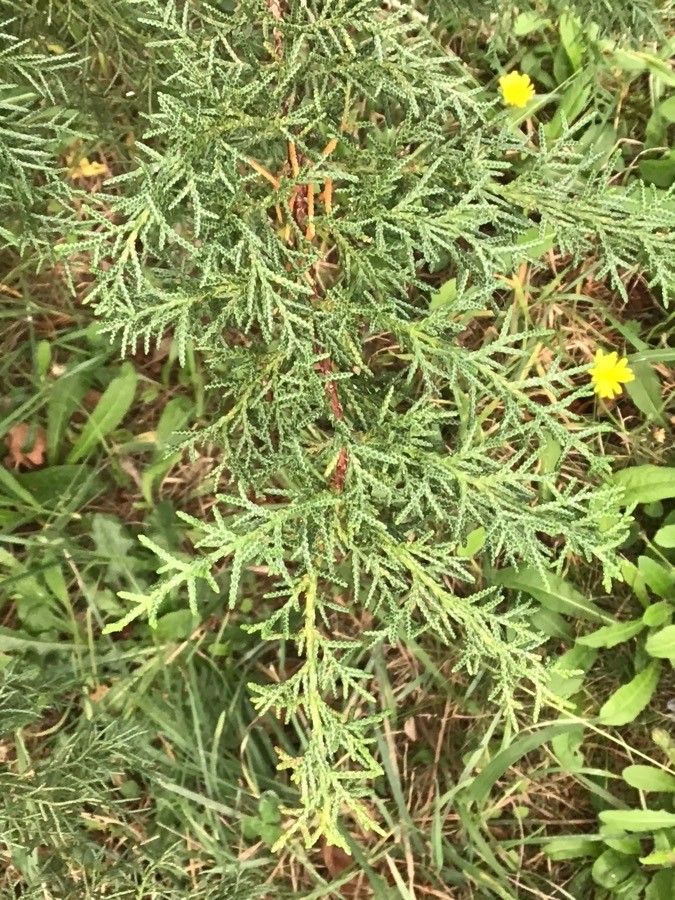
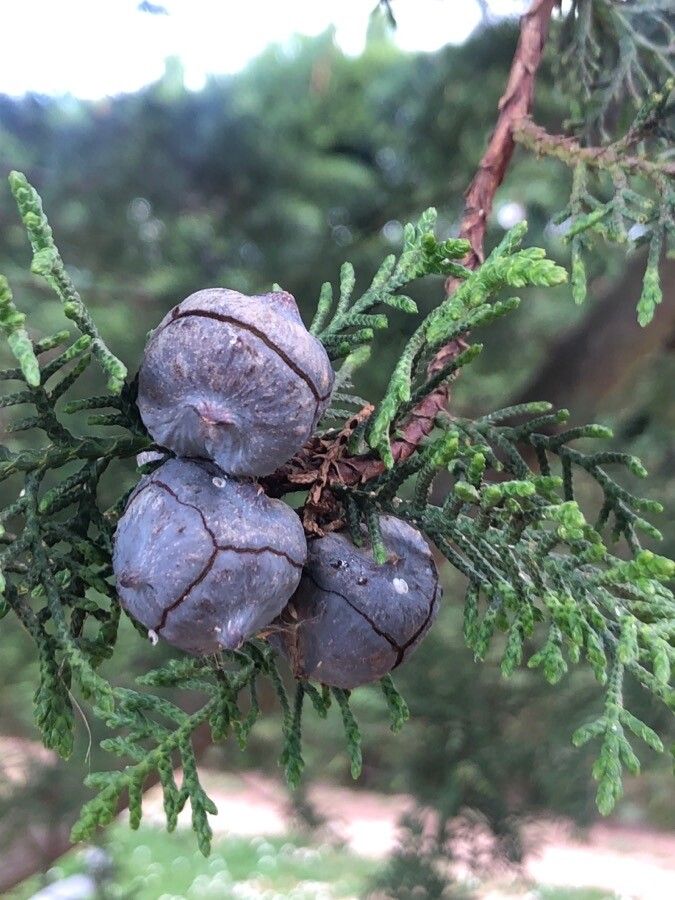
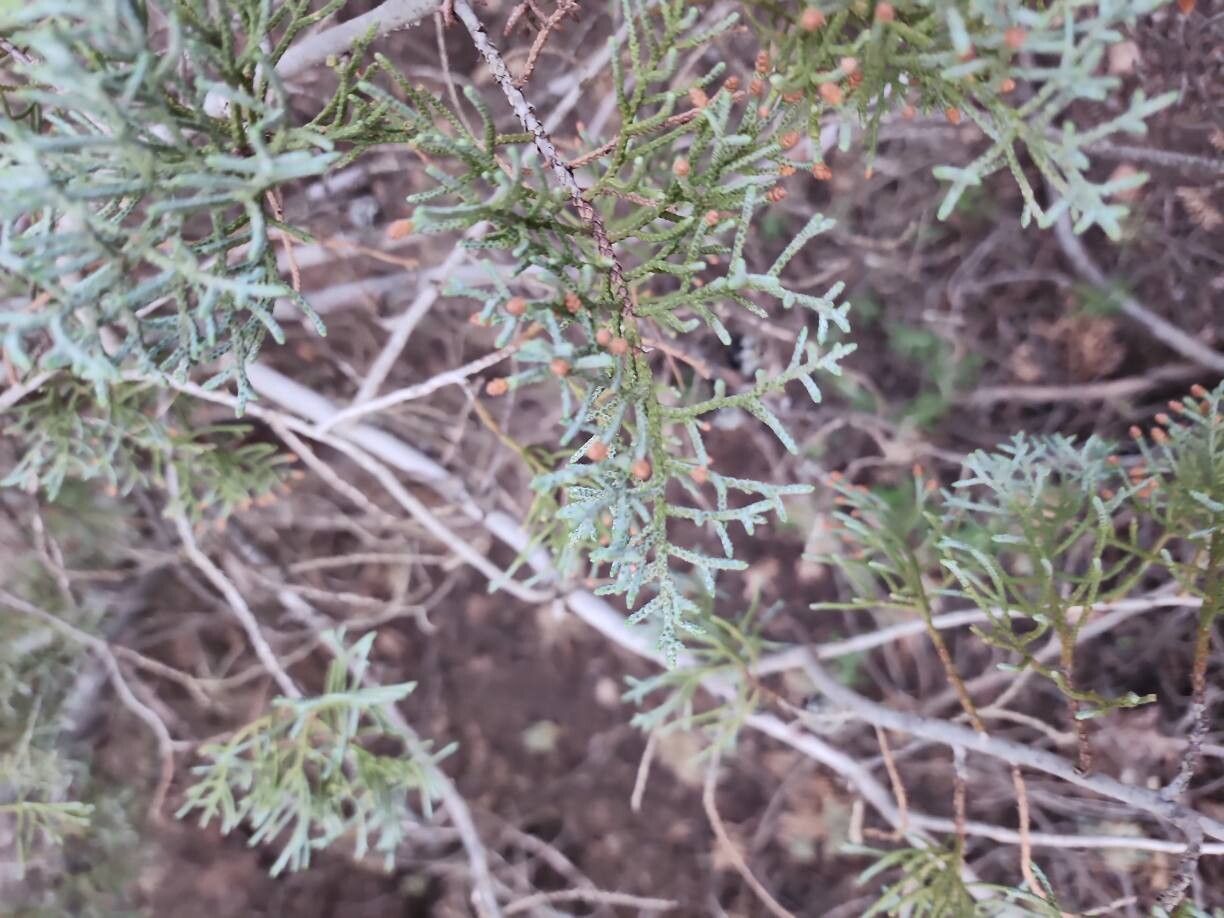
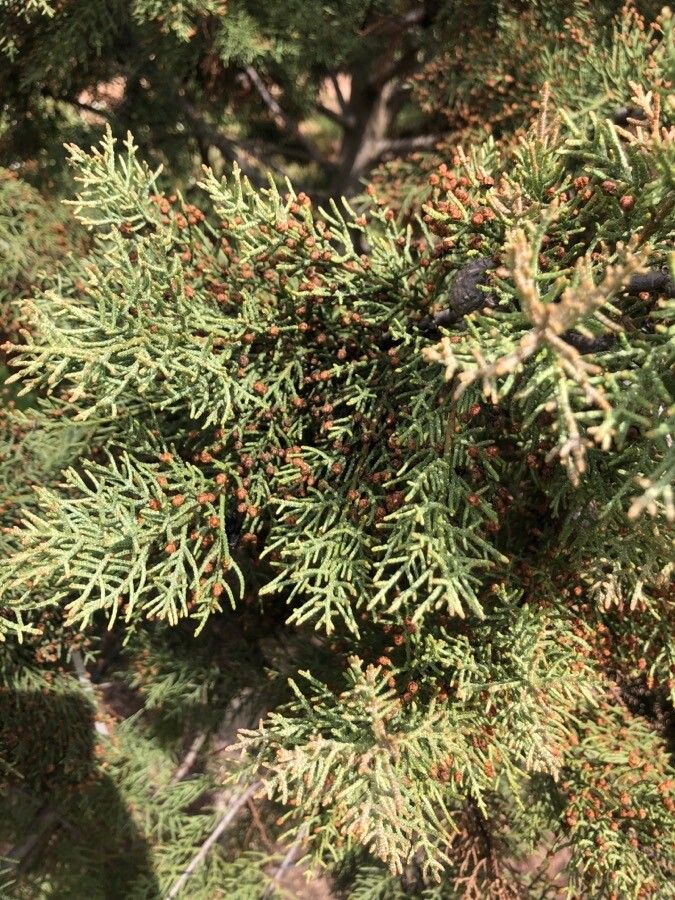
The leaves of Cupressus torulosa are scale-like and arranged in opposite pairs along the stem. They are dark green with white markings on their undersides. The tree produces small, round cones, approximately 2 cm long, with woody scales that open when mature to release small seeds.
Cupressus torulosa is widely used for ornamental purposes due to its attractive appearance. Its timber is highly valued for its durability and resistance to decay. Furthermore, the plant has medicinal properties; extracts from various parts of the tree have traditionally been used by local communities to treat ailments such as coughs, colds, and fevers.
However, like many other plant species, Cupressus torulosa faces threats from habitat loss due to deforestation and land conversion into agricultural areas. These activities put the species at risk of becoming endangered if not properly conserved.
Himalayan cypress is resistant to disease and is generally not susceptible to illnesses. Regarding care, this plant is fairly low maintenance. When grown outdoors it needs little watering, and larger specimens typically do not require pruning. Smaller plants, however, should be pruned after they have finished blooming. Himalayan cypress is suitable for anyone with an outdoor area, such as a garden or deck, and does not demand much care experience.
How to keep Cupressus Torulosa.
Light
Originating from sun-rich areas, the himalayan cypress thrives in strong sunlight. At every stage of development it makes efficient use of the sun's energy. Insufficient light can hinder its growth, while excessive light may cause stress. Nonetheless, it adapts to variations in light intensity.
Water
The Himalayan cypress flourishes in mountainous areas, where it prefers moderate moisture. Once established, it exhibits good resistance to drought. It is important to water the plant every 1-2 weeks, ensuring that the soil does not completely dry out. Typically grown outdoors, the Himalayan cypress can adapt to various climate zones. However, it requires sufficient soil moisture during its active growth phase.
Temperature
The Himalayan cypress originates from temperate zones and thrives at temperatures between 59 and 95 °F (15 to 35 ℃). It is adaptable and can endure cooler climates, though providing some cover and warmth during cold months is helpful.
Fertilizer
Himalayan cypress has specific nutrient needs and does not require heavy fertilization. Spring is the best time to apply fertilizer for optimal growth. Providing nutrients improves its health, increases its resistance to pests and diseases, and helps sustain its long lifespan.
Pruning
Himalayan cypress benefits from winter pruning, which involves removing dead branches and thinning crowded areas to improve air circulation. Light trimming during the tree's dormant period minimizes sap loss and reduces the risk of pest infestations, ultimately promoting healthy growth and an attractive shape. To prevent stunted growth, avoid making heavy cuts.
Botanical profile.
- Plant Type
- Tree
- Life Cycle
- Perennial
- Genus
- Cupressus
- Family
- Cupressaceae
- Hardiness Zone
- 7-10
- Mature Height
- 45.11 m
- Mature Spread
- 2.44 m
- Leaf Color
- Dark Green
- Leaf Type
- Evergreen
- Flower Color
- Yellow, Green
- Bloom Time
- Early spring, Mid spring
- Planting Time
- Spring
- Harvest Time
- Late summer, Early fall, Mid fall
- Native Area
- Nepal, Bhutan, India, China
Other names.
Reader questions.
How should I water my Himalayan cypress the right way?
Watering your Himalayan cypress is a simple task. To do it, you can use your garden hose and slowly soak the soil. Mature trees may need a lot of water, so the garden hose is the best tool. For smaller trees, you can use a watering can or another smaller tool. It's important to avoid watering the leaves too much as it can make the tree sick, especially when it's young.
Why should I put fertilizer on my Himalayan cypress?
To support the healthy growth of the Himalayan cypress, it is recommended to fertilize it in the spring. Since this plant has a long lifespan, it needs extra care and support. Enhancing the soil with nutrients can also improve its health, enabling it to resist common pests and diseases, which can otherwise hinder its growth or reduce its lifespan.
What are the sunlight requirements for Himalayan cypress?
Himalayan cypress, or Cupressus torulosa, requires full sun, meaning it needs above 6 hours of sunlight daily, but it can also grow in partial sun, which is about 3-6 hours of sunlight. It's crucial to observe the movement of sunlight through your garden to find spots that offer the right balance of light and shade, ensuring the plant's well-being.
What is the native environment of the Himalayan cypress?
The Himalayan cypress, botanically known as Cupressus torulosa, is native to temperate environments. It thrives in a temperature range of 59 to 95°F (15 to 35°C) and can adapt to cooler climates, although it may require some cover and warmth during the coldest months to ensure its well-being. Despite its strong cold resistance, extra precautions are advisable if temperatures are expected to drop below -15°C.
If I give my Himalayan cypress too much or too little water, what should I do?
Overwatering your Himalayan cypress can be caused by poor soils that don't allow water to drain effectively. If this happens, you should either improve the soil's drainage or move the plant to a better location. If you grow the cypress in a pot, you may need to repot it with looser soils and a container that drains well. Overwatering can also lead to diseases, which should be treated promptly. On the other hand, if your cypress is underwatered, simply water it more frequently and it will regain health. The condition of the foliage can help determine if the plant is overwatered. Discolored or easily breakable new growth may indicate excessive moisture. Standing water or slow drainage in the growing area may also suggest overwatering. Conversely, underwatered cypress trees may have sparse, brown leaves. Consider factors such as recent heavy rain or sustained high temperatures to make accurate judgments about your plant's condition.
When should I fertilize my Himalayan cypress?
The growing medium may not provide sufficient nutrients for healthy growth, but Himalayan cypress is unique compared to typical garden plants. It doesn't need a lot of extra nutrients. If you want to fertilize Himalayan cypress, the best time to do so is in the spring before new growth starts.
Why is adequate lighting essential for Himalayan cypress, and how can artificial lighting support its growth?
Originating from regions rich in sunshine, Himalayan cypress thrives under intense sun exposure, utilizing the sun's energy throughout its growth stages. Inadequate sunlight can stunt its growth, while too much sunlight can cause stress. However, the plant can adapt to varying light intensities. For indoor plants or those in areas with less natural sunlight, especially during winter, artificial lighting is crucial. LED lights, which can be customized to provide specific wavelengths, are recommended. Full sun plants need 30-50W per square foot, partial sun plants require 20-30W per square foot, and full shade plants need 10-20W per square foot. The light source should be placed 12-36 inches above the plant for 8-12 hours per day to mimic natural sunlight conditions.
How should the Himalayan cypress be cared for during winter to prevent cold damage?
To protect the Himalayan cypress during winter, especially when temperatures are forecasted to fall below -15°C, it is recommended to wrap the trunk and branches with materials such as non-woven fabric or cloth. Before the first freeze in autumn, watering the plant abundantly to ensure the soil remains moist and enters a frozen state can help prevent drought and water scarcity for the plant during the winter and early spring. This preparation helps maintain the health of the Himalayan cypress through the colder months.
How frequently do I need to water my Himalayan cypress tree?
A mature Himalayan cypress tree is usually drought tolerant and can survive on rainfall alone. During the hottest months, you may need to water it once a week, but in other seasons, you probably won't need to water it at all. However, newly planted trees require regular watering to establish their roots. When watering Himalayan cypress, avoid overwatering as this species does not tolerate standing water. It's better to not water it if unsure rather than risking overwatering.
When is it not a good idea to fertilize my Himalayan cypress?
While some plants benefit from regular fertilization, this is not the case for the Himalayan cypress. This plant does not require excessive nutrients, and applying too much fertilizer can actually harm it, leading to decline. To care for the Himalayan cypress, only apply fertilizer during the spring season, and refrain from adding any fertilizer or organic matter to the soil during the summer, fall, and winter.
What are the signs of inadequate sunlight exposure in Himalayan cypress?
Himalayan cypress shows several symptoms when it doesn't get enough light. New leaves may appear smaller, and you might notice leggy growth or longer spaces between leaves or stems, giving the plant a sparse look. Early leaf drop can occur as the plant sheds older leaves to conserve energy for new growth, leading to slower or halted growth. Leaves might also develop irregular color patterns or appear paler, indicating a lack of chlorophyll and essential nutrients. Additionally, symptoms like chlorosis (leaves turning yellow), sunscald, leaf curling, wilting, and leaf scorching can manifest due to excessive sunlight, highlighting the plant's sensitivity to both insufficient and excessive light.
What are the symptoms and solutions for Himalayan cypress exposed to low temperatures?
Himalayan cypress is cold-tolerant, best thriving when the temperature stays above 15°C but should be kept above -10°C during winter. If temperatures fall below -15°C, the branches might not show immediate damage in winter but can become brittle, dry in spring, and fail to produce new shoots. The solution for this situation involves pruning the dead branches in spring that have not produced new leaves, thus encouraging new growth and maintaining the health of the plant.