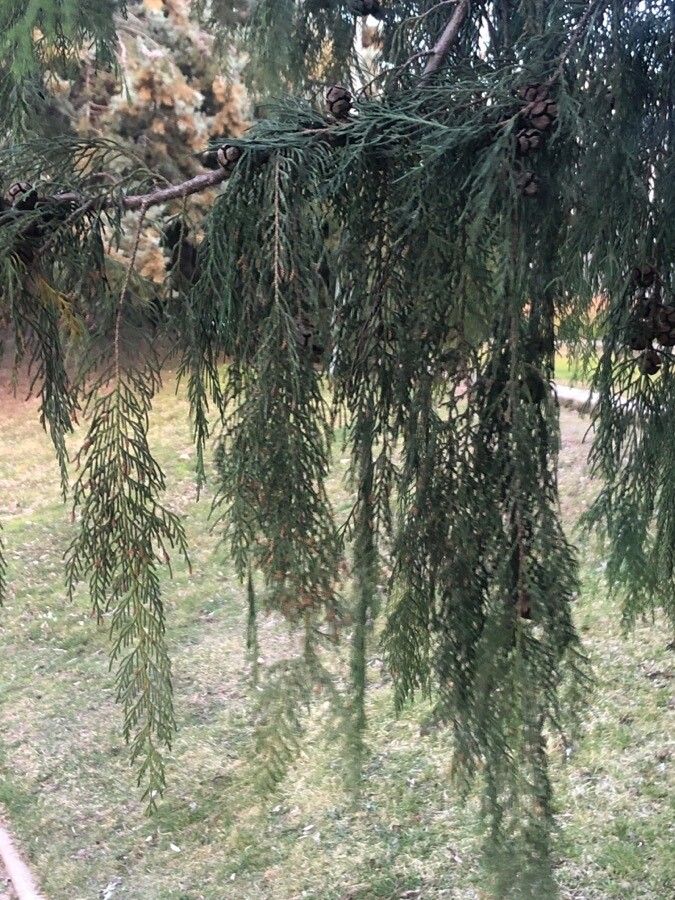
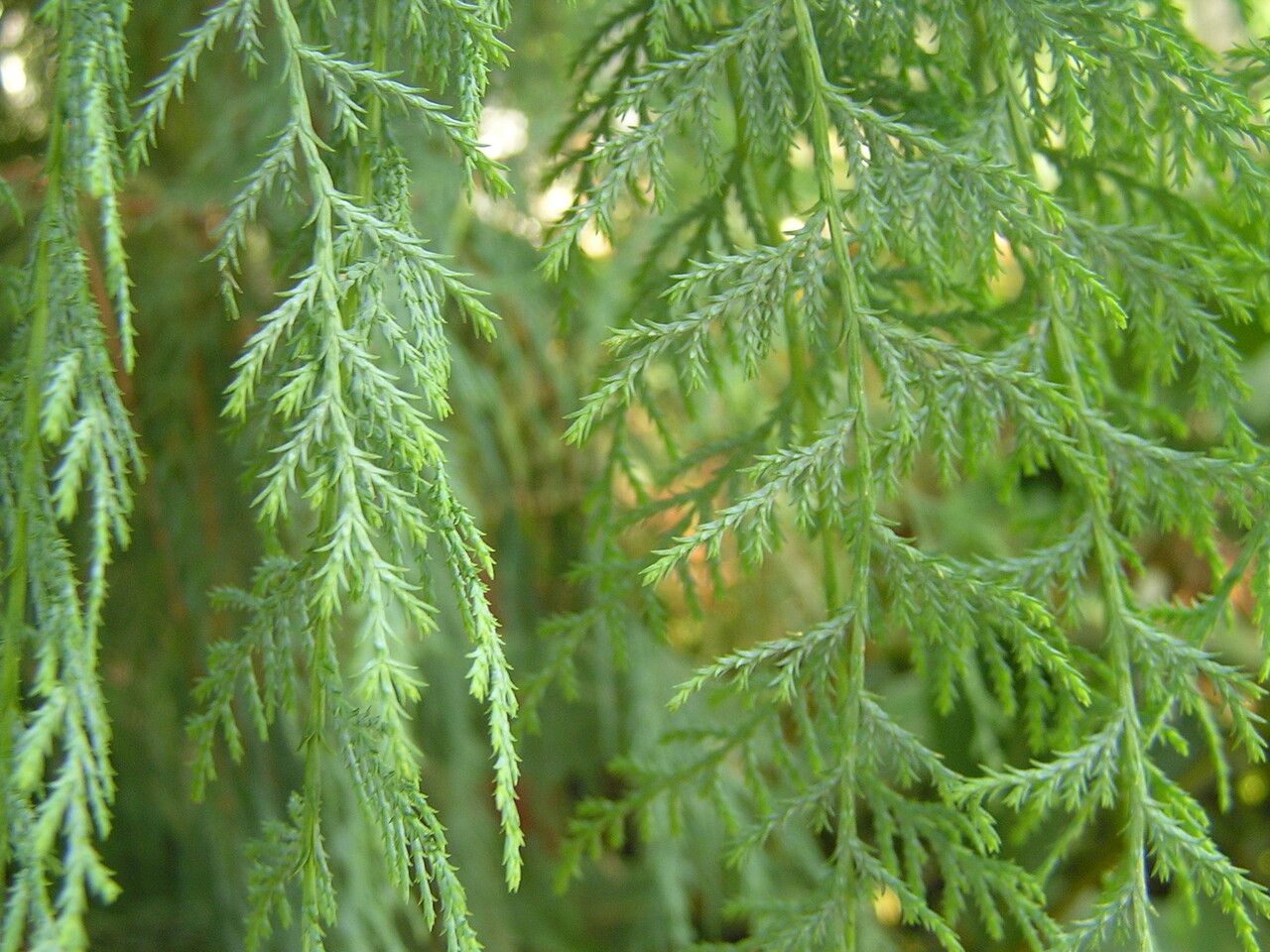
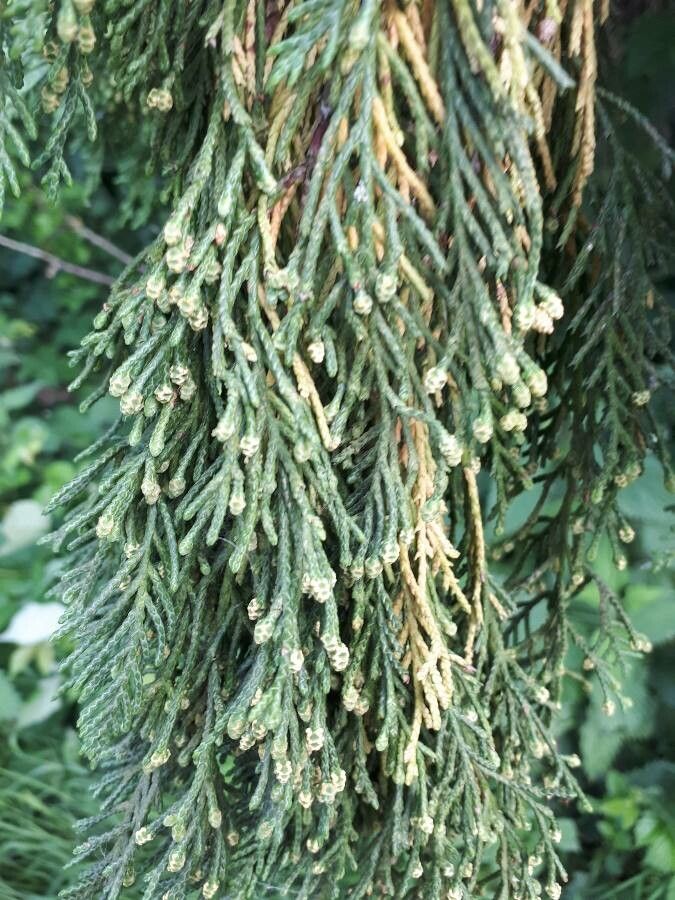
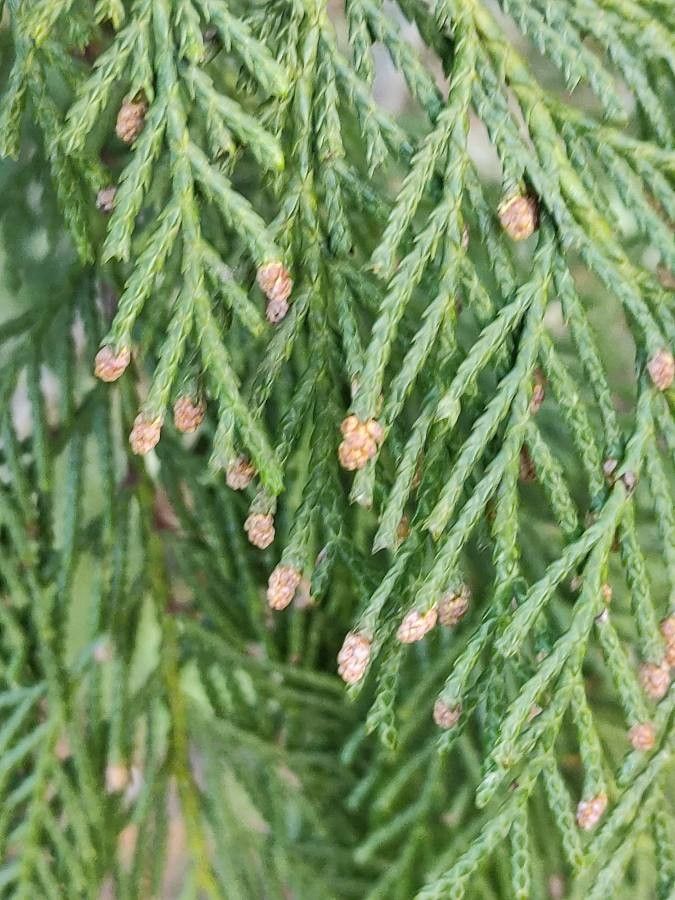
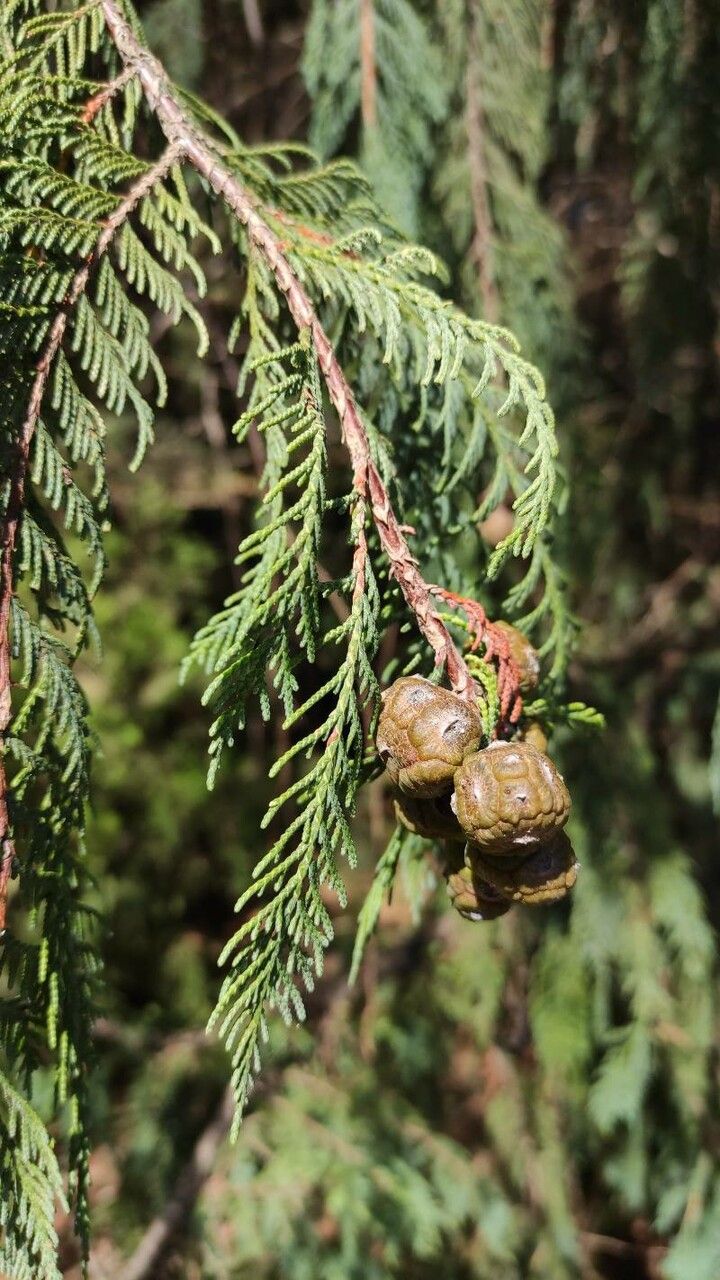
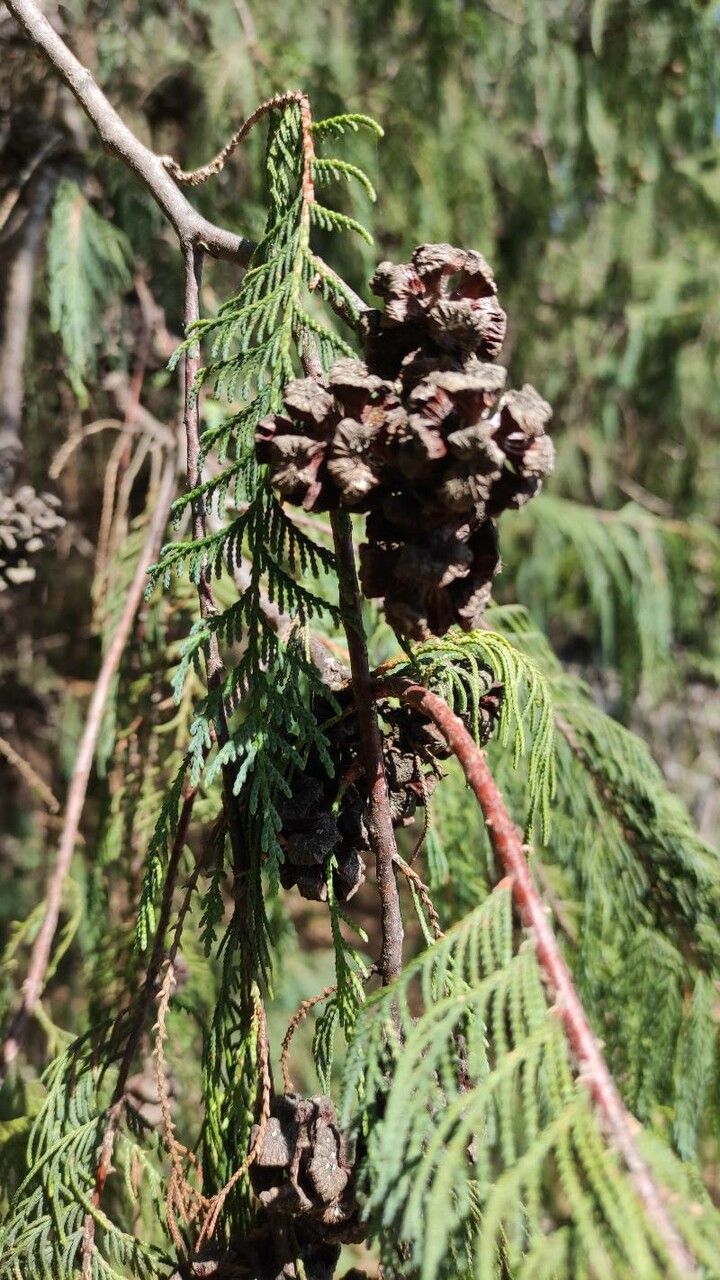
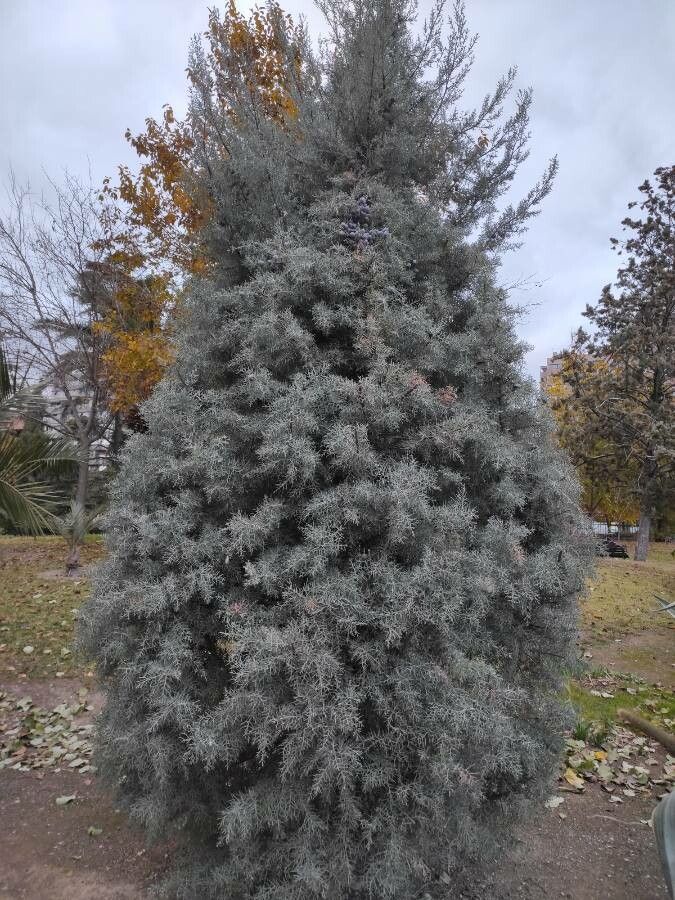
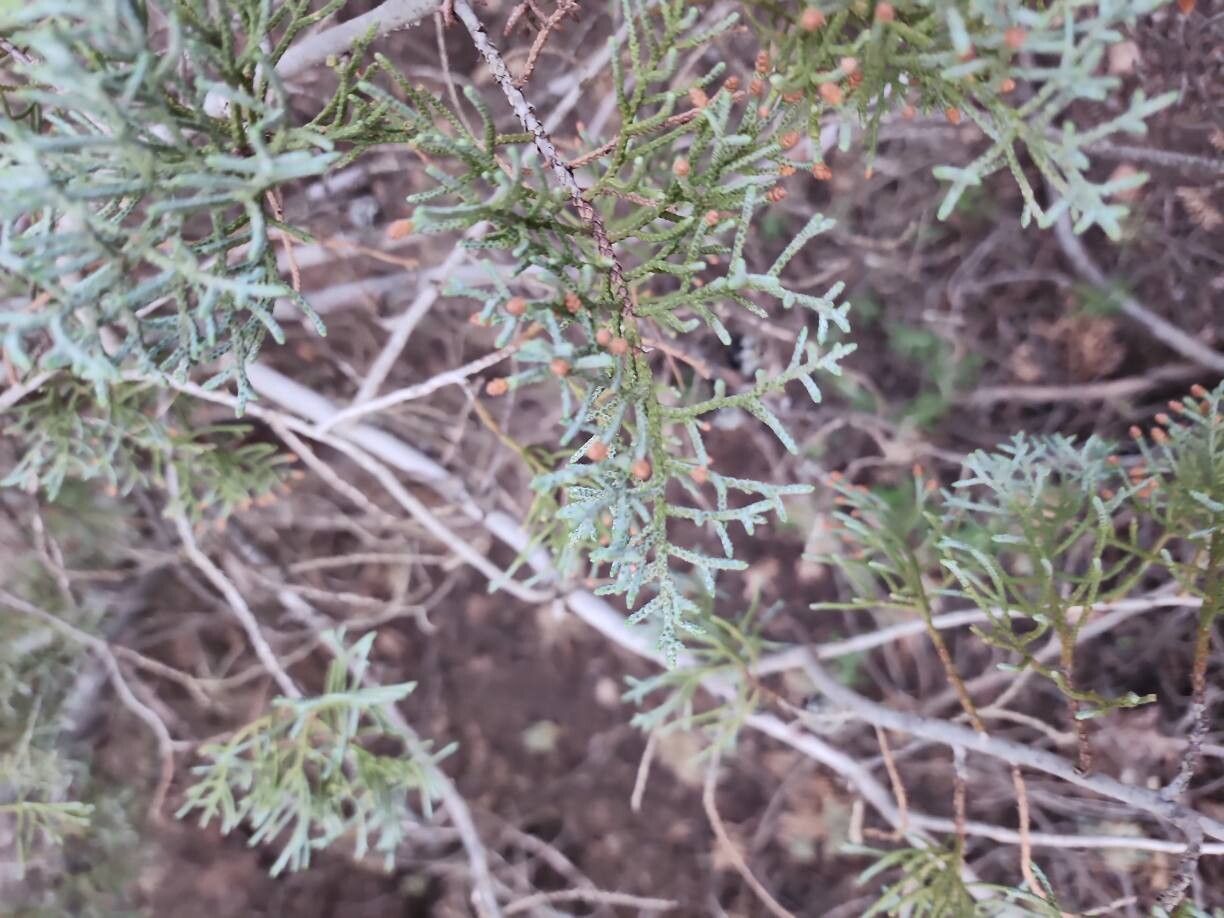
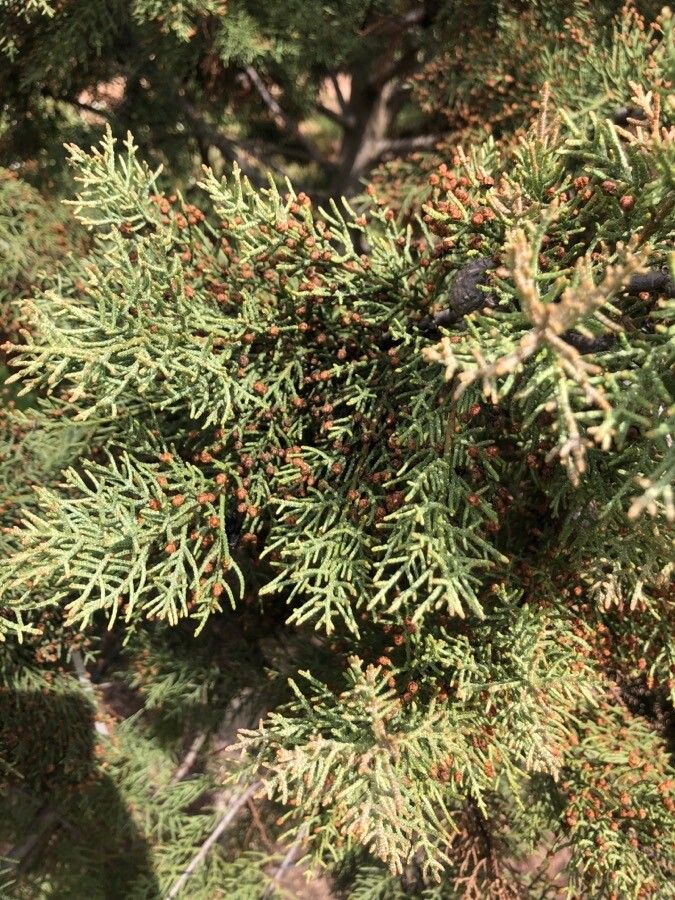
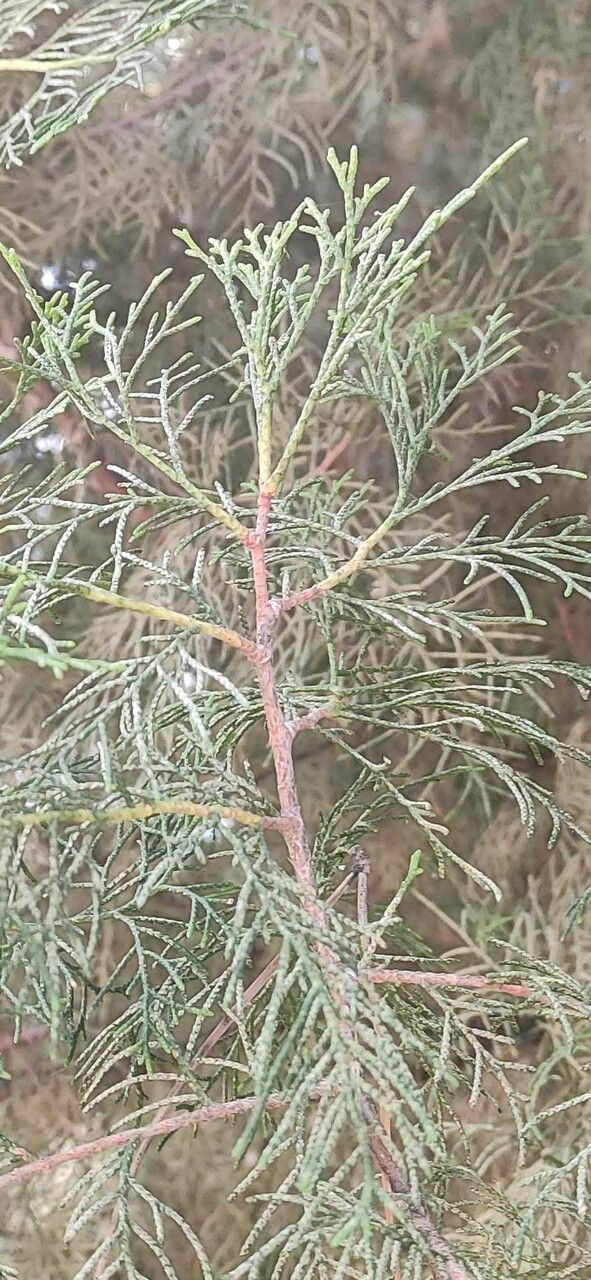
Cupressus cashmeriana, the Bhutan cypress or Kashmir cypress, is a species of evergreen conifer native to the eastern Himalaya in Bhutan and adjacent areas of Arunachal Pradesh in northeastern India. [ Now in vulnerable category, IUCN list retrieved in 2006 ]. It is also introduced in China and Nepal. It grows at moderately high altitudes of 1,250–2,800 metres (4,100–9,190 ft).
Kashmir cypress has strong resistance to diseases and is usually not susceptible to them. In terms of maintenance, this plant is fairly low-care. When planted outside it needs only infrequent watering, and larger specimens typically do not require pruning. Smaller plants, however, should be trimmed after they have bloomed. Kashmir cypresst is appropriate for anyone with outdoor space, like a garden or a deck, and does not demand much gardening experience.
How to keep Cupressus Cashmeriana.
Light
The kashmir cypress needs abundant sunlight to grow vigorously and does not tolerate poorly lit locations. It comes from areas with ample sun and performs well in those conditions. Too little light can result in weak growth, while too much light is generally not a significant problem.
Water
The Kashmir cypress thrives in conditions with moderate water availability, needing to be watered every two weeks. As an evergreen, it keeps its foliage throughout the year, which helps it consistently absorb water even during drier periods.
Temperature
Kashmir cypress has good temperature adaptability, able to tolerate higher temperatures and wide temperature fluctuations. In hot weather, it is important to ensure proper watering and provide suitable shade to avoid sunburn. However, Kashmir cypress is relatively less tolerant of low temperatures. Although it can endure some cold, excessively cold conditions may cause frost damage.
Fertilizer
Kashmir cypress has specific nutrient needs and does not require heavy fertilization. Fertilizing in spring is best for promoting optimal growth. Providing nutrients improves its health, increases its resistance to pests and diseases, and helps sustain a long lifespan.
Pruning
The Kashmir cypress is an evergreen conifer known for its drooping branches and blue-green leaves. To maintain its health and appearance, it's best to prune these trees from early to late winter. During pruning, concentrate on cutting away dead branches and shaping the tree to encourage optimal growth. Be sure to make clean cuts to minimize the risk of infection. This practice also enhances air circulation and allows more light to reach the inner parts of the tree.
Botanical profile.
- Plant Type
- Tree
- Life Cycle
- Perennial
- Genus
- Cupressus
- Family
- Cupressaceae
- Hardiness Zone
- 7-10
- Mature Height
- 12.19 m to 18.29 m
- Mature Spread
- 14.94 m
- Leaf Color
- Blue, Silver, Gray
- Leaf Type
- Evergreen
- Bloom Time
- Early spring, Mid spring
- Planting Time
- Spring, Summer, Autumn
- Harvest Time
- Late summer, Early fall, Mid fall
- Native Area
- Bhutan, India
Other names.
Reader questions.
How should I water my Kashmir cypress tree?
Watering your Kashmir cypress is a simple task. To do so, use a garden hose to slowly soak the soil. Large trees require a high volume of water, making the garden hose the ideal tool. However, for smaller trees, a watering can or other smaller tools will suffice. Avoid watering from above, as excess moisture on the leaves can cause disease, especially in young trees.
Why should I put fertilizer on my Kashmir cypress?
To ensure healthy growth of the Kashmir cypress, it is recommended to fertilize it in the spring. Keep in mind that this plant has a long lifespan and requires support. Adding nutrients to the soil can also enhance the plant's health, making it more resistant to common pests and diseases, which can otherwise hinder growth or shorten its lifespan.
What are the sunlight requirements for Kashmir cypress?
Kashmir cypress requires full sun exposure, defined as more than 6 hours of sunlight daily, to ensure robust growth. This species thrives in environments with abundant sunlight and may exhibit suboptimal growth under insufficient light conditions. Partial sun, consisting of about 3-6 hours of sunlight, is considered the minimum for maintaining health, but full sunlight is ideal. It's crucial to observe the movement of sunlight through your garden to find spots that offer a perfect balance of light and shade, ensuring the plants' happiness.
What is the botanical name of the Kashmir cypress?
The botanical name of the Kashmir cypress is Cupressus cashmeriana. This coniferous tree is known for its ornamental value and is native to the Kashmir region. It's renowned for its attractive appearance and is often used in landscaping and garden designs.
What should I do if I give my Kashmir cypress too much or too little water?
Overwatering can occur if the soil doesn't drain well, leading to the decline of your Kashmir cypress. To address this, you can either improve the soil's drainage or transplant the tree to a better location. If you're growing the cypress in a pot, consider using looser soil in a container with better drainage. Overwatering can also make the plant more susceptible to diseases, so treat any signs of illness promptly. If you've underwatered the cypress, simply water it more frequently to restore its health. To determine if the cypress is being overwatered, examine its foliage, particularly the new growth. Discoloration or easily breakable new growth indicates excess moisture. Standing water or slow drainage in the plant's area also suggests overly moist soil. Underwatered cypresses may have sparse, brown leaves. Assessing recent rainfall and high temperatures can help determine if these factors are causing the plant's symptoms.
When should I fertilize my Kashmir cypress tree?
Kashmir cypress differs from garden plants because it doesn't need a lot of extra nutrients. The growing medium may not provide enough nutrients for healthy growth, but fertilizing in the spring before new growth appears is the best time to support its health.
How does inadequate sunlight affect Kashmir cypress, and what are the symptoms?
Kashmir cypress exhibits several symptoms when exposed to inadequate sunlight, including smaller new leaves, leggy or sparse growth, faster leaf drop, slowed or halted growth, paler new leaves, chlorosis, sunscald, leaf curling, wilting, and leaf scorching. These symptoms indicate stress from insufficient light, which hinders the plant's ability to grow optimally. Chlorosis, for example, shows a loss of leaf greenness due to insufficient light for photosynthesis. Leaf scorching and curling are direct responses to excessive light, whereas the other symptoms result from inadequate light exposure.
How frequently should I give water to my Kashmir cypress plant?
A mature Kashmir cypress is quite resilient to drought and can survive solely on rainfall. During the hottest months, you may need to water this tree once a week, but other times of the year, watering may not be necessary. However, if you have newly planted Kashmir cypress, it's important to water regularly to ensure proper root establishment. Just remember that standing water is not tolerated by this species, so it's better to avoid overwatering than to water too much.
When is it best to not fertilize my Kashmir cypress?
Kashmir cypress stands out from other plants as it doesn't need frequent fertilization. Applying too much fertilizer can actually harm it, causing it to die back. To ensure its well-being, only use fertilizer in the spring and avoid doing so in the summer, fall, and winter. Additionally, refrain from adding any organic matter to the soil during these seasons.
What solutions can help promote better growth for indoor and outdoor Kashmir cypress?
For indoor Kashmir cypress, gradually moving the plant to a sunnier location each week until it receives at least 6 hours of direct sunlight daily is recommended. Keeping curtains open during the day near a south-facing window maximizes sunlight exposure. If the plant is large or not easily movable, consider supplementing with artificial light for at least 8 hours daily or invest in professional grow lights. Outdoors, it's crucial to move the plants to the best sunlight spot gradually, avoiding sudden intense exposure to prevent sunburn. Reducing obstructions such as trees by pruning can allow more sunlight to reach the plants. Transplanting smaller plants during their dormant period to a location with more sunlight and good drainage can also be beneficial. Note that parts of the plant affected by insufficient light might not recover, but new growth after adjusting light exposure should be healthy.
How much water does my Kashmir cypress tree need?
During the height of summer, it is important to water your Kashmir cypress. Typically, you should give it about one inch of water per week, but this can vary depending on rainfall. If it has rained one inch or more during that week, you don't need to water your Kashmir cypress. However, if your Kashmir cypress is newly planted, it will need more water during the establishment period. Usually, this means watering it once every one to two weeks for the first few growing seasons.
What kind of fertilizer is best for my Kashmir cypress tree?
The age of your plant is important when choosing fertilizer. However, remember that Kashmir cypress doesn't need a lot of extra nutrients. To support healthy root development and growth, look for a balanced plant food, but avoid fertilizers with high nitrogen levels.