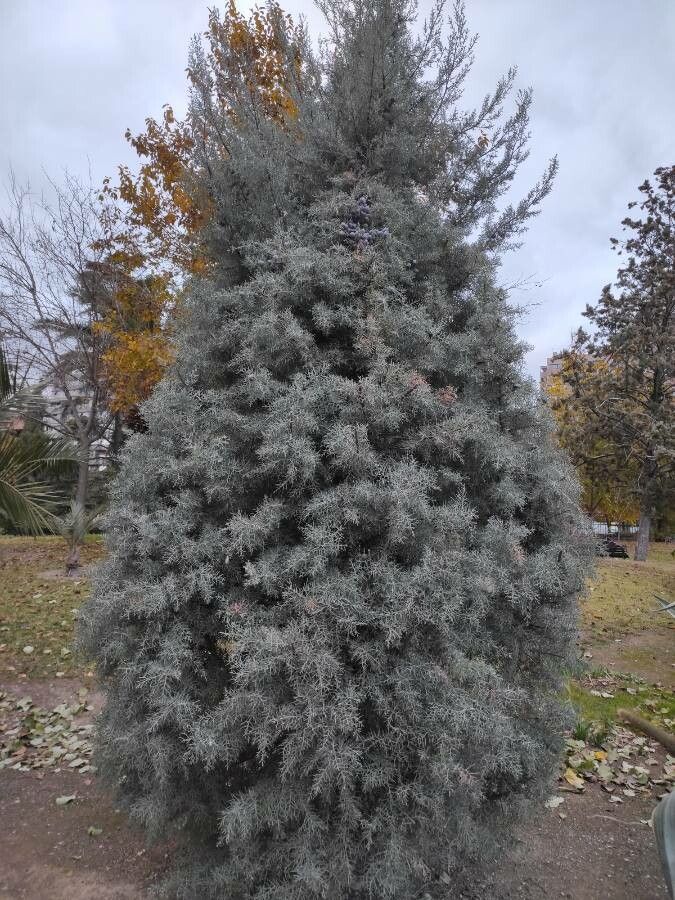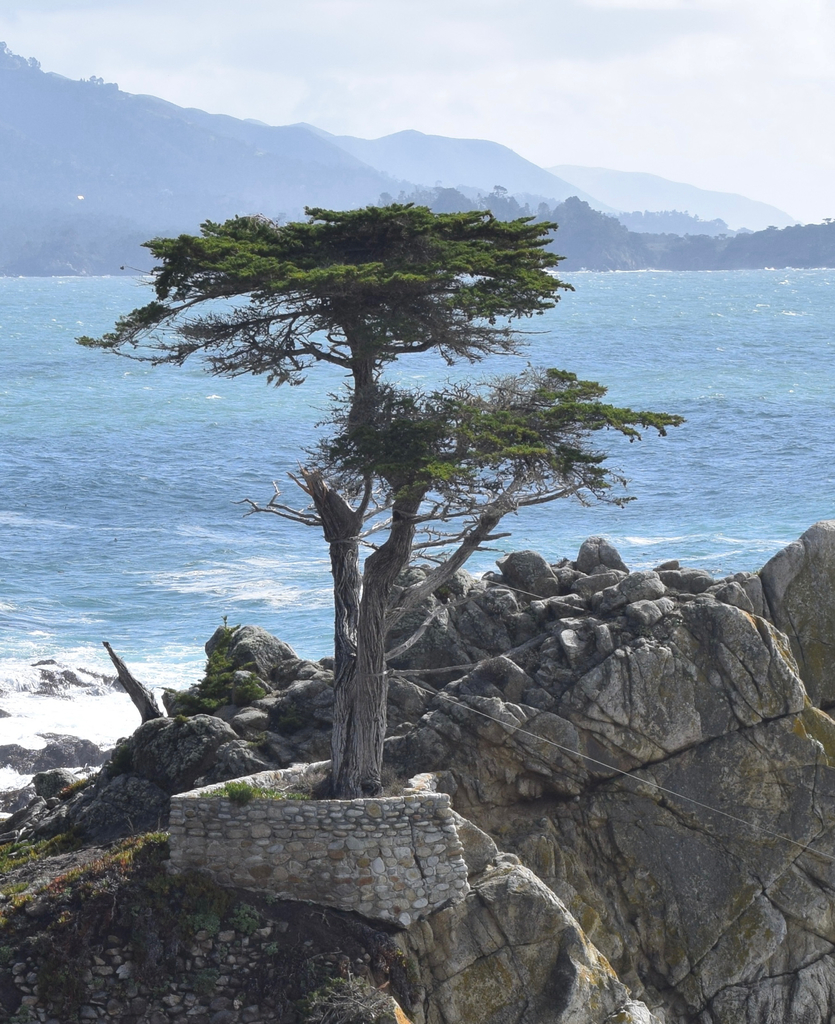
Cupressus macrocarpa, commonly known as Monterey cypress, is a species of coniferous tree native to the Central Coast of California. This medium-sized evergreen tree can grow up to 30 meters tall and have a trunk diameter reaching up to 2 meters. Its bark is grayish-brown, fibrous, and deeply fissured.
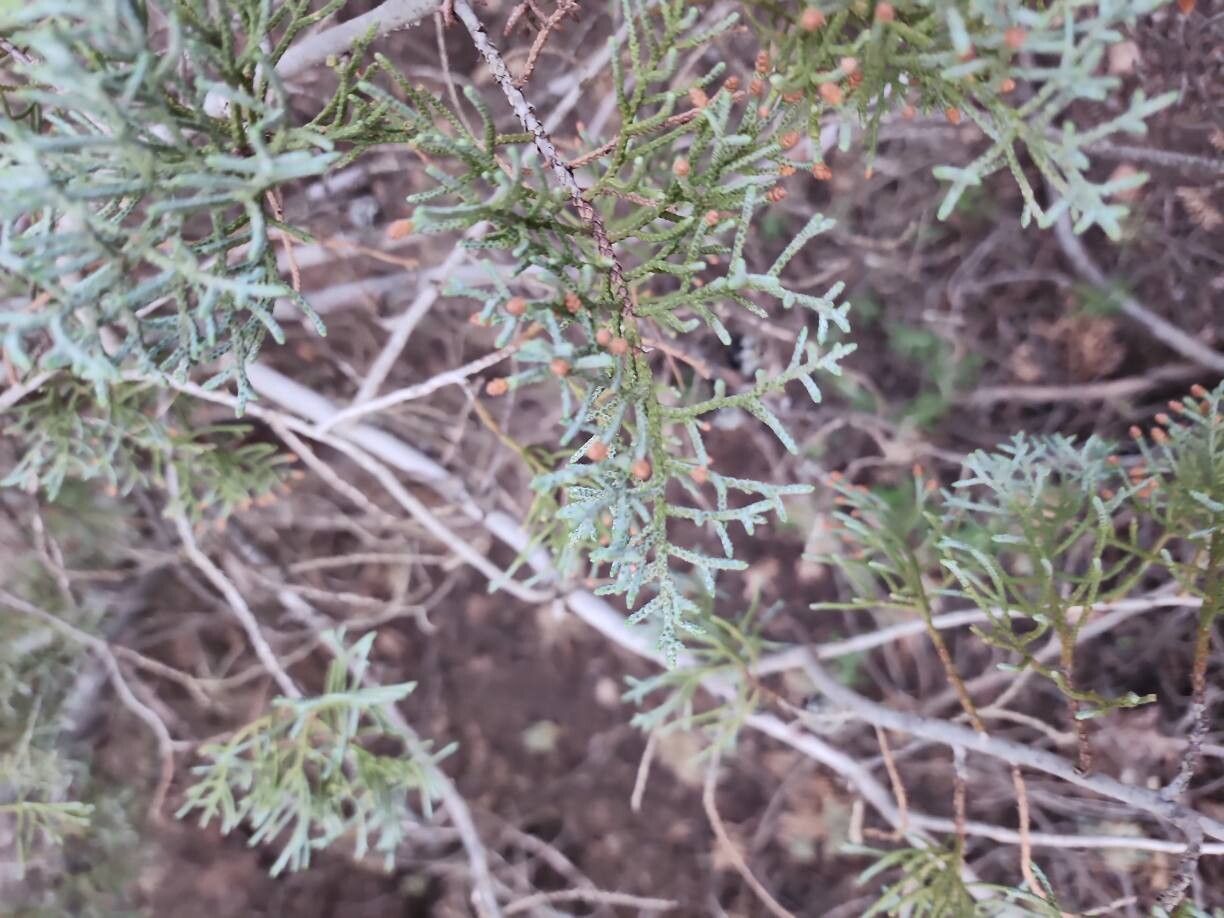
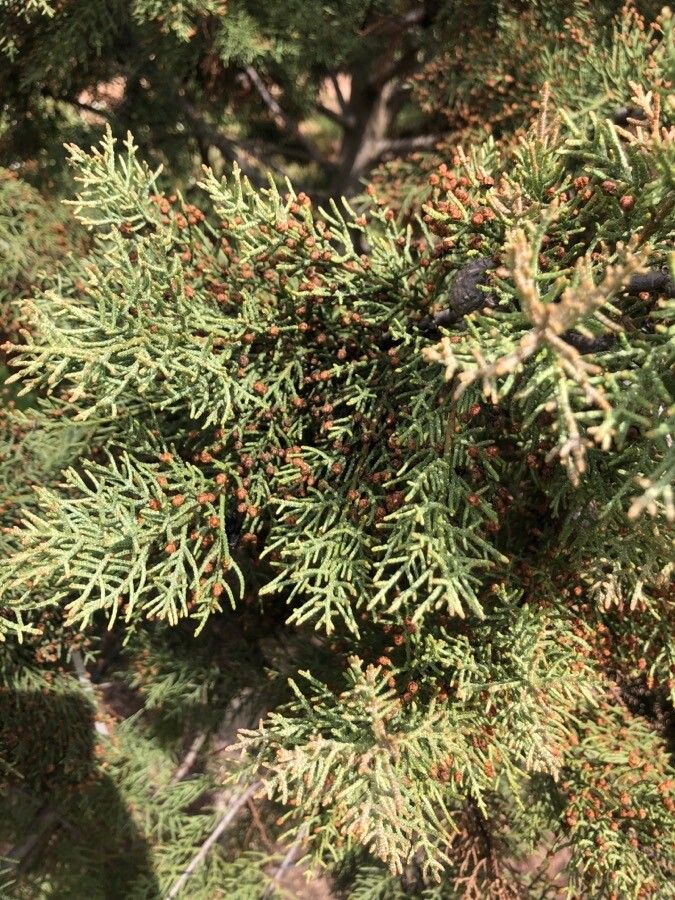
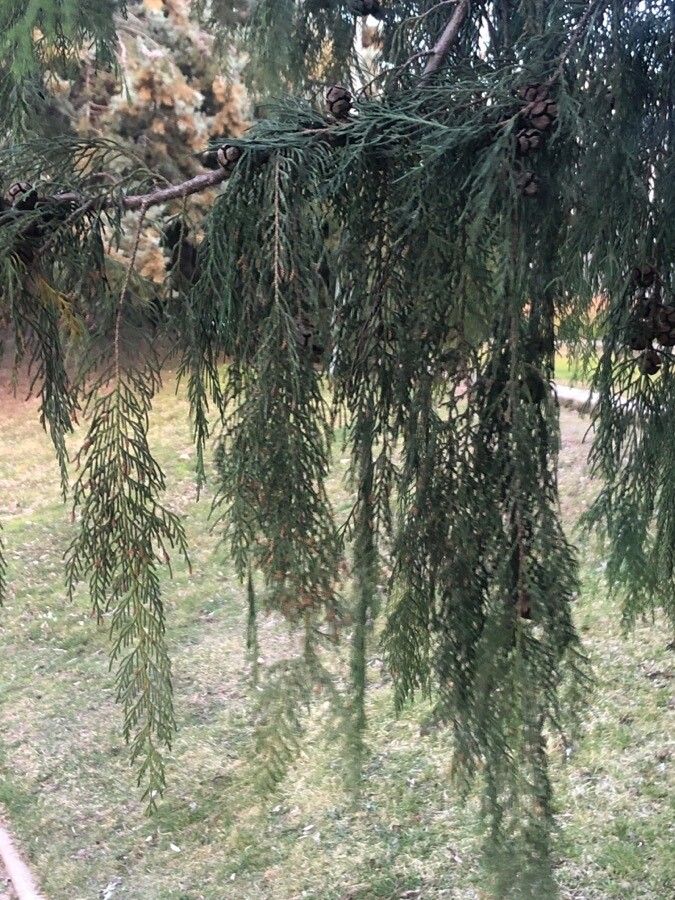
The leaves are dark green, scale-like, and arranged in opposite pairs along the stem, emitting a distinctive lemon scent when crushed. The cones are small, round, and woody, with scales that open upon maturity to release small seeds.
Monterey cypress trees are popular as ornamental plants due to their attractive appearance and resilience to coastal winds. They also hold cultural significance for the indigenous people of California, who used them for medicinal purposes.
The Monterey cypress is a species native to two small regions in Southern California, USA. The strong winds in these areas often shape the trees into unusual forms. Despite their large trunks, which can give the impression that they are thousands of years old, these trees are likely only between 200 and 300 years old. This discrepancy has sparked some debate about their true age. FUN FACT · FROM THE LIBRARY
However, Monterey cypress trees face threats from habitat loss due to urbanization and development along the coasts where they naturally grow. Additionally, they are susceptible to diseases such as Phytophthora lateralis, which can cause dieback or death in infected trees.
Overall, Cupressus macrocarpa is an ecologically and culturally important species that necessitates conservation efforts to ensure its continued survival in its native habitat.
The Monterey cypress is one of the world's rarest trees, naturally found in just two small locations: Cypress Point on the Monterey Peninsula and the granite headlands at Point Lobos. These two populations are remnants of what was once a vast forest along the West Coast.
Monterey cypress tends to be disease-resistant and is generally not prone to diseases. As for care, this plant is relatively low-maintenance. When grown outdoors, it requires minimal watering, and larger specimens usually do not need pruning. However, smaller plants should be pruned after they have bloomed. Monterey cypress is suitable for anyone with an outdoor area, such as a garden or deck, and does not require extensive care experience.
How to keep Cupressus Macrocarpa.
Light
Monterey cypress requires abundant daily sunlight to grow well and stay healthy. It can tolerate some shade at times during the day, but a lack of consistent daily sun can potentially impair its development. Coming from regions with plentiful sun, Monterey cypress may display signs of poor growth or ill health if its sunlight is significantly reduced.
Water
Monterey cypress, which originates from coastal climates, prefers conditions with moderate moisture and ambient humidity. It thrives when watered every 1 to 2 weeks, allowing the soil to dry out slightly between waterings. Typically grown outdoors, Monterey cypress benefits from natural rainfall, which provides hydration without causing oversaturation.
Humidity
This plant needs special care because it loves high humidity levels of 60-80% or more. The best way to achieve this is by placing a humidifier near the plant. Daily misting is also essential! Make sure the room has good ventilation.
Temperature
The monterey cypress is indigenous to the coastal regions of California and Mexico, where it grows in mild temperatures ranging from 15 to 35 ℃ (59 to 95 ℉). It generally prefers moderate conditions and cannot endure extreme heat or cold. In winter, it is important to protect the plant from frost and other cold weather conditions.
Fertilizer
Monterey cypress has specific nutrient needs and does not require heavy fertilization. Spring is the best time to apply fertilizer for optimal growth. Supplying nutrients enhances its health, increases resistance to pests and diseases, and helps sustain its long lifespan.
Pruning
The Monterey cypress benefits from strategic pruning to preserve its shape and health. The best time to prune is during its dormant phase, from early to late winter. During this period, focus on removing dead or overcrowded branches to improve airflow and allow more sunlight to reach the tree. Make sure to make clean cuts and avoid excessive trimming to prevent stress on the tree, enhance its structure, and reduce the risk of wind damage.
Pot & Repot
When repotting a Monterey cypress, select a pot 1-2 inches (2.5–5.1 cm) larger with ample drainage. Use a well-draining potting mix. Repot in spring or fall, making sure the root ball sits slightly below the rim of the flower pot. Water thoroughly after repotting and place the plant in a warm spot with indirect sunlight.
Botanical profile.
- Plant Type
- Tree
- Life Cycle
- Perennial
- Genus
- Cupressus
- Family
- Cupressaceae
- Hardiness Zone
- 7-10
- Mature Height
- 39.93 m
- Mature Spread
- 6.1 m to 24.08 m
- Leaf Color
- Green
- Leaf Type
- Evergreen
- Flower Color
- Yellow
- Flower Size
- 0.20 cm to 0.25 cm
- Bloom Time
- Late spring, Early summer, Mid summer
- Planting Time
- Spring, Autumn
- Harvest Time
- Mid summer, Late summer, Early fall
- Native Area
- United States
Other names.
Reader questions.
When Should I Water My Monterey Cypress?
The ideal time to water your Monterey Cypress involves checking for soil dryness, as the plant needs water when the top inch of soil feels dry. Observing the condition of the needles is crucial; browning or brittleness suggests dehydration, and fading or yellowing indicates a lack of water. Seasonal variations affect watering needs, with more frequent watering required during the growing season in spring and summer due to higher temperatures and less during dormant periods in autumn and winter. Additionally, peripheral branches deteriorating is a sign of insufficient water. However, it's important to avoid overwatering to prevent risks such as root rot and ensure a balance based on these indicators.
Why should I put fertilizer on my Monterey cypress?
To promote healthy growth of the Monterey cypress, it is recommended to fertilize it during the spring. Since the plant has a long lifespan, it requires proper care and support. Adding nutrients to the soil not only improves the plant's overall health but also strengthens its resistance against common pests and diseases. This helps in preventing stunted growth or a shorter lifespan.
What are the sunlight requirements for Monterey cypress?
Monterey cypress thrives with ample exposure to sunlight each day for optimal health and growth. It needs above 6 hours of sunlight to be considered in full sun and about 3-6 hours of sunlight for partial sun. Despite its need for considerable sunlight, Monterey cypress can still endure some shade during parts of the day, but a lack of continuous daily sunlight could potentially harm its development. Its origin in an environment with plentiful sun exposure means it could show symptoms of poor growth or health if sunlight is drastically reduced.
What is the native habitat of the Monterey Cypress?
The Monterey Cypress is native to coastal areas of California and Mexico. It thrives in mild temperatures ranging between 15 to 35°C (59 to 95°F), preferring moderate environments and struggling in extreme heat or cold.
How Should I Water My Monterey Cypress?
To water your Monterey Cypress properly, it's essential to use methods that avoid overwatering its sensitive root system. A watering can with a long, narrow spout is ideal for directing water to the root zone, avoiding moisture on the bark or foliage that could encourage fungal growth. Bottom-watering is an effective technique for smaller saplings. The use of a soil moisture meter can help prevent both under and overwatering. Ensure water does not accumulate at the plant's base to prevent root rot. Mulching can optimize hydration by helping retain soil moisture and keeping roots cool during hot weather.
When should I fertilize my Monterey cypress for the best results?
Unlike garden annuals and perennials, Monterey cypress doesn't need a lot of additional nutrients for healthy growth. The growing medium may not always provide enough nutrients, but this tree is an exception. To fertilize properly, it is best to do so in the spring before new growth appears.
How can artificial lighting support Monterey cypress indoors?
Indoor Monterey cypress plants require adequate lighting for optimal growth, especially during winter or in less sunny spaces. Artificial lights, like LED lights, offer a crucial solution by providing specific wavelengths of light that the plants need. The recommendations for artificial lighting are 30-50W/sq ft for full sun plants, 20-30W/sq ft for partial sun plants, and 10-20W/sq ft for full shade plants. To mimic natural sunlight, place the light source 12-36 inches above the plant and ensure it gets 8-12 hours of light per day.
How does the Monterey Cypress react to winter conditions?
During winter, the Monterey Cypress, being strong in cold resistance, generally does not require special frost protection measures. However, if temperatures are expected to fall below -15°C, it's important to protect the tree. Wrapping the trunk and branches with materials like non-woven fabric or cloth can provide necessary cold protection. Additionally, watering the plant abundantly before the first freeze of autumn to keep the soil moist can help prevent drought and water scarcity during winter and early spring.
How Much Water Does Monterey Cypress Really Need?
The amount of water required for a Monterey Cypress varies based on the pot's size, root depth, and overall plant size. A thorough watering that reaches the depth of the roots is preferred, with a general guideline of 1.5 to 2 quarts of water for a small, 8-inch diameter pot. Signs of optimal watering include vibrant and healthy leaves, while over or underwatering can cause yellowing and browning of leaves, mushy stems, or dry, brittle foliage. Monterey Cypress tolerates drought better than excess moisture; nevertheless, it appreciates humidity and benefits from regular misting especially during dry spells.
When is it not a good idea to fertilize my Monterey cypress tree?
Monterey cypress is a plant that does not need frequent fertilization like other plants. It is not necessary to provide it with excessive nutrients, as too much fertilizer can actually harm it by causing it to die back. For this reason, it is recommended to only apply fertilizer to Monterey cypress in the spring and avoid doing so in the summer, fall, and winter seasons. During these latter seasons, it is best to refrain from adding any fertilizer or organic matter to the soil.
What are the symptoms of insufficient light exposure in Monterey cypress?
Monterey cypress may exhibit several symptoms when it experiences insufficient light exposure, including small leaves, leggy or sparse growth, faster leaf drop, slower or no new growth, lighter-colored new leaves, chlorosis, sunscald, leaf curling, wilting, and leaf scorching. These symptoms highlight the plant's struggle to adapt to suboptimal lighting conditions, impacting its overall health and development.
What are the symptoms of low temperature exposure for Monterey Cypress?
Monterey Cypress is relatively cold-tolerant, ideally kept above -10°C. When temperatures drop below -15°C, there might not be noticeable changes during winter. However, in spring, the branches may become brittle and dry, with no new shoots emerging. A solution to this is pruning away any dead branches that have failed to produce new leaves in spring.