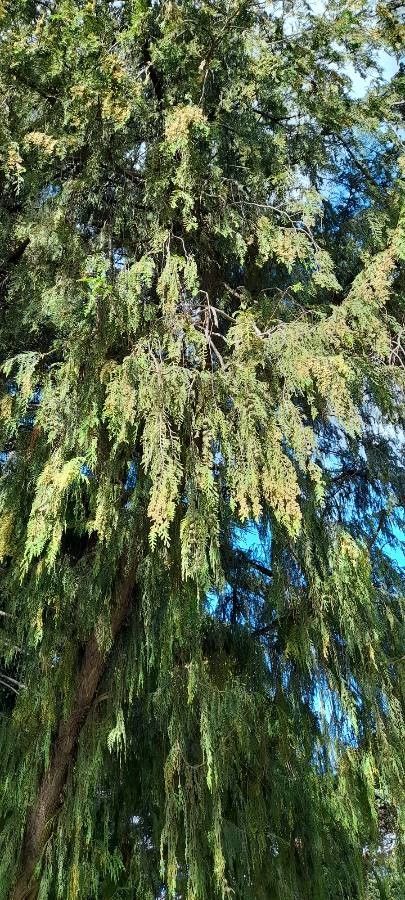
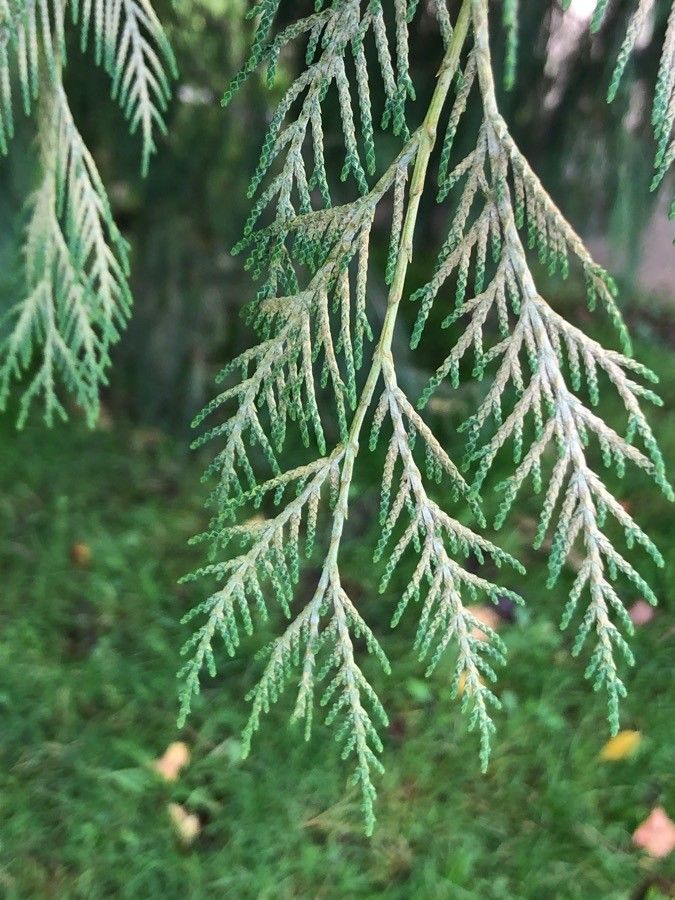
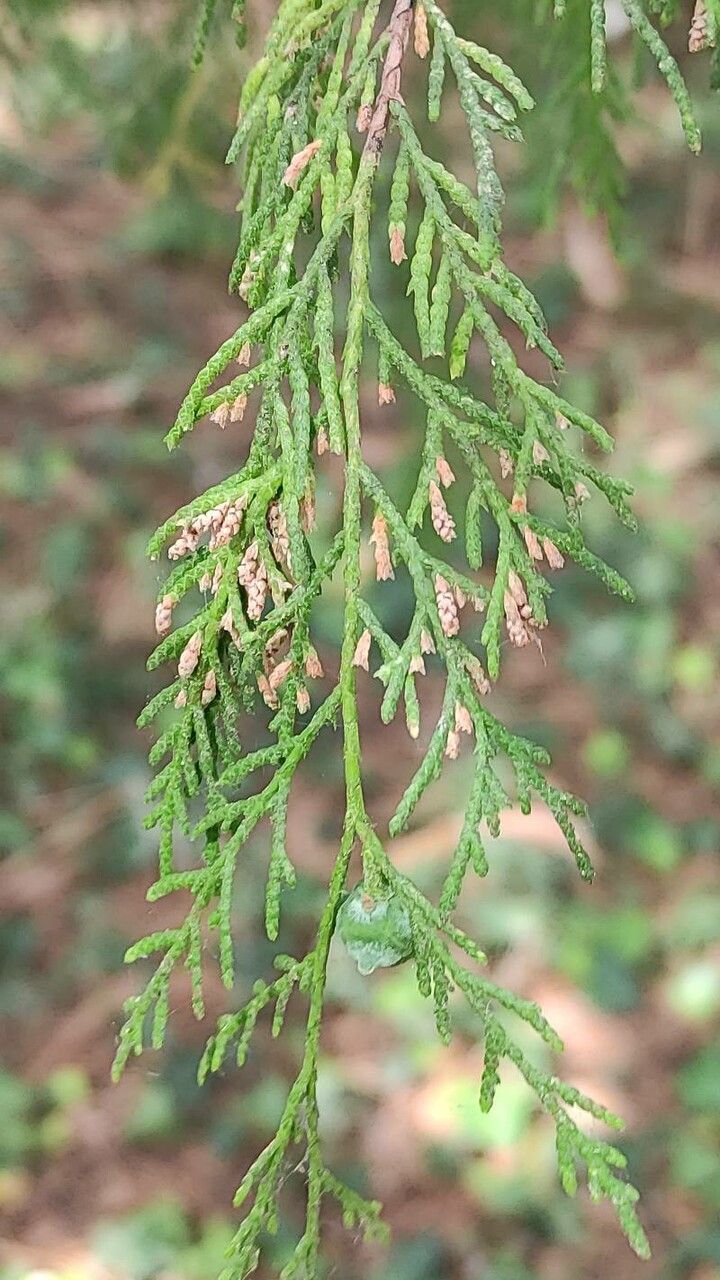
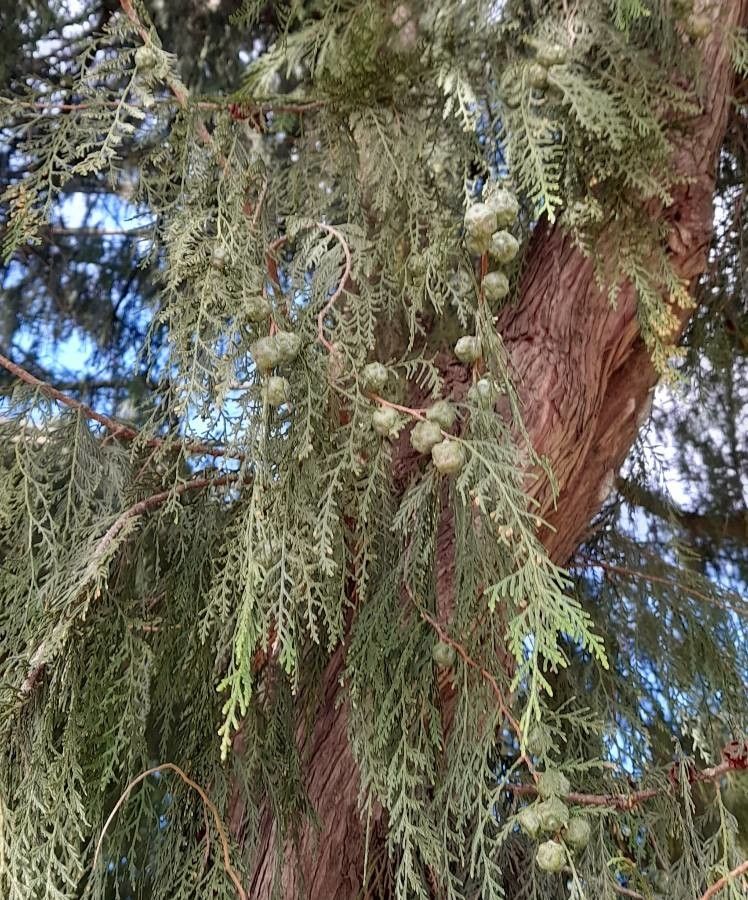
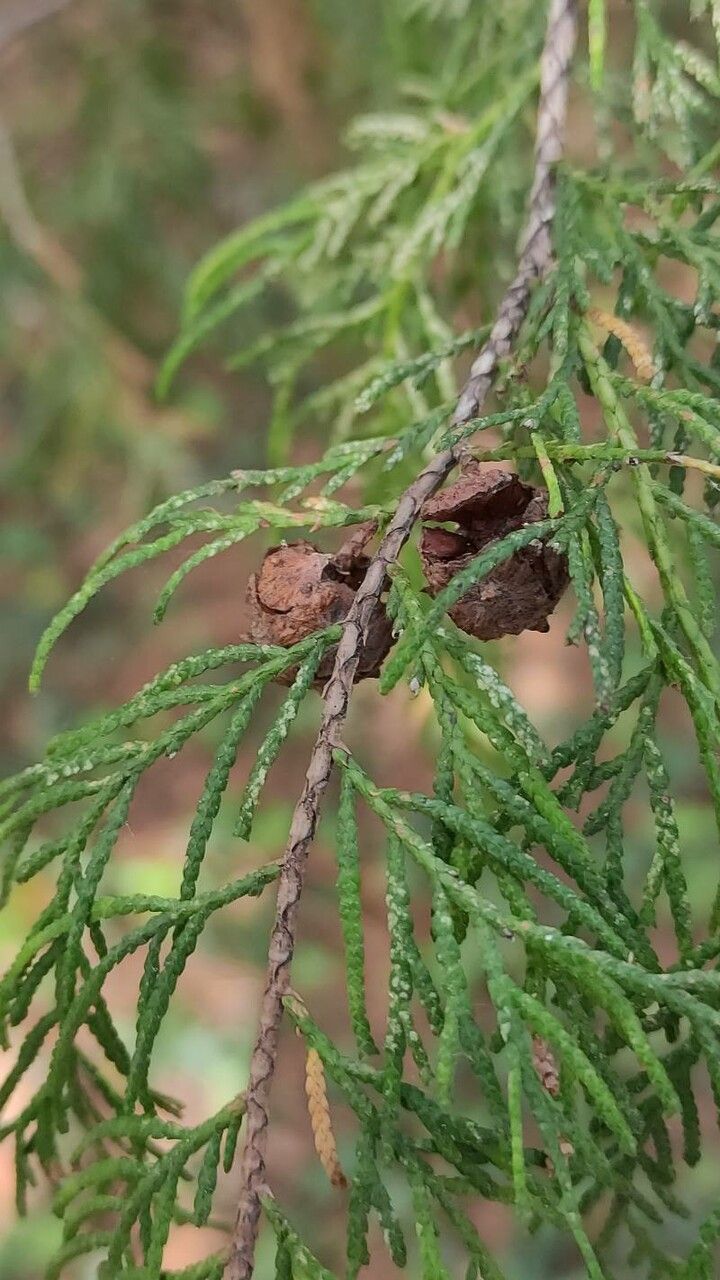
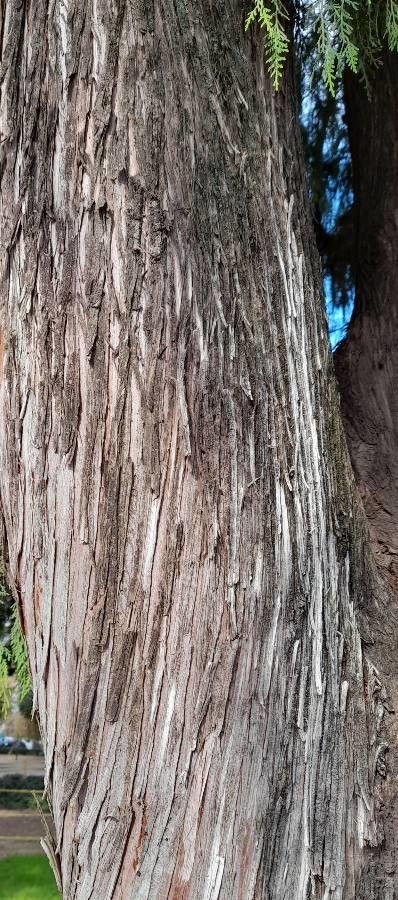
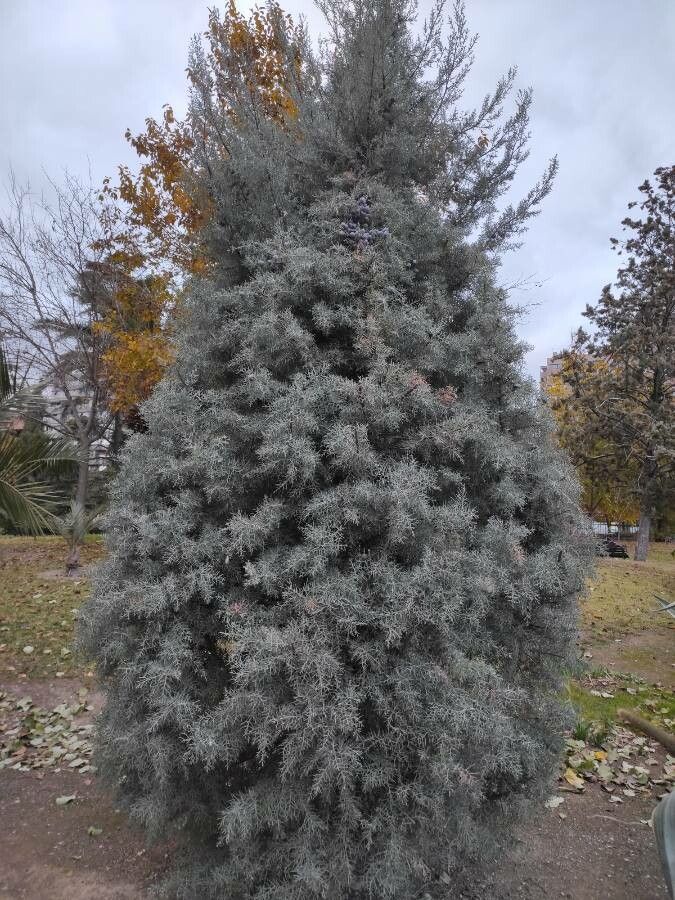
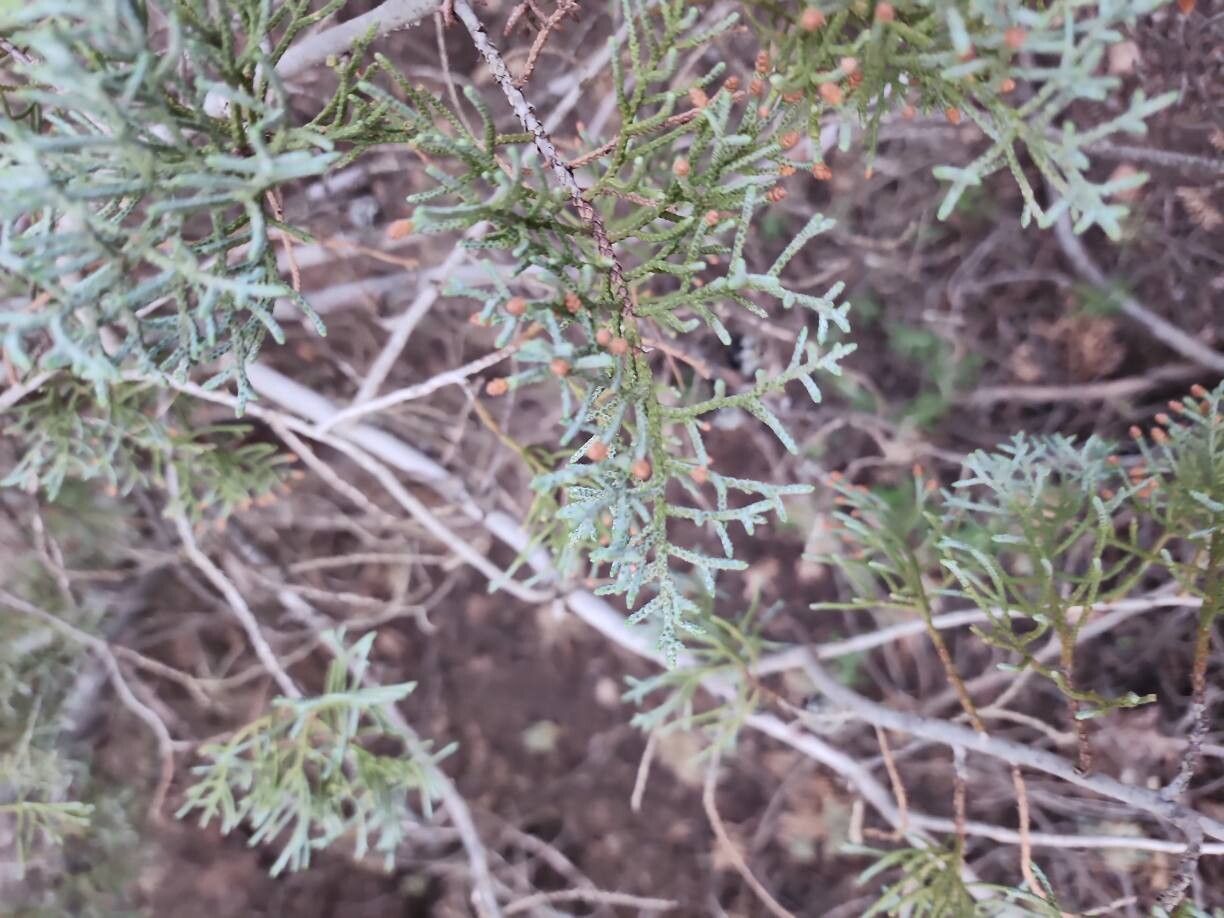
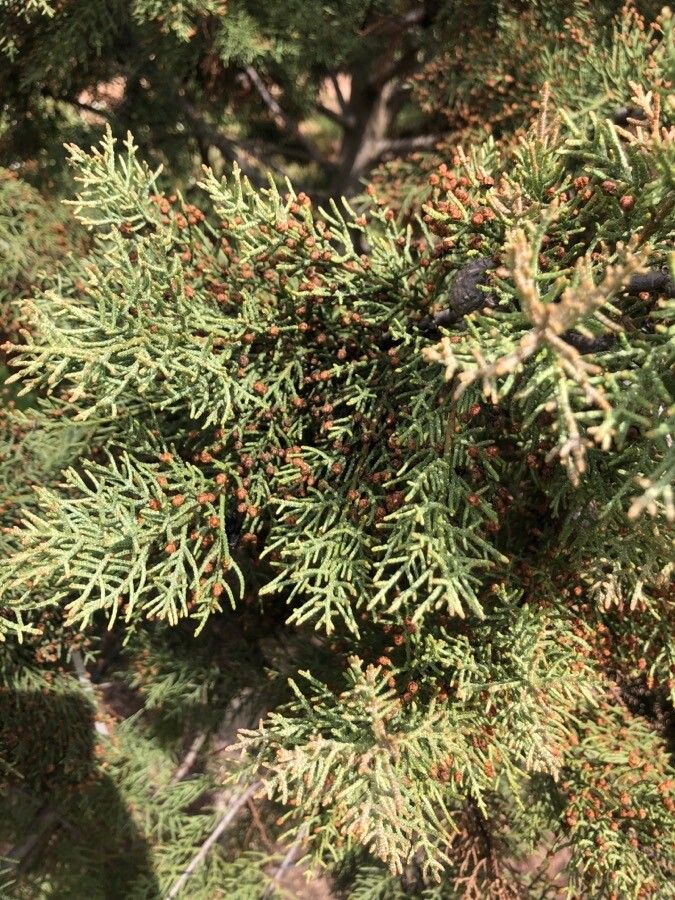
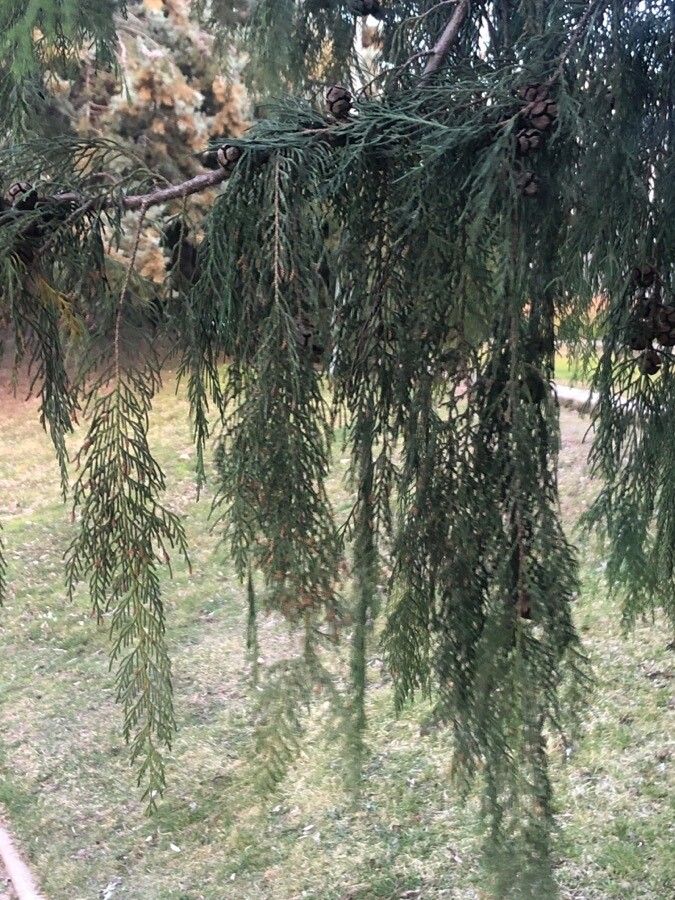
Cupressus funebris, the Chinese weeping cypress, is a species of cypress native to southwestern and central China. It may also occur naturally in Vietnam.
Mourning cypress has strong disease resistance and is generally not susceptible to diseases. This plant is fairly low maintenance. When grown outdoors it needs minimal watering, and larger specimens usually do not require pruning. Smaller plants, however, should be trimmed after they have bloomed. Mourning cypress is suitable for anyone with an outdoor space, such as a garden or deck, and does not require much care experience.
How to keep Cupressus Funebris.
Light
Mourning cypress does best when exposed to abundant sunlight for a suitable length of time. This need stems from its natural habitat, where it experiences continuous sunlight. Adequate light supports the mourning cypress’s healthy development, whereas insufficient light can cause stunted growth. There are no specific light requirements for the different growth stages of the mourning cypress.
Water
The mourning cypress is native to dry regions, which makes it well-suited to withstand drought conditions. It thrives with a biweekly watering schedule. As an evergreen species, it retains its foliage all year round, helping it maintain its water balance. Because of its size and structure, the mourning cypress is best grown outdoors.
Temperature
Mourning cypress is commonly found in areas with average temperatures of 59 to 95 °F (15 to 35 ℃), consistent with its native habitat preferences. During extreme seasons, consider adjusting climate control to mimic these conditions for optimal growth.
Fertilizer
Mourning cypress has specific nutrient needs and does not require heavy fertilization. Spring is the best time to fertilize for optimal growth. Providing nutrients improves its health, strengthens its resistance to pests and diseases, and supports its long lifespan.
Pruning
The mourning cypress is known for its weeping branches and aromatic leaves. To maintain its health and appearance, prune it during the dormant season, from early to late winter. Focus on removing dead or crowded branches to improve air circulation and reduce the risk of disease. Make sure to use clean, sharp tools for precise cuts, and avoid heavy pruning to minimize stress on the tree.
Botanical profile.
- Plant Type
- Tree
- Life Cycle
- Perennial
- Genus
- Cupressus
- Family
- Cupressaceae
- Hardiness Zone
- 7-10
- Mature Height
- 20.12 m to 35.05 m
- Mature Spread
- 9.14 m to 17.98 m
- Leaf Color
- Green, Blue
- Leaf Type
- Evergreen
- Flower Color
- Yellow, Green
- Flower Size
- 0.25 cm to 0.51 cm
- Bloom Time
- Early spring, Mid spring
- Planting Time
- Winter
- Harvest Time
- Late summer, Early fall, Mid fall
- Native Area
- Vietnam, China
Other names.
Reader questions.
How should I water my Mourning cypress tree?
Watering your Mourning cypress is a straightforward task. You can simply use your garden hose to slowly soak the soil. For mature trees, the garden hose is ideal as they require a higher volume of water. However, smaller trees can be watered using a watering can or a smaller tool. It is important to avoid overhead watering as excessive moisture on the leaves can cause disease, especially for young trees.
Why should I put fertilizer on my Mourning cypress tree?
To promote the growth and longevity of Mourning cypress, it is important to fertilize it during the spring. By providing nutrients to the soil, you can enhance the plant's overall health. This will enable the plant to effectively resist common pests and diseases that could hinder its growth or shorten its lifespan.
What are the sunlight requirements for Mourning Cypress?
Mourning Cypress requires full sunshine to thrive, needing more than 6 hours of sunlight daily to ensure healthy growth. This stems from its natural habitat preference for continuous sunlight exposure. However, it can also tolerate partial sun, defined as about 3-6 hours of sunlight a day. Observing the movement of sunlight through your garden will help in choosing locations that meet the plant's needs for light while avoiding areas that are too shaded or excessively bright, which can impact the plant's health.
What are the ideal temperature conditions for Mourning Cypress?
Mourning Cypress thrives in environments with average temperatures ranging from 59 to 95°F (15 to 35°C), which aligns with its native habitat preferences. To ensure optimal growth, it is recommended to adjust climate control to simulate these conditions during extreme seasons. The plant has strong cold resistance, generally not requiring special frost protection measures in winter. However, if temperatures are expected to drop below -15°C, it's important to provide cold protection by wrapping the trunk and branches with materials like non-woven fabric or cloth. Additionally, watering the plant abundantly before the first freeze in autumn to keep the soil moist can help prevent drought and water scarcity during the winter and early spring.
What should I do if I give my Mourning cypress plant too much water or too little water?
Overwatering Mourning cypress can be caused by poor soil drainage. If the soil doesn't allow water to drain effectively, the plant will decline. In such cases, you can improve drainage by amending the soil or transplanting the cypress to a better location. If you grow it in a pot, you may need to repot it with looser soil for better drainage. Overwatered plants can also get diseases, so treat them promptly. On the other hand, if your Mourning cypress is underwatered, simply water it more often and it will recover. To determine if your Mourning cypress is overwatered, check its foliage, especially new growth. Discolored or fragile new growth indicates excessive moisture. Standing water or slow drainage in the plant's growing area are also signs of overly moist soil. In the case of underwatering, the leaves may become sparse and brown. Consider recent rainfall or high temperatures to determine the cause of these symptoms.
When should I fertilize my Mourning cypress tree?
The growing medium may not always provide sufficient nutrients for healthy growth. However, unlike other garden plants, Mourning cypress doesn't need excessive amounts of additional nutrients. The ideal time to fertilize Mourning cypress is in the spring, before new growth starts to appear.
How can artificial lighting support Mourning Cypress growth indoors?
When natural sunlight is insufficient, especially during winter or in spaces that don't receive much sunlight, artificial lighting can play a crucial role in the growth of Mourning Cypress indoors. Adequate lighting is key to promoting faster, healthier growth. LED lights are a preferred choice due to their ability to provide specific light wavelengths needed by plants. For full sun plants, 30-50W/sq ft of artificial light is recommended, while partial sun plants need 20-30W/sq ft, and full shade plants require 10-20W/sq ft. The light source should be placed 12-36 inches above the plant to simulate natural sunlight conditions, and the duration of lighting should mimic natural daylight hours, typically 8-12 hours per day for most plants.
How does low temperature affect Mourning Cypress and what are the solutions?
Mourning Cypress is cold-tolerant and performs best when temperatures are above 15°C, requiring it to be kept above -10°C during winter. If temperatures fall below -15°C, there may not be noticeable changes during winter, but the branches may become brittle, dry in spring, and fail to produce new shoots. The solution for this issue is to prune away any dead branches that have not produced new leaves come spring.
How frequently should I water my Mourning cypress?
A mature Mourning cypress is highly adaptable to drought conditions and can usually survive solely on rainfall. In the hottest months, you may need to water it once per week, but during other seasons, watering is generally unnecessary. The only exception is for newly planted trees, which require regular watering to support root establishment. It's crucial to avoid overwatering, as Mourning cypress cannot tolerate standing water. If unsure, it's safer to under-water rather than risk over-watering.
When is the best time to not fertilize my Mourning cypress?
While monthly or weekly fertilization benefits many plants, the Mourning cypress is an exception as it does not need excessive nutrients. Applying too much fertilizer can cause it to decline. To maintain the health of the Mourning cypress, only fertilize it in the spring and avoid doing so during the other seasons of summer, fall, and winter. Additionally, refrain from adding any fertilizer or organic matter to the soil during these seasons.
What are the symptoms of light deficiency in Mourning Cypress?
Mourning Cypress may show several symptoms when suffering from light deficiency. These include the development of smaller new leaves compared to older ones, leggy or sparse growth with increased spaces between leaves or stems, and faster leaf drop as the plant tries to conserve resources. The plant may experience slower or halted growth, produce lighter-colored new leaves due to insufficient chlorophyll, and display signs of chlorosis where leaves lose their green hue. Sunscald, leaf curling, wilting, and leaf scorching are symptoms caused by excessive sunlight exposure, indicating that the plant's light conditions need to be adjusted for optimal health.
How does high temperature affect Mourning Cypress and what are the solutions?
During the summer, Mourning Cypress should be kept below 35°C. Temperatures exceeding 41°C can cause the leaves to become lighter in color, tips to dry and wither, and increase the plant's susceptibility to sunburn. Solutions include trimming away the sunburned and dried-up parts of the plant, moving it to a shaded location or using a shade cloth to protect it from the midday and afternoon sun, and watering the plant in the morning and evening to maintain soil moisture.