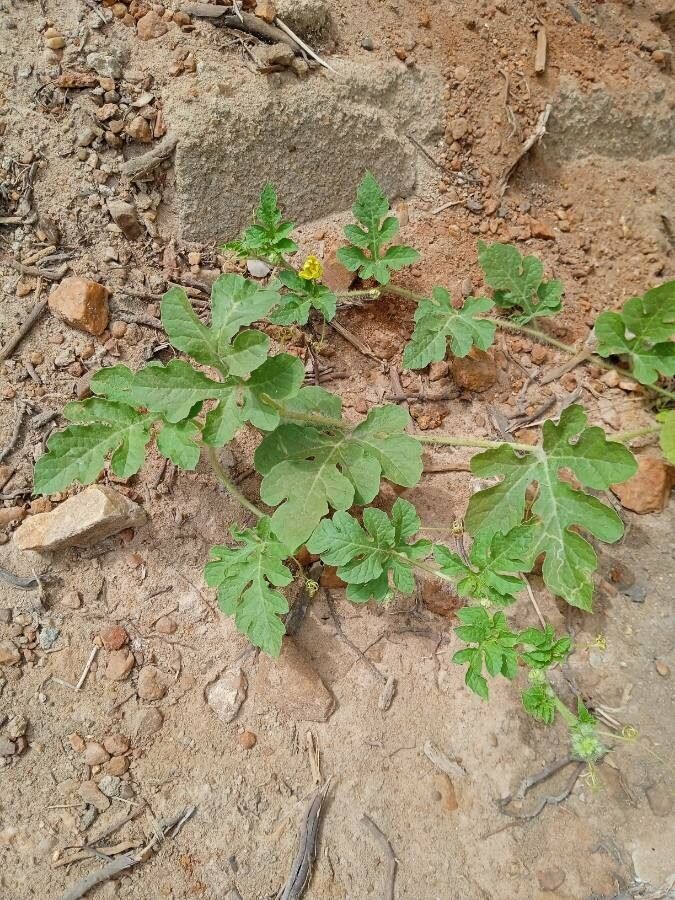
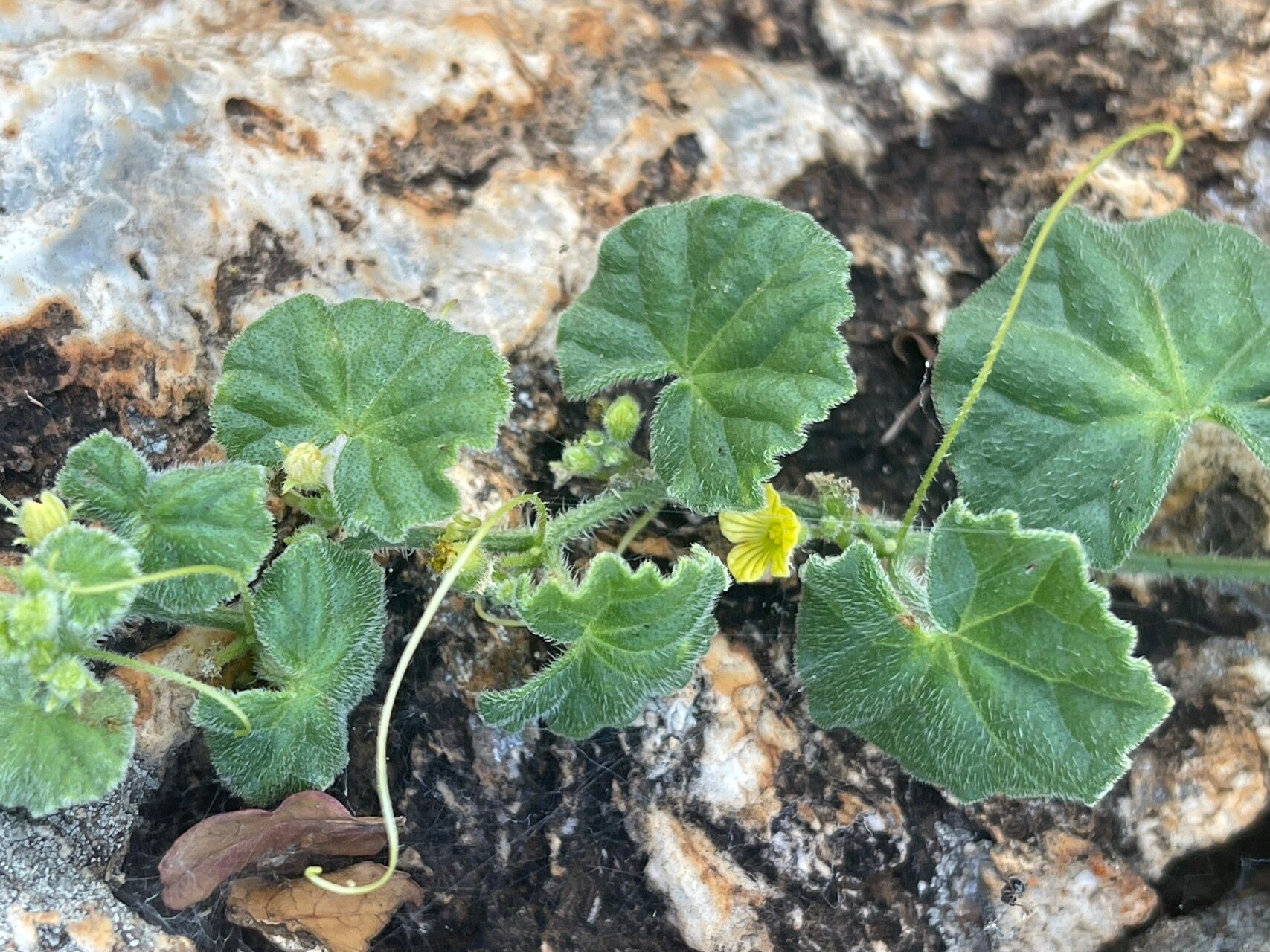
Cucumis myriocarpus, commonly known as the African horned cucumber or kiwano, is a unique and exotic fruit-bearing plant native to sub-Saharan Africa. It belongs to the Cucurbitaceae family and is closely related to cucumbers, melons, and pumpkins.
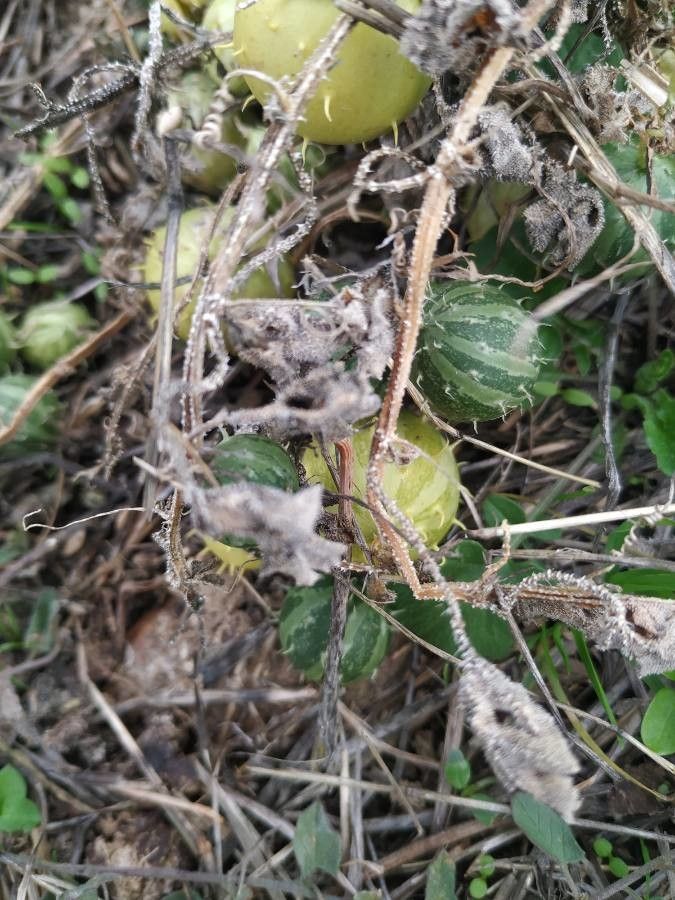
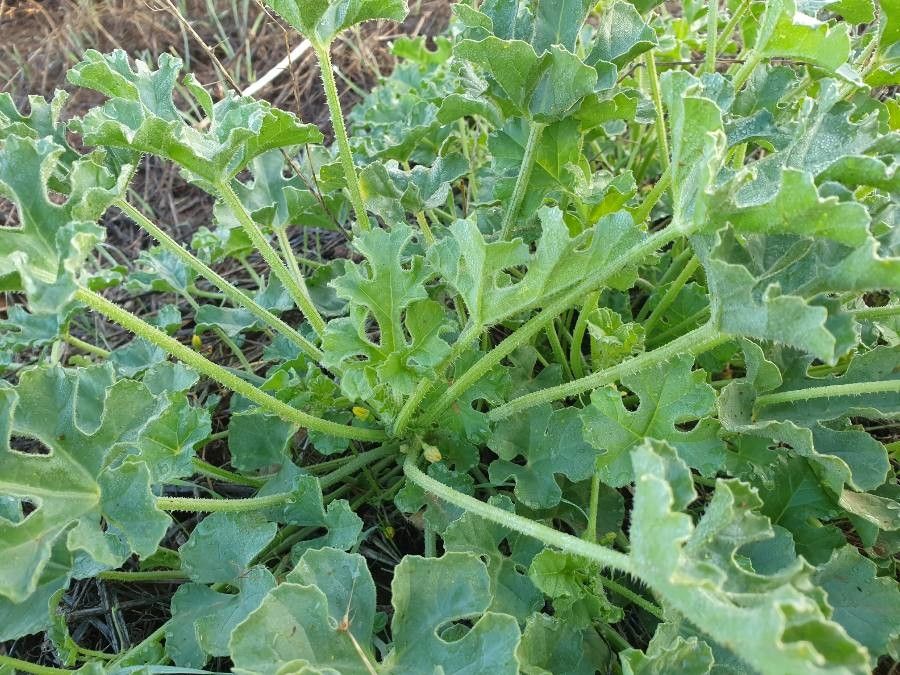
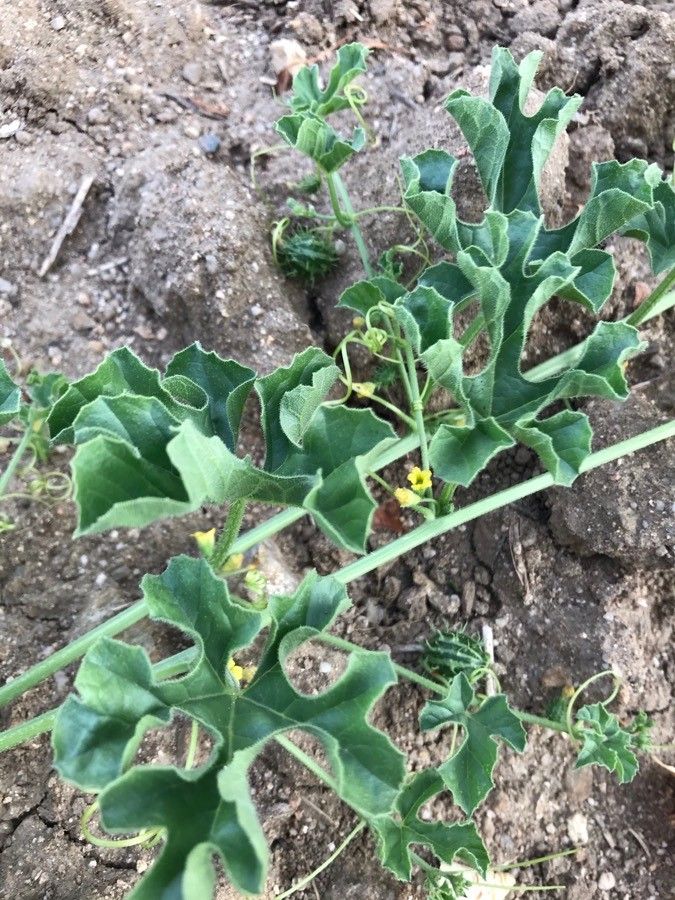
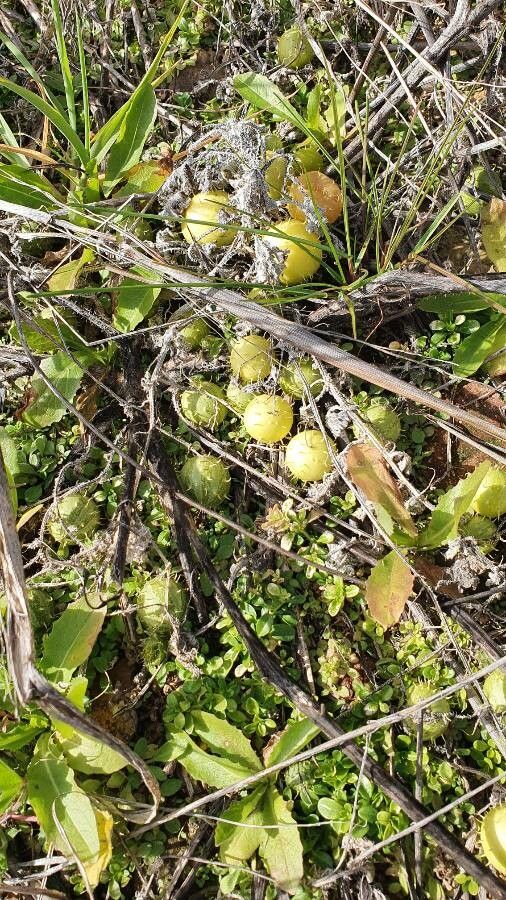
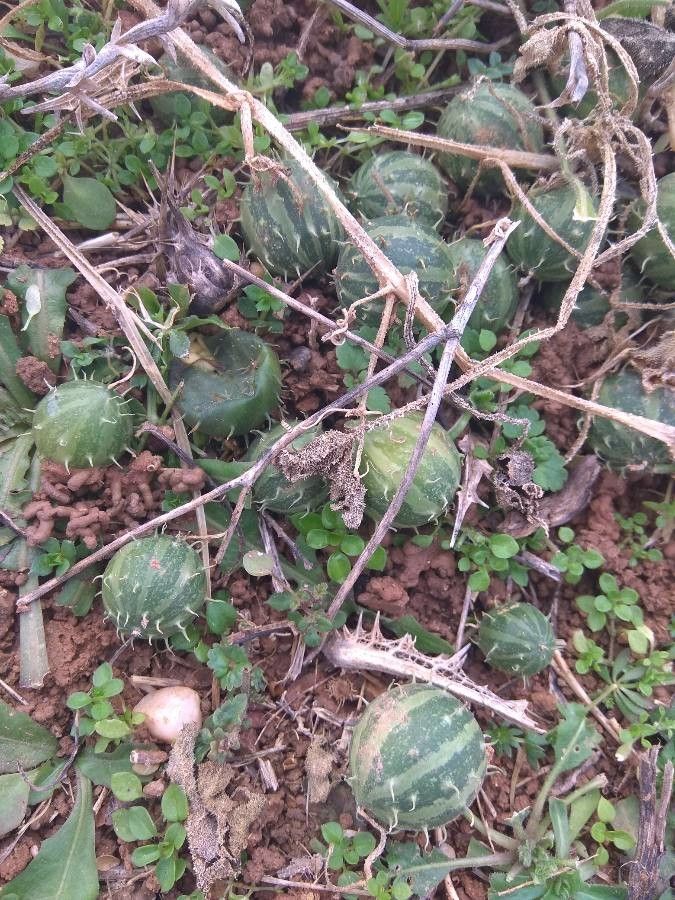
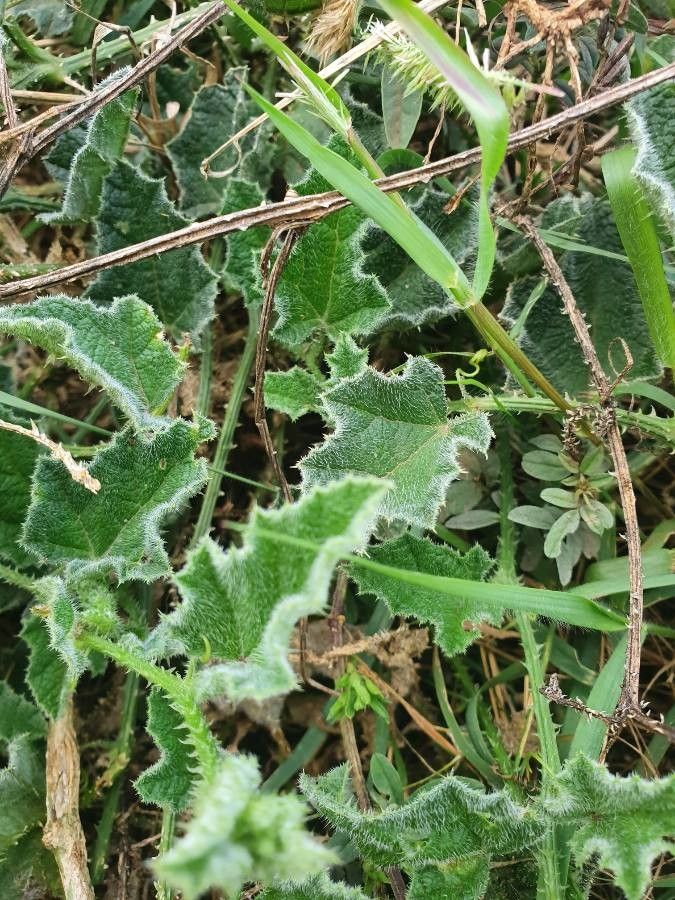
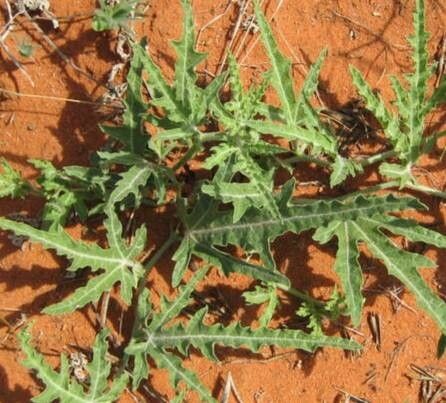
The plant has a sprawling growth habit, with long vines that can extend up to 3 meters. Its leaves are large and lobed, with rough surfaces that help protect them from harsh environmental conditions. The fruit of Cucumis myriocarpus is oval-shaped with a spiky exterior, resembling a horned cucumber or kiwano.
When ripe, the fruit has an orange-yellow skin and contains green, jelly-like pulp filled with numerous small seeds. Its unique flavor profile, combining sweet, sour, and tangy notes, makes it an excellent addition to salads or an ingredient in smoothies.
Cucumis myriocarpus thrives in warm temperatures but can tolerate some drought conditions once established. It prefers well-drained soils rich in organic matter but can also grow well in sandy soils.
In traditional African medicine, various parts of the plant are used for their medicinal properties, such as treating fever or stomach ailments, due to its anti-inflammatory properties.
Overall, Cucumis myriocarpus is not only an interesting ornamental plant but also provides nutritious fruits and has medicinal benefits, making it worth considering for commercial or domestic cultivation.
Gooseberry gourd has good disease resistance and is generally not prone to illnesses. However, it can be vulnerable to pests and diseases present in its environment. Those infections are typically mild. Regarding care, this plant needs moderate maintenance. It should be pruned regularly to preserve a neat appearance and healthy growth. Fertilizing can also encourage flowering. Gooseberry gourd is suitable for anyone with outdoor space, such as a garden or patio, and does not demand extensive care experience. It may require more attention when grown indoors.
How to keep Cucumis Myriocarpus.
Light
Gooseberry gourd comes from bright, open habitats and thrives in full sun. It can tolerate partial sun but favors direct sunlight for best growth. This annual and biennial plant is known for its sun-loving character.
Temperature
Gooseberry gourd comes from tropical areas, where the climate is generally warm and humid. Consequently, it is well suited to high heat and moisture. It does not tolerate abrupt temperature shifts and prefers steady temperatures, so indoor temperature fluctuations should be avoided. It typically cannot withstand cold and needs higher temperatures to grow. If the surrounding temperature falls too low, the plant may stop growing or even die.
Fertilizer
Gooseberry gourd benefits from regular, light applications of fertilizer to encourage healthy leaf growth. You should fertilize Gooseberry gourd about once a month during the summer. Nitrogen is essential for foliage, and providing nitrogen-rich supplements helps Gooseberry gourd thrive.
Pruning
To encourage growth and improve fruit quality, prune gooseberry gourd regularly from early to late spring. Begin by removing any dead branches, and then thin out overgrown areas to improve air circulation. This practice not only promotes larger fruits but also helps prevent pests. For specific techniques, refer to local horticultural guides.
Botanical profile.
- Plant Type
- Herb, Vine
- Life Cycle
- Annual
- Genus
- Cucumis
- Family
- Cucurbitaceae
- Hardiness Zone
- 4-11
- Mature Height
- 30 cm to 61 cm
- Mature Spread
- 49 cm to 91 cm
- Leaf Color
- Light Green, Dark Green
- Leaf Type
- Deciduous
- Flower Color
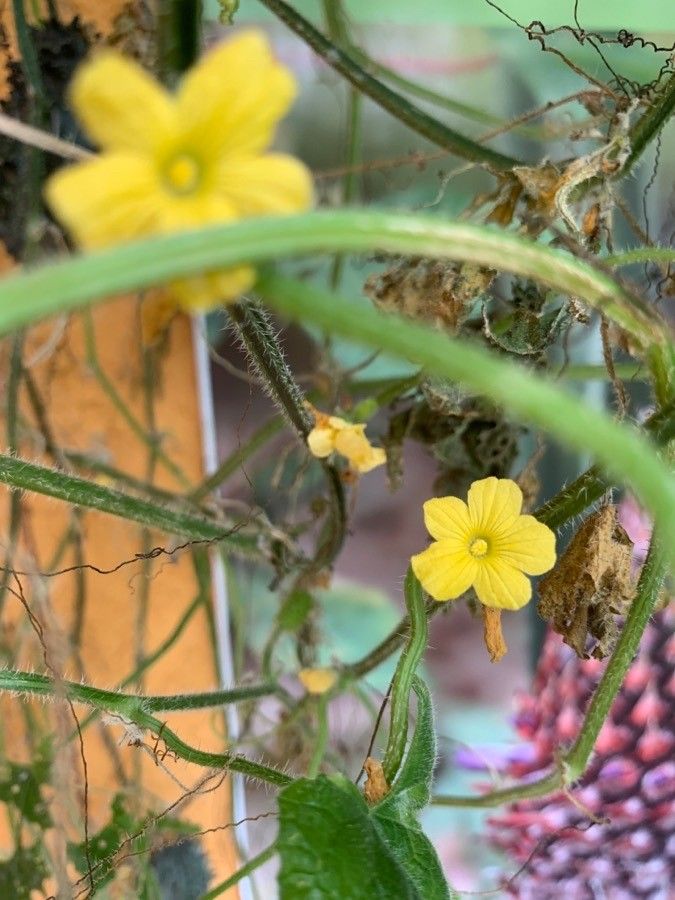
- Yellow
- Flower Size
- 1.02 cm to 2.03 cm
- Bloom Time
- Summer, Early fall, Mid fall
- Planting Time
- Spring, Summer
- Harvest Time
- Late summer, Fall, Early winter
Other names.
Reader questions.
What are the sunlight requirements for Gooseberry Gourd (Cucumis myriocarpus)?
Gooseberry Gourd (Cucumis myriocarpus) flourishes under specific sunlight conditions. It requires full sun, which means it needs more than 6 hours of sunlight daily to thrive. Alternatively, it can grow under partial sun, defined as about 3-6 hours of sunlight daily. It's important to observe how sunlight moves through your garden throughout the day. Choosing planting spots that offer a harmonious balance of light and shade can ensure the happiness and health of your Gooseberry Gourd plants.
What is the botanic name of Gooseberry gourd?
The botanic name of the Gooseberry gourd is Cucumis myriocarpus. This gourd is likely known for its unique characteristics, though specific details about its uses or origins weren't provided.