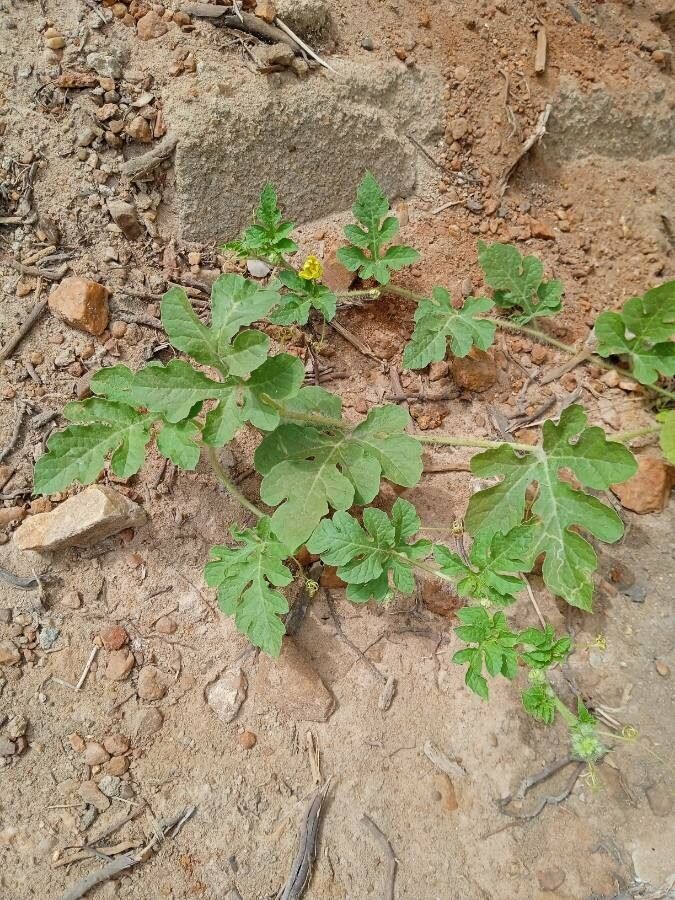
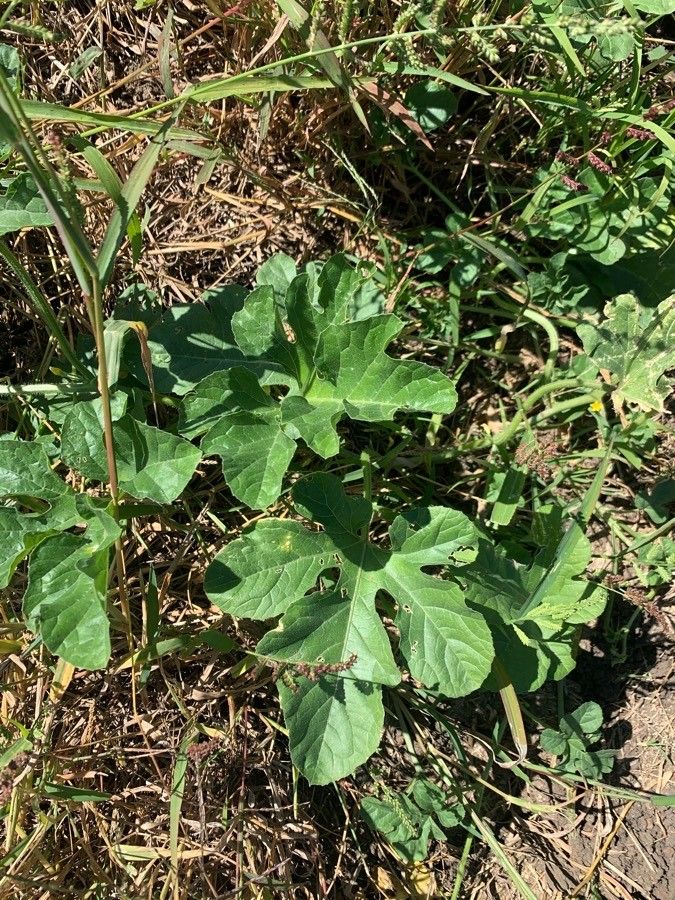
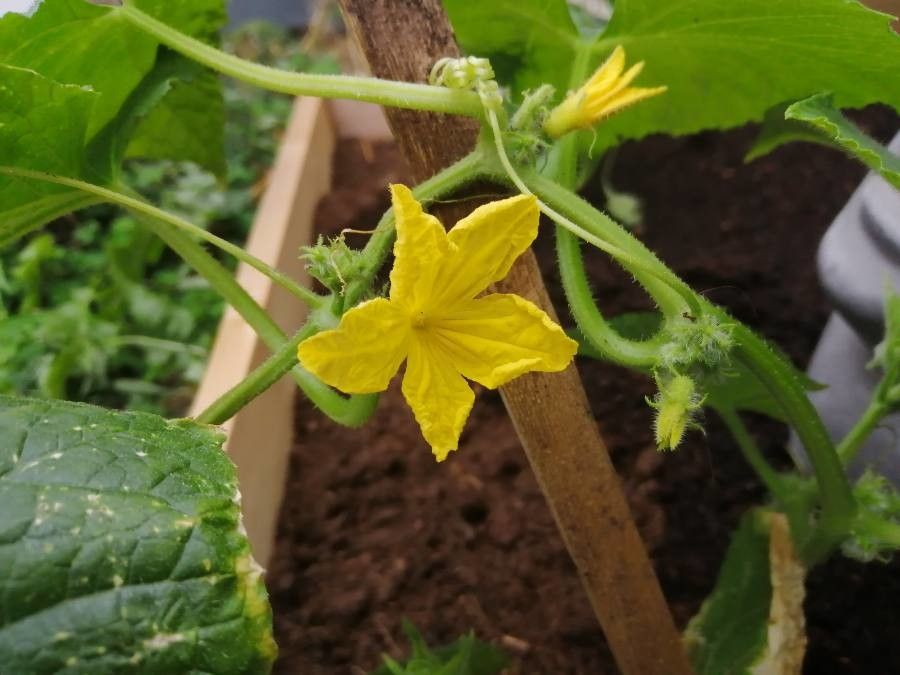
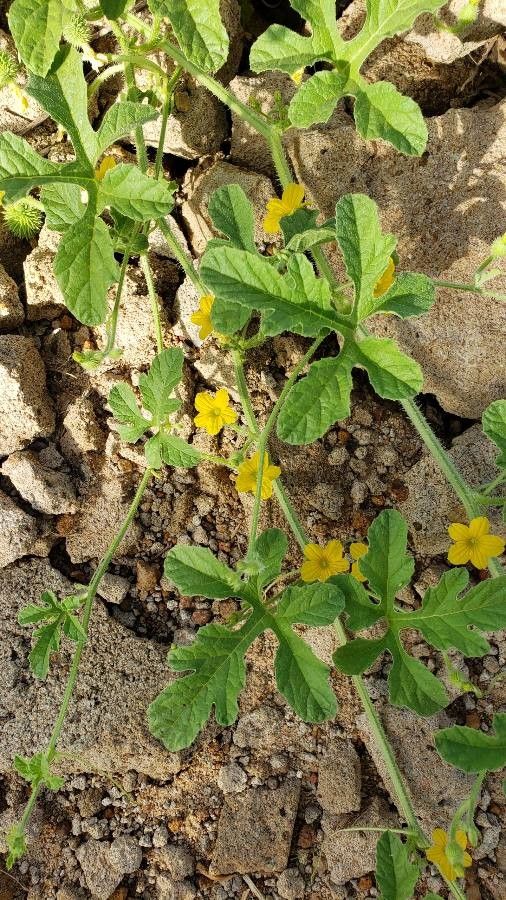
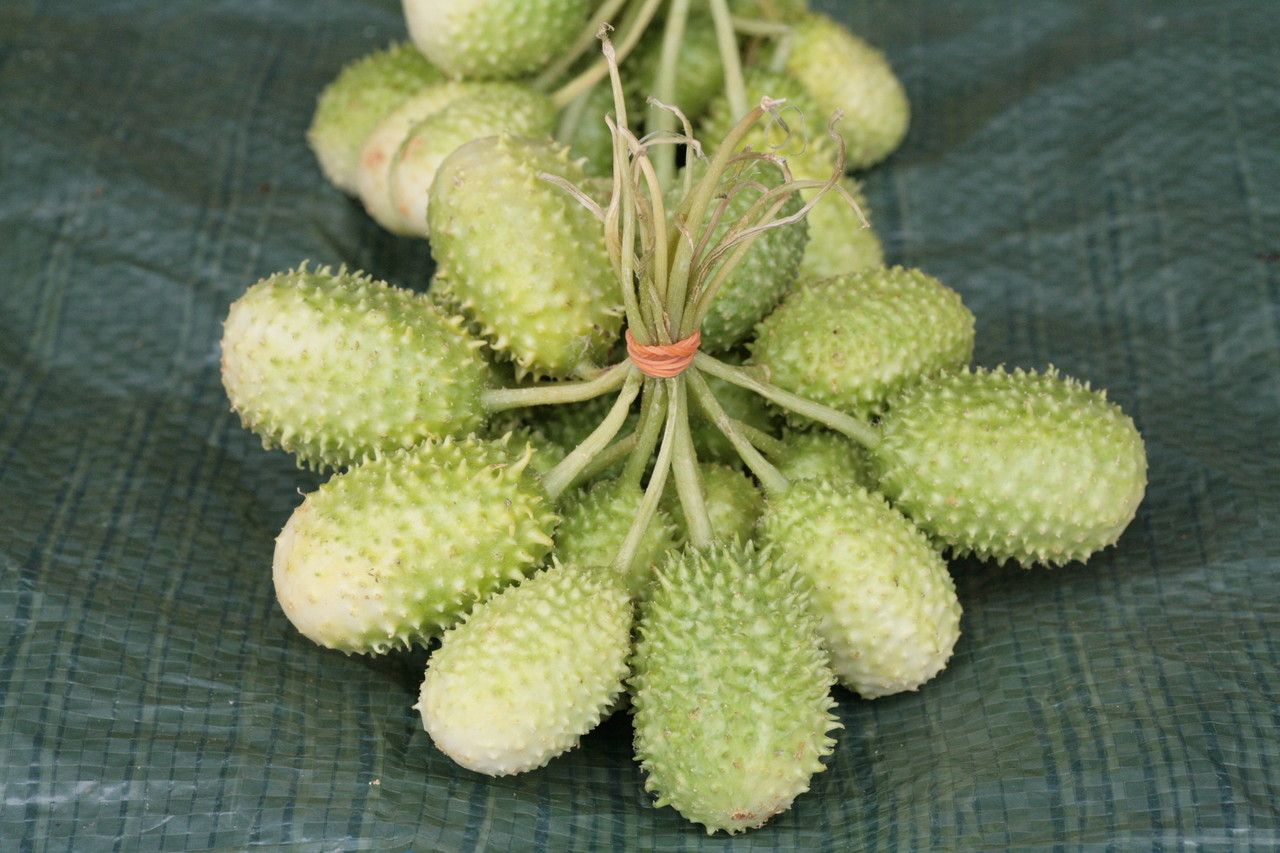
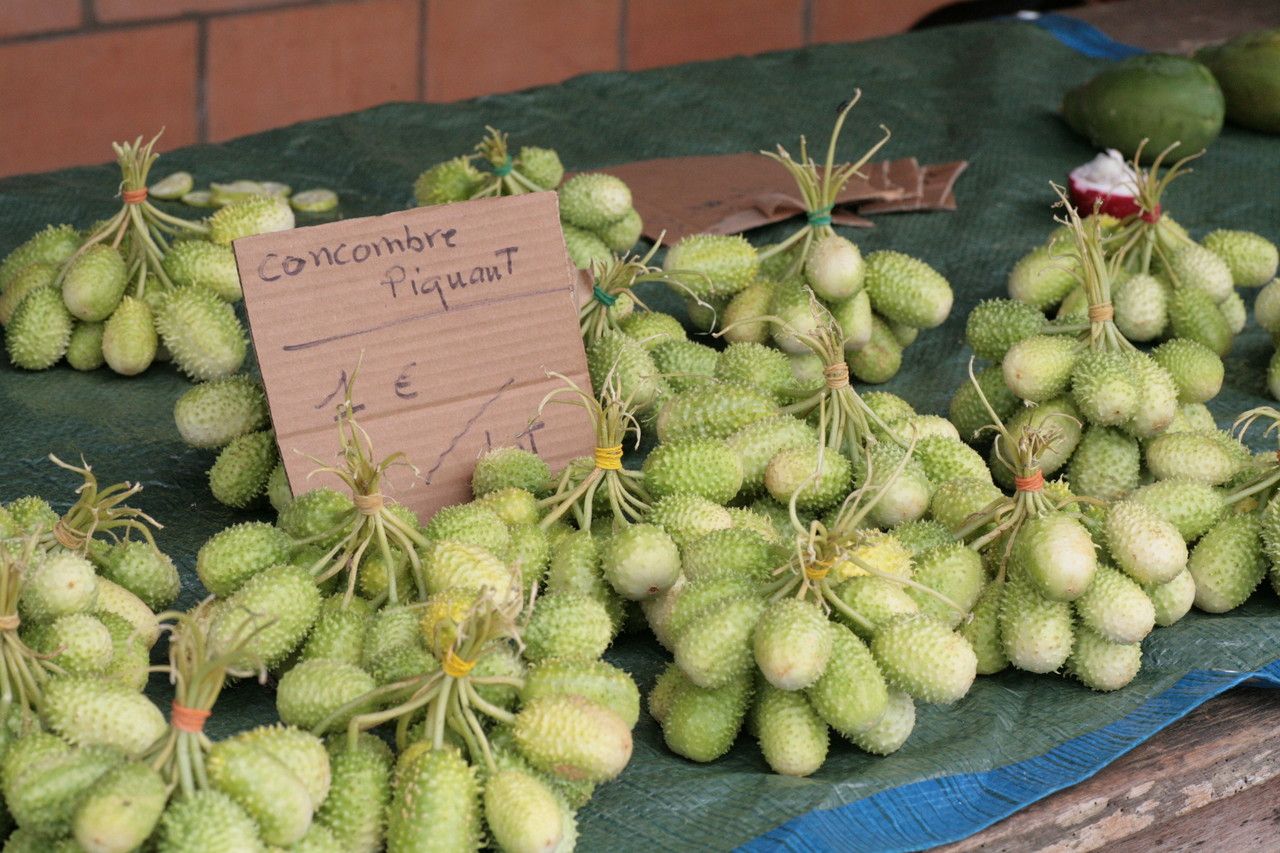
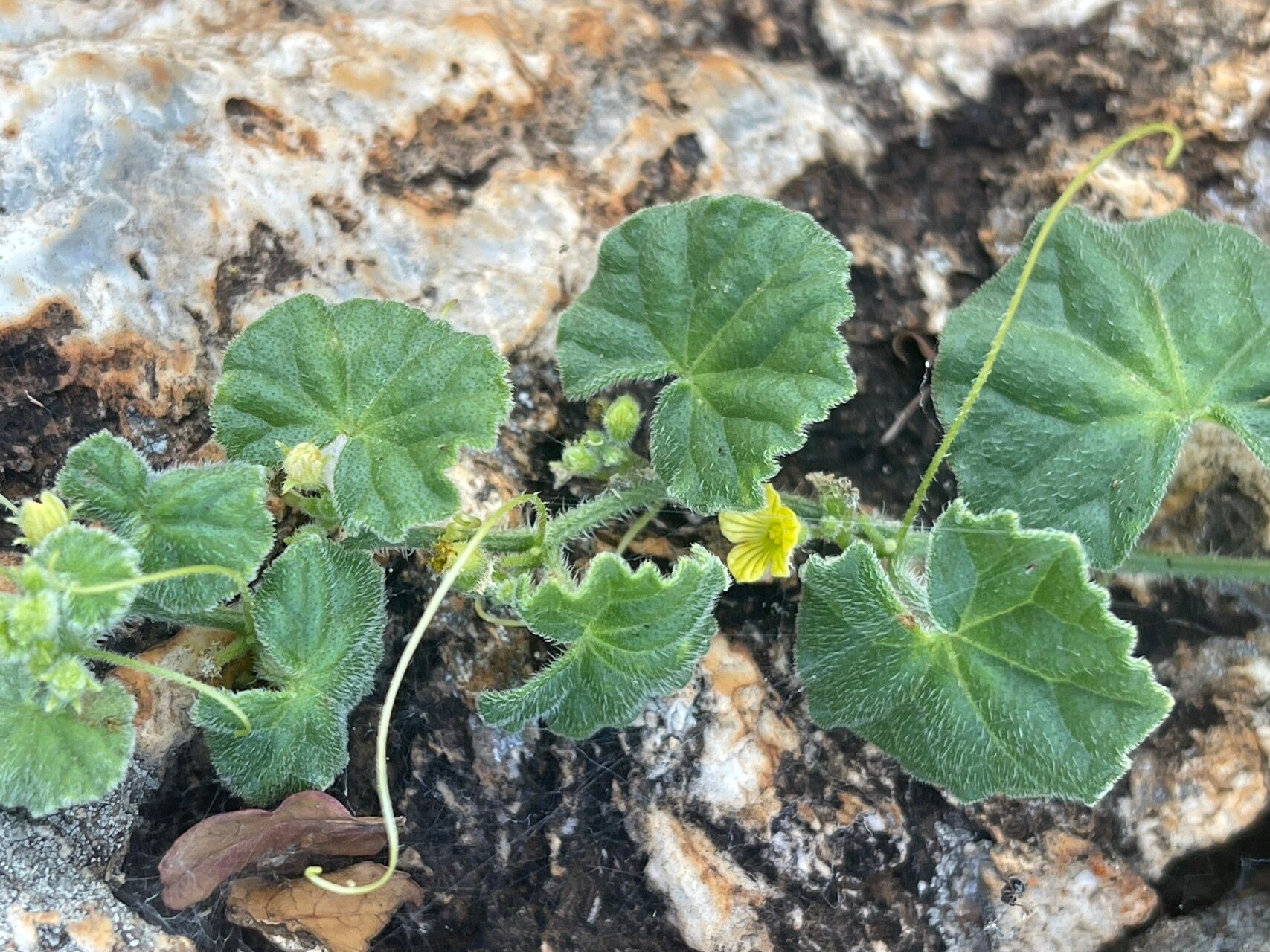
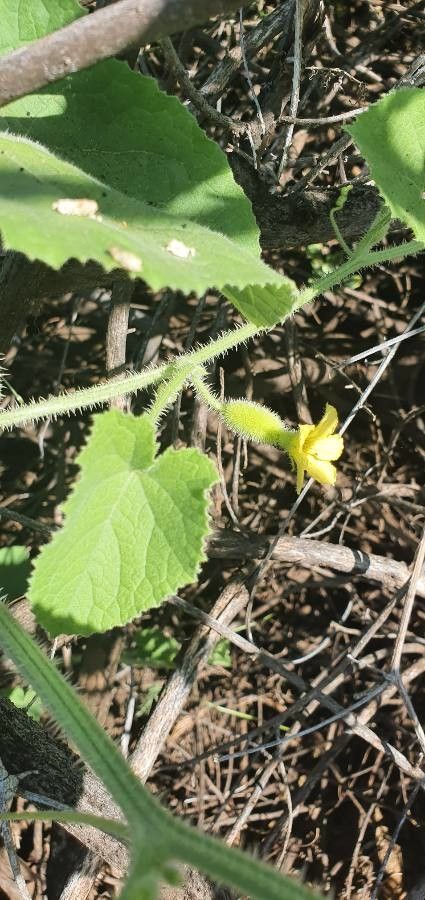
Cucumis anguria, commonly known as the West Indian gherkin or burr gherkin, is a tropical vine that belongs to the Cucurbitaceae family. Native to Central and South America, it has been introduced and naturalized in many parts of the world. The plant produces small, prickly fruits that resemble miniature watermelons or cucumbers.
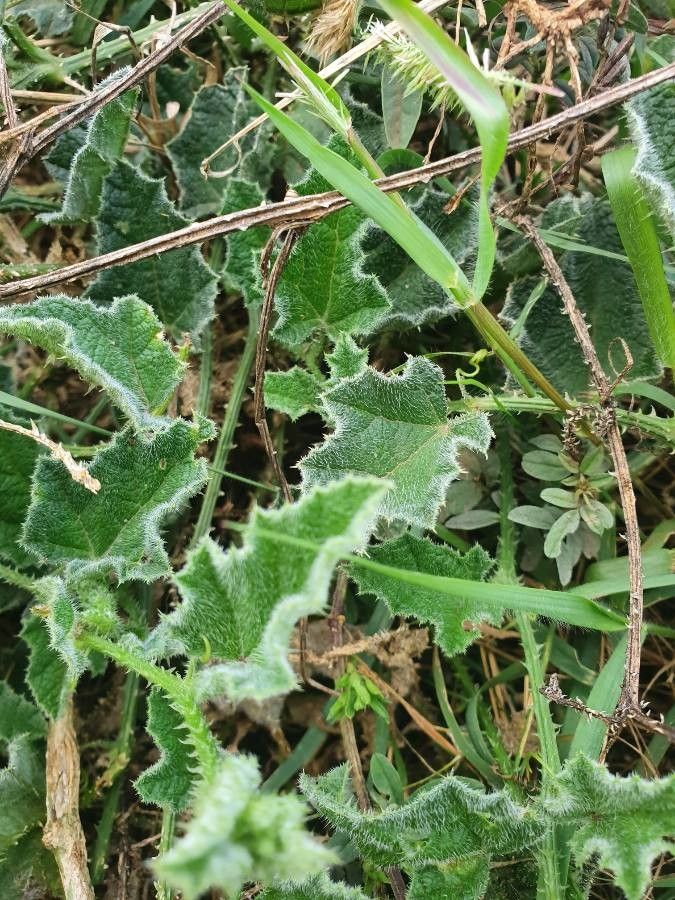
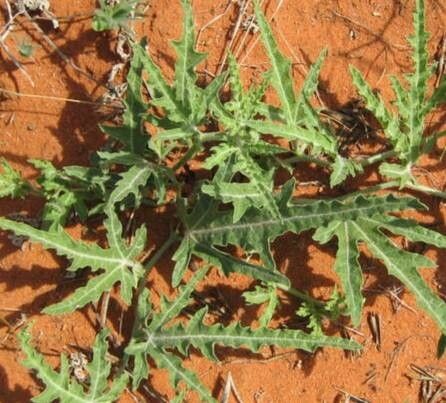
The West Indian gherkin is a fast-growing annual vine that can reach up to 3 meters in length. It has large leaves with three to five lobes and produces yellow flowers about 2 cm in diameter. The fruits are small and either round or oblong, with a diameter of about 2-4 cm.
The fruit of Cucumis anguria is edible but possesses a bitter taste when raw due to high levels of cucurbitacin compounds, which can be toxic in large quantities. However, when cooked or pickled, it becomes less bitter and serves as an excellent addition to salads and sandwiches.
Beyond its culinary uses, Cucumis anguria holds medicinal properties, as it contains compounds such as flavonoids with antioxidant properties known for their anti-inflammatory effects on the body.
Overall, Cucumis anguria is an intriguing tropical vine with unique fruit characteristics. Its combination of culinary applications and medicinal benefits makes it an important plant species for many cultures around the world.
The West Indian gherkin has low disease resistance and is vulnerable to powdery mildew, horn spot, and leaf spot. It also shows poor resistance to most insect pests. If it becomes infected, treatment is necessary, but most diseases only reduce yield and are not lethal. Regarding care, the West Indian gherkin needs frequent watering in summer and extra fertilizer to encourage fruit growth. It does not require much pruning. This makes it appropriate for people with a garden or outdoor area who can put in some effort to care for it.
How to keep Cucumis Anguria.
Light
West indian gherkin comes from habitats with ample sunlight, such as open fields and sunny meadows. It favors full sun but can also tolerate partial sun.
Water
Originating in tropical regions, the West Indian gherkin thrives in consistently moist soil and high humidity. To ensure its growth, it needs to be watered weekly and benefits from mulching, which helps retain moisture. This makes mulching essential for gardeners who are cultivating this plant for its edible fruit.
Temperature
West indian gherkin originates from habitats with a preferred temperature range of 68 to 100.4 °F (20 to 38 ℃). During milder seasons, adjustments are necessary to keep it within those limits and to prevent exposure to extreme temperatures.
Fertilizer
To feed West indian gherkin, use natural or commercial fertilizer high in nitrogen for leaf growth, phosphorus for root and blossom development, and potassium for photosynthesis and maximum fruit production. Plant in spring, enrich the soil with compost or manure, and fertilize seedlings when they reach a height of 2-4 inches. Insufficient macronutrients cause slow growth, wilting, and fruit quality problems.
Pruning
The West Indian gherkin is a hardy, thorny plant ideal for warm climates, known for producing small, spiny fruits. To maintain the plant, prune it from early to late spring by removing dead vines, thinning out overcrowded areas, and managing its growth. This process improves air circulation, reduces the risk of disease, and increases yield. Be sure to use clean, sharp tools for pruning to ensure the best results.
Botanical profile.
- Plant Type
- Herb, Vine
- Life Cycle
- Annual
- Genus
- Cucumis
- Family
- Cucurbitaceae
- Hardiness Zone
- 9-11
- Mature Height
- 1.22 m
- Mature Spread
- 61 cm
- Leaf Color
- Green
- Leaf Type
- Deciduous
- Flower Color
- Yellow
- Flower Size
- 1.02 cm to 2.03 cm
- Bloom Time
- Summer, Early fall, Mid fall
- Planting Time
- Spring, Summer, Autumn
- Harvest Time
- Late summer, Fall, Early winter
- Native Area
- Malawi, Burkina Faso, Angola, Sierra Leone, Mozambique, Tanzania, South Africa, Zambia, Eswatini, Namibia, Congo (DRC), Botswana, Zimbabwe
Other names.