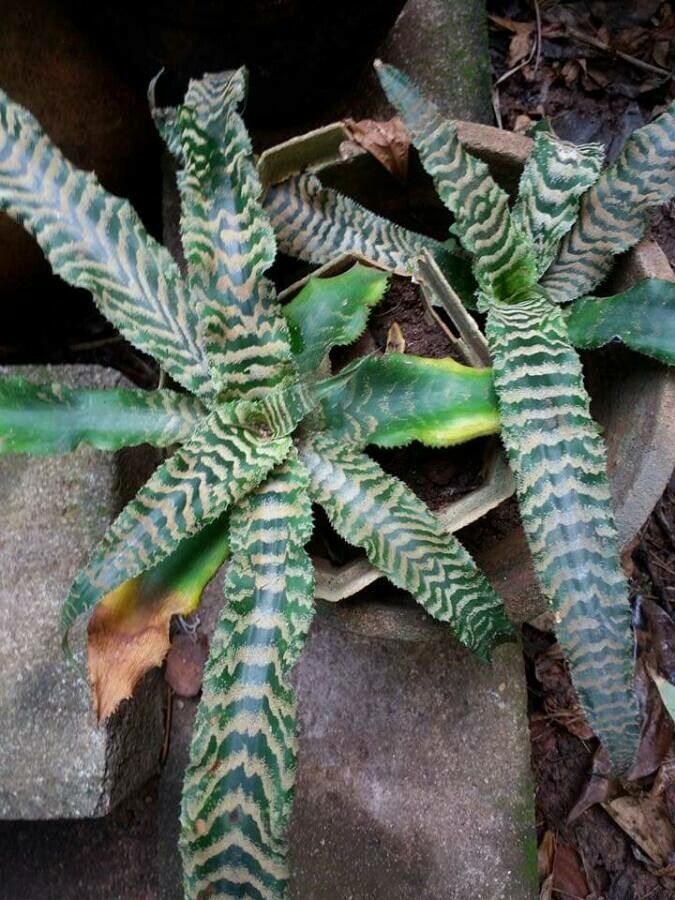
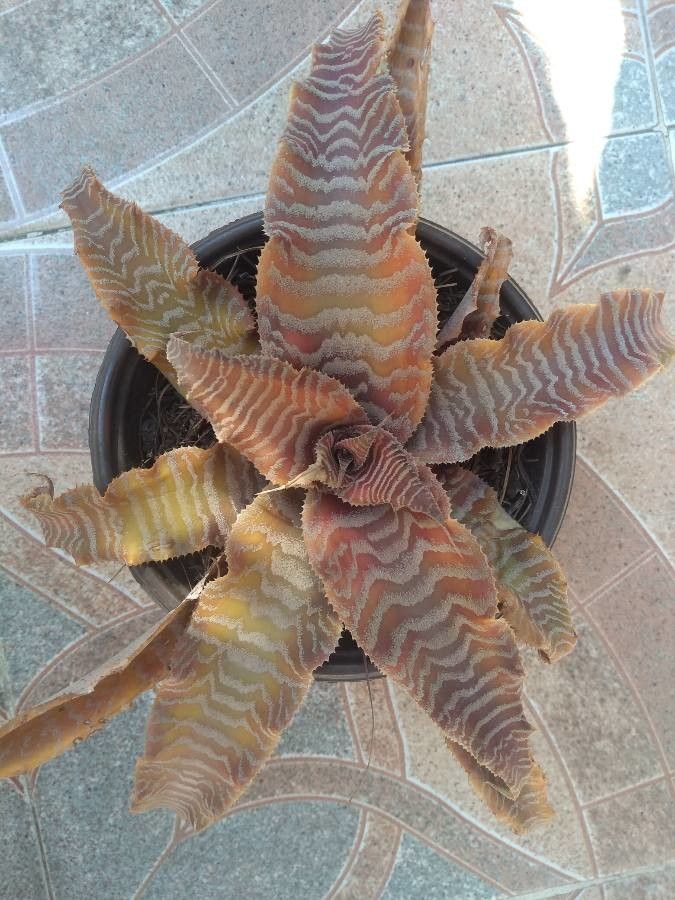
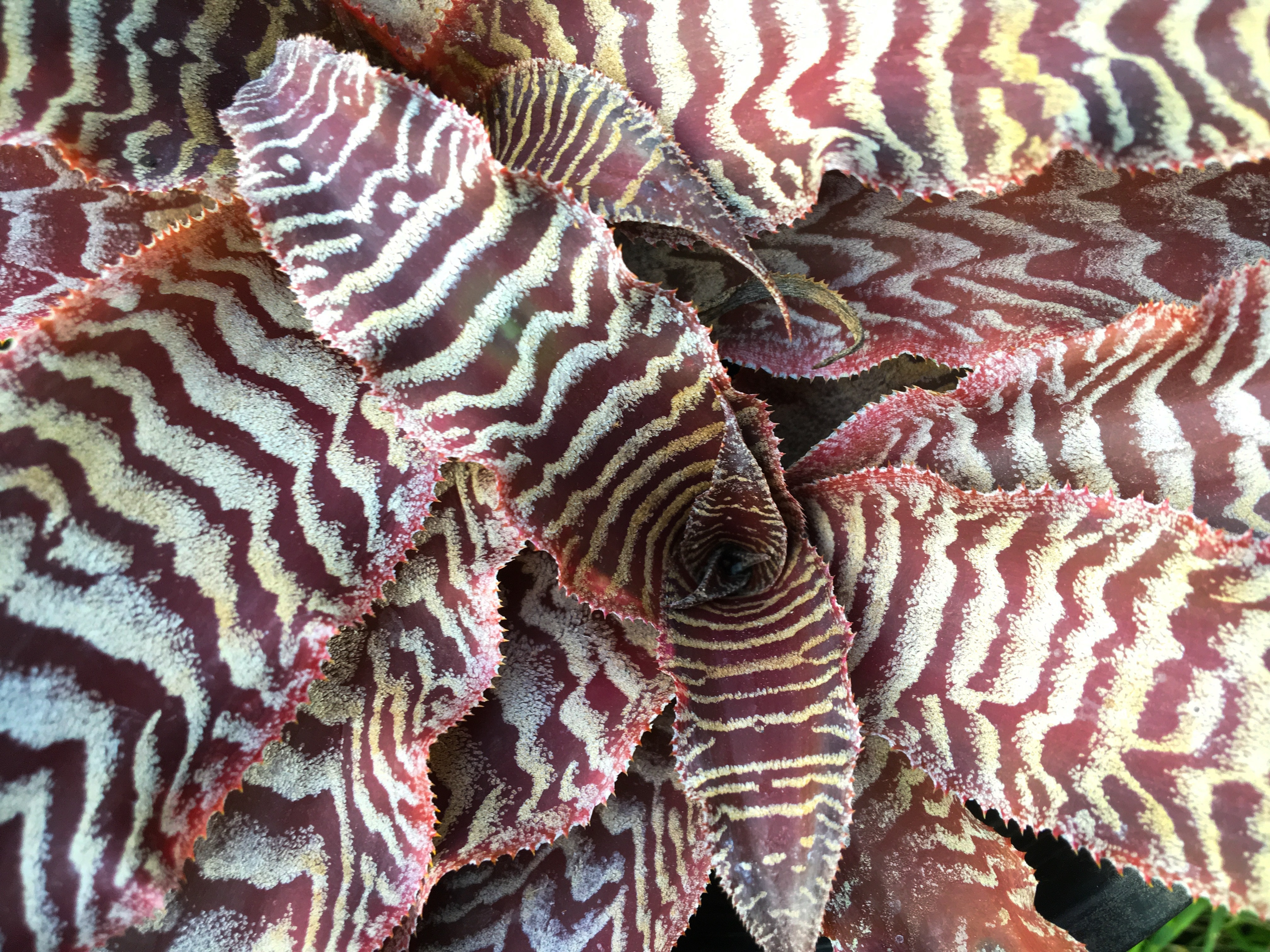
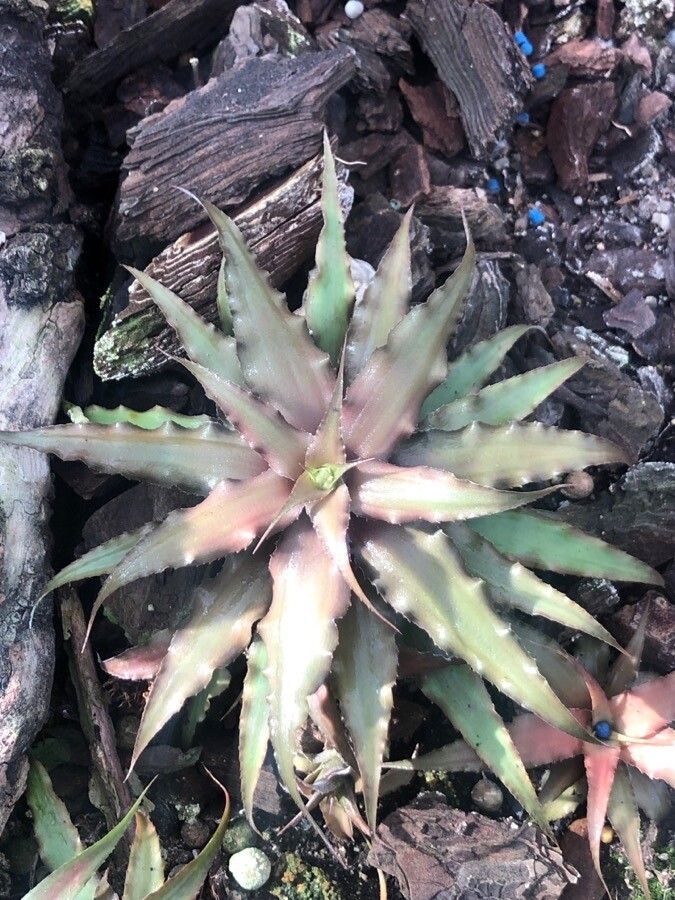
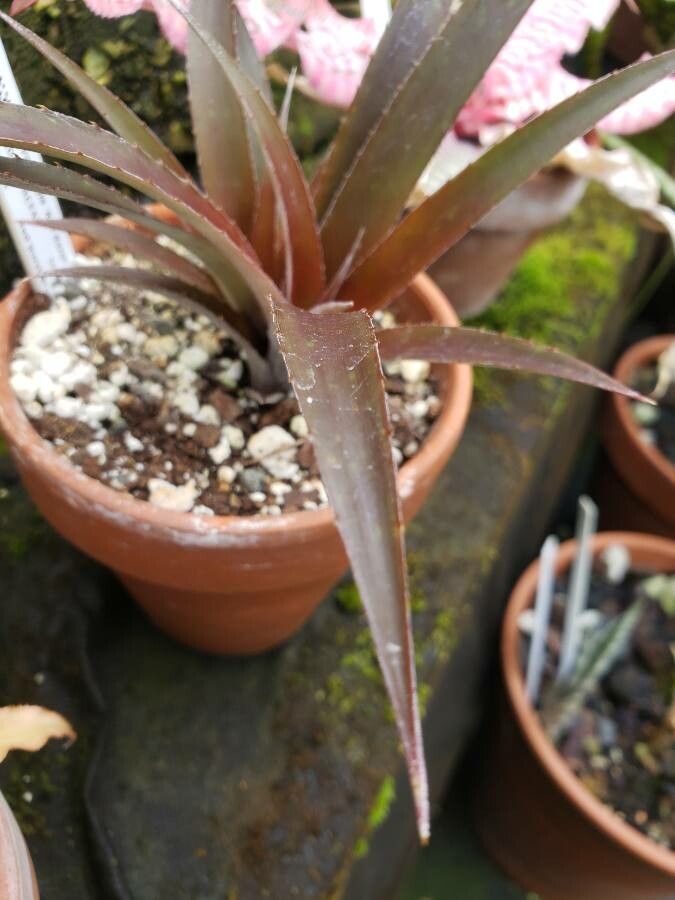
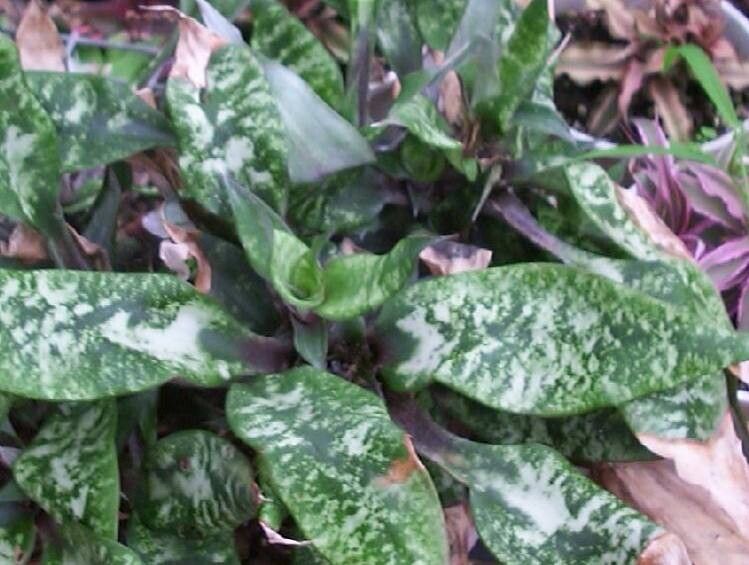
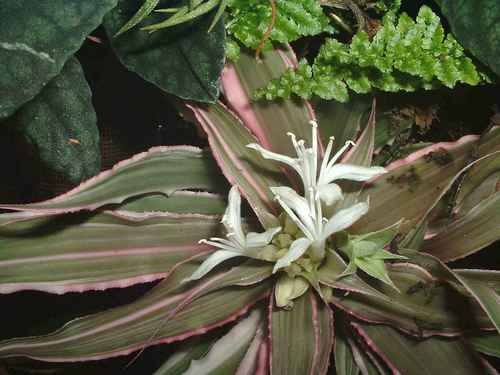
Cryptanthus zonatus is a plant species in the genus Cryptanthus. This species is endemic to Brazil.
Earth star has moderate disease resistance but is more sensitive to humidity and excess watering. It is also more likely to develop disease when it receives little light and is overwatered. In terms of care, Earth star is drought-tolerant and can withstand long stretches without water. It requires little fertilizer and only occasional pruning. These characteristics make it suitable for people of all experience levels, especially those who prefer to spend less time on plant care and who may be away from home for long periods. It is a good option for anyone who does not want to invest much time in caring for plants but still wants one that is easy to maintain.
How to keep Cryptanthus Zonatus.
Light
Earth star thrives in locations with moderate sunlight yet can also grow well in places where light is completely blocked. Coming from habitats with varied sunlight patterns, it adapts readily. Excessive exposure can cause wilting, while too little exposure may inhibit its growth.
Water
The Earth Star plant, native to the Brazilian rainforests, thrives in environments with high humidity and moist soil. Although it can tolerate moderate drought conditions, it prefers to have consistent moisture, needing to be watered weekly. As an indoor plant, the Earth Star flourishes in humid areas, such as well-lit bathrooms, where it benefits from the ambient moisture and evaporation.
Temperature
Earth star comes from areas where temperatures range between 68 and 100 °F (20 to 38 °C). For best growth, keep it in a similarly warm environment. However, protect it from severe winter cold.
Fertilizer
For Earth star, light doses of fertilizer once or twice a year during the growing season are sufficient. Avoid fertilizing in winter and in summer when the plant is dormant. Reduce fertilizer for repotted plants and wait a couple of months after repotting before applying fertilizer. Fertilizing supports healthy growth and encourages blooms.
Pruning
The Earth Star plant is known for its distinctive star-shaped rosettes. For optimal growth, it benefits from pruning in early spring. Remove any dead leaves and offshoots to encourage new growth, enhance air circulation, and boost overall vitality. Make sure to use clean, sharp tools, and take the plant's growth cycle into account for the best pruning results.
Pot & Repot
When repotting Earth star, choose a pot a bit larger than the current one that provides good drainage. Use a gritty, well-draining succulent or cactus mix. Gently remove the plant from its old pot, brush off excess soil, and plant it at the same depth. Wait several days before watering so any root damage can heal. Repot in spring or fall and place it in a brightly lit spot.
Toxicity
The Zebraleaf Earth Star plant is not considered toxic to people, cats, and dogs.
Further reading →
The toxicity and danger assessments provided are for reference only. We do not assure their accuracy, so it's crucial not to depend on them. Seek professional advice when necessary for accurate guidance.
Botanical profile.
- Plant Type
- Herb
- Life Cycle
- Perennial
- Genus
- Cryptanthus
- Family
- Bromeliaceae
- Hardiness Zone
- 10-12
- Mature Height
- 15 cm to 30 cm
- Mature Spread
- 30 cm to 40 cm
- Leaf Color
- Green, Gray, Red, Variegated, Silver, Bronze, Brown
- Leaf Type
- Evergreen
- Flower Color
- White
- Flower Size
- 2.54 cm
- Bloom Time
- Summer, Early fall
- Planting Time
- Spring, Summer
- Harvest Time
- Late summer, Fall
- Native Area
- Brazil
Other names.