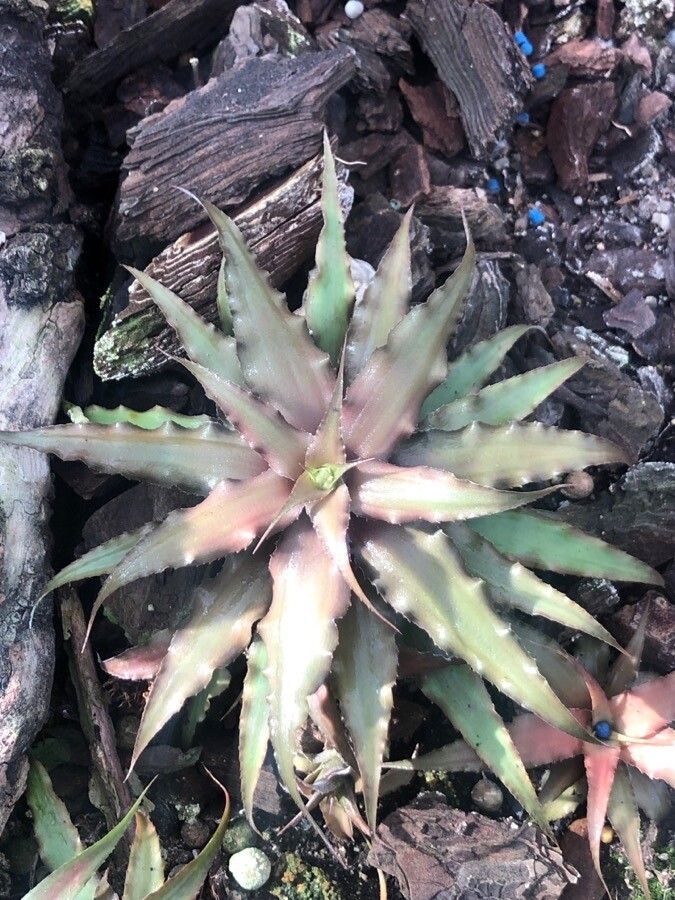
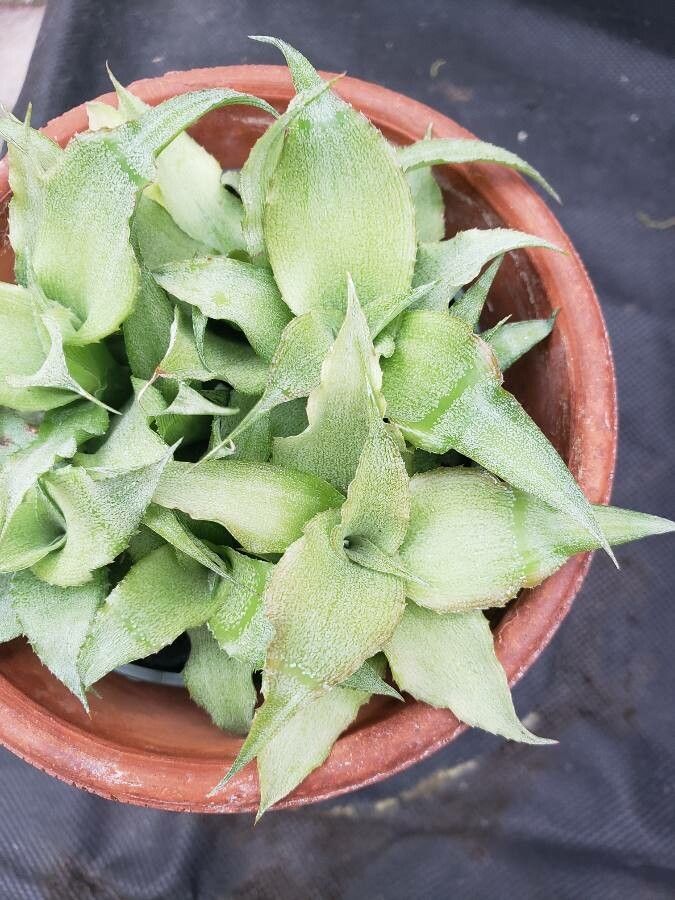
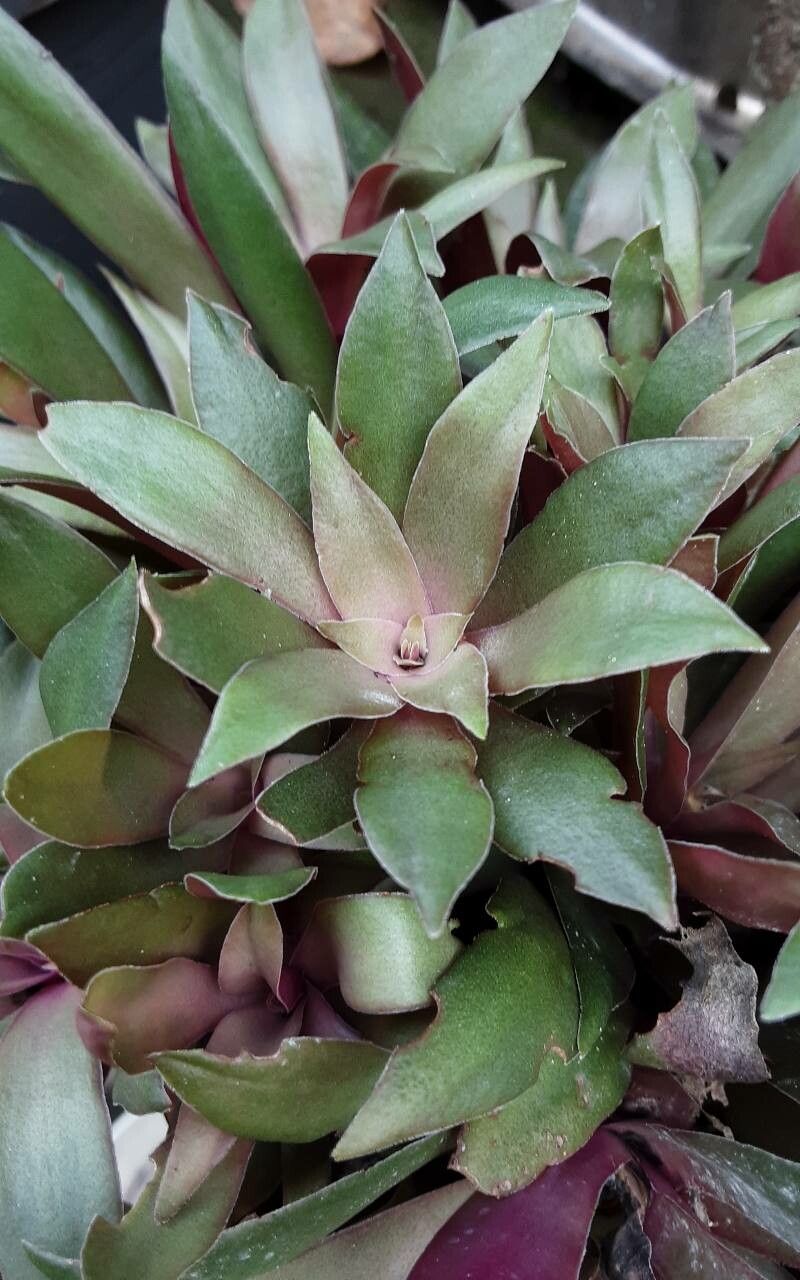
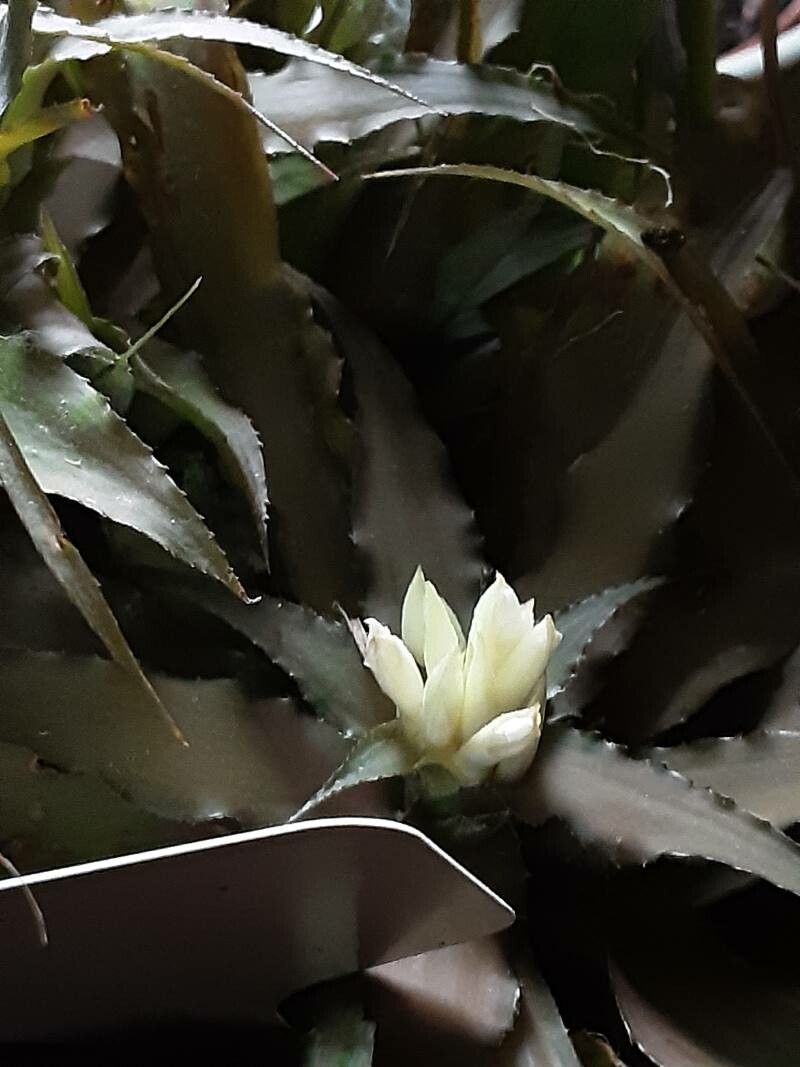
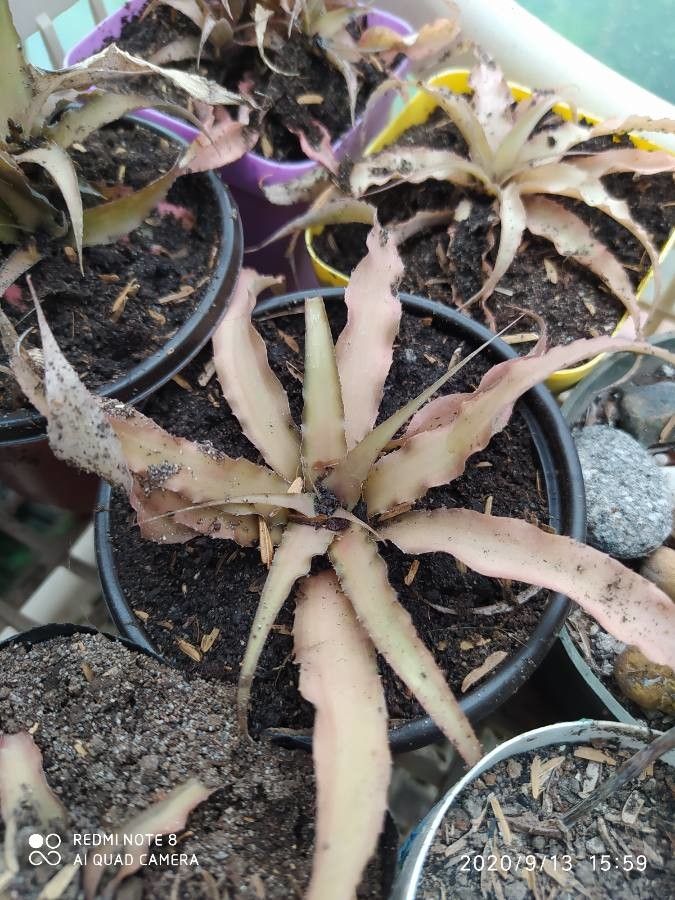
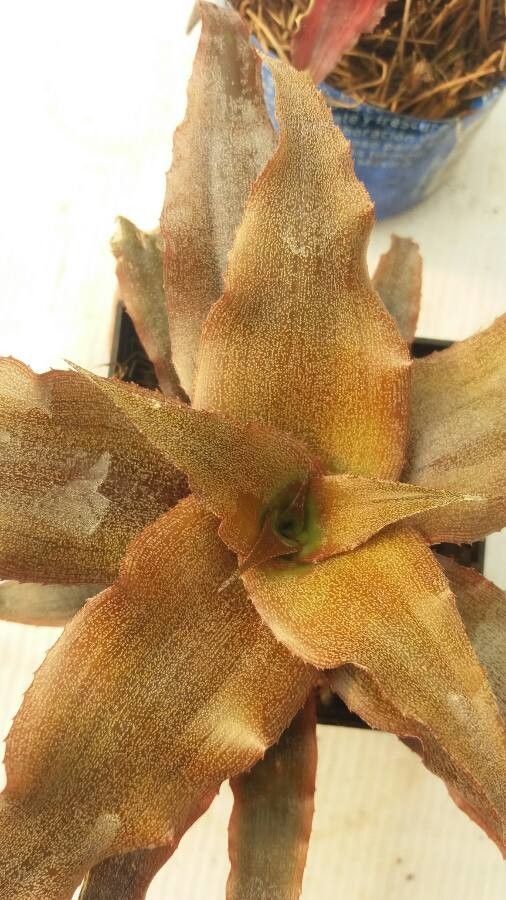
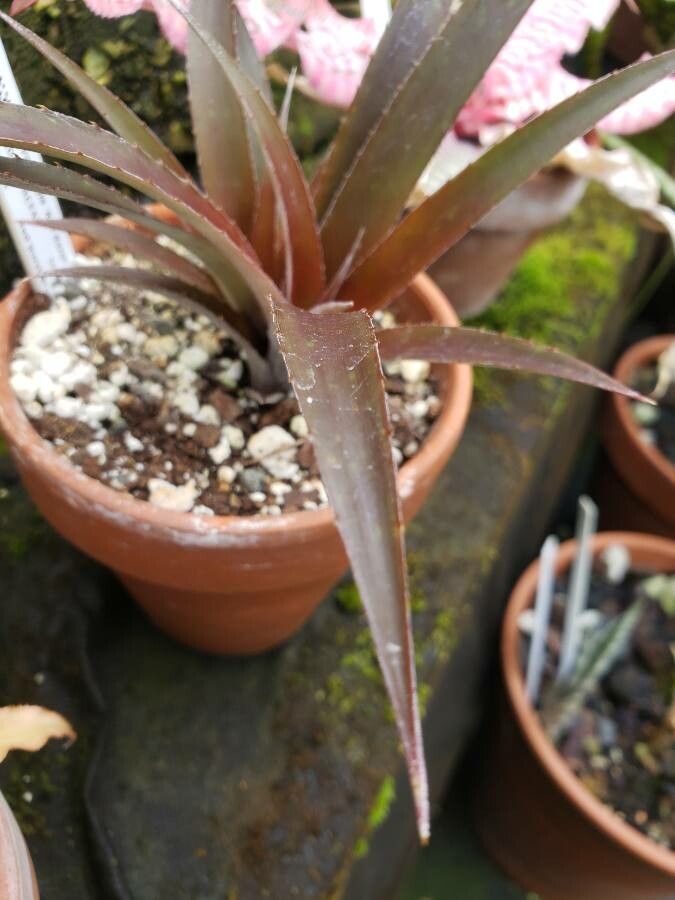
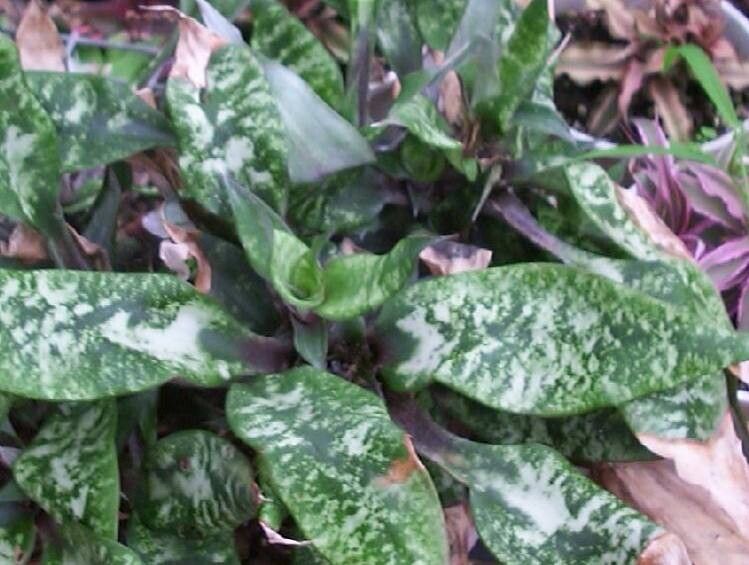
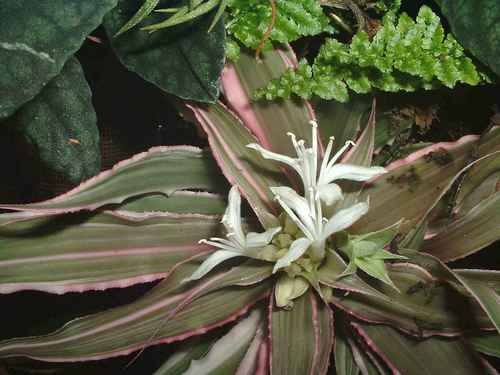
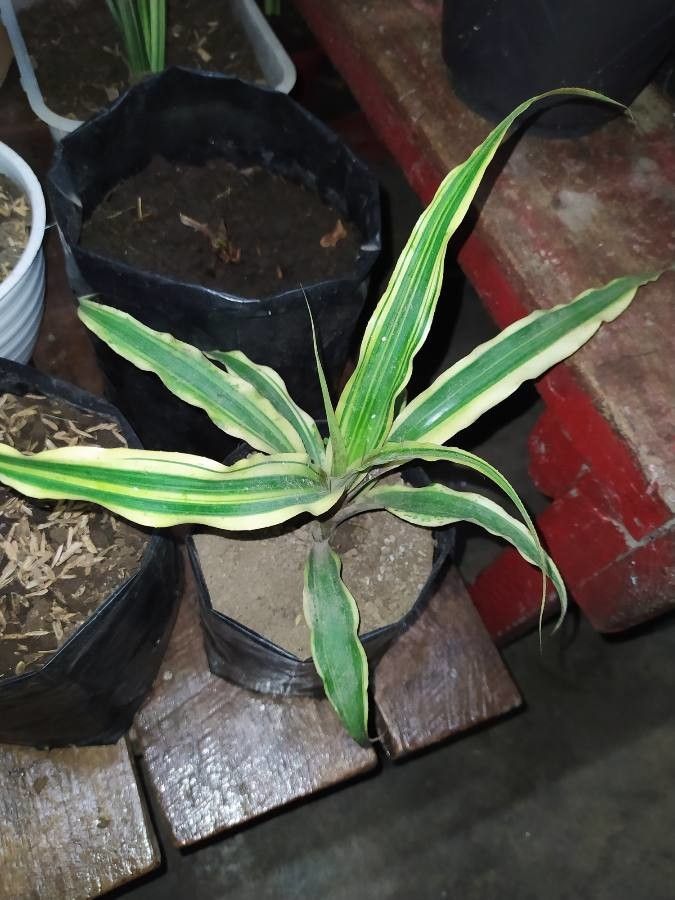
Cryptanthus acaulis, commonly known as the Earth Star plant, is a species of bromeliad native to Brazil. This small plant reaches up to 6 inches in height and 8 inches in width. Its leaves are arranged in rosettes, displaying green tops with reddish-brown markings on the undersides. The plant also produces small white flowers that bloom close to the base of the leaves.
The Earth Star plant is an easy-to-care-for houseplant that thrives in bright, indirect light and well-draining soil. It prefers moderate humidity and should be watered when the soil becomes dry to the touch.
You can propagate Cryptanthus acaulis by removing offsets, or pups, from its base or by dividing clumps during repotting. This bromeliad species does not require frequent fertilization, but occasional feeding with diluted fertilizer during the growing season can be beneficial.
Overall, Cryptanthus acaulis is an attractive houseplant with unique foliage patterns that add interest to any indoor space while requiring minimal care.
Earth star has moderate disease resistance but is more sensitive to humidity and excess watering. It is also more likely to develop disease when it receives little light and is overwatered. In terms of care, Earth star is drought-tolerant and can withstand long stretches without water. It requires little fertilizer and only occasional pruning. These characteristics make it suitable for people of all experience levels, especially those who prefer to spend less time on plant care and who may be away from home for long periods. It is a good option for anyone who does not want to invest much time in caring for plants but still wants one that is easy to maintain.
How to keep Cryptanthus Acaulis.
Light
The earth star prefers abundant light and grows best in full sun, though it can tolerate moderate sunlight. Native to areas with strong natural light, its survival and lush growth can be harmed by too little or too much light, producing wilted leaves in low light and scorched leaves in excessive light.
Water
Earth star plants thrive in humid tropical environments, as they are excellent at absorbing moisture and prefer consistent humidity. To keep them well-hydrated, water them weekly. As indoor plants, earth stars flourish with increased humidity, especially during their growing season, which enhances their foliage and coloration.
Temperature
Earth star prospers in warm conditions. If the temperature falls too low, the plant may stop growing or sustain frost damage. It tolerates high heat and humidity well and needs a steady level of moisture in its environment. However, very high temperatures and humidity can make it prone to fungal infections. In dry surroundings, regular watering and misting are needed to keep the air humidity adequate. The plant is sensitive to rapid temperature changes, so keeping the temperature fairly stable is important.
Fertilizer
For Earth star, light doses of fertilizer once or twice a year during the growing season are sufficient. Avoid fertilizing in winter and in summer when the plant is dormant. Reduce fertilizer for repotted plants and wait a couple of months after repotting before applying fertilizer. Fertilizing supports healthy growth and encourages blooms.
Pruning
Pruning your starfish plant usually isn’t necessary. You can easily remove dead leaves and blossoms as you go. Otherwise, your bromeliad will grow fine on its own.
Pot & Repot
When repotting Earth star, choose a pot a bit larger than the current one that provides good drainage. Use a gritty, well-draining succulent or cactus mix. Gently remove the plant from its old pot, brush off excess soil, and plant it at the same depth. Wait several days before watering so any root damage can heal. Repot in spring or fall and place it in a brightly lit spot.
Toxicity
Starfish plants are non-poisonous to dogs, cats, and people. These houseplants are safe to have around children and pets, whether indoors or outdoors.
Further reading →
The toxicity and danger assessments provided are for reference only. We do not assure their accuracy, so it's crucial not to depend on them. Seek professional advice when necessary for accurate guidance.
Botanical profile.
- Plant Type
- Herb
- Life Cycle
- Perennial
- Genus
- Cryptanthus
- Family
- Bromeliaceae
- Hardiness Zone
- 10-12
- Mature Height
- 10 cm to 15 cm
- Mature Spread
- 10 cm to 15 cm
- Leaf Color
- Green
- Leaf Type
- Evergreen
- Flower Color
- Pink, White
- Flower Size
- 2.54 cm
- Bloom Time
- Summer, Early fall, Mid fall
- Planting Time
- Spring, Summer, Autumn
- Harvest Time
- Late summer, Fall, Early winter
- Native Area
- Brazil
Other names.
Reader questions.
How often should I give water to my Earth star?
To maintain healthy soil moisture for your Earth star during the growing season, it's important to water it regularly without overwatering. If you're growing your Earth star in a container, watering it with about one inch of water once a week is typically sufficient. However, if you have planted your Earth star in the ground, you might not need to water it separately if it has received about one inch of rain in a week. In this case, you can go for longer periods without watering as long as rainfall has been consistent. Remember to adjust your watering frequency according to the season; your Earth star will require less water in winter compared to spring, summer, and fall. Additionally, pay attention to its growth phase, as the flowering and fruiting phase often requires more water than usual.
Why should I put fertilizer on my Earth star plant?
Fertilizing Earth star helps provide nutrients for the growing medium. While it does store water and nutrients, applying plant food during the growing season can further support healthy growth. Additionally, fertilizing can encourage mature Earth star plants to produce blooms during this time.
What are the sunlight requirements for Earth Star plants?
Earth Star plants thrive in abundant light, favoring full sun exposure of more than 6 hours of sunlight per day but can also adapt to partial sun conditions with about 3-6 hours of sunlight. It's essential to observe how sunlight moves through your garden or indoor space, selecting locations that offer an optimal balance of light and shade. This ensures the plants remain happy and healthy. The Earth Star's native habitats are typically bright, and inadequate light can hamper its growth, leading to wilted or scorched leaves.
What temperature does my Earth star prefer?
The Earth star plant thrives in specific temperature ranges. While it can withstand temperatures as low as 50℉ (15℃), it actually prefers warmer temperatures similar to those found in tropical and subtropical regions. Since the Earth star plant primarily gets its water from the air rather than groundwater, higher temperatures are ideal. To achieve the preferred humidity level for the Earth star plant, temperatures above 75℉ (25℃) work best. This is because humidity is created when water evaporates into warm air, and it is easier to maintain humidity with warmer temperatures. So, be cautious with your air conditioner during warmer months and keep these plants away from any cold drafts. The Earth star plant thrives in temperatures ranging from 75 to 90℉ (25 to 32℃), but it can still tolerate cooler temperatures down to 50℉ (15℃).
How do I need to water my Earth star plant if I keep it inside?
If you want to grow your Earth star plant indoors, you'll need a large container because it can't survive freezing temperatures. Indoors, the plant won't have access to rainwater like it would outside, so you'll have to provide all the water it needs. Indoor locations are usually drier overall due to appliances like air conditioners, so you'll need to water your Earth star more often compared to if it were outside. Additionally, misting your indoor Earth star can help create a humid environment, which this plant prefers.
When should I fertilize my Earth star?
Earth star plants only require a small amount of fertilizer during their growing season. It is recommended to fertilize them 1-2 times per year, specifically in the spring and autumn. Avoid fertilizing in the winter and summer when the plant is dormant. When repotting, reduce the amount of fertilizer used and wait a couple of months before applying any fertilizer.
How can artificial lighting be used for Earth Star plants?
Artificial lighting is crucial for Earth Star plants, especially when natural sunlight is insufficient, such as during winter or in less sunny indoor locations. Optimal growth is achieved by using adequate artificial lighting. LED lights are preferred due to their ability to be customized to the specific light wavelengths needed by the plants. The amount of artificial light required varies: full sun plants need 30-50W/sq ft, partial sun plants need 20-30W/sq ft, and full shade plants require 10-20W/sq ft. The light should be placed 12-36 inches above the plant to mimic natural sunlight, and most plants benefit from 8-12 hours of light per day.
How does extreme temperatures affect my Earth star?
Earth star does not require a period of dormancy or cold temperatures to bloom and reproduce. It prefers consistent temperatures throughout the year. However, extreme temperatures outside the range of 50℉ (15℃) to 95℉ (35℃) can cause damage to the plant. The extent of the damage depends on the duration of exposure, the plant's genetic makeup, and its growth stage. Cold temperatures below 50℉ (15℃) can cause frostbite, resulting in black spots or completely blackened leaves. This damage may take a few days to become visible, starting with droopy leaves and gradual discoloration. While it is difficult to save the plant from this fate, there is a chance of regrowth over several months. On the other hand, exposure to high temperatures will cause the Earth star to wilt. If the leaves become too dry, they may not recover. However, if the duration of exposure was short, the heat spike may not have a lasting effect. Overall, Earth star is more tolerant of heat than cold temperatures.
What things should I think about when I water my Earth star plant during different times of the year and when it's growing?
To ensure the survival of these plants, it is important to adjust their watering according to the different seasons. To begin with, during the spring, you should water your Earth star plant once a week with about one inch of water. In the summer, you can maintain the same watering frequency, but be aware that the heat may cause the soil to dry out faster, possibly requiring multiple waterings per week to keep it consistently moist. In the fall, you can continue with the same watering rate as in spring. During winter, you can reduce the amount of water, but it is still necessary to provide some moisture, ensuring that only the top few centimeters of soil become dry. Additionally, the Earth star plant may need more water during its flowering or fruiting stage. Pay attention to the soil and adjust the watering rate accordingly, aiming for consistent moisture without making the soil too wet.
When should I not put plant food on my Earth star plant?
Earth star, like other plants, undergoes a period of dormancy, during which you should avoid fertilizing. This occurs in both summer and winter when the plant stops growing. It is also wise to refrain from fertilizing for the first few months after repotting in spring.
What are the symptoms of insufficient lighting in Earth Star plants?
Earth Star plants, when placed in areas with suboptimal lighting, may exhibit several symptoms indicative of light deficiency. These include smaller new leaves, leggy or sparse growth, faster leaf drop, slower or halted growth, and leaves that are lighter in color or show signs of chlorosis (yellowing). Excessive sunlight exposure can lead to sunscald, leaf curling, wilting, and leaf scorching, which are signs of stress and damage to the plant.
How can I make sure my Earth star stays warm?
To keep your Earth star plant warm, you don't necessarily need a heating pad or nearby heater, but it wouldn't hurt to have them nearby. One way to maintain ideal temperatures is by planting the Earth star in a terrarium. This enclosed space creates a mini-environment with higher humidity and temperature than the outside air. The glass itself retains heat for a while. If you live in a warm region where it's too dry for the Earth star to be outside, you can place it near a warm window or an exterior wall that gets direct sunlight during the day. Just be careful not to expose it to too much sunlight by moving it too close to a bright window. Hanging sheer curtains can help with that. On the other hand, if you live in a tropical or subtropical climate with temperatures between 55-90℉(13-32℃) day and night, you can keep your Earth star outside all year. If temperatures drop below this range, bring them indoors at night or cover them with a thin cloth to protect against the cold.