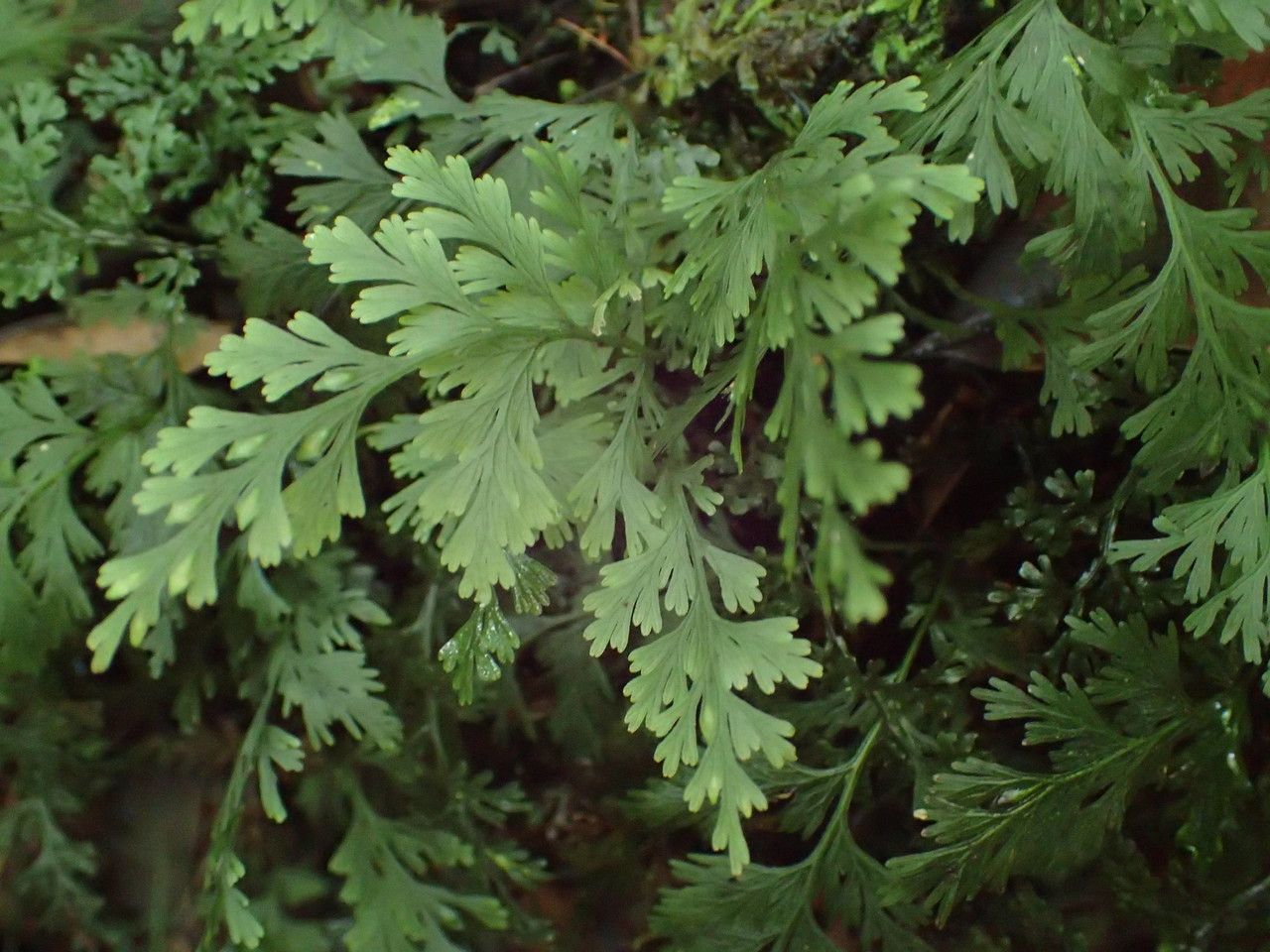
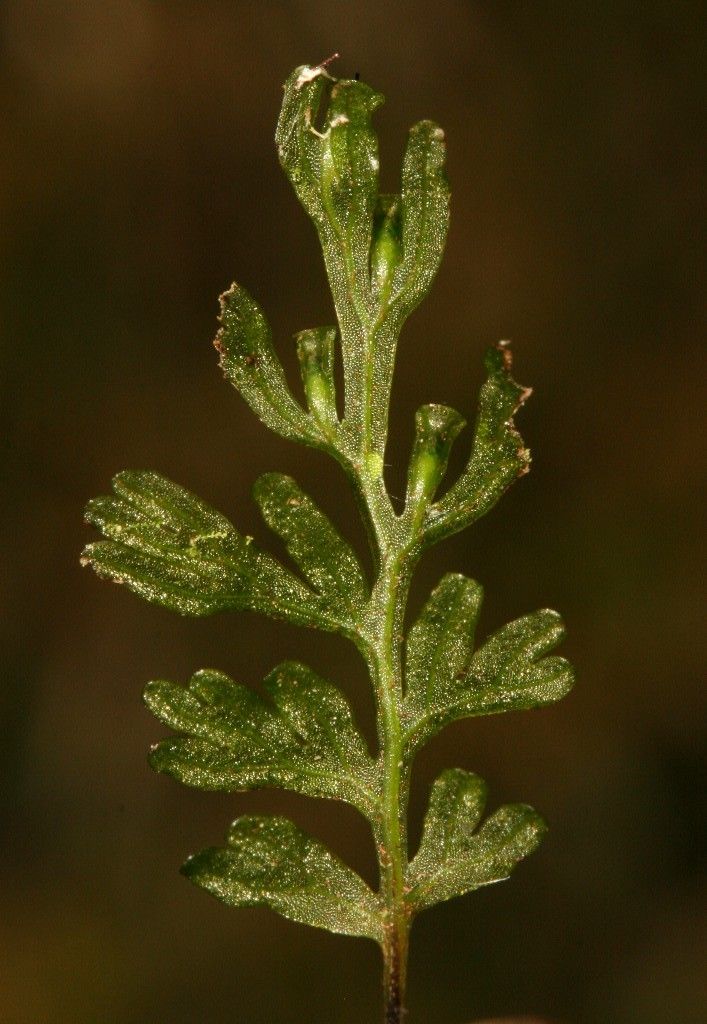
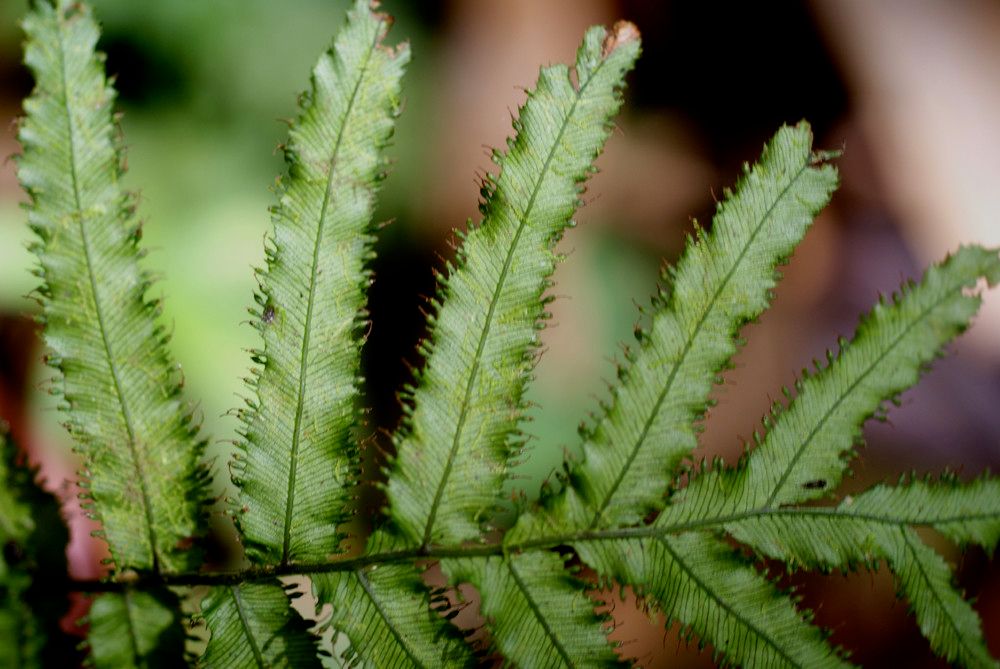
Crepidomanes minutum is small fern in the filmy fern family which grows throughout the Pacific. It is commonly referred to as tiny bristle fern. The specific epithet 'minutus' means small in latin, referring to the small fronds
Tiny bristle fern is fairly resistant to disease and generally does not tend to get sick. Still, it can be vulnerable to pests and diseases present in its surroundings. These problems are normally mild. Regarding care, this plant needs moderate maintenance. It should be pruned on a regular basis to preserve a neat appearance and encourage healthy growth. Applying fertilizer can also aid in encouraging flowering. Tiny bristle fern is appropriate for anyone with outdoor space, such as a garden or patio, and does not demand extensive care experience. It may need extra attention when kept indoors.
How to keep Crepidomanes Minutum.
Light
The small bristle fern is native to habitats such as forest undergrowth or rocky terrains that naturally offer shade. While it thrives in complete shade, it can also withstand a bit of sunlight.
Water
The tiny bristle fern comes from humid tropical regions, so it needs consistently moist soil and weekly watering to thrive. As an evergreen plant, it requires regular hydration even during its dormant periods. When grown indoors, it's important to maintain sufficient humidity to mimic its natural rainforest habitat.
Temperature
The tiny bristle fern is native to tropical areas where the standard climate is hot and moist. Consequently, this plant thrives under warm and humid conditions and doesn't respond well to unexpected shifts in temperature. It requires a consistent temperature environment, so it's crucial to prevent any indoor temperature fluctuations. This fern generally can't withstand cold weather and needs the warmth to expand. If the surroundings become too cool, the fern might stop growing or potentially perish.
Fertilizer
The small bristle fern will demand the maximum amount of fertilizer during its period of active growth, which mainly takes place in spring, summer, and the beginning of fall. The process of fertilization is crucial to supply vital nutrients which might be deficient in the soil, fostering robust root and stem growth, along with appealing leaves, which is a prominent trait of this specific plant.
Pruning
The tiny bristle fern, known for its delicate fronds, needs only minimal pruning. The best time to do this is from early to late spring. You should remove only the dead or yellowing fronds to improve air circulation and maintain its aesthetic appeal. Be careful not to over-prune, as this can be harmful. Always use clean, sharp tools to encourage healthy growth and prevent disease.
Botanical profile.
- Plant Type
- Herb
- Life Cycle
- Perennial
- Genus
- Crepidomanes
- Family
- Hymenophyllaceae
- Hardiness Zone
- 10-12
- Mature Height
- 2 cm
- Mature Spread
- 5 cm
- Leaf Color
- Dark Green, Forest Green
- Leaf Type
- Evergreen
- Planting Time
- Spring, Summer, Autumn
Other names.
Reader questions.
What are the sunlight requirements for Tiny bristle fern?
The Tiny bristle fern thrives best in environments that mimic its natural habitat of forest understories or rocky areas, which typically provide natural shade. It ideally prefers full shade conditions, defined as receiving less than 3 hours of sunlight per day, but it can also tolerate partial sun, which means about 3-6 hours of sunlight. It's important to watch how sunlight moves through your garden throughout the day to choose spots that offer the right balance of light and shade to ensure the plant's happiness.
How do artificial lights support plant growth indoors?
Indoor plants, like the Tiny bristle fern, require adequate lighting for optimal growth, especially when natural sunlight is insufficient, such as in winter or less sunny spaces. Artificial lights offer a vital solution, encouraging faster and healthier growth. LED lights are popular for indoor plants because they can provide specific wavelengths needed by the plant. Full sun plants need 30-50W/sq ft, partial sun plants need 20-30W/sq ft, and full shade plants like the Tiny bristle fern need 10-20W/sq ft of artificial light. The light source should be placed 12-36 inches above the plant to mimic natural sunlight, and most plants benefit from 8-12 hours of artificial light per day.
What are common symptoms of light deficiency in Tiny bristle fern?
When grown indoors with insufficient light, the Tiny bristle fern may show several subtle symptoms: new leaves can grow smaller than the older ones; you might notice leggy or sparse growth, characterized by longer spaces between leaves or stems, giving the plant a stretched-out look; it may shed older leaves early to conserve resources, leading to faster leaf drop; there could be slower or no new growth as the plant enters a survival mode; leaves that develop might have irregular color patterns or appear paler, indicating a lack of chlorophyll; chlorosis can occur, turning leaves yellow due to the breakdown of chlorophyll; sunscald, leaf curling, wilting, and leaf scorching are other symptoms that can manifest due to excessive sunlight or poor light conditions.
How can I address Tiny bristle fern's light needs both indoors and outdoors?
To meet the Tiny bristle fern's light requirements indoors, move your plants to spots where they can receive ample filtered light with brief periods of direct morning sunlight, ideally placing them 1-2 meters away from a window. For plants that are large or not easily movable, consider providing additional light through artificial means, keeping a desk or ceiling lamp on for at least 8 hours daily, or using professional plant grow lights. For outdoor plants, gradually introduce them to sunnier spots each week to adapt without getting sunburned. Reducing obstructions like pruning trees can help increase sunlight exposure. For smaller plants, consider transplanting during their dormant period to a location with ample sunlight and good drainage. It's important to note that parts of the plant affected by insufficient sunlight may not recover, but new growth post-adjustment should be healthy.