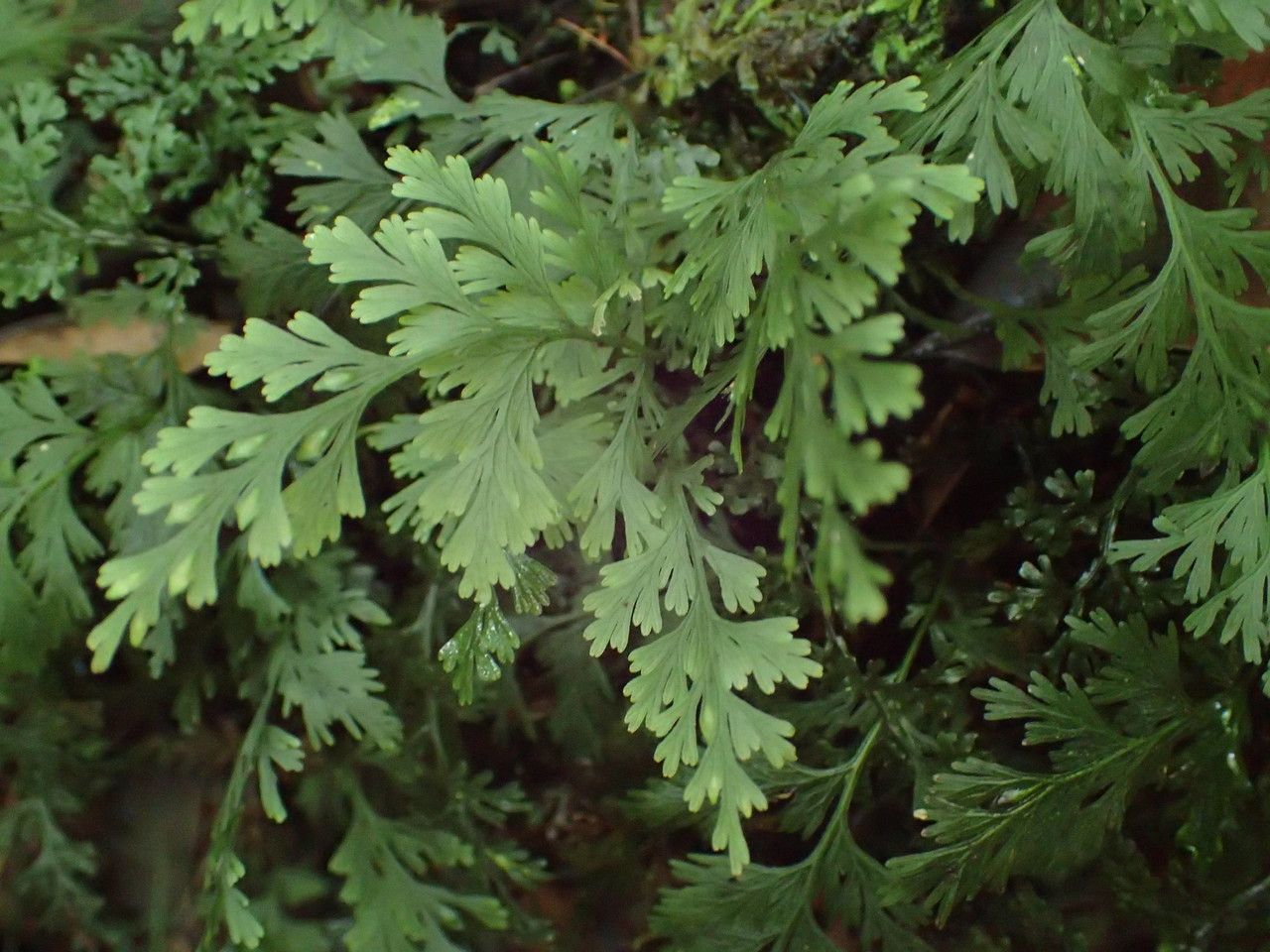
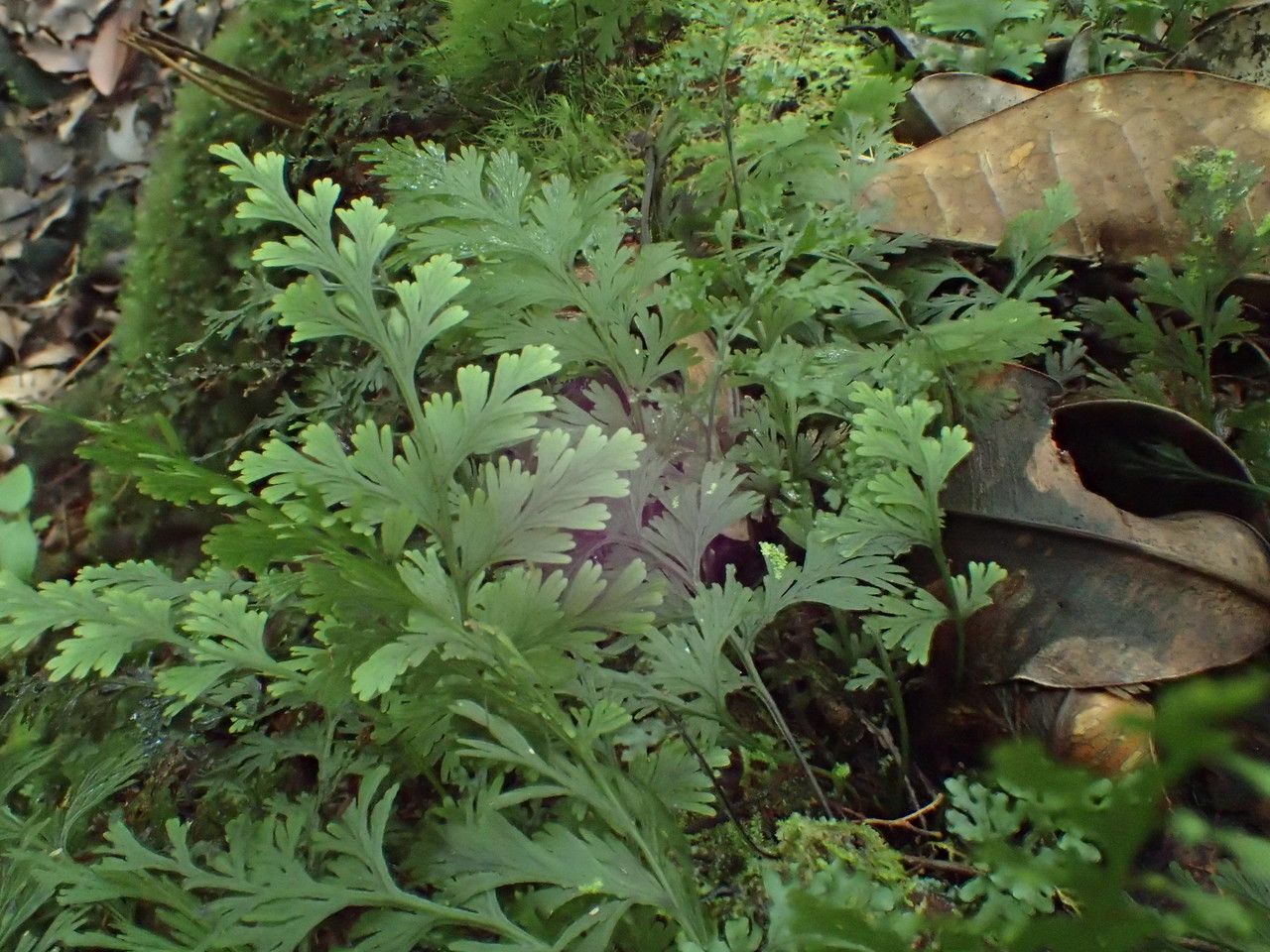
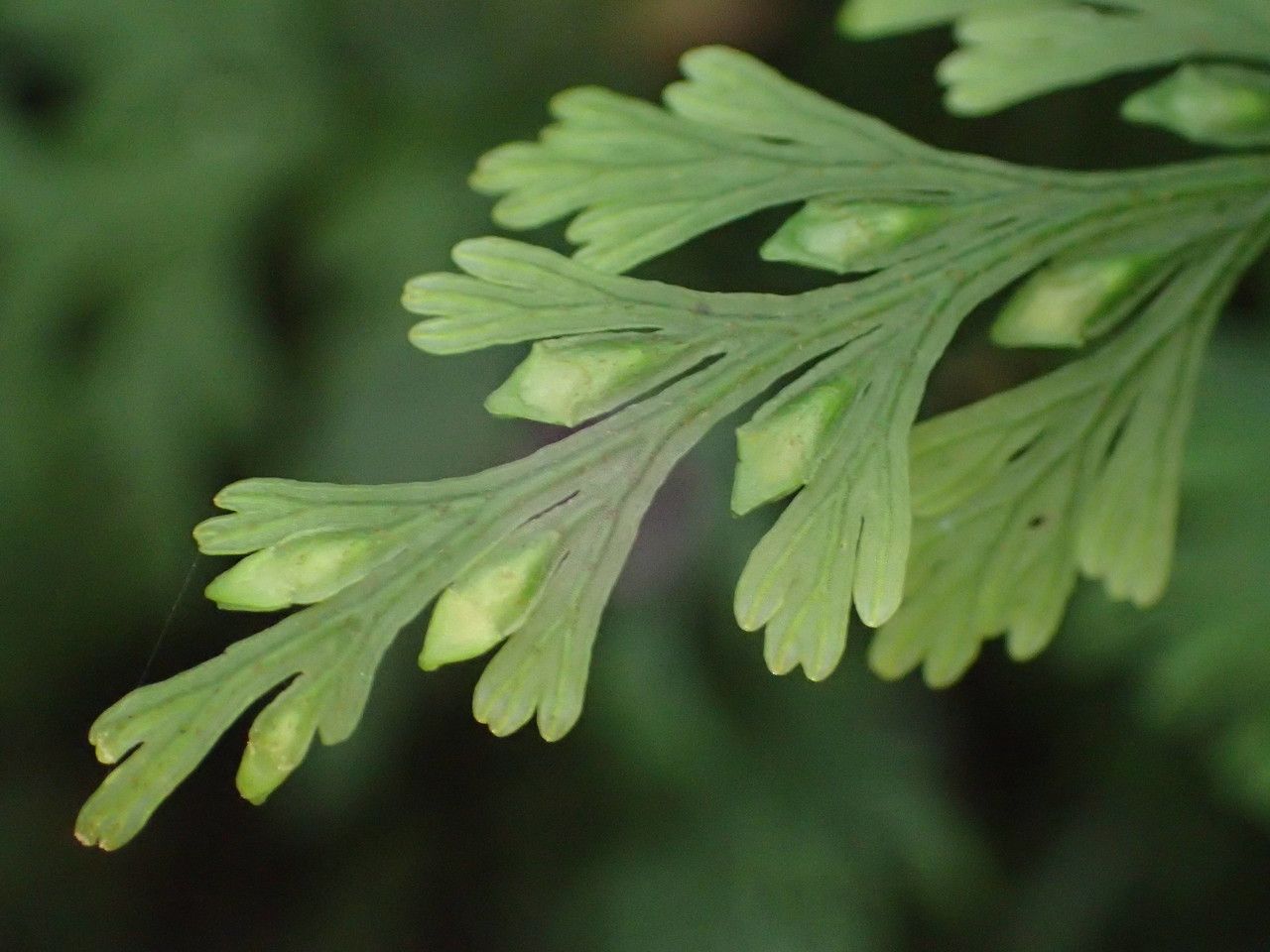
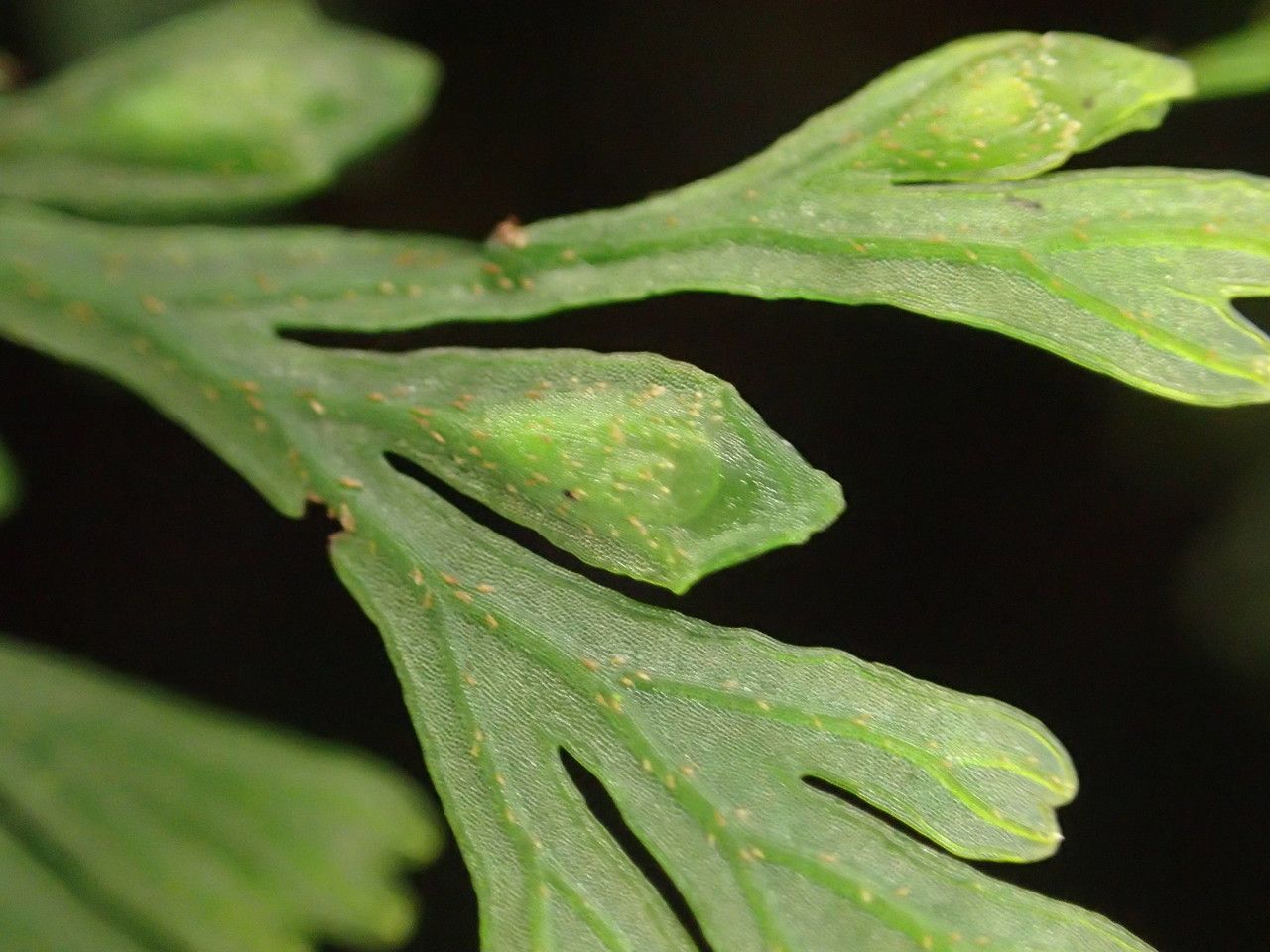
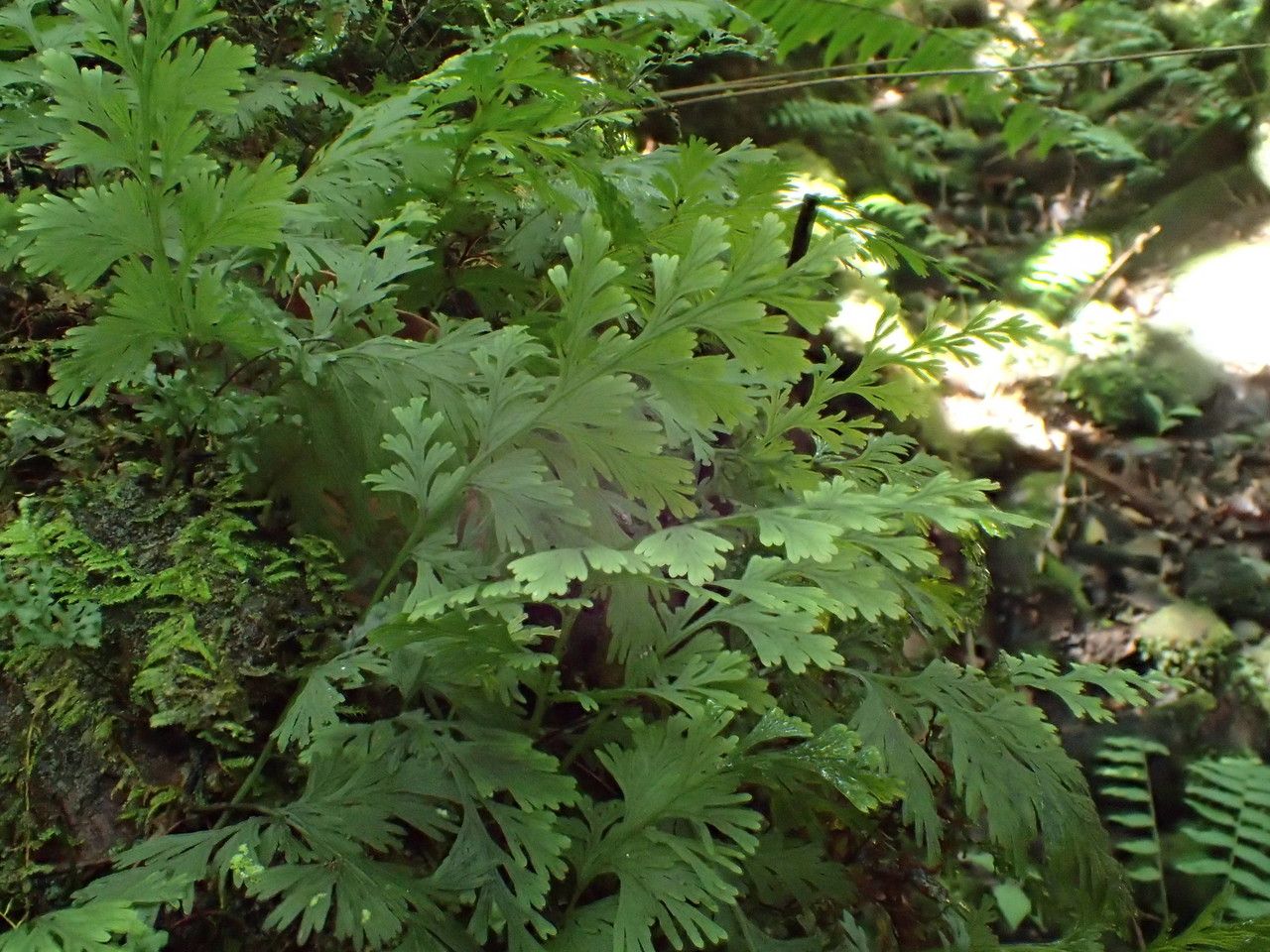
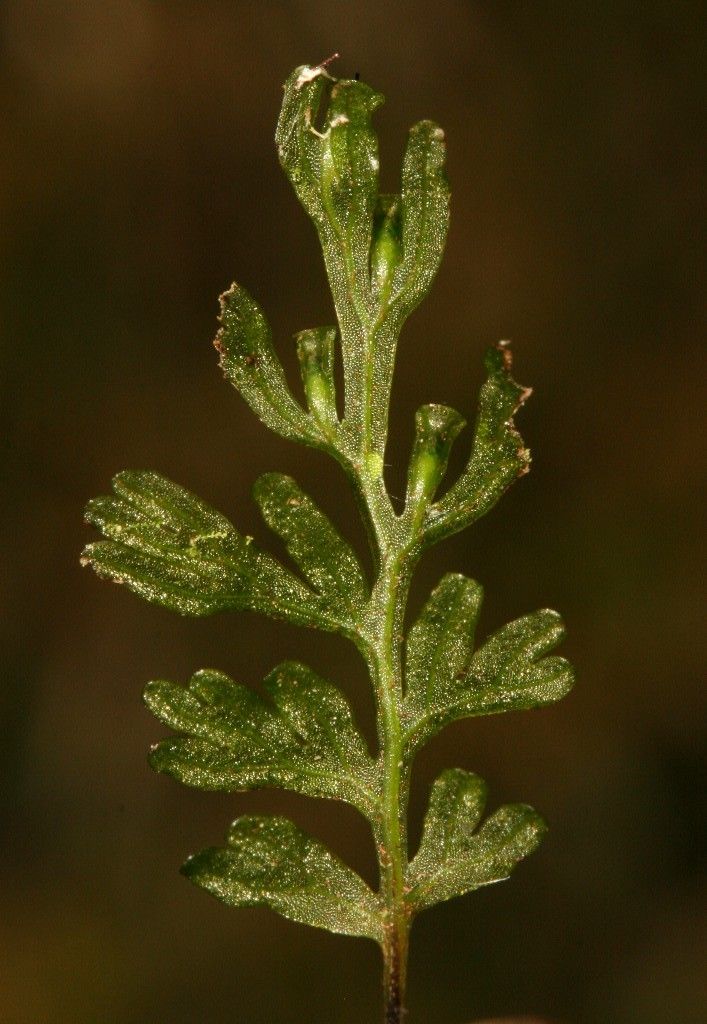
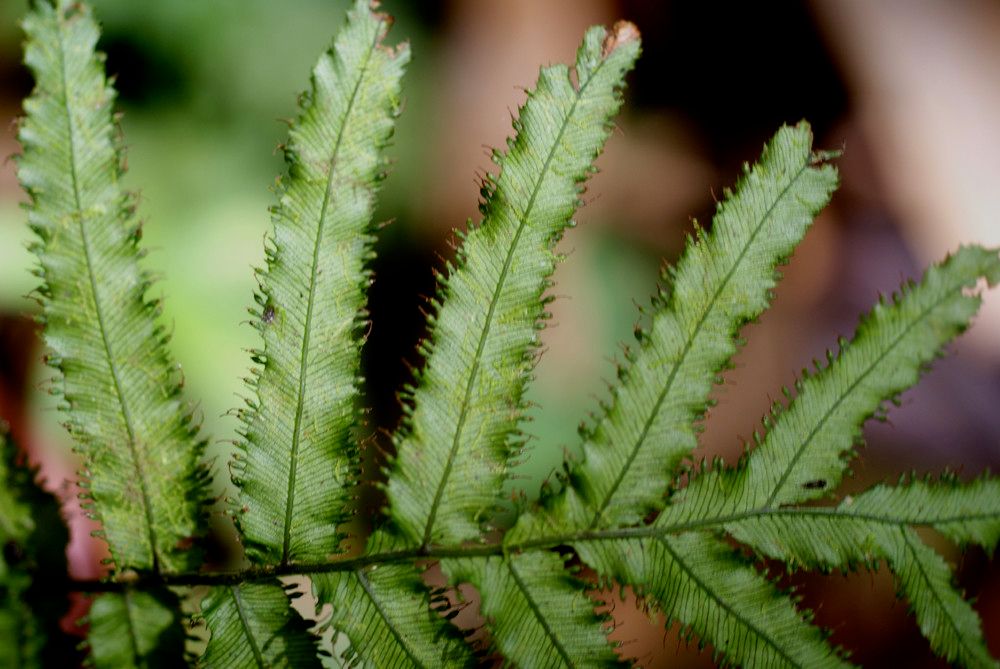
Crepidomanes bipunctatum possesses good disease resistance and is generally not susceptible to disease. It can, however, be affected by pests and diseases present in its environment. Such infections are typically mild. Regarding care, this plant needs moderate maintenance. It requires regular pruning to maintain a neat appearance and support healthy growth. Applying fertilizer can also help encourage flowering. Crepidomanes bipunctatum is appropriate for anyone with outdoor space, such as a garden or patio, and does not demand extensive experience in plant care. It may need more attention when grown indoors.
How to keep Crepidomanes Bipunctatum.
Light
Crepidomanes bipunctatum is native to habitats like forest understories and rocky sites, where it occurs under natural shade. It prefers partial sun but can adapt to full sun or full shade, showing its versatility and hardiness.
Water
Crepidomanes bipunctatum flourishes in humid environments, akin to its tropical origins, and prefers high humidity with consistently moist soil. It requires watering once a week and benefits from regular misting indoors to keep its foliage lush. Although it has moderate drought tolerance, allowing for some flexibility in care, maintaining moisture is ideal for its health.
Temperature
Crepidomanes bipunctatum comes from tropical areas, where the climate is generally warm and humid. Therefore it is adapted to high temperatures and humidity. It does poorly with abrupt temperature shifts and prefers a steady temperature, so indoor temperature fluctuations should be avoided. It generally cannot tolerate cold and needs warmer conditions to grow. If temperatures fall too low, growth may stop or the plant may die.
Fertilizer
Crepidomanes bipunctatum needs the most fertilizer during its active growth period, which takes place mainly in spring, summer, and early fall. Fertilization supplies essential nutrients that the soil may lack, encouraging healthy root and stem growth and supporting attractive foliage, a key characteristic of this plant.
Pruning
Crepidomanes bipunctatum thrives in shaded, moist environments and benefits from pruning during early to late spring. This process helps remove dead fronds, promote growth, and improve air circulation. Make sure to use sharp, sterilized tools to prevent disease, and always prune just above a node to encourage optimal regrowth.
Botanical profile.
- Plant Type
- Herb
- Life Cycle
- Perennial
- Genus
- Crepidomanes
- Family
- Hymenophyllaceae
- Hardiness Zone
- 10-12
- Mature Height
- 5 cm to 15 cm
- Mature Spread
- 10 cm to 20 cm
- Leaf Color
- Light Green, Dark Green
- Leaf Type
- Evergreen
- Planting Time
- Spring, Summer, Autumn
- Native Area
- India, Malaysia, Indonesia, Cambodia, Vietnam, Myanmar, Japan, Philippines, Madagascar, Bangladesh, Laos, Fiji, Thailand, China
Other names.
Reader questions.
What are the sunlight requirements for Crepidomanes bipunctatum?
Crepidomanes bipunctatum, a plant that thrives in specific lighting conditions, requires partial sun to full shade for optimal growth. Partial sun means the plant should receive about 3-6 hours of sunlight daily, while full shade refers to less than 3 hours of sunlight per day. It's important to observe the movement of sunlight through your garden to find the best spots that offer a harmonious balance of light and shade, ensuring the well-being of your plants.