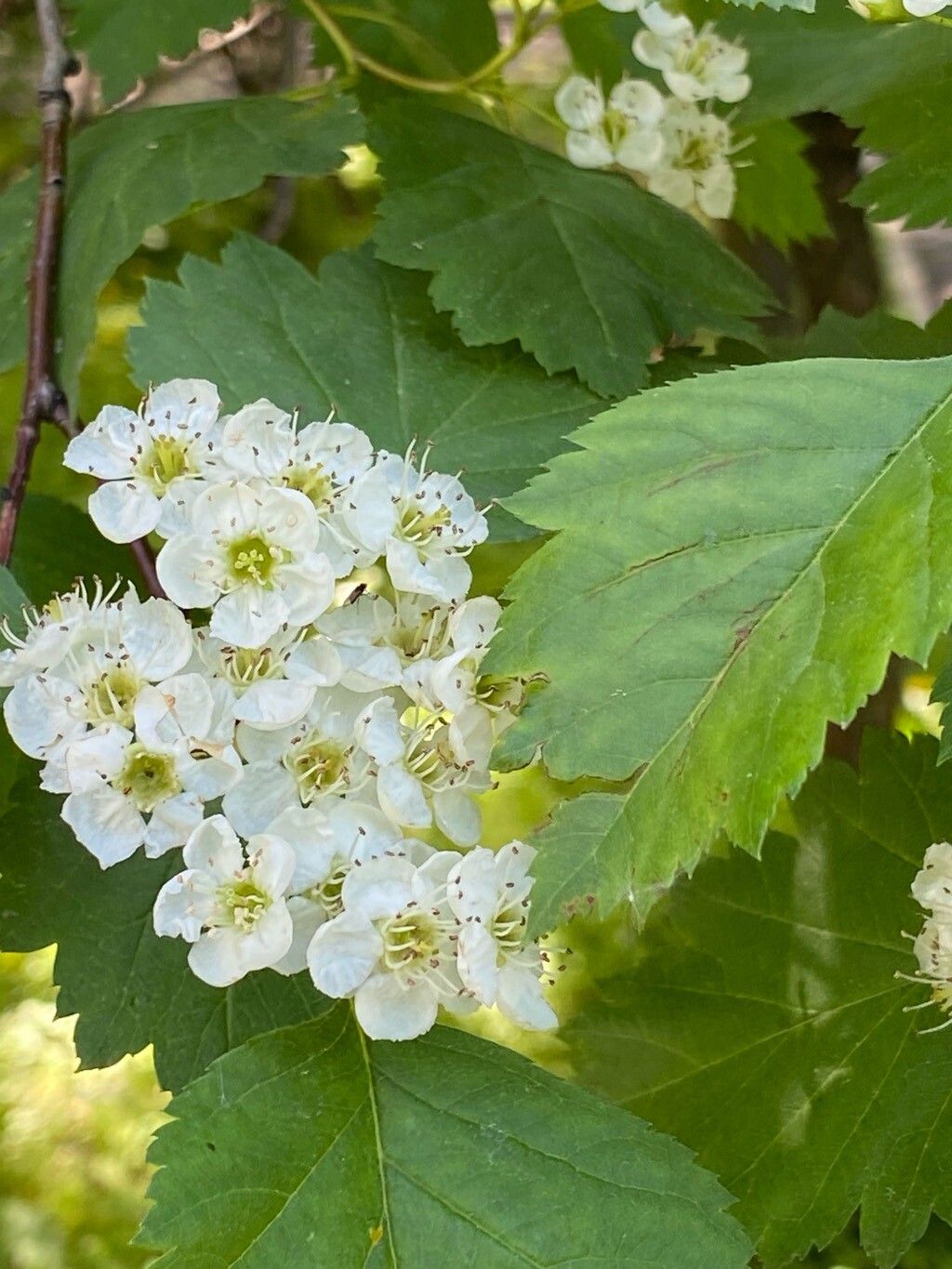
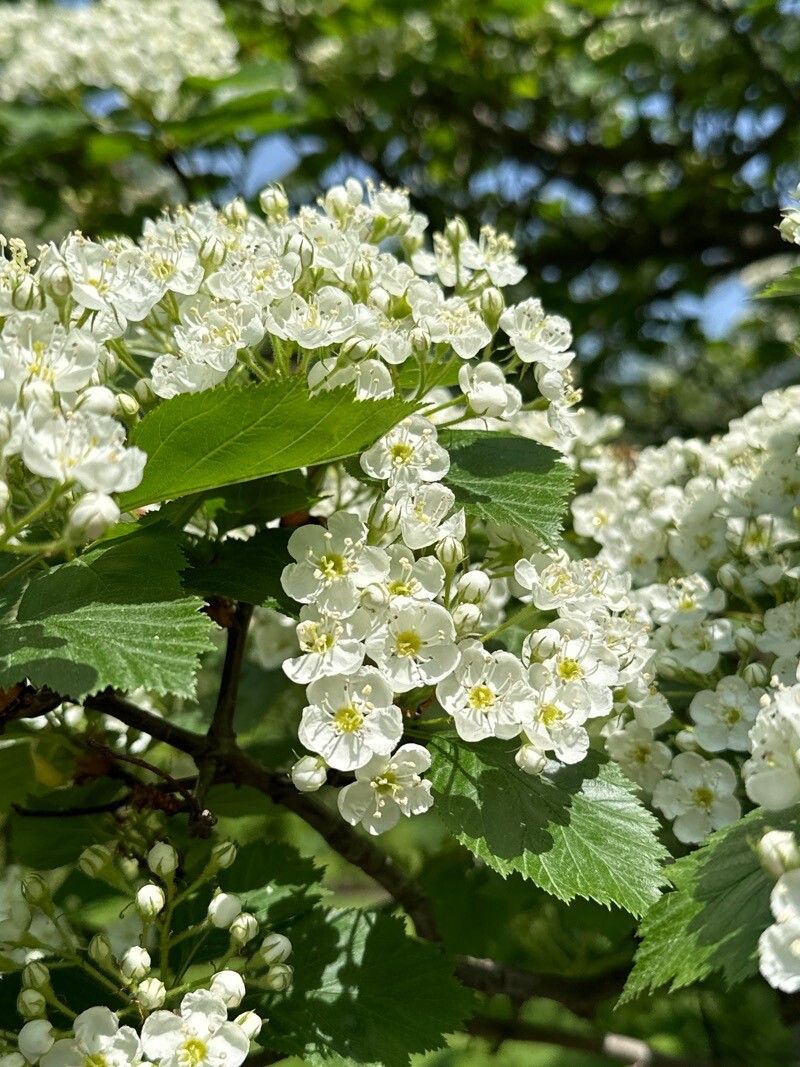
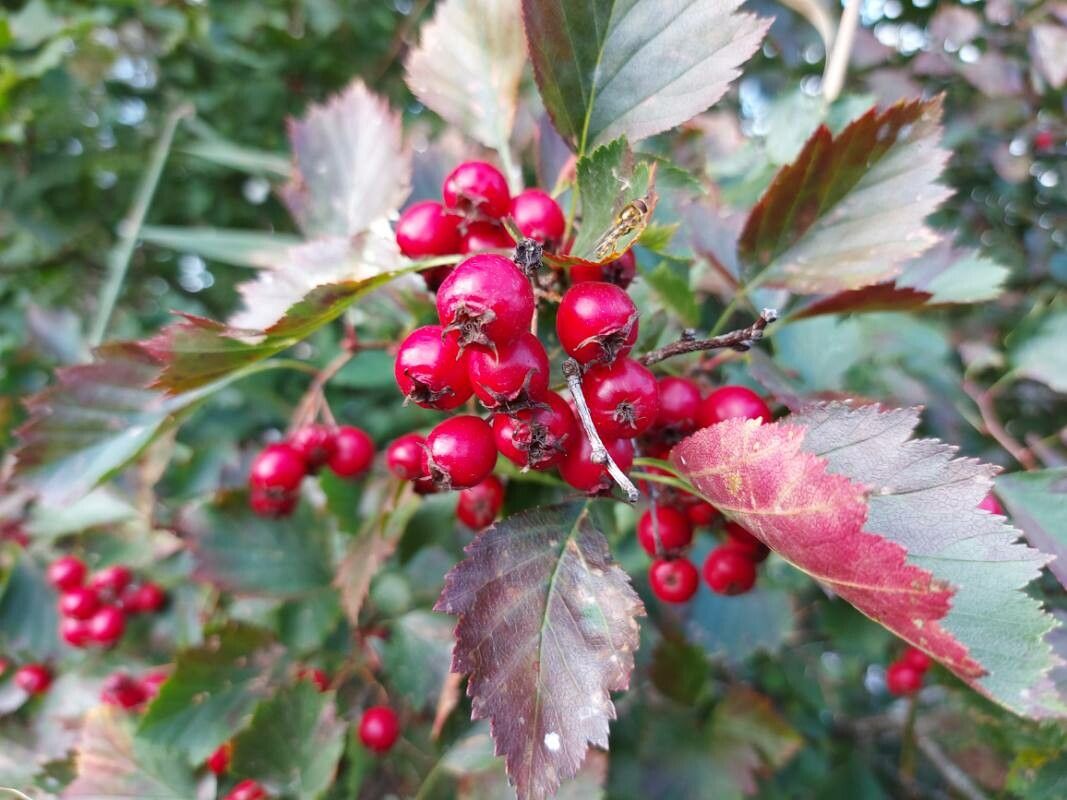
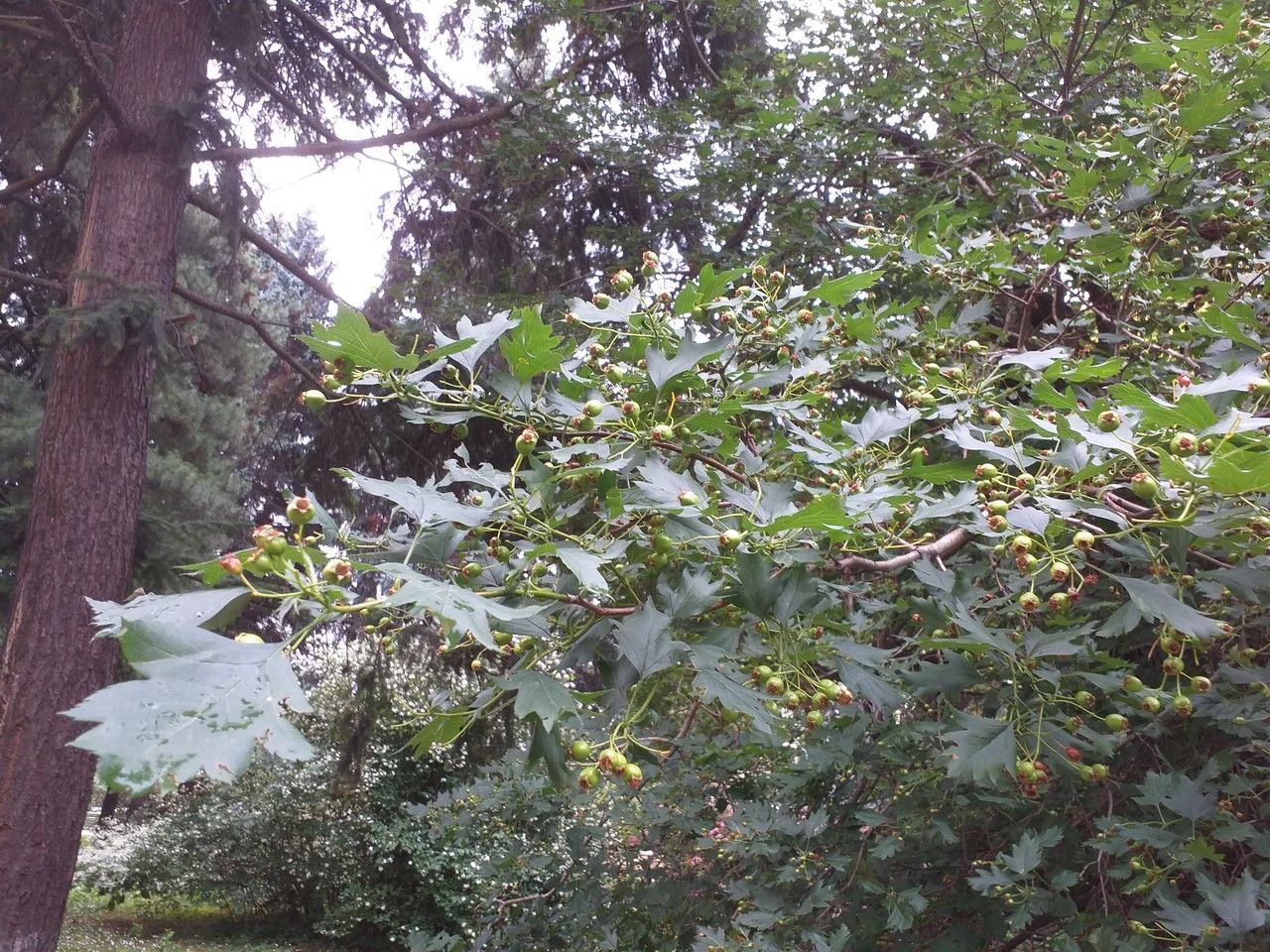
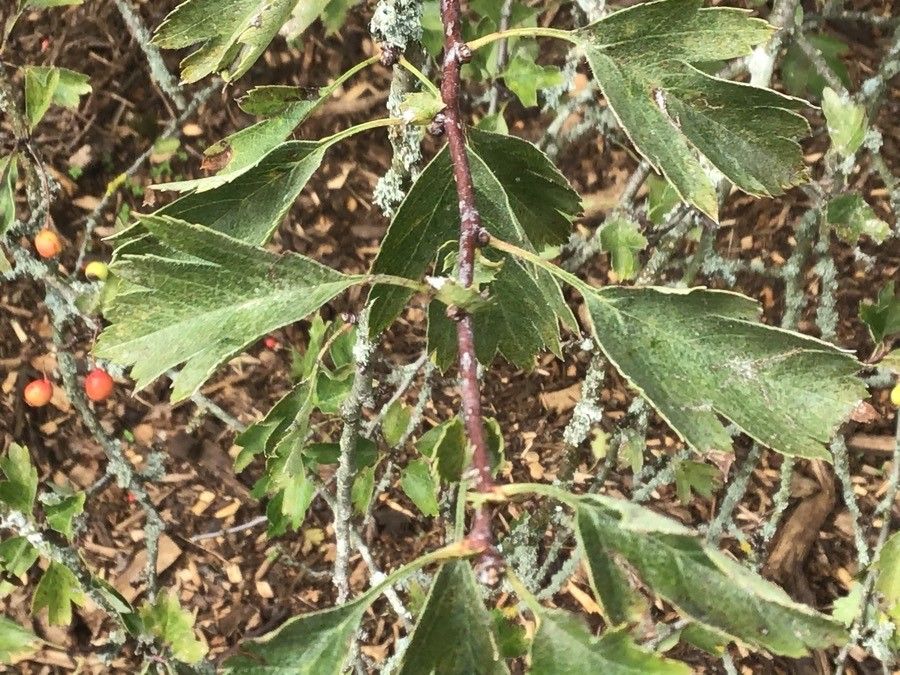
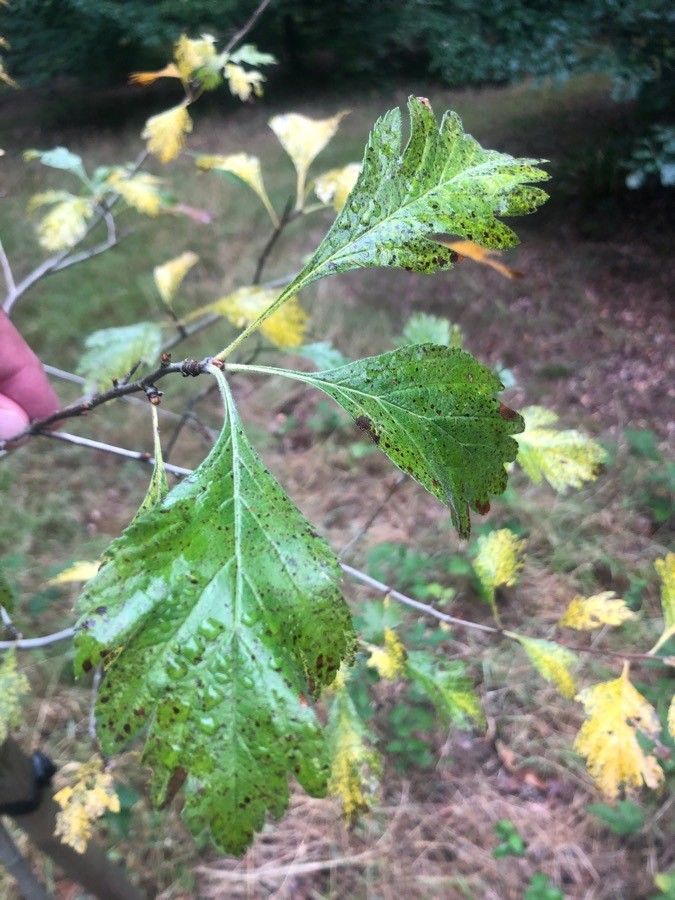
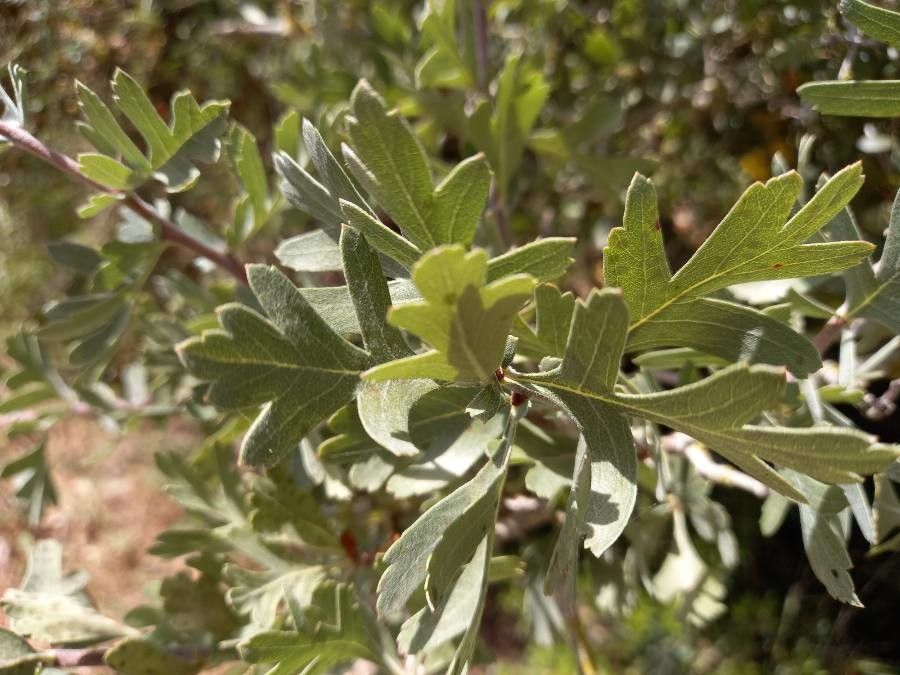
Crataegus sanguinea is a species of hawthorn that is native to southern Siberia, Mongolia, and the extreme north of China. It is cultivated for its edible red berry-like fruit which actually is a pome. The fruit can be eaten raw or cooked. They can be used to make jam, jelly, and fruit preserves. They are also grown in gardens as ornamental plants. The flowers are small, white in color, and occur in clusters. The flowers give off a carrion smell.
Black hawthorn is highly resistant to disease and typically does not suffer from illnesses. Regarding maintenance, this species is fairly easy to care for. When grown outdoors it needs only occasional watering, and larger specimens generally do not require pruning. Smaller specimens, however, should be trimmed after they finish flowering. Black hawthorn is well suited to anyone who has an outdoor area, such as a garden or a deck, and it does not demand much prior gardening experience.
How to keep Crataegus Sanguinea.
Light
Black hawthorn grows best when it gets plenty of light for most of the day, though it can also tolerate shadier spots. Increased light supports its health and growth. In its native habitat it occurs in well-lit areas. Both too much light and too little light can be damaging to the plant.
Temperature
The black hawthorn originates from regions with a temperate climate. It thrives at temperatures between 32 and 95 ℉ (0 to 35 ℃). In warmer seasons, the plant should be kept in a shaded area to avoid exposure to direct sunlight. In colder seasons, it is advised to provide adequate protection to help the plant acclimate to lower temperatures.
Fertilizer
The Black hawthorn needs adequate nutrients for the best fruit production. Fertilize in early spring to promote new growth and flower development. Regular fertilization keeps the plant healthy, produces more flavorful fruit, and prevents nutrient-deficiency problems like yellow leaves and poor fruit yield.
Pot & Repot
When repotting Black hawthorn, choose a pot 1–2 inches (2.5–5.1 cm) larger with ample drainage. Use a well-draining potting mix. Repot in spring or fall, making sure the root ball sits slightly below the rim of the flower pot. Water thoroughly after repotting and place it in a warm spot with indirect sunlight.
Botanical profile.
- Plant Type
- Shrub
- Life Cycle
- Perennial
- Genus
- Crataegus
- Family
- Rosaceae
- Hardiness Zone
- 3-9
- Mature Height
- 1.83 m to 5.49 m
- Mature Spread
- 7.62 m
- Leaf Color
- Green
- Leaf Type
- Deciduous
- Flower Color
- White
- Flower Size
- 1.02 cm to 1.52 cm
- Bloom Time
- Late spring, Early summer
- Planting Time
- Spring, Autumn
- Harvest Time
- Mid summer