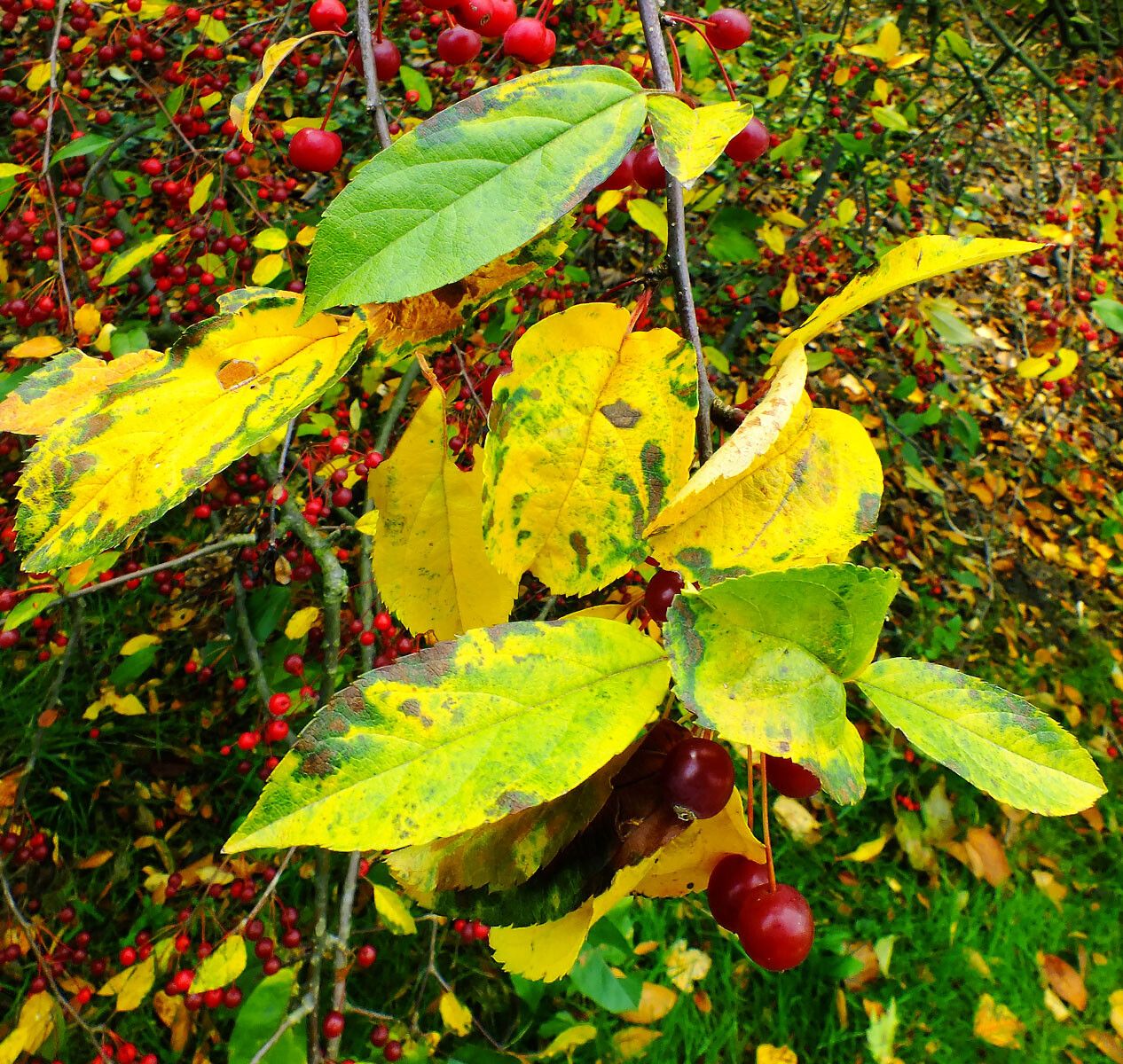
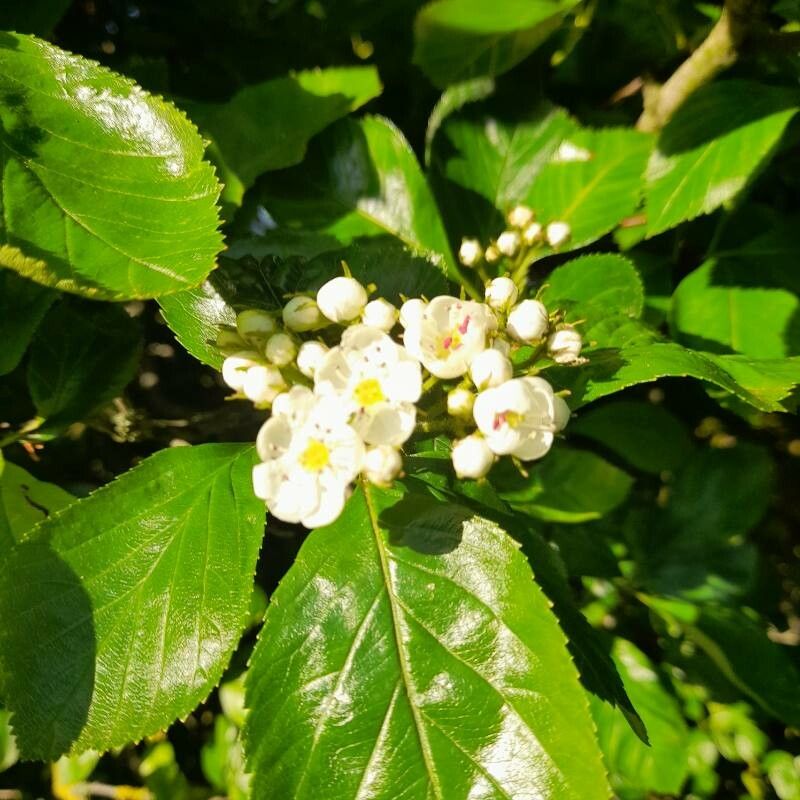
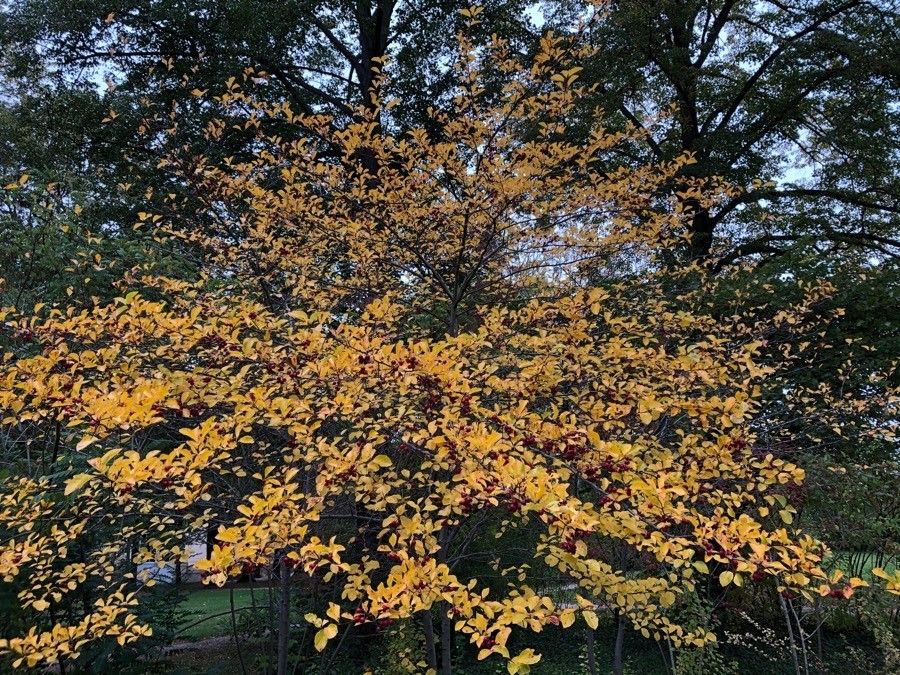
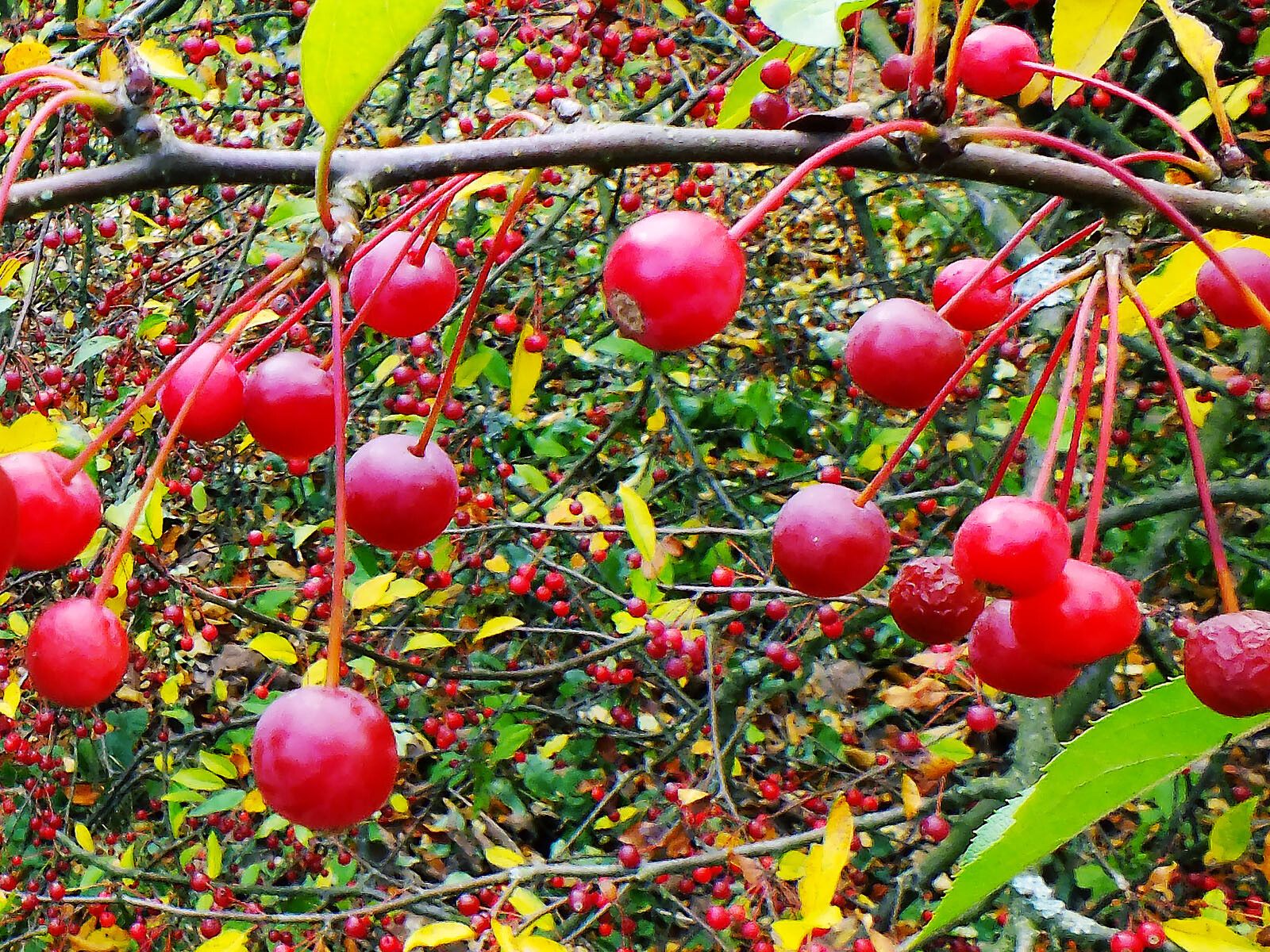
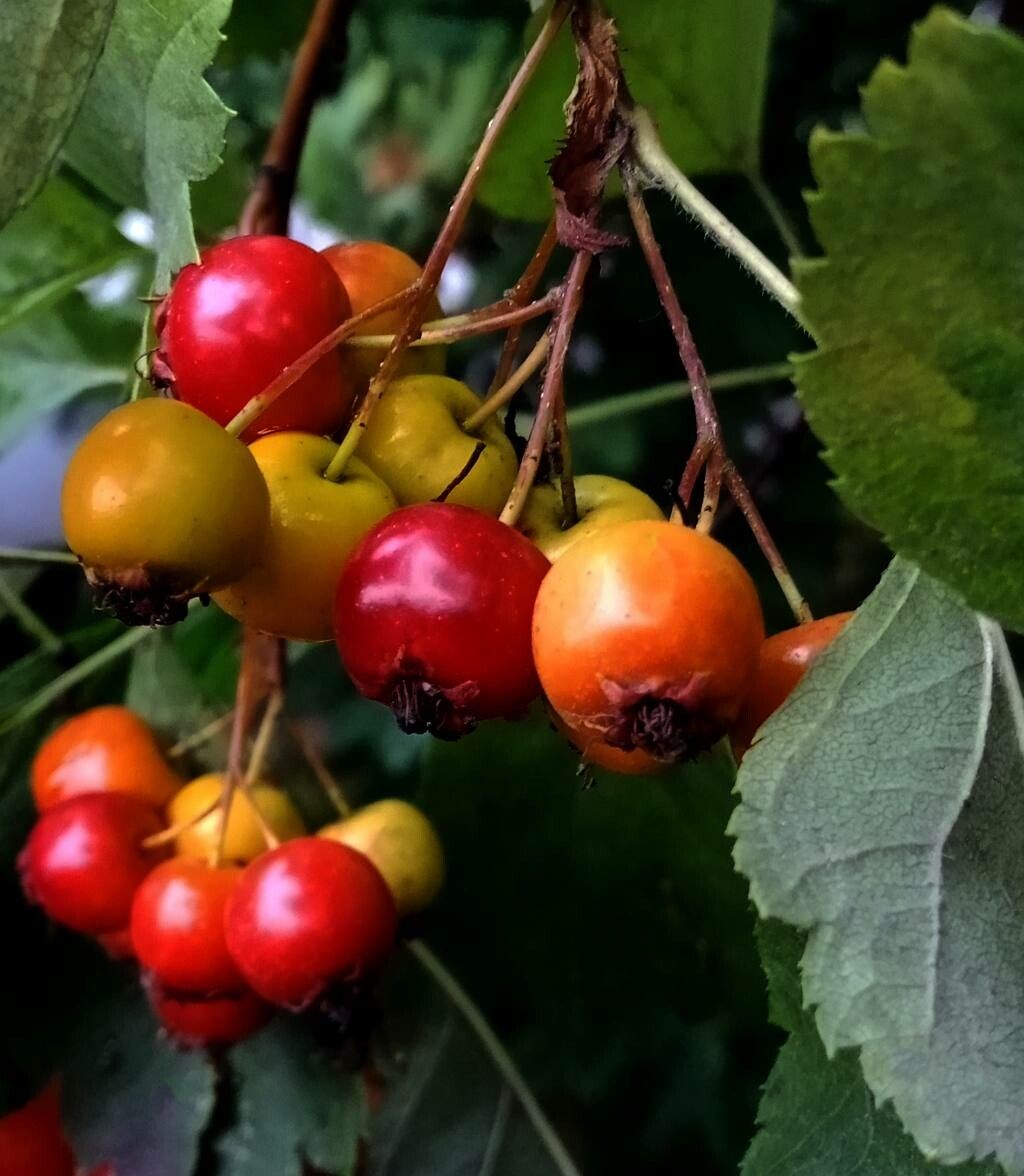
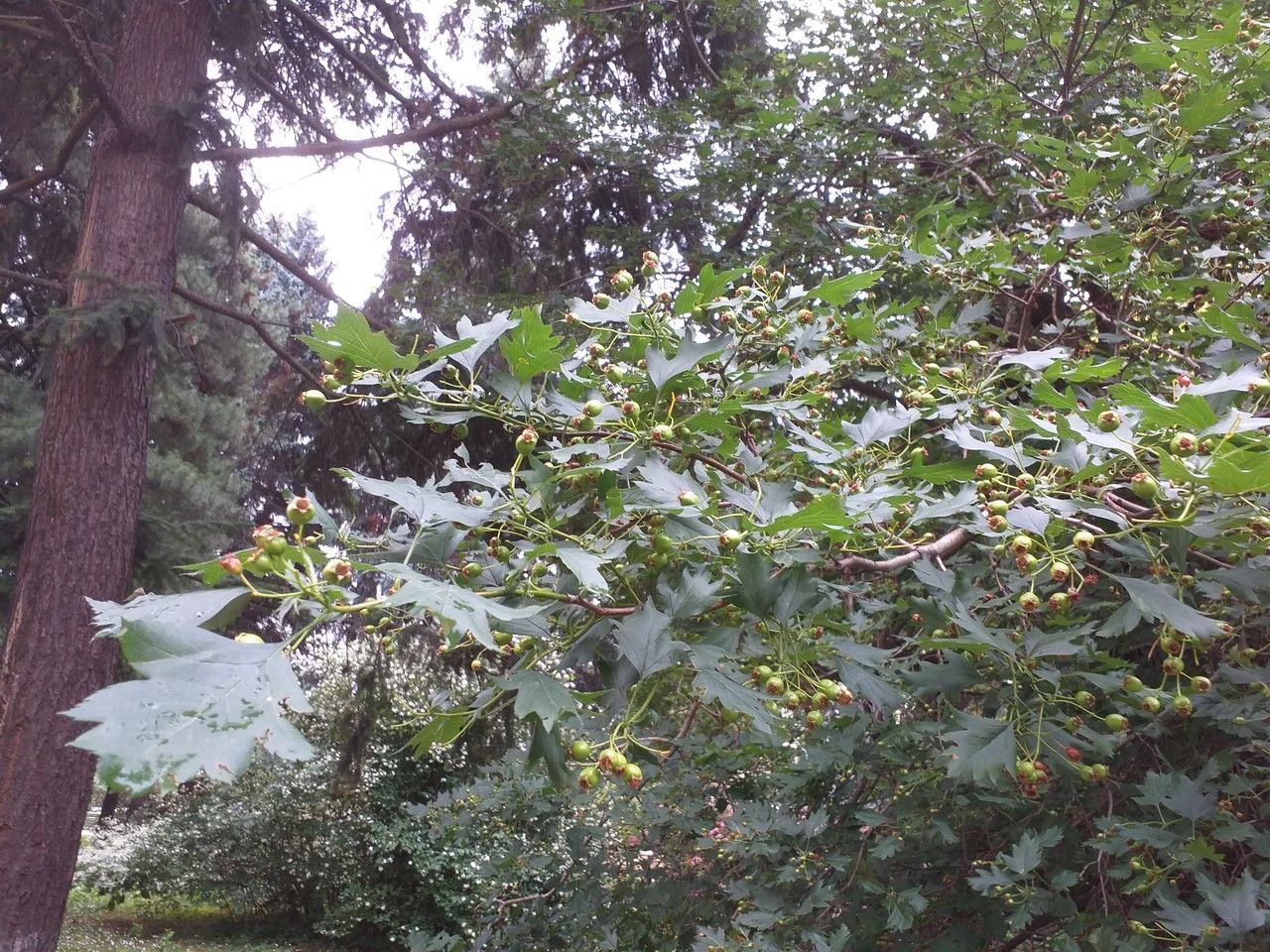
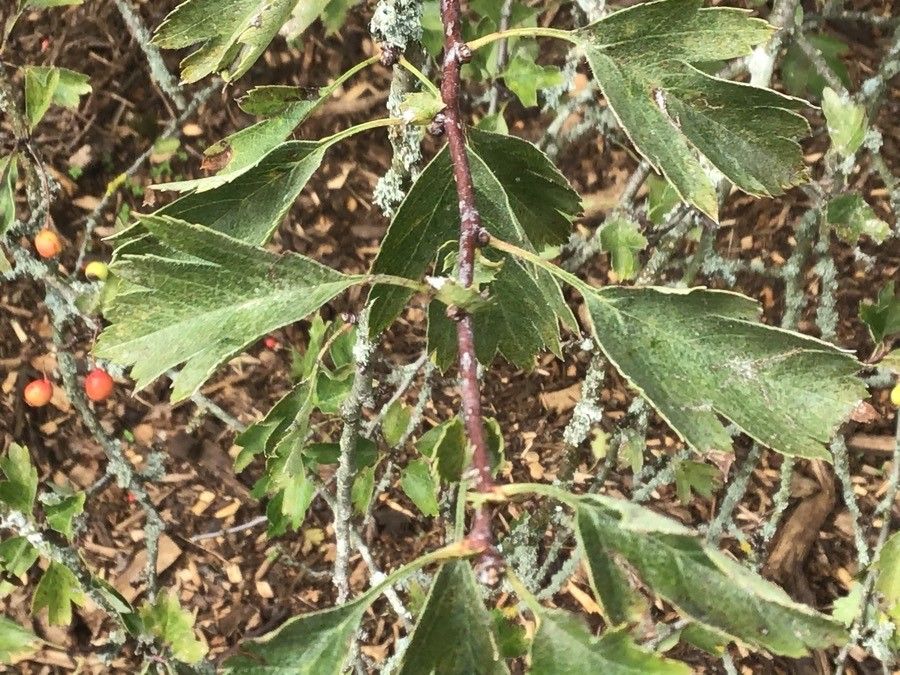
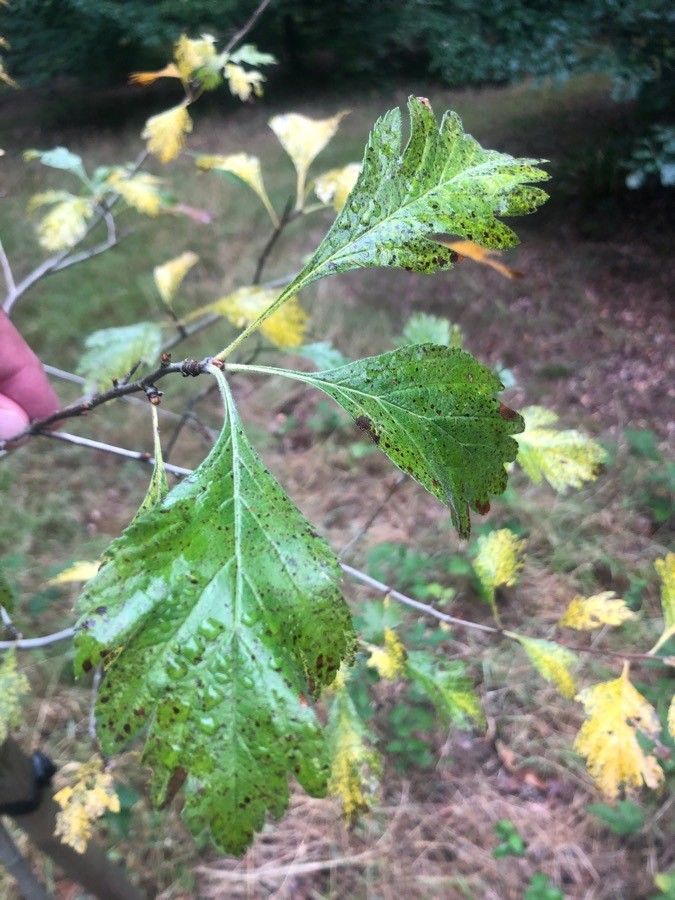
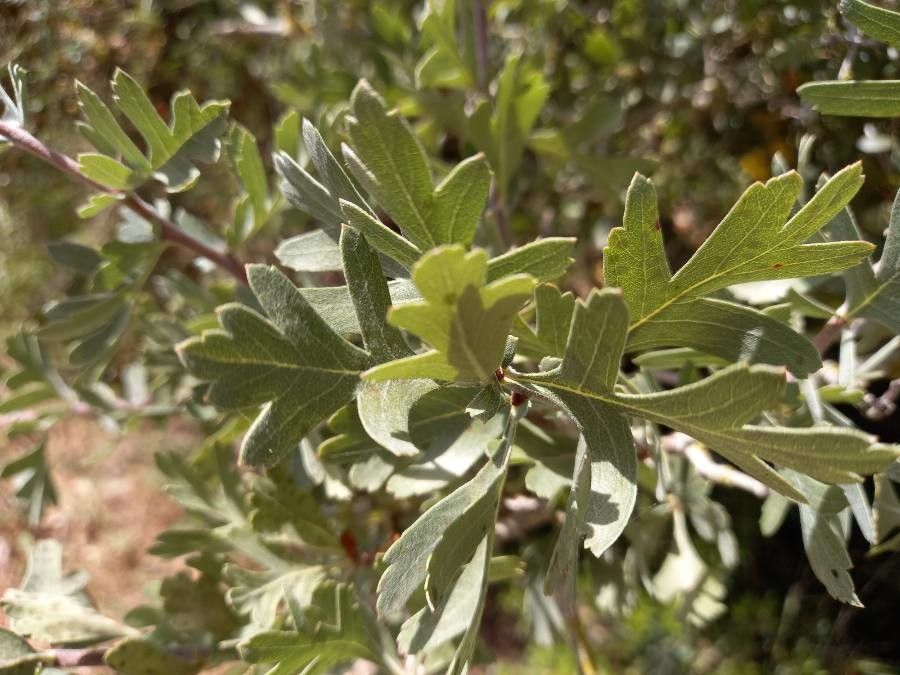
Crataegus persimilis, commonly known as the Hawthorn tree, is a deciduous species in the Rosaceae family. Native to Europe and Asia, this tree can grow up to 10 meters in height. It features a dense crown with thorny branches that produce small white or pink flowers in the spring, followed by red or black berries in the autumn.
For centuries, the Hawthorn tree has been used for medicinal purposes due to its high content of flavonoids and other beneficial compounds. It is believed to offer cardiovascular benefits, such as reducing blood pressure and improving circulation.
Culturally, the Hawthorn tree holds significance in many countries. In Celtic mythology, it was thought that fairies lived beneath its branches, while the ancient Greeks associated it with love and marriage.
Crataegus persimilis is also favored by gardeners for its ornamental value. Its attractive flowers and berries make it an excellent choice for landscaping projects.
Overall, Crataegus persimilis is a versatile plant species with numerous benefits, ranging from medicinal properties to cultural significance. It remains an important part of our natural world today.
Plumleaf hawthorn has good resistance to disease and is generally not susceptible to illnesses. In terms of care, this plant is relatively low-maintenance. When grown outdoors it needs minimal watering, and larger plants typically do not require pruning. Smaller plants, however, should be pruned after they bloom. Plumleaf hawthorn is suitable for anyone with an outdoor area, such as a garden or a deck, and does not demand extensive care experience.
How to keep Crataegus Persimilis.
Light
Plumleaf hawthorn is native to open habitats, such as sunlit meadows and forest margins, where light is abundant. It prefers full sun but will also tolerate partial sun, adjusting well to different light levels.
Water
The Plumleaf hawthorn grows best in well-drained soil and has a moderate tolerance for drought. It prefers to be watered every 1-2 weeks but can adapt to dry seasons by shedding its leaves to conserve water.
Temperature
Plumleaf hawthorn is very adaptable to a broad spectrum of climates, from blistering summers to frigid winters. That said, it does have an ideal temperature range for growth. When temperatures become too high, the plant can suffer from heat and humidity stress, which may lead to its death. In locations where temperatures approach the lower limit of its cold tolerance, providing insulation is important to protect the plant.
Fertilizer
Proper timing is essential when fertilizing Plumleaf hawthorn. Start in early spring and continue applications monthly until early summer. Fertilizer encourages attractive blooms and supplies energy during both dormant and active growth phases.
Pruning
Prune plumleaf hawthorn in early spring to remove dead branches, improve airflow, and shape the plant. Focus on thinning the interior to prevent overcrowding, which supports new growth and blooms. Regular pruning helps manage the size of the plant and encourages healthier growth, enhancing both its appearance and vitality.
Pot & Repot
For optimal growth and health, plumleaf hawthorn needs pots with excellent drainage.
Botanical profile.
- Plant Type
- Tree, Shrub
- Life Cycle
- Perennial
- Genus
- Crataegus
- Family
- Rosaceae
- Hardiness Zone
- 4-8
- Mature Height
- 6.1 m to 9.14 m
- Mature Spread
- 4.88 m to 7.01 m
- Leaf Color
- Yellow, Red, Green, Orange
- Leaf Type
- Deciduous
- Flower Color
- White
- Flower Size
- 1.02 cm to 1.52 cm
- Bloom Time
- Mid spring, Late spring
- Planting Time
- Spring, Summer, Autumn
- Harvest Time
- Late summer, Early fall, Mid fall
Other names.