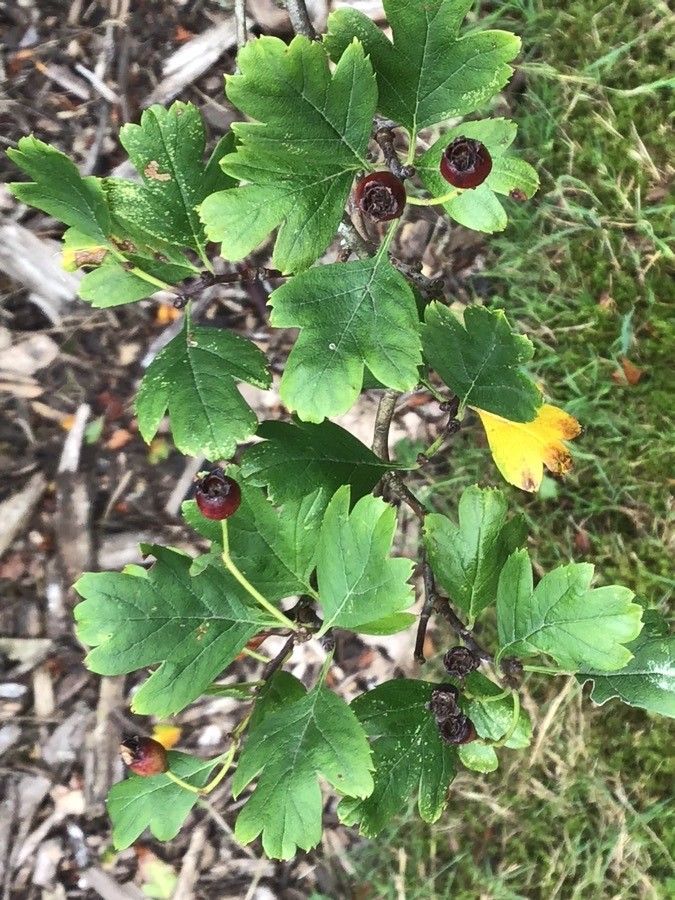
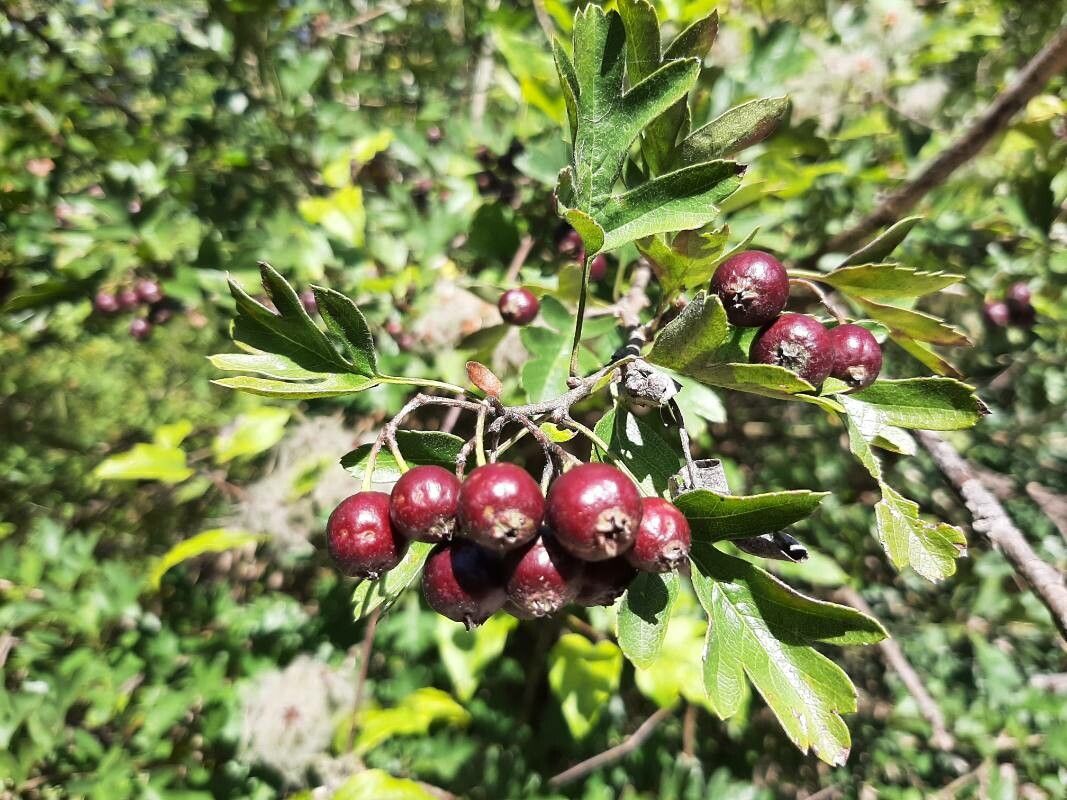
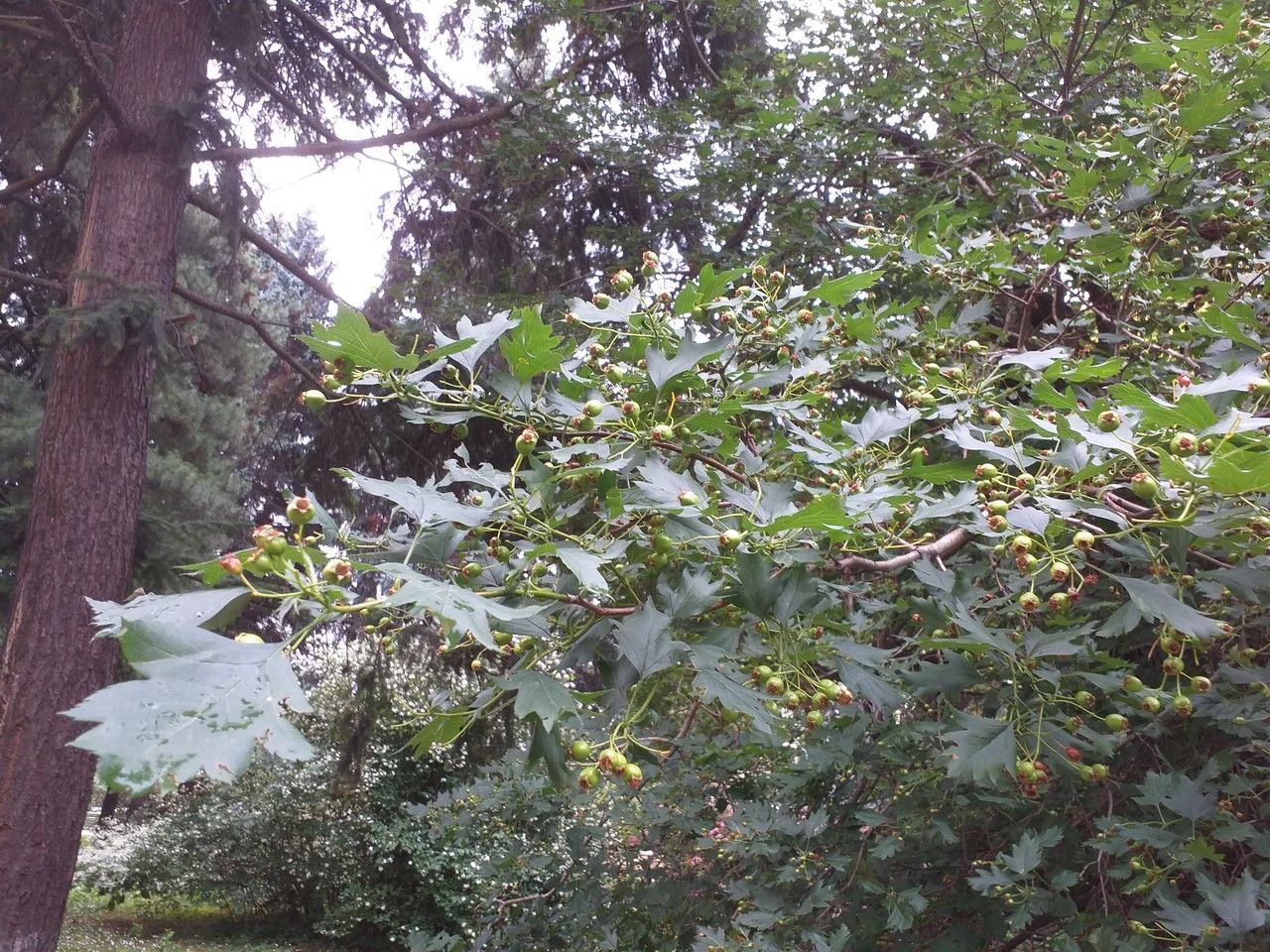
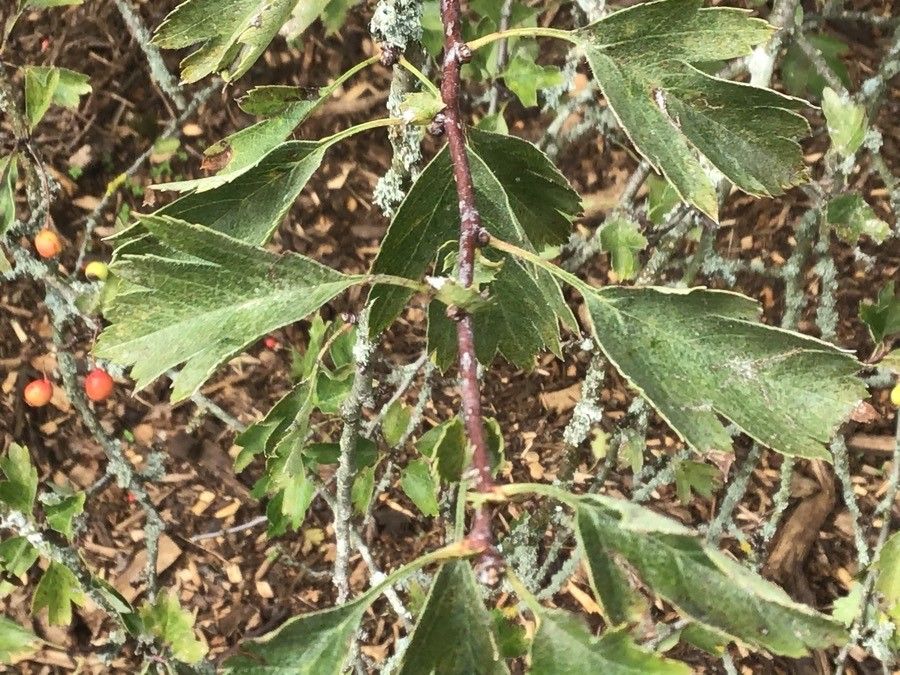
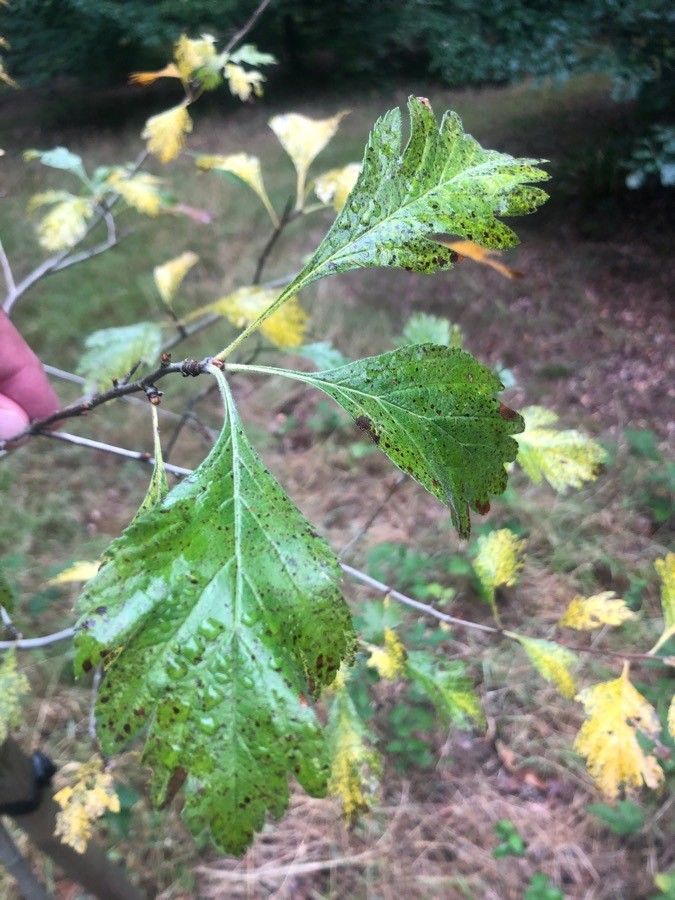
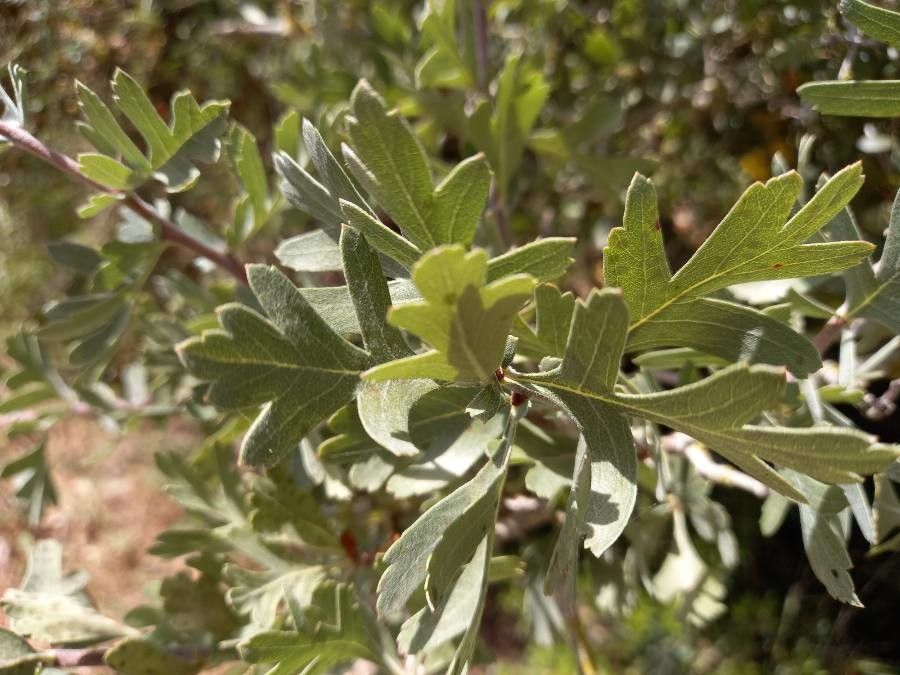
Crataegus pentagyna, also called small-flowered black hawthorn, is a species of hawthorn native to southeastern Europe. Two subspecies are recognized, C. p. subsp. pentagyna and C. p. subsp. pseudomelanocarpa. The fruit are usually black, but are sometimes a handsome purple.
Five-seeded hawthorn has strong disease resistance and is generally not susceptible to diseases. In terms of care, this plant is fairly low-maintenance. When planted outdoors, it needs little watering, and larger specimens usually do not require pruning. Smaller plants, however, should be pruned after they finish blooming. Five-seeded hawthorn is suitable for anyone with outdoor space, such as a garden or a deck, and does not require much gardening experience.
How to keep Crataegus Pentagyna.
Light
Five-seeded hawthorn comes from open habitats, such as sunny meadows and forest edges, that provide plenty of light. It thrives in Full Sun but can also tolerate Partial Sun, adapting well to a range of sunlight conditions.
Water
The five-seeded hawthorn is a plant native to temperate regions and flourishes with moderate moisture levels. It needs to be watered twice a week to thrive. Well-suited for outdoor conditions, this plant is an excellent choice for low-maintenance gardens. As a deciduous plant, it conserves water by shedding its leaves during cooler or drier seasons.
Temperature
The five-seeded hawthorn is highly adaptable to a variety of climate conditions, from scorching summers to cold winters. However, it does have a preferred temperature range for optimal growth. If temperatures become excessively high, the plant is susceptible to heat and humidity stress, which can lead to its death. In areas where temperatures approach the lower limit of its cold tolerance, it is important to provide insulation to protect the plant.
Fertilizer
The five-seeded hawthorn needs adequate nutrients to achieve optimal fruit production. Fertilize in early spring to encourage new growth and bloom development. Regular feeding helps the plant stay healthy, produce tastier and more abundant fruit, and prevents nutrient-deficiency problems such as yellowing leaves and poor fruit production.
Pruning
Pruning five-seeded hawthorn in early spring helps the plant thrive by removing dead or diseased branches and thinning out crowded areas. This improves air circulation, promotes healthier growth, prevents fungal diseases, and enhances blooming. As a result, the plant becomes more vigorous and aesthetically pleasing.
Pot & Repot
To thrive, the five-seeded hawthorn needs pots with excellent drainage. Good drainage prevents waterlogging, which can cause root rot and other problems. Make sure the potting mix allows excess water to drain away while retaining the essential moisture needed for optimal growth.
Botanical profile.
- Plant Type
- Shrub
- Life Cycle
- Perennial
- Genus
- Crataegus
- Family
- Rosaceae
- Hardiness Zone
- 4-8
- Mature Height
- 3.96 m to 7.92 m
- Mature Spread
- 3.05 m to 6.1 m
- Leaf Color
- Dark Green, Green
- Leaf Type
- Deciduous
- Flower Color
- White
- Flower Size
- 1.02 cm to 1.52 cm
- Bloom Time
- Mid spring, Late spring
- Planting Time
- Autumn, Winter
- Harvest Time
- Late summer, Early fall, Mid fall
Other names.
Reader questions.
What are the sunlight requirements for the Five-seeded hawthorn (Crataegus pentagyna)?
The Five-seeded hawthorn (Crataegus pentagyna) thrives in varying degrees of sunlight. For optimal growth, it requires 'Full sun' which is defined as receiving above 6 hours of sunlight daily. However, it can also grow well in 'Partial sun' conditions, which means the plant would get about 3-6 hours of sunlight a day. It's important to observe the sunlight pattern in your garden carefully, aiming to find a location that offers a harmonious balance of light and shade suited to the needs of your five-seeded hawthorn, ensuring it grows happily and healthily.