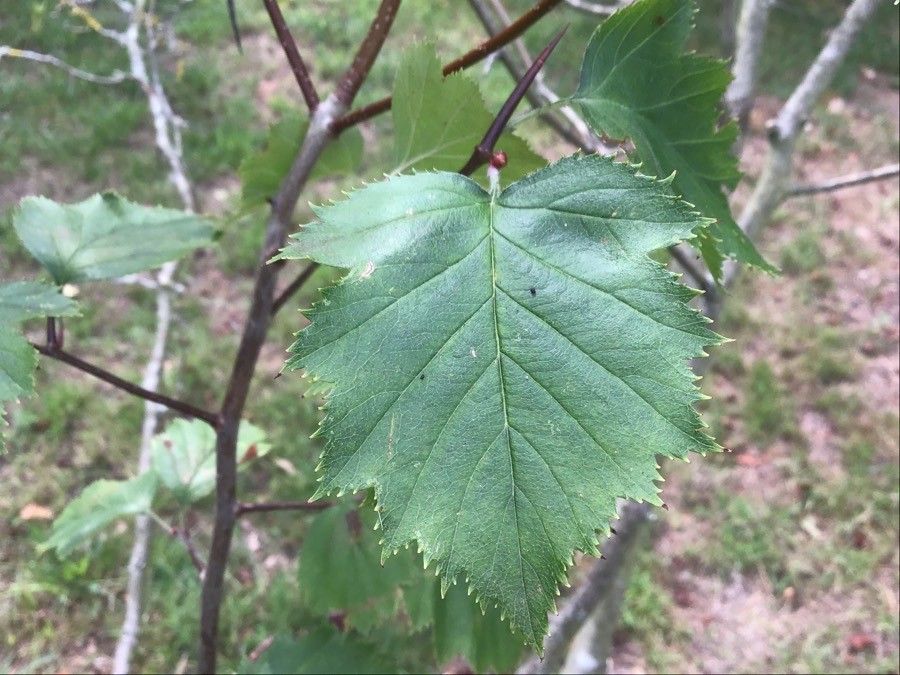
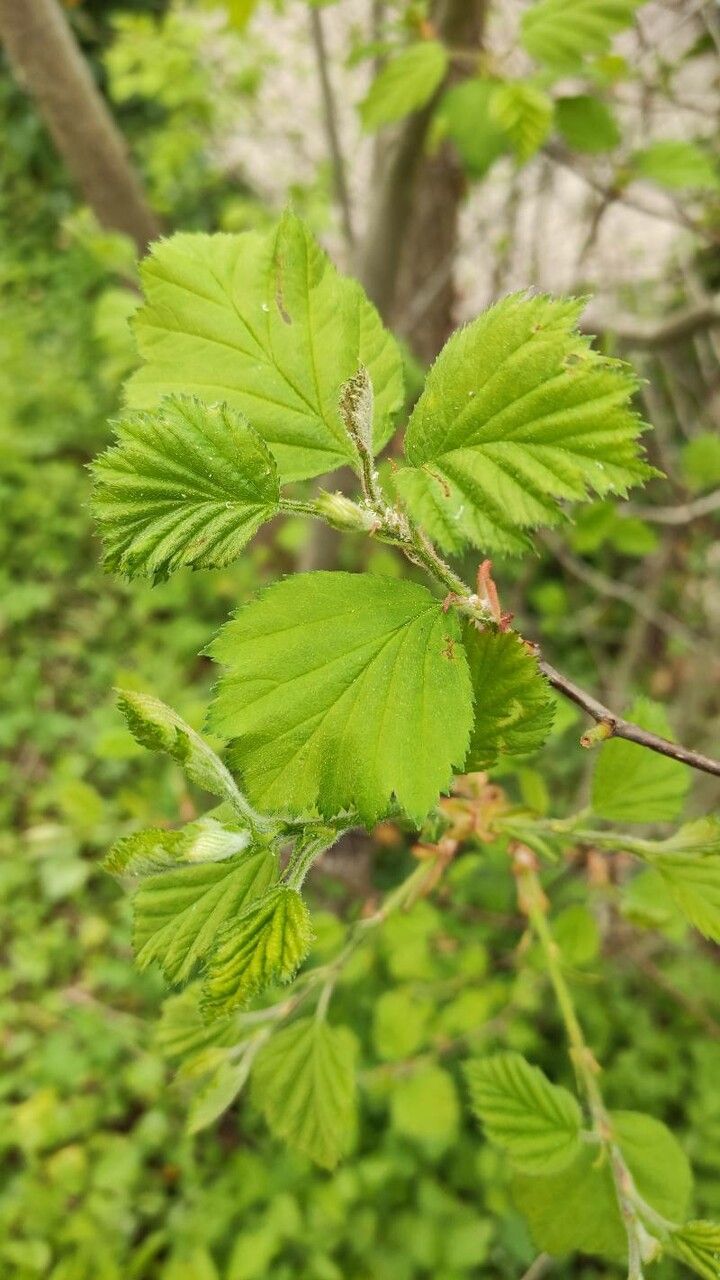
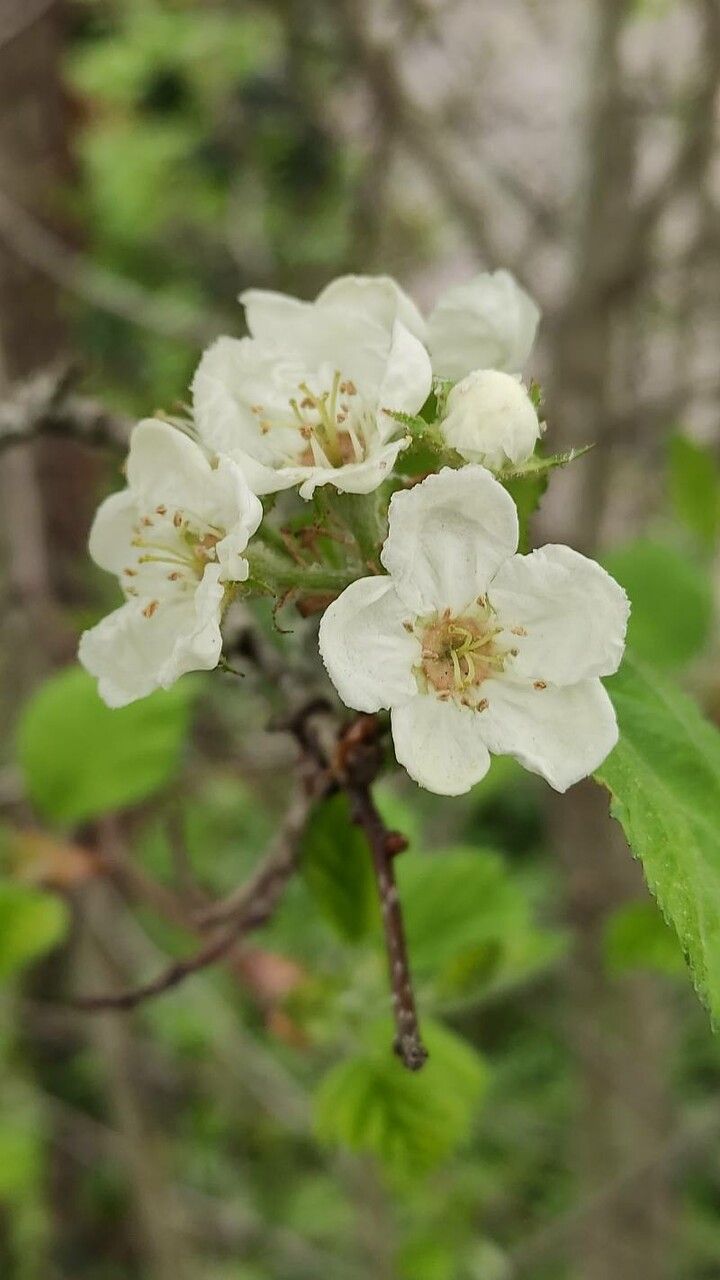
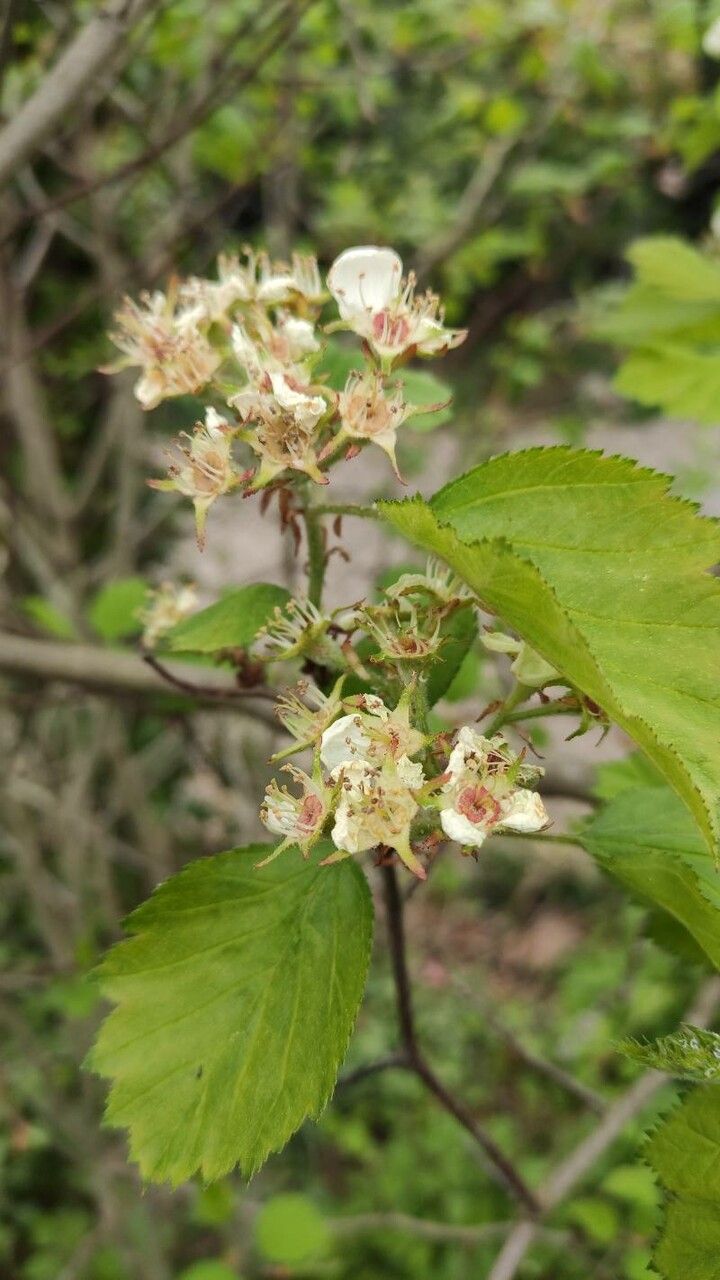
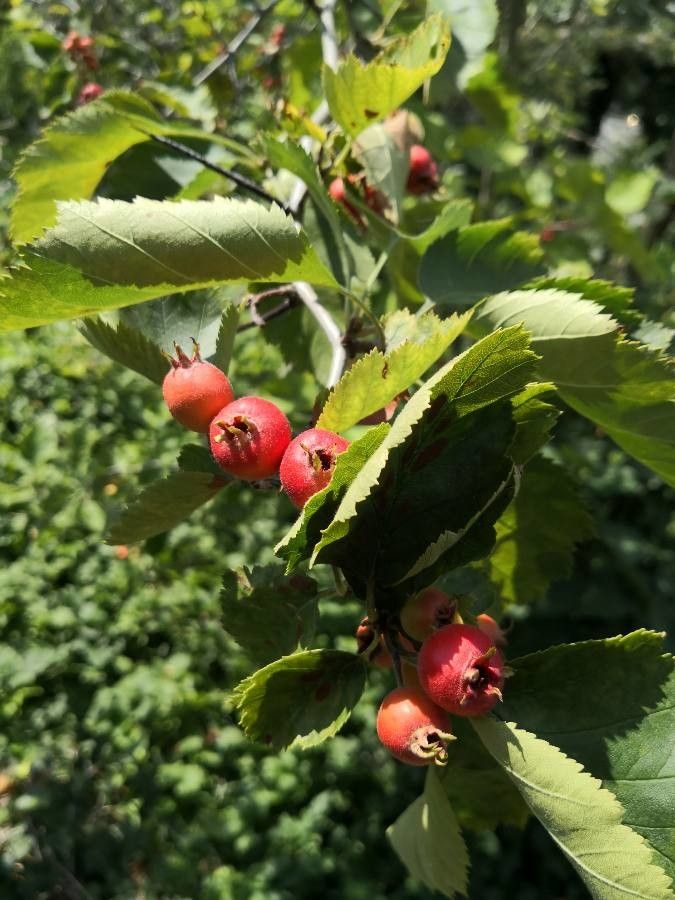
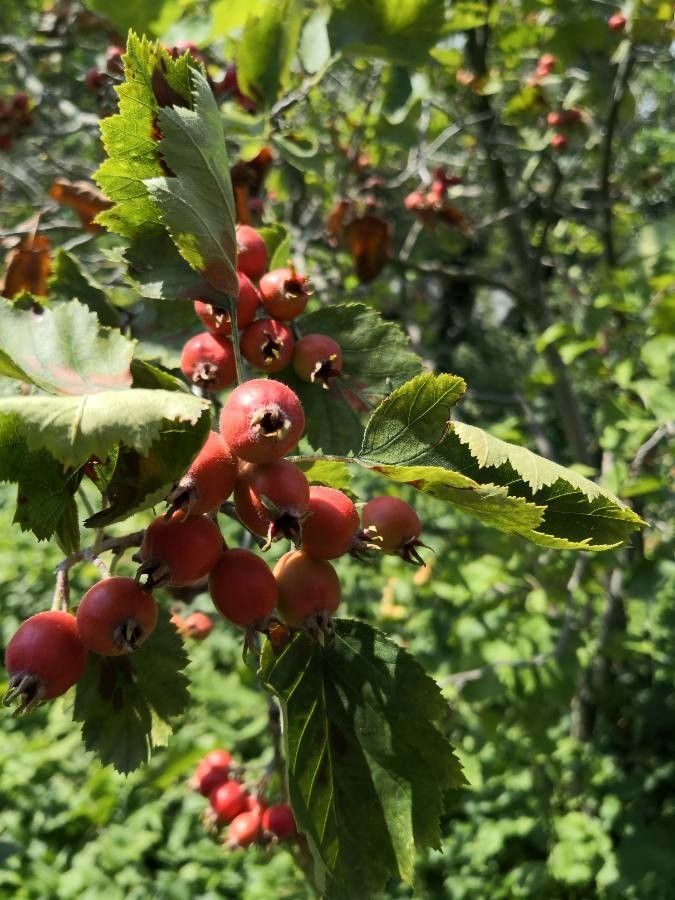
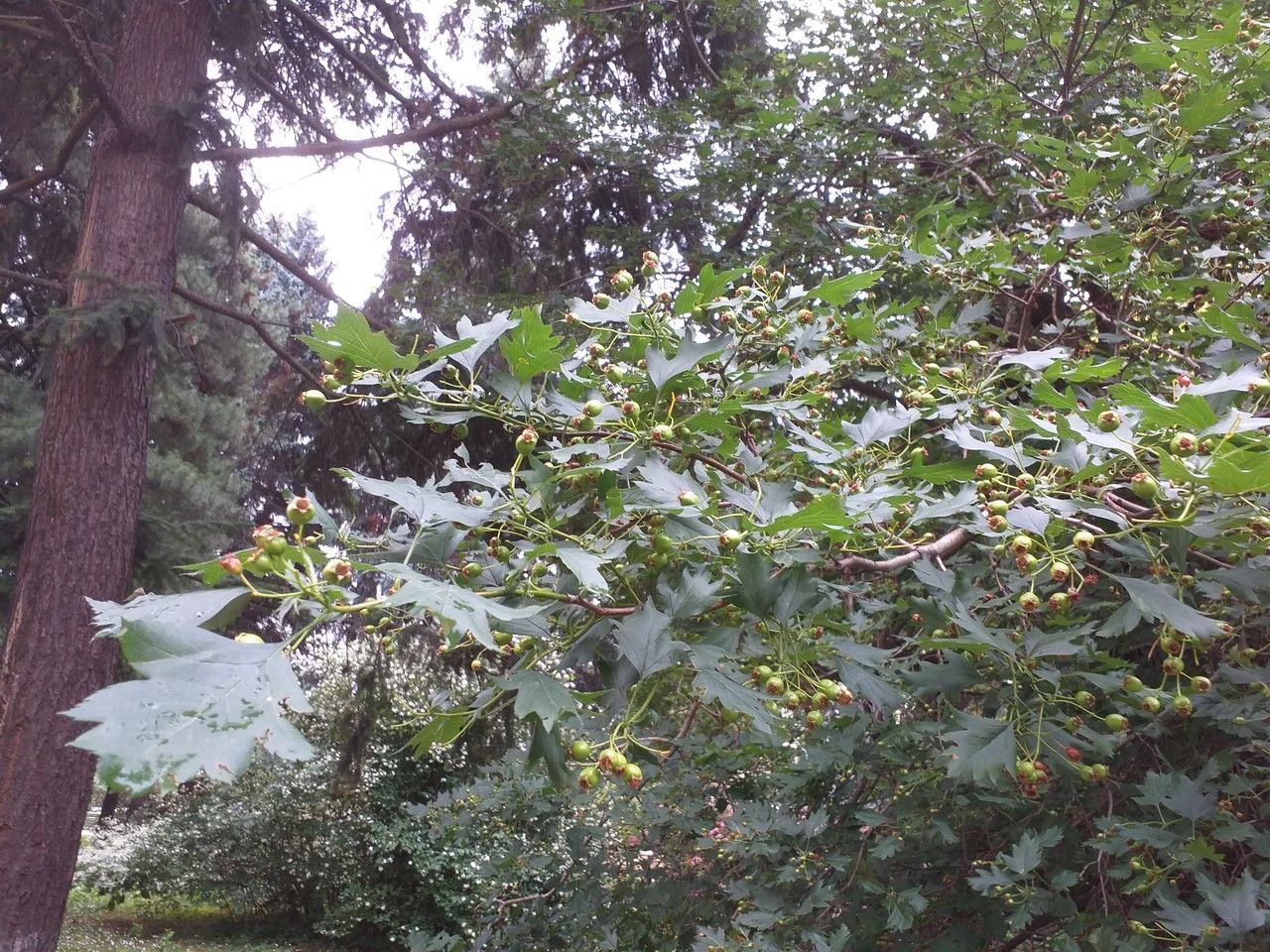
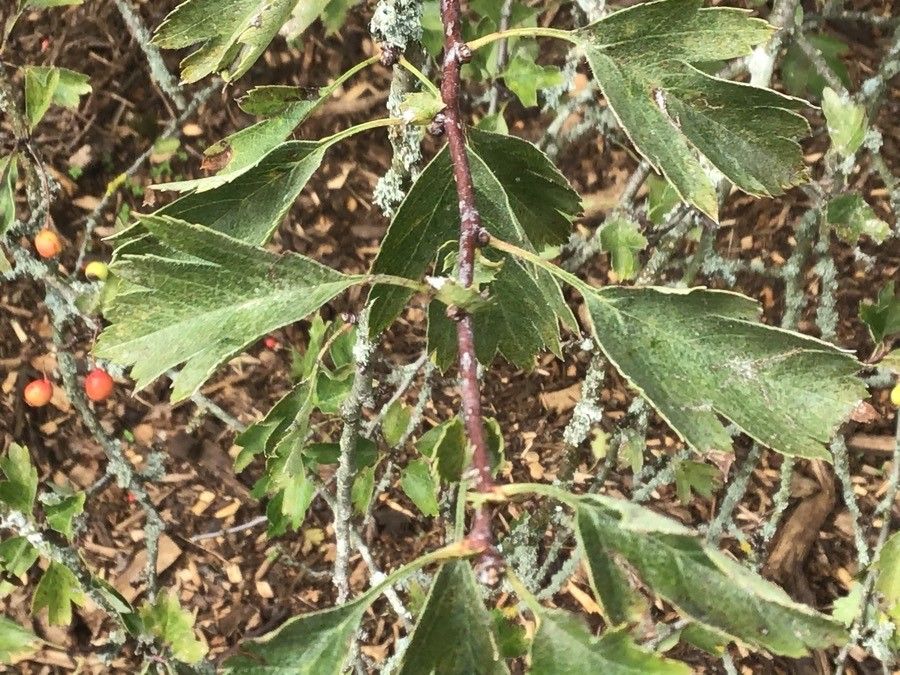
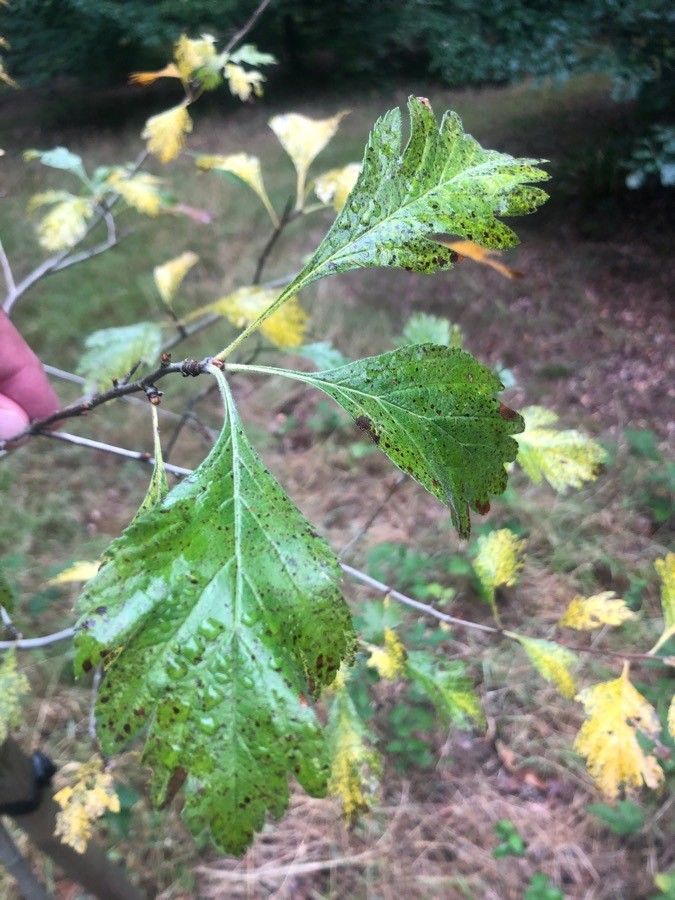
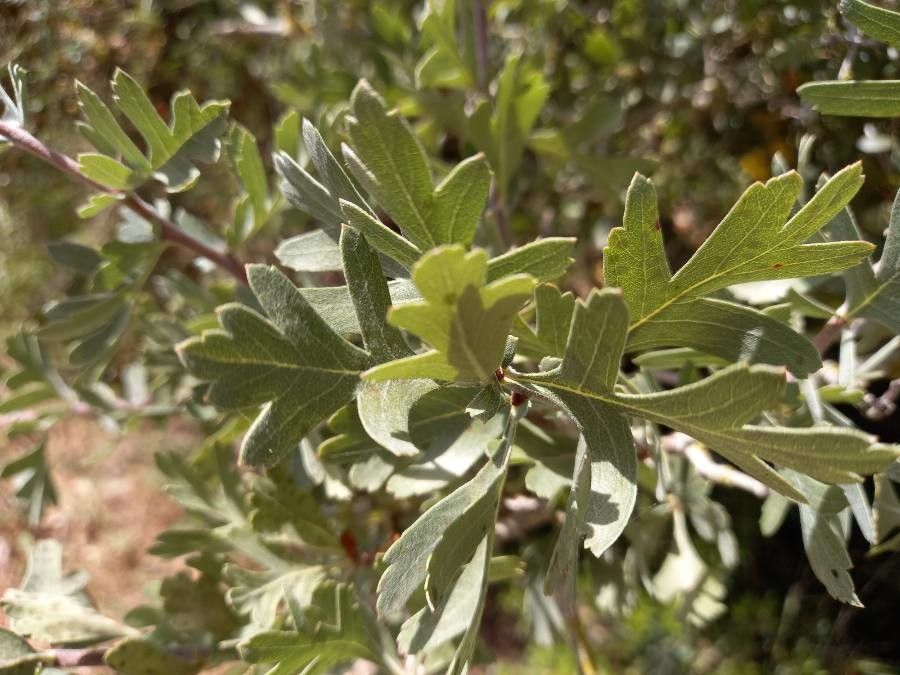
Crataegus coccinea, the scarlet hawthorn, is a species of hawthorn around which there is considerable confusion because the name has been misapplied for a long time. It has been shown to be the same as C. pedicellata, and under the rules of botanical nomenclature, the older name (C. coccinea) should be used.
Pear-fruited cockspurthorn is disease-resistant and generally not prone to illness. When it comes to care, this plant is fairly low-maintenance. Planted outdoors, it needs only minimal watering, and larger plants typically do not require pruning. Smaller plants, however, should be trimmed after they finish blooming. Pear-fruited cockspurthorn is suitable for anyone with an outdoor area, such as a garden or a deck, and does not demand a lot of care experience.
How to keep Crataegus Pedicellata.
Light
Pear-fruited cockspurthorn has its roots in brightly lit environments like sunlit meadows and the borders of forests, where there is an abundance of light. It flourishes in full sunshine, but it also does fine in partial sunshine, demonstrating its ability to adapt to diverse light situations.
Water
The pear-fruited cockspurthorn thrives in conditions with consistent moisture and benefits from being watered twice a week. This deciduous species needs more water during its growing season but requires less during its dormant period. Once established, it displays moderate drought tolerance and adapts well to outdoor environments.
Temperature
The pear-fruited cockspurthorn showcases a remarkable capability to adapt to different weather conditions, including extreme summers and cold winters. Nonetheless, it possesses an ideal temperature boundary for its development. The plant is susceptible to stress from heat and humidity when temperatures climb excessively high, which could cause it to perish. In areas where temperatures near the plant's lower threshold for cold endurance, it is crucial to apply insulation techniques to safeguard the plant.
Fertilizer
The schedule for fertilizing Pear-fruited cockspurthorn is vital. Administer fertilizer at the onset of spring, and maintain a monthly schedule until the beginning of summer. The use of fertilizer aids in the production of beautiful flowers and supplies energy during stages of dormancy and active growth.
Pruning
Prune pear-fruited cockspurthorn in early spring to improve air circulation and promote healthy growth. Remove dead or overcrowded branches to enhance the plant's shape and encourage fruit production. Be sure to sterilize your tools to prevent disease, which will help maintain a manageable plant size and reduce the risk of pests.
Pot & Repot
The pear-fruited cockspur thorn needs excellent drainage when potted to thrive. This ensures that excess moisture is effectively removed, promoting healthy root development.
Botanical profile.
- Plant Type
- Tree, Shrub
- Life Cycle
- Perennial
- Genus
- Crataegus
- Family
- Rosaceae
- Hardiness Zone
- 5-8
- Mature Height
- 4.88 m to 7.92 m
- Mature Spread
- 3.96 m to 6.1 m
- Leaf Color
- Green, Dark Green
- Leaf Type
- Deciduous
- Flower Color
- White
- Flower Size
- 1.52 cm to 2.03 cm
- Bloom Time
- Mid spring, Late spring
- Planting Time
- Spring, Summer
- Harvest Time
- Late summer, Early fall, Mid fall
- Native Area
- Canada
Other names.