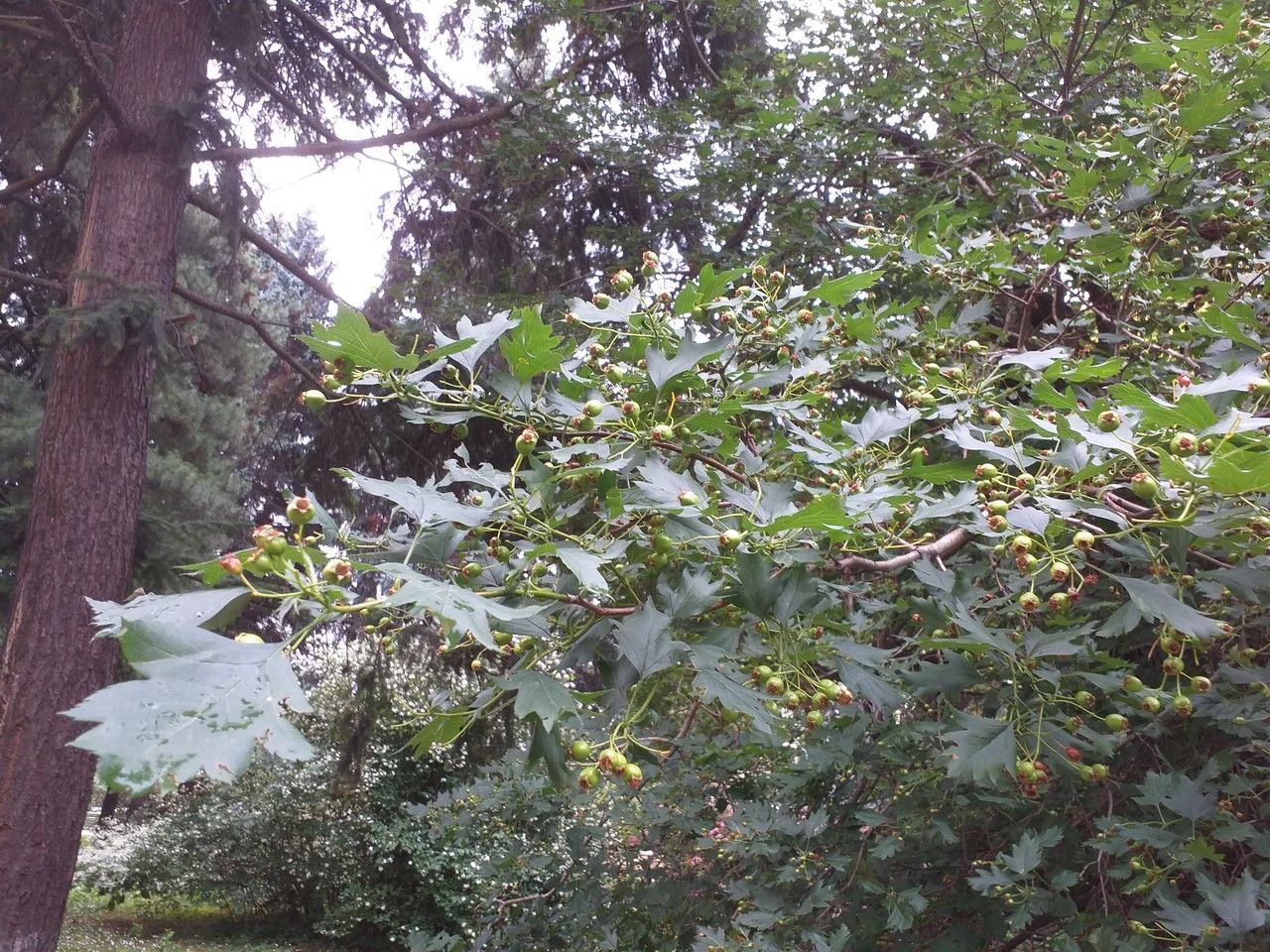
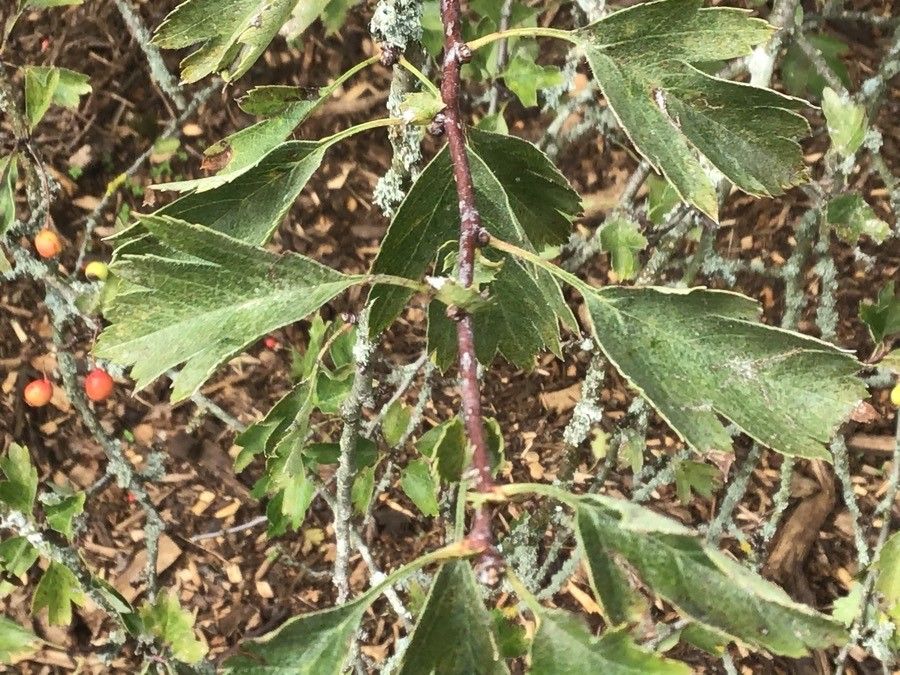
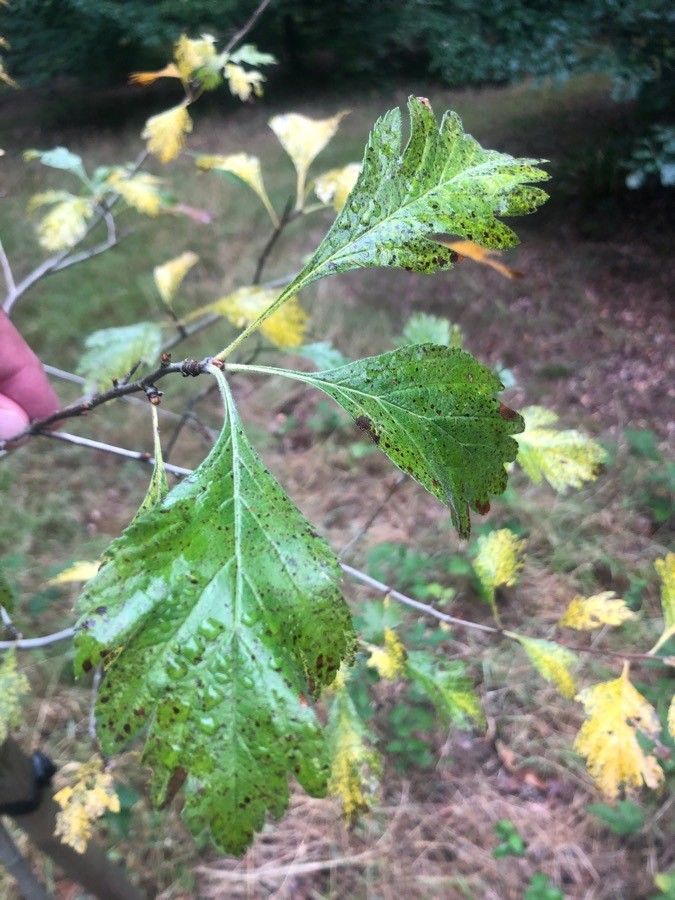
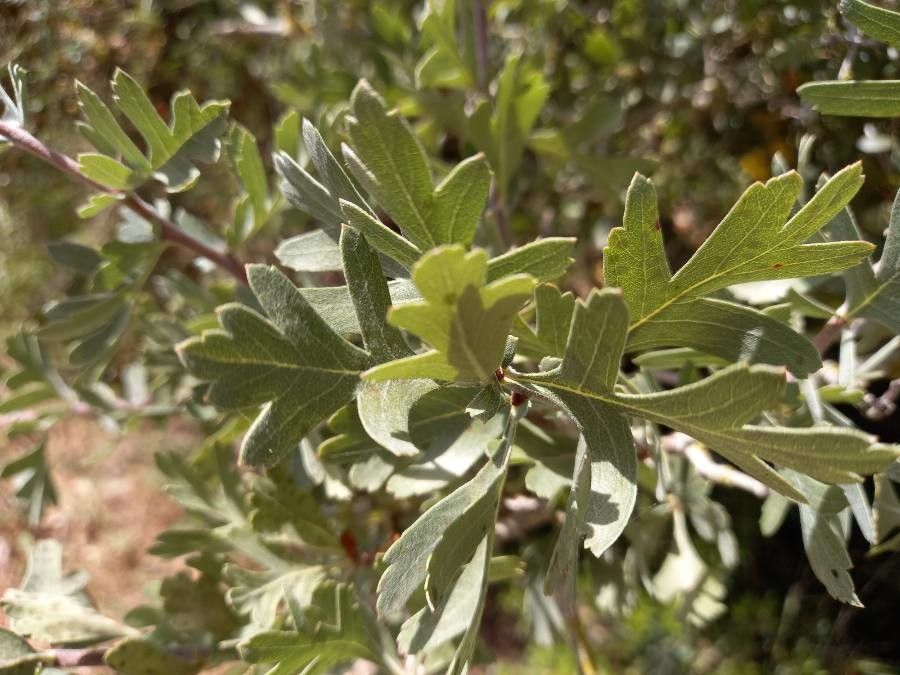
Crataegus monogyna, known as common hawthorn, one-seed hawthorn, or single-seeded hawthorn, is a species of flowering plant in the rose family Rosaceae. It is native to Europe, northwestern Africa, and West Asia, but has been introduced in many other parts of the world.
The term "hawthorn" has its roots in the Anglo-Saxon language, where "hagaþorn" means "hedge or fence thorn" with "haga" signifying "fence or hedge" and "þorn" meaning "thorn." The plant's fruit resembles small apples, and its branches are covered in thorns. Being a widespread plant species, it is commonly referred to as the "common hawthorn."
Common hawthorn is resistant to many diseases and typically does not get sick easily. As for care, this plant is fairly low-maintenance. When grown outdoors it needs only light watering, and larger specimens usually do not require pruning. Smaller plants, however, should be pruned after they finish blooming. Common hawthorn is well suited to anyone with an outdoor area, such as a garden or deck, and does not need extensive care experience.
How to keep Crataegus Monogyna.
Light
The common hawthorn flourishes in complete light exposure, which contributes to its maximum development. It also shows an ability to endure environments where the sunlight is not continuous, representing its emergence from diverse habitats. Like most plants, inadequate light can stunt its growth, while excess light may result in scorching.
Water
The common hawthorn is well-suited for temperate regions, thriving with moderate moisture and capable of withstanding short periods of drought. This plant is native to European woodlands and typically requires watering every 1 to 2 weeks. However, the watering schedule should be adjusted based on seasonal changes, as the hawthorn needs less water during its dormant period in the colder months.
Humidity
This plant needs special care because it loves high humidity levels of 60-80% or more. The best way to achieve this is by placing a humidifier near the plant. Daily misting is also essential! Make sure the room has good ventilation.
Temperature
The ordinary hawthorn thrives in a temperature spectrum of 41 to 90 ℉ (5 to 32 ℃) and can withstand chilling temperatures down to -15 ℉ (-26.1 ℃). Its original habitats are in temperate zones and it is capable of acclimatizing to a wide range of temperature scenarios. During hot summertime, it demands shade from intense heat, but in wintertime, it can endure frosty temperatures.
Fertilizer
The Common hawthorn plant needs enough nutrients to produce fruit optimally. It should be fertilized at the beginning of spring to support new growth and the development of blooms. Consistent fertilization allows the plant to stay robust, cultivate tastier fruits, and avoid problems caused by nutrient deficiencies, such as yellowing leaves and insufficient fruit production.
Pruning
The common hawthorn is a deciduous tree or shrub known for its thorny branches and white blooms in spring. To keep it healthy and well-shaped, prune in late winter. This is the best time to remove any dead wood. Be sure to use clean, sharp tools to support healthy growth, improve air circulation, and encourage strong flowering.
Pot & Repot
When growing common hawthorn in pots, it's important to ensure excellent drainage. This helps promote healthy growth and prevents root rot.
Botanical profile.
- Plant Type
- Tree
- Life Cycle
- Perennial
- Genus
- Crataegus
- Family
- Rosaceae
- Hardiness Zone
- 5-7
- Mature Height
- 4.88 m to 14.02 m
- Mature Spread
- 6.1 m
- Leaf Color
- Green, Yellow
- Leaf Type
- Deciduous
- Flower Color
- White
- Flower Size
- 1.02 cm
- Bloom Time
- Late spring, Early summer
- Planting Time
- Spring, Autumn
- Harvest Time
- Mid summer, Late summer, Early fall
- Native Area
- Libya, Egypt, Turkey, Sweden, Austria, Slovakia, Montenegro, Slovenia, Morocco, Croatia, Belarus, Russia, Iraq, Germany, Estonia, Romania, Latvia, Belgium, Moldova, Portugal, Netherlands, France, Tunisia, Czech Republic, Cyprus, Bulgaria, Poland, Greece, Ukraine, Serbia, Lebanon, Lithuania, Norway, Syria, Italy, Spain, Switzerland, Denmark, Finland, Israel, Iran, Albania, Ireland, United Kingdom, Hungary, Algeria
Other names.
Reader questions.
When Should I Water My Common Hawthorn?
Watering your common hawthorn is essential for its growth, vibrant flower production, and disease resistance. The right time to water is when the top 1 to 2 inches of soil around the plant base feels dry. Additionally, the pre-flowering stage demands more water to prevent bud drop. The plant's water needs also increase with warm temperatures and high sunlight exposure. Be cautious not to water too early when the soil is still moist, as this can risk root rot and other diseases. Conversely, watering too late when the soil has been dry for too long can lead to temporary wilting or even plant death from dehydration.
Why is it important to add fertilizer to my Common hawthorn?
The growth of plants constantly depletes the soil of nutrients, especially fast-growing types like Common hawthorn. So, regularly fertilizing this plant will not only keep it healthy, but also promote the growth of delicious fruit. Plants that aren't fertilized for a long time may face various issues. Nutrient deficiency can result in problems with the foliage, such as yellow leaves, reddish coloration, misshapen leaves, withered tips, or widespread dieback. It can also affect the bark, slowing down growth, hindering shoot development, and reducing fruit production.
What are the sunlight requirements for the Common Hawthorn?
The Common Hawthorn requires full sun, defined as above 6 hours of sunlight, for optimal growth, though it can also tolerate partial sun, which is about 3-6 hours of sunlight. Monitoring the movement of sunlight through your garden is crucial for placing your plants in spots that provide a balance of light and shade, ensuring their health and happiness.
What is the ideal temperature range for common hawthorn?
The common hawthorn thrives in a temperature range of 41 to 90°F (5 to 32°C), demonstrating a notable ability to adapt to various temperature conditions typical of temperate regions. Its high cold tolerance enables it to withstand temperatures as low as -15°F (-26.1°C) without needing extra frost protection. To better navigate extreme weather, shading is advisable during intense summer heat, while ensuring the soil is well-watered before the first autumn freeze can help keep the plant hydrated throughout the winter and early spring months.
How Should I Water My Common Hawthorn?
Common hawthorn thrives in moderately moist soil, so a balanced watering approach is key. Ideally, use a watering can with a long spout to direct water deep into the soil and reach the roots effectively. Employing a moisture meter can help you monitor the soil's moisture level, ensuring optimal watering. Focus on watering around the plant base and avoid directly watering the flowers and foliage to prevent fungal issues. Incorporate tools like a mister during hot months for surface moisture, but ensure the water doesn't puddle around the base.
When should I fertilize my Common hawthorn for the best results?
To ensure optimal growth and blooming of Common hawthorn, it is recommended to fertilize in early spring, prior to bud emergence. During this time, the plant relies on stored reserves to facilitate new growth. To support the development of blooms, it is advised to fertilize approximately 2 to 4 weeks before the expected blooming period. This allows enough time for the nutrients to penetrate the soil and be absorbed by the plant, ultimately benefitting its overall health. While it is possible to continue fertilizing during spring, it is best to refrain from fertilizing in autumn. This is because fertilizing during this time can result in excessive foliage development, making the leaves vulnerable to winter damage.
How does the Common Hawthorn respond to different light conditions?
The Common Hawthorn thrives under full light exposure, which is crucial for its optimal growth. Its ability to withstand conditions with less constant sunlight showcases its adaptability to various habitats. However, like most plants, it faces growth challenges under insufficient light, while excessive light exposure can cause scorching.
How does common hawthorn respond to low temperatures?
Common hawthorn is remarkably cold-tolerant, able to endure winter conditions well above a critical growth temperature limit. However, if temperatures fall below this unspecified threshold, the plant may not show immediate distress, but come spring, branches could turn brittle and dry, with a noticeable lack of new shoot development. The recommended solution for such cases is to prune any dead branches that have failed to produce new leaves during spring to encourage healthy new growth.
How Much Water Does Common Hawthorn Really Need?
Common hawthorn, being a moderate water lover, requires careful watering. The amount depends on various factors like pot size, root depth, and plant size. For instance, a small plant in a 10-inch pot might need about 0.5 to 1 liter per session, while a larger plant in a 20-inch pot might need 1 to 2 liters. Signs of adequate hydration include healthy green leaves and firm stems, with soil moist but not waterlogged. Monitoring soil moisture before watering is beneficial to avoid both over and underwatering.
When is the best time to not fertilize my Common hawthorn?
Here are some tips for fertilizing Common hawthorn plants: - Avoid fertilizing during the first year of growth, and be cautious about providing fertilizer if it is not necessary. - If you pruned 20% or more of the plant the previous year, don't fertilize. - Don't fertilize plants that are diseased or damaged, as this can do more harm than good. - Before thinking about fertilizing, address the root cause of any issues the plant may be experiencing. - Avoid fertilizing after the peak of summer, as this can cause excessive growth before winter. - Don't fertilize during hot and dry times of year, as dry soil is not as effective at delivering fertilizer and can stimulate further growth that may lack necessary water. - It's best to apply fertilizer earlier in the season when temperatures are cooler. - Be cautious of inadvertently giving nearby plants or lawns a double-dose of fertilizer, as Common hawthorn can absorb fertilizer from its surroundings.
What should I know about using artificial lighting for indoor plants?
For indoor plants, when natural sunlight is insufficient, especially during winter or in less sunny spaces, artificial lighting becomes essential for promoting healthy growth. LED lights are recommended due to their ability to provide specific light wavelengths. The intensity needed varies: full sun plants require 30-50W/sq ft, partial sun plants 20-30W/sq ft, and shade plants 10-20W/sq ft. The appropriate distance for the light source from the plant is 12-36 inches, simulating natural sunlight. The duration of artificial lighting should mimic natural daylight hours, generally 8-12 hours per day.
What should be done if common hawthorn experiences high temperatures?
In conditions exceeding its maximum tolerated temperature, the common hawthorn may suffer significant leaf drop, or in more severe scenarios, the plant might wither and die. To mitigate these issues, it's advised to prune any sunburned or dried parts of the plant. Relocating the plant to a shadier spot or employing a shade cloth can protect it from harsh midday and afternoon sun. Additionally, maintaining soil moisture with morning and evening watering can help the plant manage better in high temperatures.