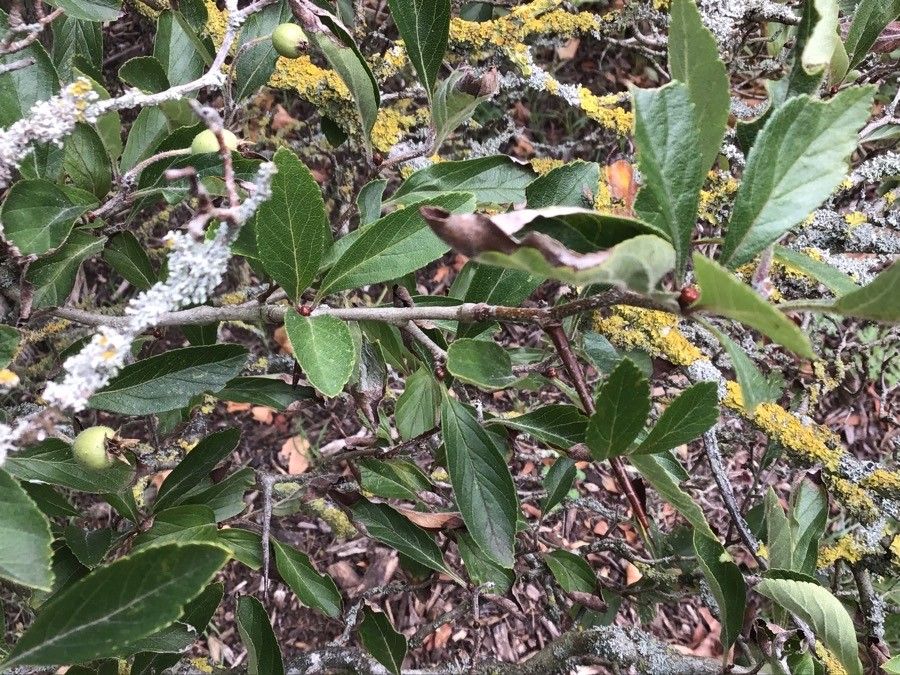
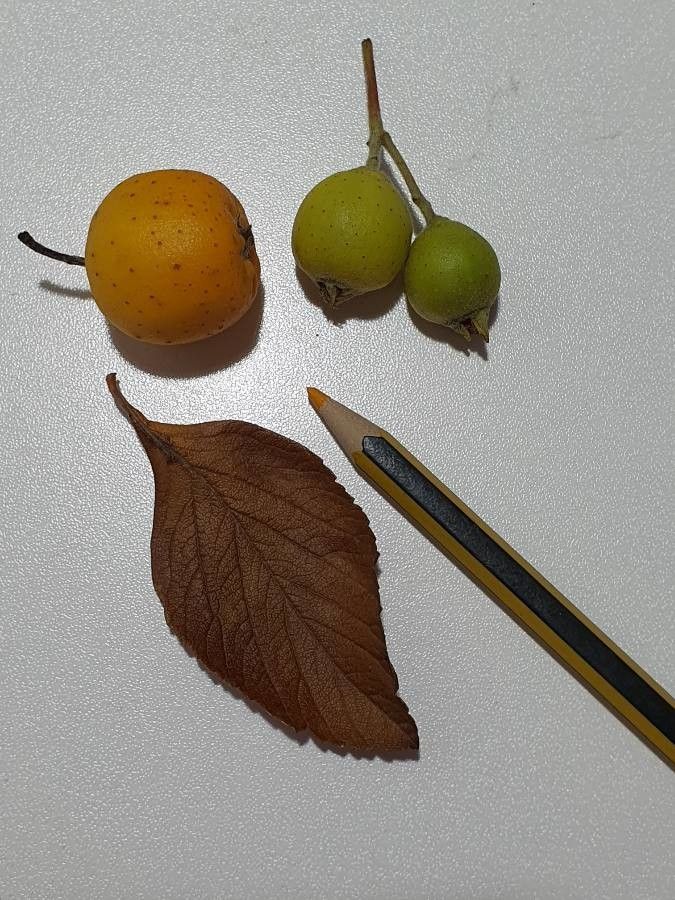
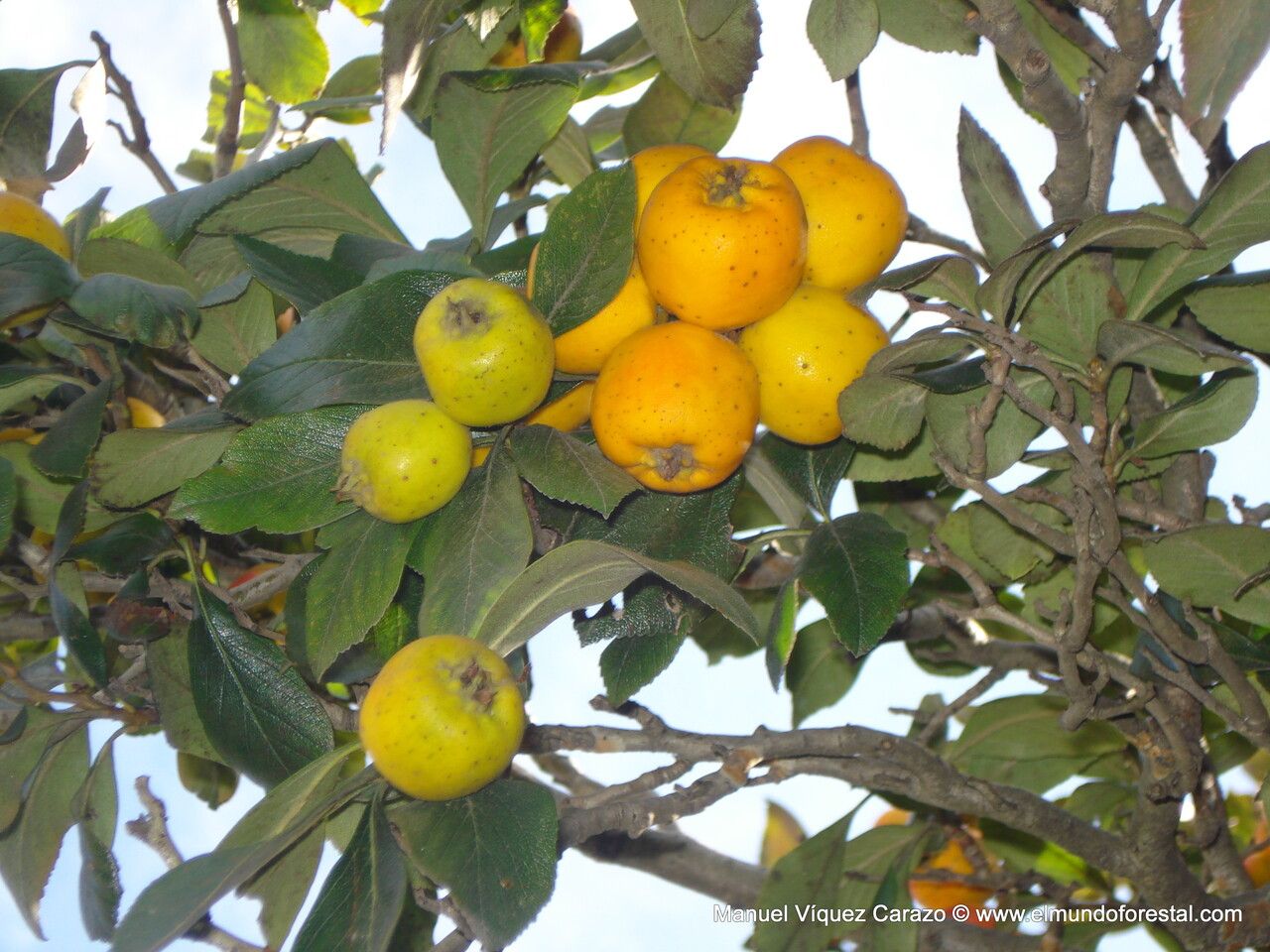
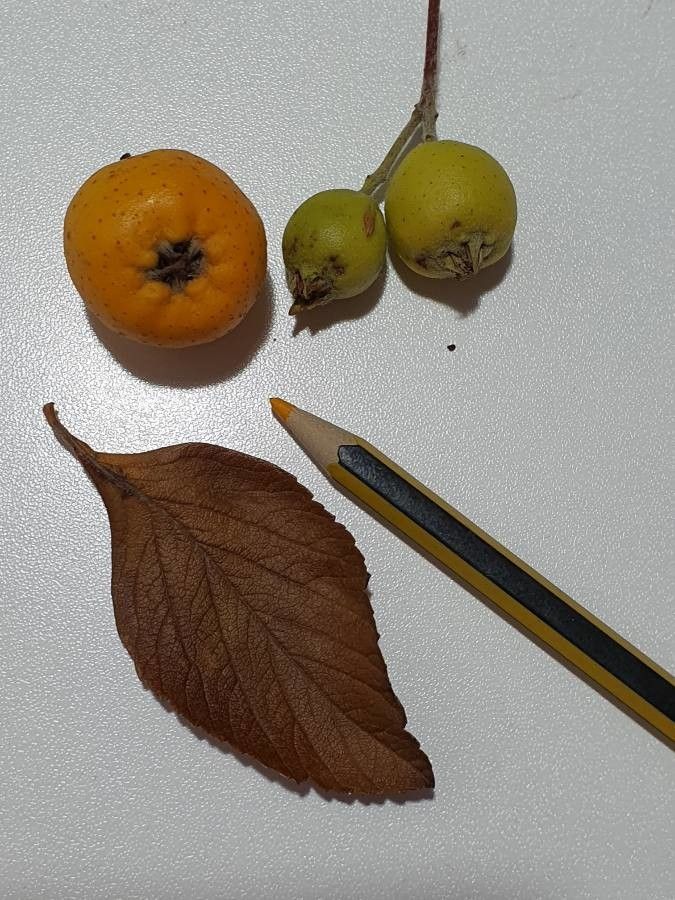
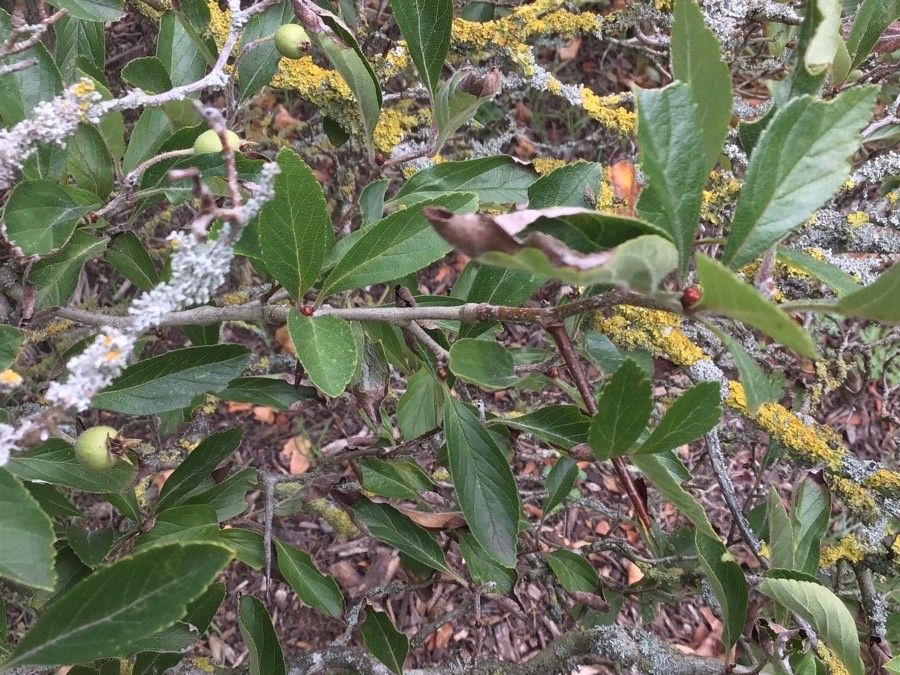
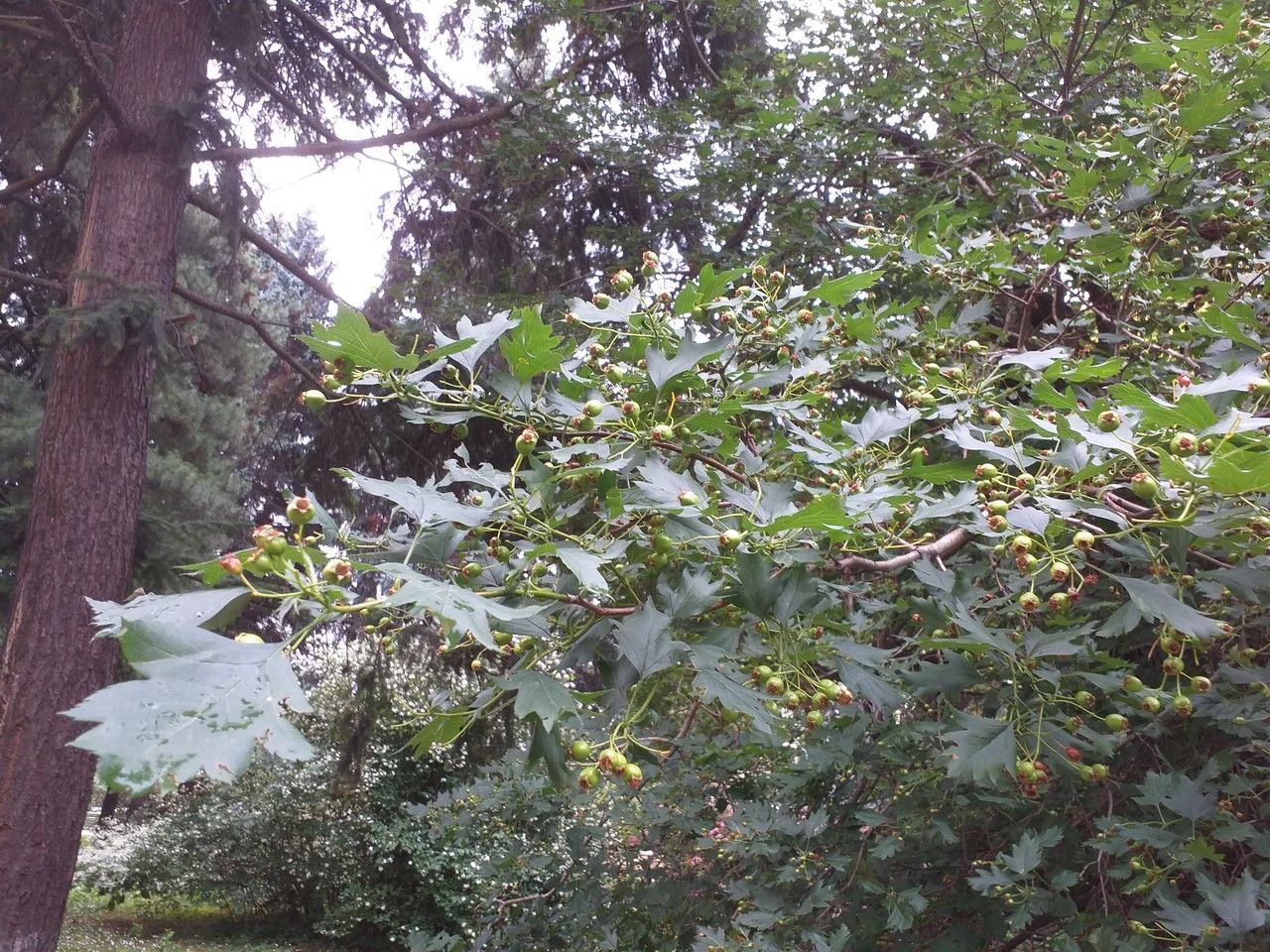
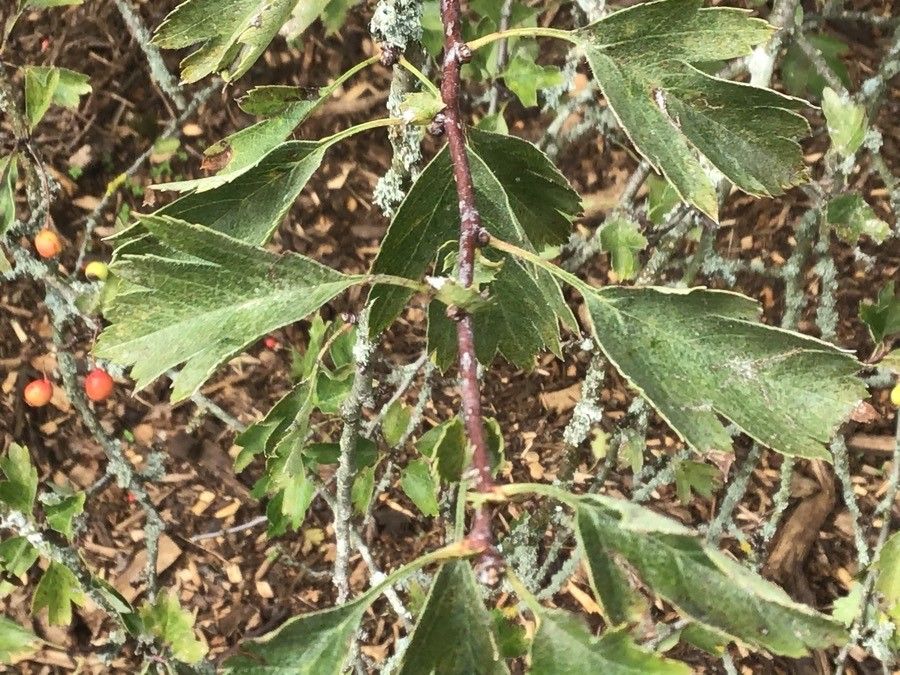
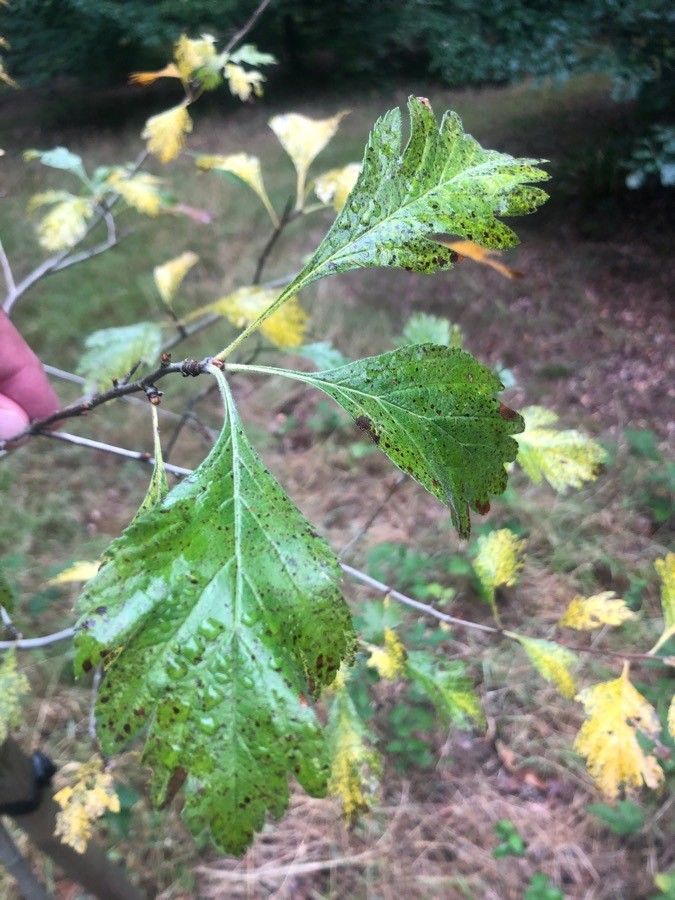
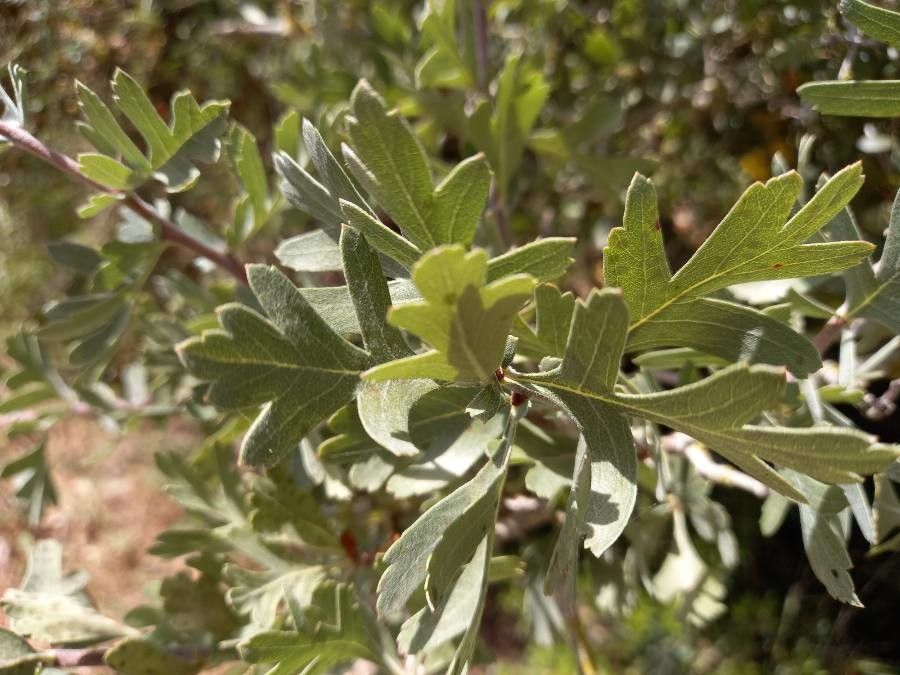
Crataegus mexicana is a species of hawthorn known by the common names tejocote, manzanita, tejocotera and Mexican hawthorn. It is native to the mountains of Mexico and parts of Guatemala, and has been introduced in the Andes. The fruit of this species is one of the most useful among hawthorns. Crataegus pubescens Steud. is a nomenclaturally illegitimate name (for Crataegus gracilior J.B.Phipps) that is commonly misapplied to this species.
Tejocote demonstrates strong resistance to disease and is generally not prone to illnesses. As for care, the plant is fairly low maintenance. Planted outdoors it needs little watering, and larger plants typically do not require pruning. Smaller plants, however, should be pruned after they have finished blooming. Tejocotet is suitable for anyone who has an outdoor area, like a garden or deck, and it does not demand much prior gardening experience.
How to keep Crataegus Mexicana.
Light
Tejocote does best with extended exposure to sunlight but can tolerate periods without it. Seasonal adjustments may be necessary for plants grown indoors as opposed to those outdoors. Insufficient sunlight can reduce tejocote's growth and fruit production.
Water
Tejocote thrives best with consistent moisture, so watering it once a week is ideal. This adaptable deciduous plant originates from temperate regions and can tolerate short dry spells. Proper water management supports its natural cycle of shedding and regrowing leaves, making it well-suited for outdoor cultivation.
Temperature
Tejocote shows good temperature adaptability, tolerating heat and fairly wide temperature fluctuations. In hot weather, attention should be paid to irrigation and adequate shading should be provided to prevent sunburn. Conversely, Tejocote has relatively low tolerance for cold. While it can handle some chill, very cold conditions can cause frost damage.
Fertilizer
The Tejocote plant needs adequate nutrients to achieve optimal fruit production. Fertilize in early spring to encourage new growth and bloom development. Regular fertilization keeps the plant healthy, produces more delicious fruit, and prevents nutrient-deficiency problems like yellowing leaves and poor fruit production.
Pruning
To promote growth and enhance fruiting, prune tejocote trees from early to late winter. Use techniques such as thinning crowded branches, removing dead wood, and shaping the tree to improve airflow. Regular pruning improves fruit quality, reduces the risk of disease, and maintains the tree's appearance. This timing ensures that the tree can recover without interrupting its active growth phases.
Pot & Repot
Make sure that potted tejocote has excellent drainage to promote healthy growth and prevent root rot.
Botanical profile.
- Plant Type
- Tree, Shrub
- Life Cycle
- Perennial
- Genus
- Crataegus
- Family
- Rosaceae
- Hardiness Zone
- 8-9
- Mature Height
- 0 m to 10 m
- Mature Spread
- 3.05 m to 6.1 m
- Leaf Color
- Green
- Leaf Type
- Evergreen, Semi-evergreen
- Flower Color
- White
- Flower Size
- 1.52 cm to 2.03 cm
- Bloom Time
- Mid spring, Late spring
- Planting Time
- Spring, Summer, Autumn
- Harvest Time
- Late summer, Early fall, Mid fall
- Native Area
- El Salvador, Mexico, Guatemala
Other names.
Reader questions.
What are the sunlight requirements for Tejocote (Crataegus mexicana)?
Tejocote, scientifically known as Crataegus mexicana, has specific sunlight requirements for optimal growth. It thrives in full sun, which means it needs above 6 hours of sunlight daily. It can also grow in partial sun, defined as about 3-6 hours of sunlight per day. When choosing a planting spot in your garden for Tejocote, it's crucial to observe the movement of sunlight throughout the day. Selecting an area that offers a balance of light and shade will ensure the plant remains healthy and happy.
What is Tejocote?
Tejocote, known scientifically as Crataegus mexicana, is a plant species belonging to the Crataegus genus. Although the provided information does not include specific details about its uses, characteristics, or significance, Tejocote is typically recognized for its fruit, which is popular in various culinary applications and may have medicinal properties.