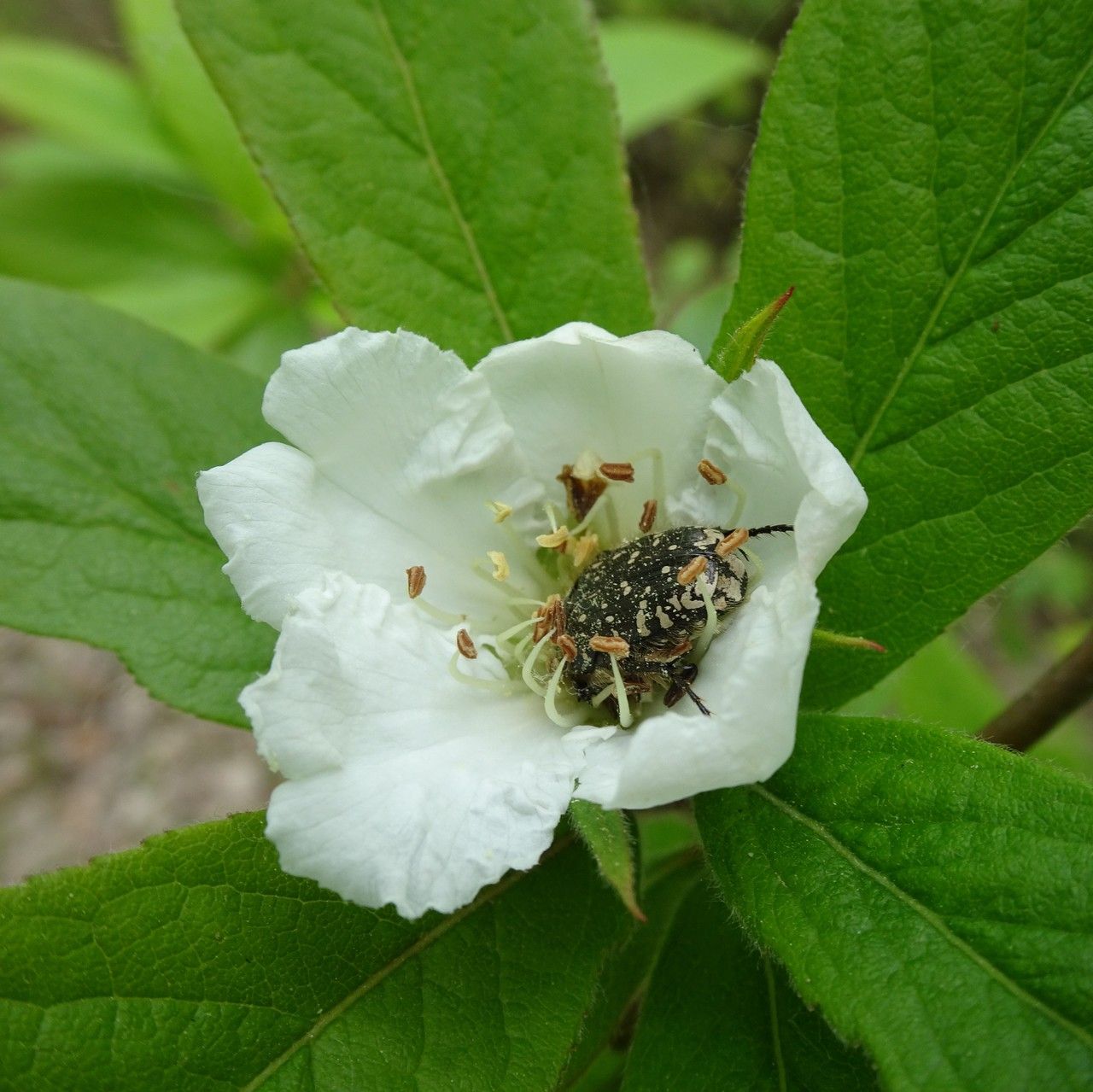
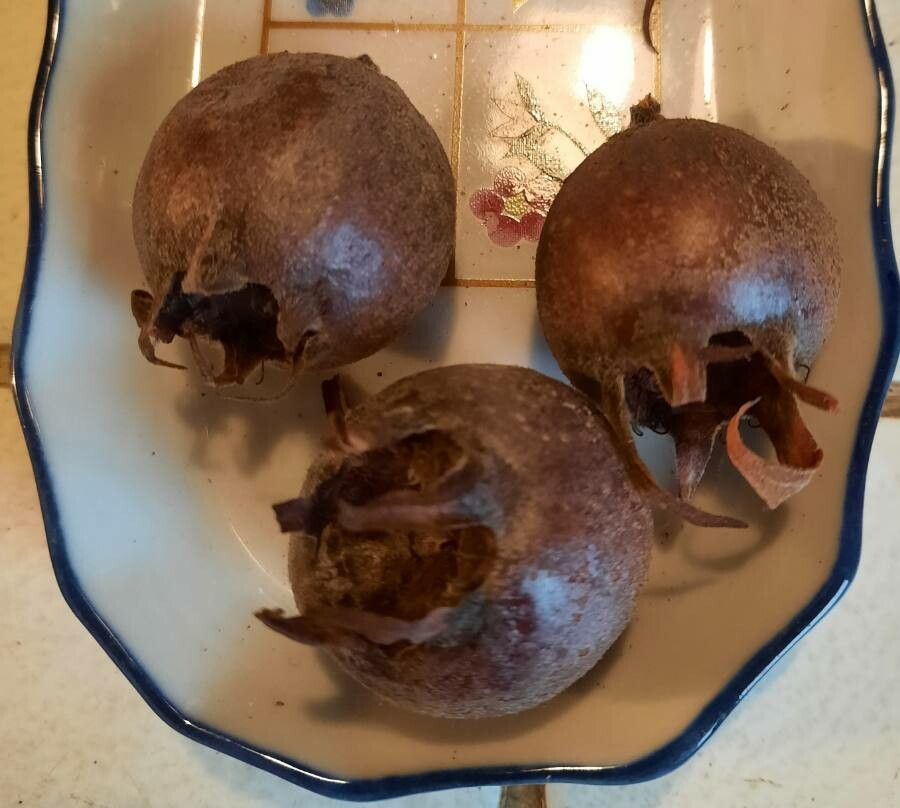
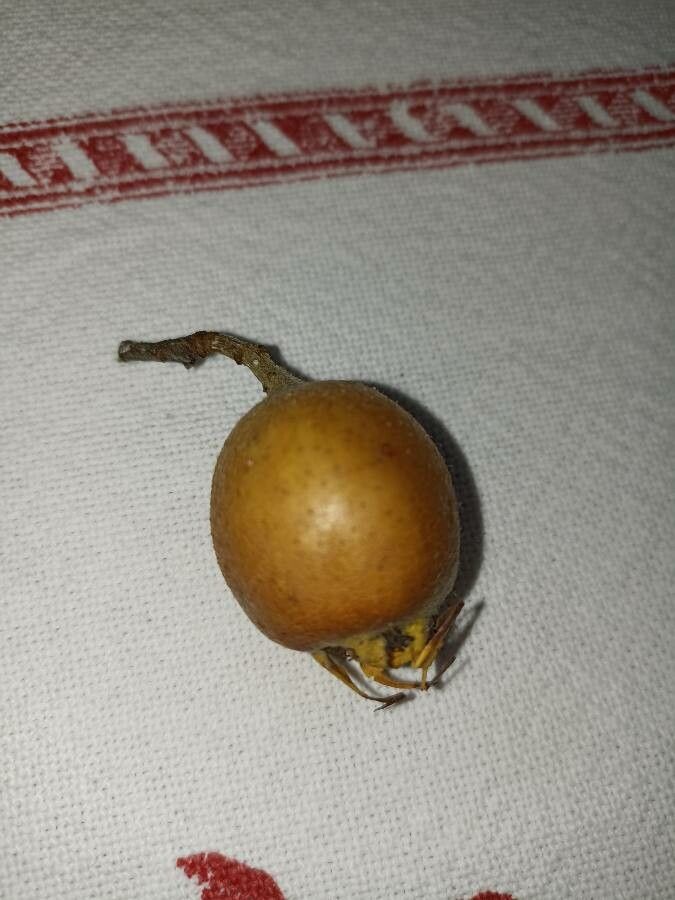
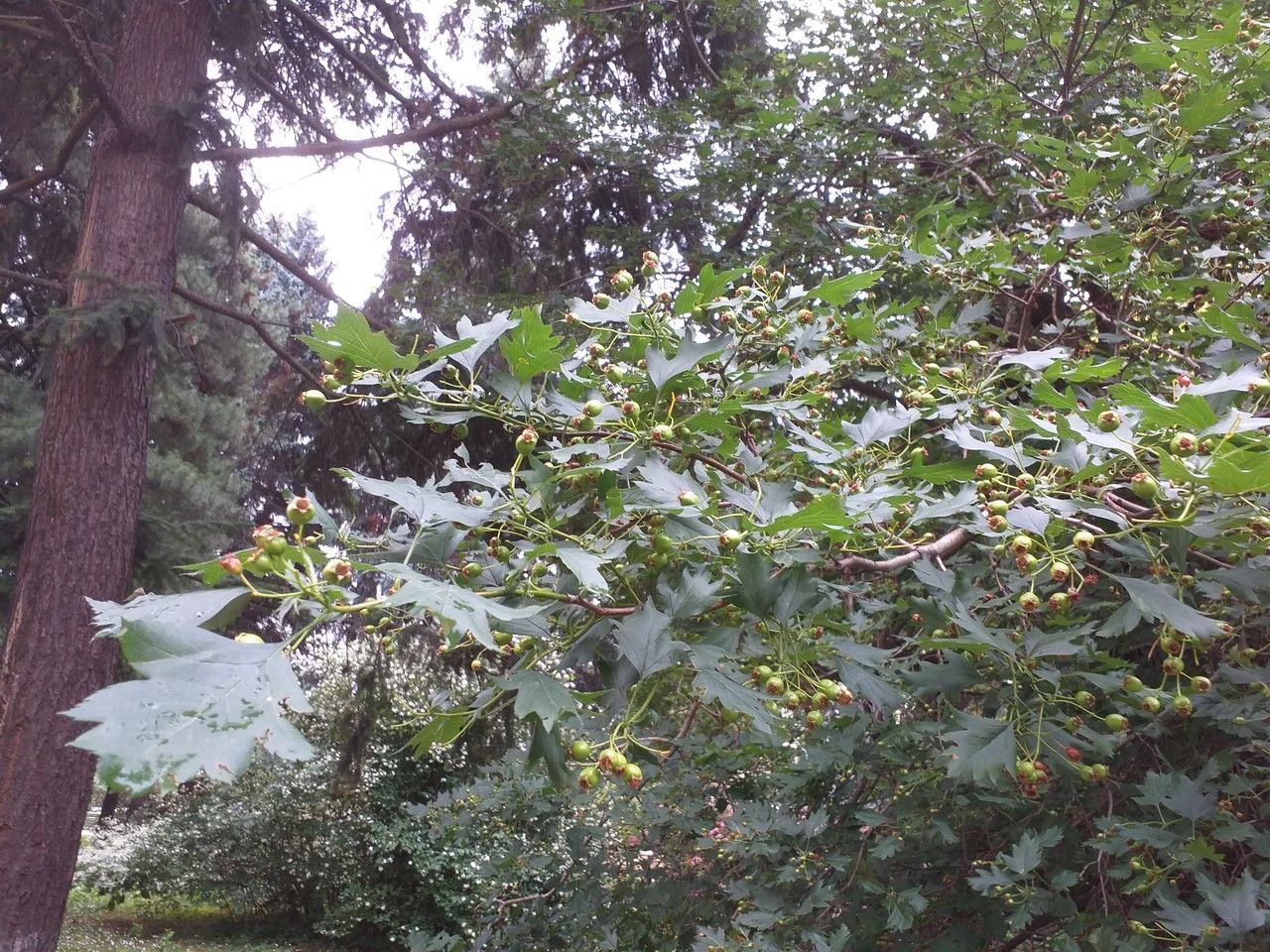
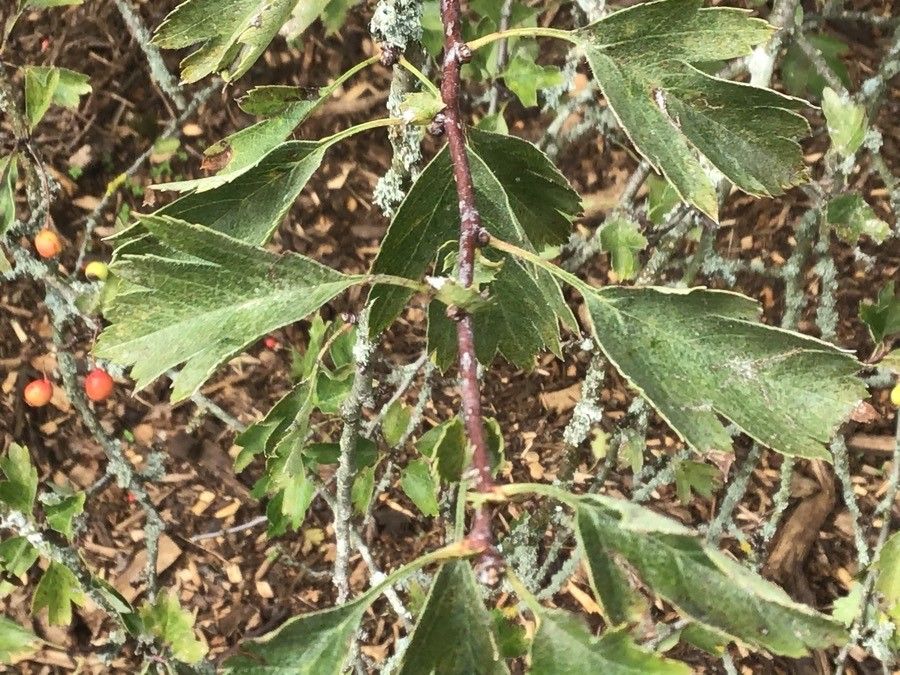
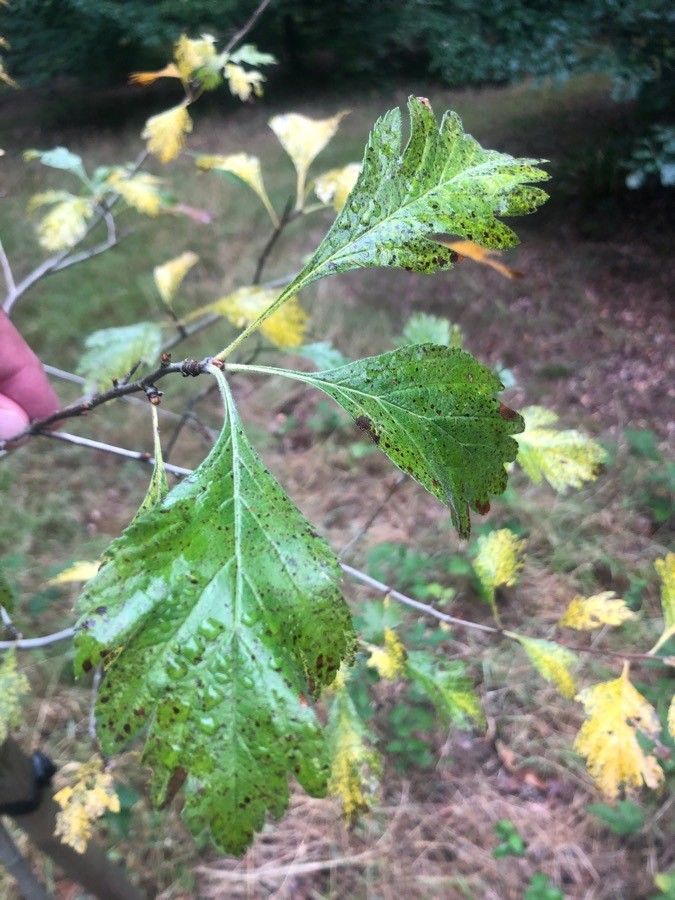
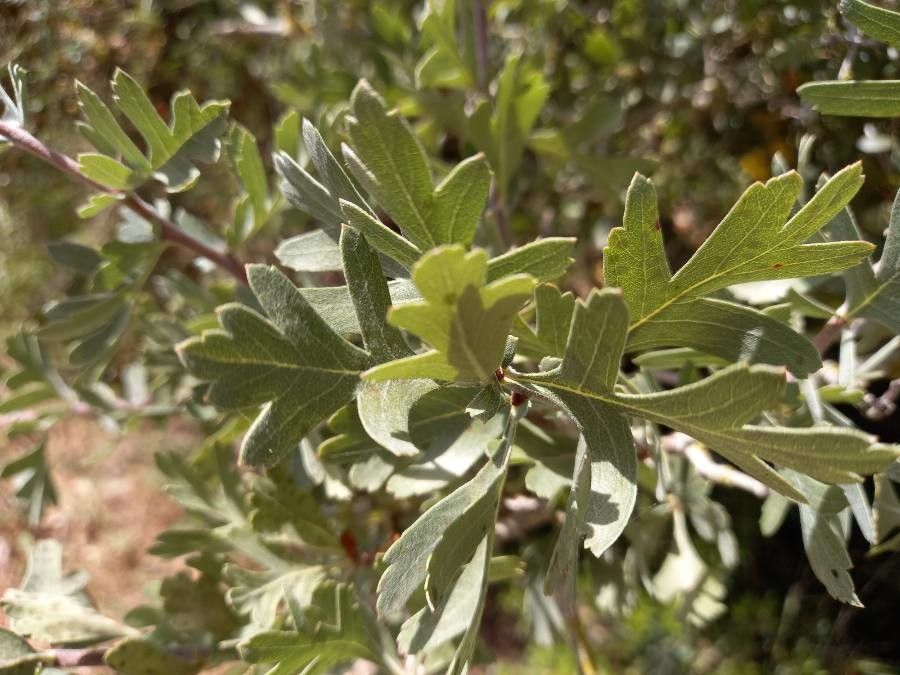
Mespilus germanica, known as the medlar or common medlar, is a large shrub or small tree in the rose family Rosaceae. The fruit of this tree, also called medlar, has been cultivated since Roman times, is usually available in winter and eaten when bletted. It may be eaten raw and in a range of cooked dishes. When the genus Mespilus is included in the genus Crataegus, the correct name for this species is Crataegus germanica (Kuntze). In the southwest of England it historically had a number of vulgar nicknames, such as open-arse and monkey's bottom, due to the appearance of its large calyx.
How to keep Crataegus Germanica.
Water
Water newly planted Crataegus germanica trees regularly for the first growing season. Then keep watering young trees during dry spells for the next few years. Established trees should only need watering in long dry spells, especially when the fruits are forming. Young trees planted out in the spring or autumn need regular watering while establishing. The soil should be free draining as the plants will not grow well in waterlogged soils. It appears to have some drought tolerance, but not typically a tree we would choose for a dry area. The established and more mature trees in our garden cope very well with hot and dry summers, needing no extra irrigation.
Fertilizer
Crataegus germanica needs very little fertilizer to keep them healthy. Just using a top dressing of quality organic compost early each spring especially when the tree is young will suffice. As the tree matures, you can continue to use an organic mulch of 10 (3,97 ") to 20 cm (7,87 ") in depth around the base of the tree in springtime. This will help suppress the weeds and act as a fertilizer as it breaks down. Apply a small amount of fertiliser about two or three months after planting to enable the young plants to grow healthily and vigorously.
Toxicity
Crataegus germanica has no toxic effects reported.
Further reading →
The toxicity and danger assessments provided are for reference only. We do not assure their accuracy, so it's crucial not to depend on them. Seek professional advice when necessary for accurate guidance.
Botanical profile.
Other names.