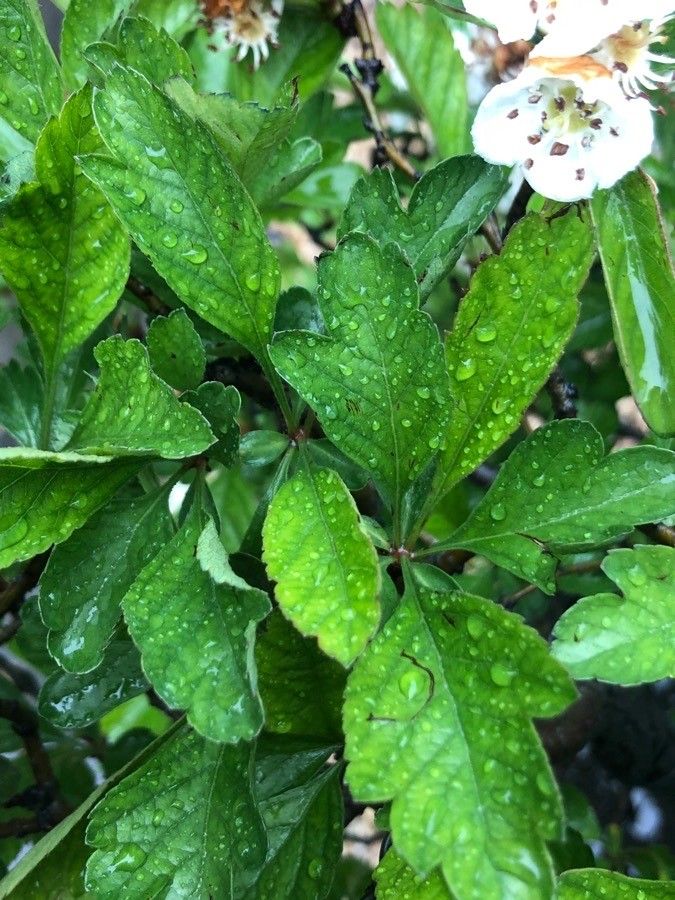
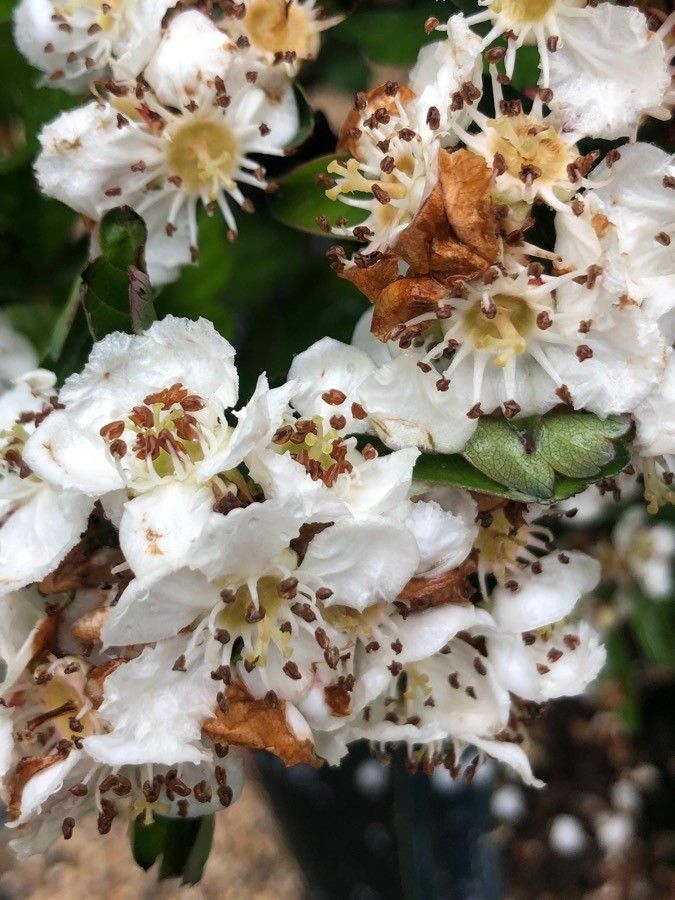
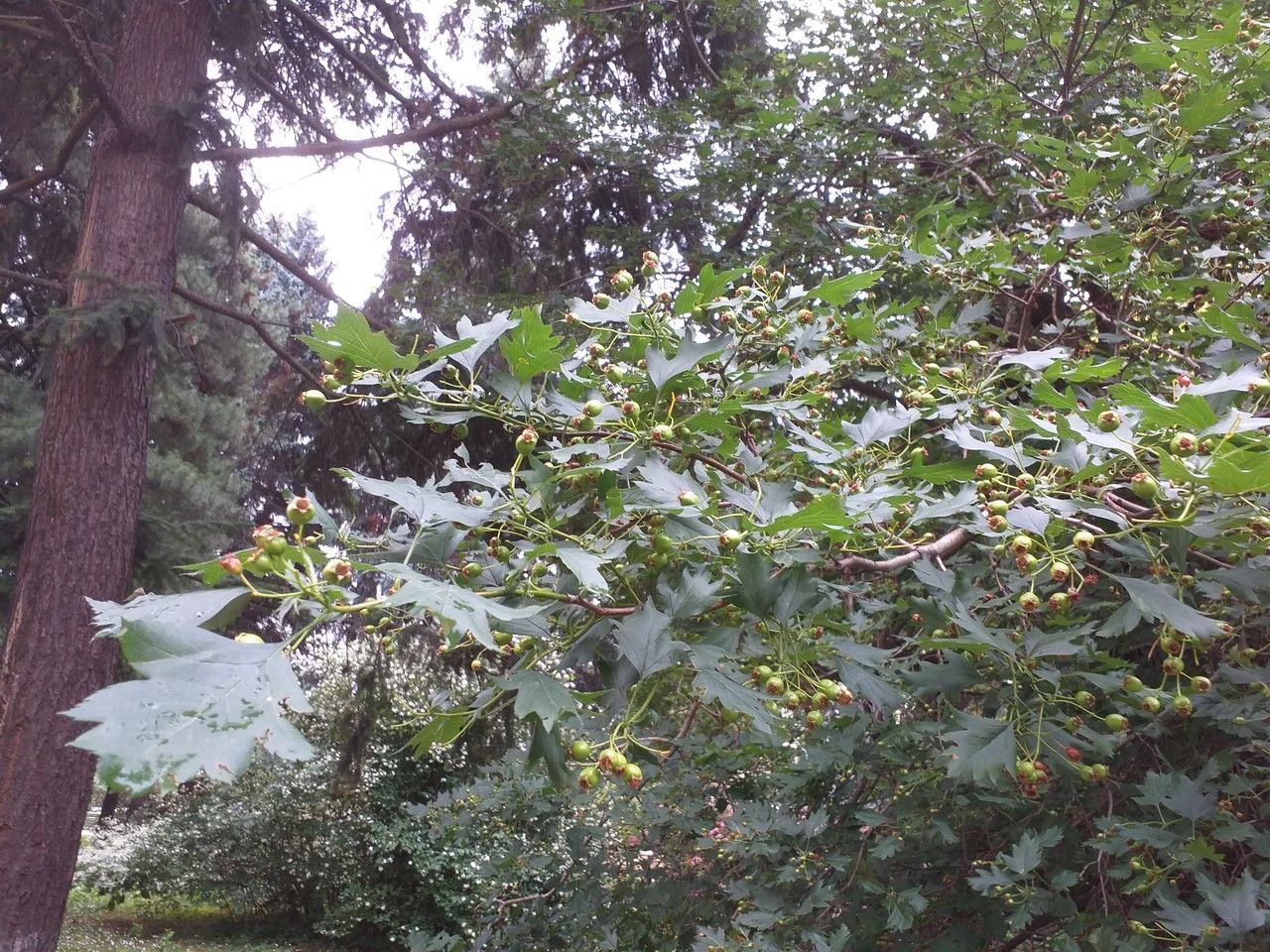
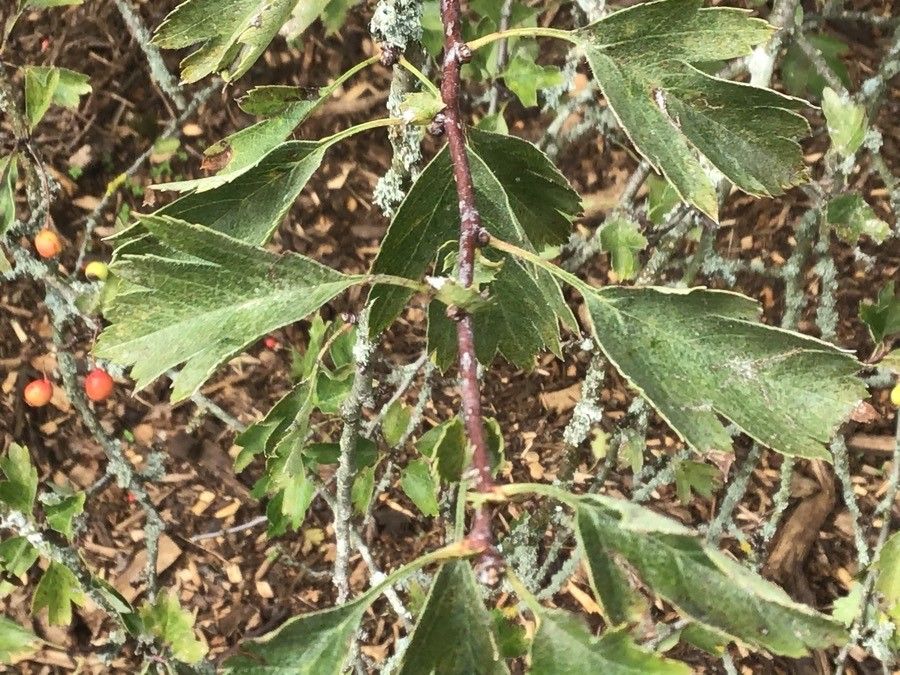
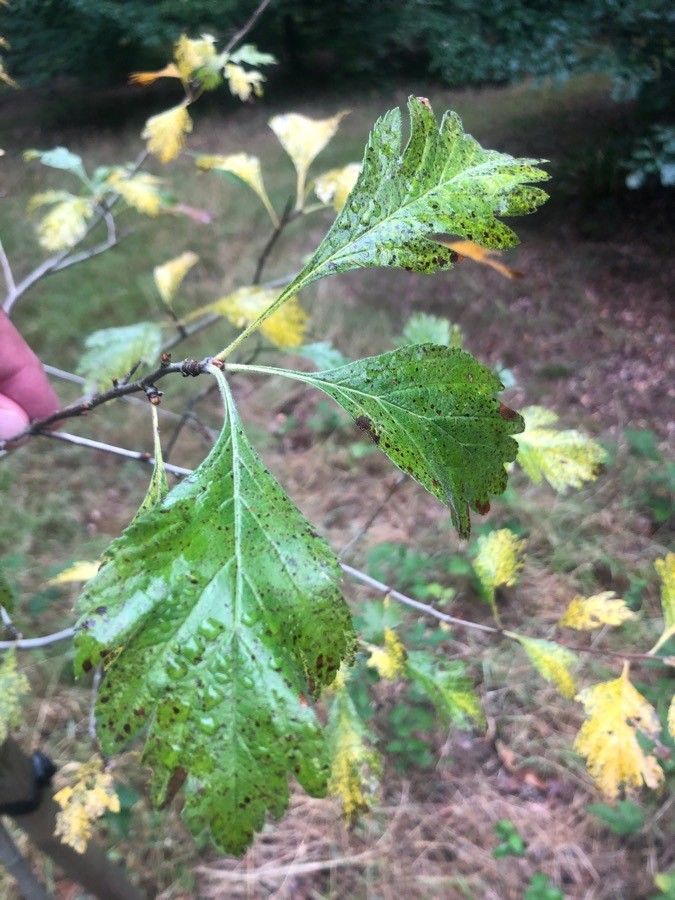
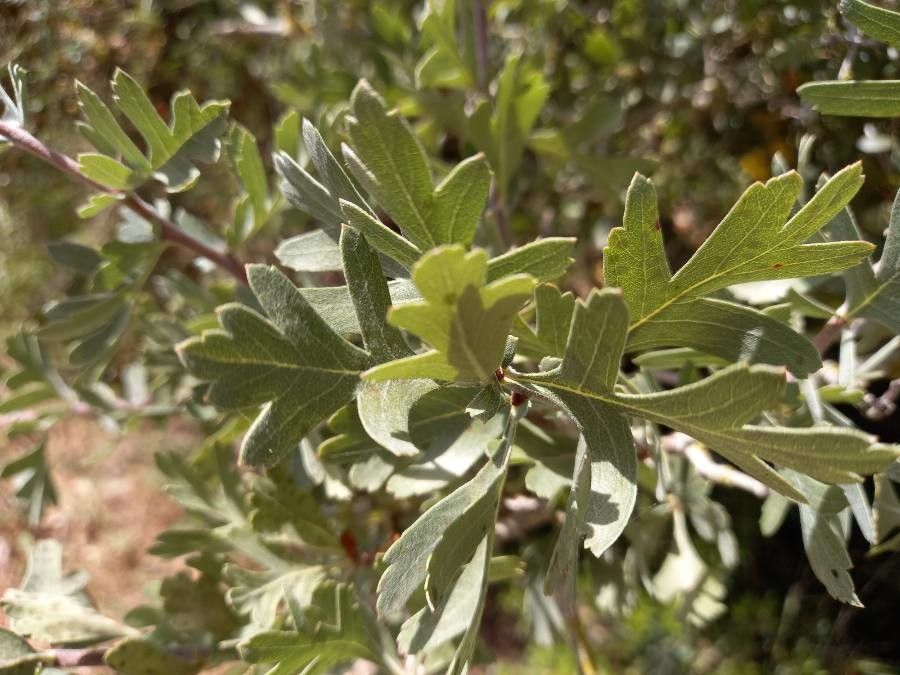
Crataegus cuneata is a species of hawthorn known by the common names Chinese hawthorn (Chinese: 山楂; pinyin: Shan zha) or Japanese hawthorn. It is native to China, and is widely cultivated in Japan. It is used for bonsai. The fruit can be red or yellow. Its habitats include valleys and thickets.
Common hawthorn is resistant to many diseases and typically does not get sick easily. As for care, this plant is fairly low-maintenance. When grown outdoors it needs only light watering, and larger specimens usually do not require pruning. Smaller plants, however, should be pruned after they finish blooming. Common hawthorn is well suited to anyone with an outdoor area, such as a garden or deck, and does not need extensive care experience.
How to keep Crataegus Cuneata.
Light
The common hawthorn flourishes in complete light exposure, which contributes to its maximum development. It also shows an ability to endure environments where the sunlight is not continuous, representing its emergence from diverse habitats. Like most plants, inadequate light can stunt its growth, while excess light may result in scorching.
Water
Chinese hawthorn, native to areas with distinct seasons, prefers moderate moisture and thrives with consistent hydration. It generally requires watering twice a week. Although typically grown outdoors, this deciduous plant needs attentive watering during its growing season to boost its flowering potential.
Temperature
The ordinary hawthorn thrives in a temperature spectrum of 41 to 90 ℉ (5 to 32 ℃) and can withstand chilling temperatures down to -15 ℉ (-26.1 ℃). Its original habitats are in temperate zones and it is capable of acclimatizing to a wide range of temperature scenarios. During hot summertime, it demands shade from intense heat, but in wintertime, it can endure frosty temperatures.
Fertilizer
The Common hawthorn plant needs enough nutrients to produce fruit optimally. It should be fertilized at the beginning of spring to support new growth and the development of blooms. Consistent fertilization allows the plant to stay robust, cultivate tastier fruits, and avoid problems caused by nutrient deficiencies, such as yellowing leaves and insufficient fruit production.
Pruning
Pruning Chinese hawthorn in early spring offers several benefits, including improved health and increased fruit production. By removing dead or crowded branches, you enhance airflow and light penetration, which supports the growth of strong leader branches and helps prevent disease. This practice conserves the plant's energy, leading to more robust blooming and fruiting cycles, ultimately boosting the plant's vitality.
Pot & Repot
To ensure healthy growth and prevent root rot in Chinese hawthorn planted in pots, it is important to provide excellent drainage.
Botanical profile.
- Plant Type
- Tree
- Life Cycle
- Perennial
- Genus
- Crataegus
- Family
- Rosaceae
- Hardiness Zone
- 5-7
- Mature Height
- 4.88 m to 14.02 m
- Mature Spread
- 6.1 m
- Leaf Color
- Green, Yellow
- Leaf Type
- Deciduous
- Flower Color
- White
- Flower Size
- 1.02 cm
- Bloom Time
- Late spring, Early summer
- Planting Time
- Spring, Autumn
- Harvest Time
- Mid summer, Late summer, Early fall
- Native Area
- Libya, Egypt, Turkey, Sweden, Austria, Slovakia, Montenegro, Slovenia, Morocco, Croatia, Belarus, Russia, Iraq, Germany, Estonia, Romania, Latvia, Belgium, Moldova, Portugal, Netherlands, France, Tunisia, Czech Republic, Cyprus, Bulgaria, Poland, Greece, Ukraine, Serbia, Lebanon, Lithuania, Norway, Syria, Italy, Spain, Switzerland, Denmark, Finland, Israel, Iran, Albania, Ireland, United Kingdom, Hungary, Algeria
Other names.
Reader questions.
What are the sunlight requirements for Chinese hawthorn (Crataegus cuneata)?
The Chinese hawthorn (Crataegus cuneata) thrives in areas that receive varying amounts of sunlight throughout the day. It requires 'full sun' conditions, meaning it should receive above 6 hours of sunlight daily. Alternatively, it can also adapt to 'partial sun' conditions, which equate to about 3-6 hours of sunlight every day. When planting your Chinese hawthorn, be mindful of how the sunlight moves across your garden. Choosing the right spots that ensure a good balance between light and shade will contribute significantly to the happiness and health of your plants.
What is the botanical name of the Chinese hawthorn?
The botanical name of the Chinese hawthorn is Crataegus cuneata. This species is known for its distinct features and usage, which are pivotal in various contexts, including culinary, medicinal, and ornamental applications.