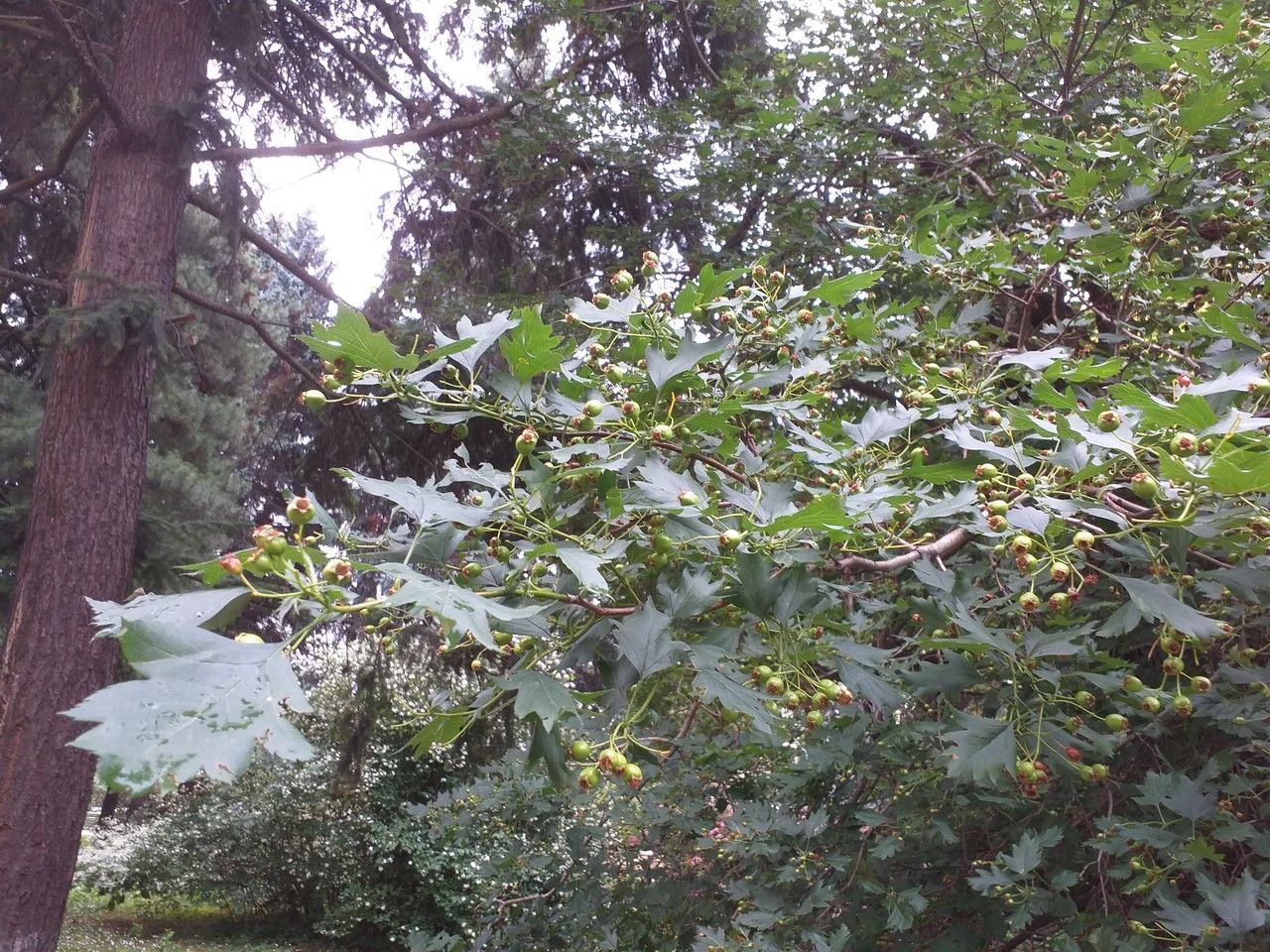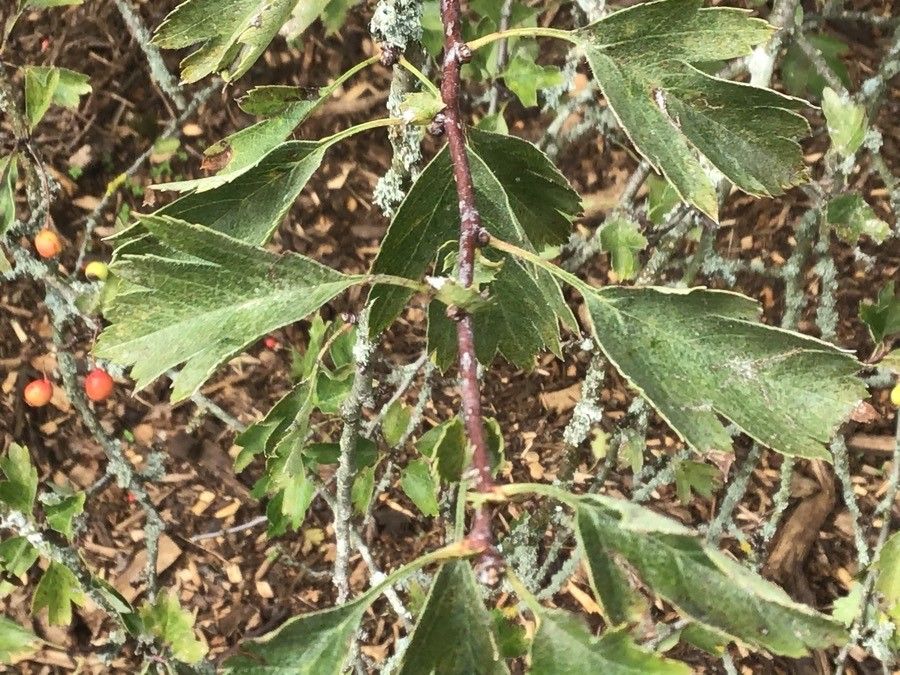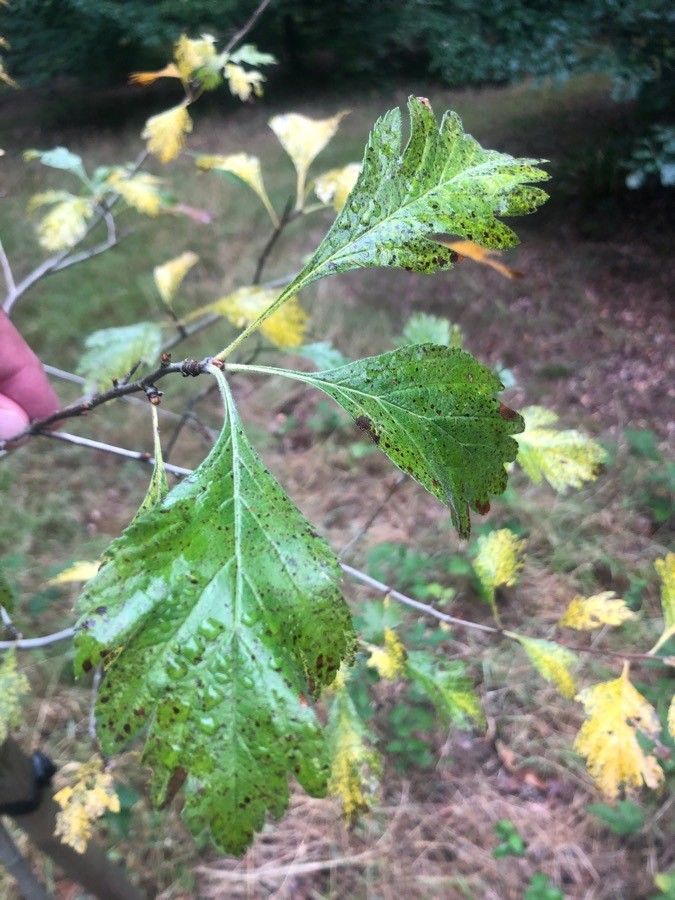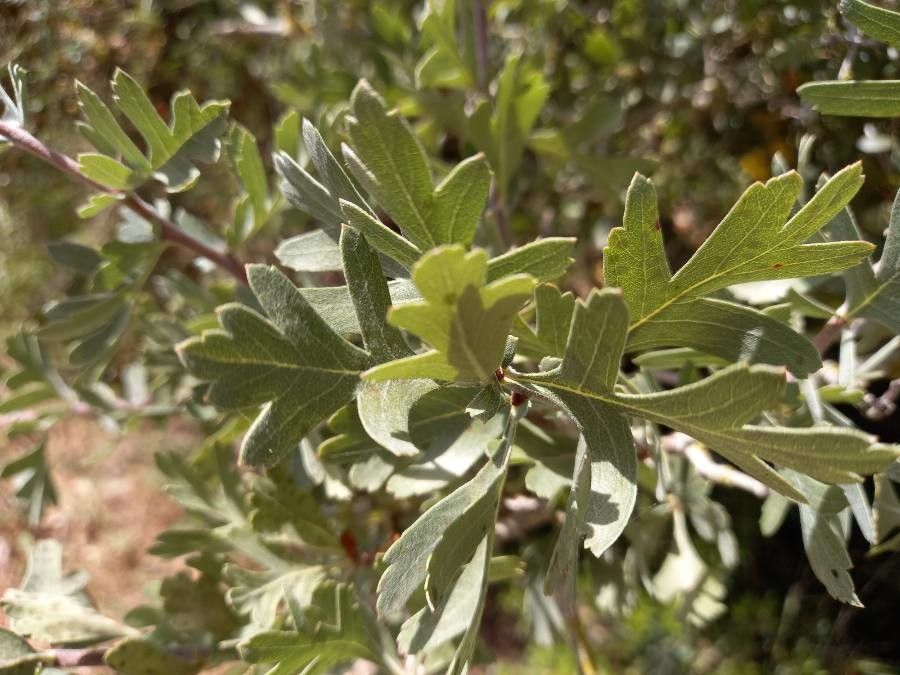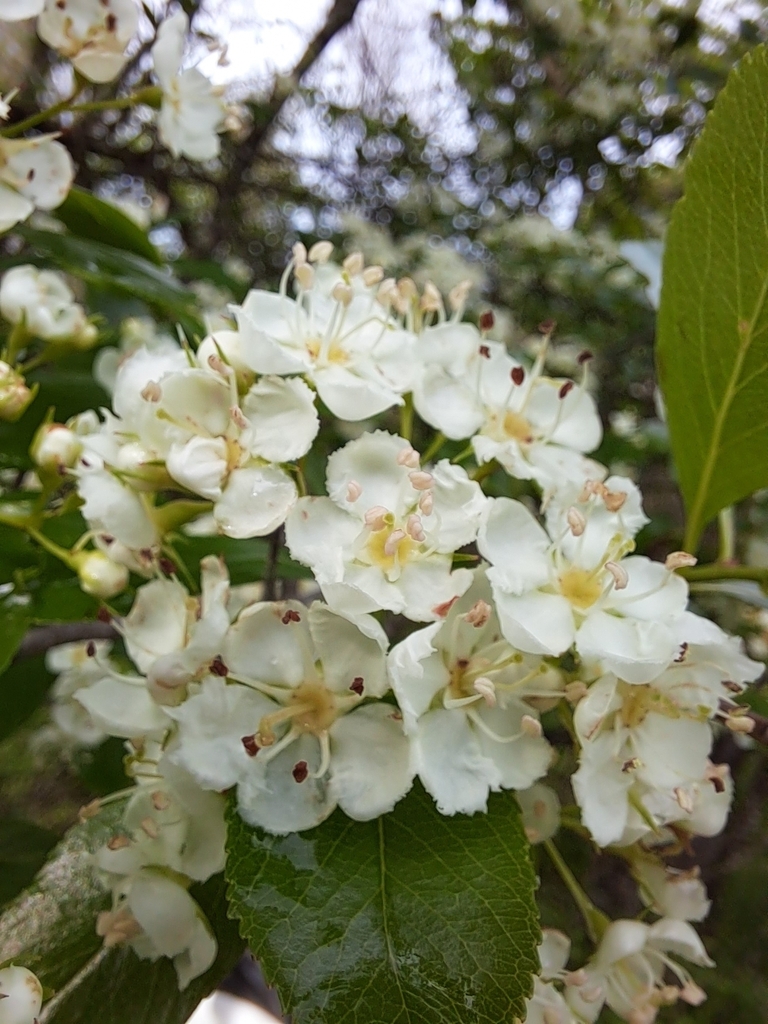
Crataegus crus-galli is a species of hawthorn known by the common names cockspur hawthorn and cockspur thorn. It is native to eastern North America from Ontario to Texas to Florida, and it is widely used in horticulture. It is thought to be the parent, along with Crataegus succulenta, of the tetraploid species Crataegus persimilis.
Cockspur hawthorn is resistant to many diseases and is generally not susceptible to them. In terms of care, this plant is fairly low-maintenance. When grown outdoors it needs only minimal watering, and larger specimens usually do not require pruning. Smaller plants, however, should be pruned after they have finished blooming. Cockspur hawthorn is suitable for anyone with an outdoor area, such as a garden or deck, and does not demand much gardening experience.
How to keep Crataegus Crus Galli.
Light
Cockspur hawthorn grows best with ample sunlight, which is ideal for encouraging healthy development. Still, the plant is quite tough and can tolerate spots with somewhat less sun. Excessive or insufficient sunlight can restrict its growth and change its vivid coloration. This hardiness is tied to its original habitat, which experienced a variety of lighting conditions.
Water
Cockspur hawthorn is moderately drought-tolerant and thrives in areas with fluctuating moisture levels, such as regions that experience heavy rain followed by dry spells. To ensure optimal flowering, water the plant every 1-2 weeks during the growing season to maintain sufficient hydration. This plant adapts well to various well-draining soil types.
Temperature
The cockspur hawthorn thrives in temperatures between 41 and 89.6 ℉ (5 and 32 ℃). Native to temperate regions, it needs cooler conditions in fall and winter and warmer conditions in spring and summer. In hotter climates, the cockspur hawthorn benefits from partial shade and regular watering.
Fertilizer
Fertilize your Cockspur hawthorn in early spring to encourage healthy growth. Regular feeding improves its overall health, leading to vigorous growth, increased tolerance of difficult conditions, and heightened resistance to diseases and pests. Keep to a defined fertilization schedule for your Cockspur hawthorn to maintain vibrant foliage with rich color and a lush appearance.
Pruning
Cockspur hawthorn has thorny branches and white flowers, so it requires careful pruning in the spring to improve its shape and health. Proper thinning and heading cuts help promote air circulation, allow light to penetrate, and prevent diseases. Regular pruning encourages a strong structure and vibrant blooms, but it's important to avoid over-pruning to minimize stress on the plant.
Pot & Repot
When repotting Cockspur hawthorn, choose a pot 1-2 inches (2.5–5.1 cm) larger with ample drainage. Use a well-draining potting mix. Repot in spring or fall, ensuring the root ball is slightly lower than the rim of the flower pot. Water thoroughly after repotting and place in a warm spot with indirect sunlight.
Botanical profile.
- Plant Type
- Tree, Shrub
- Life Cycle
- Perennial
- Genus
- Crataegus
- Family
- Rosaceae
- Hardiness Zone
- 4-7
- Mature Height
- 4.57 m to 10.67 m
- Mature Spread
- 6.1 m
- Leaf Color
- Green, Red, Orange, Purple
- Leaf Type
- Deciduous
- Flower Color
- White
- Flower Size
- 2.54 cm to 5.08 cm
- Bloom Time
- Late spring, Early summer
- Planting Time
- Spring
- Harvest Time
- Mid summer, Late summer, Early fall
- Native Area
- Mexico
Other names.
Reader questions.
How should I water my Cockspur hawthorn tree?
Here are some tips for watering your plants effectively: 1. Place a garden hose at the base of the plant to promote root development. Avoid spraying the leaves directly, as this can be harmful. 2. If your plants are outdoors in direct sunlight, keep in mind that the leaves may need more water. Consider using bubblers to ensure the roots stay moist. 3. Soaker hoses are a great option for watering the entire garden or bed, especially when adding or removing plants. This helps push the roots deeper into the soil. 4. Make sure to drain any excess water and wait for the soil to dry before watering again. 5. Water the plants at ground level to prevent the onset of diseases. 6. On a sunny day, you can spray the entire bush with water for extra hydration. 7. Whether your plants are potted or in the ground, remember that Cockspur hawthorn prefers deep watering rather than light sprinkling.
Why is it important to fertilize my Cockspur hawthorn?
Regardless of the type of Cockspur hawthorn you have, regular fertilization is important for its overall health. Providing the right nutrients leads to stronger growth and helps the plant withstand tough conditions and fight off diseases and pests. Keeping the foliage intact is key to maintaining the beauty of your Cockspur hawthorn. To achieve this, follow a regular fertilization schedule specific to your plant, which will result in deep-colored leaves and an overall lush appearance.
What are the sunlight requirements for Cockspur Hawthorn?
Cockspur Hawthorn requires full sun, which means it thrives best with above 6 hours of sunlight daily. However, it can also tolerate partial sun conditions, about 3-6 hours of sunlight. It's important to observe how sunlight moves through your garden to choose spots that provide the ideal balance of light and shade, ensuring the plants' well-being.
What are the ideal temperature conditions for the Cockspur Hawthorn?
The Cockspur Hawthorn thrives within a temperature range of 41 to 89.6°F (5 to 32°C), favoring the temperate conditions of its native habitat. This plant requires the colder temperatures of fall and winter to rest and rejuvenate, while the warmer temperatures of spring and summer induce growth and flowering. In regions experiencing hotter climates, positioning the Cockspur Hawthorn in partial shade and ensuring it receives consistent watering can help maintain its health and vibrancy. Despite its high tolerance for cold, taking steps to keep the soil moist before the first freeze can be beneficial, helping the plant to avoid drought and water scarcity during the colder months.
What should I do if I give Cockspur hawthorn plant too much or too little water?
If you overwater your Cockspur hawthorn, you might notice that the leaves turn yellow, drop off, and wilt. The plant may also look unhealthy with mushy stems. When you see these signs, it's best to adjust your watering schedule. On the other hand, wilting could also indicate under watering, resulting in crispy and dry leaves. In case the soil is dry, watering alone may not be enough, so give it a thorough watering. However, even with enough water, the Cockspur hawthorn may still have yellow leaves and appear dry for a few days due to root damage. Once it's back to normal, the yellowing will stop. When caring for Cockspur hawthorn indoors, check the moisture levels and avoid overwatering. Look for black spots and if present, let the soil dry for a few days without watering. Overwatering can lead to root rot, so consider transferring the plant to a different pot if you notice discolored and slimy roots. Be cautious to prevent root rot and avoid making the soil too soggy. When planting your Cockspur hawthorn outdoors, dig deeper and check if the soil is too dry. Adequate watering is needed for the plant to recover.
When should I fertilize my Cockspur hawthorn?
To ensure healthy growth, it is recommended to fertilize your Cockspur hawthorn for the first time in late winter or early spring. This provides the necessary nutrients for growth when the weather becomes warmer. If you live in a warm climate region, it can also be beneficial to provide an additional fertilizer feeding in early fall. This supplies extra nutrients for the following growing season and helps the tree withstand the winter cold without foliage damage. Fertilizing earlier in fall allows the new branches enough time to grow and withstand the cold winter.
How does sunlight affect Cockspur Hawthorn's growth?
Cockspur Hawthorn thrives under abundant exposure to sunlight, which is crucial for fostering healthy growth. The plant is resilient and can endure less sunlight, but overexposure or underexposure may hinder growth and affect the vibrant coloration. This resilience comes from their adaptation to varied light conditions in their natural habitat.
How does the Cockspur Hawthorn react to extremely low temperatures?
The Cockspur Hawthorn exhibits remarkable resilience against cold temperatures, capable of withstanding climates as cold as -30°C (-22°F) without the need for additional frost protection measures. While the tree may not display immediate harm or changes during the winter, exposure to temperatures below this threshold can cause its branches to become brittle and dry by spring. This damage results in the inability of the tree to sprout new shoots. To mitigate this, it's advised to prune away any dead or non-productive branches in the spring to promote healthy growth and recovery.
How often do I need to water my Cockspur hawthorn?
The Cockspur hawthorn prefers deep and infrequent watering. If they are planted in pots, it is especially important to soak them with a gallon of water each time, as the water storage in pots is limited and the soil tends to dry out faster. In cold regions, watering is necessary every 3 to 5 days. It is best to water early in the morning when the soil is dry, whether the plant is located outdoors or indoors. You can also check the soil inside to determine if watering is needed. If the top 2-3 inches of soil is dry, then it is time to fully water the plant. During hot days, it is recommended to check the moisture daily, as the heat can quickly dry out the soil in the pot. If you have a garden, irrigation of the soil is also necessary. In a hot climate, watering once a week is sufficient. Only water when you see that about 2 to 3 inches of soil have become too dry, both outdoors or indoors. Take into account the amount of rainwater the plant receives and avoid overwatering to prevent root rot. If there is ample rainfall, additional watering may not be necessary. The Cockspur hawthorn generally grows in spring and fall. When planted outdoors, adding a 3 to 4-inch deep layer of mulch can help conserve water. Sandy soil requires more frequent watering as it tends to drain faster, while clay soil needs less frequent watering to allow the plant to dry out for 2-3 days and avoid root rot. You could mark the date on the calendar whenever you water the plant and if you notice the leaves drooping, it may indicate that watering is needed a day earlier.
When is the best time to not fertilize my Cockspur hawthorn?
There are certain times of the year when you should avoid fertilizing your Cockspur hawthorn. Firstly, during the early and mid-winter months when the plant is dormant and doesn't require any feeding. Secondly, it's not recommended to fertilize the plant during late spring and summer as the weather is hotter and drier, which can negatively affect the hawthorn. To prevent any problems, stick to a fertilization schedule that includes feeding only in early spring and early fall.
How can artificial lighting be used for indoor plants like Cockspur Hawthorn?
Indoor plants, including Cockspur Hawthorn, require adequate lighting for optimal growth, especially when natural sunlight is insufficient, such as in winter or less sunny spaces. Artificial lights, like LED lights, are valuable for providing the specific wavelengths of light needed. Full sun plants need 30-50W/sq ft of artificial light, partial sun plants require 20-30W/sq ft, and full shade plants need 10-20W/sq ft. The light source should be placed 12-36 inches above the plant and kept on for 8-12 hours per day to mimic natural daylight hours.
What should be done if the Cockspur Hawthorn experiences high temperature stress?
Cockspur Hawthorn has a limited tolerance for high temperatures, and exposure to conditions exceeding 32°C (89.6°F) can lead to significant stress, including leaf drop. In extreme cases, this stress may be severe enough to result in the death of the plant. To help the tree recover from or mitigate the effects of high temperature stress, it's important to remove any parts of the plant that have become sunburned or dried out. Relocating the plant to an area with more shade during the peak sun hours, or using a shade cloth to provide protection, can prevent further damage. Additionally, watering the plant during the cooler morning and evening hours can help keep the soil at an optimal moisture level, further aiding in the plant's recovery and health.