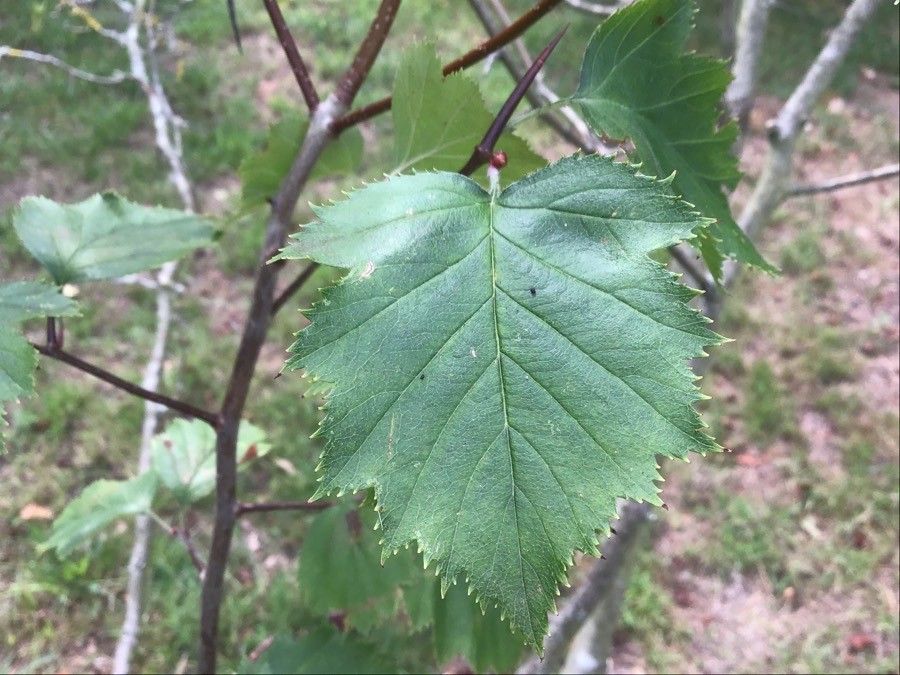
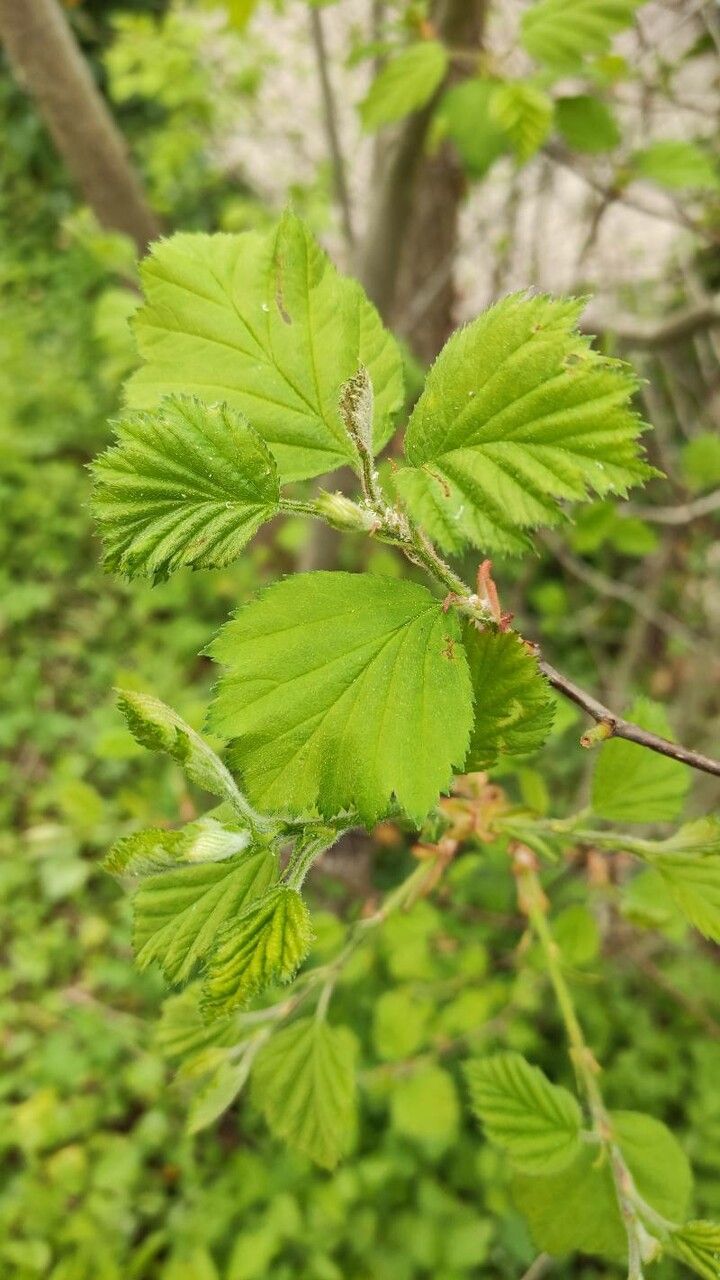
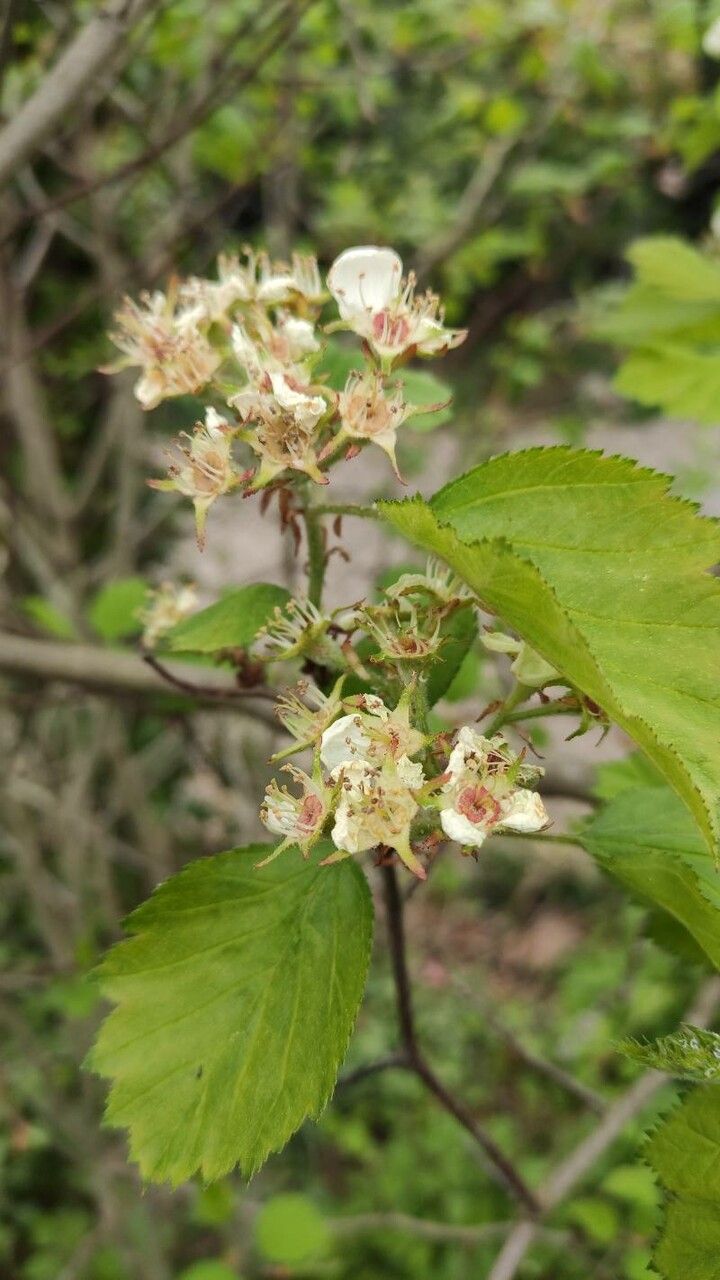
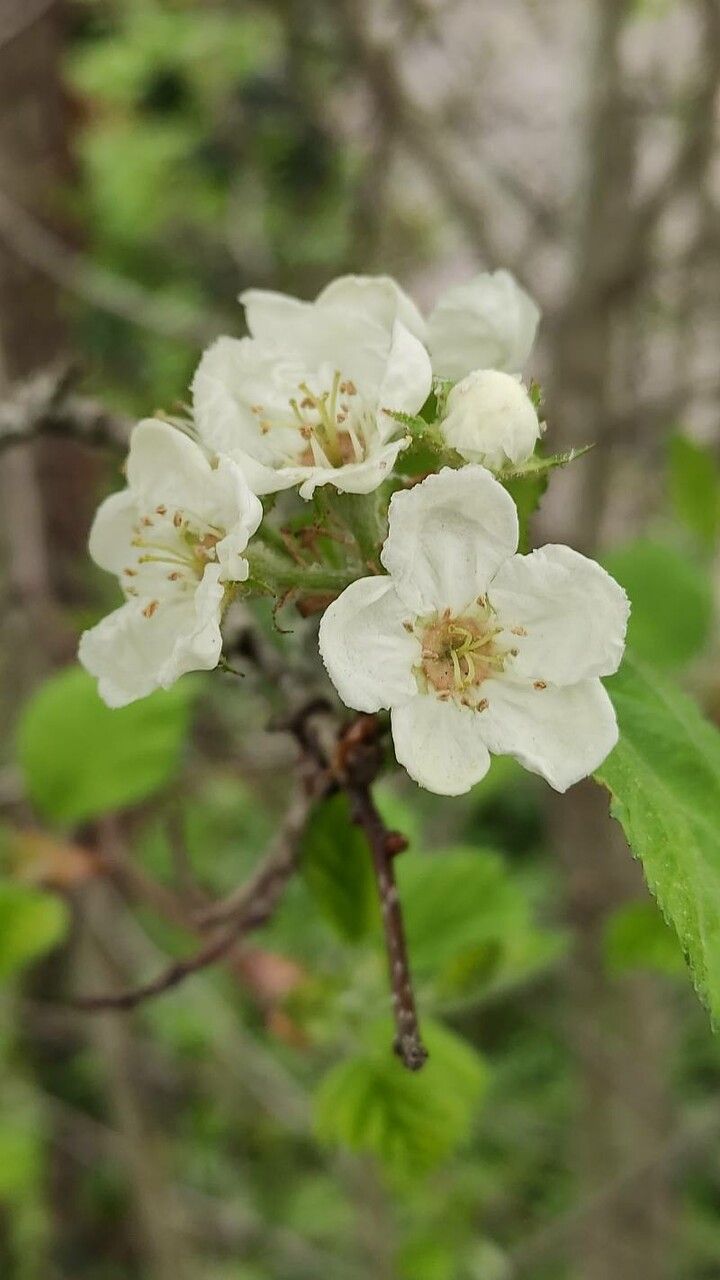
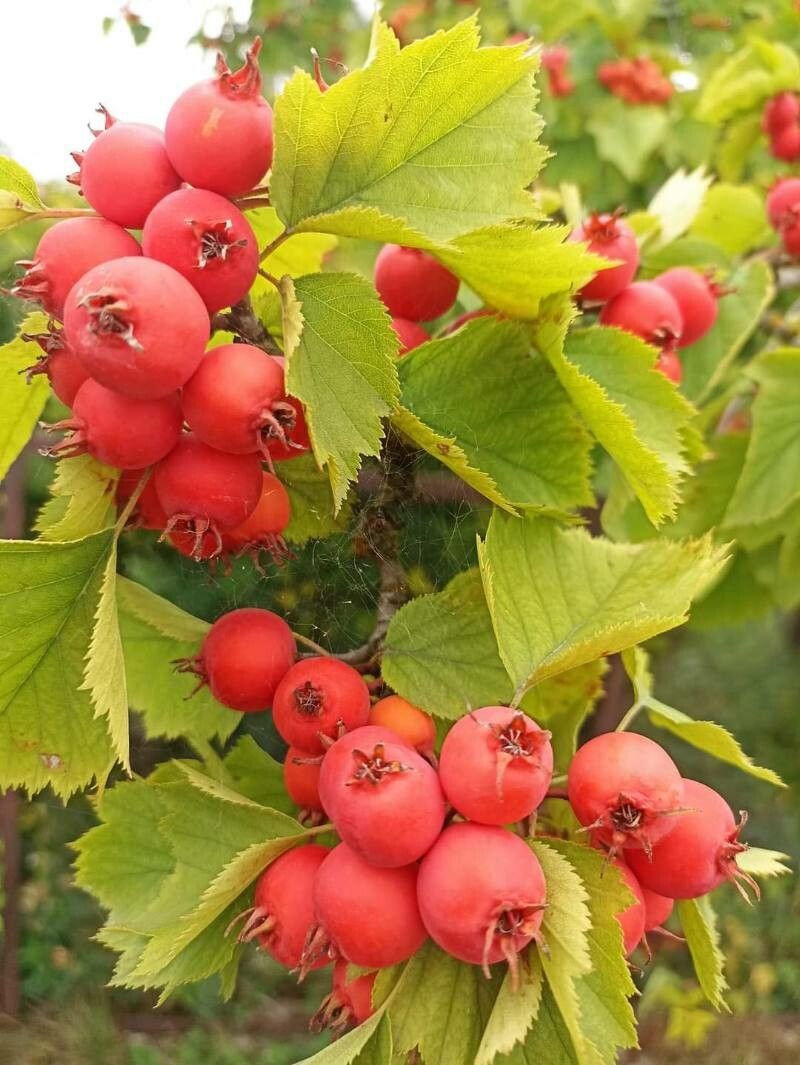
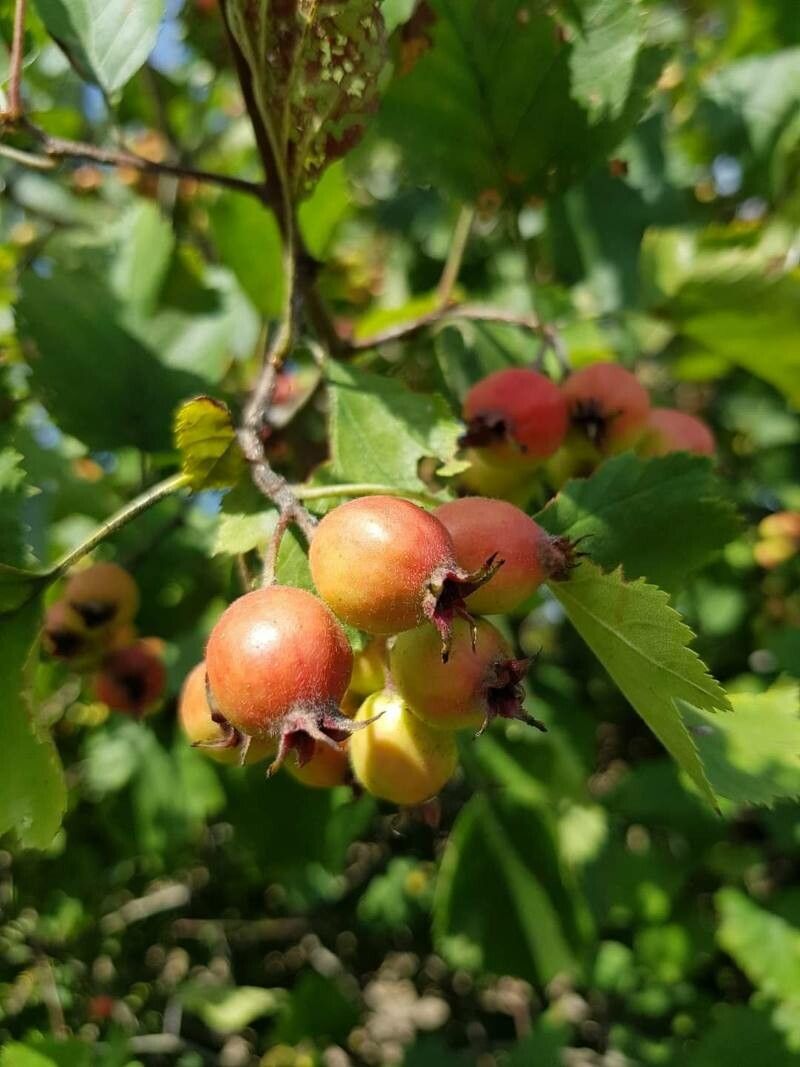
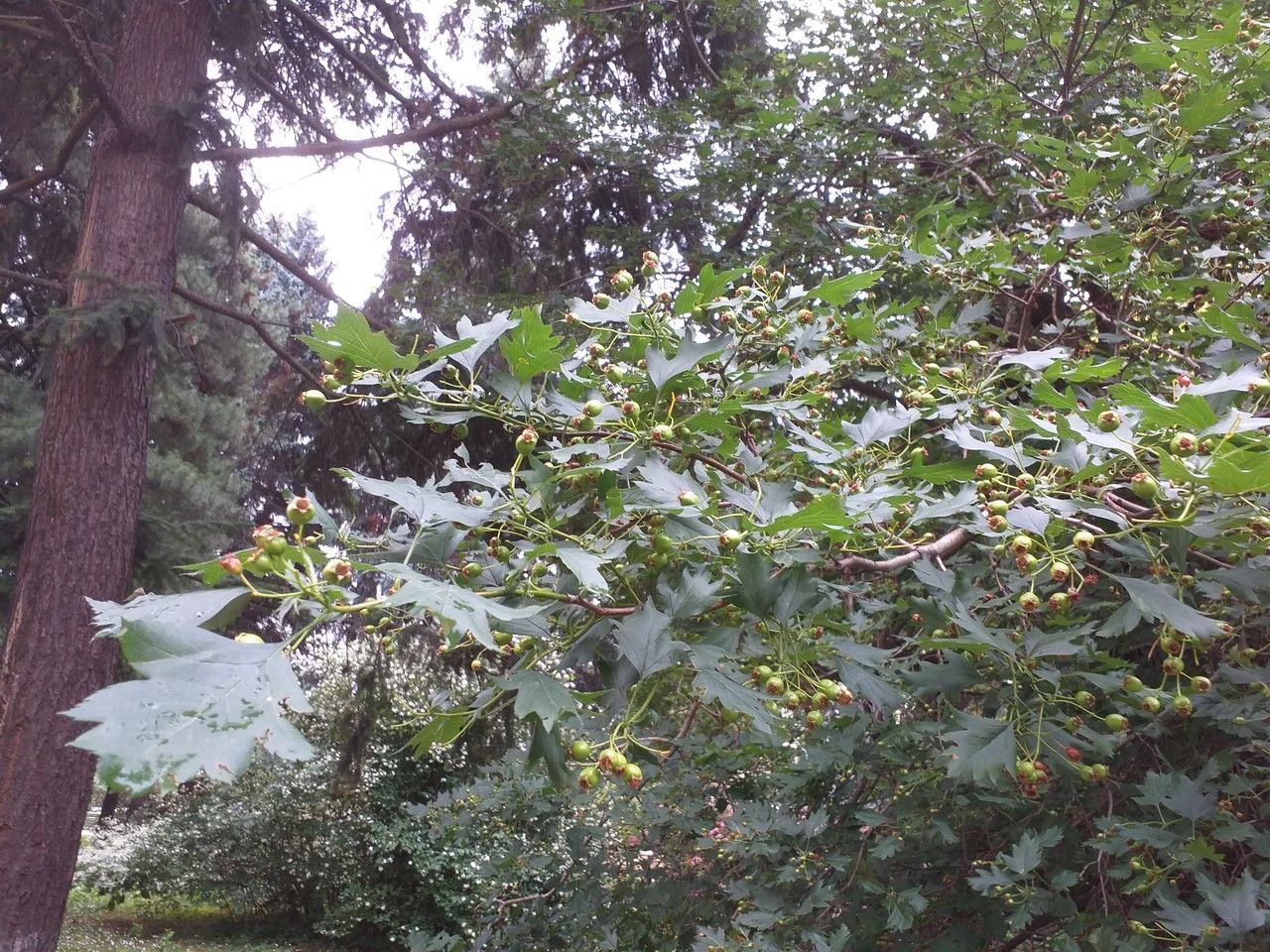
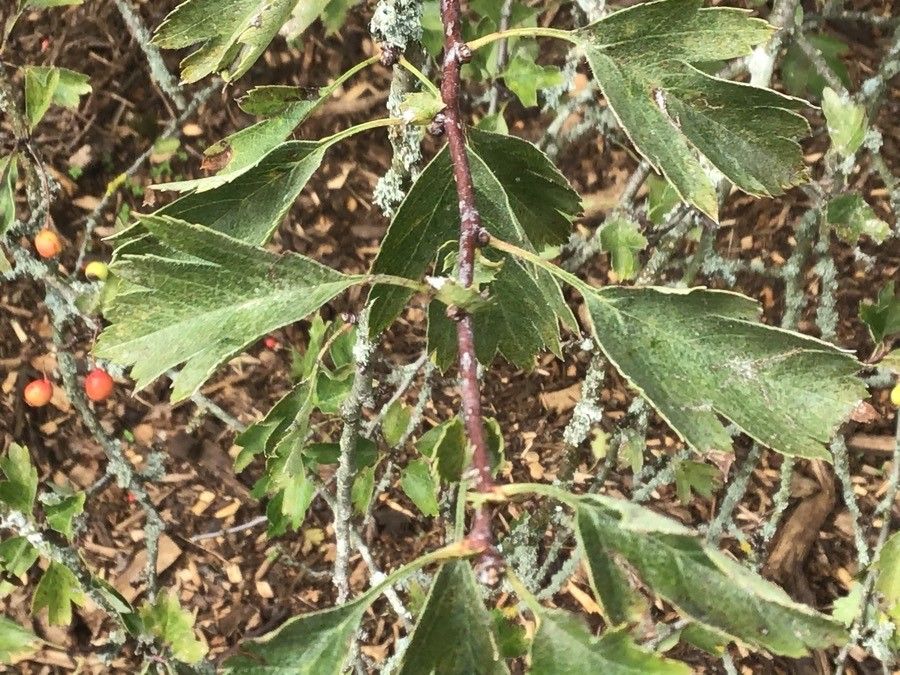
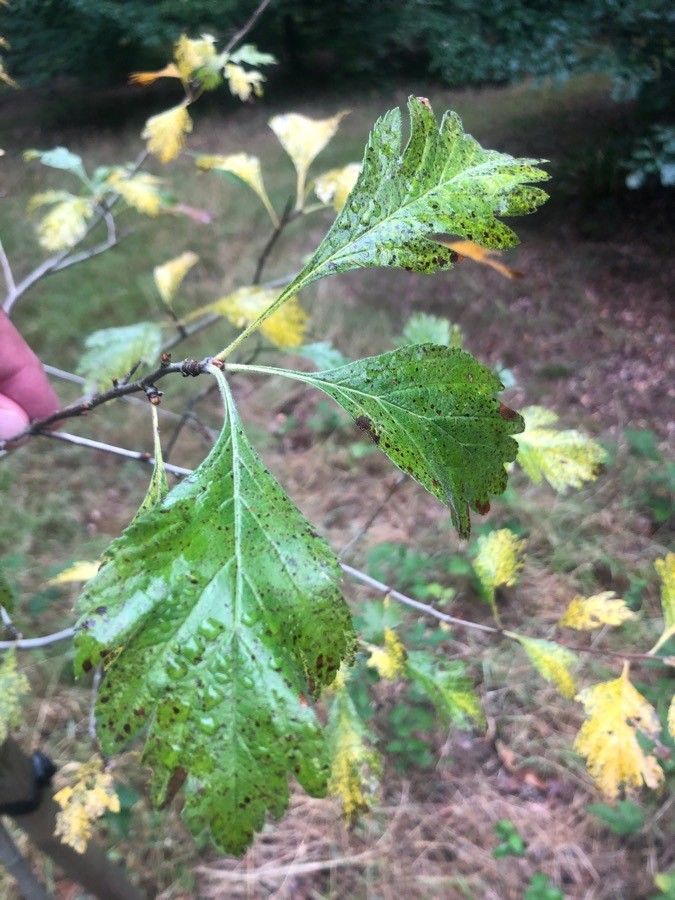
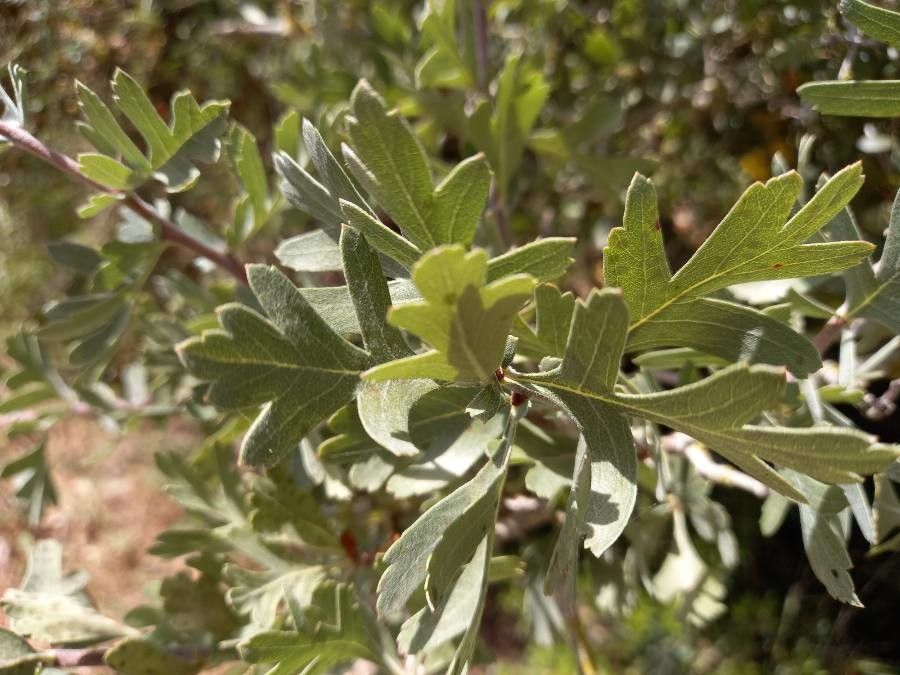
Crataegus coccinea, the scarlet hawthorn, is a species of hawthorn around which there is considerable confusion because the name has been misapplied for a long time. It has been shown to be the same as C. pedicellata, and under the rules of botanical nomenclature, the older name should be used.
Scarlet hawthorn has strong resistance to disease and is generally not susceptible to illnesses. In terms of care, this plant is relatively low-maintenance. Planted outdoors it needs little watering, and larger specimens usually do not require pruning. Smaller plants, however, should be pruned after they have finished blooming. Scarlet hawthorn is appropriate for anyone with an outdoor space, such as a garden or deck, and does not demand much gardening experience.
How to keep Crataegus Coccinea.
Light
Scarlet hawthorn is native to open habitats, such as sunlit meadows and forest edges, which offer abundant light. It thrives in Full Sun but can also tolerate Partial Sun, adjusting well to a range of light conditions.
Water
Scarlet hawthorn thrives in moderate moisture conditions and requires consistent watering, typically once every 1-2 weeks. When grown outdoors, it often benefits from natural rainfall, so it's crucial to ensure proper drainage to prevent root rot during wetter seasons.
Temperature
Scarlet hawthorn copes well with a wide range of climates, from blistering summers to freezing winters. Still, it has a best temperature range for growth. If temperatures rise too high, the plant can suffer from heat and humidity stress, which may kill it. In areas where temperatures reach the lower edge of its cold tolerance, taking insulating measures to protect the plant is important.
Fertilizer
The Scarlet hawthorn needs adequate nutrients for the best fruit production. Fertilize in early spring to promote new growth and bloom development. Regular feeding keeps the plant healthy, produces tastier fruit, and prevents nutrient deficiency problems like yellowing leaves and poor fruit production.
Pruning
The scarlet hawthorn is a thorny deciduous tree known for its bright red berries and white flowers. It is best to prune this tree in early spring to remove any dead or crossing branches. This helps improve air circulation and maintain the tree's shape. Regular pruning encourages the production of flowers and fruit while reducing the risk of disease. Be sure to use clean, sharp tools for precise cuts.
Pot & Repot
Scarlet hawthorn needs excellent drainage in pots to thrive, as excess water can harm its health. Choosing the right soil and pot design is essential for optimal growth.
Botanical profile.
- Plant Type
- Tree
- Life Cycle
- Perennial
- Genus
- Crataegus
- Family
- Rosaceae
- Hardiness Zone
- 3-8
- Mature Height
- 6.1 m to 7.62 m
- Mature Spread
- 3.96 m
- Leaf Color
- Green, Dark Green
- Leaf Type
- Deciduous
- Flower Color
- White
- Flower Size
- 1.02 cm to 2.03 cm
- Bloom Time
- Mid spring, Late spring
- Planting Time
- Spring, Summer
- Harvest Time
- Late summer, Early fall, Mid fall
Other names.