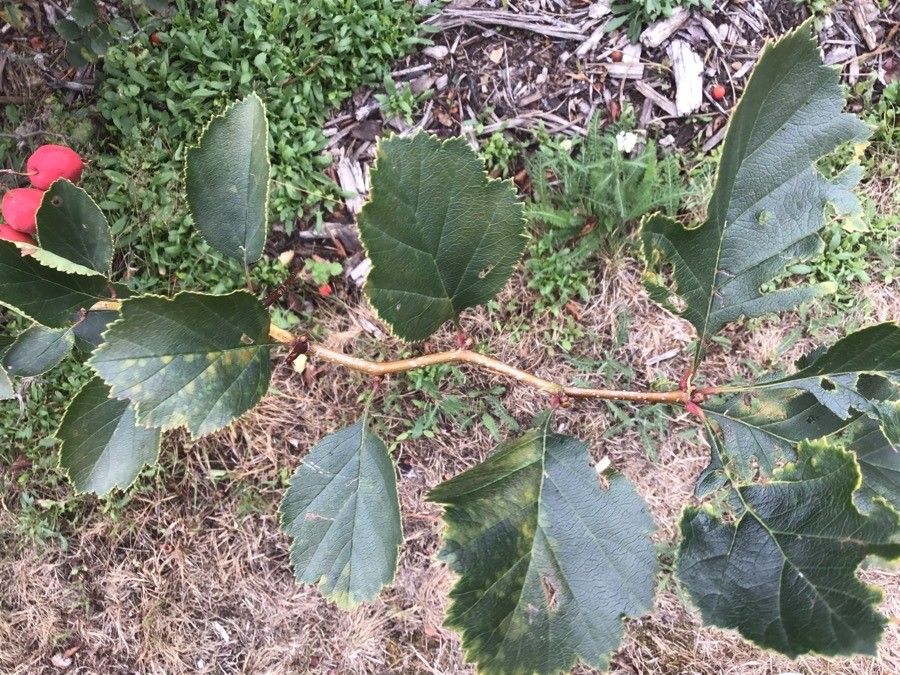
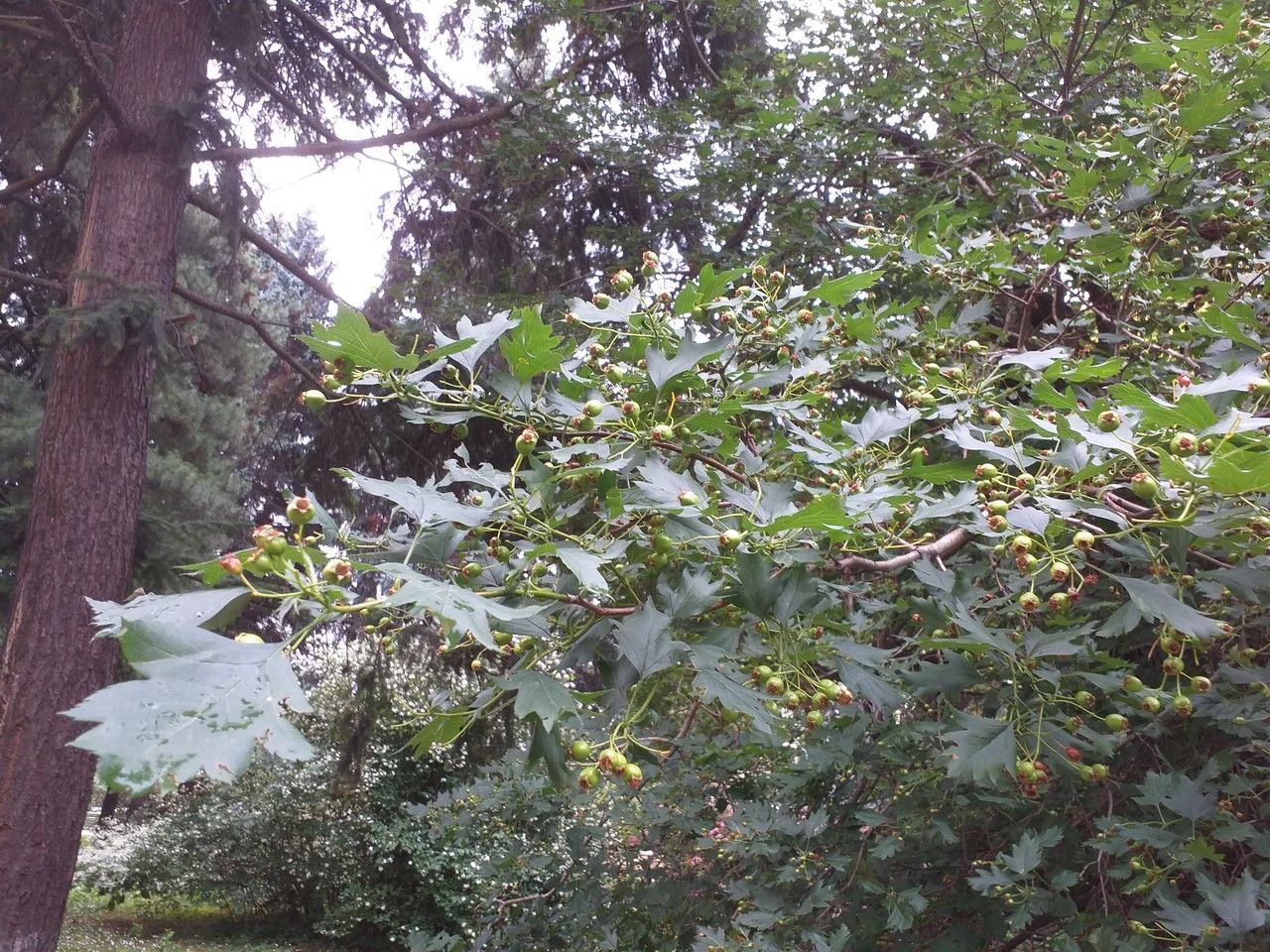
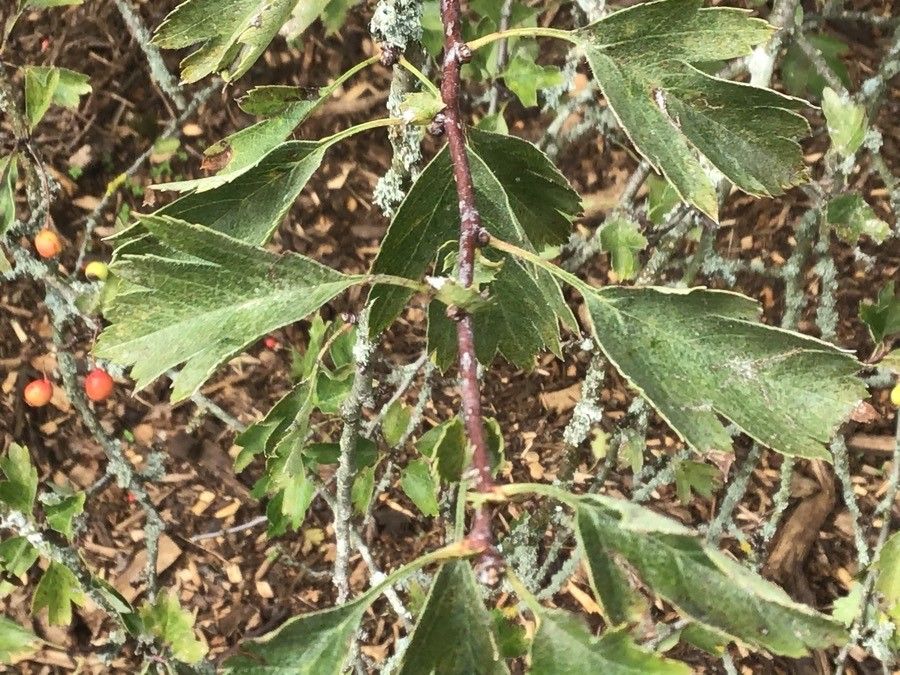
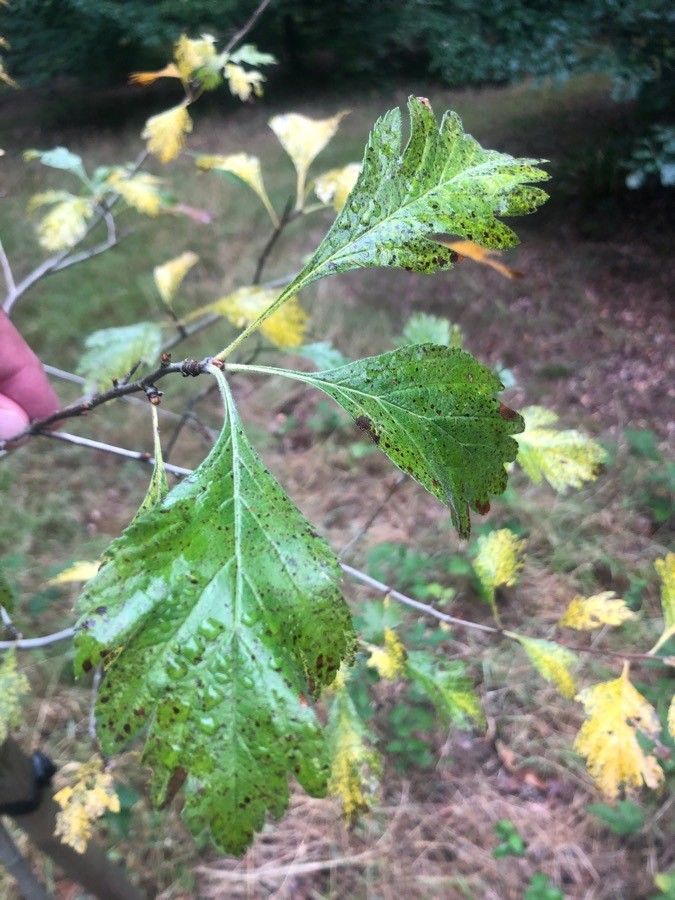
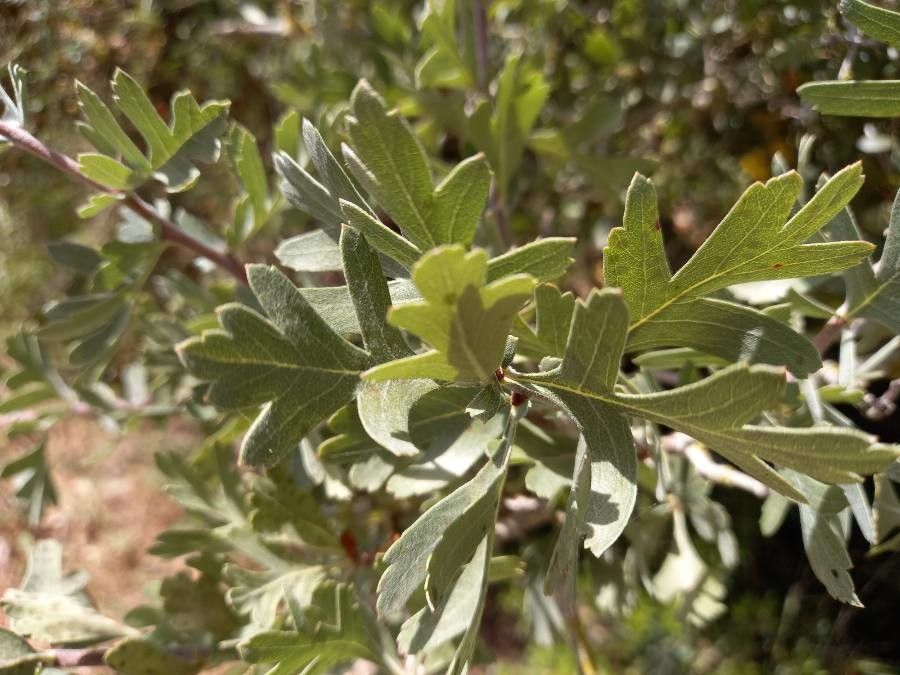
Crataegus chrysocarpa is a species of hawthorn that is native to much of the continental United States and Canada. Common names fireberry hawthorn and goldenberry hawthorn, as well as the scientific name all refer to the colour of the unripe fruit, although the mature fruit is red and in var. vernonensis is "deep claret-colored … nearly black when over-ripe".Three varieties C. chrysocarpa var. chrysocarpa, var. piperi, and var. vernonensis are recognized.
Fireberry hawthorn has strong resistance to disease and is generally not susceptible to illnesses. Regarding care, this plant is fairly low-maintenance. When grown outdoors it needs only light watering, and larger specimens typically do not require pruning. Smaller specimens, however, should be pruned after they finish blooming. Fireberry hawthorn is well suited to anyone who has an outdoor area, like a garden or a deck, and it does not demand extensive gardening experience.
How to keep Crataegus Chrysocarpa.
Light
The fireberry hawthorn performs best in full sun but can also tolerate moderate light. This requirement stems from its origin in open habitats where sunlight is abundant. Excessive light can damage it, while too little sunlight may hinder its development through growth stages and diminish its overall vigor.
Water
The Fireberry Hawthorn, which is native to temperate regions, grows best in well-drained soils and can withstand short periods of drought. It's advisable to water the plant every three weeks. However, during colder months when the plant is dormant, you should adjust the watering schedule to match its natural growth and conservation needs.
Temperature
Fireberry hawthorn is native to areas where temperatures range from 41 to 90 °F (5 to 32 ℃). It grows best within that span and adapts to seasonal fluctuations. Temperatures outside this range may require extra care.
Fertilizer
The Fireberry hawthorn needs adequate nutrients to produce fruit optimally. Apply fertilizer in early spring to encourage new growth and flowering. Regular feeding keeps the plant healthy, promotes tastier fruit, and prevents nutrient deficiency problems like yellowing leaves and poor fruit yields.
Pruning
Prune the fireberry hawthorn in early spring to remove dead wood, shape the plant, and improve air circulation. This promotes wound healing and prevents disruption of blooming. Additionally, remove any crossing branches to encourage healthier growth and better size management, which leads to more prolific fruiting.
Pot & Repot
To promote healthy growth and prevent waterlogging, ensure that fireberry hawthorn is planted in pots with excellent drainage.
Botanical profile.
- Plant Type
- Tree, Shrub
- Life Cycle
- Perennial
- Genus
- Crataegus
- Family
- Rosaceae
- Hardiness Zone
- 4-8
- Mature Height
- 6.1 m
- Mature Spread
- 3.96 m
- Leaf Color
- Dark Green, Forest Green
- Leaf Type
- Deciduous
- Flower Color
- White
- Flower Size
- 1.52 cm to 2.03 cm
- Bloom Time
- Late spring, Early summer
- Planting Time
- Spring, Summer
- Harvest Time
- Mid summer
Other names.
Reader questions.
How should I water my Fireberry hawthorn plant in the best way?
To ensure excellent root development, consider placing a garden hose at the base of your plants. Avoid spraying water directly on the leaves, as this may lead to overwatering. If your plants are outside and exposed to direct sunlight, the leaves may need extra watering. You can use bubblers to moisten the roots of each plant, or opt for soaker hoses that cover the entire garden or bed. When adding or removing plants, use soaker hoses to encourage deep root growth. Make sure to drain any excess water and allow the soil to dry before watering again. Water at ground level to prevent diseases. On sunny days, it may be beneficial to spray the entire bush with water. Whether your plants are in pots or in the ground, remember that Fireberry hawthorn prefers deep watering rather than light sprinkling.
How many hours of sunlight per day does Fireberry hawthorn need to grow healthy?
To promote healthy growth, it is important to give Fireberry hawthorn at least 3-6 hours of sunlight each day. It's worth noting that this is the minimum requirement. Plants that can tolerate part sun can also do well in full sun, but they need less light for photosynthesis, making them more adaptable than plants that need either full sun or part shade.
What temperature is best for Fireberry hawthorn?
The ideal temperature for Fireberry hawthorn to thrive is between 65~80℉(18~27℃). During the primary growing phase, it can tolerate temperatures as high as 95℉(35℃) and as low as 15℉(-10℃). This species can withstand freezing winters as it is tolerant of low temperatures. For optimal growth, the perfect temperature range is 65~80℉(18~27℃), while the highest tolerable range is 85~95℉(30~35℃), and the lowest range is -5~15℉(-20~-10℃) or below.
What do I need to do if I give Fireberry hawthorn plant too much or too little water?
If your Fireberry hawthorn is overwatered, you may notice yellowing, dropping, and wilting leaves. The plant may also look dull and unhealthy with mushy stems. In this case, it's best to adjust your watering schedule. On the other hand, wilting can also be a sign of under watering. If the leaves become crispy and dry, it may indicate underwatering, while overwatered leaves will be soft and wilted. When the soil is dry and watering isn't enough, give the plant a thorough watering. However, even with enough water, the Fireberry hawthorn may still have yellow leaves and a dry appearance due to a damaged root system. Once the plant returns to normal, the yellowing leaves will stop. Indoors, always check the moisture levels of the pot and avoid overwatering. Look out for black spots, and if present, let the soil dry for a few days before watering again. Overwatering can lead to root rot, which may require transferring the plant to a different pot if you notice discolored and slimy roots. Always prevent root rot by avoiding excessively soggy soil. When planting the Fireberry hawthorn outdoors, dig deeper and if the soil feels too dry, it may indicate underwatering. So make sure to provide adequate watering to help the plant recover.
What kind of sunlight does Fireberry hawthorn require?
Fireberry hawthorn thrives in full or part sun conditions. For optimal performance, it is best to provide direct morning light. However, during the summer, it is important to shield them from the intense afternoon sun. In temperate environments, excessive exposure to hot afternoon sun can cause leaf burn, which negatively affects the plant's overall appearance and health.
Do I need to change the temperature for Fireberry hawthorn at different growing stages?
According to research, Fireberry hawthorn shows stunted growth when temperatures rise, particularly during the growth of axillary buds and main shoots. To encourage vigorous growth after germination or transplanting, it is beneficial to maintain consistent and cooler temperatures at around 65℉ (18℃).
How frequently should I give water to my Fireberry hawthorn plant?
The Fireberry hawthorn prefers deep and infrequent watering. If it's planted in pots, make sure to soak them with a gallon of water each time since the water storage in pots is limited and soil dries out faster. In a cold region, water every 3 to 5 days, preferably in the morning when the soil is dry. Check the soil inside to determine if watering is needed - if the top 2-3 inches are dry, it's time to water. On hot days, check the moisture daily as the heat can quickly dry out the soil in pots. In a garden, water once a week in a hot climate. Only water when about 2 to 3 inches of soil become too dry, but avoid adding water if the plant has received ample rainfall to prevent root rot. During spring and fall when the Fireberry hawthorn is outdoors, use 3 to 4 inches of mulch to retain water. Sandy soil drains faster, so water more frequently. Clay soil requires less watering, allowing the plant to dry for 2-3 days. Consider keeping track of watering dates and monitor the leaves for drooping as a sign that watering may be needed.
Can the sun harm Fireberry hawthorn? How can I shield Fireberry hawthorn from the sun and prevent heat damage?
Fireberry hawthorn planted indoors can be easily damaged by direct sunlight if it's suddenly moved outdoors. To prevent sunburn from overexposure, the best approach is to gradually move the pots from a shaded area to a brighter spot. However, even plants that are used to the summer sun can still be harmed by extremely hot temperatures. During a heatwave, it's crucial to keep the soil consistently moist so that the plants can handle the excessive heat. To protect delicate Fireberry hawthorn during extreme weather events, it's recommended to either move them to shaded areas in the afternoon or place a shade cloth over them.
How can I make sure Fireberry hawthorn doesn't get cold in winter?
Fireberry hawthorn is a resilient plant that can tolerate freezing temperatures. However, if it is planted in pots or containers, its roots need to be shielded from the winter cold. To do this, you can wrap the container in a blanket or bring it indoors to keep it fully protected from the elements. It's important to note that areas where the temperature does not drop below 15℉ (-10℃) are suitable for planting Fireberry hawthorn directly in the ground.
How much water should I give my Fireberry hawthorn?
The Fireberry hawthorn has specific watering needs. For potted plants, water them deeply until water drips out from the bottom. Allow the soil to dry before watering again. You can use a water calculator or moisture meter to track how much water you give your plant each week. During the flowering period, provide plenty of water but let the excess moisture evaporate to prevent root rot. If the Fireberry hawthorn is planted outdoors and gets enough rain, it may not need additional watering. However, if it's a young or newly planted tree, make sure it receives 1-2 inches of rain per week. As the tree grows, it can rely on natural rainfall. Only when the weather is extremely hot or if there's no rain for 2-3 weeks, consider giving the tree a thorough watering during cooler times of the day to prevent damage from overheating. Additional watering may be necessary during long dry periods.
Should I keep Fireberry hawthorn out of the sun?
Fireberry hawthorn thrives in bright morning sun and some full sun exposure, but the intense midday summer sun can be overwhelming. When planted in the ground, the plant can slowly acclimate to the increasing intensity of the summer sun. However, potted plants that have been indoors or in a sheltered area may suffer damage when suddenly exposed to direct summer sun during the hottest part of the day. To protect the plant from the harsh afternoon sun, it is advisable to plant or position it in a shaded understory area that is shielded by taller trees and plants, a building, or a landscape feature.
What will happen to the Fireberry hawthorn if the temperature is too hot/cold?
If the temperature is consistently too high, it will cause greater harm to Fireberry hawthorn compared to it being consistently too low. When Fireberry hawthorn gets too hot, it experiences heat stress which triggers hormones that decrease seed germination and photosynthesis efficiency. This can be observed through signs like wilting, leaf browning, and potential death of the plant. On the other hand, if it gets too cold, the plant's functions such as nutrient uptake and photosynthesis will stop, potentially leading to the plant's death. Even a single freezing event during the growing season can cause a membrane phase transition, resulting in a cease of plant functions and the plant's death.