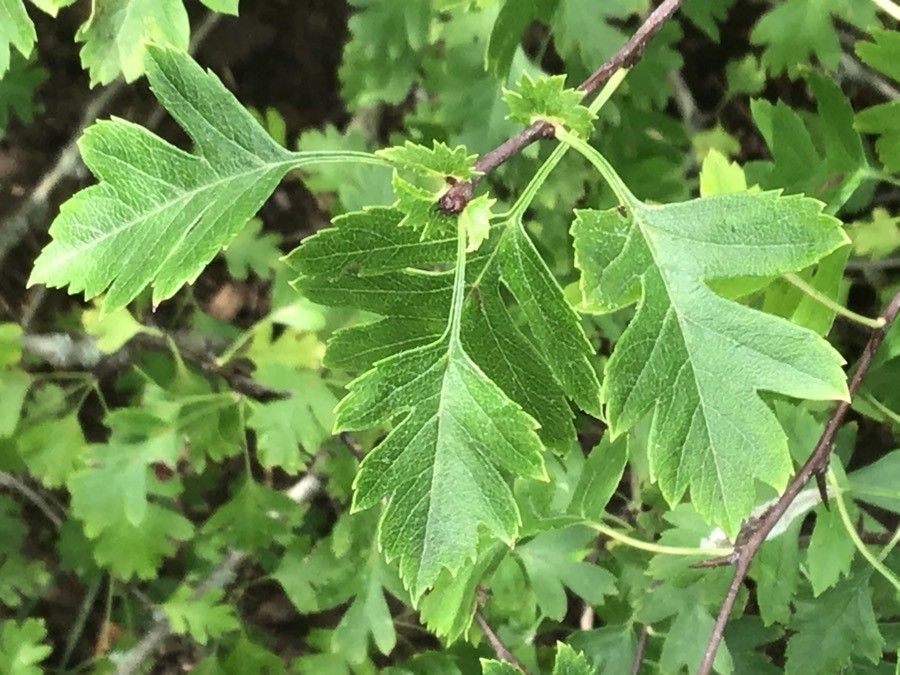
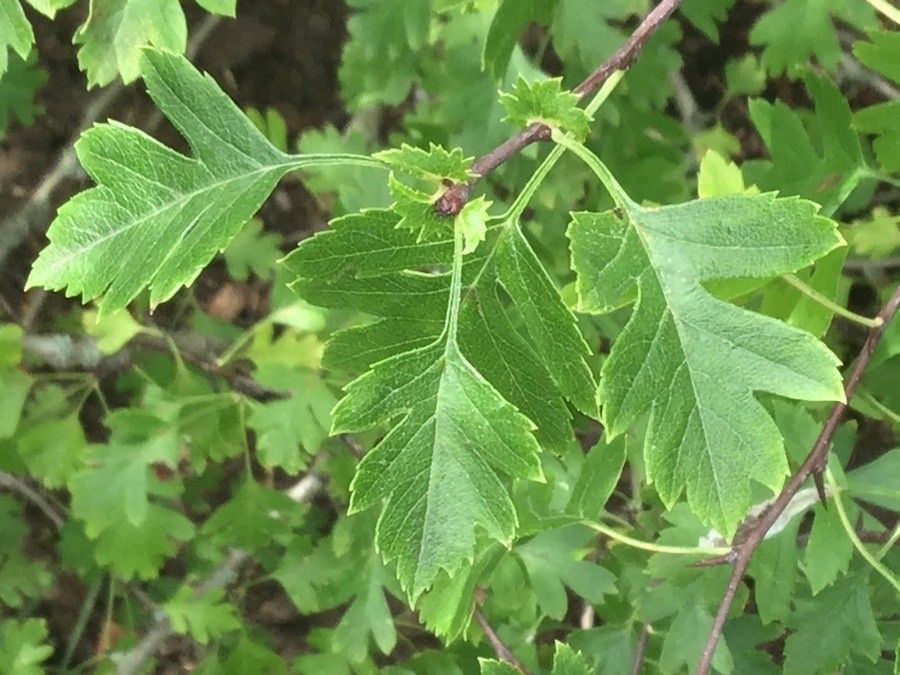
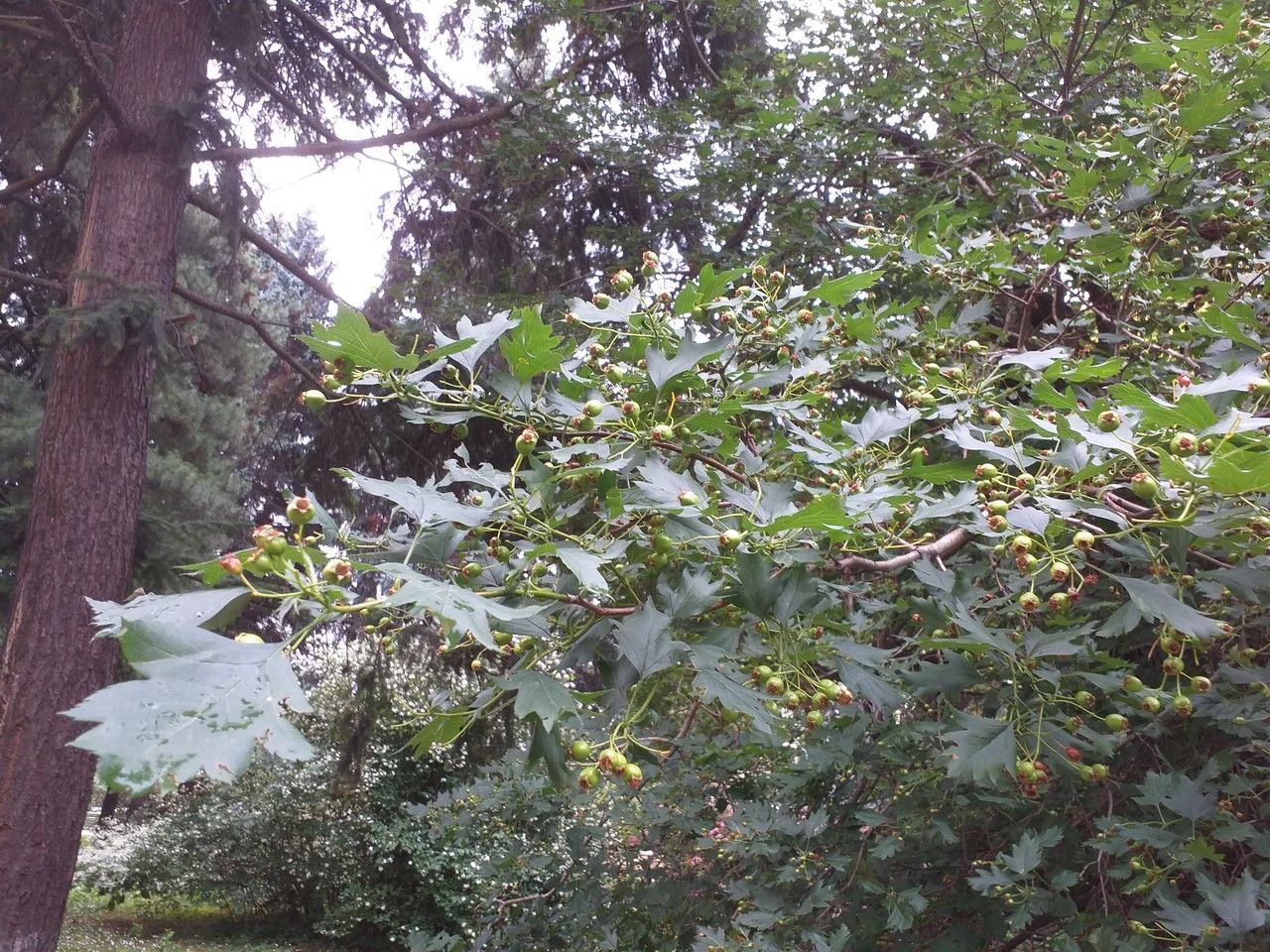
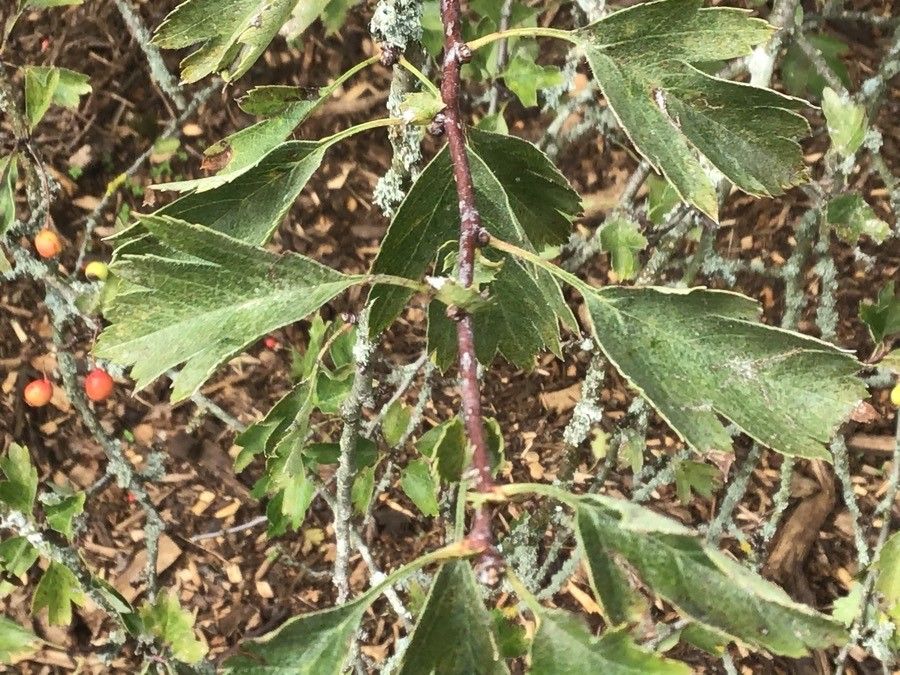
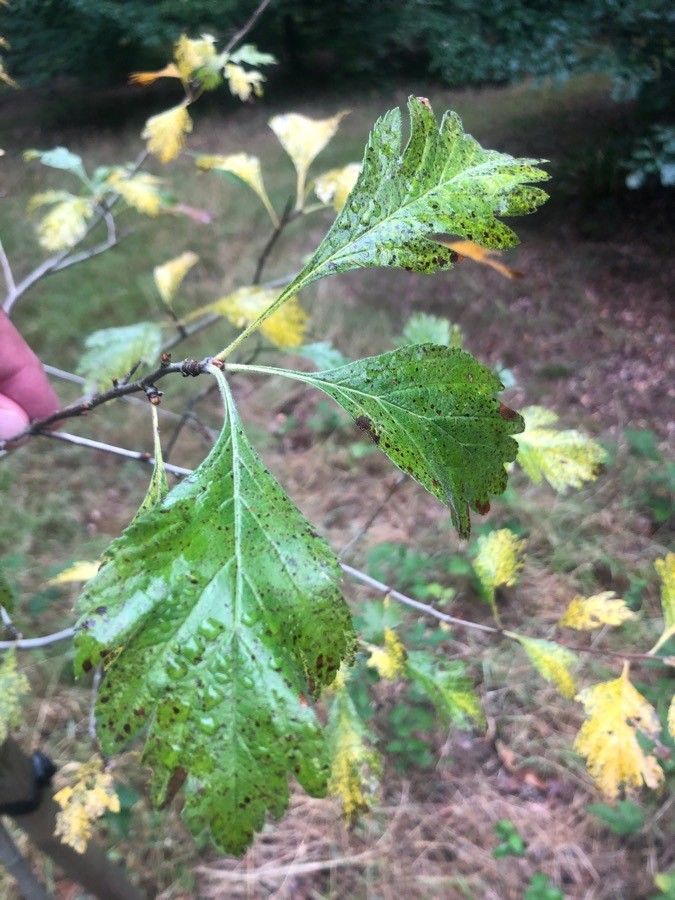
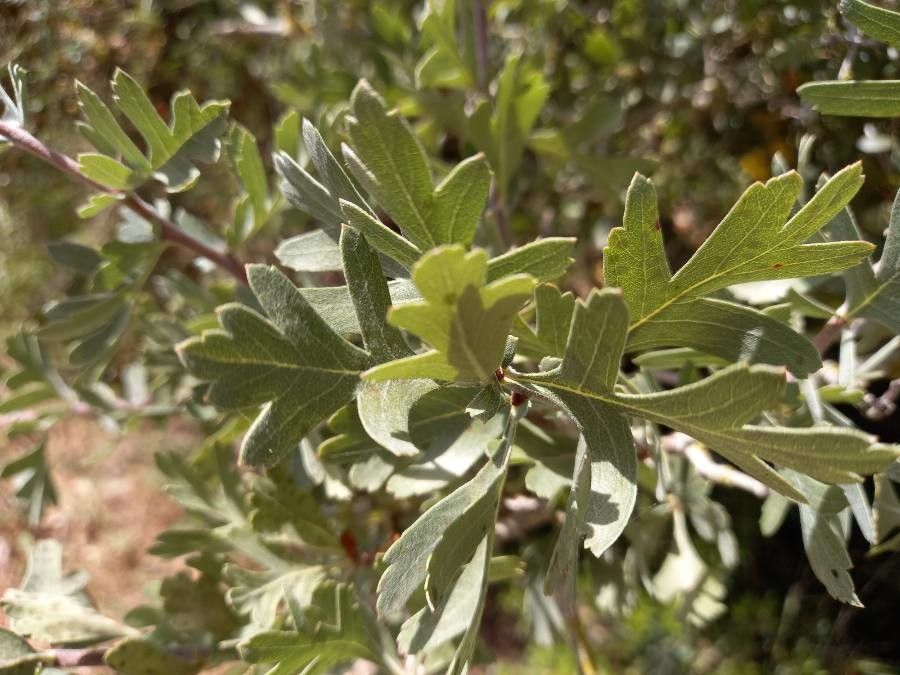
Green hawthorn is resistant to disease and generally not susceptible to illnesses. Regarding care, this plant is fairly low-maintenance. When planted outdoors it needs little watering, and larger specimens typically do not require pruning. However, smaller plants should be pruned after they have finished blooming. Green hawthornt is suitable for anyone with an outdoor area, such as a garden or a deck, and does not demand extensive plant-care experience.
How to keep Crataegus Atrorubens.
Light
Green hawthorn prefers sites with plentiful sunlight and reaches its best growth under those conditions. It can also tolerate places with moderate light. However, excessive sun can cause scorching, just as too little light can limit its growth. Its native habitat is noted for abundant sunlight.
Temperature
Green hawthorn comes from regions where temperatures range from 41 to 90 °F (5 to 32 ℃), showing a preference for temperate conditions. In colder winters, consider using warming methods or providing adequate shelter.
Fertilizer
The Green hawthorn plant needs adequate nutrients for optimal fruit production. Fertilize in early spring to support new growth and bloom development. Regular fertilization helps the plant stay healthy, produce more delicious fruit, and prevents nutrient deficiency problems like yellow leaves and poor fruit production.
Botanical profile.
- Plant Type
- Tree, Shrub
- Life Cycle
- Perennial
- Genus
- Crataegus
- Family
- Rosaceae
- Hardiness Zone
- 4-8
- Mature Height
- 6.1 m to 10.67 m
- Mature Spread
- 6.1 m to 9.14 m
- Leaf Color
- Green
- Leaf Type
- Deciduous
- Flower Color
- White
- Flower Size
- 1.02 cm to 2.03 cm
- Bloom Time
- Mid spring, Late spring
- Planting Time
- Spring, Autumn
- Harvest Time
- Late summer, Early fall, Mid fall