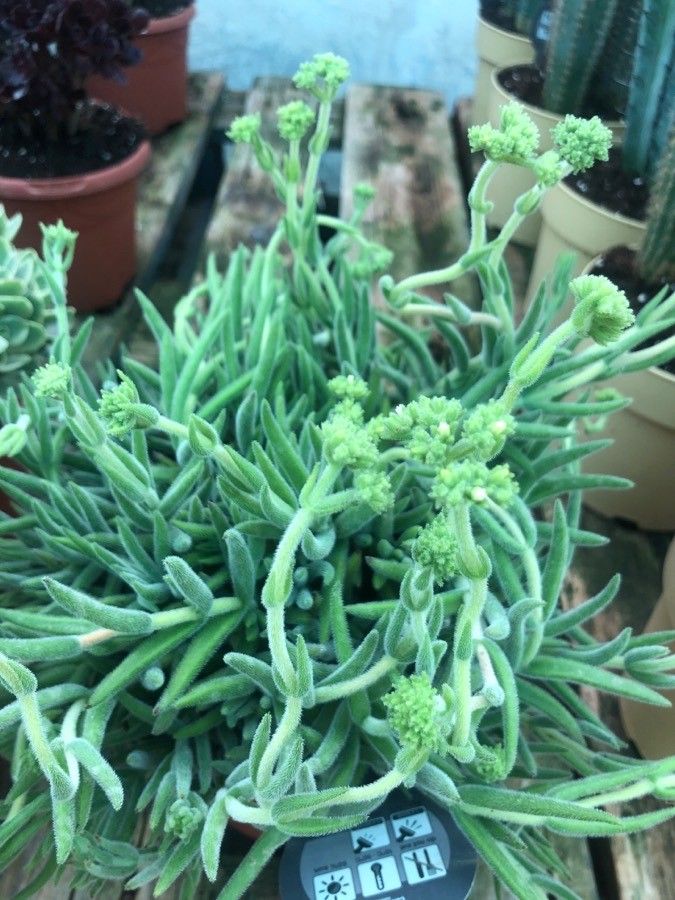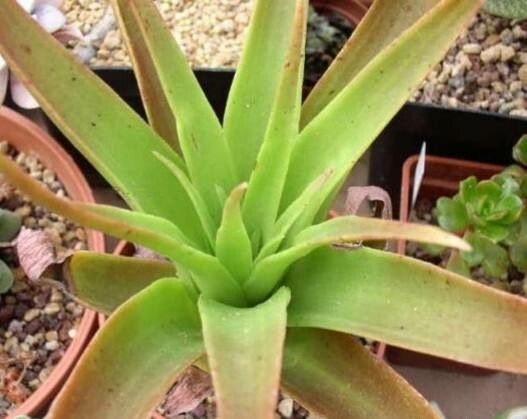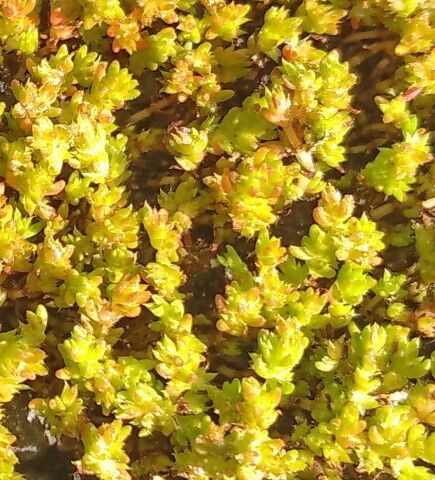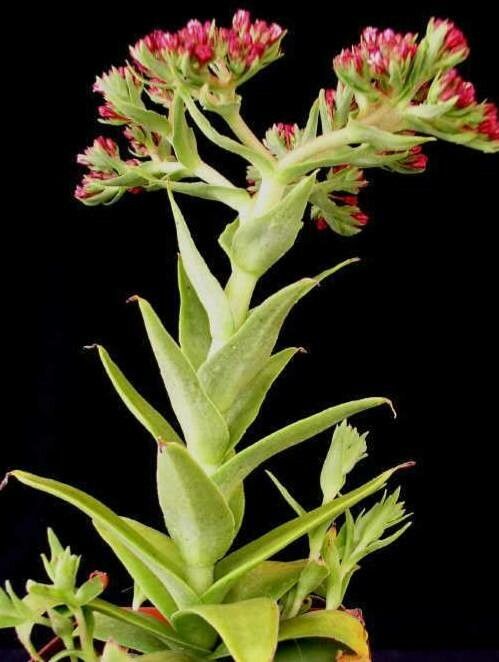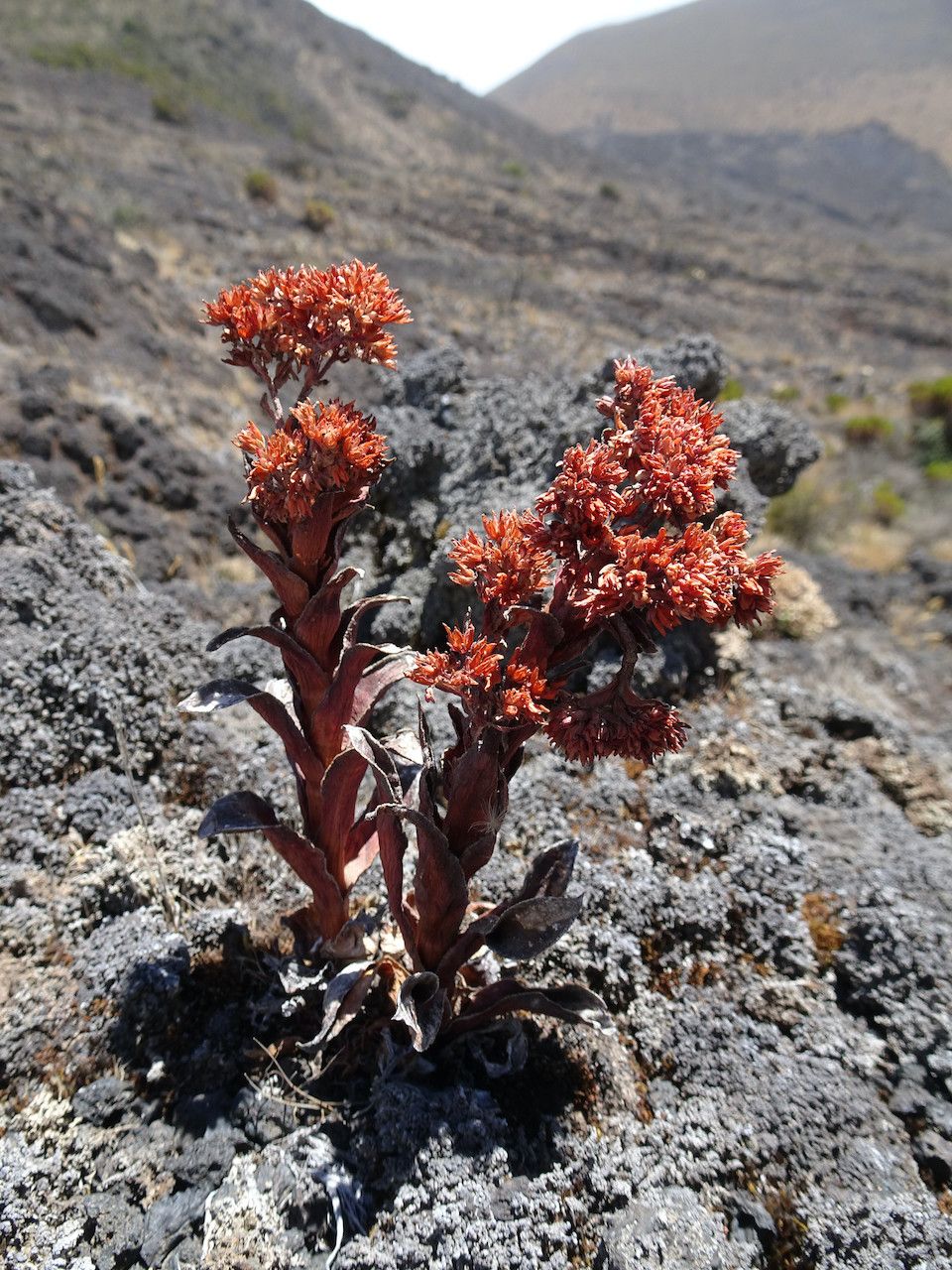
Crassula vaginata has moderate disease resistance and is fairly sensitive to humidity and overwatering. It becomes more prone to illness when kept in low light and exposed to excess water. In terms of care, Crassula vaginata is drought-tolerant and can endure long stretches without watering. It requires little fertilizer and only occasional pruning. For these reasons, it suits growers of any experience level, especially those who prefer to spend less time on plant care or who may be away from home for extended periods. It is a good option for people who do not want to devote much time to maintenance but still want an easy-to-care-for plant.
How to keep Crassula Vaginata.
Water
Crassula vaginata requires careful attention to watering, tailored to its condition and the environment. During its dormant period, usually water it every 1-2 weeks. In the summer, water the plant in the evening. Keep an eye on soil moisture and watch for signs like drooping leaves to determine its needs. Additionally, the type of pot you use can influence how often you need to water it.
Temperature
Crassula vaginata flourishes in hot climates and necessitates increased temperatures during its growth phase to stimulate its expansion and metabolic processes. It favors abundant sunlight, suitable humidity, and proper aeration. Nevertheless, it is prone to harm from extremely cold temperatures and too much watering. Care should be taken to maintain a harmonious environment, preventing both extremely high temperatures and excessively dry conditions.
Fertilizer
Crassula vaginata requires minimal amounts of fertilizer, only needed once or twice annually during the growth period. It is not advisable to fertilize it during winter and summer as it is a period of dormancy. Post repotting, a reduction in the fertilizer doses is recommended and fertilization should be delayed for a few months. Regular fertilization facilitates robust growth and promotes flowering.
Pruning
Crassula vaginata features fleshy leaves and benefits greatly from pruning in early spring. To enhance air circulation and overall plant health, remove any dead foliage using clean tools. Pruning encourages denser growth and more blooms, but be careful not to over-prune, as this can hinder the plant's ability to photosynthesize. Regular, light pruning is key to maintaining a compact shape, particularly for plants grown in containers.
Botanical profile.
- Plant Type
- Succulent
- Life Cycle
- Perennial
- Genus
- Crassula
- Family
- Crassulaceae
- Hardiness Zone
- 9-12
- Mature Height
- 76 cm
- Leaf Color
- Green
- Flower Color
- White, Yellow, Red, Pink, Cream