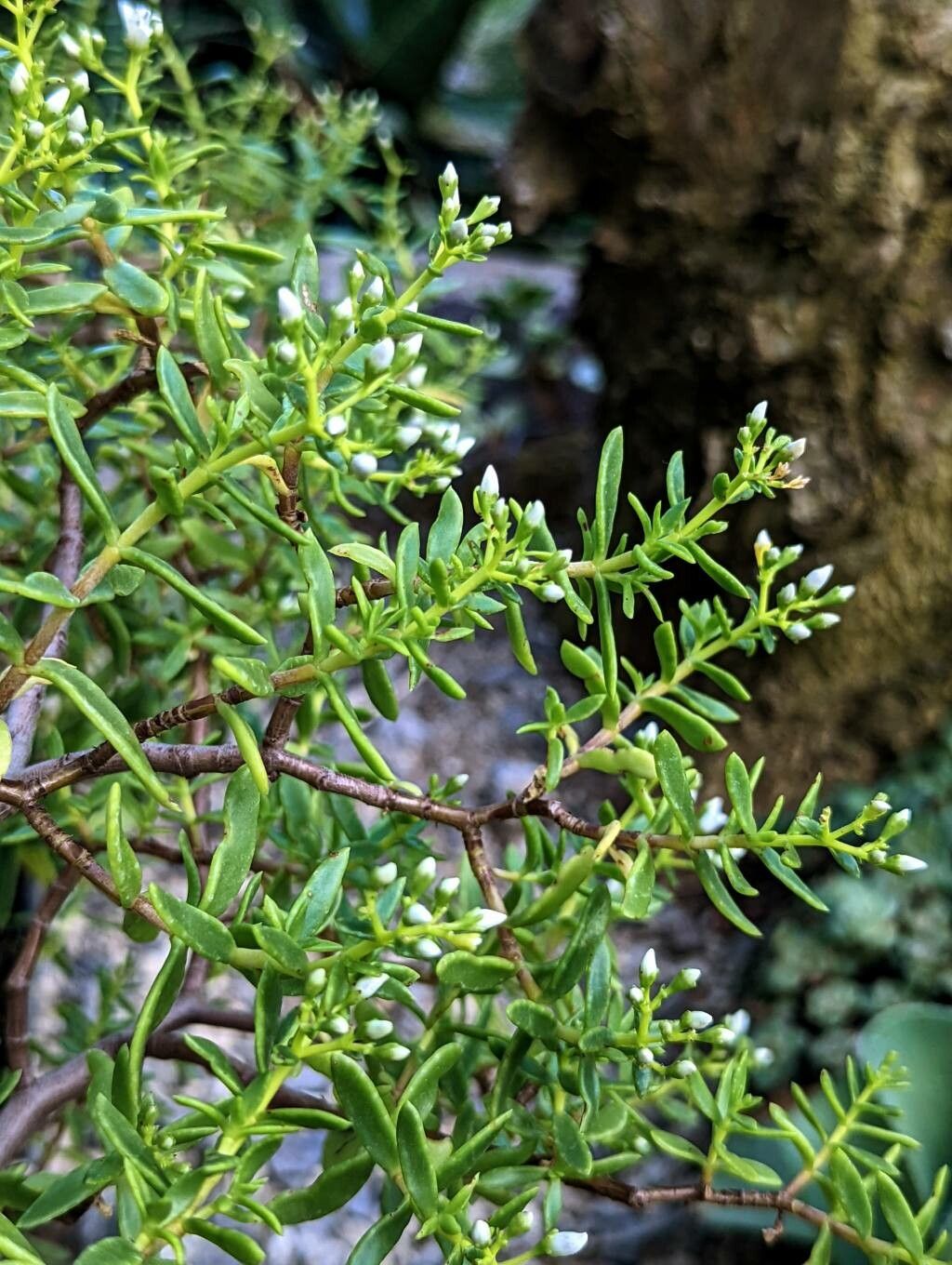
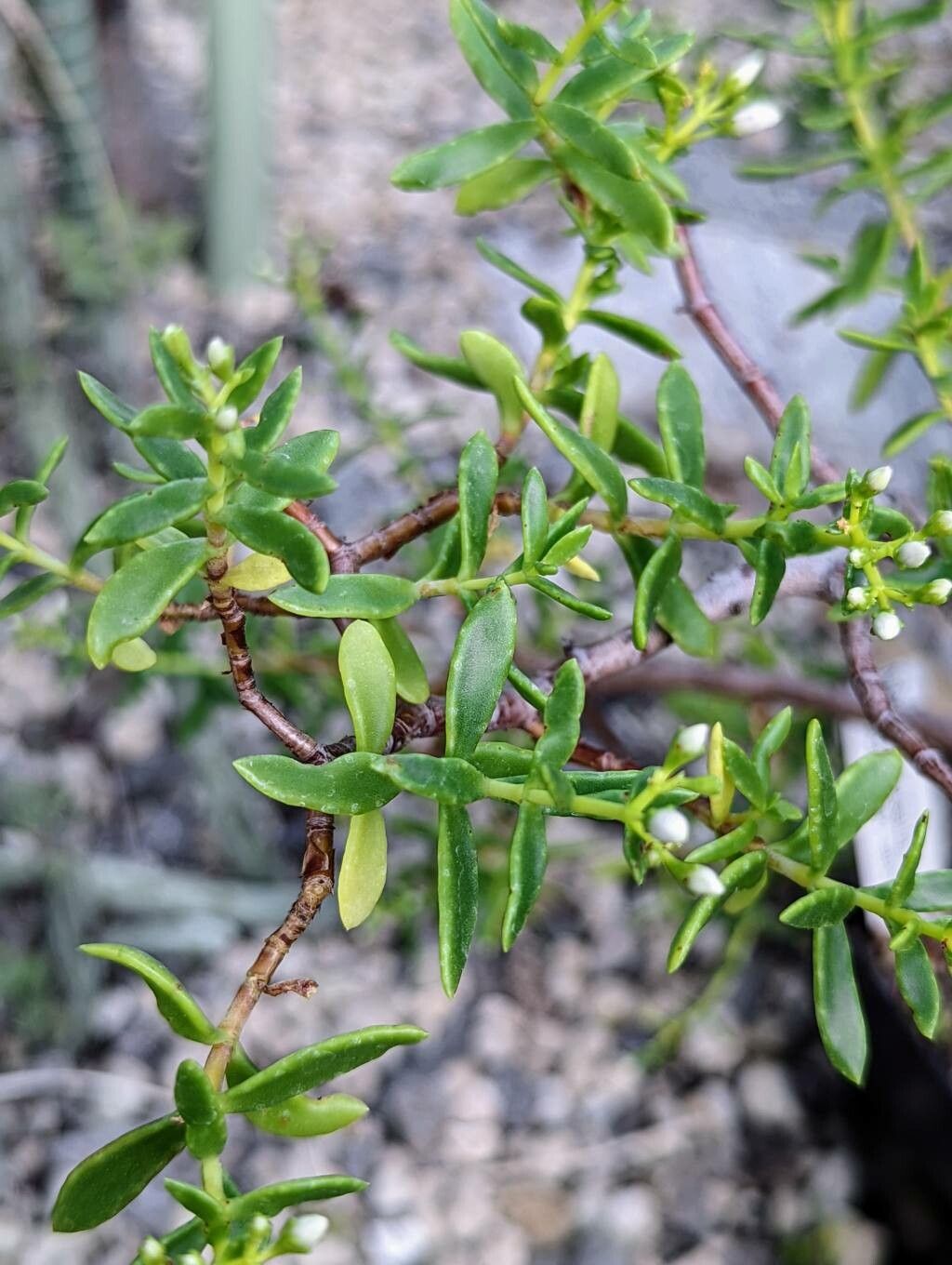
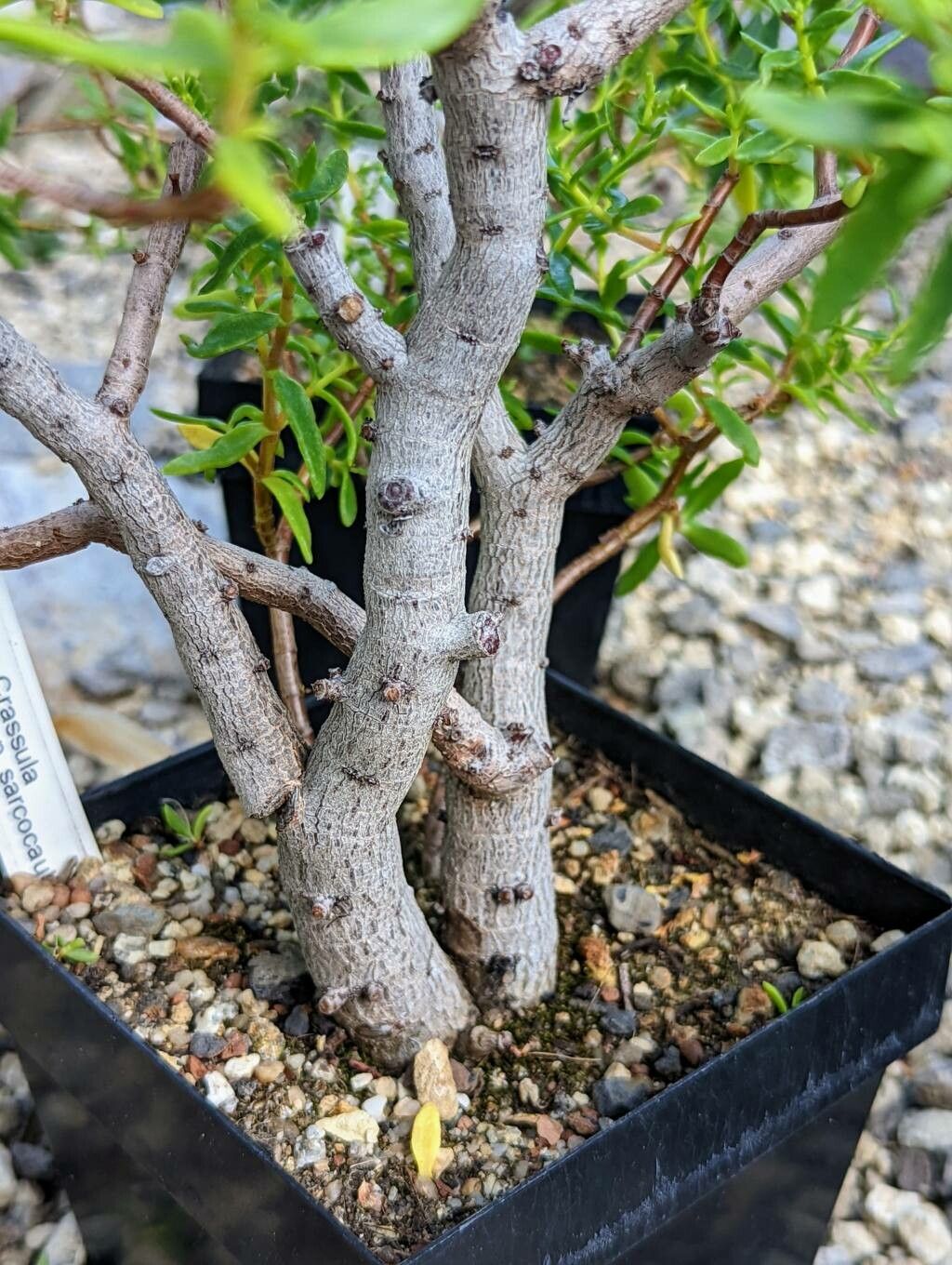
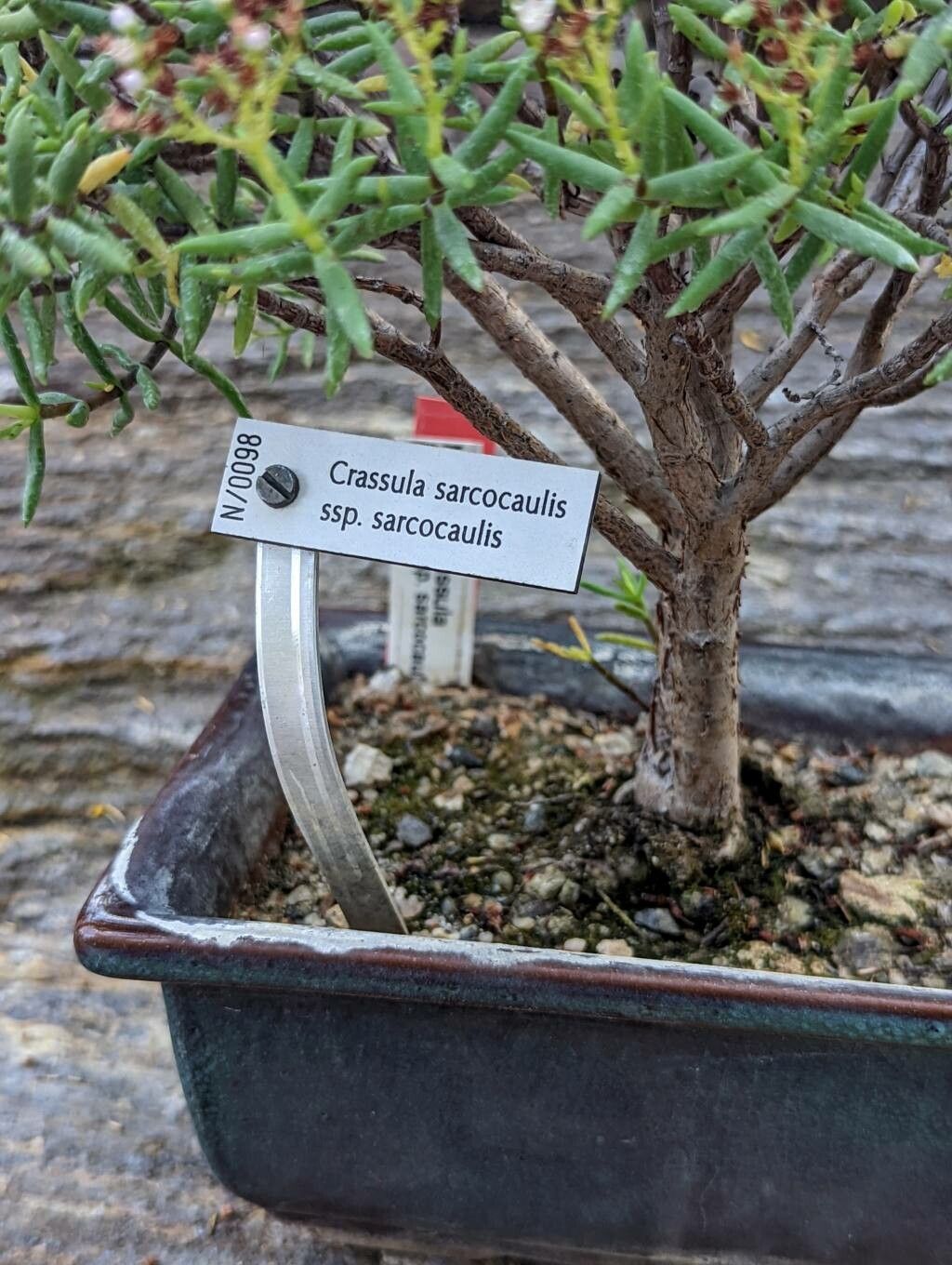
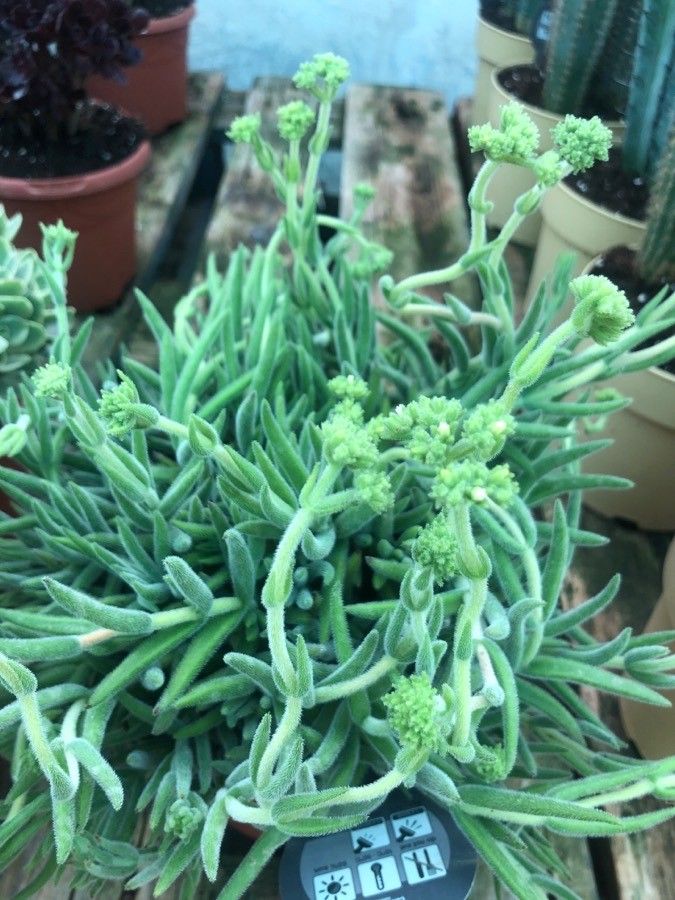
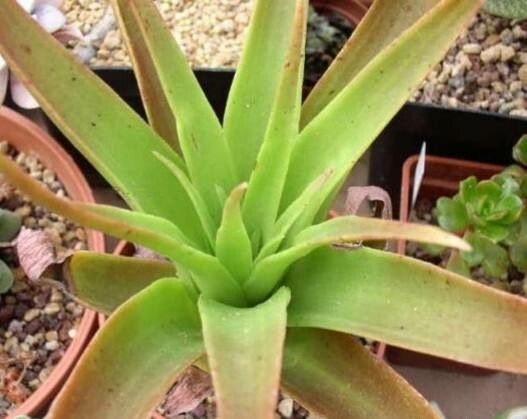
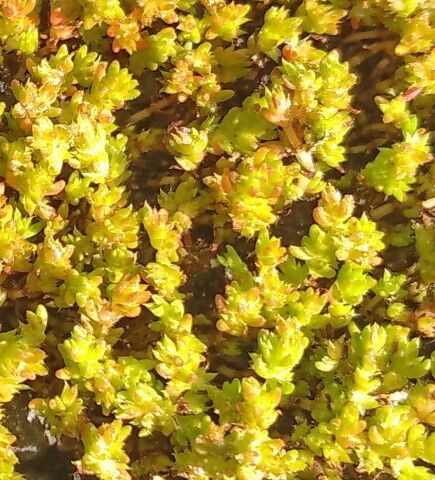
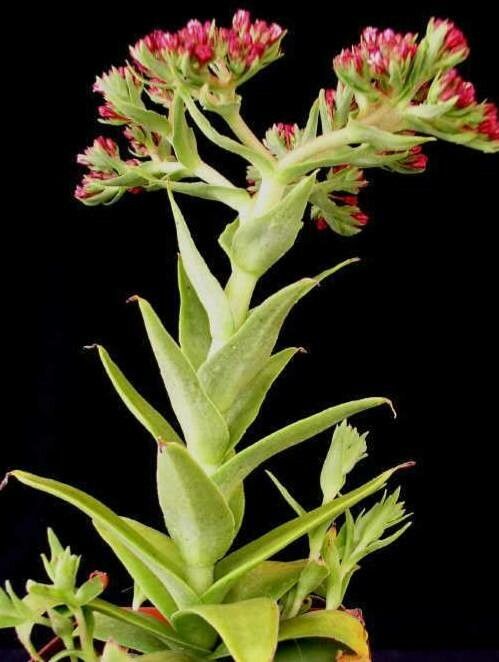
Crassula sarcocaulis, commonly known as the Bonsai Crassula or Thick-Stemmed Crassula, is a succulent plant belonging to the family Crassulaceae. Native to South Africa, it is widely cultivated as an ornamental plant due to its unique appearance and low maintenance needs.
The Bonsai Crassula features a thick, woody stem that can grow up to 30 cm in height. The stem has a greyish-brown hue and may develop deep fissures with age. The plant's leaves are small, fleshy, and green with red tips.
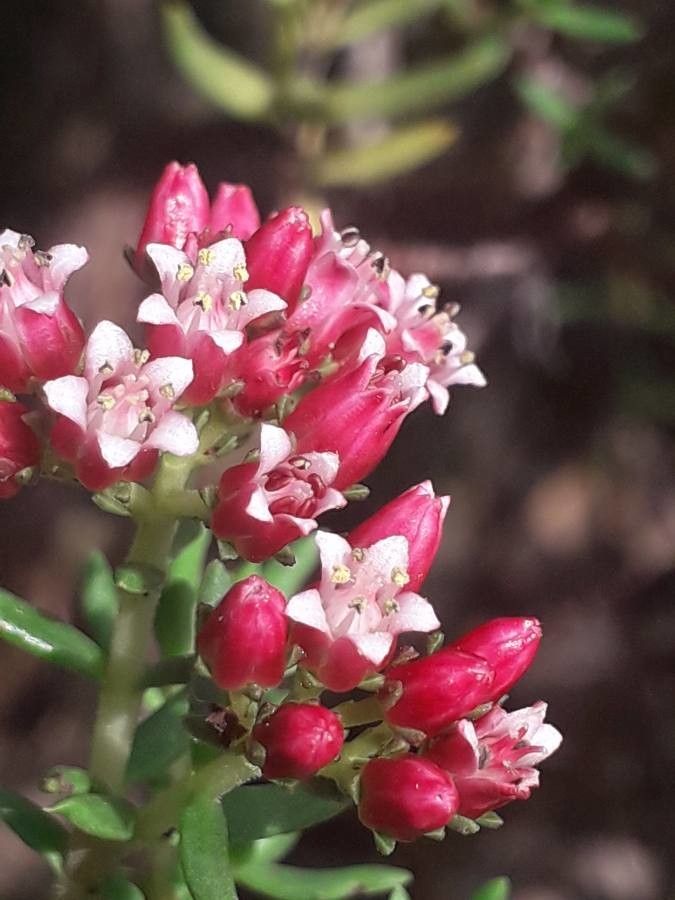
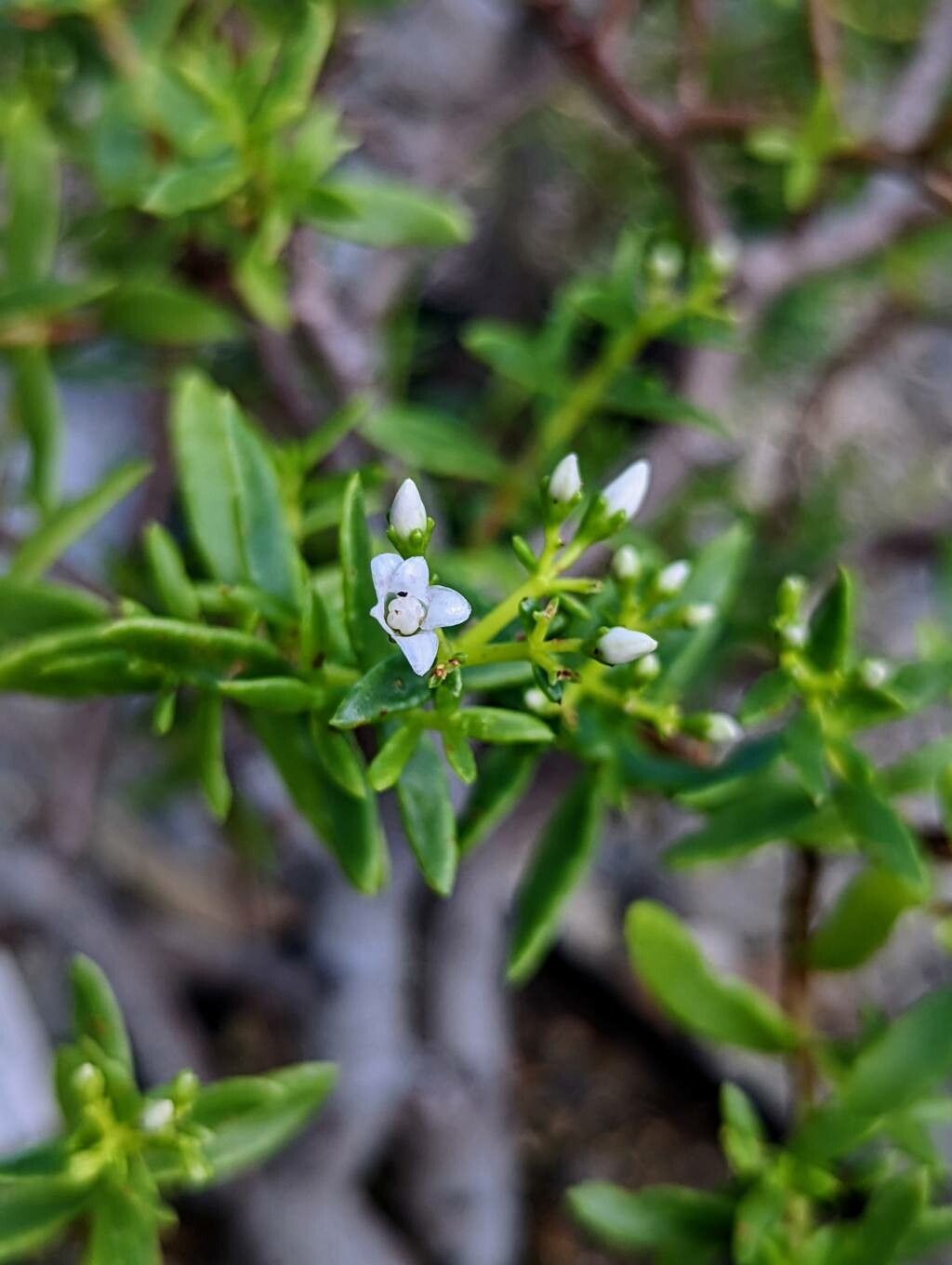
During summer, this succulent produces small white or pink flowers arranged in clusters at the top of its stems. It prefers well-draining soil and requires moderate watering during the summer months, with less water needed in winter.
The Bonsai Crassula is an ideal indoor plant due to its low maintenance requirements, but it can also thrive outdoors in warm climates with full sun exposure. Its distinctive appearance makes it an excellent addition to any garden or indoor space, adding a touch of natural beauty without demanding much attention from its owner.
Bonsai Stonecrop has moderate disease resistance and is especially sensitive to humidity. High humidity makes it more prone to disease, and it is vulnerable to root rot during dormancy. Regarding care, Bonsai Stonecrop tolerates drought but requires more water in the growing season. Watering should be substantially reduced or stopped entirely while it is dormant. Bonsai Stonecrop is appropriate for people with some growing experience, though it can be challenging to care for, particularly during dormancy. It is particularly suitable for those who can spend time tending to it throughout the winter months.
How to keep Crassula Sarcocaulis.
Light
Originating from arid regions, Bonsai Stonecrop does best in full sun; its native habitat features intense sunlight and scant shade. It can also tolerate partial sun, which gives it some flexibility in how it grows.
Water
Bonsai Stonecrop needs precise watering depending on its specific conditions. During its dormancy, water it every 1 to 2 weeks. In the summer, water in the evening while keeping an eye on the soil moisture and any symptoms the plant may show. The type of pot you use also influences how often you should water; porous pots need more frequent watering compared to non-porous pots.
Temperature
Although Bonsai Stonecrop can tolerate some heat, it mainly thrives and grows in cooler periods and becomes dormant in summer. In very hot summer weather, provide shade to prevent scorching from strong sunlight. Watering should be reduced or stopped during the hottest season to avoid root rot. Bonsai Stonecrop grows vigorously in winter and spring, and as long as temperatures don't fall too low, it will continue to grow steadily.
Fertilizer
For Bonsai Stonecrop, light fertilizer applications once or twice a year during the growing season are sufficient. Do not fertilize in winter or during summer dormancy. Cut back on fertilizer for repotted plants and wait a couple of months after repotting before applying fertilizer. Fertilizing helps maintain healthy growth and encourages blooms.
Pruning
The bonsai Stonecrop is a plant characterized by its small, succulent leaves and it benefits greatly from pruning in early spring. To keep the plant compact, trim any leggy stems and shape it accordingly. Always use sterile tools to prevent the spread of disease. Regular pruning encourages denser foliage and better airflow, improving both the plant's health and its aesthetic appeal, making it an excellent choice for low-maintenance gardening.
Toxicity
The Bonsai Crassula plants are "mildly" poisonous to cats but can be fatal if ingested in large quantities.
Further reading →
The toxicity and danger assessments provided are for reference only. We do not assure their accuracy, so it's crucial not to depend on them. Seek professional advice when necessary for accurate guidance.
Botanical profile.
- Plant Type
- Succulent, Shrub
- Life Cycle
- Perennial
- Genus
- Crassula
- Family
- Crassulaceae
- Hardiness Zone
- 9-11
- Mature Height
- 25 cm
- Mature Spread
- 30 cm
- Leaf Color
- Red, Green
- Leaf Type
- Semi-evergreen
- Flower Color
- Pink, White
- Flower Size
- 0.51 cm to 1.02 cm
- Bloom Time
- Late summer, Early fall, Mid fall
- Planting Time
- Summer, Autumn
- Harvest Time
- Mid fall, Late fall, Early winter
Other names.